
Love and Loss: The Emotional Depth of Heian Poetry

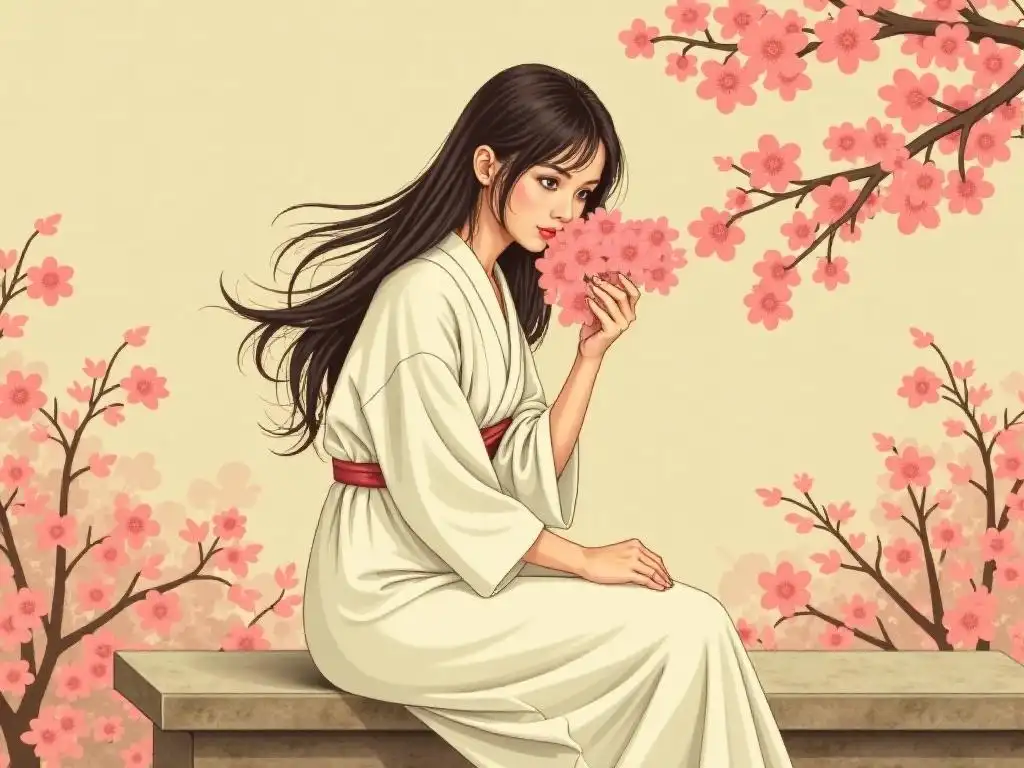
Welcome to Feudal Japan History, where we invite you to journey through the intricate tapestry of Japan's past. In our featured article, "Love and Loss: The Emotional Depth of Heian Poetry," we delve into the rich world of Heian period poetry analysis, revealing the profound emotions that shaped this remarkable era. Discover how the lyrical expressions of love, longing, and loss resonate through time, echoing the sentiments of a society steeped in tradition and artistry. Are you ready to uncover the hidden depths of these poetic masterpieces? Let your exploration begin!
- Introduction to Heian Period Poetry Analysis
- Thematic Elements of Heian Poetry
- Key Poets of the Heian Period
- Analyzing Love and Loss in Heian Poetry
- The Influence of Heian Poetry on Later Japanese Literature
- Conclusion: The Enduring Impact of Heian Period Poetry
- References and Further Reading
- Frequently Asked Questions
- Final Reflection: Embracing the Emotional Resonance of Heian Poetry
- Embrace the Journey of Heian Poetry
Introduction to Heian Period Poetry Analysis
The Heian period (794-1185) marks a pivotal era in Japan's cultural history, characterized by a flourishing of the arts, particularly in literature and poetry. This period witnessed the rise of courtly society, where the aesthetic values of elegance and refinement permeated daily life and artistic expression.
Heian period poetry, especially, serves as a window into the emotional landscapes of its time, encapsulating themes of love, loss, nature, and the human condition. This article aims to provide an in-depth analysis of Heian period poetry, focusing on the profound emotions encapsulated in its verses and exploring how these works reflect the complexities of human relationships and societal norms.
Overview of the Heian Period in Japan
The Heian period is often celebrated for its cultural advancements and the emergence of a distinctly Japanese identity, separate from Chinese influences. During this time:
- Political Landscape: The imperial court in Kyoto became the center of power, where the emperor and noble families engaged in intricate political maneuvering.
- Cultural Flourishing: Literature, art, and music thrived, leading to the creation of notable works like The Tale of Genji by Murasaki Shikibu.
- Social Structure: The class system was highly stratified, with the aristocracy enjoying privileges that shaped their artistic output.
This period's poetry, characterized by its use of waka and haiku, reflects the internal and external struggles of its creators, offering a rich tapestry of emotional depth that resonates even today.
Significance of Poetry in Heian Culture
In Heian society, poetry was not merely an artistic endeavor; it served as a vital means of communication and social interaction. Key aspects of its significance include:
- Social Status: Mastery of poetry was a marker of sophistication and education, particularly among the elite.
- Emotional Expression: Poets used their verses to convey nuanced feelings, often regarding love and loss, allowing for an emotional catharsis.
- Cultural Heritage: The poetic forms established during this time laid the groundwork for future generations, influencing Japanese literature profoundly.
As a reflection of both personal sentiment and broader cultural themes, Heian poetry remains a crucial element of Japan's literary heritage, inviting ongoing analysis and appreciation.
Objectives of the Article on Love and Loss in Heian Poetry
This article seeks to delve deeply into the themes of love and loss as expressed in Heian period poetry. The objectives include:
- Thematic Exploration: Analyzing how poets articulated their experiences of love and grief, revealing the universal human condition.
- Cultural Context: Understanding how the socio-political environment of the Heian period influenced poetic themes and forms.
- Literary Techniques: Examining the stylistic elements employed by poets to evoke emotions and convey complex feelings.
By focusing on these objectives, the article aims to enrich the reader's understanding of Heian period poetry and its enduring impact on Japanese literature and culture. Through a thorough analysis, we will uncover the emotional depth that continues to resonate with audiences today.
Thematic Elements of Heian Poetry

Heian period poetry, particularly within the context of courtly life, explores profound emotional landscapes that encapsulate the complexities of human relationships. Central to these poetic expressions are themes of love and loss, intricately woven into the fabric of the era's literary output. The emotional depth evident in these poems provides insight into the cultural and societal norms of the time, making Heian poetry a rich subject for analysis.
Exploration of Love in Heian Poetry
Heian poetry often reflects the nuanced and often tumultuous nature of love, particularly within the context of the aristocratic court. The emotive quality of these poems resonates through various forms, each revealing the delicate interplay between passion, longing, and the societal expectations of the time.
Romantic Expressions and Courtly Love
Romantic love in Heian poetry is characterized by its idealization and subtlety. Poets like Sei Shonagon and Murasaki Shikibu crafted verses that celebrated the intricacies of courtly love, often expressing feelings through metaphor and allusion. These expressions were not merely personal; they also served as a reflection of the social structures surrounding love. For instance, the use of seasonal imagery—such as cherry blossoms symbolizing fleeting beauty—often accompanied romantic sentiments, emphasizing the impermanence of love and life itself.
- Key Features of Romantic Expressions:
- Metaphorical Language: Poets employed elaborate metaphors to convey deep emotions.
- Seasonal Imagery: Nature played a crucial role in representing romantic feelings.
- Courtly Context: Love was often intertwined with social status and political alliances.
The Role of Nature in Love Poems
Nature is a recurring motif in Heian poetry, serving both as a backdrop and a means of expression for romantic themes. The changing seasons often mirrored the emotional states of the poets, creating a profound connection between human feelings and the natural world.
- Examples of Nature's Role:
- Spring: Represents new beginnings and the blossoming of love.
- Autumn: Evokes nostalgia and the bittersweet aspects of longing.
- Winter: Often symbolizes isolation and reflection on lost love.
The Concept of Loss in Heian Poetry
Loss is another central theme in Heian poetry, resonating deeply with the cultural concept of impermanence. The poets of this era adeptly captured sentiments of grief and longing, often reflecting on both personal and collective losses.
Grief and Mourning in Poetic Expressions
Heian poets frequently addressed themes of grief, articulating the profound sadness that accompanies loss. This emotional depth is exemplified in works that lament the death of loved ones or the end of relationships, showcasing the poets' ability to convey deep sorrow through their craft.
- Expressions of Grief:
- Elegiac Tone: Many poems adopt a melancholic tone, reflecting on the pain of separation.
- Imagery of Loss: Visual symbols such as falling leaves or withered flowers evoke feelings of mourning.
Transience and the Aesthetics of Mono no Aware
The aesthetic philosophy of mono no aware, or the "pathos of things," is deeply embedded in Heian poetry, highlighting the beauty found in transience. This concept encourages a recognition of the impermanent nature of life and love, fostering a sense of appreciation for fleeting moments.
- Key Aspects of Mono no Aware:
- Emotional Resonance: The awareness of impermanence enhances emotional experiences.
- Beauty in Loss: Poets find beauty in the ephemeral, transforming sorrow into art.
The intricate exploration of love and loss in Heian poetry not only provides a window into the emotional landscapes of its authors but also reflects the societal constructs of the time, making it a rich area for Heian period poetry analysis.
Key Poets of the Heian Period
The Heian period (794-1185) is often regarded as the golden age of Japanese literature, particularly characterized by its unique poetic forms and themes of love, loss, and the complexities of human emotions. Two of the most prominent figures of this era, Sei Shonagon and Murasaki Shikibu, left an indelible mark on the landscape of Heian period poetry with their innovative works that continue to resonate with readers today.
The Works of Sei Shonagon
Sei Shonagon was a court lady and a prominent figure in the literary circles of the Heian period. Her work is renowned for its sharp wit, keen observation, and playful exploration of the subtleties of court life.
"The Pillow Book" and its Poetic Significance
Sei Shonagon's most famous work, The Pillow Book (Makura no Soshi), is a collection of essays, lists, and poems that captures the essence of court life during the Heian period.
- Structure: The book is divided into various sections, including lists of beautiful things, seasons, and experiences, allowing Shonagon to weave poetic reflections throughout her prose.
- Themes: Love and loss are recurring themes in her poetry, often expressed through vivid imagery and emotional nuance. For instance, her observations about fleeting beauty and impermanence mirror the aesthetic principles of mono no aware, emphasizing the transient nature of life and emotions.
- Influence: Shonagon's ability to blend poetry with prose has significantly influenced subsequent generations of Japanese writers. Her work invites readers to experience the emotional depth of her observations, making her one of the key figures in the analysis of Heian period poetry.
The Contributions of Murasaki Shikibu
Murasaki Shikibu, another towering figure of the Heian period, is best known for her groundbreaking novel, which intricately weaves elements of poetry into its narrative structure.
"The Tale of Genji" as a Poetic Narrative
The Tale of Genji (Genji Monogatari) is often considered the world's first novel and plays a crucial role in the development of Japanese literature.
- Poetic Integration: Throughout the narrative, Shikibu incorporates poetry as a means of character expression, allowing the characters' emotions to resonate deeply with the reader. The poems often serve as a reflection of the characters' inner thoughts and feelings, enhancing the narrative's emotional weight.
- Characterization Through Poetry: The protagonist, Hikaru Genji, is depicted through his poetic exchanges, which reveal his romantic struggles and philosophical musings. This interplay between narrative and poetry adds layers of meaning, making the text a rich source for Heian period poetry analysis.
- Cultural Reflection: The work captures the complexities of relationships and societal expectations of the time, providing insights into the emotional landscapes of the Heian court. Shikibu’s poetic style is marked by elegance and depth, often exploring themes of love, loss, and longing, which are central to the human experience.
The poetry of the Heian period, as exemplified through the works of Sei Shonagon and Murasaki Shikibu, reflects a profound engagement with emotional depth and human connection. Their contributions not only shaped the literary landscape of their time but also laid the groundwork for future explorations of poetry in Japanese literature.
Lesser-Known Voices in Heian Poetry
While figures such as Sei Shonagon and Murasaki Shikibu often dominate discussions of Heian period poetry, the era also produced a wealth of lesser-known voices that contributed significantly to its literary landscape. These poets, although not as widely recognized, played a crucial role in shaping the themes and styles that characterize Heian poetry.
One prominent yet often overlooked poet is Kakinomoto no Hitomaro, whose work exemplifies the early poetic traditions influencing the Heian period. His tanka poems often explore themes of love and nature, reflecting personal emotions intertwined with the natural world. Similarly, Otomo no Yakamochi, another lesser-known figure, is celebrated for his contributions to the Manyoshu, one of Japan's oldest poetry collections. His poems exhibit a unique blend of personal reflection and social commentary, offering insights into the emotional and spiritual lives of his contemporaries.
The contributions of these poets illustrate the diversity of voices within Heian poetry. They explored a range of emotions—from longing and sorrow to joy and beauty—often using vivid imagery and intricate wordplay. This rich tapestry of poetic expression not only enhances our understanding of the era but also serves as a reminder that the literary accomplishments of the Heian period extend beyond its most famous figures.
Impact of Anonymous Poets on the Literary Landscape
The Heian period was marked by the emergence of anonymous poets whose contributions, while often uncredited, significantly enriched the literary landscape. These poets primarily composed works for the uta-awase (poetry competitions) and other communal settings, where poetic exchange was a social activity. Their verses, often infused with deep emotion, reflect the collective experience of the time, creating a sense of shared cultural identity.
Anonymous poetry often tackled universal themes such as love, loss, and the transient nature of life, resonating with audiences on a profound level. The Manyoshu, a foundational text of Japanese literature, includes many anonymous works that have survived through generations. These poems portray the feelings of longing and nostalgia that permeated the Heian society, offering a glimpse into the emotional depth of the people.
The impact of these anonymous voices is twofold. Firstly, they democratized poetic expression, allowing a broader range of emotions and experiences to be captured in verse. Secondly, their contributions helped to establish a rich oral tradition that influenced later literary forms, paving the way for subsequent generations of poets. By examining the works of these lesser-known poets, we gain a more comprehensive understanding of the emotional and cultural fabric of the Heian period, revealing the depth and diversity of its poetic heritage.
Analyzing Love and Loss in Heian Poetry
Heian period poetry is a profound reflection of the emotional landscape of its time, particularly in its exploration of love and loss. This era, spanning from 794 to 1185, is known for its rich literary output, with poetry serving as a primary medium for expressing complex feelings and societal values. The interplay of love and loss in Heian poetry not only reveals the personal experiences of the poets but also provides insight into the cultural and social frameworks of feudal Japan.
Case Study: Love Poems of the Heian Era
Characteristics of Love Poetry
Heian love poetry is characterized by its subtlety and nuance, often relying on allusions and imagery rather than direct expression of feelings. The use of seasonal motifs, particularly cherry blossoms and the moon, symbolizes the transient nature of beauty and romance. The most notable forms include waka, a traditional Japanese poetic form consisting of 31 syllables, and tanka, which expands on this structure.
Key characteristics include:
- Emotional Restraint: Poets often employ a sense of restraint, reflecting the societal expectations of the time.
- Nature Imagery: Nature serves as a backdrop, enhancing the emotional context of love poems.
- Symbolism: Objects and elements from nature often symbolize deeper feelings and relationships.
In this context, poets such as Sei Shonagon and Murasaki Shikibu stand out, capturing the essence of love with delicate observations and profound insights.
Emotional Depth and Imagery in Selected Poems
Selected love poems from the Heian period evoke a spectrum of emotions, from the exhilaration of new love to the melancholy of unrequited feelings. For instance, a well-known waka by Murasaki Shikibu illustrates the bittersweet nature of love through vivid imagery:
In the stillness of night,
The moonlight bathes the garden,
A single petal falls,
Whispering of love lost,
As shadows dance in silence.
This poem encapsulates the emotional depth found in Heian poetry, where nature intertwines with human sentiment. The use of kakekotoba (pivot words) further enhances the layers of meaning, allowing readers to engage with the text on multiple levels.
Case Study: Poems Reflecting Loss and Grief
Analysis of Notable Elegies
Elegies from the Heian period often grapple with themes of loss, reflecting the fragility of life and relationships. One notable elegy is "The Tale of the Heike," which provides a poignant commentary on the impermanence of glory and love. The following excerpt exemplifies the sorrow of loss:
In the silence of the battlefield,
Echoes of laughter fade away,
Only memories remain,
Like the mist at dawn,
Elusive, yet haunting.
The elegiac quality of such poems is marked by an exploration of personal grief alongside collective loss, revealing the deeply felt impact of death and separation in Heian society.
The Role of Memory and Nostalgia in Loss Poetry
Memory and nostalgia play vital roles in Heian loss poetry, as poets often reflect on past relationships and the ephemeral nature of life. In many verses, the act of remembering is portrayed as both a source of comfort and a painful reminder of what has been lost. For example, the use of seasonal imagery—often linked to the cycles of life—serves to evoke feelings of yearning and melancholy.
Poets like Ki no Tsurayuki articulate this sentiment beautifully:
As the cherry blossoms fall,
I remember your laughter,
Each petal, a whisper,
Of moments now gone,
Leaving only shadows behind.
In this way, Heian poetry serves as a vehicle for exploring the complexities of love and loss, intertwining personal emotions with broader cultural themes. The interplay of memory and loss not only enriches the poetic landscape of the Heian period but also allows for a deeper understanding of human experience within the context of feudal Japan.
The Influence of Heian Poetry on Later Japanese Literature
Heian period poetry, particularly the works produced during the 9th to 12th centuries, has left a lasting legacy that profoundly influenced subsequent Japanese literary traditions. The emotive depth, intricate aesthetics, and thematic richness of Heian poetry set a benchmark that resonated through the ages, shaping the evolution of Japanese literature in various forms.
Continuation of Themes in Edo Period Poetry
The Edo period (1603-1868) saw a resurgence of interest in the poetic styles and themes established during the Heian period. Poets of the Edo era drew inspiration from the emotional landscapes depicted in Heian poetry, particularly in the realms of love, nature, and the ephemeral nature of existence.
- Romantic Longing: The themes of unrequited love and longing, prevalent in works like The Tale of Genji, continued to permeate Edo poetry. For instance, poets such as Matsuo Bashō and Yosa Buson often echoed the sentiments of Heian love poems, illustrating the internal struggles and romantic ideals of their time.
- Nature and Transience: The Heian poets’ fascination with nature as a reflection of human emotion influenced Edo poets to incorporate vivid seasonal imagery into their works. The concept of mono no aware—the sensitivity to the beauty of the fleeting moment—remained a cornerstone of poetic expression.
- Social Commentary: Just as Heian poets sometimes critiqued societal norms through subtle allegories, Edo poets used their verses to comment on the complexities of urban life and the shifting social hierarchies of their time.
Modern Interpretations of Heian Poetic Themes
In contemporary literature, the themes of Heian period poetry are not only preserved but also reinterpreted through various lenses. Modern authors and poets draw on the emotive power of Heian poetry to explore and express contemporary issues.
- Feminist Readings: Modern scholars and poets have reexamined the voices of female poets from the Heian era, such as Sei Shonagon and Murasaki Shikibu. Their works are analyzed for insights into gender dynamics and the constraints placed on women in feudal society, prompting discussions about women's roles in contemporary Japan.
- Psychological Exploration: The introspective nature of Heian poetry resonates with modern explorations of identity and mental health. Contemporary poets utilize the emotional depth found in Heian works to articulate personal experiences of love, loss, and existential angst.
- Cultural Resurgence: There is a growing movement in Japan to revisit Heian poetic forms and themes, often blending them with modern styles. This fusion creates a dialogue between the past and present, allowing new generations to connect with their literary heritage.
Legacy of Heian Poetry in Contemporary Japanese Culture
The enduring legacy of Heian period poetry is evident in various aspects of contemporary Japanese culture, transcending literature and permeating visual arts, film, and even music.
- Artistic Representations: The thematic elements of Heian poetry are reflected in modern art, where artists depict scenes inspired by famous poems, capturing the ethereal beauty of the Heian aesthetic.
- Film and Television: Numerous adaptations of Heian literature, such as The Tale of Genji, have been produced, showcasing the timeless nature of its themes and the emotional depth that continues to resonate with audiences.
- Cultural Festivals: Events celebrating Heian culture and poetry, such as the annual "Heian Festival" in Kyoto, highlight the significance of these historical themes in contemporary society, fostering a sense of cultural identity and appreciation for Japan's literary past.
The emotional depth and thematic richness of Heian period poetry have not only shaped the literary landscape of Japan but continue to inspire and influence modern interpretations and expressions across various cultural domains. The exploration of love and loss, the beauty of nature, and the complexities of human emotion remain relevant, ensuring that the legacy of Heian poetry endures in contemporary Japanese culture.
Conclusion: The Enduring Impact of Heian Period Poetry
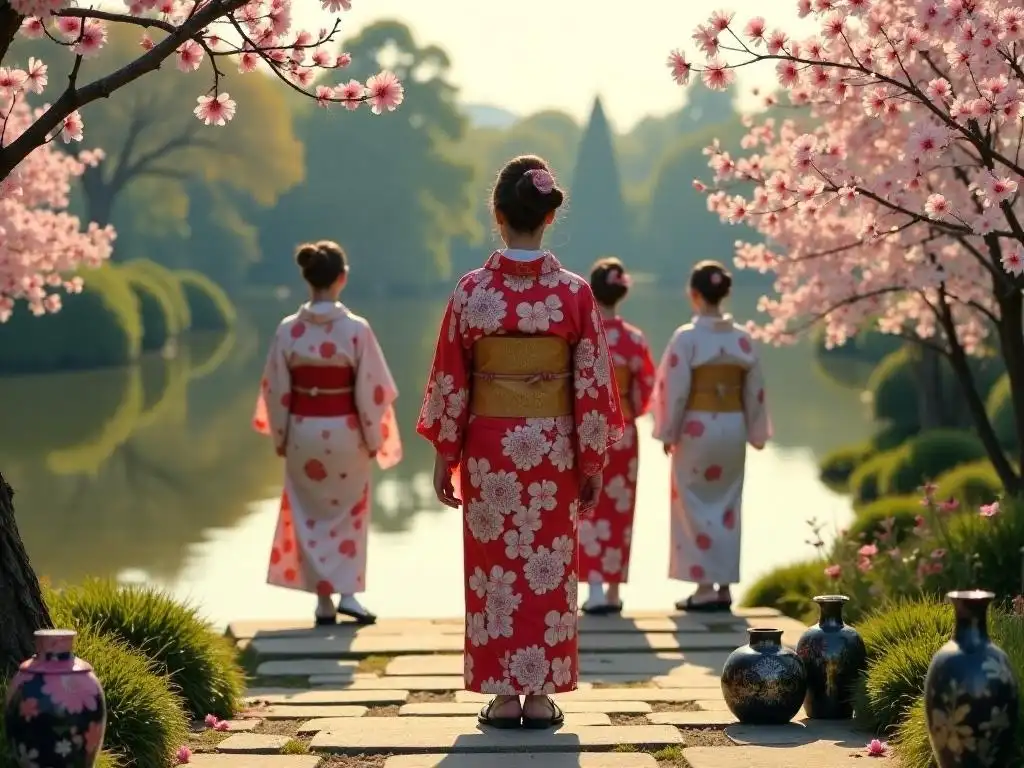
Summary of Love and Loss Themes
Heian period poetry is deeply imbued with themes of love and loss, reflecting the emotional landscape of the era. The poetry often captures the fleeting nature of relationships and the ephemeral beauty of life, resonating with the Buddhist notion of impermanence.
-
Romantic Longing: Many poems express a profound yearning for unattainable love, characterized by a sense of melancholy. The waka form, with its 31-syllable structure, allows poets to convey intricate emotions succinctly. For instance, a famous poem by Murasaki Shikibu poignantly illustrates the heartache of separation:
The haze of the morning mist,
A love lost in the distance,
Yet my heart still clings to dreams. -
Grief and Mourning: The loss of loved ones is a pervasive theme, with poets exploring the depths of sorrow through metaphor and imagery. The use of nature as a backdrop often enhances the emotional weight. Cherry blossoms, for instance, symbolize both beauty and the transience of life, as seen in many verses:
- Symbolism of Nature:
- Cherry Blossoms: Represents fleeting beauty.
- Autumn Leaves: Symbolizes loss and change.
- Moonlight: Reflects solitude and contemplation.
- Symbolism of Nature:
-
Transience of Beauty: The acknowledgment of beauty's impermanence is a recurring motif, prompting poets to reflect on their experiences and the inevitability of change. This is articulated through rich imagery that evokes both joy and sorrow, revealing a complex emotional tapestry.
Final Thoughts on Heian Period Poetry Analysis
The analysis of Heian period poetry reveals a rich vein of emotional expression that speaks to the human condition. The interplay of love and loss not only defines individual experiences but also mirrors the broader societal values of the time.
In examining Heian period poetry analysis, several key aspects emerge:
- Cultural Significance: Poetry served as a medium for social interaction among the elite, fostering connections through shared sentiments. The use of poetry in courtship and communication highlights its importance in the cultural fabric of the era.
- Literary Techniques: The aesthetic qualities of Heian poetry, such as alliteration, seasonal references, and vivid imagery, enhance the emotional resonance. Poets employed sophisticated techniques to evoke deep feelings, making the analysis of these works a study in both artistry and sentiment.
- Legacy: The emotional depth found in Heian poetry has influenced subsequent generations of poets and writers, establishing a lasting legacy in Japanese literature. The themes of love and loss continue to resonate, underscoring the universal nature of these experiences.
The Heian period serves as a poignant reminder of the complexity of human emotions, and its poetry remains a powerful testament to the enduring impact of love and loss in the cultural history of Japan. As scholars and enthusiasts delve into Heian period poetry analysis, they uncover not only the beauty of the verses but also the profound truths they encapsulate about life, love, and the inevitable passage of time.
References and Further Reading
Suggested Works on Heian Literature
To gain a deeper understanding of the Heian period and its poetry, several key texts are highly recommended. These works not only provide context but also enrich the reader's appreciation of the emotional nuances typical of Heian literature.
- The Tale of Genji by Murasaki Shikibu
- Often regarded as the world's first novel, this work is a cornerstone of Heian literature. It explores themes of love, loss, and the complexities of court life through the experiences of its protagonist, Hikaru Genji.
- The Pillow Book by Sei Shonagon
- This collection of essays, lists, and anecdotes offers insight into the aesthetics and daily life of the Heian court. Shonagon's observations often reflect a keen emotional sensitivity that complements the poetry of the era.
- Heian Japan: Centers and Peripheries by Mikael Adolphson
- This scholarly work examines the sociopolitical landscape of the Heian period, providing critical context for the poetry and its themes.
- The Anthology of Poems from the Manyoshu to the Heian Period by Various Authors
- A comprehensive collection that showcases the evolution of Japanese poetry, including significant works from the Heian era.
- Gender and Power in the Japanese Visual Field by Joshua S. Mostow
- While focusing on visual arts, this book discusses the interplay between gender and the poetic expressions of the Heian period, offering an expanded view of the cultural context.
Academic Articles on Heian Poetry Analysis
For a more scholarly perspective, several academic articles delve into the intricacies of Heian period poetry. These analyses help to unpack the emotional depth and cultural significance of the poetic works from this era.
- "The Nature of Love in Heian Poetry" by Haruko Sakamoto
- This article explores the thematic representations of love in Heian poetry, examining how emotions are expressed and the societal implications of these portrayals.
- "The Role of Nature in Heian Poetic Expression" by Kenjiro Tanaka
- Tanaka’s work discusses the integral connection between nature and poetry during the Heian period, analyzing how natural imagery enhances emotional expression in literary works.
- "Gender Dynamics in Heian Poetry: A Study of Women's Voices" by Yuki Matsumoto
- This article focuses on the contributions of female poets during the Heian period, shedding light on their unique perspectives and emotional depth in their poetry.
- "Symbolism and Imagery in Heian Verse: A Comparative Analysis" by Akira Ito
- Ito’s analysis provides a comparative perspective on the use of symbolism and imagery in Heian poetry, illustrating how these elements convey complex emotional landscapes.
- "Transitional Themes in Heian Literature" by Michiko Yoshida
- This academic piece discusses the transitional themes present in Heian literature, particularly in poetry, exploring how these reflect the societal changes of the period.
By engaging with these suggested works and academic articles, readers can gain a comprehensive understanding of Heian period poetry analysis and its enduring emotional resonance within the context of Japanese literary history.
Frequently Asked Questions
What is the Heian period in Japanese history?
The Heian period (794-1185) is known for its cultural flourishing and development of Japanese literature, particularly poetry. This era is characterized by the rise of the aristocracy and significant contributions to the arts.
How does Heian period poetry reflect emotions?
Heian poetry often explores themes of love and loss, using subtle imagery and nuanced language. Poets captured deep emotional experiences, which continue to resonate today.
What are some notable poets from the Heian period?
Prominent poets include Murasaki Shikibu, known for "The Tale of Genji," and Sei Shonagon, who contributed to the poetic form called waka. Their works are celebrated for their lyrical beauty and emotional depth.
How is Heian period poetry analyzed academically?
Academic analysis often focuses on the themes, stylistic devices, and historical context of Heian poetry. Scholars examine symbolism and the cultural significance of emotions depicted in the poems.
Why is Heian period poetry significant today?
The emotional depth and aesthetic qualities of Heian poetry continue to influence modern literature and art. Its exploration of universal themes like love and loss makes it relevant across time and cultures.
Final Reflection: Embracing the Emotional Resonance of Heian Poetry
The exploration of love and loss in Heian period poetry remains profoundly relevant today, as it captures the timeless human experience of yearning and heartache. In a world where emotions often feel fleeting and superficial, these ancient verses remind us of the depth and complexity of our feelings, resonating with anyone who has ever loved deeply or faced the pain of separation. The beauty of Heian poetry lies not just in its historical context but in its ability to speak to our hearts across centuries.
The influence of Heian poetry on our cultural and social landscape is undeniable, as it continues to inspire modern literature, art, and emotional expression. The themes of love and loss serve as a bridge connecting us to our past, allowing us to reflect on our own experiences.
As poet Matsuo Bashō once said, “The journey of a thousand miles begins with one step,” reminding us that each emotional journey, whether joyful or sorrowful, is a vital part of our existence. > “In the depth of winter, I finally learned that within me there lay an invincible summer.” This quote encapsulates the resilience found in the face of loss, echoing the sentiments expressed in Heian poetry.
As you reflect on the emotional depth of Heian poetry, I invite you to consider how these themes resonate in your own life. Take a moment to embrace your feelings—both the joyous and the painful—and recognize that they are part of a shared human experience. Let the wisdom of the past guide you in navigating your own emotional landscapes, and allow the beauty of love and the lessons of loss to inspire your journey forward. In doing so, you honor not only the poets of the Heian period but also the timeless nature of our collective humanity.
Embrace the Journey of Heian Poetry
Thank you for diving into the emotional world of Heian poetry with us! Your interest in this profound art form unveils the beauty and complexity of love and loss during this exquisite period in Japanese history. Now that you've explored these timeless themes, it's time to take your engagement further and truly embrace the spirit of Heian literature.
Here are some actions you can take to deepen your connection with this poetic tradition:
- Read a collection of Heian poetry: Start with works by renowned poets like Sei Shonagon and Murasaki Shikibu; their words can inspire your own reflections on the intricacies of human emotions.
- Share your thoughts: Discuss your favorite poem from the era with friends or on social platforms. Connecting with others can bring new insights and foster a communal appreciation for these literary treasures.
- Try writing your own poem: Channel your emotions into verse! Experiment with the themes of love and loss, creating a personal piece that resonates with the distinctive styles of the Heian period.
What emotions or memories do these ancient poems stir within you? We’d love to hear your reflections!