
Nurturing a Passion: Stories from Collectors of Feudal Japan Figurines

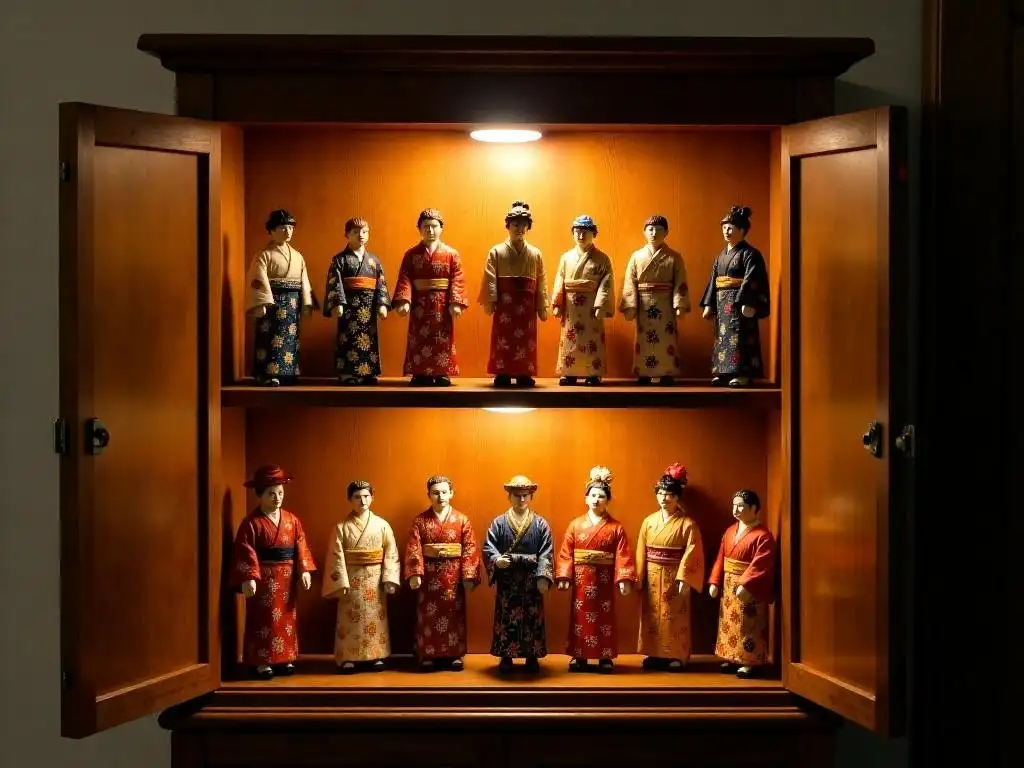
Welcome to Feudal Japan History, where we invite you to embark on an extraordinary journey through the captivating world of Japan’s feudal era. Here, you will discover the rich tapestry of historical, cultural, and societal nuances that shaped a nation. In our featured article, “Nurturing a Passion: Stories from Collectors of Feudal Japan Figurines,” we delve into the fascinating tales of enthusiasts who celebrate this unique cultural heritage through their collections.
What secrets do these figurines hold, and how do they connect collectors to a bygone era? Join us as we unravel these stories and more, igniting your curiosity and passion for the enchanting legacy of Feudal Japan.
- Introduction to Feudal Japan Figurine Collectors
- The Journey of a Feudal Japan Figurine Collector
- Types of Feudal Japan Figurines
- How to Start Your Collection of Feudal Japan Figurines
- Challenges Faced by Feudal Japan Figurine Collectors
- The Community of Feudal Japan Figurine Collectors
- Tips for Displaying and Showcasing Your Feudal Japan Figurine Collection
- Investing in Feudal Japan Figurines
- Conclusion: The Legacy of Feudal Japan Figurine Collectors
- Frequently Asked Questions
- Final Reflection: Embracing the Legacy of Feudal Japan Figurine Collectors
- Unleash Your Inner Collector Today!
Introduction to Feudal Japan Figurine Collectors
In the rich tapestry of Japan's history, the feudal era stands out not only for its political and social structures but also for its vibrant cultural expressions. Among these expressions, the art of crafting and collecting figurines that represent historical figures, mythical beings, and everyday life continues to captivate enthusiasts worldwide.
This article delves into the fascinating world of Feudal Japan figurine collectors, exploring their motivations, the allure of these intricate pieces, and the cultural significance that underpins this unique form of collecting. As we uncover the stories behind these collectors, we will gain insights into how these figurines serve as more than mere decorations; they are vessels of history, culture, and personal passion.
Understanding the Appeal of Feudal Japan Figurines
The allure of Feudal Japan figurines lies in their intricate craftsmanship and historical relevance. Collectors are often drawn to:
- Artistry: The detailed workmanship of these figurines showcases the exceptional skills of artisans from different periods of Japan’s feudal history. Each piece often reflects the aesthetic values and artistic trends of its time, making them not just collectibles but also works of art.
- Connection to History: For many collectors, these figurines offer a tangible connection to Japan’s past. They represent pivotal moments, legendary figures, and cultural practices that shaped the nation. This connection can evoke a sense of nostalgia and appreciation for the complexities of feudal society.
- Cultural Heritage: Collecting these figurines allows enthusiasts to engage with and preserve aspects of Japanese culture that may otherwise be overlooked. Each figurine can tell a story, whether it’s about samurai valor, the elegance of geishas, or the spirituality of Shinto deities.
- Community and Sharing: The world of figurine collecting fosters a vibrant community. Collectors often connect through forums, exhibitions, and conventions, sharing their passion and knowledge. This communal aspect enhances the experience, allowing collectors to learn from one another and celebrate their shared interests.
The Cultural Significance of Collecting in Japan's Feudal Era
Collecting figurines during Japan's feudal era was not merely a pastime; it was deeply embedded in the cultural fabric of society. The practice of collecting can be understood through several lenses:
- Symbol of Status: In feudal Japan, collecting rare and beautifully crafted items was often a sign of wealth and social status. The elite, including samurai and wealthy merchants, would seek to acquire unique figurines that showcased their taste and affluence.
- Spiritual and Ritualistic Elements: Many figurines were not only decorative but served spiritual purposes. They were often used in rituals or as offerings, reflecting the intertwined nature of art and spirituality in feudal Japan.
- Preservation of Identity: Collecting figurines also played a crucial role in preserving cultural identity during a time of significant political and social change. As Japan transitioned from feudalism to modernity, these figurines became symbols of a shared heritage, allowing future generations to appreciate their history.
- Educational Value: Beyond their aesthetic appeal, these figurines serve as valuable educational tools. They provide insights into the clothing, weaponry, and daily life of various classes within feudal society, fostering a deeper understanding of Japan’s historical narrative.
The passion for collecting Feudal Japan figurines is rooted in a rich cultural context that transcends simple acquisition. It encompasses artistry, history, community, and the preservation of a unique cultural legacy, making it a fascinating subject for collectors and historians alike.
The Journey of a Feudal Japan Figurine Collector
Personal Stories: Passion for Collecting
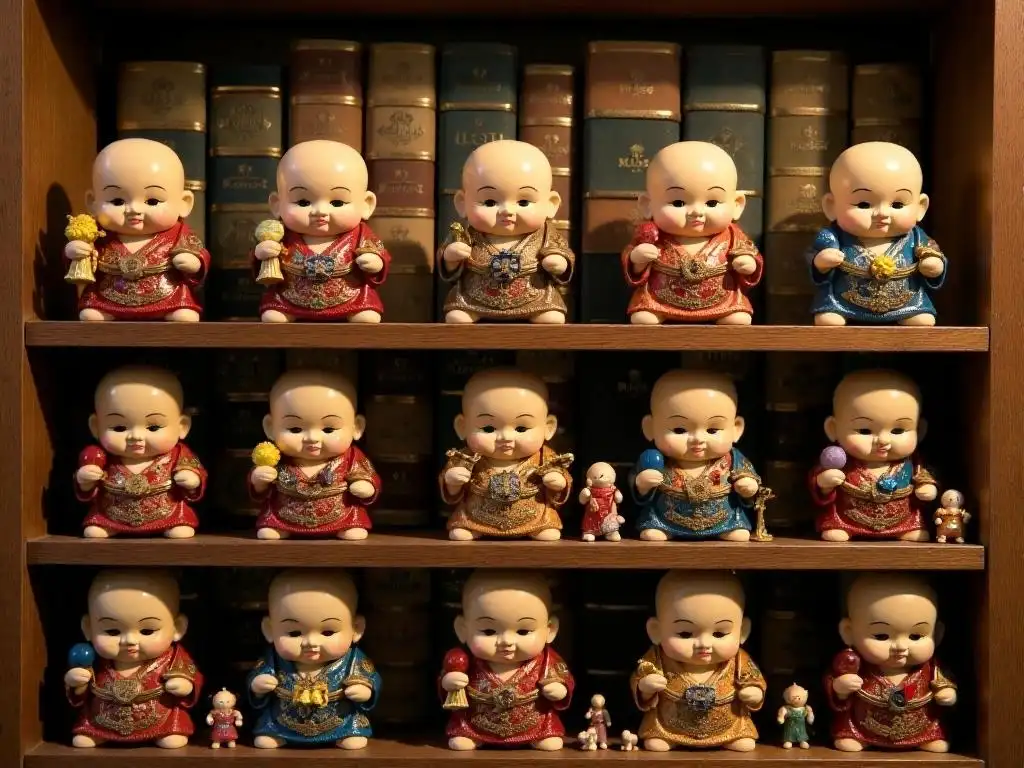
The world of Feudal Japan figurine collectors is rich with personal narratives that reveal the deep-rooted passion these enthusiasts have for their collections. Each collector often has a unique entry point into this fascinating realm, with stories that highlight the diverse motivations behind their pursuits.
- Early Inspirations: Many collectors recount childhood experiences that sparked their interest. For instance, a collector might have been captivated by a family heirloom or a visit to a museum featuring samurai armor and artifacts. This initial exposure often leads to a lifelong fascination with the culture and history of Feudal Japan.
- Diverse Collecting Journeys: Collectors come from various backgrounds, and their journeys can differ significantly. Some focus exclusively on high-quality replicas of historical figures, while others may seek out vintage pieces or contemporary art that draws inspiration from the era. As an example, a collector might specialize in Edo period figurines, which showcase the artistic styles and cultural themes of that time.
- Community and Connection: The collectors often find a sense of community through clubs and online forums dedicated to Feudal Japan collectibles. Sharing stories, trading pieces, and attending conventions fosters connections that transcend geographical boundaries. These gatherings provide opportunities for collectors to showcase their prized possessions and discuss the historical significance of their figurines.
The Emotional Connection to History through Figurines
Feudal Japan figurines serve as more than mere collectibles; they are tangible connections to a rich historical narrative that resonates deeply with collectors. The emotional ties these enthusiasts form with their figurines are profound and multifaceted.
- Symbolism and Representation: Each figurine often embodies a story or character from Feudal Japan, allowing collectors to engage with history on a personal level. For example, a meticulously crafted samurai figurine might symbolize honor and bravery, evoking admiration for the warriors who shaped Japan's past. This connection transforms the act of collecting into a journey through time.
- Preservation of Culture: Collectors often view their figurines as guardians of cultural heritage. By investing in these pieces, they are not just acquiring art; they are preserving the stories and traditions of Feudal Japan for future generations. This sense of responsibility can amplify their passion, as they recognize the importance of keeping history alive.
- Aesthetic Appreciation: Beyond historical significance, collectors are drawn to the artistry and craftsmanship of the figurines. The intricate details, vibrant colors, and skilled techniques employed in creating these pieces can evoke strong emotional responses. Many collectors find joy in the beauty of the figurines, leading to a profound appreciation for the artistry of Feudal Japan.
The journey of a Feudal Japan figurine collector is filled with personal stories and deep emotional connections to history. Through their collections, enthusiasts not only celebrate the artistry of the past but also contribute to the preservation of a culture that continues to inspire and captivate.
Types of Feudal Japan Figurines
Traditional Samurai Figurines: Symbols of Honor and Valor
Traditional Samurai figurines are among the most revered collectibles in the realm of Feudal Japan figurines. These figures not only represent the iconic warriors of Japan’s feudal society but also embody the principles of honor, loyalty, and bravery that defined the samurai ethos. Crafted with meticulous attention to detail, these figurines often depict samurai in full armor, showcasing their weapons, such as katana and tanto, which are integral to their identity.
The cultural significance of samurai figurines lies in their representation of Bushido, the way of the warrior. Collectors often seek out pieces that illustrate specific historical figures or renowned clans, each with unique armor styles and insignias. For instance, figurines of Minamoto no Yoshitsune or Oda Nobunaga are particularly prized for their historical relevance and artistry.
Key Features of Samurai Figurines:
- Materials: Commonly made from wood, porcelain, and metal.
- Design Elements: Often include intricate details such as facial expressions, clothing textures, and weaponry.
- Size Variations: Ranging from small desktop pieces to life-size statues.
The popularity of samurai figurines among collectors also extends to their role in Japanese culture, serving as a reminder of the rich history and the values upheld by the samurai class.
Geisha Figurines: Representing Grace and Artistry
Geisha figurines are another prominent type of collectible from the feudal era, capturing the elegance and artistry of these iconic performers. Unlike samurai, geisha figurines focus on the aesthetic and cultural aspects of feudal Japan, representing the skilled entertainers who were adept in music, dance, and conversation.
These figurines often depict geisha in traditional attire, adorned with kimonos featuring intricate patterns and vibrant colors. Collectors appreciate the craftsmanship involved, as many of these pieces are hand-painted and designed to reflect the various seasonal themes and ceremonies celebrated in Japan.
Elements of Geisha Figurines:
- Attire: Kimonos, obi (sashes), and accessories like hairpins and fans.
- Facial Expressions: Often capturing a serene or playful demeanor, reflecting the geisha’s role in entertainment.
- Cultural Context: Represent the aesthetics and social dynamics of the Edo period, making them valuable for cultural enthusiasts.
Geisha figurines are not only collectibles but also serve as educational tools that provide insight into the roles women played in feudal society, highlighting the contrast between the warrior class and the artful, refined world of geisha.
Other Notable Collectible Figurines from the Feudal Era
Beyond samurai and geisha, several other collectible figurines from the feudal era attract enthusiasts and collectors alike. These include:
- Noh Theatre Masks: Representing characters from traditional Japanese dramas, these figurines capture the artistry of mask-making and storytelling.
- Buddhist Figures: Statues of deities and bodhisattvas that reflect the spiritual beliefs prevalent during the feudal period, often made from materials like bronze or wood.
- Historical Figures: Figurines of prominent historical figures such as shoguns, daimyos, and famous monks, each telling a story of their contributions to Japan's rich tapestry of history.
Collecting Tips:
- Authenticity: Ensure that each piece is accompanied by documentation verifying its origin and age.
- Condition: The state of the figurine can significantly impact its value. Look for pieces that have been well-preserved.
- Research: Knowledge of the specific era and context of each figurine enhances appreciation and collecting strategies.
These diverse collectible figurines offer a deeper understanding of Japan’s feudal history, making them not only objects of beauty but also valuable cultural artifacts for collectors of Feudal Japan figurines.
How to Start Your Collection of Feudal Japan Figurines
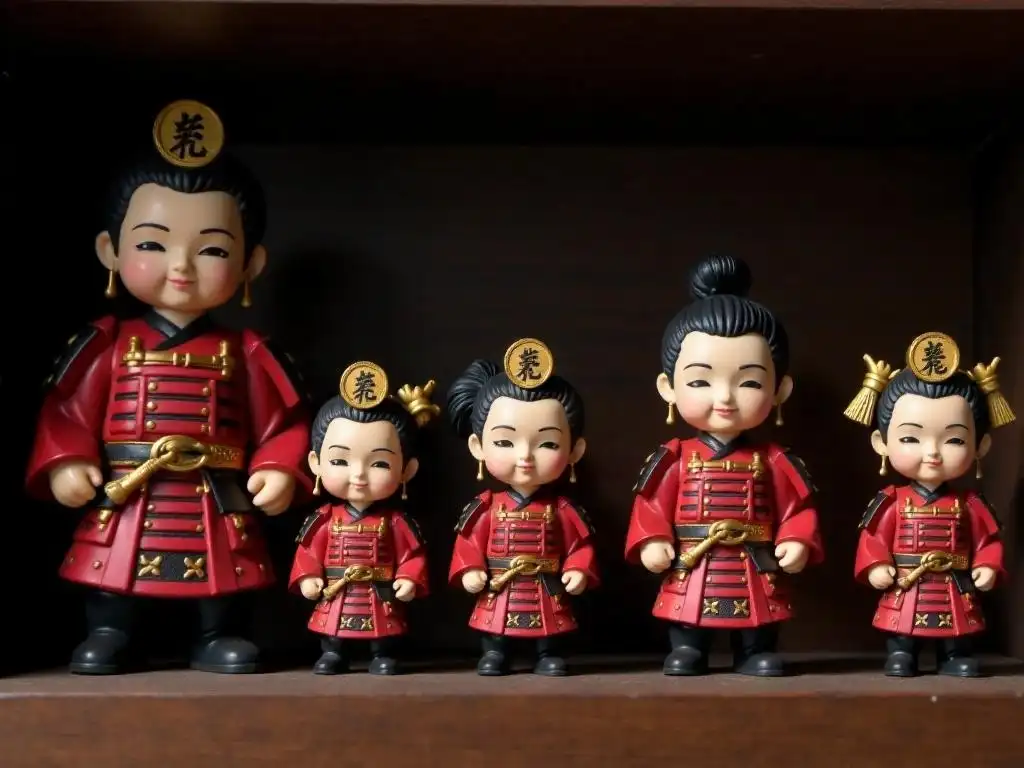
Starting a collection of Feudal Japan figurines can be an exciting and rewarding endeavor. This process not only allows collectors to appreciate the intricate artistry and historical significance of these pieces but also provides a unique way to connect with Japan's rich cultural heritage. Here are some essential steps to get you underway on your collecting journey.
Key Factors to Consider When Collecting Figurines
When diving into the world of Feudal Japan figurines, several key factors should guide your collecting strategy:
- Research the History:
- Understanding the historical context of the figures is crucial. Familiarize yourself with the various periods of Feudal Japan, such as the Heian, Kamakura, or Edo periods. Each era has distinct styles and motifs that can greatly influence your collection.
- Material and Craftsmanship:
- Figurines are often made from diverse materials, including wood, porcelain, and metal. Each material has its own significance and value. For example, Kokeshi dolls, handcrafted from wood, reflect traditional craftsmanship. Examine the quality of the craftsmanship, as well-made pieces are generally more desirable.
- Condition and Authenticity:
- Assessing the condition of a figurine is vital. Look for signs of wear, repairs, or damage. Authenticity is equally important; always seek out pieces with provenance or documentation that proves their origin and age.
- Artist and Maker:
- The artist or maker of a figurine can significantly impact its value. Research renowned artisans or manufacturers from Feudal Japan, such as Hiroshige or Hokusai, to understand which pieces may be considered more valuable or collectible.
- Personal Preference:
- Ultimately, personal taste should guide your collection. Consider what themes, colors, or historical figures resonate with you. A collection that reflects your passions will be more fulfilling.
Recommended Resources for Aspiring Collectors
As an aspiring collector of Feudal Japan figurines, utilizing the right resources can enhance your knowledge and inform your purchasing decisions. Here are some valuable tools to assist you:
- Books and Catalogs:
- Seek out books focused on Japanese art and collectibles. Titles such as "Japanese Dolls: The Fascinating World of Ningyo" provide insights into various types of figurines. Museums often publish catalogs that can be useful for research.
- Online Forums and Communities:
- Engage with online communities dedicated to collectors of Feudal Japan artifacts. Platforms like Reddit or specialized Facebook groups can offer advice, share experiences, and connect you with fellow enthusiasts.
- Documentaries and Educational Videos:
- Visual content can enhance your understanding of Feudal Japan's culture and art. Search for documentaries that explore Japanese history or arts, offering visuals of figurines and their significance.
- Collector Shows and Auctions:
- Attend local or national collector shows, as these events often feature experts and vendors. Auctions can also provide opportunities to acquire unique pieces and learn from seasoned collectors.
Where to Find Authentic Feudal Japan Figurines
Finding authentic Feudal Japan figurines requires diligence and a keen eye for quality. Here are some reliable sources to consider:
- Antique Shops and Galleries:
- Many antique shops specialize in Asian artifacts. Establish a relationship with shop owners, as they can provide valuable insights and may notify you of new arrivals.
- Online Marketplaces:
- Platforms like eBay, Etsy, or specialized art auction sites can be treasure troves for figurine collectors. Always check seller ratings and reviews to ensure authenticity.
- Estate Sales and Auctions:
- Estate sales often feature unique collections that may include Feudal Japan figurines. Keep an eye on local auction houses for upcoming sales specializing in Asian antiques.
- Museums and Exhibitions:
- Visiting museums with Japanese art collections can offer inspiration and education. Some museums may even have gift shops that sell replicas or related items.
- Collector Shows:
- Participating in collector shows not only allows you to purchase items but also enables networking with other collectors and experts who can share tips and resources.
By understanding these key factors, utilizing recommended resources, and knowing where to find authentic figurines, you will be well on your way to nurturing a fulfilling collection of Feudal Japan figurines. Happy collecting!
Challenges Faced by Feudal Japan Figurine Collectors
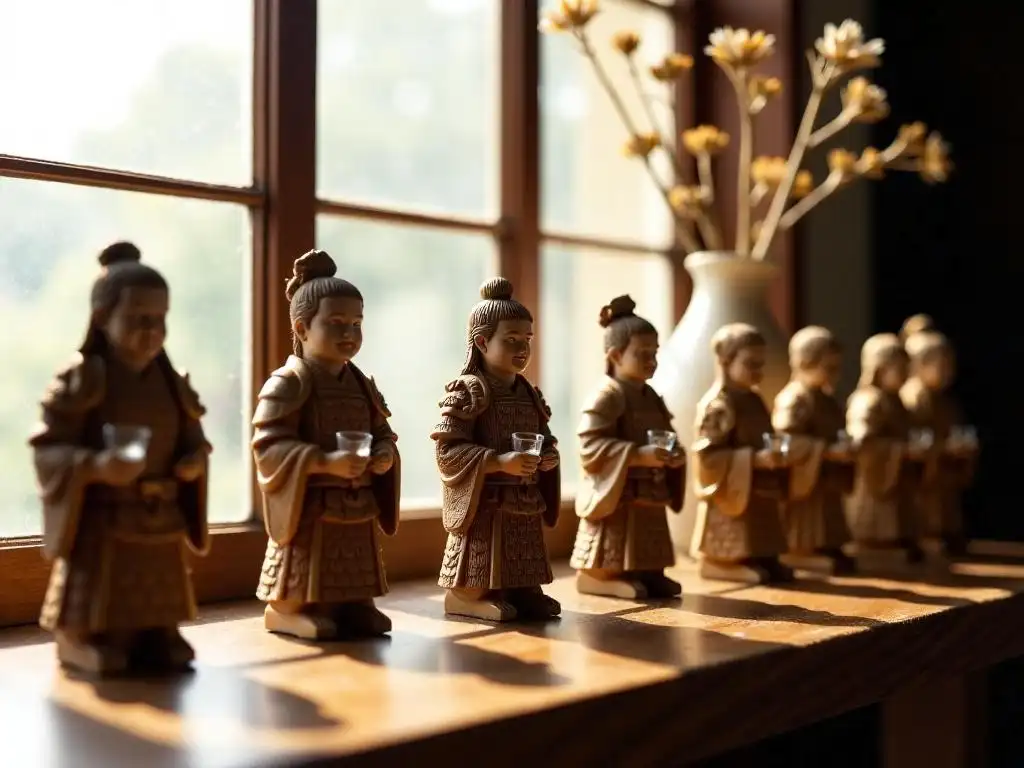
Collecting figurines from the feudal era of Japan is a rewarding yet challenging endeavor for enthusiasts. As collectors delve into this intricate world, they encounter several obstacles that can affect their ability to curate a valuable and authentic collection. Understanding these challenges is crucial for anyone passionate about feudal Japan figurines.
Identifying Authentic vs. Reproduction Figurines
One of the primary challenges faced by collectors is discerning between authentic feudal Japan figurines and reproductions. With the increasing popularity of feudal era collectibles, the market has seen an influx of replica items that can easily mislead unsuspecting buyers. Here are some key factors to consider when evaluating the authenticity of a figurine:
- Maker’s Mark: Authentic figurines often bear a maker’s mark or signature that can provide valuable clues about their origin. Collectors should familiarize themselves with the marks used by renowned artisans of the feudal period.
- Material Analysis: Genuine figurines are typically crafted from traditional materials such as porcelain, wood, or stone. Understanding the characteristics of these materials can help in identifying reproductions that may use cheaper or synthetic alternatives.
- Aging and Wear: Authentic pieces will exhibit signs of aging, such as patina or minor imperfections. Collectors should look for these nuances, as reproductions tend to have a more uniform appearance.
- Provenance Records: Provenance, or the history of ownership, can greatly influence a figurine's authenticity. Collectors should seek documentation that verifies the item's history, as reputable dealers will often provide this information.
By employing these strategies, collectors can better navigate the complexities of the market and ensure they are investing in genuine pieces that reflect the rich history of feudal Japan.
The Importance of Preservation and Care for Collectibles
Once collectors have successfully acquired authentic feudal Japan figurines, the next challenge arises: preservation and care. Proper maintenance is essential for ensuring the longevity and condition of these delicate artifacts. Here are some critical practices for collectors to adopt:
- Controlled Environment: Storing figurines in a climate-controlled environment can prevent damage caused by humidity and temperature fluctuations. Ideal conditions typically range between 65°F to 75°F (18°C to 24°C) with humidity levels around 40-50%.
- Display Considerations: When displaying figurines, avoid direct sunlight, as UV rays can fade colors and degrade materials over time. Using display cases with UV-filtering glass can help protect figurines from harmful light exposure.
- Regular Cleaning: Dust accumulation can detract from the beauty of feudal Japan figurines. Collectors should use soft, lint-free cloths for gentle cleaning and avoid harsh chemicals that could damage the figures' surfaces.
- Handling with Care: When moving or handling figurines, it’s important to wash hands thoroughly and avoid touching painted areas. Wearing cotton gloves can further prevent oils and dirt from transferring onto the figurine.
By prioritizing preservation and care, collectors can enjoy their feudal Japan figurines for years to come, maintaining their historical significance and aesthetic appeal.
The Community of Feudal Japan Figurine Collectors
In recent years, the rise of online platforms has transformed how collectors of Feudal Japan figurines connect and share their passion. Online forums and social media groups have become vibrant communities where enthusiasts can engage in discussions, share tips, and showcase their collections.
Popular Platforms
- Facebook Groups: Many collectors have found Facebook to be an excellent medium for sharing images of their figurines, discussing valuation, and organizing meet-ups. Groups like "Feudal Japan Figurine Collectors" often feature daily posts showcasing new acquisitions and providing a platform for asking questions.
- Reddit: Subreddits such as r/Collectibles and r/Japan have sections where collectors can discuss Feudal Japan figurines. These forums allow for anonymity and can lead to candid discussions about authenticity and sourcing.
- Specialized Forums: Websites like The Collector's Guild offer dedicated sections for discussing Feudal Japan collectibles, featuring detailed threads on specific figurines and historical context.
Benefits of Online Communities
- Knowledge Sharing: Members actively share their knowledge about different figurines, including historical significance, materials used, and manufacturing techniques. This can be especially beneficial for new collectors looking to learn.
- Market Insights: Collectors often discuss market trends and pricing, giving newcomers a better understanding of what to expect when buying or selling figurines.
- Networking Opportunities: Online communities can lead to in-person connections, fostering friendships and partnerships among collectors, which can enhance the overall collecting experience.
Attending Collectors’ Shows and Exhibitions
While online interactions are valuable, attending collectors’ shows and exhibitions provides a unique opportunity for Feudal Japan figurine collectors to immerse themselves in the culture and connect with others face-to-face.
Types of Events
- Local Collector Shows: Many cities host annual or semi-annual collectible shows that feature vendors specializing in Feudal Japan items. These events often include seminars and workshops that delve into various aspects of collecting.
- Conventions: Larger conventions, such as Comic-Con, often have sections dedicated to collectibles, including Feudal Japan figurines. These gatherings allow collectors to experience a broader range of cultural products while networking with fellow enthusiasts.
- Art Exhibitions: Museums occasionally hold exhibitions that focus on historical artifacts, including figurines from the Feudal era. These events can deepen collectors' appreciation for the cultural significance of their items.
Advantages of In-Person Events
- Physical Examination: Collectors can see, touch, and evaluate figurines in person, which is crucial for assessing condition and authenticity. This tactile experience can significantly influence purchasing decisions.
- Direct Interaction with Experts: Many shows feature experts who can provide insights into the history and value of specific figurines. This direct access can enhance a collector's understanding and appreciation of their items.
- Community Building: Meeting fellow collectors in person fosters a sense of community that online interactions cannot fully replicate. Relationships formed at these events can lead to lifelong friendships and collaboration in future endeavors.
The community of Feudal Japan figurine collectors thrives both online and offline, with each platform offering unique benefits. Whether through the convenience of social media or the enriching experience of exhibitions, collectors are continuously nurturing their passion for these historical artifacts.
Tips for Displaying and Showcasing Your Feudal Japan Figurine Collection
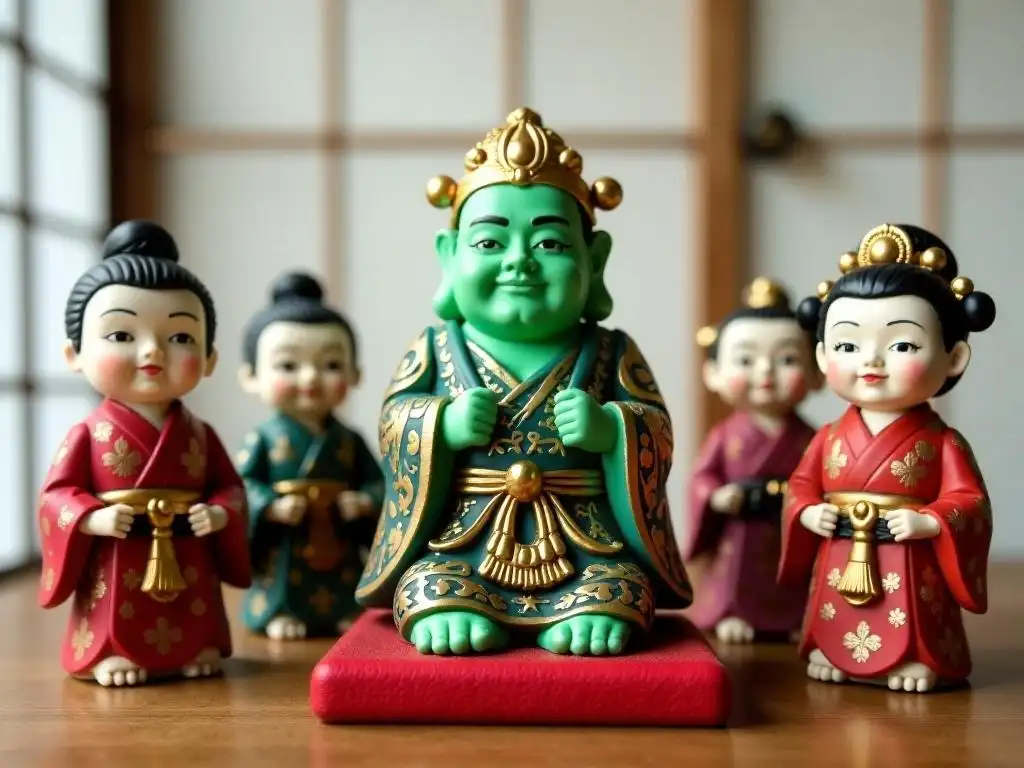
Creative Display Ideas for Maximizing Aesthetic Appeal
When it comes to displaying your Feudal Japan figurine collection, creativity is key to enhancing both the aesthetic appeal and the storytelling aspect of your display. Here are some innovative ideas to consider:
- Shadow Box Displays: Utilize shadow boxes to create a three-dimensional effect. Arrange your figurines within the box against a backdrop that reflects the era, such as a traditional Japanese landscape or a historic battle scene.
- Thematic Grouping: Group figurines based on themes or historical events. For instance, display samurai figurines together, highlighting their armor and weapons, or create a scene depicting a famous battle or festival.
- Floating Shelves: Install floating shelves to create a modern look while allowing for flexibility in arrangement. This approach helps to draw the eye upwards, emphasizing the collection without taking up floor space.
- Rotating Displays: Consider using rotating display stands to showcase multiple figurines in a single space. This allows you to change the focus of your collection periodically, keeping the display fresh and engaging.
- Incorporate Natural Elements: Use elements like bonsai trees, stone lanterns, or bamboo to enhance the display. These natural components can provide context and create a serene environment that resonates with the themes of Feudal Japan.
- Lighting Techniques: Proper lighting can dramatically transform your display. Use soft LED lights to illuminate figurines from below or above, creating shadows that highlight intricate details and add depth to your collection.
By implementing these creative display ideas, collectors can create a captivating environment that not only showcases their Feudal Japan figurines but also tells a story that reflects the rich history and culture of the era.
Protecting Your Collection: Best Practices for Display
Safeguarding your Feudal Japan figurine collection is essential to maintain its value and beauty over time. Here are some best practices to ensure your figurines are well-protected while on display:
- Proper Shelving: Use sturdy shelves that can bear the weight of your collection. Make sure they are secured to the wall to prevent tipping, especially if you have children or pets around.
- Dust Protection: Regularly dust your figurines, but avoid using harsh chemicals. A soft, dry microfiber cloth is ideal for this task. You may also consider displaying your collection in a glass cabinet to minimize dust accumulation.
- Temperature and Humidity Control: Keep your figurines in a climate-controlled environment. Extreme temperatures or humidity can damage materials like paint and resin, leading to deterioration over time. Aim for a stable environment with temperatures between 65°F and 75°F (18°C to 24°C) and humidity levels around 40-50%.
- Avoid Direct Sunlight: Prolonged exposure to sunlight can cause fading and discoloration. Position your display away from windows or use UV-filtering glass to protect against harmful rays.
- Secure Positioning: For figurines with delicate parts, use museum putty to secure them in place. This helps prevent tipping or falling, especially if they are on higher shelves.
- Regular Inspection: Periodically inspect your collection for any signs of damage or wear. Address any issues promptly to prevent further deterioration.
By following these best practices, collectors can ensure their Feudal Japan figurines remain in excellent condition, allowing them to enjoy their collection for years to come while preserving the historical significance and craftsmanship of each piece.
Investing in Feudal Japan Figurines
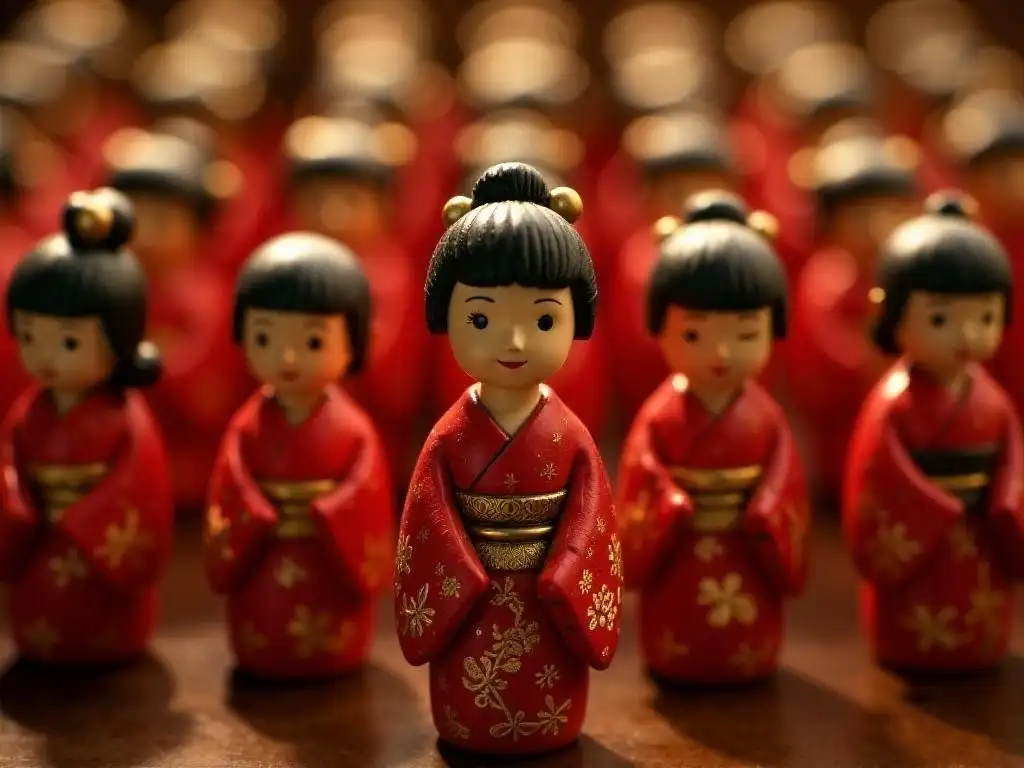
Investing in Feudal Japan figurines can be a rewarding venture, not only for the aesthetic pleasure they bring but also for their potential to appreciate in value over time. Collectors are increasingly drawn to these artifacts, as they represent a unique intersection of art, culture, and history. Understanding the nuances of this market is essential for anyone looking to invest wisely in these collectibles.
Understanding the Market Value of Collectibles
The market value of Feudal Japan figurines is influenced by several factors, including rarity, condition, provenance, and demand. Here’s a breakdown of these elements:
- Rarity: Limited production pieces, especially those that were produced during significant historical periods, tend to command higher prices. For example, figurines made in the Edo period (1603-1868) are often sought after due to their historical significance.
- Condition: The state of a figurine plays a crucial role in its valuation. Items that are well-preserved, free of cracks, chips, or discoloration, will be valued higher. Collectors often seek pieces in their original packaging, which can further enhance value.
- Provenance: A documented history of ownership can significantly increase a figurine's value. Items that have belonged to notable collectors or have been featured in esteemed exhibitions often attract higher bids at auctions.
- Demand: The popularity of specific themes or styles can fluctuate over time. For instance, figurines depicting samurai or traditional Kabuki theater characters may surge in popularity during certain cultural moments, leading to increased market value.
Understanding these factors can help collectors make informed decisions. It’s advisable to stay updated with market trends and auction results to gauge the evolving landscape of Feudal Japan figurine collecting.
Notable Figurines That Have Appreciated Over Time
Several Feudal Japan figurines have shown remarkable appreciation in value, becoming prized possessions among collectors. Here are some notable examples:
| Figurine | Description | Appreciation Rate | Current Value |
|---|---|---|---|
| Samurai Warrior | A finely detailed representation of a samurai in armor. | 150% over 5 years | $3,500 |
| Geisha with Fan | An elegant figurine showcasing traditional geisha attire. | 120% over 3 years | $2,200 |
| Kintsugi Bowl Figurine | A ceramic piece with gold repairs, symbolizing beauty in imperfection. | 200% over 4 years | $1,800 |
| Kabuki Actor | A vibrant portrayal of a Kabuki actor in a dynamic pose. | 100% over 6 years | $2,800 |
These figurines not only reflect the artistry of their time but also illustrate the growing market for Feudal Japan collectibles. Collectors often find that investing in such pieces not only fulfills a passion for history and culture but also offers potential financial rewards.
The world of Feudal Japan figurine collecting is rich with opportunities for investment. By understanding market dynamics and recognizing valuable pieces, collectors can nurture their passion while potentially reaping significant rewards.
Conclusion: The Legacy of Feudal Japan Figurine Collectors
The world of Feudal Japan figurine collectors is a vibrant tapestry woven from threads of history, culture, and personal passion. As collectors engage with the intricate details of these figurines, they not only acquire beautiful artifacts but also participate in a broader narrative that honors Japan's rich feudal past. Each piece serves as a vessel of memory, encapsulating stories from an era marked by samurai valor, artistic mastery, and social hierarchies.
In this era of digital connectivity and global sharing, the legacy of these collectors is being shaped by their roles as custodians of cultural heritage. By curating and showcasing their collections, they foster an appreciation for the artistry and significance of Feudal Japan, ensuring that the stories of yore continue to resonate with future generations.
Preserving History through Collecting
Collecting Feudal Japan figurines is not merely a hobby; it is an active effort to preserve history. Through their collections, enthusiasts contribute to the safeguarding of cultural artifacts that might otherwise be lost to time. These figurines often depict important figures from feudal history, such as samurai, geishas, and mythical creatures, each representing significant cultural narratives.
The process of collecting itself can involve:
- Research: Understanding the historical context of the figurines, the materials used, and the artists behind them.
- Authentication: Ensuring that pieces are genuine and accurately represent the era, which often involves consultations with experts.
- Restoration: Caring for and restoring figurines to maintain their integrity, allowing them to be appreciated by future generations.
Moreover, collectors often engage in community activities, such as exhibitions, where they share their knowledge and passion for Feudal Japan. These events serve as platforms for education, where new collectors can learn about the significance of their pieces and the stories they carry.
Future Trends in Collecting Feudal Japan Figurines
As the landscape of collecting evolves, several trends are emerging within the realm of Feudal Japan figurine collectors:
- Digital Collectibles: The rise of NFTs (Non-Fungible Tokens) has introduced a new dimension to collecting. Digital representations of figurines can provide innovative ways for collectors to engage with their passion while expanding their reach to global audiences.
- Sustainability: Increasingly, collectors are seeking out sustainable practices in their acquisitions, favoring artisans who prioritize eco-friendly materials and methods. This trend reflects a broader societal shift towards environmental consciousness.
- Collaborative Collecting: Online forums and social media groups are fostering collaboration among collectors. These platforms allow for shared experiences, trading, and discussions about figurines, thus enriching the community.
- Focus on Authenticity: There is a growing emphasis on provenance and authenticity, with collectors increasingly valuing pieces that come with detailed histories. This trend highlights a collective desire to connect more deeply with the cultural significance of their collections.
The legacy of Feudal Japan figurine collectors is one of preservation, education, and passion. As they navigate the evolving landscape of collecting, they not only keep the stories of Feudal Japan alive but also inspire new generations to appreciate and engage with this remarkable period of history.
Frequently Asked Questions
What are Feudal Japan figurines?
Feudal Japan figurines are collectible representations of characters, warriors, and cultural symbols from Japan's feudal era, often crafted with intricate details that reflect the historical and cultural significance of that time.
Why do collectors value Feudal Japan figurines?
Collectors value these figurines for their artistic craftsmanship, historical context, and ability to represent the rich culture and heritage of feudal Japan, making them not just collectibles but also pieces of history.
How can I start my own collection of Feudal Japan figurines?
To start your collection, research reputable sources, attend antique fairs, and join collector communities. Focus on understanding the historical background and authenticity of the pieces you aspire to collect.
Are there specific events for Feudal Japan figurine collectors?
Yes, many conventions and exhibitions focus on Japanese art and collectibles, providing collectors an opportunity to meet, share, and trade. These events often feature expert speakers discussing the history and significance of the figurines.
What should I consider regarding the care and preservation of figurines?
When caring for your Feudal Japan figurines, ensure they are kept in a stable environment away from direct sunlight, and regularly dust them with a soft cloth. Proper preservation will maintain their value and beauty over time.
Final Reflection: Embracing the Legacy of Feudal Japan Figurine Collectors
The stories shared by feudal Japan figurine collectors resonate deeply in our contemporary world, reminding us that passion and history are intertwined in ways that transcend time. As we navigate a fast-paced society, the dedication of these collectors serves as a powerful testament to the enduring allure of cultural artifacts, illustrating how our connections to the past can shape our identities and inspire future generations. The intricate artistry and historical significance of these figurines not only reflect a bygone era but also invite us to appreciate the craftsmanship and stories behind each piece.
The influence of feudal Japan figurine collectors extends beyond mere hobby; it enriches our cultural landscape by fostering a community that values history, artistry, and shared passion. Through their collections, these individuals become custodians of history, ensuring that the stories of feudal Japan are not lost to time. As one collector poignantly stated, Every figurine tells a story, and through them, we keep the spirit of our ancestors alive.
This sentiment encapsulates the essence of collecting—it's not just about ownership, but about preserving and honoring the narratives that shape our understanding of the past.
As we reflect on the lessons from the world of feudal Japan figurine collectors, I invite you to consider how you can nurture your own passions and engage with history in meaningful ways. What stories do you want to tell through your interests? Whether it's through collecting, creating, or simply appreciating art, let the dedication of these collectors inspire you to explore your own connections to the past and to share those stories with others. In doing so, we not only celebrate our heritage but also enrich our lives and the lives of those around us.
Unleash Your Inner Collector Today!
Thank you for diving into the fascinating world of Feudal Japan through the stories of passionate collectors! We hope you’ve felt inspired to explore the rich history and artistry behind these remarkable figurines. Now, let's take your newfound interest a step further.
Here are a few actions you can take to nurture your passion:
- Start your own collection: Visit local antique shops, online marketplaces, or auctions to seek out unique Feudal Japan figurines that resonate with you.
- Join a community: Connect with fellow collectors online—share your favorite finds, trade stories, and learn from others’ experiences in dedicated forums or social media groups.
- Attend exhibitions: Look for events or exhibits at museums that showcase art from Feudal Japan; experiencing these pieces in person can enhance your appreciation and understanding.
What figurine are you most excited to add to your collection, and why? We invite you to share your thoughts below!