
How Daimyo Domains Fostered Innovation and Change in Feudal Japan


Welcome to Feudal Japan History! Dive into the captivating world of Japan’s feudal era, where tradition and innovation intertwined in fascinating ways. Our featured article, "How Daimyo Domains Fostered Innovation and Change in Feudal Japan," invites you to uncover the pivotal role that regional leaders played in shaping the landscape of political and social advances.
What sparked the waves of transformation during this intriguing period? Join us as we explore the intricate tapestry of history, culture, and societal evolution that defined feudal Japan. Your journey into the past begins here—are you ready to discover the innovations that changed a nation?
- Introduction to Innovation in Feudal Japan
- The Role of Daimyo in Fostering Innovation
- Cultural Innovations Driven by Daimyo
- Technological Changes within Daimyo Domains
- Social Changes Induced by Innovation in Feudal Japan
- Case Studies of Notable Daimyo and Their Innovations
- Challenges Faced by Daimyo in Promoting Innovation
- The Legacy of Daimyo Domains on Modern Japan
- Conclusion: The Significance of Innovation in Feudal Japan
- Frequently Asked Questions
- Final Reflection: Innovation in Feudal Japan: A Legacy of Change
- Unleash Your Inner Historian: Dive Deeper into Feudal Japan!
Introduction to Innovation in Feudal Japan
The feudal era of Japan, spanning from the late 12th century to the mid-19th century, was a time of profound transformation and dynamic evolution, marked by the rise of powerful regional lords known as daimyos. These influential figures governed vast domains, each with its unique cultural and political landscape, and played a pivotal role in the innovation in feudal Japan that reshaped society, economy, and governance.
This article delves into how the domains of daimyos not only fostered innovation but also served as incubators for change, ultimately contributing to Japan's development during this transformative period. By exploring the historical context and the significance of these domains, we can gain a deeper understanding of the intricate interplay between power, culture, and progress in Japan's feudal history.
Overview of Feudal Japan's Historical Context
Feudal Japan emerged after the Genpei War (1180-1185), which culminated in the establishment of the Kamakura shogunate, marking the beginning of military governance. During this period, political power shifted from the emperor to the shogunate, leading to a decentralized system where daimyos controlled significant territories. These domains became centers of administration, commerce, and culture, allowing for distinct regional characteristics to flourish.
- Key Historical Developments:
- The Muromachi Period (1336-1573) saw the rise of the Ashikaga shogunate, which encouraged trade and cultural exchange.
- The Sengoku Period (1467-1615) was characterized by warfare among daimyos, leading to innovations in military strategy and agricultural practices to support their armies.
- The Edo Period (1603-1868) established stability under the Tokugawa shogunate, promoting peace that allowed for economic growth and cultural advancements.
As these historical events unfolded, the daimyos played a crucial role in shaping not only their domains but also the broader narrative of Japan’s evolution. Their patronage of arts, agriculture, and technology fostered an environment ripe for innovation.
Importance of Daimyo Domains in Shaping Innovation
The domains of daimyos were essential in driving innovation in feudal Japan, serving as catalysts for changes that affected various aspects of life. Each domain operated with a degree of autonomy, allowing daimyos to experiment with new methods of governance, agricultural practices, and artistic expressions.
- Economic Innovations:
- Many daimyos introduced new agricultural techniques, such as crop rotation and irrigation systems, which boosted food production and supported population growth.
- The promotion of local industries, such as textiles and ceramics, resulted in economic diversification and trade enhancement.
- Cultural Advancements:
- The domains became hubs for arts and culture, leading to the development of distinct styles in painting, theater, and literature.
- Samurai culture thrived, with innovations in weaponry and martial arts emerging from competition among daimyos.
- Social Changes:
- The need for a more organized and efficient administration led to the development of new bureaucratic systems and social hierarchies.
- The rise of the merchant class, supported by daimyos, transformed social dynamics and contributed to a burgeoning economy.
Through their domains, daimyos not only wielded authority but also embraced opportunities for innovation, ultimately laying the groundwork for Japan's transition into a modern state. Their legacy is a testament to the profound impact local governance had on shaping the cultural and social fabric of Japan during the feudal era.
The Role of Daimyo in Fostering Innovation

Definition and Responsibilities of a Daimyo
A daimyo was a powerful feudal lord in Japan during the feudal period, holding significant land and authority. The term "daimyo" translates to "great name," which reflects their stature within the hierarchical structure of feudal society. Each daimyo governed a domain, known as a han, which functioned almost as an independent state.
The responsibilities of a daimyo were multifaceted, encompassing:
- Military Leadership: Daimyo were responsible for maintaining an army of samurai, who were bound to serve them. This military obligation was crucial during the numerous conflicts that characterized feudal Japan, including the Sengoku period (1467–1603).
- Land Management: They oversaw agricultural production within their domains, ensuring that land was cultivated efficiently to support their retainers and the local population. This responsibility meant that they had to innovate agricultural practices to improve yields, thus fostering economic growth.
- Cultural Patronage: Many daimyo became patrons of the arts and culture, encouraging the development of literature, theater, and tea ceremonies. This patronage not only enriched their domains culturally but also served as a means to display their power and sophistication.
- Judicial Authority: Daimyo held the power to enact laws and administer justice within their territories, which allowed them to create stable environments conducive to innovation and growth.
Political Power and Influence of Daimyo Domains
The political landscape of feudal Japan was marked by the influence of daimyo domains. These domains operated with a degree of autonomy, allowing them to develop unique political structures and practices that contributed to the overall innovation during this era.
- Decentralized Governance: Unlike a centralized government, the daimyos exercised significant control over their territories. This decentralization encouraged local governance and innovations tailored to the specific needs of their populations.
- Diplomatic Relations: Daimyo often engaged in diplomacy with other domains, forming alliances, and sometimes engaging in warfare. This political maneuvering not only shaped the regional power dynamics but also fostered technological and cultural exchanges that led to innovations in warfare and governance.
- Development of Infrastructure: To maintain control and promote the welfare of their subjects, many daimyo invested in infrastructure projects, such as roads, bridges, and castles. These developments were crucial for ensuring efficient communication and trade, which in turn stimulated economic innovation.
- Cultural Exchange and Education: The daimyo domains became centers of learning and culture. By inviting scholars and artisans, they fostered environments where new ideas could flourish. The establishment of domain schools (hankō) contributed to the spread of knowledge and technological advancements, particularly in agriculture and military tactics.
Economic Strategies of Daimyo: Trade and Agriculture
The economic strategies employed by daimyo were central to the innovation in feudal Japan. Their approach to trade and agriculture not only improved their own domains but also contributed to broader economic developments across the nation.
- Agricultural Innovations: Daimyo implemented various agricultural techniques, such as crop rotation and the introduction of new rice strains, which increased productivity. The improvement of irrigation systems also played a vital role in enhancing agricultural output.
- Promotion of Trade: Many daimyo recognized the potential of trade as a source of wealth and power. They established trade routes and encouraged merchants to operate within their domains. This fostered a vibrant marketplace where goods, ideas, and innovations could circulate freely.
- Development of Cottage Industries: Daimyo domains often promoted local industries, such as textiles and pottery. By supporting artisans and encouraging craftsmanship, they stimulated economic activity and innovation in various sectors.
- Market Regulation: To ensure the prosperity of their domains, daimyo regulated markets, setting prices and standards that promoted fair trade practices. This regulation helped create a stable economic environment where innovation could thrive.
The role of daimyo in fostering innovation during feudal Japan was significant. Through their political power, responsibilities, and economic strategies, they created an environment ripe for change and development, influencing both their domains and the broader historical landscape of Japan.
Cultural Innovations Driven by Daimyo
Patronage of the Arts and Crafts
During the feudal era in Japan, daimyo played a pivotal role in fostering cultural innovations through their patronage of the arts and crafts. As powerful feudal lords, they had the resources and influence to support various artistic endeavors. This patronage led to the flourishing of traditional crafts, such as pottery, textile production, and metalwork, which not only served practical purposes but also became expressions of aesthetic sophistication.
One notable example of this patronage is seen in the development of Noh and Kabuki theater. Daimyo often sponsored these theatrical forms, providing funding for performances and the construction of dedicated theaters. This not only enriched the cultural landscape but also allowed for the exploration of new themes and techniques in performance art. The emergence of these dramatic forms showcased the innovative spirit of the time, contributing to the evolution of Japanese performing arts.
Moreover, the daimyo's support extended to visual arts, such as painting and calligraphy. Schools of art flourished under the guidance of these lords, leading to the creation of unique styles and techniques. For instance, the Ukiyo-e woodblock printing became popular during this period, depicting landscapes, kabuki actors, and beautiful women. This art form not only reflected the cultural values of feudal Japan but also influenced Western art movements in the later centuries.
Advancements in Architecture and Urban Planning
Daimyo domains became centers of architectural innovation and urban planning during the feudal era, driven by the need to establish power, security, and cultural identity. The construction of castles, such as Himeji Castle and Matsumoto Castle, exemplifies the architectural advancements of this period. These fortifications were not merely military installations; they embodied the unique aesthetic values and political ambitions of their builders.
The architectural innovations included the use of new building techniques, materials, and designs. For example, the introduction of sukiya-zukuri (tea house style) and shoin-zukuri (study style) represented a shift towards more refined residential architecture. These styles emphasized harmony with nature and the integration of indoor and outdoor spaces, which were innovative concepts at the time.
In urban planning, daimyo often developed castle towns ( jokamachi) around their fortresses. These towns were meticulously planned to include markets, residences, and administrative buildings, facilitating trade and governance. The layout of these towns reflected a blend of practicality and aesthetics, with the incorporation of gardens and waterways, contributing to a unique urban experience in feudal Japan.
The Influence of Samurai Culture on Innovation
Samurai culture significantly impacted the landscape of innovation in feudal Japan, as the daimyo sought to cultivate a class of warriors who were not only skilled in combat but also well-versed in cultural pursuits. This duality fostered an environment where creativity and martial prowess coexisted, leading to innovations in various fields.
The samurai were encouraged to engage in arts such as kendo (swordsmanship), ikebana (flower arranging), and calligraphy. The practice of these arts not only honed their mental discipline but also served as a means of self-expression and cultural refinement. The emphasis on education and the arts among the samurai class led to a broader societal appreciation for cultural achievements.
Additionally, the samurai's code of conduct, known as Bushido, promoted values such as loyalty, honor, and etiquette, which influenced the social fabric of the time. This code encouraged the samurai to pursue personal excellence and innovation in their respective fields, driving advancements in military strategies, tactics, and technology.
The impact of samurai culture extended beyond the battlefield, fostering innovations in governance and administration as daimyo sought to create efficient systems to manage their domains. The need for effective communication and record-keeping led to the development of sophisticated bureaucratic practices, which laid the groundwork for Japan's modern administrative systems.
The cultural innovations driven by daimyo domains during feudal Japan were multifaceted, encompassing the arts, architecture, and the influence of samurai culture. Each of these aspects contributed to a vibrant and dynamic society that, despite its challenges, thrived on innovation and change.
Technological Changes within Daimyo Domains

The period of feudal Japan was marked by significant technological advancements that emerged within the domains ruled by the daimyo. These innovations were not only instrumental in enhancing agricultural productivity and military effectiveness but also played a crucial role in the overall socio-economic development of Japan during this era. The following sections delve into specific areas of innovation, highlighting the tools, techniques, and systems that contributed to change.
Agricultural Innovations: Tools and Techniques
Agriculture served as the backbone of the feudal economy, and daimyo domains became centers for agricultural innovation. Traditional methods were transformed through the introduction of new tools and farming techniques.
- Crop Rotation: This method was adopted to enhance soil fertility and maximize yields. By rotating rice crops with legumes, farmers could replenish nitrogen levels in the soil, leading to more sustainable farming practices.
- Irrigation Systems: The construction of sophisticated irrigation systems, including canals and waterwheels, allowed for better water management. This facilitated the cultivation of rice in regions with variable rainfall.
- Improved Plows: The development of the kama, a traditional sickle, and the use of iron-tipped plows improved efficiency in tilling soil. These tools enabled farmers to work larger plots of land more effectively.
- Seed Selection: Daimyo often promoted the use of better-quality seeds. This focus on seed selection led to higher yields and more resilient crops, contributing to food security.
These advancements not only increased agricultural output but also supported population growth and urbanization, fostering a more vibrant economy within the daimyo domains.
Military Advancements: Weaponry and Tactics
The competitive nature of daimyo domains necessitated constant military innovation. As various clans vied for power and territory, advancements in weaponry and military tactics became crucial.
- Introduction of Firearms: The arrival of Portuguese firearms in the 16th century marked a significant turning point in warfare. Daimyo began to incorporate matchlocks into their arsenals, which changed traditional combat dynamics.
- Castle Fortifications: Many daimyo invested in building and reinforcing castles. These fortifications were designed with advanced techniques such as stone walls and moats, providing strategic advantages during conflicts.
- Military Strategy: The study of military tactics saw a significant evolution. Influential texts like The Book of Five Rings by Miyamoto Musashi provided insights into strategy and combat, influencing the way battles were fought and won.
- Training and Organization: The establishment of samurai schools and training regimens improved the skills of warriors. This professionalization of the samurai class contributed to more disciplined and effective military forces.
These military innovations not only increased the power of individual daimyo but also shaped the political landscape of feudal Japan, leading to more centralized control and the eventual unification of the country.
Communication and Transportation Improvements
Effective communication and transportation were vital for the governance of daimyo domains. Innovations in these areas facilitated trade, military mobilization, and administrative efficiency.
- Road Networks: The expansion and maintenance of road systems, such as the Tokaido highway, enabled faster movement of troops and goods. This infrastructure connected various domains and enhanced trade networks.
- Postal Systems: The establishment of a formalized postal system allowed for quicker communication between daimyo and their vassals. This system ensured that messages regarding military orders or administrative decisions could be transmitted swiftly.
- Maritime Innovations: Development of larger and more seaworthy vessels improved coastal and inter-island trade. This maritime capability helped in the transport of goods and resources between domains, fostering economic interdependence.
- Cartography: The creation of more accurate maps facilitated navigation and planning. Daimyo used these maps to strategize military campaigns and manage their domains more effectively.
These improvements in communication and transportation not only streamlined administrative processes but also contributed to a more interconnected feudal society, paving the way for future developments in Japan.
The technological changes within daimyo domains during feudal Japan were crucial in fostering innovation. These advancements in agriculture, military capacity, and communication systems laid the groundwork for the shifts that would ultimately transform Japan into a modern nation.
The Rise of the Merchant Class
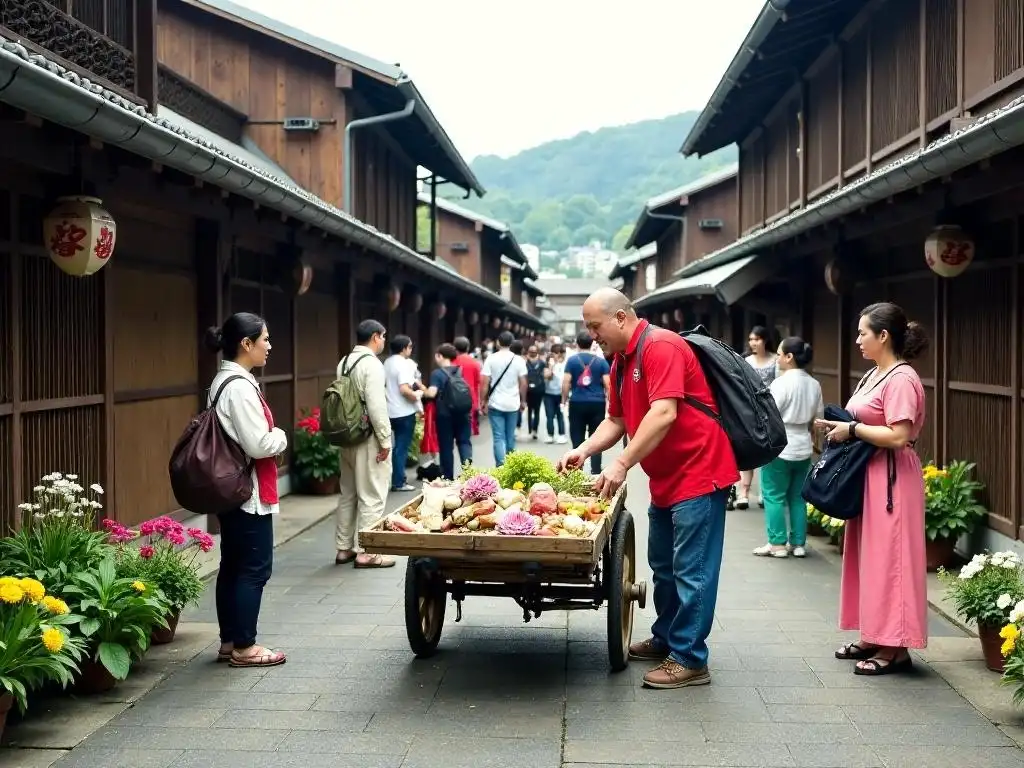
The innovation in feudal Japan significantly influenced the social structure, particularly with the emergence of a robust merchant class. During the Edo period (1603-1868), the stability brought about by the Tokugawa shogunate allowed commerce to flourish. Merchants began to gain wealth that rivaled traditional nobility, leading to a gradual shift in societal dynamics.
- Economic Growth: The introduction of new agricultural techniques and the development of transportation networks, such as roads and waterways, facilitated trade. This economic growth enabled merchants to accumulate wealth, transforming their status within society.
- Cultural Contributions: With wealth came influence; merchants became patrons of the arts, supporting kabuki theater, ukiyo-e (woodblock prints), and other cultural innovations. This patronage not only enriched Japanese culture but also positioned merchants as key players in the cultural landscape of feudal Japan.
The rise of the merchant class illustrated a significant departure from the rigid caste system traditionally dominated by samurai and nobility. Though still viewed with some disdain, merchants started to occupy a more respected position within the community, leading to a more complex social fabric.
Education and Knowledge Dissemination
Innovation during the feudal era also spurred advancements in education and the dissemination of knowledge. The establishment of domain schools (han schools) by various daimyo was a crucial development, aimed at educating samurai and, in some cases, commoners.
- Curriculum Expansion: These schools offered a broader curriculum that included Confucian texts, literature, and practical skills like agriculture and commerce. This educational reform contributed to a more informed populace and encouraged critical thinking.
- Printing and Literacy: The introduction of woodblock printing in the late 16th century played a significant role in the spread of literature and knowledge. Books became more accessible, leading to increased literacy rates among the merchant class and samurai, which in turn fostered innovation in various fields, including philosophy, science, and technology.
As education became more widespread, it not only empowered individuals but also facilitated the exchange of ideas, which was essential for societal progress and innovation.
The period of innovation in feudal Japan brought about notable shifts in social hierarchies and roles, challenging the established norms of the time. These changes were primarily driven by economic and cultural advancements.
- Emergence of New Professions: As the economy diversified, new professions emerged beyond the traditional roles of samurai, farmers, and artisans. For instance, craftsmen and traders gained prominence, reflecting the importance of specialized skills and knowledge in a changing economy.
- Fluidity in Social Mobility: While the caste system remained, the rise of the merchant class and increased access to education led to greater social mobility. Individuals could elevate their status through wealth and knowledge, which was previously limited mostly to the samurai class.
This transformation in social hierarchies not only redefined individual roles but also contributed to a more dynamic society, where innovation could thrive due to the interplay of various social groups and their contributions to culture and commerce.
Through these social changes, it becomes evident how innovation in feudal Japan was a catalyst for transformation, reshaping the very foundations of society and paving the way for future developments in Japanese history.
Case Studies of Notable Daimyo and Their Innovations
The Domain of Toyotomi Hideyoshi: Innovations and Impact
The domain of Toyotomi Hideyoshi, one of the most significant figures in the unification of Japan during the late 16th century, is a prime example of how a daimyo's leadership can drive innovation in feudal Japan. Hideyoshi's regime was marked by several key innovations that had lasting impacts on Japan’s political and social structures.
-
Land Survey and Taxation Reforms
Hideyoshi implemented the Taikō land survey (Taikō kenchū) in 1582, which aimed to accurately assess land productivity and establish a fair tax system. This survey not only standardized land measurement but also facilitated agricultural improvements. The results led to a more equitable distribution of taxes and boosted agricultural output, as farmers were incentivized to improve their land’s productivity.
- Outcome: Increased agricultural efficiency and productivity, laying the groundwork for economic stability.
-
Castle Construction and Urban Planning
Hideyoshi also initiated extensive castle-building projects, most notably Osaka Castle, which served as a political and economic center. These castles were not merely military fortifications; they were designed to enhance urban infrastructure, promoting trade and commerce.
- Impact on Society: The urban planning associated with these constructions fostered a burgeoning merchant class, leading to the rise of chōnin (townspeople), which shifted the societal structure of feudal Japan.
-
Cultural Patronage
Hideyoshi was a great patron of the arts, sponsoring various cultural activities such as the tea ceremony and Noh theater. His support for cultural innovations helped to solidify a unique Japanese identity during a time of significant change.
- Cultural Legacy: The innovations in arts and culture during Hideyoshi's reign contributed to what is known as the Azuchi-Momoyama period, characterized by a blend of military prowess and cultural sophistication.
The Domain of Tokugawa Ieyasu: Economic and Cultural Changes
Tokugawa Ieyasu, the founder of the Tokugawa shogunate, is another pivotal figure in the history of innovation in feudal Japan. His leadership marked the beginning of the Edo period, which lasted over 250 years and was characterized by profound economic and cultural transformations.
-
Sankin-kōtai System
One of Ieyasu's major innovations was the establishment of the sankin-kōtai system, which required daimyo to alternate their residence between their domains and the shogunate capital, Edo. This system served multiple purposes:
- Political Control: It kept the daimyo under surveillance, reducing the risk of rebellion.
- Economic Boost: The movement of daimyo and their retinues stimulated local economies, as they spent money on lodging, food, and entertainment.
-
Market Regulation and Trade Development
The Tokugawa period saw significant advancements in domestic trade, largely due to Ieyasu's policies that promoted market regulation. He established trade routes and encouraged the growth of castle towns, which became economic hubs.
- Economic Impact: These developments laid the groundwork for a more integrated national economy, allowing for the exchange of goods and ideas across regions. The emergence of a merchant class further contributed to economic dynamism.
-
Cultural Flourishing
Under Tokugawa Ieyasu's rule, there was a marked emphasis on Confucianism and the promotion of education, leading to increased literacy rates. The establishment of terakoya (temple schools) allowed commoners access to education.
- Cultural Innovations: This focus on education and culture led to the development of Ukiyo-e (woodblock prints) and Kabuki theater, which became immensely popular, reflecting the societal changes of the time.
Through the innovative policies and initiatives of both Toyotomi Hideyoshi and Tokugawa Ieyasu, we observe how the domains of these influential daimyo not only shaped their respective regions but also catalyzed broad innovations that defined the course of feudal Japan.
Challenges Faced by Daimyo in Promoting Innovation

The role of the daimyo in fostering innovation during Japan's feudal era was not without its challenges. These powerful feudal lords played a crucial part in the development of their domains, yet they faced significant obstacles that hindered their ability to promote progressive ideas and practices. Understanding these challenges provides insight into the complexities of innovation in feudal Japan.
Resistance from Traditionalists
One of the primary challenges daimyo encountered was the resistance from traditionalists within their domains. Many samurai and local leaders adhered strictly to established customs and practices, often viewing innovation with suspicion. This resistance was rooted in a few key factors:
- Cultural Attachment: The Japanese society of the time was deeply tied to its traditions. Innovations, especially those that disrupted established practices, were often seen as threats to the cultural fabric of the community.
- Fear of Change: Traditionalists feared that embracing new ideas could undermine their status and power. They preferred maintaining the status quo rather than risking their influence through uncertain changes.
- Social Hierarchies: The rigid class structures embedded in feudal Japan meant that any innovation had to be validated by the existing power dynamics. The daimyo often struggled to convince their retainers of the benefits of change, leading to a reluctance to adopt new practices.
To address this resistance, some daimyo employed strategies such as promoting educational initiatives to change perceptions or integrating gradual reforms that respected traditional values while introducing modern practices.
Economic Constraints and Resource Limitations
Economic constraints posed another significant challenge for daimyo in their pursuit of fostering innovation. Several factors played a role in this:
- Agricultural Dependency: The economy of feudal Japan was predominantly agrarian. This reliance on agriculture limited the resources available for investment in other sectors, such as industry or technology.
- Taxation Issues: Daimyo often faced difficulties in collecting taxes from their vassals, especially during periods of poor harvests or economic downturns. This lack of financial resources curtailed their ability to fund innovative projects or businesses.
- Limited Trade Opportunities: The Tokugawa shogunate's policies often restricted trade with foreign nations, limiting access to new technologies and ideas that could foster innovation. Daimyo who wished to encourage industrial advancements found themselves hampered by these trade limitations.
Despite these economic constraints, some daimyo sought innovative solutions, such as establishing trade networks within Japan or investing in agricultural improvements to increase productivity and generate additional revenue.
External Threats: Warfare and Political Instability
The political landscape of feudal Japan was marked by external threats, including warfare and political instability, which further complicated the efforts of daimyo to promote innovation:
- Frequent Conflicts: The Sengoku period, characterized by constant warfare among rival daimyo, diverted attention and resources away from innovation. When engaged in battle, daimyo had little opportunity to focus on economic or technological advancements.
- Political Alliances: The necessity of forming and maintaining alliances often took precedence over fostering innovation. Daimyo were compelled to navigate the complex web of loyalty and betrayal, which made long-term planning for innovation challenging.
- Insecurity and Instability: The overarching threat of invasion or rebellion created an environment of insecurity. Daimyo often prioritized military preparedness over innovative endeavors, fearing that any perceived weakness could lead to their downfall.
In response to these external threats, some innovative daimyo found ways to integrate military advancements with their quest for innovation, such as adopting new weaponry or fortification techniques that could also benefit their domains economically.
By understanding the challenges faced by daimyo in promoting innovation, we gain a clearer picture of the intricate dynamics at play during feudal Japan. Their ability to navigate resistance, economic limitations, and external threats was crucial in shaping the landscape of innovation in this transformative period.
The Legacy of Daimyo Domains on Modern Japan

The daimyo domains during Japan's feudal era were not just political entities; they were crucibles of innovation that significantly influenced the trajectory of Japanese society. The legacy of these domains can be seen in various aspects of contemporary Japan, from governance and cultural practices to technological advancements and economic structures. Understanding this legacy involves a deep dive into how the innovations that flourished within daimyo domains continue to resonate in modern Japanese life.
Lasting Impact of Feudal Innovations on Contemporary Society
Feudal Japan was characterized by a complex social hierarchy, but it was also marked by remarkable creativity and innovation. The daimyo, as powerful feudal lords, played a pivotal role in fostering an environment conducive to technological and cultural advancements.
- Agricultural Innovations:
- The introduction of new farming techniques, such as crop rotation and improved irrigation, not only boosted food production but also laid the foundation for Japan's agricultural practices today.
- Innovations in rice cultivation, particularly, established rice as a staple, influencing both diet and economy.
- Cultural Developments:
- The patronage of arts and crafts by the daimyo led to the flourishing of traditional Japanese art forms, such as ukiyo-e and tea ceremonies.
- These cultural practices remain integral to Japan's national identity and tourism, showcasing a blend of historical significance and modern appreciation.
- Infrastructure Enhancements:
- Daimyo domains invested in infrastructure, including roads and castles, which improved communication and trade.
- The remnants of these infrastructures have shaped Japan's modern transportation networks, emphasizing connectivity that began in the feudal period.
- Educational Reforms:
- Many domains established schools to educate samurai and farmers alike, fostering a literacy rate that was relatively high for the time.
- This emphasis on education has evolved into Japan's contemporary education system, which is known for its rigor and high standards.
The innovations spearheaded by daimyo domains highlight a historical continuum that demonstrates how past practices have evolved into present-day realities, reinforcing the importance of historical context in understanding modern societal frameworks.
How Historical Innovations Shape Japan's Current Identity
The innovations of feudal Japan have not only left a tangible mark on the physical and cultural landscape but have also profoundly shaped Japan’s national identity. The following points illustrate how these historical innovations continue to influence contemporary Japan:
- Technological Legacy:
- The practices of craftsmanship and innovation in weaponry and tools developed during the feudal era laid the groundwork for modern Japanese engineering and technology.
- This lineage of innovation is evident in Japan's leading role in technology today, from robotics to automotive industries.
- Social Structures:
- The hierarchical social structures established under the daimyo have influenced Japan's modern corporate culture, often reflecting similar values of loyalty and respect for hierarchy.
- Contemporary Japanese businesses frequently embody a sense of community and collective responsibility, reminiscent of the bonds formed within feudal domains.
- Cultural Pride:
- Historical narratives and cultural artifacts from the feudal era foster a sense of pride and identity among modern Japanese citizens. Celebrations of traditional festivals, martial arts, and crafts are direct descendants of the practices established by the daimyo.
- This cultural continuity reinforces a collective memory that binds the past to the present, providing a sense of belonging and identity.
The legacy of daimyo domains in Japan extends far beyond historical interest; it is a vital part of the fabric of modern Japanese society. The innovation in feudal Japan has not only shaped the historical narrative but continues to resonate in the values, structures, and practices that define contemporary Japan. Understanding this connection is essential for appreciating the complexity and richness of Japan's cultural heritage.
Conclusion: The Significance of Innovation in Feudal Japan
Summary of Key Points on Daimyo and Innovation
Throughout the feudal era in Japan, the daimyo, as powerful feudal lords, played an instrumental role in fostering a climate conducive to innovation. Their domains became arenas for various forms of innovation in feudal Japan, which significantly influenced not only local economies but also societal structures and cultural practices. Here are some key points summarizing this dynamic:
- Economic Development: Daimyo often implemented agricultural reforms, introducing new farming techniques and crop varieties. This increased productivity allowed for surplus production, which in turn stimulated local markets.
- Cultural Flourishing: The patronage of arts and culture by the daimyo led to significant advancements in literature, theater, and visual arts. For example, the Noh theater and tea ceremonies gained prominence during this time, showcasing the unique cultural innovations.
- Military Advancements: The constant threat of conflict among domains prompted daimyo to invest in military innovations, including the adoption of gunpowder weapons and fortifications. This not only transformed warfare but also influenced the political landscape.
- Infrastructure Improvements: The daimyo's investment in infrastructure, such as roads and castles, facilitated trade and communication, further enhancing economic growth and regional stability.
- Social Change: The shifts in economic and cultural landscapes led to changes in the social hierarchy, allowing for increased mobility among the samurai and merchant classes, thus promoting a more dynamic society.
Reflection on the Importance of Understanding Feudal Innovation
Understanding the innovation in feudal Japan is crucial for several reasons. It provides insight into how feudal structures can stimulate change and adaptation, even within rigid hierarchical systems. The innovations fostered by daimyo illustrate the interplay between leadership, culture, and economy, showcasing that progress can emerge from localized governance.
Moreover, examining this historical context enhances our appreciation of Japan's transition into the modern era. The foundations laid during the feudal period—through both challenges and advancements—paved the way for Japan's eventual modernization in the Meiji Restoration.
By studying the transformative effects of daimyo domains, we can glean valuable lessons about resilience, creativity, and the capacity for innovation in the face of social and political constraints. This exploration not only enriches our understanding of Japan's past but also encourages reflections on the nature of progress in any society.
Frequently Asked Questions
What were the roles of the Daimyo in feudal Japan?
Daimyo were powerful feudal lords who governed large domains and played a crucial role in Japan's political and social structure during the feudal era.
How did Daimyo domains contribute to innovation?
The Daimyo domains fostered innovation through economic development, encouraging agricultural advancements, and supporting artistic expressions, which led to cultural growth.
What types of innovation emerged during feudal Japan?
During feudal Japan, notable innovations included advancements in agriculture, military tactics, and the arts, significantly influencing Japanese society and culture.
What was the impact of feudalism on Japanese society?
Feudalism created a hierarchical society with strict social classes, which influenced relationships, land ownership, and loyalty among the Daimyo, samurai, and peasants.
How did cultural exchanges occur in feudal Japan?
Cultural exchanges flourished as Daimyo welcomed foreign traders, leading to the introduction of new ideas, technologies, and artistic styles, enriching Japanese culture.
Final Reflection: Innovation in Feudal Japan: A Legacy of Change
The exploration of how Daimyo domains fostered innovation and change in feudal Japan reveals a profound connection between leadership and progress. In an era often characterized by rigid social structures and warfare, the proactive initiatives of the Daimyo not only transformed their territories but also laid the groundwork for a more dynamic society. This historical narrative is not merely a tale of the past; it resonates powerfully in today's world, where innovation remains the cornerstone of societal advancement. The lessons drawn from this period remind us that leadership can catalyze change, even in the most challenging circumstances.
The impact of the Daimyo's innovative practices continues to echo through the cultural and social landscape of Japan. Their ability to adapt and embrace new ideas fostered a spirit of resilience and creativity that is still evident today. The legacy of these leaders is a testament to the power of vision and adaptability in the face of adversity. As the renowned historian John W. Hall once stated, The past is not a dead weight; it is a living force that shapes the present.
This sentiment underscores the importance of understanding historical innovations as a means to inspire current and future generations.
As we reflect on the lessons from the Daimyo domains, let us take a moment to consider our own roles in fostering innovation within our communities. How can we embody the spirit of the Daimyo by embracing change and encouraging creativity in our own lives?
I invite you to reflect on your unique position and the potential you hold to drive innovation, whether in your personal endeavors or within your community. By learning from the past, we can cultivate a future that honors the legacy of those who dared to innovate, ensuring that their spirit of change continues to thrive.
Unleash Your Inner Historian: Dive Deeper into Feudal Japan!
Thank you for taking the time to explore how the domains of the **Daimyo** sparked innovation and change in feudal Japan! You've gained insights into a fascinating era, and now it's time to harness that knowledge for further discovery and engagement.
Here are a few actionable steps you can take to deepen your understanding and connect with others who share your passion:
- Explore more: Visit dedicated history websites for in-depth articles, detailed timelines, and fascinating facts about the era and its notable figures.
- Share your insights: Join community forums to discuss your thoughts and findings with fellow history enthusiasts.
- Curate your knowledge: Consider creating a personal timeline of key events during the Daimyo period—this unexpected exercise can illuminate patterns and innovations you might not have noticed!
What aspect of the **Daimyo** period intrigues you the most, and how do you see its impact reflected in today's world? We’d love to hear your thoughts!