
The Impact of Clan Rivalries on Samurai Power Dynamics

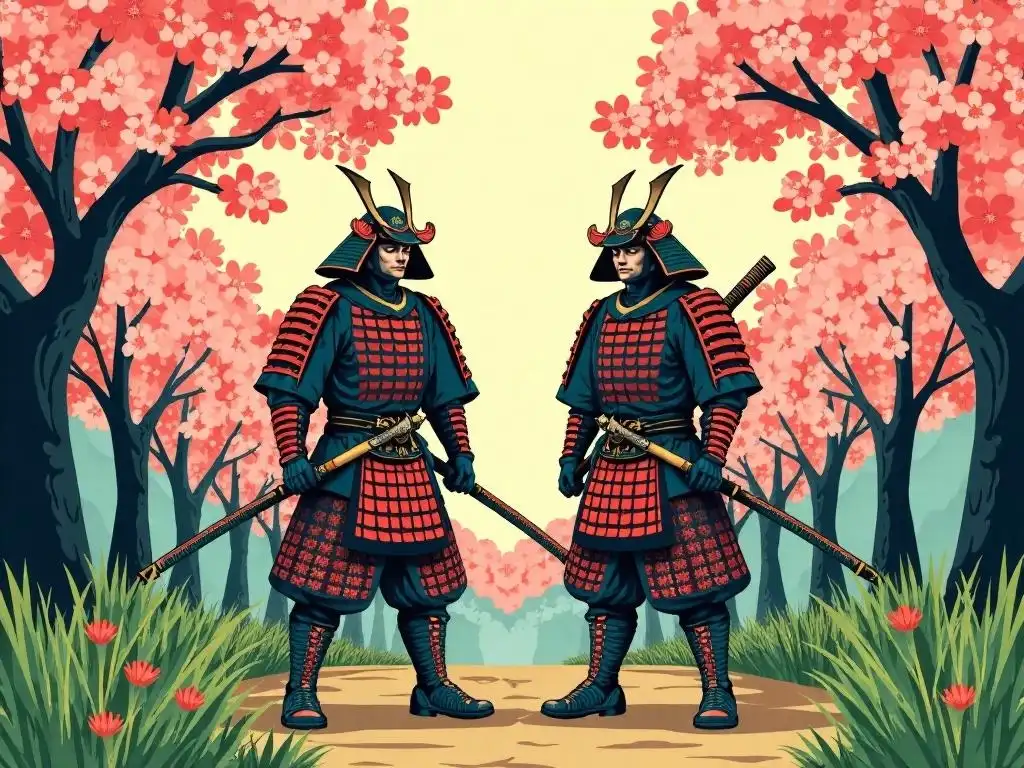
Welcome to Feudal Japan History, where the echoes of a bygone era come alive! Prepare to delve into the intricate tapestry of samurai clan rivalries and discover how these fierce battles for power shaped the political landscape of feudal Japan. In our featured article, "The Impact of Clan Rivalries on Samurai Power Dynamics," we unravel the compelling stories and strategic maneuvers that defined an age. Are you ready to uncover the secrets behind the honor and betrayal that fueled these legendary conflicts? Join us on this fascinating journey through the annals of history!
The feudal era of Japan is marked by a complex tapestry of power struggles, alliances, and rivalries that significantly shaped the socio-political landscape of the time. Among the most pivotal elements of this historical narrative are the clan rivalries that fueled the rise and fall of samurai power dynamics. These rivalries not only determined the fate of individual clans but also influenced the broader trajectory of Japan's political history.
In this article, we will delve into the intricate relationships between samurai clans, exploring how their conflicts and alliances affected their power and status in society. By examining these rivalries, we gain insight into the motivations behind samurai actions and the societal structures that defined their existence.
Introduction to Samurai Clan Rivalries
The concept of clan rivalries in feudal Japan is deeply rooted in the social and political fabric of the era. Samurai clans, often led by powerful daimyōs, were not simply military factions; they were intricate organizations that embodied loyalty, honor, and cultural identity. These clans were characterized by their hierarchical structures, which dictated the relationships between members and their roles within society. As we explore the dynamics of these rivalries, we will uncover the underlying motivations and consequences that shaped the samurai experience.
Understanding Clan Structures in Feudal Japan
In feudal Japan, the clan system was fundamental to political organization and social interaction. Clans were typically composed of families united by blood ties, loyalty, or common interests, and they operated under a system of hierarchy. The leader of a clan, often a daimyō, wielded significant power, commanding a retinue of samurai warriors who served as both protectors and enforcers of the clan's will.
- Key Elements of Clan Structure:
- Daimyō: The head of the clan, responsible for governance and military leadership.
- Samurai: Warrior class who served the daimyō, bound by the code of bushido.
- Peasants and Artisans: Provided the economic foundation for the clan's survival and prosperity.
This structure fostered loyalty and obedience, but it also laid the groundwork for rivalry as clans competed for resources, territory, and influence.
The Role of Samurai in Japanese Society
The samurai class emerged as a dominant force in Japanese society, embodying ideals of honor, bravery, and martial skill. Beyond their military functions, samurai played crucial roles in governance, land management, and cultural patronage. Their status was often linked to their loyalty to their clan and daimyō, creating a complex interplay between personal honor and clan allegiance.
- Functions of the Samurai:
- Military Service: Engaged in battles to defend or expand clan territories.
- Administrative Roles: Managed lands, collected taxes, and maintained order.
- Cultural Influence: Acted as patrons of the arts, contributing to the cultural richness of the era.
The samurai's commitment to their clan was paramount, and this loyalty often dictated their actions in the face of rivalries.
Historical Context of Samurai Clan Rivalries
To fully understand the impact of clan rivalries on samurai power dynamics, we must explore the historical context in which these conflicts occurred. The evolution of the samurai class and significant events that influenced clan dynamics provide a backdrop for understanding these rivalries.
Evolution of the Samurai Class in Feudal Japan
The samurai class evolved over several centuries, transitioning from local militia to a powerful warrior elite. This transformation was marked by key historical developments, including the rise of powerful daimyōs during the Heian period and the establishment of the shogunate system. As clans vied for power, the samurai became not only warriors but also key players in the political arena.
- Important Phases in Samurai Evolution:
- Heian Period (794-1185): Emergence of samurai as regional powers.
- Kamakura Shogunate (1185-1333): Establishment of centralized military governance.
- Muromachi Period (1336-1573): Heightened clan rivalries leading to the Sengoku period.
This evolution set the stage for intense rivalries, as samurai clans sought to assert their dominance over one another.
Key Historical Events Influencing Clan Dynamics
Several pivotal events throughout Japanese history significantly influenced the dynamics of clan rivalries. From military conflicts to political upheavals, these events not only shaped the course of individual clans but also had lasting implications for the samurai class as a whole.
- Notable Events:
- Genpei War (1180-1185): Conflict between the Taira and Minamoto clans that led to the rise of the Kamakura shogunate.
- Onin War (1467-1477): A civil war that fragmented power among clans, resulting in widespread chaos and shifting allegiances.
- Sengoku Period (1467-1603): An era of constant warfare that epitomized clan rivalries and the quest for power.
Through these events, we see how clan rivalries were not merely personal feuds but rather significant influences on the political landscape of feudal Japan, ultimately shaping the destiny of the samurai class and the nation as a whole.
The Nature of Clan Rivalries
The feudal era of Japan was characterized by intense rivalries among samurai clans, fundamentally shaping the political landscape and samurai power dynamics. These rivalries were not merely personal disputes but were deeply rooted in the social, economic, and cultural fabric of the time. They often revolved around territorial control, resource acquisition, and the ambition for supremacy, leading to a cycle of conflict and competition that defined the samurai experience. Understanding the nature of these clan rivalries is essential to grasping how they influenced the rise of the samurai class and the broader societal structure of feudal Japan.
Defining Samurai Clan Rivalries
Samurai clan rivalries can be defined as the competitive and often hostile relationships between different samurai families or clans, typically grounded in historical grievances, territorial disputes, or aspirations for political dominance. These rivalries frequently resulted in military confrontations, shifting allegiances, and the establishment of powerful coalitions. Each clan sought to assert its influence and control over land and vassals, leading to a landscape marked by both loyalty and betrayal. The complex web of alliances and enmities among clans played a pivotal role in shaping the trajectory of Japan’s feudal history.
Causes of Rivalries Among Samurai Clans
The causes of rivalries among samurai clans were manifold and interlinked. Key factors included:
- Territorial Disputes: Clans often vied for control over fertile lands, trade routes, or strategically significant locations, leading to conflicts over boundaries and resources.
- Political Ambition: Aspirations for power and influence drove clans to confront one another, with leaders seeking to expand their territories and enhance their status.
- Historical Grievances: Long-standing feuds rooted in historical events, such as betrayals or conflicts from previous generations, perpetuated cycles of revenge and hostility.
- Marriage Alliances: Marriages were used as strategic tools for securing alliances, but they could also lead to rivalries if they were perceived as betrayals or failures.
These elements combined to create a volatile environment where clan rivalries flourished, significantly impacting the broader dynamics of feudal Japan.
Major Clans Involved in Rivalries
Several major clans played pivotal roles in the rivalry landscape during Japan's feudal era. Some of the most notable include:
- The Minamoto Clan: Known for their significant role in the Genpei War (1180-1185) against the Taira clan, the Minamoto emerged as a dominant force in the establishment of the Kamakura shogunate.
- The Taira Clan: A powerful clan that clashed with the Minamoto, the Taira were instrumental in the early samurai power structure and faced dramatic defeat during the Genpei War.
- The Hojo Clan: After rising to prominence through strategic marriages and military prowess, the Hojo became regents for the Kamakura shogunate, entrenching their power through rivalries with other clans.
- The Takeda Clan: Known for their military tactics and leadership under Takeda Shingen, they were involved in numerous conflicts, particularly against the Uesugi and Tokugawa clans.
These clans exemplify the fierce competition that characterized the samurai landscape, with their rivalries shaping major historical events.
The Impact of Clan Rivalries on Samurai Power Dynamics
The impact of clan rivalries on samurai power dynamics was profound, influencing not only individual clan fortunes but also the broader political and military landscape of Japan. These rivalries prompted shifts in power, redefined alliances, and altered warfare approaches.
Shifts in Power Due to Clan Conflicts
Clan conflicts often resulted in significant shifts in power across the feudal landscape. The outcomes of battles and alliances could elevate a previously minor clan into a position of prominence while diminishing once-powerful clans. For instance, the rise of the Tokugawa clan after their victory at the Battle of Sekigahara in 1600 marked a decisive shift from a fragmented power structure to a centralized shogunate, fundamentally changing the nature of governance in Japan.
Influence on Political Alliances and Diplomacy
The rivalry among samurai clans also had a considerable influence on political alliances and diplomacy. Clans would often form temporary alliances to confront common enemies, only to dissolve these partnerships when goals diverged or when power dynamics shifted. Such alliances were crucial during periods of instability, as clans sought to strengthen their positions against rivals. The intricate dance of diplomacy and betrayal among clans played a significant role in the feudal political landscape, impacting governance and leadership across the region.
Effects on Warfare Tactics and Strategies
The ongoing rivalries among samurai clans directly influenced warfare tactics and strategies. Clans developed unique military styles and strategies based on their experiences in conflicts with rival clans. For instance, the Takeda clan was renowned for their cavalry tactics, while the Uesugi clan excelled in defensive strategies. These adaptations were often responses to the strengths and weaknesses of rival clans, leading to an evolution in samurai warfare that emphasized flexibility, cunning, and innovation in battle.
The impact of clan rivalries on samurai power dynamics was multifaceted, shaping the course of Japanese history through shifts in power, political machinations, and warfare evolution. These rivalries not only defined the samurai experience but also left a lasting legacy on the political history of Japan.
Case Studies of Notable Clan Rivalries
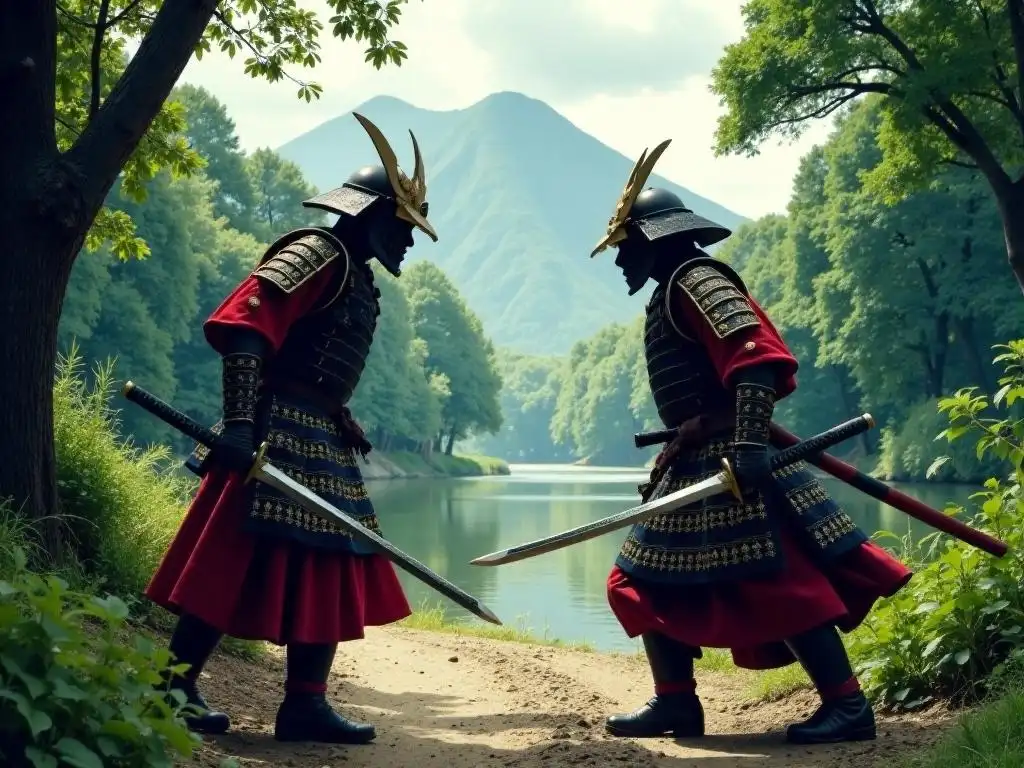
The intricate tapestry of feudal Japan was heavily influenced by clan rivalries, particularly among the samurai class. These conflicts not only shaped political alliances and territorial control but also affected the cultural and social landscape of the time. A closer examination of key rivalries reveals their profound impact on the samurai power dynamics during this era.
The Taira vs. Minamoto Clans: A Historical Overview
The rivalry between the Taira and Minamoto clans is one of the most significant and well-documented conflicts in Japanese history. Emerging in the late Heian period, this feud culminated in the Genpei War (1180-1185). The Taira, who had gained substantial influence within the imperial court, clashed with the Minamoto, who were determined to challenge their hegemony.
The war's outcome was pivotal; the Minamoto's victory led to the establishment of the Kamakura Shogunate, marking the transition from imperial rule to military governance in Japan. This shift not only elevated the status of the samurai class but also initiated a new era of power struggles among various clans, as the balance of power shifted dramatically from the Taira to the Minamoto.
The Hojo Clan and its Rivalries: Impact on Regional Power
The Hojo clan, initially a vassal family to the Minamoto, rose to prominence following the latter's consolidation of power. By the early 13th century, the Hojo had established themselves as the de facto rulers of Japan, acting as regents for the shogunate. Their rivalries with other clans, such as the Ashikaga and the Takeda, were crucial in shaping regional politics.
The Hojo utilized strategic marriages and alliances to fortify their position, yet their downfall came when they faced the combined forces of rival clans during the Kamakura period. The internal conflicts and power struggles weakened their hold, ultimately leading to the clan's defeat in the 14th century. The Hojo's tumultuous relationships with other samurai families highlight how clan rivalries directly influenced the trajectory of regional power and governance in feudal Japan.
The Role of the Oda Clan in Shaping Samurai Rivalries
The Oda clan, under the leadership of Oda Nobunaga, played a transformative role in the late 16th century, during a time of intense clan rivalries. Nobunaga's ambition to unify Japan brought him into conflict with several powerful clans, including the Takeda and the Uesugi. His innovative military strategies and ruthless tactics, such as the use of firearms, set new precedents in warfare.
Nobunaga's eventual conquests not only decimated rival clans but also altered the landscape of samurai loyalty and allegiance. His ability to forge temporary alliances while simultaneously undermining opponents exemplified how clan rivalries could be manipulated to achieve larger goals. The Oda clan's influence on samurai dynamics during this period underscores the ongoing evolution of power relationships among feudal lords.
Cultural Implications of Clan Rivalries
The impact of clan rivalries extended beyond mere political maneuvering; it also left an indelible mark on the cultural fabric of feudal Japan. The narratives surrounding these conflicts were woven into the arts, literature, and even the ethical codes upheld by samurai.
Clan Rivalries in Samurai Literature and Arts
The rivalries between clans inspired a wealth of literature and artistic expression. Classic works such as "The Tale of the Heike" vividly recount the struggles between the Taira and Minamoto, illustrating the heroism and tragedy of samurai life. These stories not only served as entertainment but also acted as moral lessons, emphasizing virtues such as loyalty, honor, and the inevitability of fate.
In addition to literature, visual arts like ukiyo-e prints often depicted scenes of famous battles and samurai, capturing the essence of these rivalries. The portrayal of clan battles and heroic figures helped solidify the samurai's place in Japanese culture and history, reflecting society's fascination with the ideals of bravery and loyalty amidst conflict.
The Influence of Rivalries on Samurai Code (Bushido)
The concept of Bushido, or the "way of the warrior," was profoundly affected by the clan rivalries that characterized feudal Japan. As samurai were often caught in the crossfire of these conflicts, the code evolved to emphasize loyalty to one's clan and lord as paramount virtues. The intense rivalries fostered a sense of duty and honor that dictated samurai behavior, often compelling them to act in ways that ensured their clan's survival or dominance.
Moreover, the experiences drawn from these rivalries shaped the ideals of sacrifice and valor that became central to Bushido. The tales of loyalty and betrayal during conflicts served as foundational narratives for the samurai code, influencing generations of warriors in their pursuit of honor and glory. Thus, clan rivalries not only defined political landscapes but also enriched the cultural and ethical dimensions of samurai society.
Modern Interpretations of Samurai Clan Rivalries
The dynamic and often tumultuous relationships between samurai clans during feudal Japan have left a lasting impression on contemporary interpretations of Japanese culture. Modern literature, film, and media frequently draw upon the rich tapestry of clan rivalries, presenting them in ways that resonate with current societal themes. The portrayal of these rivalries often emphasizes honor, loyalty, betrayal, and the quest for power, reflecting not only the complexities of samurai life but also the universal human experiences that transcend time.
In films like The Last Samurai and Seven Samurai, the narratives showcase the intense rivalries and the moral dilemmas faced by samurai warriors. These stories serve to romanticize the samurai ethos while simultaneously critiquing the violence and the socio-political implications of their struggles. Moreover, modern video games often explore these themes, allowing players to engage in the historical context of clan conflicts, thereby reinforcing the impact of these rivalries on popular culture.
Legacy of Clan Rivalries in Contemporary Japanese Culture
The legacy of clan rivalries extends beyond the historical narrative and permeates various aspects of contemporary Japanese culture. Festivals, reenactments, and theater often celebrate the storied past of samurai clans, where the rivalry between clans is dramatized in performances such as Noh and Kabuki. These traditional art forms preserve the tales of valor and conflict, keeping the spirit of the samurai alive in modern society.
Additionally, the influence of samurai clan rivalries can be seen in the world of sports, where rivalries between teams echo the historical conflicts between clans. The fervor and loyalty displayed by fans often mirror the allegiances once held by samurai, creating a cultural continuity that honors the past.
How Clan Rivalries Shape Modern Perceptions of Samurai
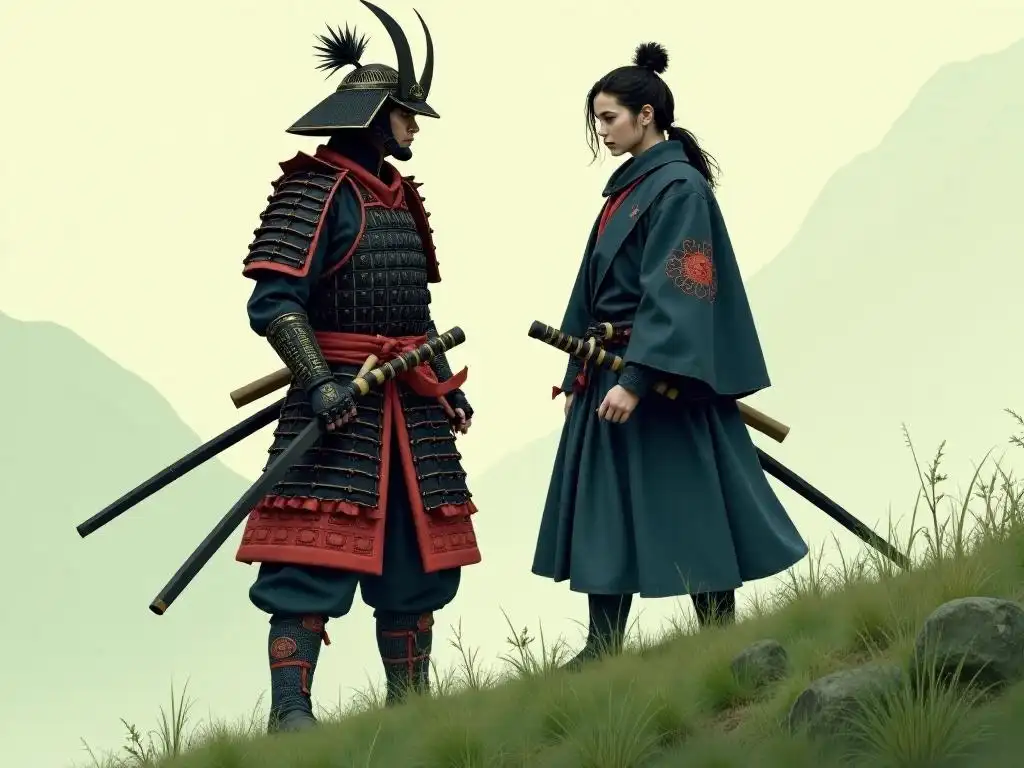
The perception of samurai in contemporary society is largely shaped by the narratives surrounding clan rivalries. These rivalries underscore the samurai's duality as both noble warriors and fierce competitors, contributing to an idealized image of the samurai as embodiments of discipline and honor.
Modern literature and media often highlight the samurai's commitment to their clans, portraying them as individuals who navigate the complexities of loyalty and personal honor. This emphasis on clan loyalty can lead to a glorification of the samurai, often overlooking the brutal realities of their existence. The romanticized view fosters an image of the samurai that emphasizes heroism and tragedy, engaging audiences and drawing them into Japan's feudal past.
Conclusion
Summary of the Impact of Samurai Clan Rivalries
The impact of samurai clan rivalries on power dynamics during feudal Japan was profound and multifaceted. Rivalries not only influenced the political landscape but also shaped the social hierarchy and cultural identity of the samurai class. These conflicts led to shifts in power, alliances, and betrayals that defined the era, ultimately contributing to the emergence of a distinct samurai culture characterized by honor, loyalty, and martial prowess.
Final Thoughts on the Evolution of Samurai Power Dynamics
As we reflect on the evolution of samurai power dynamics, it becomes clear that clan rivalries were instrumental in shaping the samurai ethos and the political structure of Japan. The legacy of these rivalries continues to inform contemporary understandings of honor and loyalty, ensuring that the stories of samurai clans remain relevant in modern discourse. In exploring this historical narrative, we gain valuable insights into the complexities of human relationships and the enduring impact of history on culture and identity.
References
The study of samurai clan rivalries and their impact on power dynamics during Japan's feudal era is well-documented through various historical texts, scholarly articles, and primary sources. This section provides a curated list of materials that shed light on the intricacies of clan interactions, the socio-political landscape of the time, and the military strategies employed by samurai leaders.
Recommended Reading on Samurai Clan Rivalries Impact
-
"The Samurai: A Military History" by Stephen Turnbull
This comprehensive account traces the evolution of the samurai class and highlights key battles and clan rivalries that shaped their power dynamics. Turnbull's work is essential for understanding the martial culture and the relationships between rival clans.
-
"Warriors of Japan as Portrayed in the War Tales" by Thomas D. Conlan
Conlan examines the narratives within historical war tales, providing insight into the motivations and rivalries among clans. This book is particularly valuable for its analysis of how these stories influenced samurai identity and honor.
-
"The Rise of the Samurai: Japan's Warrior Class" by David A. Eason
Eason's exploration of the rise of the samurai class delves into the socio-political factors that contributed to clan rivalries. It offers an engaging narrative that connects historical events with cultural shifts.
-
"Samurai and the Culture of Japan's Feudal Age" edited by Michael J. O'Driscoll
This anthology features various essays that discuss the cultural implications of clan rivalries, including their impact on art, literature, and societal norms during the feudal period.
-
"The Tale of the Heike" (translated by Burton Watson)
A classic work of literature that recounts the struggles between the Taira and Minamoto clans, this epic provides a narrative perspective on the conflict and its ramifications for samurai power.
Historical Sources and Documentation
The understanding of samurai clan rivalries is enriched by a variety of historical sources and documentation. These include:
- Chronicles and Annals: Texts such as the Nihon Shoki and Shoku Nihongi provide chronological records of events, including battles and treaties between clans.
- Buke Shohatto: The samurai laws enacted by the Tokugawa shogunate outline the regulations governing samurai behavior and clan interactions, reflecting the established power dynamics resulting from earlier rivalries.
- War Diaries and Letters: Personal accounts from samurai leaders, including letters and diaries, reveal insights into the motivations and strategies employed during clan conflicts. An example is the correspondence of Takeda Shingen, which illustrates his approach to warfare and alliance-building.
- Archaeological Findings: Excavations of battlefields and samurai residences offer tangible evidence of the material culture of rival clans. Artifacts such as weapons, armor, and household items help contextualize the social stratification influenced by clan rivalries.
- Noh and Kabuki Plays: These traditional Japanese theater forms often dramatize historical events, including clan rivalries. Their narratives contribute to the cultural memory and public perception of the samurai and their conflicts.
Through these resources, one can gain a deeper understanding of how clan rivalries shaped the dynamics of power among samurai and influenced the broader political landscape of feudal Japan.
- Introduction to Samurai Clan Rivalries
- Historical Context of Samurai Clan Rivalries
- The Nature of Clan Rivalries
- The Impact of Clan Rivalries on Samurai Power Dynamics
- Case Studies of Notable Clan Rivalries
- Cultural Implications of Clan Rivalries
- Modern Interpretations of Samurai Clan Rivalries
- Legacy of Clan Rivalries in Contemporary Japanese Culture
- How Clan Rivalries Shape Modern Perceptions of Samurai
- Conclusion
- References
- What were the primary causes of samurai clan rivalries in feudal Japan?
- How did clan rivalries affect the social structure of feudal Japan?
- What role did samurai play in the clan rivalries?
- How did the impact of clan rivalries shape Japan's political landscape?
- What were the long-term effects of samurai clan rivalries on Japanese culture?
Frequently Asked Questions
What were the primary causes of samurai clan rivalries in feudal Japan?
The primary causes of samurai clan rivalries included territorial disputes, competition for political power, and cultural differences among clans. These conflicts often stemmed from historical grievances and rivalry for resources.
Clan rivalries significantly influenced the social hierarchy in feudal Japan, as powerful clans often dictated loyalty, status, and the distribution of resources among the samurai class. This created a dynamic where alliances and rivalries shaped social standings.
What role did samurai play in the clan rivalries?
Samurai were the warrior class at the forefront of clan rivalries, serving as both protectors and enforcers of their clan’s interests. Their loyalty and skill in battle were crucial in determining the outcomes of these conflicts.
How did the impact of clan rivalries shape Japan's political landscape?
The impact of clan rivalries led to shifts in political power, often resulting in alliances and betrayals that reshaped the feudal system. These rivalries contributed to the eventual unification of Japan under centralized control.
What were the long-term effects of samurai clan rivalries on Japanese culture?
The long-term effects of clan rivalries on Japanese culture include the development of martial traditions, a rich literary heritage, and the valorization of loyalty and honor in samurai ethics, which continue to influence Japanese culture today.
Final Reflection: The Enduring Legacy of Samurai Clan Rivalries
The intricate web of samurai clan rivalries continues to resonate in today's world, illustrating how historical power dynamics shape modern societal structures. The fierce competition and alliances forged among samurai clans not only dictated the course of Japanese history but also laid the groundwork for understanding contemporary conflicts and power struggles. As we delve into the past, we uncover lessons that remain relevant, reminding us that the echoes of these rivalries still influence our perceptions of loyalty, honor, and ambition.
The impact of samurai clan rivalries extends beyond mere historical interest; it serves as a lens through which we can examine our own social and cultural landscapes. The rivalries fostered a sense of identity and belonging, while also highlighting the consequences of conflict and competition. As the historian John W. Hall once said, "> The past is never dead.
It's not even past." This sentiment rings true as we navigate our own clan-like affiliations in modern society, whether they be political, social, or cultural. The lessons learned from these historical rivalries can inform our understanding of cooperation and conflict in our current lives.
As you reflect on the themes presented in this article, I invite you to consider how the dynamics of rivalry and alliance play out in your own experiences. What can you learn from the samurai's struggles and triumphs? Embrace the opportunity to cultivate understanding and collaboration in your own circles, recognizing that every rivalry carries the potential for growth and transformation. Let the legacy of the samurai inspire you to forge connections that transcend conflict, ultimately fostering a more harmonious and empowered community.
Unleash Your Knowledge of Samurai Dynamics!
Thank you for diving into the intriguing world of clan rivalries and their profound effects on samurai power dynamics! Your exploration of this pivotal theme in Feudal Japan enriches your understanding of history and its complexities. Now, let’s transform that knowledge into action and deepen your engagement with this fascinating era.
- Join a discussion: Engage with fellow history enthusiasts by joining our online forum here and share your thoughts on how clan rivalries influenced power structures in Feudal Japan.
- Explore further: Dive deeper into the lives of specific samurai clans through our curated collection of articles on Feudal Japan History .
- Share your insights: Write a brief post about your favorite samurai story or event inspired by this article and share it on social media using the hashtag #SamuraiDynamics.
What aspects of samurai rivalries have surprised you the most, and in what ways do you believe they shaped the future of Japan? We would love to hear your thoughts!