
The Best Samurai Swords: Blending Artistry and Functionality for Collectors

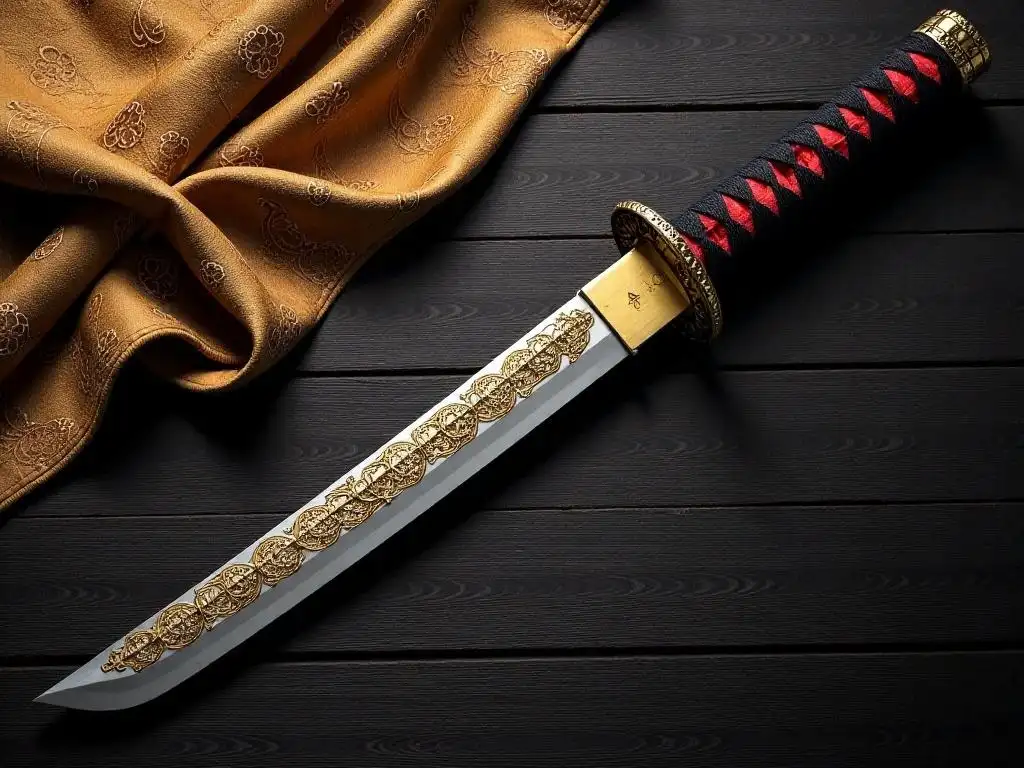
Welcome to Feudal Japan History, where we embark on a captivating journey through the intricate tapestry of Japan's feudal era. Here, history enthusiasts and collectors alike will discover the fascinating world of the best samurai swords for collectors. These magnificent weapons are not merely tools of war; they are artworks embodying centuries of cultural significance and craftsmanship. Are you ready to uncover the stories behind these legendary blades and learn how they blend artistry with functionality? Dive into our expert-driven articles and explore the rich heritage of samurai swords that continues to inspire awe and admiration today!
-
The Best Samurai Swords for Collectors: Blending Artistry and Functionality
- Introduction to Samurai Swords
- Understanding Samurai Sword Types
- Factors to Consider When Collecting Samurai Swords
- Maintenance and Care for Samurai Swords
- The Best Samurai Swords for Collectors in 2024
- Where to Buy the Best Samurai Swords for Collectors
- Conclusion: The Art of Collecting Samurai Swords
- Additional Resources
- Call to Action
- Frequently Asked Questions
- Final Reflection: The Timeless Allure of Samurai Swords
- Unleash Your Inner Warrior: Explore the World of Samurai Swords!
The Best Samurai Swords for Collectors: Blending Artistry and Functionality
In the rich tapestry of Japan's feudal era, samurai swords, also known as katana, hold a place of reverence that transcends mere weaponry. These blades are not only tools of war but also masterpieces of craftsmanship, embodying the artistry and cultural significance of their time. For collectors, the allure of the best samurai swords lies in their dual nature: they are both functional weapons and exquisite works of art that tell stories of honor, valor, and the samurai code of ethics, known as bushido.
This article delves into the different types of samurai swords, examining their unique characteristics and what makes them desirable for collectors. From the elegant curves of the katana to the practicality of the tanto, we will explore how these swords blend artistry and functionality, making them highly sought after in the world of martial arts gear.
Introduction to Samurai Swords
Samurai swords have a long and storied history, intricately tied to the samurai class that dominated Japan for centuries. These blades were not just weapons; they were symbols of status, loyalty, and the samurai's identity. Each sword was handcrafted with meticulous attention to detail, often taking months or even years to create. The forging process involved skillful techniques passed down through generations, culminating in blades known for their sharpness, strength, and beauty.
Collecting samurai swords has become a passion among enthusiasts and historians alike. The best samurai swords for collectors are determined not only by their craftsmanship but also by their historical significance, condition, and authenticity. Understanding the different types of samurai swords is crucial for any collector looking to enhance their collection and appreciate the depth of Japanese sword-making artistry.
Understanding Samurai Sword Types
When it comes to samurai swords, several distinct types stand out, each with its own unique design, purpose, and historical context. Below, we delve into the three primary types of samurai swords that collectors often seek: the katana, wakizashi, and tanto.
Katana: The Iconic Samurai Sword
The katana is perhaps the most recognized samurai sword, renowned for its distinctive curved blade, single edge, and long handle designed for two-handed use. Historically, the katana was favored by samurai for its effectiveness in battle and its ability to deliver swift, precise strikes.
- Characteristics:
- Length: Typically between 60 to 80 cm (23 to 31 inches).
- Blade: Curved, with a sharp, single edge.
- Tsuba (guard): Often intricately designed, serving both aesthetic and functional purposes.
The katana's construction involves a unique forging process, where high-carbon steel is repeatedly folded to create a strong yet flexible blade. Collectors prize antique katanas for their historical significance and craftsmanship, often seeking pieces from renowned swordsmiths.
Wakizashi: The Companion Blade
The wakizashi is a shorter blade, usually measuring between 30 to 60 cm (12 to 23 inches). Traditionally worn alongside the katana, it served as a backup weapon for samurai in close quarters or as a tool for ceremonial purposes.
- Characteristics:
- Length: Generally shorter than the katana, making it ideal for indoor combat.
- Blade: Curved but less pronounced than that of the katana.
- Use: Often used in rituals, including seppuku (ritual suicide).
The wakizashi is also a symbol of the samurai's status, often intricately crafted and beautifully adorned. Collectors appreciate the wakizashi for its artistry and the insight it provides into the life of a samurai.
Tanto: The Dagger of the Samurai
The tanto is a distinctive dagger, typically measuring less than 30 cm (12 inches). Though smaller than both the katana and wakizashi, the tanto holds significant cultural and practical importance.
- Characteristics:
- Length: Shorter blade, designed for stealth and close combat.
- Blade: Straight or slightly curved, often with intricate designs.
- Purpose: Used for both combat and as a utility tool.
Tanto were often carried by samurai for self-defense and as a mark of status. Collectors find value in tanto not only for their craftsmanship but also for their role in the samurai's daily life and their representation in art and literature.
The world of samurai swords is as diverse as it is fascinating. Understanding the differences between the katana, wakizashi, and tanto is essential for collectors who seek to appreciate the historical and cultural significance of these magnificent blades. Each sword type offers its own narrative, contributing to the rich legacy of Japan's feudal era and the enduring allure of samurai craftsmanship.
Factors to Consider When Collecting Samurai Swords
Collecting samurai swords is not just about owning a piece of art; it involves understanding the historical significance, craftsmanship, and the value of each piece. Here are some crucial factors to consider when embarking on this rewarding journey:
Authenticity and Provenance
One of the most critical aspects of collecting samurai swords is ensuring their authenticity. Authentic samurai swords, or nihonto, are handmade using traditional techniques that have been passed down through generations. To verify authenticity, collectors should look for:
- Tang markings: The tang (nakago) of the sword often bears inscriptions that indicate the maker and the date of production. These markings can provide valuable insights into the sword's history.
- Documentation: Provenance is key. Collecting documents, such as certificates of authenticity, can enhance the sword's value and provide a historical context.
- Expert appraisal: Consulting with a knowledgeable appraiser or a reputable dealer can help ensure that the sword is genuine and not a reproduction.
Understanding the lineage and history of a sword can greatly increase its appeal and value to collectors.
Material Quality and Craftsmanship
The quality of materials and craftsmanship plays a significant role in determining the value of a samurai sword. Here are some essential points to consider:
- Steel type: Traditional samurai swords are made from tamahagane, a high-quality steel that is forged multiple times to create layers. The purity and skill involved in the forging process can affect the sword's durability and sharpness.
- Blade shape and curvature: The design of the blade—whether it's a katana, wakizashi, or tanto—affects both aesthetics and functionality. A well-balanced sword with a proper curve is essential for effective handling.
- Hamon line: The temper line, known as hamon, is a unique feature that indicates the cooling process of the blade. A pronounced hamon is often a sign of superior craftsmanship and adds to the sword's beauty.
- Tsuba and fittings: The guard (tsuba) and other fittings should also be examined. High-quality materials and intricate designs on these components reflect the overall quality of the sword.
Understanding these craftsmanship details can help collectors appreciate the artistry behind each piece.
Price Range and Investment Potential
When collecting samurai swords, it's essential to have a clear understanding of price ranges and investment potential. Factors that influence pricing include:
- Age and rarity: Older swords, especially those from renowned smiths or periods, can command significantly higher prices. Rarity can also drive up demand, particularly for unique pieces.
- Condition: The overall condition of the sword, including any restoration work, can affect its value. Swords in original condition typically hold more value than those that have been extensively repaired.
- Market trends: Being aware of current market trends can help collectors make informed purchasing decisions. Some swords may appreciate in value over time, while others may not hold their worth.
Investing in samurai swords can be rewarding, but it requires careful research and consideration of various factors.
Maintenance and Care for Samurai Swords
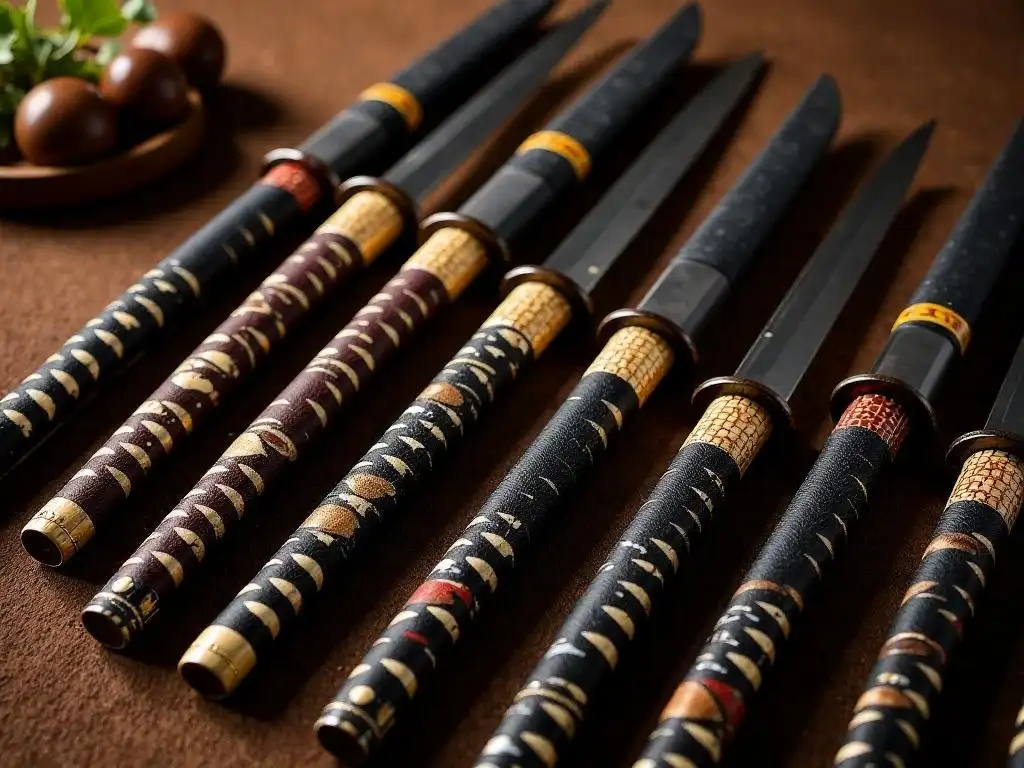
Proper maintenance and care are essential for preserving the beauty and functionality of samurai swords. Here are some guidelines to follow:
Proper Handling Techniques
Handling a samurai sword correctly is crucial to avoid damage. Here are some tips for proper handling:
- Wear gloves: Always wear cotton gloves when handling the sword to prevent oils from your skin from tarnishing the blade.
- Use a support: When displaying or examining a sword, use a proper stand to avoid putting pressure on the blade.
- Be mindful of the edge: Always handle the sword by the tang or the hilt, avoiding contact with the edge to prevent dulling or chipping.
By following these techniques, collectors can ensure their swords remain in excellent condition.
Cleaning and Preservation Tips
Regular cleaning and preservation are vital for maintaining the integrity of samurai swords. Here are some recommended practices:
- Regular oiling: Use a light coat of choji oil (a type of mineral oil) to prevent rust. Apply it to the blade after handling and during storage.
- Cleaning the blade: Use a soft cloth to wipe the blade clean after each use. If the sword has been exposed to moisture, a gentle cleaning with a special sword cleaning kit is recommended.
- Storage conditions: Store swords in a climate-controlled environment, away from direct sunlight and humidity. A sword display case or a protective sheath can help shield the sword from environmental factors.
By adhering to these cleaning and preservation tips, collectors can ensure their samurai swords remain beautiful and functional for years to come.
The Best Samurai Swords for Collectors in 2024
As we step into 2024, the landscape of samurai sword collecting continues to evolve, offering enthusiasts a rich tapestry of options that blend tradition with modern artistry. Collectors today are increasingly seeking swords that not only reflect the historical significance of the samurai era but also exhibit exceptional craftsmanship and unique designs. The best samurai swords for collectors in 2024 are characterized by their authenticity, historical provenance, and aesthetic appeal.
In this year, we see a trend towards swords that celebrate the nuances of both traditional crafting techniques and contemporary innovations. New technologies in blade-making and polishing have emerged, allowing for greater precision and durability while maintaining the spirit of the samurai sword. Additionally, the popularity of custom swords—crafted to individual specifications—has grown, enabling collectors to own pieces that are uniquely theirs.
Moreover, it is essential for collectors to consider the sword’s condition, historical significance, and accompanying documentation. Many collectors are now looking for swords with verifiable lineage, as these factors greatly enhance a sword's value and appeal. As such, the best samurai swords for collectors in 2024 represent not just functional weaponry but also cultural artifacts that encapsulate the artistry and history of the samurai tradition.
Top 5 Samurai Swords for Serious Collectors
-
Koto Katana
The Koto era swords, forged before 1596, are highly revered for their craftsmanship and historical significance. Collectors value their distinctive curves and unique hamon (temper line), which reflect the artistry of the time. A well-preserved Koto katana can fetch substantial amounts at auctions.
-
Shinto Sword
Originating during the Edo period, Shinto swords are known for their beautiful designs and superior quality. Many collectors appreciate their balance and aesthetic appeal, making them a popular choice for both display and practice.
-
Gendaito
These swords were crafted during the Showa period and often feature modern materials and techniques while adhering to traditional designs. Gendaito swords are an excellent choice for collectors looking for a blend of durability and historical connection.
-
Custom-Made Swords
The rise of custom sword-making has allowed collectors to commission pieces tailored to their preferences. These swords often incorporate specific design elements, unique materials, and personal engravings, making them highly sought after.
-
Antique Samurai Swords with Provenance
Swords with a documented history or previous ownership by notable figures are particularly valuable. Collectors often seek out these pieces for their historical significance and the stories that accompany them.
Where to Buy the Best Samurai Swords for Collectors
Finding the best samurai swords involves exploring various purchasing avenues that cater to collectors' needs. Whether you're looking for authentic antiques or modern reproductions, there are several reputable sources to consider.
Online Marketplaces
Online marketplaces have revolutionized how collectors access samurai swords. Websites specializing in martial arts gear and collectibles offer a wide range of options, from high-end antique pieces to contemporary reproductions. When buying online, it’s crucial to verify the seller's credibility and check for customer reviews to ensure authenticity. Some notable platforms for samurai sword collectors include:
- Etsy: A great source for handcrafted and custom swords from artisans.
- eBay: Offers a vast selection of both new and antique swords, although due diligence is necessary to avoid counterfeit items.
- Specialty Sword Retailers: Dedicated online shops often provide detailed descriptions and certifications for each sword, ensuring that collectors can make informed decisions.
Auctions and Collector Shows
Participating in auctions and collector shows presents a unique opportunity for collectors to acquire samurai swords directly from sellers. These events often feature rare and high-quality items that may not be available through regular retail channels.
- Auction Houses: Renowned auction houses often hold specialized events for weaponry and collectibles, providing collectors access to rare swords with verified provenance.
- Collector Shows: These gatherings allow enthusiasts to network and engage with other collectors and sellers, providing insights into the market and the chance to purchase unique pieces. Attending these shows can also help collectors stay informed about trends and pricing in the samurai sword community.
Whether through online marketplaces or live auctions, the quest for the best samurai swords for collectors is an engaging journey, enriched by the rich history and artistry of these iconic weapons.
Conclusion: The Art of Collecting Samurai Swords
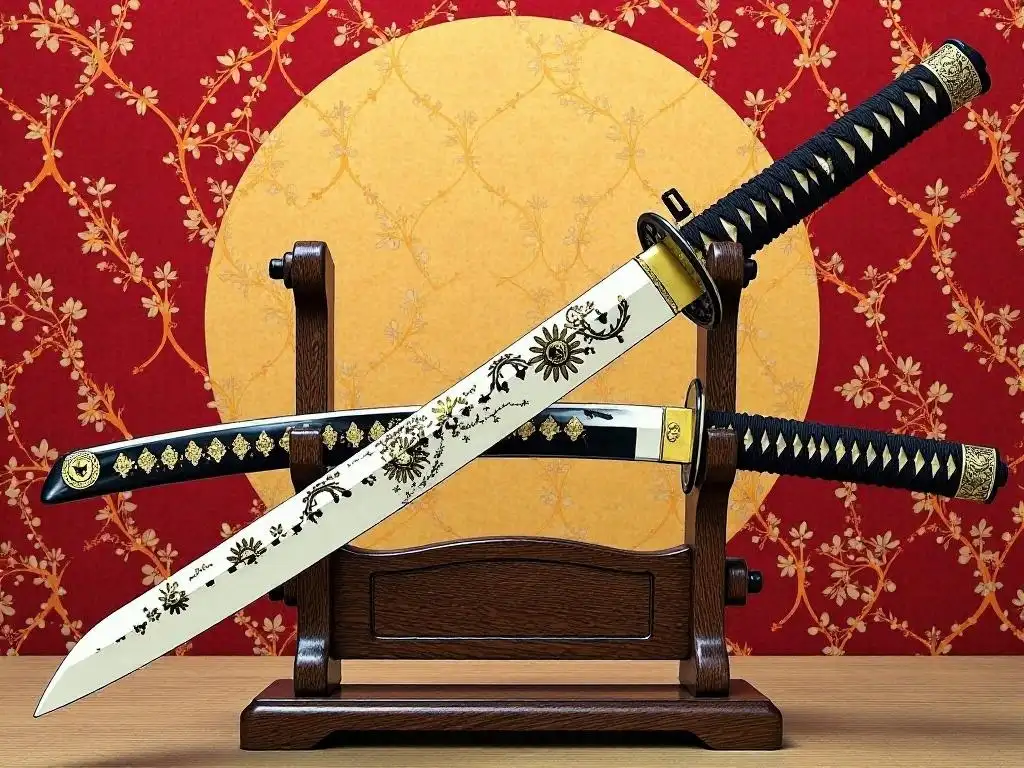
Collecting samurai swords is not merely an investment in a weapon; it is an appreciation of a rich cultural heritage that embodies artistry, history, and craftsmanship. The best samurai swords for collectors are often characterized by their intricate designs, superior materials, and the stories they tell about the era in which they were created. Whether you are drawn to the elegance of a finely crafted katana or the robust functionalities of a tachi, each sword carries a unique narrative that can enhance your understanding of feudal Japan.
Moreover, the act of collecting these swords can be a deeply personal journey. It involves research, the pursuit of authenticity, and an understanding of the various styles, techniques, and makers that have shaped these iconic weapons over centuries. As you delve into this world, consider the significance of provenance, condition, and historical context when selecting pieces for your collection. Each sword is a testament to the skill of the artisan and the tumultuous history of Japan, making them invaluable artifacts for both personal enjoyment and scholarly exploration.
The art of collecting samurai swords is about finding balance between artistry and functionality, ensuring that each piece in your collection resonates with your personal passion and respect for this storied tradition.
Additional Resources
To further enhance your knowledge and appreciation of samurai swords, here are some valuable resources:
- Books:
- The Samurai Sword: A Collector's Guide by John Yumoto
- The Art of the Japanese Sword by the Japanese Sword Society of the USA
- Online Forums:
- Join communities like the Nihonto Message Board, where enthusiasts discuss techniques, history, and share their collections.
- Museums:
- Visiting museums such as the Tokyo National Museum or the Samurai and Ninja Museum with Experience in Kyoto can provide insight into the historical context and craftsmanship of samurai swords.
- Workshops:
- Participate in sword-making workshops or demonstrations to experience the craftsmanship firsthand and gain a deeper understanding of the techniques involved.
Call to Action
Are you ready to embark on your journey into the captivating world of samurai swords? Whether you're a seasoned collector or just beginning to explore, there’s always more to learn and discover. Start by researching reputable dealers, attending sword exhibitions, and engaging with fellow enthusiasts.
Don't hesitate to share your experiences and insights with us! Join our community by subscribing to our newsletter, where you can receive updates on the latest articles, events, and exclusive content related to feudal Japan's rich history and the art of samurai sword collecting. Embrace the legacy of the samurai and let the artistry of these formidable blades inspire your collection!
Frequently Asked Questions
What are the best samurai swords for collectors?
The best samurai swords for collectors typically include those that are authentic, have historical significance, and are crafted by renowned swordsmiths. Look for options that combine artistry and functionality.
How can I identify a genuine samurai sword?
To identify a genuine samurai sword, examine the signature (mei) on the tang, check for craftsmanship quality, and look for distinctive features such as the hamon (temper line) and tachi-mei (style of signature).
What factors affect the value of a samurai sword?
The value of a samurai sword can be influenced by factors such as age, provenance, condition, and the reputation of the swordsmith. Swords with a strong historical background tend to be more valuable.
Are modern replicas worth collecting?
Modern replicas can be worth collecting if they are made with high-quality materials and craftsmanship. However, they usually lack the historical significance and value of authentic swords.
Where can collectors purchase samurai swords?
Collectors can purchase samurai swords from specialty shops, antique dealers, and reputable online marketplaces. It's crucial to ensure that sellers provide authenticity guarantees and detailed descriptions of their products.
Final Reflection: The Timeless Allure of Samurai Swords
The legacy of samurai swords transcends mere functionality; it embodies a rich tapestry of artistry, history, and cultural significance that resonates deeply with collectors today. As we explore the best samurai swords for collectors, we uncover not just weapons, but masterpieces that tell stories of honor, craftsmanship, and the warrior spirit. In a world increasingly driven by technology, the enduring appeal of these blades reminds us of the beauty found in tradition and the craftsmanship of the past.
The influence of samurai swords extends far beyond their physical form; they have become symbols of discipline, respect, and the pursuit of excellence. Collectors and enthusiasts alike find themselves drawn to the intricate details and historical narratives that each sword carries. As the renowned Japanese artist Yoshitomo Nara once said, "> Art is a way of life; it is a way to express oneself and connect with others." This connection fosters a community that celebrates not only the aesthetic beauty of these swords but also the values they represent, bridging the gap between past and present.
As you reflect on the artistry and functionality of samurai swords, consider how these principles can be applied to your own life. Embrace the pursuit of excellence in your passions, honor the traditions that shape your identity, and seek beauty in the details of your journey. Whether you are a seasoned collector or a curious newcomer, let the spirit of the samurai inspire you to cultivate a deeper appreciation for craftsmanship and to honor the stories that each piece of art carries.
Unleash Your Inner Warrior: Explore the World of Samurai Swords!
Thank you for diving into the captivating world of samurai swords with us! You’ve uncovered the artistry and functionality that make these weapons truly remarkable. Now, let’s harness that inspiration and take action in your journey as a collector.
Here are a few concrete steps to deepen your appreciation and connection with samurai swords:
- Start your collection today by researching reputable sellers or visiting local antique shops. Every sword has a story, and yours is waiting to be told!
- Join a community of sword enthusiasts online! Share your experiences, seek advice, and learn from fellow collectors who share your passion.
- Attend exhibitions or workshops focused on samurai sword craftsmanship. Engage directly with experts and see these incredible pieces up close!
What unique qualities or stories do you look for when considering a samurai sword for your collection? Share your thoughts below!