
Cultural Exchange and the West: The Impact of Foreign Influence in Edo

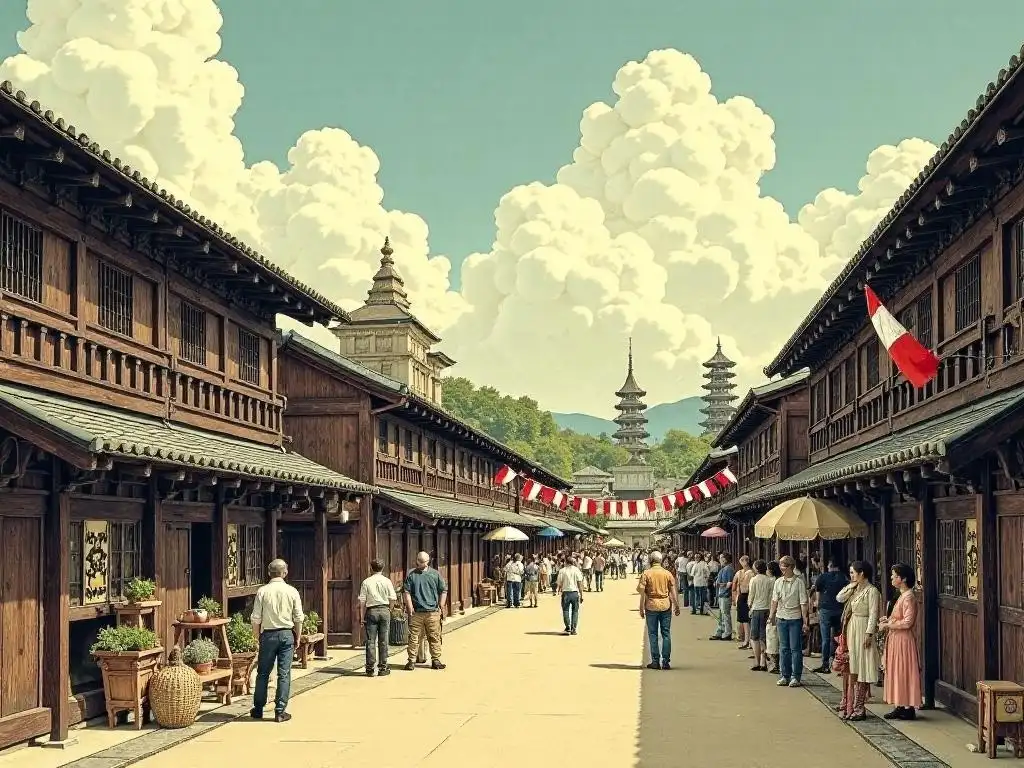
Welcome to Feudal Japan History, where we invite you to journey through the captivating tapestry of Japan's feudal era. Today, we delve into the Edo period, a time marked by profound cultural exchange and the intriguing interplay of foreign influence. Discover how encounters with the West not only shaped Japan's identity but also transformed its society in ways you might never have imagined. Are you ready to uncover the secrets of this pivotal era? Join us as we explore the impact of foreign influence in Edo, and unlock the rich stories that lie within!
Introduction to Edo Period Foreign Influence History
The Edo period, spanning from 1603 to 1868, marks a significant chapter in Japan's history, characterized by a unique blend of isolationism and cultural exchange. During this era, Japan was not completely closed off from the world; rather, it experienced a myriad of foreign influences that shaped its cultural, artistic, and societal frameworks.
Understanding the intricacies of the Edo period foreign influence history is essential to grasp how these interactions contributed to the evolution of Japanese society. This article delves into the multifaceted dimensions of cultural exchange during the Edo period, exploring the various foreign influences that permeated Japanese life, and how these exchanges laid the groundwork for Japan's modern identity.
Overview of the Edo Period
The Edo period is often noted for its political stability under the Tokugawa shogunate, which enforced strict social hierarchies and isolationist policies. Despite these constraints, the period was rich in cultural development and interaction. Cities flourished, arts and literature thrived, and the merchant class emerged as a powerful socio-economic force. The shogunate's policy of Sakoku (closed country) limited foreign contact, but it did not entirely eliminate it. Instead, interactions with select foreign powers, particularly the Dutch and the Chinese, fostered a unique environment where foreign ideas and goods were assimilated into Japanese culture.
Significance of Cultural Exchange in Edo
Cultural exchange during the Edo period was pivotal for several reasons:
- Artistic Influence: Foreign art styles and methods entered Japan, influencing local artisans and leading to unique adaptations that merged Western techniques with traditional Japanese aesthetics.
- Scientific Advancements: The introduction of Western scientific knowledge, particularly through Dutch learning (Rangaku), enriched Japanese scholarship and innovation.
- Culinary Exchange: The Edo period saw the incorporation of foreign foods and cooking techniques, which diversified Japanese cuisine and culinary practices.
The significance of these exchanges cannot be overstated, as they laid the groundwork for Japan's transition from a feudal state to a modernized nation in the late 19th century.
Historical Context of Foreign Influence in Edo
Understanding the historical context of foreign influence during the Edo period requires examining the trade routes and foreign powers that played a crucial role in shaping Japan’s interactions with the outside world.
Trade Routes and Early Interactions
Japan's geographical location facilitated maritime trade routes that connected it to various regions, including Asia and beyond. Initially, interactions were limited and often occurred through intermediaries. Notably, the Dutch East India Company established a trading post on Dejima, a small artificial island in Nagasaki Bay, which became the sole point of direct trade between Japan and the West. This controlled interaction allowed the shogunate to manage foreign influence while benefiting from new goods, knowledge, and technologies.
Key Foreign Powers Engaging with Japan
Several foreign powers were instrumental in shaping the cultural landscape of Edo Japan:
- The Dutch: As the only European nation permitted to trade with Japan during the period of isolation, the Dutch introduced a wealth of scientific knowledge and Western goods, impacting various sectors including medicine and technology.
- The Chinese: China was a significant cultural influence, providing not only trade goods but also philosophical and artistic inspiration. The importation of Chinese literature, art, and Confucian ideals deeply affected Japanese culture.
- The Portuguese: Although their influence waned after the initial contact, the Portuguese were among the first to introduce firearms and Christianity to Japan, marking the beginning of significant changes in Japanese warfare and religion.
These foreign interactions enriched Japan's cultural tapestry, demonstrating that even in periods of isolation, external influences could leave an indelible mark on society.
Cultural Aspects of Foreign Influence in Edo
The Edo period (1603-1868) was a time of relative peace and stability in Japan, allowing for significant cultural developments. One of the most notable features of this era was the influx of foreign influence, particularly from the West, which fundamentally altered various aspects of Japanese culture. This cultural exchange introduced new ideas, artistic styles, and practices that blended with indigenous traditions, leading to a unique and dynamic cultural landscape.
Introduction of Western Art and Architecture
The introduction of Western art and architecture in the Edo period marked a significant shift in aesthetic values and techniques. Initially brought through limited trade with the Dutch at Dejima, this influence began with the importation of oil paintings, engravings, and various artistic techniques. Artists like Nagasaki-based painter Kawahara Keiga began to incorporate Western perspective and shading techniques into their work, creating a fusion of styles that captivated Japanese audiences.
Moreover, Western architectural styles also made their way into Japan during this period. The construction of churches and other buildings in the late Edo period showcased European architectural principles, such as symmetry and grandiosity, which contrasted sharply with traditional Japanese designs. The incorporation of brick and stone in construction, as opposed to the more common wooden structures, represented a significant evolution in building techniques and materials.
Changes in Culinary Practices and Food Culture
Culinary practices in Edo underwent notable transformation due to foreign influence, particularly through the introduction of new ingredients and cooking methods. The arrival of Western traders brought unique food items like potatoes, tomatoes, and corn, which were slowly integrated into Japanese cuisine. Over time, these ingredients contributed to the diversification of food culture in Edo.
Additionally, the practice of Western-style dining began to emerge, with the introduction of new cooking techniques and utensils. The adoption of Western culinary methods, such as frying and baking, allowed for the creation of unique dishes that combined both Western and traditional Japanese flavors. This melding of cuisines not only enriched Edo’s culinary landscape but also fostered a sense of cosmopolitanism among its inhabitants.
Influence on Edo Period Literature and Philosophy
Edo period literature and philosophy also experienced significant foreign influence, particularly through the translations of Western texts and philosophical ideas. The introduction of European literature, especially from the Netherlands, sparked interest among scholars and writers. This interaction led to the emergence of a new literary genre known as "yomihon," or reading books, which incorporated Western narratives and themes while retaining Japanese linguistic styles.
Philosophically, the concepts of Enlightenment thinking began to permeate Edo society, challenging traditional Confucian values. Thinkers such as Motoori Norinaga and Hiraga Gennai engaged with these foreign ideas, advocating for a blend of Western rationalism with Japanese cultural identity. This intellectual exchange paved the way for a broader discourse on human rights, governance, and individualism that would have lasting effects on Japanese society.
Societal Impact of Foreign Influence in Edo
The societal impacts of foreign influence during the Edo period were profound, affecting various social structures and norms. The interaction between Japanese and Western cultures led to shifts in roles, responsibilities, and the perception of social classes.
The Role of the Samurai in Cultural Exchange
The samurai class, traditionally seen as the military elite, played a crucial role in facilitating cultural exchange during the Edo period. As educated individuals, many samurai became scholars and interpreters, engaging with foreign traders, particularly the Dutch. Their position allowed them to access Western knowledge, including military strategies, navigation, and medicine, which they often integrated into their own practices.
Furthermore, the samurai's involvement in cultural exchanges extended to the arts, where they often patronized Western-influenced artworks and literature. This willingness to embrace and adapt foreign ideas not only enriched samurai culture but also contributed to a broader acceptance of foreign influence within Edo society.
Impact on Edo Period Women’s Roles and Education
The influence of foreign ideas also impacted the roles of women in Edo society. As Western educational practices began to emerge, there was a growing recognition of the importance of women's education. The introduction of new subjects and teaching methods encouraged more women to engage in literacy and the arts, leading to increased participation in cultural activities.
Moreover, the concept of women as influencers within the domestic sphere began to evolve. The exposure to Western ideals of marriage and family dynamics prompted a reevaluation of women's roles, encouraging greater autonomy and participation in cultural exchanges. This shift laid the groundwork for future movements advocating for women’s rights and education in Japan.
Changes in Social Hierarchy due to Foreign Influence
Foreign influence during the Edo period also contributed to changes in the traditional social hierarchy. The influx of new ideas and the rise of a merchant class, spurred by trade and exposure to Western economic practices, began to challenge the established social order. As merchants gained wealth and influence, they started to ascend socially, gradually eroding the rigid class distinctions that had previously defined Edo society.
Additionally, the samurai's increased engagement with foreign cultures led to a reevaluation of their own status. As they adopted new knowledge and practices, their role shifted from mere warriors to cultural brokers, further altering their traditional position within the social hierarchy. This dynamic interplay of classes and the infusion of foreign concepts fostered a more fluid social structure, setting the stage for Japan's modernization in the later Meiji period.
Challenges and Resistance to Foreign Influence
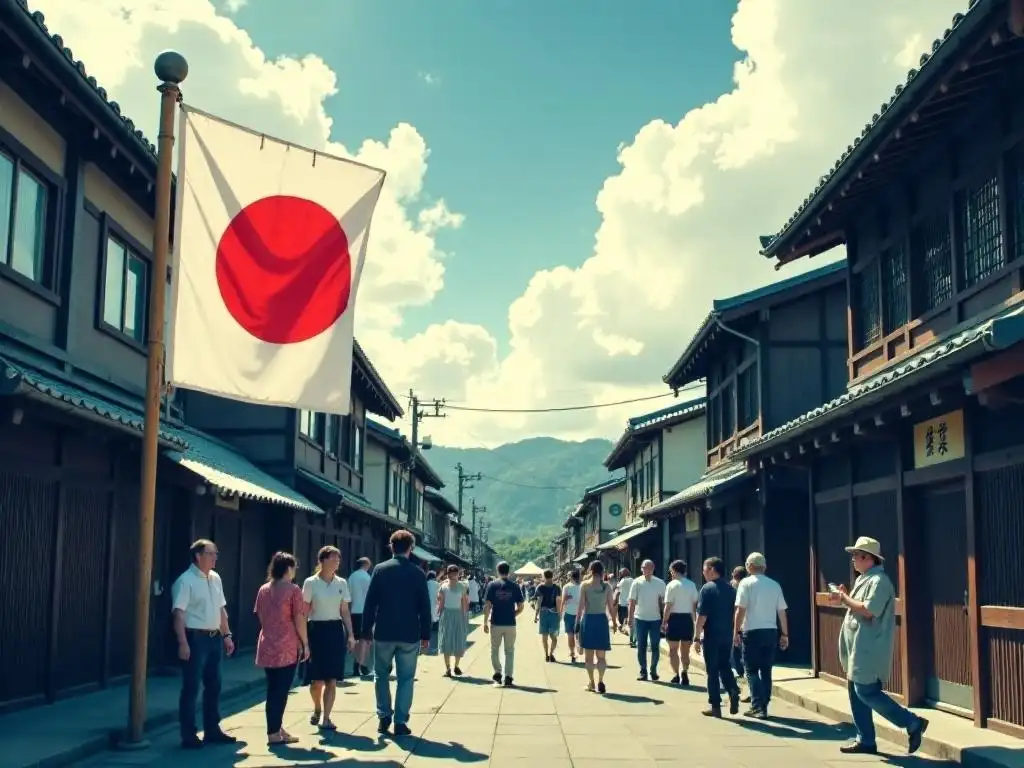
The Edo period, while marked by notable foreign interactions, was also characterized by significant challenges and resistance to these influences. This tension stemmed from various factors, including political, cultural, and social considerations. The Tokugawa shogunate implemented strict isolationist policies, primarily due to concerns about the destabilizing effects of foreign ideas and practices. Many officials viewed foreign influence as a potential threat to Japan's sovereignty and traditional values.
The resistance to foreign influence can also be seen in the reactions from various social classes. The samurai, who upheld the values of loyalty and discipline, often viewed foreign ideas as undermining the established order. Similarly, commoners, who had their own cultural practices and beliefs, were hesitant to adopt customs that seemed foreign or disruptive to their way of life. This collective apprehension contributed to a complex relationship with foreign traders and diplomats, leading to both engagement and conflict.
Isolationist Policies and Their Implications
The isolationist policies of the Edo period, known as Sakoku, were formally established in the early 17th century and lasted until the mid-19th century. These policies severely limited foreign interaction, allowing only sanctioned trade with the Dutch and Chinese, primarily through the port of Nagasaki. The implications of these restrictions were profound, shaping Japan’s cultural and economic landscape.
- Cultural Homogeneity: The isolationist stance led to a relatively homogeneous culture, where traditional Japanese values and practices flourished without external interference. This period allowed for the development of unique art forms, literature, and philosophies that were distinctly Japanese.
- Economic Impact: While limiting foreign trade, these policies also encouraged domestic production and self-sufficiency. Japanese artisans and traders became adept at creating and selling goods that met local demand, fostering a vibrant domestic economy.
- Intellectual Stagnation: On the downside, the lack of foreign ideas and innovations resulted in intellectual stagnation in certain fields. Japan missed out on advancements in science, technology, and political thought that were taking place in the West during this period.
Conflicts with Foreign Traders and Diplomats
Despite the restrictions imposed by Sakoku, foreign traders and diplomats often sought to establish relations with Japan, leading to conflicts. The Dutch, who were allowed limited trade, faced difficulties navigating the strict regulations and cultural misunderstandings. Incidents, such as the 1637 Shimabara Rebellion, highlighted the tensions between foreign influences and local governance.
- Cultural Misunderstandings: Many foreign traders struggled to comprehend Japanese customs and social hierarchies, which sometimes led to diplomatic disputes. The disparity in cultural understanding resulted in mistrust and conflict, complicating trade negotiations.
- Resistance from Japanese Officials: Japanese officials were often wary of foreign traders, perceiving them as potential agents of Western imperialism. This suspicion fostered a defensive attitude, prompting measures to restrict foreign activities further and protect Japanese sovereignty.
Legacy of Foreign Influence in Edo
The legacy of foreign influence during the Edo period is multifaceted, encompassing both the cultural exchanges that did occur and the resistance to these influences. Despite the isolationist policies, certain aspects of foreign culture were integrated into Japanese society, leaving a lasting impact.
Long-term Cultural Changes in Japan
The limited foreign interactions that did occur during the Edo period resulted in notable long-term cultural changes. Elements of Western culture began to seep into Japanese society, particularly in the fields of art, science, and technology.
- Art and Aesthetics: The importation of Western artistic techniques influenced Japanese art, leading to the development of unique styles that blended traditional Japanese aesthetics with Western elements. For example, ukiyo-e prints began to incorporate perspective techniques learned from European art.
- Scientific Advancements: The need to understand foreign technologies prompted the study of Western sciences, leading to the emergence of Rangaku (Dutch learning). This intellectual movement encouraged the translation of foreign texts and the adoption of new scientific methods, which would play a crucial role in Japan’s modernization in the Meiji period.
Influence on Modern Japanese Society and Culture
The foreign influence experienced during the Edo period laid the groundwork for significant transformations in modern Japanese society and culture. The encounters with foreign traders and ideas fostered a curiosity that would eventually lead to Japan’s rapid modernization.
- Modernization and Westernization: The seeds of modernization sown during the Edo period blossomed during the Meiji Restoration, as Japan rapidly adopted Western technologies and practices. This shift fundamentally altered Japanese society, impacting everything from government structures to education systems.
- Cultural Fusion: The blending of Western and Japanese cultural elements is evident in contemporary Japanese art, fashion, and cuisine. This fusion continues to define Japan’s unique cultural identity, reflecting the complex history of foreign influence that began in the Edo period.
The Edo period’s foreign influence history is characterized by a delicate balance between resistance and acceptance, shaping the trajectory of Japan’s cultural evolution and its eventual emergence as a modern nation.
Conclusion: The Enduring Impact of Edo Period Foreign Influence History
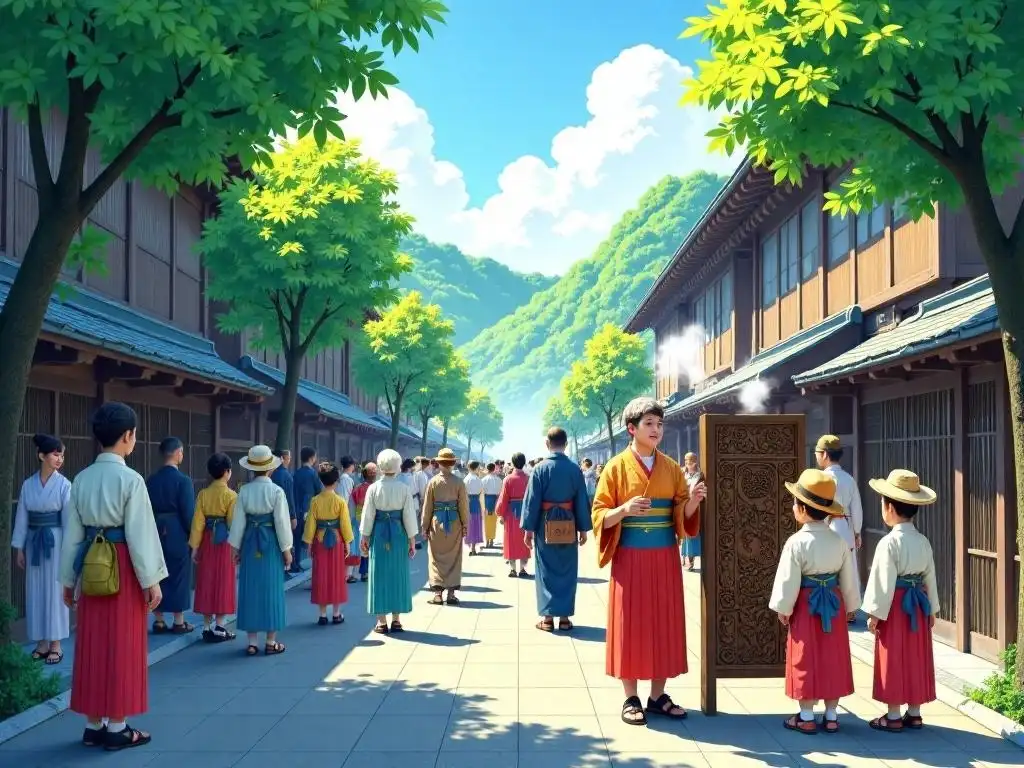
The Edo period, which spanned from 1603 to 1868, stands as a pivotal era in Japan's history, characterized by a unique blend of isolation and selective engagement with foreign cultures. The foreign influence during this time, particularly from the West, shaped various aspects of Japanese society, including art, science, trade, and philosophy.
This cultural exchange not only enriched Japanese culture but also laid the groundwork for Japan's modernization in the late 19th century. The introduction of Western knowledge and technologies, alongside the adaptation of foreign ideas into Japanese contexts, highlights the complex dynamics of cultural exchange that emerged during this period.
While Japan maintained a policy of sakoku (closed country) that limited foreign interaction, the encounters with Dutch traders and other foreign entities introduced new concepts and practices that permeated Japanese life. The enduring impact of these influences can be seen in the arts, where Western techniques in painting and printmaking were blended with traditional Japanese styles. Additionally, the incorporation of Western scientific knowledge significantly advanced fields such as medicine and astronomy, fostering a spirit of inquiry that would eventually lead to the Meiji Restoration.
Reflection on Cultural Exchange and Its Importance
Cultural exchange during the Edo period serves as a testament to the importance of openness and adaptability in the face of external influences. The interactions between Japan and the West not only contributed to the evolution of Japanese culture but also encouraged a dialogue that transcended borders. This exchange allowed Japan to selectively embrace elements of foreign cultures while maintaining its unique identity, demonstrating a remarkable balance between preservation and innovation.
The impact of foreign influence during this era is also a reminder of the interconnectedness of global cultures. The ways in which Western ideas were interpreted and integrated into Japanese society can inform contemporary discussions about globalization and cultural exchange. Reflecting on this history emphasizes the significance of understanding how cultures evolve through interaction, and it highlights the potential for mutual enrichment when different societies engage with one another.
Future Implications for Understanding Japan’s Cultural History
As scholars and enthusiasts delve deeper into Japan's cultural history, the lessons learned from the Edo period's foreign influence will continue to provide valuable insights. Understanding how Japan navigated its relationships with foreign powers can enhance our comprehension of cultural dynamics in a globalized world. This historical context can also inform current debates about cultural identity and the role of foreign influences in shaping modern societies.
The ongoing exploration of Edo period foreign influence history encourages a more nuanced appreciation of Japan's cultural evolution. By examining the complexities of these interactions, future research can uncover new dimensions of cultural history that resonate with contemporary issues, such as nationalism, cultural appropriation, and the preservation of heritage in an increasingly interconnected world. Ultimately, the study of this era not only enriches our understanding of Japan's past but also offers a framework for analyzing the broader implications of cultural exchange in today's global society.
- Introduction to Edo Period Foreign Influence History
- Historical Context of Foreign Influence in Edo
- Cultural Aspects of Foreign Influence in Edo
- Societal Impact of Foreign Influence in Edo
- Challenges and Resistance to Foreign Influence
- Isolationist Policies and Their Implications
- Conflicts with Foreign Traders and Diplomats
- Legacy of Foreign Influence in Edo
- Conclusion: The Enduring Impact of Edo Period Foreign Influence History
- Reflection on Cultural Exchange and Its Importance
- Future Implications for Understanding Japan’s Cultural History
Frequently Asked Questions
What was the Edo period in Japan?
The Edo period, lasting from 1603 to 1868, was marked by political stability, economic growth, and cultural development, under the rule of the Tokugawa shogunate.
How did foreign influence affect Japan during the Edo period?
Foreign influence during the Edo period brought about cultural exchange, technological advancements, and new ideas, particularly from Europe and the Americas, despite Japan’s initial isolationist policies.
What were some key foreign interactions in the Edo period?
Key interactions included trade with the Dutch, who were allowed limited access to Japan, and the influence of Christian missionaries, which introduced Western ideas and technologies.
Did foreign influence lead to any cultural changes in Japan?
Yes, cultural changes included the adoption of Western styles in art, architecture, and even culinary practices, as well as the introduction of scientific knowledge that began to reshape Japanese society.
How did the Edo period set the stage for modern Japan?
The Edo period laid the groundwork for modern Japan by fostering a unique blend of traditional and Western influences, ultimately leading to Japan’s rapid modernization in the late 19th century.
Final Reflection: Embracing the Legacy of Cultural Exchange in Edo
The Edo period stands as a testament to the profound impact of foreign influence on Japan's cultural landscape. In an era marked by isolation, the unexpected influx of ideas, art, and technology from abroad not only shaped the aesthetics of the time but also laid the groundwork for modern Japan. The intricate tapestry of cultural exchange during this period reminds us that the boundaries we often perceive are merely gateways to richer, more diverse experiences.
Cultural exchange is not a relic of the past; it continues to resonate in our contemporary society. The influences that permeated Edo society fostered a spirit of innovation and adaptability that can still be seen today in Japan’s global cultural presence. As we navigate a world that is increasingly interconnected, it is essential to recognize the value of embracing diverse perspectives. Culture is the widening of the mind and of the spirit.
– Jawaharlal Nehru. This quote encapsulates the essence of cultural exchange, urging us to remain open to the myriad influences that shape our identities.
As we reflect on the lessons from Edo's history, let us invite ourselves to actively engage in cultural exchange in our own lives. Consider how you can incorporate diverse influences into your daily experiences, whether through art, cuisine, or dialogue. By doing so, you not only honor the legacy of the Edo period but also contribute to a more vibrant and inclusive future. Embrace the richness of cultural diversity, and allow it to inspire your journey forward.
Explore the Transformative Power of Cultural Exchange!
Thank you for diving into the rich tapestry of foreign influence in Edo! Your interest in this pivotal period highlights the importance of understanding how cultural exchanges shape societies. Now, let's build on that knowledge and take meaningful steps together!
- Delve deeper: Discover more about the specific foreign influences during the Edo period by exploring our detailed articles.
- Share your insights: Discuss your thoughts on cultural exchange with friends or in community forums. Your perspective could spark enlightening discussions!
- Join the conversation: Sign up for our newsletter to stay updated on the latest articles and insights into feudal Japan and its cultural dynamics.
Cultural exchange has the power to reshape our understanding of history. How do you think these connections continue to influence modern society today?