
The Economic Consequences of the Meiji Restoration on Feudal Trade

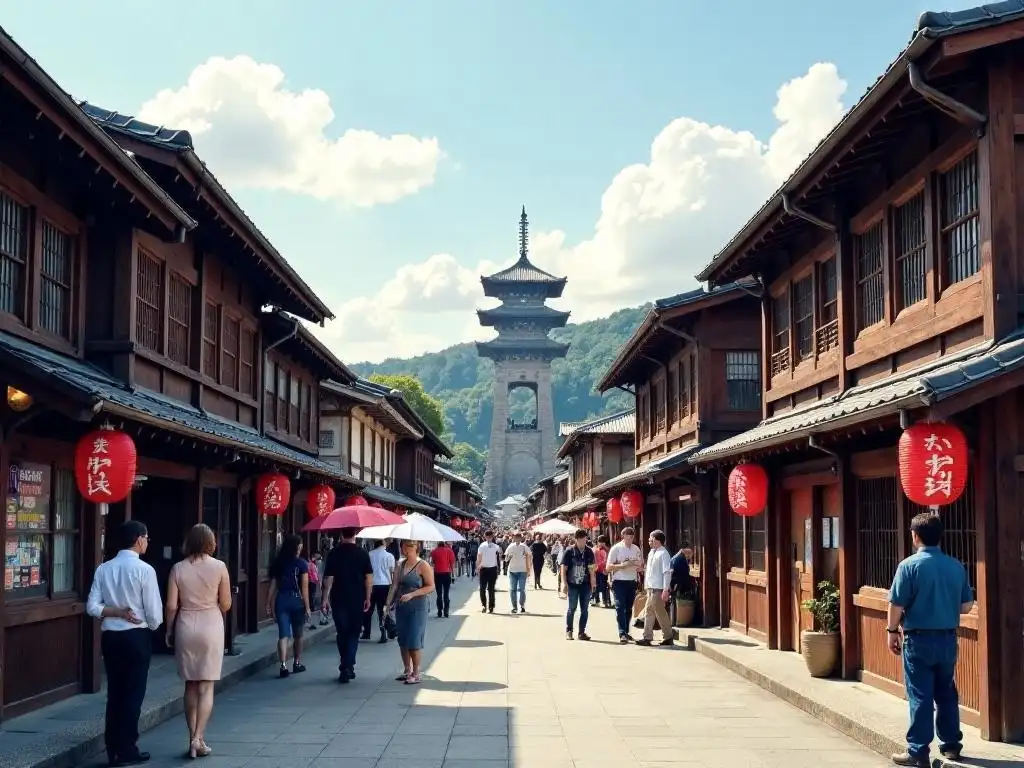
Welcome to Feudal Japan History, where we invite you to embark on a journey through the intricate tapestry of Japan's feudal era. In our featured article, we dive deep into the economic consequences of the Meiji Restoration on feudal trade, unraveling how this pivotal moment reshaped the very foundations of Japan's economy. Discover the hidden dynamics that influenced trade practices and societal shifts during this transformative period. Join us as we explore the rich historical narratives and cultural intricacies that define this remarkable chapter in Japan's past, sparking your curiosity to learn more!
Introduction to the Meiji Restoration and Feudal Trade
The Meiji Restoration, which commenced in 1868, marked a pivotal transformation in Japan's political, social, and economic landscape, fundamentally altering its relations with the outside world and its internal structures. This period not only signified the end of the Tokugawa shogunate but also initiated a series of sweeping reforms aimed at modernizing Japan and fostering industrialization.
One of the most profound impacts of the Meiji Restoration was on the feudal trade system that had long governed Japan's economy. This article will delve into the Meiji Restoration feudal trade impact, exploring how the restoration reshaped trade practices, economic structures, and the roles of various societal classes.
Overview of the Meiji Restoration
The Meiji Restoration was fueled by a desire to eliminate the isolationist policies of the Tokugawa shogunate and to strengthen Japan against Western imperialism. The new Meiji government implemented reforms that embraced Western technology, education, and industrial practices. Key policies included:
- Centralization of Power: Transitioning from feudal domains to a centralized bureaucratic state.
- Economic Modernization: Establishing railroads, telegraphs, and modern banking systems.
- Trade Liberalization: Opening Japan to foreign trade and reducing tariffs.
These reforms significantly altered the dynamics of trade, impacting the traditional feudal system that had been in place for centuries.
Importance of Feudal Trade in Japan’s Economy
Before the Meiji Restoration, feudal trade was characterized by a highly localized economy where barter and local markets dominated. The significance of feudal trade can be summarized as follows:
- Local Self-Sufficiency: Each feudal domain (han) produced and consumed goods locally.
- Barter System: Goods were often exchanged directly, limiting the growth of monetary transactions.
- Merchant Class Role: Merchants operated within strict regulations, often viewed with suspicion by the samurai class.
However, as Japan transitioned into a modern economy, the limitations of this system became evident, necessitating a comprehensive overhaul.
The State of Feudal Trade Before the Meiji Restoration
Key Features of Feudal Trade Practices
Feudal trade in Japan was defined by several key practices that facilitated local commerce while restricting broader economic engagement. Notable features included:
- Han System: Each han maintained its own economic policies, leading to disparate practices across regions.
- Restricted Trade Routes: Trade was often confined to specific routes and seasonal markets, limiting accessibility.
- Guild Regulations: Merchants were organized into guilds, which controlled trade practices and prices.
These practices fostered a stable but stagnant economic environment, which the Meiji Restoration aimed to reform.
Economic Structure of Feudal Japan
The economic structure of feudal Japan was heavily agrarian, with the following characteristics:
- Rice as Currency: Rice was the primary currency, with samurai and daimyos (feudal lords) collecting taxes in rice.
- Peasant Labor: The majority of the population worked as farmers, producing goods primarily for local consumption.
- Limited Capital Accumulation: The rigid class structure inhibited capital growth and investment in broader trade networks.
This structure was ill-equipped to adapt to the rapidly changing global economy that the Meiji Restoration sought to integrate Japan into.
Role of the Samurai and Merchant Classes
In feudal Japan, the samurai and merchant classes played distinct roles that influenced trade dynamics:
- Samurai Class: The samurai were primarily warriors and landholders, often benefiting from the agricultural surplus produced by peasant labor. Their disdain for commerce limited the merchant class's influence.
- Merchant Class: Merchants, despite their wealth, were often marginalized and faced restrictions on their economic activities. They played a crucial role in local economies but lacked power and status in feudal society.
The interactions and tensions between these classes would be dramatically reshaped during the Meiji Restoration as Japan moved towards a more modern capitalist system.
Understanding these foundational aspects of feudal trade is essential to grasping the full impact of the Meiji Restoration on Japan's economic evolution. As we proceed, we will explore the transformative effects of these historical changes on trade practices and economic structures in subsequent sections.
The Meiji Restoration: Key Changes and Reforms
The Meiji Restoration, which began in 1868, marked a significant turning point in Japanese history, transitioning the country from a feudal society to a modern industrial state. This period was characterized by an extensive series of reforms aimed at consolidating political power, modernizing the economy, and adopting Western technologies and practices. The central government sought to dismantle the rigid structures of feudalism that had dominated Japan for centuries, which had implications for trade and commerce.
One of the most notable reforms was the abolition of the feudal system, which resulted in the dissolution of the samurai class and the reallocation of land. This shift not only altered traditional power dynamics but also stimulated the movement of goods and services across regions. The Meiji government recognized the importance of establishing a unified national market and implemented policies to facilitate trade.
Moreover, the introduction of a new currency system and the establishment of a national banking system helped to stabilize the economy, making it easier for merchants and entrepreneurs to engage in trade. As Japan opened up to foreign markets, there was a concerted effort to improve transportation infrastructure, including railways and ports, which played a critical role in enhancing trade efficiency.
Political Reforms and Their Impact on Trade
The political reforms during the Meiji Restoration were pivotal in reshaping the trade landscape in Japan. The new government prioritized the formation of a centralized authority, effectively diminishing the power of regional lords (daimyō) and their feudal domains. This centralization enabled the government to enact policies that promoted free trade and reduced barriers that had previously existed under the feudal system.
One significant political reform was the establishment of the Prefectural system, which replaced the feudal domains with modern administrative units. This change facilitated better governance and oversight of trade practices. The abolition of restrictions on movement allowed merchants to travel freely, fostering interregional trade. Consequently, local economies began to integrate into a national market framework, enhancing competition and innovation among traders.
Additionally, the Meiji government actively sought to engage with foreign powers, signing treaties that opened Japan to international trade. These political shifts not only broadened trade opportunities but also led to the adoption of Western business practices, which further transformed the way Japanese merchants operated.
Economic Policies During the Meiji Era
The economic policies during the Meiji Era were instrumental in transitioning Japan from a feudal economy to a capitalist one. The government implemented several initiatives aimed at promoting industrialization, which had a profound effect on trade. One of the key policies was the encouragement of private enterprise, which led to the rise of powerful zaibatsu (conglomerates) that dominated various sectors of the economy.
The government also invested heavily in infrastructure development, particularly in transportation and communication. The construction of railways and telegraph lines enabled faster movement of goods and information, significantly enhancing trade capabilities. Furthermore, the introduction of modern banking systems facilitated credit availability for merchants, allowing them to expand their businesses and engage in larger-scale trading activities.
Another important aspect of the economic policies was the promotion of exports. The government provided incentives to industries producing goods for export, resulting in a diversification of products available in both domestic and international markets. This strategic focus not only boosted the economy but also established Japan as a competitive player in global trade.
The Shift from Feudalism to Capitalism
The transition from feudalism to capitalism during the Meiji Restoration fundamentally altered Japan's economic landscape. Under feudalism, economic activity was largely localized and governed by a strict hierarchy, with land and resources controlled by the samurai class. However, the Meiji reforms dismantled these structures, leading to the emergence of a market-oriented economy.
As property rights were redefined, former samurai and farmers began to engage in commercial activities, investing in businesses and participating in trade. This shift encouraged the development of a merchant class that was essential for the flourishing of capitalism in Japan. The emphasis on individual entrepreneurship and competition was a stark contrast to the collective nature of feudal trade.
Moreover, the influx of Western ideas and technologies spurred innovation and efficiency in production processes. Japanese industries began to adopt Western manufacturing techniques, which not only improved product quality but also increased output. This transformation laid the groundwork for Japan's rapid industrialization and economic growth in the following decades.
The Economic Consequences of the Meiji Restoration on Feudal Trade
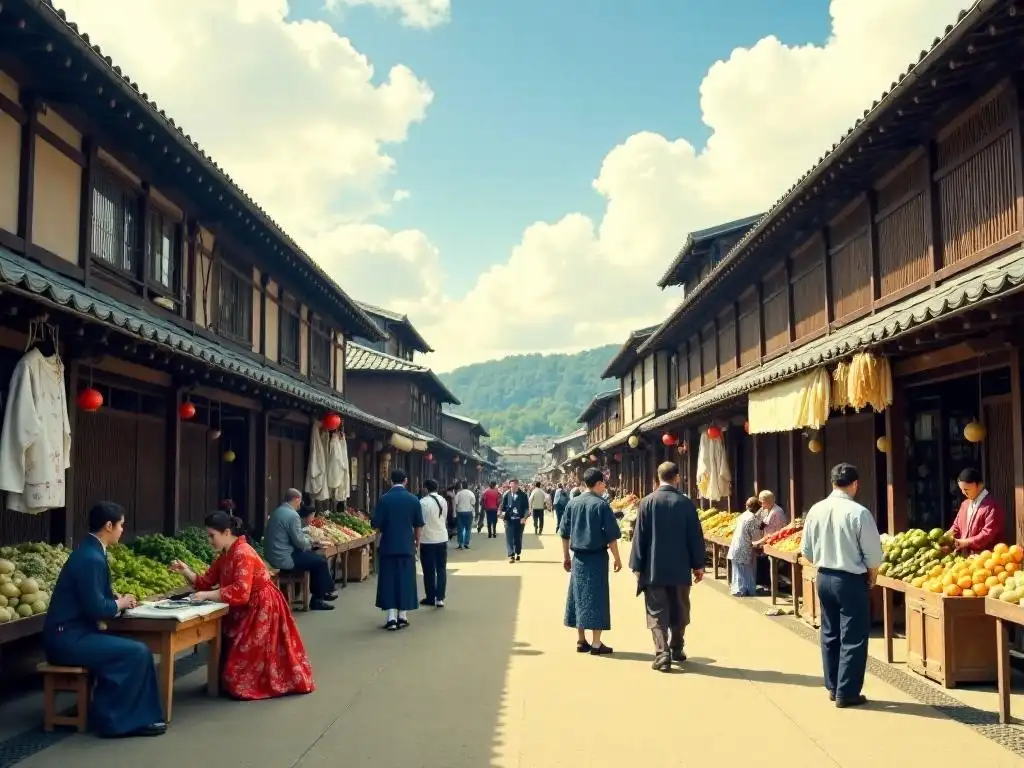
The Meiji Restoration had far-reaching economic consequences for feudal trade in Japan. The dismantling of the feudal system and the introduction of new economic policies led to a significant transformation in how trade was conducted. The traditional networks that had sustained local economies for centuries began to decline as the country moved towards a more integrated and competitive market system.
Decline of Traditional Feudal Trade Networks
One of the most immediate impacts of the Meiji Restoration on feudal trade was the decline of traditional trade networks. The feudal system had relied on established routes and relationships that were often dictated by the local daimyō. With the abolition of feudal domains and the centralization of power, these networks began to fragment.
The newly established national market led to the rise of new trade routes that were more efficient and less dependent on the old feudal hierarchies. Merchants who had previously relied on local patronage found themselves competing in a broader marketplace, which often undermined their traditional business models. This decline was particularly evident in rural areas, where local economies struggled to adapt to the rapid changes in trade dynamics.
Emergence of New Trade Opportunities
Despite the decline of traditional networks, the Meiji Restoration also ushered in new trade opportunities. The government’s focus on industrialization and export-driven growth created a demand for a wide variety of goods, both domestically produced and imported. Japan began to export silk, tea, and other products to international markets, significantly increasing its trade volume.
The establishment of modern transportation and communication systems also facilitated the expansion of trade opportunities. Railways connected remote areas to urban centers, allowing for the efficient distribution of goods. Additionally, the adoption of Western business practices attracted foreign investments, enabling Japanese companies to engage in international trade.
This era saw the rise of new industries and the diversification of products available for trade, creating a dynamic economic environment that was in stark contrast to the rigid structures of feudal trade.
Impact on Local Economies and Communities
The economic consequences of the Meiji Restoration had profound implications for local economies and communities across Japan. As traditional feudal trade networks declined, many communities faced economic hardships due to the loss of established trading relationships. Farmers and artisans who had relied on local markets for their livelihoods found themselves in a precarious position as competition intensified.
However, the emergence of new trade opportunities also provided avenues for growth and development. Communities that adapted to the changing economic landscape began to benefit from increased access to national and international markets. Local entrepreneurs were able to capitalize on new demands, leading to the establishment of small businesses and industries.
Moreover, the shift towards capitalism fostered a sense of economic mobility and individualism that was previously absent under feudalism. As communities began to engage in trade more actively, they experienced a transformation in social dynamics, contributing to the overall modernization of Japanese society.
The Meiji Restoration profoundly impacted feudal trade in Japan, leading to the decline of traditional networks while simultaneously creating new opportunities for trade and economic development. The legacy of these changes continues to influence Japan's economic landscape today.
Comparative Analysis: Feudal Trade vs. Modern Trade Post-Meiji
The Meiji Restoration, which began in 1868, marked a significant turning point in Japan's economic history, particularly in the realm of trade. Before this period, Japan's feudal trade system was characterized by localized exchanges and restrictive policies, primarily aimed at maintaining the status quo of the samurai class and the ruling shogunate. Feudal trade was largely insular, with limited interaction with foreign nations, primarily influenced by the policies of sakoku (closed country) that lasted over two centuries.
In contrast, post-Meiji trade practices embraced modernization and globalization. The government implemented policies that encouraged industrialization and the adoption of Western technologies. As a result, trade shifted from a localized, feudal structure to a more dynamic, international framework. The introduction of new industries, such as textiles and machinery, facilitated the growth of commerce, transforming Japan into an active player in global trade networks.
This comparative analysis highlights the dramatic evolution in trade practices—from the restricted, hierarchical nature of feudal trade to the competitive, open-market principles of modern trade. The impact of the Meiji Restoration on feudal trade was profound, as it dismantled old barriers and promoted a new economic order.
Changes in Trade Practices and Policies
The Meiji Restoration initiated sweeping reforms that fundamentally altered trade practices and policies in Japan. The abolition of the feudal class system in 1869 was pivotal, as it dismantled the barriers that had previously restricted trade to the samurai and merchant classes. New policies encouraged free trade, eliminating the restrictive practices that had characterized the feudal era.
The establishment of the Meiji government's Ministry of Industry and the implementation of the Treaty of Kanagawa in 1854, which opened Japan to foreign trade, were significant. These reforms led to the introduction of Western commerce practices, including the adoption of standardized weights and measures, improved accounting practices, and the establishment of a banking system that facilitated credit and loans for merchants.
Furthermore, the government incentivized the development of modern industries and promoted exports. Policies such as the Tariff Law of 1899 further liberalized trade, allowing for better integration into the global market. Consequently, Japan transitioned from a protectionist stance to one that embraced competition, leading to increased trade volumes and diversification of goods exchanged.
The Role of Infrastructure Development
Infrastructure development played a critical role in transforming trade practices during the Meiji era. The government prioritized building a robust transportation network, which included railways, roads, and ports. The introduction of rail transport revolutionized the movement of goods, reducing costs and delivery times. By 1900, Japan had over 3,000 kilometers of railroads, facilitating the rapid and efficient movement of commodities across the country.
Additionally, the modernization of ports and the establishment of telegraph systems significantly enhanced communication and logistical capabilities. This infrastructure not only supported domestic trade but also positioned Japan as a competitive player in international markets. Ports such as Yokohama and Kobe became bustling hubs for foreign trade, attracting foreign merchants and investments.
The advancements in infrastructure also fostered regional development, enabling previously isolated areas to access larger markets. This interconnectivity encouraged the growth of industries in various regions, contributing to overall economic growth and diversification of trade.
International Trade Relations: Pre and Post-Meiji Restoration
Before the Meiji Restoration, Japan maintained a largely isolationist stance, limiting foreign trade to a select few countries under strict regulations. The Sakoku policy restricted international relations and trade, resulting in a stagnant economy that was heavily reliant on domestic production and localized markets.
The Meiji Restoration marked a dramatic shift in Japan's approach to international trade. The government actively sought to establish diplomatic relations and trade agreements with Western powers. The signing of the Treaty of Kanagawa in 1854 and subsequent treaties with other nations opened Japanese ports to foreign ships, signaling the end of isolation and the beginning of international engagement.
Post-Meiji, Japan embraced a strategy of modernization and industrialization, which necessitated access to foreign markets for both importing raw materials and exporting finished goods. By the early 20th century, Japan had become a significant player in global trade, exporting silk, textiles, and manufactured products while importing machinery and technology. This transformation not only enhanced Japan's economic standing but also influenced its political relationships with other nations.
Case Studies: Notable Examples of Trade Shifts
The Transition of Key Industries
The Meiji Restoration catalyzed the transition of key industries from feudal practices to modern industrial methods. One notable example is the silk industry, which underwent significant transformation during this period. Before the Meiji era, silk production was a cottage industry, predominantly managed by local farmers and artisans.
With government support, the silk industry shifted towards mechanized production. The establishment of the Tomioka Silk Mill in 1872 epitomized this transition, utilizing modern machinery to increase production efficiency and quality. This shift not only boosted domestic production but also positioned Japan as a leading exporter of silk, particularly to Western markets, significantly impacting the country's trade balance.
Regional Variations in Trade Practices
Regional variations in trade practices emerged as Japan transitioned from a feudal economy to a modern industrial one. Different areas adapted to the new economic landscape based on their resources, geographical advantages, and existing trade networks. For instance, regions like Osaka became known as the "nation's kitchen," thriving on rice and agricultural trade, while areas like Nagoya focused on manufacturing and textiles.
In the north, Hokkaido saw the development of agricultural exports, particularly in wheat and dairy products, driven by the government's efforts to cultivate the region. Conversely, coastal regions enhanced fishing and maritime trade, capitalizing on their access to international waters. These regional adaptations showcased the diversity of trade practices that evolved during the Meiji era, reflecting the broader economic transformation across Japan.
Success Stories of Merchants in the Meiji Era
The Meiji era witnessed numerous success stories of merchants who capitalized on the changes in trade practices and policies. One prominent example is the Mitsubishi conglomerate, founded by Yataro Iwasaki in 1870. Initially starting as a shipping company, Mitsubishi expanded into diverse industries, including mining, shipbuilding, and banking. The company's adaptability and foresight allowed it to thrive during Japan's industrial boom and become a major player in both domestic and international trade.
Another success story is that of the Mitsui family, who leveraged their established trading networks to diversify into banking and manufacturing. Their strategic investments in emerging industries positioned Mitsui as one of Japan's leading financial institutions, facilitating further trade expansion.
These examples highlight how individual merchants and families not only adapted to the changing economic landscape but also contributed to the broader transformation of Japan's trade practices during the Meiji era, solidifying their legacies in Japan's economic history.
Cultural Impact of Economic Changes on Feudal Trade
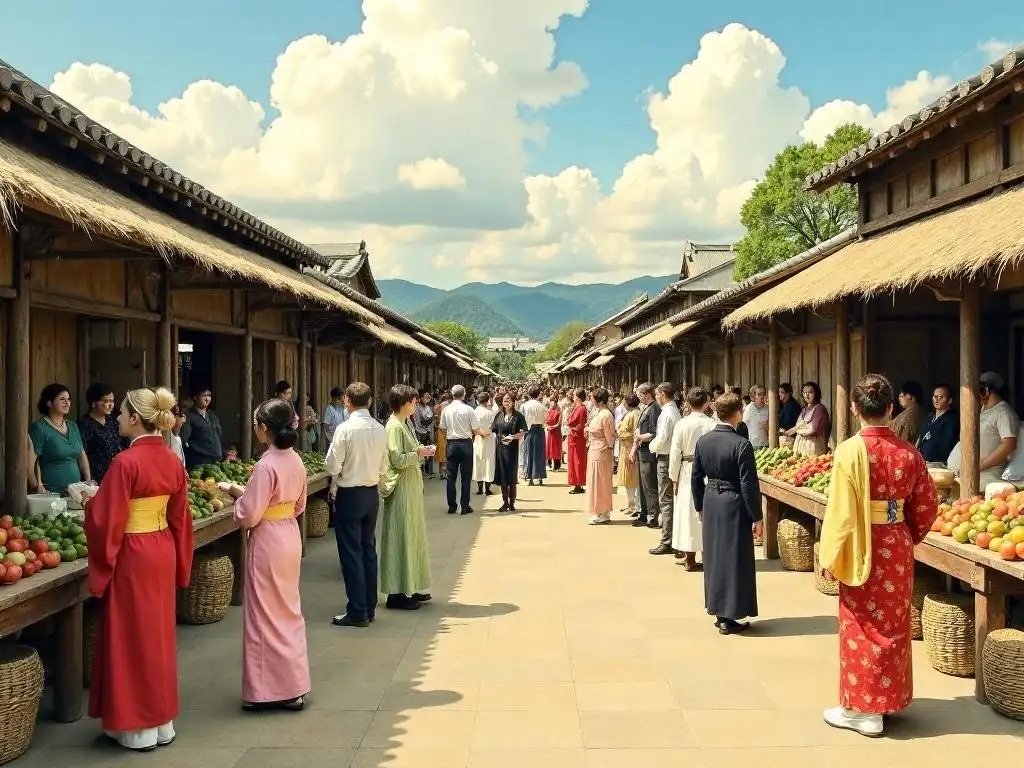
The Meiji Restoration, which began in 1868, marked a significant turning point in Japan's history, leading to profound cultural shifts that directly impacted feudal trade. The transition from a closed, feudal economy to a more open, market-oriented system brought about changes that affected traditional trade practices, consumer behaviors, and even the socio-economic fabric of society. As Japan integrated into the global economy, the influences of Western culture began to permeate Japanese life, altering how trade was conducted and understood.
One of the key aspects of this cultural impact was the emphasis on modernization and industrialization. The government actively promoted the development of infrastructure, such as railways and telegraph lines, which facilitated trade. This modernization not only improved transportation and communication but also instilled a new sense of urgency and efficiency in commercial practices. As merchants adapted to these changes, traditional methods of trade began to evolve, leading to a blend of old and new practices that shaped the future of commerce in Japan.
Influence on Society and Class Structures
The economic changes resulting from the Meiji Restoration had significant implications for Japanese society and its class structures. The dismantling of the feudal system meant that the rigid class hierarchies that had defined Japanese society for centuries were challenged. The samurai class, which traditionally held power and privilege, found its status diminished as the new capitalist economy emerged. This shift enabled the rise of a merchant class, which had previously been looked down upon in a feudal society, to gain wealth and influence.
As trade flourished, new opportunities for social mobility arose. Individuals from lower classes could now engage in commerce, leading to a fluidity in social structures previously unseen in the rigid confines of feudal Japan. The rise of the bourgeoisie was particularly notable, as these new economic actors began to shape public life, culture, and even politics. This transformation not only democratized wealth but also redefined power dynamics within society, paving the way for modern Japan.
The Transformation of Consumer Culture
With the advent of the Meiji Restoration, consumer culture in Japan underwent a significant transformation. A burgeoning middle class began to emerge, driven by increased wealth and access to goods. The introduction of Western products, coupled with the revival of traditional crafts, created a dynamic marketplace where consumer preferences began to dictate the flow of trade.
The shift from subsistence-based economies to a consumer-oriented society led to the proliferation of new goods and services. Traditional markets adapted by diversifying their offerings, incorporating both local handicrafts and imported products. This period saw the rise of department stores and the popularization of advertising, which played a crucial role in shaping consumer behavior. As Japanese citizens became more exposed to global trends, their tastes and preferences started to reflect a blend of traditional and modern influences, ultimately reshaping the cultural landscape of trade.
Preservation of Traditional Crafts Amidst Change
Despite the sweeping changes brought about by the Meiji Restoration, many traditional crafts managed to endure, adapting to the new economic realities. Artisans and craftsmen, who had long been integral to feudal trade, found themselves at a crossroads. While some faced challenges from mass-produced goods and foreign imports, others successfully integrated modern techniques and marketing strategies to keep their crafts alive.
Efforts to preserve traditional crafts included establishing cooperatives and guilds, which promoted artisan skills and ensured the quality of products. The government also recognized the cultural significance of these crafts and took steps to protect and promote them, leading to a revival in interest for traditional arts among consumers. This balance between modernization and preservation allowed Japan to maintain its rich cultural heritage while embracing new economic opportunities.
Conclusion: Long-term Implications of the Meiji Restoration on Trade
The Meiji Restoration's impact on feudal trade was profound and multifaceted, leading to long-lasting changes that shaped Japan's economic landscape. The transition from a feudal, agrarian society to a modern, industrialized economy not only transformed trade practices but also redefined social structures and cultural norms.
Summary of Economic Changes in Feudal Trade
The Meiji Restoration catalyzed a series of economic changes that dismantled the feudal trade system. The introduction of Western ideas and practices led to the modernization of infrastructure, the rise of a new merchant class, and the evolution of consumer culture. Furthermore, the preservation of traditional crafts amidst these changes reflects the ability of culture to adapt while maintaining its essence.
Reflection on the Legacy of the Meiji Restoration
The legacy of the Meiji Restoration on trade in Japan is one of resilience and adaptability. While it marked the end of certain feudal practices, it also opened new avenues for economic growth and cultural exchange. The blending of traditional and modern elements in trade practices signifies a unique aspect of Japan's identity as it moved into the 20th century. This period laid the groundwork for Japan's emergence as a global economic power, emphasizing the importance of both innovation and heritage in shaping a nation's future.
References and Further Reading
The economic landscape of Japan transformed significantly during the Meiji Restoration, particularly impacting feudal trade practices. For those seeking a deeper understanding of this era and its implications, a variety of resources are available. Below are some suggested readings and primary sources that provide insights into the economic consequences of the Meiji Restoration, especially concerning trade.
Suggested Books and Articles on Meiji Restoration and Trade
-
"The Meiji Restoration: Japan's Awakening" by William G. Beasley
This comprehensive text explores the political, social, and economic changes during the Meiji Restoration, with specific attention to how these shifts altered traditional trade practices.
-
"Japan’s Economic History since 1868: A New Perspective" by Takafusa Nakamura
Nakamura's work provides a detailed analysis of the economic developments in Japan post-Meiji Restoration, including the transition from feudal trade systems to modern economic practices.
-
"The Making of Modern Japan" by Jonah S. Rubin
This book contextualizes the Meiji Restoration within global economic trends, offering insights into how feudal trade was impacted by modernization and international trade relationships.
-
"Meiji: The Last Samurai" by Donald Keene
Keene’s narrative not only covers the cultural aspects of the Meiji era but also delves into economic changes, making connections to the decline of feudal trade.
-
"Japan’s Trade and Industrial Policy: 1868-1941" by A. F. K. Organski
This article examines Japan's trade policies during the Meiji period and how these policies shifted the framework of commerce away from feudalism.
Historical Documents and Sources for In-depth Study
-
The Meiji Constitution (1889)
This foundational document outlines the legal framework established during the Meiji era, providing insights into the economic policies influencing trade and commerce.
-
"The Treaty of Kanagawa" (1854)
This treaty marked the end of Japan's isolationist policies and opened the country to international trade, significantly altering the context in which feudal trade operated.
-
"The Port of Yokohama: The First Treaty Port"
Reports and documents from the establishment of Yokohama as a treaty port illustrate the immediate effects on local economies and trade practices.
-
"The Meiji Restoration and Economic Growth" (Report by the Economic Planning Agency)
This governmental report provides statistical data and analysis on the economic growth experienced during and after the Meiji Restoration, including its effects on trade.
-
Memoirs of Meiji Era Merchants
A collection of personal accounts from merchants during the Meiji period can provide firsthand insights into the transition from feudal trade systems to modern commercial practices.
These resources collectively offer a robust foundation for understanding the profound economic changes that the Meiji Restoration brought about in Japan, particularly in the context of feudal trade impact.
- Introduction to the Meiji Restoration and Feudal Trade
- The State of Feudal Trade Before the Meiji Restoration
- The Meiji Restoration: Key Changes and Reforms
- The Economic Consequences of the Meiji Restoration on Feudal Trade
- Comparative Analysis: Feudal Trade vs. Modern Trade Post-Meiji
- Case Studies: Notable Examples of Trade Shifts
- Cultural Impact of Economic Changes on Feudal Trade
- Conclusion: Long-term Implications of the Meiji Restoration on Trade
- References and Further Reading
Frequently Asked Questions
What was the Meiji Restoration?
The Meiji Restoration was a political revolution in Japan that occurred from 1868, marking the end of the feudal system and the beginning of modernization and industrialization.
How did the Meiji Restoration affect feudal trade?
The Meiji Restoration led to the abolition of feudal trade practices, which shifted Japan towards a more capitalist economy, significantly impacting traditional trading systems.
What were the main economic consequences of the Meiji Restoration?
The economic consequences included the development of infrastructure, the rise of new industries, and increased foreign trade, all contributing to Japan's transformation into a modern economic power.
How did the cultural aspects of feudal Japan influence the Meiji Restoration?
The cultural aspects of feudal Japan, such as class structures and traditions, were challenged during the Meiji Restoration, resulting in a blend of traditional and modern values in society.
What role did foreign influence play in the Meiji Restoration?
Foreign influence was significant in the Meiji Restoration, as Japan adopted Western technologies and political systems, which drastically changed its economic landscape and feudal trade practices.
Final Reflection: The Lasting Impact of the Meiji Restoration on Feudal Trade
The Meiji Restoration marked a pivotal transformation in Japan's economic landscape, reshaping feudal trade and setting the stage for modern economic practices. Today, as we navigate an increasingly interconnected global economy, understanding the historical shifts initiated by the Meiji Restoration is crucial. The transition from a feudal system to a more modernized economy not only revolutionized Japan but also serves as a powerful reminder of how significant changes can redefine trade dynamics and societal structures.
Clearly, the repercussions of the Meiji Restoration extend beyond its time, influencing contemporary economic policies and cultural exchanges. The dismantling of feudal trade systems paved the way for industrial growth and international trade, illustrating how historical events can shape the present. As historian John W. Hall noted, The Meiji Restoration was not merely a political revolution; it was a profound economic transformation that altered the course of Japanese history.
This ongoing influence encourages us to reflect on how past decisions continue to resonate in our current economic frameworks.
As we contemplate the lessons from the Meiji Restoration and its impact on feudal trade, I invite you to consider how these historical insights can inform your own understanding of economic change. Reflect on the importance of adaptability and innovation in your life, and recognize that the evolution of trade practices can inspire us to embrace change in our own endeavors. Let the story of Japan's transformation motivate you to seek new opportunities and foster resilience in the face of challenges, reminding us that history is not just a record of the past, but a guide for the future.
Unveil the Impact of the Meiji Restoration on Today's Economy!
Thank you for exploring the transformative effects of the Meiji Restoration on trade practices. We hope you now have a clearer understanding of how historical events shape our economic landscape today. Now it’s time to take this knowledge and put it into action!
- Explore local businesses or markets that embody the spirit of innovation inspired by the Meiji era. Consider supporting them!
- Share this article with friends or on social media to spark discussions about the historical influences on modern economies.
- Join a community group or forum focused on economic history, where you can connect with others who are passionate about this subject.
What unique opportunities does a deeper understanding of our past provide for innovating future economic strategies? We invite you to share your thoughts!