
The Tokugawa Shogunate's Influence on Japanese Literature and Poetry

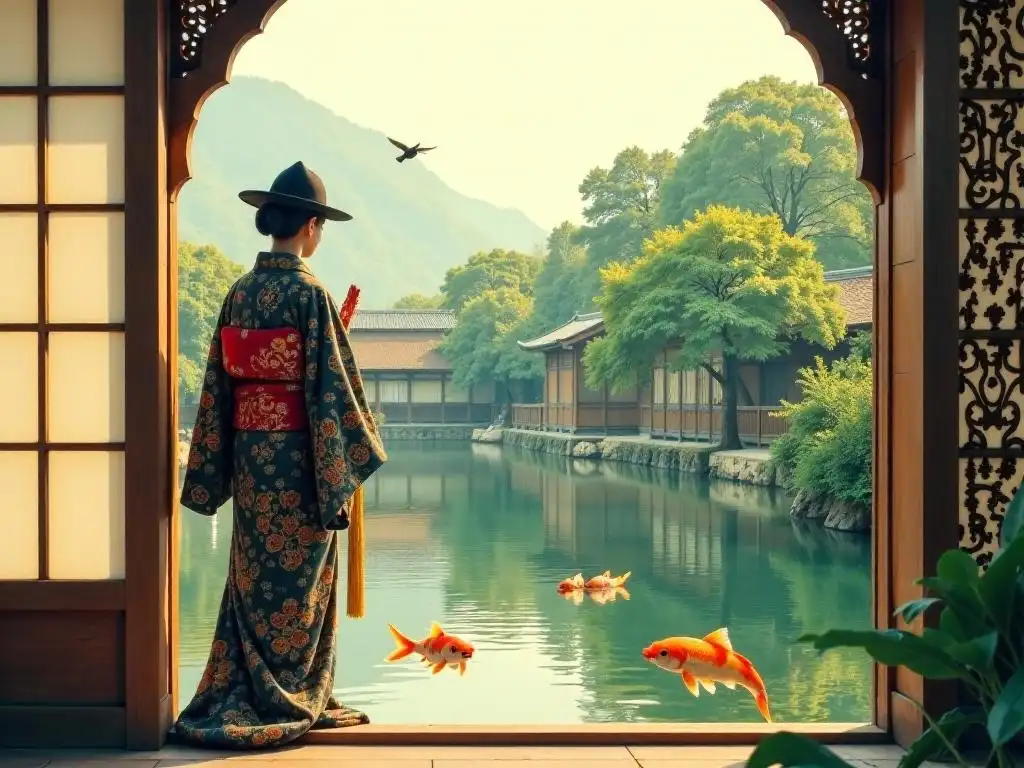
Welcome to Feudal Japan History, where we invite you to embark on a fascinating journey through the intricate tapestry of Japan's feudal era. In this exploration, we delve into the profound influence of the Tokugawa Shogunate on Japanese literature and poetry—a subject that reveals not only the artistic spirit of the time but also the socio-political currents that shaped it. As you uncover the rich narratives and poetic forms that flourished under the Tokugawa rule, you'll discover how these literary masterpieces reflect the complexities of their age.
Ready to dive deeper into this captivating chapter of history? Your adventure awaits!
- Introduction to the Tokugawa Shogunate's Influence on Literature and Poetry
- Historical Context of Tokugawa Shogunate Literature
- Major Literary Movements During the Tokugawa Shogunate
- Influential Authors and Poets of the Tokugawa Period
- Themes and Characteristics of Tokugawa Shogunate Literature
- The Impact of Tokugawa Shogunate Literature on Modern Japanese Literature
- Conclusion: The Lasting Influence of the Tokugawa Shogunate on Japanese Culture
- Frequently Asked Questions
- Final Reflection: The Enduring Legacy of Tokugawa Shogunate Literature Influence
- Unveil the Rich Tapestry of Japanese Literature!
Introduction to the Tokugawa Shogunate's Influence on Literature and Poetry
The Tokugawa Shogunate, which ruled Japan from 1603 to 1868, represents a pivotal era not only in the political landscape but also in the cultural and literary development of the nation. This period, often characterized by its relative peace and stability, fostered a flourishing of diverse literary forms and poetic expressions that would leave a lasting impact on Japanese culture.
Understanding the Tokugawa Shogunate literature influence allows us to appreciate how the socio-political environment shaped the works of renowned authors and poets, and how these literary creations mirrored the complexities of life during this time. In this article, we will delve into the key aspects of the Tokugawa era, examining how cultural narratives evolved and the significance of literature in shaping societal values and norms.
Overview of the Tokugawa Shogunate Era
The Tokugawa Shogunate, established by Tokugawa Ieyasu, marked the beginning of the Edo period, a time characterized by strict social hierarchy, isolationist policies, and a rigid class system. The shogunate's focus on stability and control significantly influenced various aspects of daily life, including art and literature.
During this time, a distinctive literary culture emerged, characterized by:
- Urbanization: The growth of cities like Edo (modern-day Tokyo) as cultural hubs.
- Class Distinctions: Literature became a means for different social classes, especially the merchant class, to express themselves.
- Isolation Policies: The sakoku (closed country) policy limited foreign influence, leading to a unique development of Japanese literature.
As a result of these factors, various literary genres, including narrative fiction, poetry, and theatre, flourished, reflecting the values and challenges faced by society during the Tokugawa period.
Significance of Literature in Feudal Japan
Literature during the Tokugawa Shogunate served multiple purposes, acting as both a reflection of society and a vehicle for social commentary. The era's literary output not only entertained but also educated and influenced public opinion. The significance of literature in this context can be understood through several key points:
- Cultural Expression: Literature captured the essence of Japanese culture, including the aesthetics of haiku poetry and the rise of ukiyo-e (floating world) art, which depicted the pleasures and transience of life.
- Social Commentary: Many works subtly critiqued the rigid class structures and societal norms, offering insights into the lives of common people. Authors like Saikaku and Chikamatsu explored themes of love, loss, and morality.
- Preservation of History: Literary works from this era played a crucial role in documenting historical events, folklore, and the traditions of Japanese society, ensuring that important narratives were preserved for future generations.
The Tokugawa Shogunate's influence on literature and poetry was profound, shaping not only the artistic expressions of the time but also the broader cultural and social landscape of Japan that would resonate for centuries to come.
Historical Context of Tokugawa Shogunate Literature
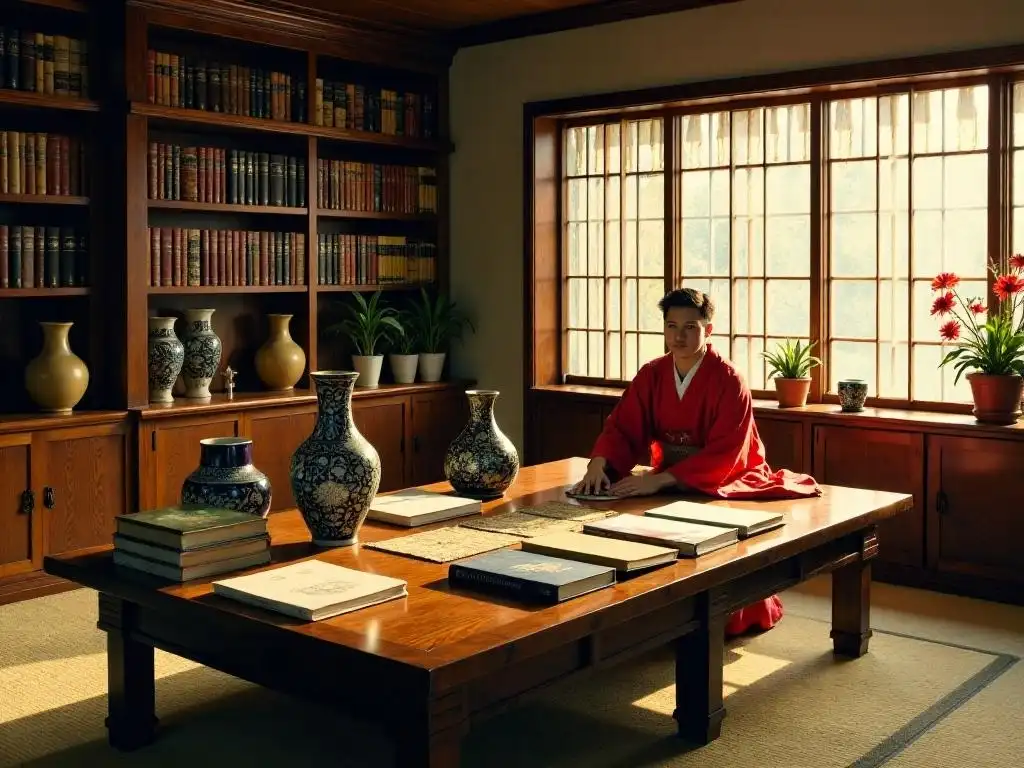
The Tokugawa Shogunate (1603-1868) marked a significant period in Japanese history characterized by political stability, social order, and cultural flourishing. This era set the stage for unique developments in literature and poetry, profoundly shaping Japan’s cultural landscape. The shogunate implemented a rigid social hierarchy and enforced strict policies, which influenced not only governance but also the arts, fostering a distinctive literary culture.
The Tokugawa period was defined by the feudal system, where power was concentrated in the hands of the shogunate, while local daimyos (feudal lords) maintained control over their domains. This structure allowed for a relatively peaceful environment, encouraging the growth of urban centers such as Edo (modern Tokyo), where a burgeoning merchant class began to emerge. This socio-economic shift played a crucial role in the evolution of literature during this time, leading to the proliferation of various literary genres and styles.
The Political Landscape of the Tokugawa Period
The political landscape of the Tokugawa Shogunate was marked by a centralized governance system that prioritized stability and control. The shogunate sought to suppress any potential uprisings, leading to policies that restricted the mobility of the samurai class and reinforced social stratification. This environment fostered a sense of conformity, which significantly influenced the themes and forms of literature during the period.
Key Aspects of Political Influence on Literature:
- Censorship and Control: The Tokugawa regime imposed strict censorship on literary works to maintain social order. Authors had to navigate the boundaries of acceptable content, often using allegory and metaphor to critique society without facing repercussions.
- Patronage System: The shogunate and daimyos often acted as patrons of the arts, financially supporting writers and poets. This patronage led to a flourishing of literature, as authors had the means to create and distribute their works.
- Urbanization and the Rise of the Merchant Class: The growth of urban centers allowed for greater access to literature among the rising merchant class. This shift in readership led to new genres, such as ukiyo-zōshi (popular fiction), which reflected the experiences and aspirations of common people.
Key Historical Events Influencing Literary Trends
Several key historical events during the Tokugawa period played a significant role in shaping literary trends:
- The Peace of Edo (1603-1868): This long era of peace allowed for an unprecedented flourishing of arts and culture. With fewer distractions from warfare, writers were able to focus on creative pursuits.
- The 1635 Sakoku Edict: The policy of national seclusion limited foreign influence and fostered a unique Japanese cultural identity. This insularity encouraged the development of distinctly Japanese literary forms, such as haiku and kabuki theater, which became integral to the national cultural narrative.
- Natural Disasters and Social Unrest: Events such as the 1854 Ansei Earthquake and subsequent famines led to social unrest, inspiring literary responses that reflected the struggles of the populace. Literature became a medium for expressing dissent and documenting the realities of life under the shogunate.
- The Rise of the Floating World (Ukiyo): The concept of "Ukiyo," or the "floating world," became popular during the Tokugawa period, influencing literature and art. This theme of transience and the pleasures of life became prominent in works that explored love, beauty, and the impermanence of existence.
The Tokugawa Shogunate's literature influence can be traced through the intertwining of political stability, social structure, and cultural expression. The era's unique conditions not only shaped the themes and forms of literary works but also laid the groundwork for future developments in Japanese literature.
Major Literary Movements During the Tokugawa Shogunate
During the Tokugawa Shogunate (1603-1868), Japan experienced significant transformations in literature that reflected the era's political stability, economic growth, and cultural flourishing. This period is characterized by the emergence of various literary movements, each contributing uniquely to the rich tapestry of Japanese literature. The Tokugawa Shogunate literature influence can be seen in the rise of visual and textual art forms that captured the essence of urban life, nature, and the human experience.
The Rise of Ukiyo-e and Its Literary Connections
Ukiyo-e, which translates to "pictures of the floating world," emerged as a prominent art form during the Tokugawa period. This woodblock printing technique not only produced stunning visual art but also had profound literary connections. Ukiyo-e prints often depicted scenes from kabuki theater, beautiful landscapes, and famous courtesans, intertwining with the literary works of the time.
- Influence on Literature: Ukiyo-e prints served as illustrations for popular literature such as ukiyo-zōshi, a genre of prose that narrated the lives of people in the floating world. This genre was particularly appealing to the urban merchant class, who sought entertainment and escapism through these stories.
- Collaboration with Writers: Many ukiyo-e artists collaborated with writers to create ehon, or illustrated books, which combined visual art and narrative. These works captured the essence of everyday life and the transient beauty of the world, resonating with the philosophies of mono no aware, the awareness of impermanence.
The intersection of Ukiyo-e and literature exemplifies the Tokugawa Shogunate literature influence, showcasing how visual and textual forms complemented each other, enriching the cultural landscape of Japan.
Development of Haiku Poetry in Tokugawa Japan
Haiku poetry, a concise form consisting of three lines with a syllable pattern of 5-7-5, gained immense popularity during the Tokugawa period. This form evolved from earlier poetic styles, drawing inspiration from traditional tanka and renga.
- Key Figures: Prominent poets like Matsuo Bashō and Yosa Buson played pivotal roles in refining haiku. Bashō, in particular, is celebrated for his ability to capture the beauty of nature and human emotion in just a few words. His works, such as " The Narrow Road to the Deep North," exemplify the depth and simplicity of haiku.
- Themes and Techniques: The focus on nature, seasons, and fleeting moments reflects the Tokugawa ethos of appreciating life's transience. Haiku often employed kigo (seasonal words) and kireji (cutting words) to create emotional resonance and a sense of immediacy.
The development of haiku poetry during the Tokugawa Shogunate reveals a shift towards minimalism and an appreciation for the simplicity of expression, further cementing its influence on Japanese literature.
The Emergence of Prose Narratives and Novels
The Tokugawa era also witnessed the emergence of prose narratives and novels, which became increasingly popular among the literate population. These narratives often explored themes of love, morality, and social dynamics within the rigid class structure of the time.
- Popular Genres: The rise of narrative fiction genres such as shōnen (stories of young men) and kibyōshi (yellow-covered books) provided entertainment and reflections on societal issues. Notable works like The Tale of Genji were revisited, while new stories emerged that resonated with contemporary audiences.
- Social Commentary: Many prose narratives served as social commentaries, subtly critiquing the class system and the shogunate's authority. Writers like Saikaku Ihara focused on the lives of common people, offering insights into their struggles and aspirations.
The emergence of prose narratives and novels during the Tokugawa Shogunate highlights the expanding literary landscape, showcasing how literature became a medium for both entertainment and critical exploration of society.
The Tokugawa Shogunate literature influence is evident in these major literary movements, each contributing to the evolution of Japanese literature and culture. The interplay of visual art, poetry, and prose during this period laid the groundwork for future literary developments, ensuring the enduring legacy of Tokugawa literature in Japan's rich historical narrative.
The Tokugawa period, spanning from 1603 to 1868, marked a significant transformation in Japanese literature, characterized by a flourishing of various literary forms and the emergence of influential authors and poets. This era saw the rise of distinct genres, including haiku, prose novels, and kabuki theater scripts, driven by the cultural and societal changes within Japan. The following sections explore key figures whose works epitomize the Tokugawa Shogunate literature influence.
Matsuo Bashō and the Evolution of Haiku
Matsuo Bashō (1644-1694) is often regarded as the greatest master of haiku, a poetic form that captures the beauty of nature and human emotion in a concise structure. His innovative approach to this genre transformed it from mere seasonal verse into a profound medium of expression.
- Nature as Inspiration: Bashō's poetry often drew inspiration from the natural world, reflecting the Zen Buddhist philosophy of simplicity and mindfulness. His famous haiku, "An old silent pond... A frog jumps in. Splash! Silence again," illustrates this connection with nature, emphasizing the transient moments of life.
- Travel and Experience: In his travel writings, particularly "The Narrow Road to the Deep North," Bashō blended prose and poetry, chronicling his journeys through Japan. This work not only showcases his mastery of haiku but also emphasizes the importance of place and personal experience in literature.
- Cultural Impact: Bashō's influence extended beyond poetry; he inspired generations of poets and writers, establishing haiku as a respected literary form. His techniques, such as juxtaposition and seasonal references, became foundational elements in Japanese poetry.
Ihara Saikaku and the Prose Novel Revolution
Ihara Saikaku (1642-1693) was a pioneering novelist and a central figure in the development of the prose novel during the Tokugawa period. His works are characterized by their vivid depictions of contemporary urban life and the complexities of human relationships.
- The Emergence of the Prose Novel: Saikaku's novels, such as "The Life of an Amorous Man" and "The Life of an Amorous Woman," delve into the experiences of the merchant class and the pleasures of Edo (modern-day Tokyo). His storytelling often combined humor and social critique, providing insights into the dynamics of love, desire, and societal norms.
- Realism and Character Development: Saikaku's focus on realistic characters and situations marked a departure from earlier forms of literature, which tended to idealize or moralize. His ability to portray the intricacies of human emotion and relationships added depth to his narratives, influencing later writers in the genre.
- Legacy: Saikaku's contributions to prose fiction helped establish a literary tradition that blended entertainment with social commentary, paving the way for future authors to explore the complexities of human nature and societal change.
The Role of Women Writers in Tokugawa Literature
The Tokugawa period also witnessed the emergence of women writers who made significant contributions to literature, despite the societal restrictions placed upon them. These women navigated the cultural landscape of their time, producing works that reflected their unique perspectives.
- Impactful Figures: Notable women writers, such as Sei Shōnagon and Izumi Kyōka, explored themes of love, domestic life, and the role of women in society. Their writings provided insights into the female experience and challenged conventional gender norms.
- Genres and Forms: Women often utilized various literary forms, including diaries, essays, and poetry, to express their thoughts and emotions. The "pillow book" format, as seen in Shōnagon's "The Pillow Book," allowed for an intimate examination of daily life and personal reflections.
- Cultural Significance: The works of women writers during the Tokugawa period played a crucial role in broadening the scope of Japanese literature. Their voices contributed to a richer understanding of the cultural and societal dynamics of the time, ensuring that women's experiences were acknowledged in literary history.
The Tokugawa Shogunate literature influence is evident in the diverse array of voices and genres that emerged during this period. The contributions of authors like Matsuo Bashō and Ihara Saikaku, along with the vital role of women writers, helped shape the literary landscape and left a lasting legacy on Japanese literature.
Themes and Characteristics of Tokugawa Shogunate Literature
The Tokugawa Shogunate, which lasted from 1603 to 1868, was a pivotal period in Japan's history that saw remarkable developments in literature and poetry. The literature of this era was characterized by a blend of traditional forms and emerging genres, reflecting the complexities of the social, political, and philosophical landscape of feudal Japan. The themes and characteristics of Tokugawa Shogunate literature can be broadly categorized into several key areas, including the exploration of nature and human emotion, social commentary and satire, and the influence of Confucianism and Buddhism.
Exploration of Nature and Human Emotion in Poetry
During the Tokugawa period, poetry became a significant medium for expressing the intricate relationship between nature and human emotions. Poets like Matsuo Bashō and Yosa Buson focused on haiku and linked-verse poetry (renga), capturing fleeting moments in nature that resonated deeply with human experiences. This literary trend emphasized simplicity and depth, often employing vivid imagery and seasonal references to evoke emotional responses.
- Nature as a Reflection of Emotion: Poets often used natural elements to symbolize human feelings. For instance:
- Cherry blossoms (sakura) represented the transient beauty of life.
- Autumn leaves signified melancholy and the passage of time.
- Techniques and Styles:
- The use of kigo (seasonal words) enriched poems, allowing readers to connect emotionally with the work.
- Juxtaposition of contrasting images created a layered understanding of emotions, a hallmark of Tokugawa poetry.
In the cicada's cry, no sign can foretell how soon it must die.
– Matsuo Bashō
The Tokugawa Shogunate was marked by a strict social hierarchy and a rigid class system that influenced the literature of the time. Writers such as Saikaku Ihara and Jippensha Ikku utilized their works to provide social commentary, often employing satire to critique the norms of society.
- Themes of Class and Society:
- Merchant Class: Literature often celebrated the rising merchant class, depicting their lifestyles and struggles.
- Critique of the Samurai: Some works satirized the samurai's adherence to bushido, highlighting the discrepancies between ideals and reality.
- Genres Used for Commentary:
- Ukiyo-zōshi (floating world novels) portrayed the pleasures and pains of urban life, reflecting the cultural shift towards individualism.
- Joruri (puppet theater) incorporated social themes, allowing for a critical examination of societal issues through performance.
- Notable Works:
- Saikaku's The Life of an Amorous Man explores the complexities of love and societal expectations.
- Jippensha Ikku's Shank's Mare provides a humorous take on the adventures of a hapless traveler.
The Influence of Confucianism and Buddhism in Literature
The philosophical underpinnings of Confucianism and Buddhism had a profound impact on the literature produced during the Tokugawa Shogunate. These ideologies not only shaped the moral framework of society but also influenced the thematic concerns and narrative styles of literary works.
- Confucianism:
- Emphasis on morality, social responsibility, and the importance of family relationships permeated literature. Characters often grappled with ethical dilemmas reflective of Confucian values.
- Historical novels frequently explored themes of loyalty and duty, illustrating Confucian ideals through the narratives of heroic figures.
- Buddhism:
- The transient nature of life, a core Buddhist concept, was often depicted in poetry and prose. Writers explored themes of impermanence, suffering, and enlightenment.
- The use of Zen principles in literature encouraged a deeper introspection and appreciation for simplicity and mindfulness.
- Interconnection of Ideas:
- The fusion of Confucian and Buddhist themes created a rich tapestry of moral and philosophical exploration, evident in the works of authors like Kamo no Chomei and Yoshida Kenko.
The literature of the Tokugawa Shogunate was a complex interplay of themes that reflected the era's social dynamics, philosophical influences, and artistic innovations. Its enduring legacy continues to resonate in contemporary Japanese literature, highlighting the profound impact of this historical period on the country's cultural identity.
The Impact of Tokugawa Shogunate Literature on Modern Japanese Literature
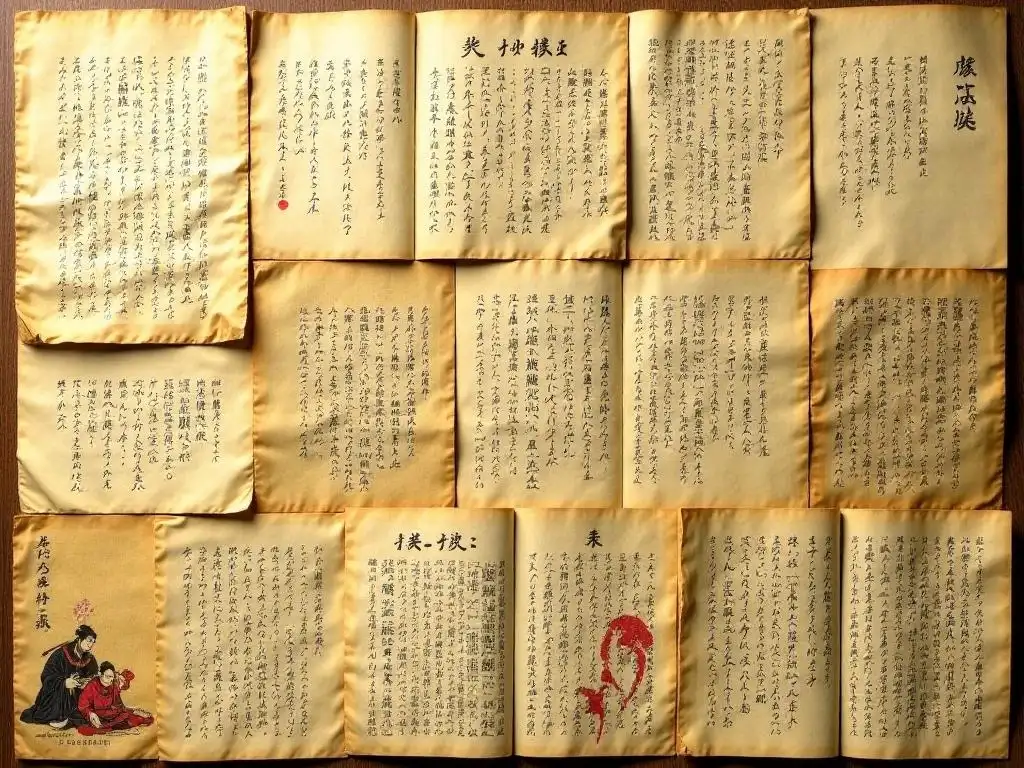
The Tokugawa Shogunate (1603-1868) not only shaped the political landscape of Japan but also profoundly influenced its literary traditions. The period saw the rise of new genres, themes, and styles that would resonate through the ages, leaving a lasting impact on modern Japanese literature. This section delves into the continuities and changes in literary themes and styles that emerged during the Tokugawa era and their reflection in contemporary works.
Continuities and Changes in Themes and Styles
During the Tokugawa period, literature flourished within a context of relative peace and stability, allowing writers to explore a diverse range of themes. Key literary genres developed during this era include narrative fiction (ukiyo-zōshi), poetry (haiku), and theater (kabuki), each contributing to a rich tapestry of cultural expression.
Key Themes
- Social Class and Urban Life
- Literature often depicted the lives of the merchant class and urban dwellers, reflecting the shift from samurai to merchant dominance in society.
- For example, works like The Tales of the Floating World (Ukiyo-zōshi) portrayed the pleasures and struggles of everyday life in Edo (modern-day Tokyo).
- Nature and Emotions
- The haiku, popularized by poets like Matsuo Bashō, emphasized simplicity and a deep connection to nature.
- This thematic focus continues in modern poetry, where nature serves as a backdrop for personal emotions and societal reflections.
- Moral and Ethical Dilemmas
- Many Tokugawa literary works grappled with moral questions, often featuring protagonists in conflict with societal norms.
- This exploration of ethical dilemmas is mirrored in contemporary literature, where characters often navigate complex moral landscapes.
Stylistic Developments
- Narrative Techniques
- The narrative style during the Tokugawa era saw the emergence of realism, which aimed for authenticity in storytelling. This realism laid the groundwork for modern Japanese fiction, influencing authors such as Natsume Sōseki and Ryūnosuke Akutagawa.
- Poetic Forms
- The haiku form, characterized by its 5-7-5 syllable structure, became a prominent means of expression. Its influence remains strong in modern poetry, where brevity and precision continue to resonate.
The interplay of these themes and styles illustrates a continuity in Japanese literature from the Tokugawa period to the present day, while simultaneously highlighting changes that reflect evolving societal values and artistic expressions.
The Legacy of Tokugawa Literary Figures in Contemporary Works
The Tokugawa era produced a wealth of literary figures whose works continue to inspire contemporary authors. Their legacies can be seen in various forms, from thematic influences to stylistic emulations.
Notable Figures and Their Influence
- Matsuo Bashō:
- As a master of haiku, Bashō’s emphasis on nature and the fleeting moments of life has inspired modern poets to explore similar themes. His works, such as The Narrow Road to the Deep North, are often referenced for their profound emotional depth and connection to the natural world.
- Saikaku Ihara:
- Known for his ukiyo-zōshi, Saikaku’s explorations of the merchant class and human experiences resonate in contemporary narratives that delve into urban life and social dynamics.
- Chikamatsu Monzaemon:
- The playwright Chikamatsu is celebrated for his joruri (puppet theater) and kabuki plays, which often addressed themes of love and tragedy. His influence is evident in modern theater, where similar themes are explored in various formats.
Modern Adaptations
Many contemporary works draw inspiration from the literary techniques and themes established during the Tokugawa Shogunate. For instance:
- Novels: Modern authors often incorporate historical contexts and styles reminiscent of Tokugawa literature, exploring complex characters faced with moral dilemmas.
- Poetry: Contemporary poets adopt haiku forms and themes of nature, echoing the sentiments found in Bashō’s works while infusing them with modern sensibilities.
The literary legacy of the Tokugawa Shogunate not only shaped the development of Japanese literature during its time but continues to influence modern writers. The enduring themes and styles, coupled with the impact of key literary figures, ensure that the Tokugawa Shogunate literature influence remains a vital part of Japan’s rich literary heritage.
Conclusion: The Lasting Influence of the Tokugawa Shogunate on Japanese Culture
The Tokugawa Shogunate, which ruled Japan from 1603 to 1868, left an indelible mark on various aspects of Japanese culture, particularly literature and poetry. This era was characterized by a unique blend of political stability and cultural flourishing, allowing for the emergence of new literary forms and the revitalization of traditional ones. The influence of the Tokugawa Shogunate on Japanese literature can be seen through its promotion of the arts, patronage of writers, and the establishment of a reading public, which fundamentally transformed the literary landscape of Japan.
Reflection on the Evolution of Japanese Literature
During the Tokugawa period, literature evolved significantly, moving from the elite court circles to a broader audience. The development of popular fiction, known as ukiyo-zōshi or "books of the floating world," illustrated the growing interest in the lives of common people and urban culture. Writers such as Asai Ryōi and Saikaku Ihara captured the vibrancy of Edo (modern-day Tokyo) life, focusing on themes of love, pleasure, and the transient nature of existence.
Apart from prose, poetry also flourished during this time. The haiku form, notably popularized by Matsuo Bashō, gained prominence, emphasizing simplicity, nature, and deep emotional resonance. The evolution of haiku reflected the social and philosophical undercurrents of the Tokugawa era, often intertwining with the aesthetics of wabi-sabi, which values the beauty in imperfection and transience.
The Tokugawa Shogunate's influence on literature extended beyond mere themes and forms; it also fostered a rich environment for literary critique and scholarly discourse. The establishment of schools and literary societies encouraged writers to explore their craft, leading to a diverse and innovative literary scene.
The Importance of Understanding Historical Context in Literary Studies
To fully appreciate the impact of the Tokugawa Shogunate on Japanese literature, it is essential to understand the historical context in which these works were produced. The Shogunate's policies, such as the sakoku (national isolation), influenced not only the political landscape but also the cultural exchanges and literary expressions of the time.
The rigid class structure enforced by the Tokugawa regime shaped the themes and characters depicted in literary works. For instance, the samurai class was often portrayed with a mixture of admiration and critique, reflecting the complexities of loyalty, honor, and the shifting values of society. Additionally, the rise of the merchant class during this period led to new narratives that challenged traditional power dynamics, paving the way for modern Japanese literature.
Understanding these historical nuances allows scholars and readers alike to engage with the texts on a deeper level, uncovering layers of meaning that resonate with contemporary issues. The Tokugawa Shogunate's literature influence serves as a reminder of how historical forces shape artistic expression and societal values, making the study of this era not only relevant but vital for appreciating the rich tapestry of Japanese cultural heritage.
Frequently Asked Questions
What was the Tokugawa Shogunate's impact on Japanese literature?
The Tokugawa Shogunate fostered a period of literary flourishing, encouraging the development of various genres including poetry, novels, and drama.
How did the shogunate influence poetry during its rule?
During the Tokugawa era, haiku and narrative poetry became popular, with poets like Matsuo Bashō elevating the art form and incorporating nature themes into their works.
What genres of literature emerged under the Tokugawa Shogunate?
The era saw the rise of several genres such as narrative fiction, kabuki plays, and ukiyo-e prints, which reflected the urban culture and societal changes of the time.
How did the Tokugawa Shogunate affect literary themes?
Literature from this period often explored themes like love, human emotions, and the transience of life, reflecting the philosophical and cultural climate of the time.
What role did censorship play in Tokugawa literature?
The shogunate's censorship policies influenced writers to be subtle and indirect in their expression, often embedding political and social critiques within their works.
Final Reflection: The Enduring Legacy of Tokugawa Shogunate Literature Influence
The Tokugawa Shogunate's impact on Japanese literature and poetry is not merely a historical footnote; it is a vibrant thread woven into the fabric of contemporary culture. The intricate narratives and poetic forms that emerged during this period continue to resonate today, shaping not only literary practices but also the broader cultural identity of Japan. As we delve into the depths of this rich literary heritage, it becomes evident that the influence of the Tokugawa era is as relevant now as it was centuries ago.
Culture is a living entity, constantly evolving yet deeply rooted in its past. The literary innovations of the Tokugawa Shogunate have laid the groundwork for modern Japanese storytelling and poetry, fostering a unique blend of tradition and modernity. This legacy is a testament to the power of literature to transcend time and space. As the renowned author Haruki Murakami once said, In the end, we all become stories.
This encapsulates how the narratives crafted during the Tokugawa period continue to shape our understanding of identity, society, and the human experience.
As you reflect on the themes presented in this article, I invite you to consider how the lessons from the Tokugawa Shogunate can inspire your own creative endeavors. Embrace the power of storytelling in your life, whether through writing, art, or simply sharing experiences with others. Let the echoes of the past guide you in crafting your own narrative, and remember that every story has the potential to influence and connect us across generations.
Unveil the Rich Tapestry of Japanese Literature!
Thank you for exploring the profound influence of the Tokugawa Shogunate on Japanese literature and poetry. Your interest in this captivating era enriches our understanding of its cultural legacy. Now, it’s time to take the next step and deepen your appreciation for these literary masterpieces!
Here are some ways you can dive deeper:
- Start reading a classic from the Edo period, such as “The Tale of Genji” or the works of renowned poet Matsuo Bashō. Immerse yourself in the beauty of early Japanese prose and poetry.
- Join a local book club or online forum dedicated to Japanese literature. Engaging with fellow enthusiasts will expand your insights and foster enriching conversations.
- Share what you've learned! Enhance the dialogue by discussing this article with friends or sharing your thoughts on social media using the hashtag #FeudalJapanLiterature.
Which piece of Tokugawa literature has inspired you the most, and how has it shaped your understanding of Japan’s rich cultural history?