
The Use of Firearms in Feudal Japan: An Unexpected Chapter in Military History

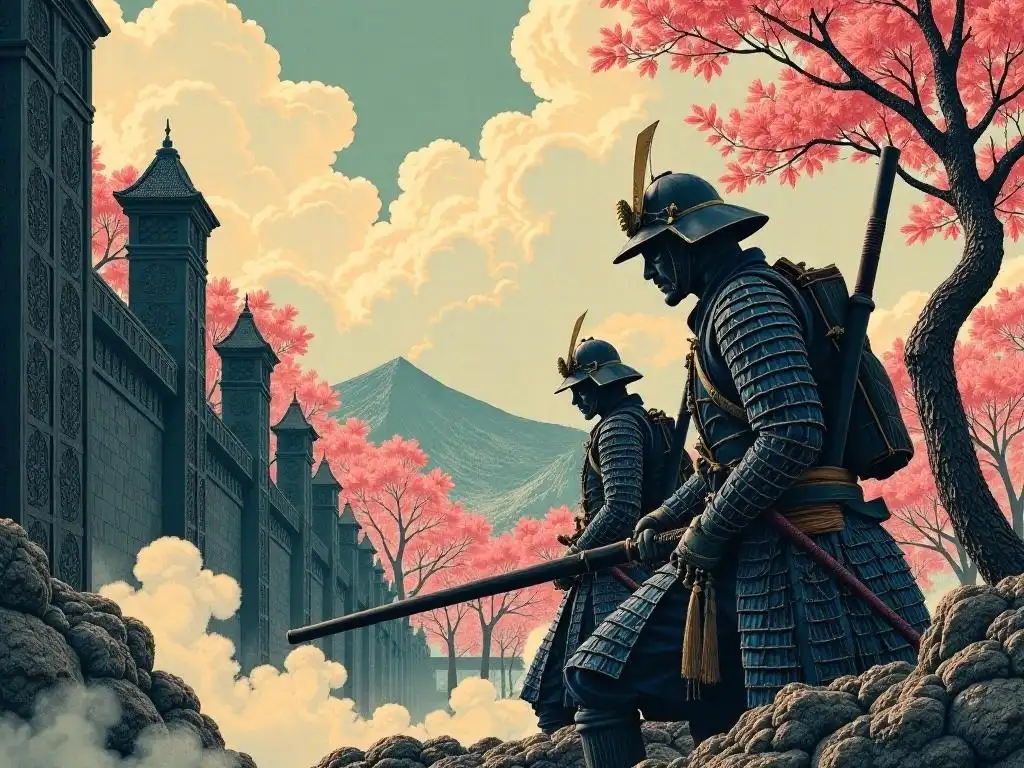
Welcome to Feudal Japan History, where we embark on a fascinating journey through the intricate tapestry of Japan's feudal era. Here, you'll uncover the untold stories and hidden nuances of a time defined by its rich historical, cultural, and societal layers.
Our featured article, "The Use of Firearms in Feudal Japan: An Unexpected Chapter in Military History," delves into a surprising aspect of this era—how the introduction of firearms transformed the landscape of warfare and power dynamics. Prepare to be intrigued as we unravel the complexities and implications of this pivotal moment in history, inviting you to explore deeper into the unexpected twists that shaped Japan’s past.
Introduction to Firearms in Feudal Japan History
The history of firearms in feudal Japan is often overshadowed by the iconic imagery of samurai warriors and their traditional weaponry. However, the introduction and subsequent utilization of firearms during this era mark a significant and transformative chapter in Japanese military history.
This article delves into the intricate relationship between firearms and the evolving landscape of warfare in Japan, highlighting how these foreign inventions influenced combat strategies, societal structures, and even the political climate of the time. By exploring the multifaceted role that firearms played in feudal Japan, we aim to reveal a lesser-known yet pivotal aspect of the country's historical narrative.
Overview of the Introduction of Firearms
The arrival of firearms in Japan can be traced back to the mid-16th century, primarily through trade with Portuguese merchants. The first recorded introduction of the matchlock gun, known as the "tanegashima," occurred in 1543 when these firearms were brought to Tanegashima Island. The Japanese, renowned for their craftsmanship, quickly adapted these weapons, modifying them to suit their needs and preferences. By the late 1500s, firearms began to proliferate across the archipelago, fundamentally altering the dynamics of warfare.
- Key Points:
- First Contact: Portuguese traders introduced firearms in 1543.
- Adaptation: Japanese craftsmen enhanced the design and usability of the tanegashima.
- Widespread Adoption: By the late 1500s, firearms became increasingly common on the battlefield.
Significance of Firearms in Japanese Military Development
The integration of firearms into Japanese warfare had profound implications for military tactics and strategies. As feudal lords, or daimyōs, recognized the effectiveness of gunpowder weapons, the traditional reliance on archers and cavalry started to wane. Firearms allowed for increased lethality and a shift toward more organized formations in battle.
- Impact Areas:
- Tactical Evolution: Armies began to incorporate firearms into their strategies, leading to the development of infantry units.
- Political Ramifications: The effectiveness of firearms contributed to the rise and fall of various clans during the Sengoku period, influencing the consolidation of power.
- Cultural Shift: The presence of firearms led to changes in warfare-related culture, including the training and social roles of soldiers.
Historical Context of Firearms in Japan
Understanding the broader historical context of firearms in Japan is crucial to appreciating their impact on the military landscape. The Sengoku period (1467-1615), characterized by constant civil war among rival factions, provided fertile ground for the proliferation of firearms and their strategic applications.
The Arrival of Firearms in Japan
The initial introduction of firearms coincided with a time of great turmoil and conflict in Japan. The Sengoku period was marked by the struggle for power among various daimyōs, each vying to expand their territory. The arrival of the tanegashima offered a new tool for warfare, and its adoption varied among clans, with some embracing it wholeheartedly while others were reluctant to abandon traditional methods of combat.
Evolution of Firearms During the Sengoku Period
As the Sengoku period progressed, the use and production of firearms evolved significantly. Initially seen as novelties, firearms became integral to military strategy. By the mid-16th century, large-scale battles featured units specifically trained to wield firearms, changing the nature of engagements dramatically. This evolution continued until the unification of Japan under Tokugawa Ieyasu, who, recognizing the power of gunpowder, established measures to control and regulate firearm production and usage.
- Evolution Highlights:
- Training and Tactics: The establishment of specialized infantry units.
- Standardization: The development of standardized firearms and ammunition.
- Regulatory Measures: Tokugawa's policies aimed at centralizing control over firearms.
The emergence of firearms in feudal Japan represents a significant yet often overlooked aspect of military history, reflecting a period of profound change and adaptation in Japanese warfare. By examining this evolution, we gain insight into how technology can reshape societies and influence historical trajectories.
Types of Firearms Used in Feudal Japan
Feudal Japan saw the introduction and evolution of various types of firearms, significantly impacting military tactics and societal norms. The introduction of gunpowder weapons marked a transformative period in Japanese warfare. Among the notable firearms were matchlock guns, early artillery, and cannons, each contributing uniquely to the battlefield.
Matchlock Guns: The First Firearms in Japan
Matchlock guns, known as "tanegashima," were among the first firearms introduced to Japan in the mid-16th century, following contact with Portuguese traders. These guns featured a mechanism that ignited gunpowder via a burning wick, which was a significant advancement over earlier projectile weapons.
- Design and Mechanics: The matchlock mechanism involved a slow-burning cord that ignited the gunpowder when the trigger was pulled, leading to a delayed firing. This design, while innovative, required careful handling to ensure reliability.
- Adoption and Production: Japanese smiths quickly adapted the matchlock design, creating various models suited for different combat scenarios. By the late 1500s, the tanegashima became a standard issue in samurai arsenals, illustrating the rapid adoption of this technology.
- Impact on Infantry: The introduction of matchlock guns shifted the dynamics of infantry warfare. Samurai, traditionally reliant on swords and bows, began incorporating these firearms into their tactics, leading to new formations and strategies during battles.
Early Artillery and Cannons
In addition to matchlock guns, early artillery and cannons also emerged during feudal Japan, particularly in the 16th and 17th centuries. These weapons further influenced military engagements and fortifications.
- Types of Artillery: The most common forms of artillery included bombards and culverins, which were large cannon-like guns designed to hurl explosive projectiles. These weapons were primarily used during sieges and large-scale battles.
- Siege Warfare: The presence of cannons changed the nature of siege warfare, allowing attackers to breach castle walls effectively. Fortifications evolved as a response, with thicker walls and angled designs to deflect cannon fire.
- Naval Use: Cannons also found their place on warships, significantly altering naval combat. The ability to fire explosive projectiles from ships allowed for more effective maritime engagements, leading to new naval strategies.
Cultural Impact of Firearms in Feudal Japan
The introduction of firearms in feudal Japan not only transformed military tactics but also had profound cultural implications that reshaped the identity of the samurai and the structure of society.
The Changing Image of the Samurai
Firearms significantly altered the traditional image of the samurai warrior.
- From Noble Warriors to Gunmen: The samurai, historically viewed as noble warriors skilled in swordsmanship and archery, began to adopt the role of gunmen. This shift prompted a reevaluation of martial prowess, as skill with firearms became increasingly important on the battlefield.
- Social Status and Firearms: With the rise of matchlock guns, the social hierarchy of warfare began to shift. Common soldiers were able to wield firearms effectively, challenging the samurai's exclusive claim to martial excellence. This democratization of violence led to tensions within the feudal class structure, as the traditional roles of warriors were redefined.
Influence of Firearms on Japanese Warfare Tactics
The integration of firearms into Japanese warfare brought about significant changes in military tactics.
- New Battle Formations: The effective use of firearms led to the development of new formations, such as the "three-line system," where troops were organized to fire in succession. This tactic maximized firepower while minimizing casualties from recoil and reload times.
- Combined Arms Approach: Firearms were often used in conjunction with traditional melee weapons. Samurai would charge with swords while infantrymen provided cover with matchlock guns, creating a formidable combined arms strategy.
- Psychological Warfare: The loud noise and destructive power of firearms had a psychological impact on both soldiers and civilians. The sound of gunfire could intimidate opponents and demoralize enemies, shifting the dynamics of warfare even before battles commenced.
The unexpected chapter of firearms in feudal Japan not only transformed military engagements but also left a lasting legacy on Japanese culture and the perception of the samurai warrior.
The Decline of Firearms in Japan

The decline of firearms in Japan during the feudal period is a multifaceted phenomenon that marked a significant transition in military strategy and societal norms. While firearms initially revolutionized warfare in Japan, their use gradually diminished due to a combination of political, cultural, and technological factors. This decline is particularly noteworthy as it illustrates how a society can shift from embracing a transformative technology to rejecting it in favor of traditional methods.
Factors Leading to the Decline of Firearms Usage
Several factors contributed to the decline of firearms usage in Japan, including:
- Political Centralization: The establishment of the Tokugawa shogunate in the early 17th century led to a more centralized military authority. The shogunate discouraged the proliferation of firearms among the samurai and peasantry to maintain control and prevent uprisings. Instead, they promoted the use of traditional weapons like the katana, which were seen as symbols of the samurai class.
- Cultural Resistance: The samurai class, which held significant influence over Japanese society, had a deep-rooted cultural affinity for traditional forms of combat. The sword was not merely a weapon but a representation of honor and status. As a result, many samurai viewed firearms as inferior and unworthy of their martial skills.
- Technological Limitations: The effectiveness of firearms was hampered by issues such as slow loading times, inaccuracy, and the need for maintenance. These limitations were exacerbated by the lack of advanced gunpowder technology compared to European standards. Consequently, traditional archery and swordsmanship remained more practical and reliable on the battlefield.
- Social Stability: The peaceful Edo period (1603-1868) saw a decline in military conflicts, which diminished the demand for firearms. As Japanese society became more focused on trade, culture, and arts, the necessity for firearms as a means of warfare lessened considerably.
The Impact of Firearms on Japanese Society
The introduction and subsequent decline of firearms in feudal Japan had profound implications for Japanese society:
- Military Transformation: Firearms initially altered the dynamics of warfare, enabling smaller forces to defeat larger enemy troops. This shift necessitated changes in tactics and strategies, leading to the development of new military formations and approaches. However, as firearms usage declined, the focus returned to more traditional martial arts.
- Cultural Evolution: The fleeting embrace of firearms contributed to a cultural dialogue about honor, warfare, and the role of technology in society. Traditional martial arts gained renewed emphasis as the samurai sought to preserve their status and skills amidst the changing landscape.
- Economic Factors: The decline of firearms also had economic implications. The production and trade of firearms had previously supported various artisans and merchants. As demand dwindled, these trades faced challenges, leading to shifts in economic practices and the rise of other industries.
Conclusion: The Legacy of Firearms in Feudal Japan History
The story of firearms in feudal Japan is not merely one of introduction and decline; it reflects a complex interplay of cultural values, political authority, and technological development. Despite their eventual decline, firearms left a lasting legacy that shaped the military and societal landscapes of Japan.
Summary of Key Points
- Firearms transformed Japanese warfare upon their introduction, allowing for new tactics and strategies.
- The Tokugawa shogunate's political centralization and cultural resistance from the samurai class contributed to the decline of firearms.
- The peaceful Edo period and technological limitations further diminished the role of firearms in military conflicts.
- The decline led to a renewed focus on traditional martial arts and had significant economic implications for artisans and merchants involved in firearms production.
The Lasting Influence of Firearms on Modern Japanese Military History
The impact of firearms in feudal Japan can still be felt in modern Japanese military history. The initial adoption of firearms paved the way for Japan's later military modernization during the Meiji Restoration in the late 19th century. Understanding the evolution of firearms in feudal Japan provides insight into the broader trends of military transformation and societal change, emphasizing the importance of technology in shaping a nation’s military identity. As Japan continued to navigate its place in the world, the lessons learned from the firearms era influenced its approach to both warfare and diplomacy.
Further Reading and Resources
To gain a deeper understanding of the role of firearms in feudal Japan and their impact on military strategies and societal changes, a variety of resources are available. This section highlights some recommended books and articles that explore this fascinating aspect of Japanese history.
Recommended Books on Firearms in Feudal Japan
- "The Samurai and the Gun: A Study of the Firearms in Feudal Japan" by William Scott Wilson
- This book provides a comprehensive overview of how firearms were introduced to Japan and adapted by samurai warriors. It explores the cultural and military implications of gunpowder weapons in a society traditionally reliant on swords and archery.
- "Gunpowder and the Samurai: The Impact of Firearms on the Japanese Warrior" by John W. Hall
- Hall's work delves into the transformative effects that firearms had on the tactics and organization of samurai forces. The author examines key battles where firearms played a decisive role, shedding light on the evolution of warfare in Japan.
- "Japanese Firearms: A History of Gunmaking in Japan" by Ian Bottomley
- This book focuses on the craftsmanship and technology behind Japanese firearms. Bottomley provides insights into the manufacturing processes and the artisans who contributed to the development of these weapons throughout the feudal era.
- "The Role of Firearms in the History of Japan" by Michael R. Smith
- Smith’s text analyzes the introduction and integration of firearms within Japanese military culture. It discusses how these weapons reshaped the dynamics of power during the Sengoku period and beyond.
Articles and Research Papers on Japanese Military History
- "The Introduction of Firearms in Japan: Historical Context and Military Impact" by Kenjiro Takai
- This scholarly article examines the timeline of firearms' introduction to Japan and their subsequent adoption by various factions during the feudal period. Takai provides a detailed analysis of how these weapons influenced military tactics and strategies among samurai clans.
- "Firearms in the Age of the Samurai: A Disruptive Technology" by Yoshiko Matsumoto
- Matsumoto discusses the technological advancements represented by firearms and their disruptive impact on traditional warfare in Japan. The paper evaluates how samurai adapted to this new technology and the resultant changes in combat dynamics.
- "From Bow to Gun: The Evolution of Warfare in Feudal Japan" by Akira Fujita
- This research paper offers a comparative analysis of weaponry in feudal Japan, focusing on the transition from traditional weapons to firearms. Fujita explores the cultural implications of this shift and its effects on samurai identity and warfare.
These resources provide a wealth of information for anyone interested in exploring the surprising and complex history of firearms in feudal Japan. Whether through detailed studies or engaging narratives, readers can find a range of perspectives on this pivotal chapter in military history.
- Introduction to Firearms in Feudal Japan History
- Historical Context of Firearms in Japan
- Types of Firearms Used in Feudal Japan
- Cultural Impact of Firearms in Feudal Japan
- The Decline of Firearms in Japan
- Conclusion: The Legacy of Firearms in Feudal Japan History
- Further Reading and Resources
Frequently Asked Questions
What role did firearms play in feudal Japan's military strategies?
Firearms introduced a new dimension to military tactics in feudal Japan, leading to significant changes in warfare dynamics and troop formations, particularly during the late 16th century.
When were firearms first introduced to Japan?
Firearms were first introduced in the mid-16th century by Portuguese traders, marking the beginning of a transformative period in Japan’s military history.
How did the Japanese adapt firearms for their use?
The Japanese demonstrated remarkable ingenuity in adapting firearms, creating unique designs like the tanegashima, which combined Western technology with local craftsmanship.
What impact did firearms have on samurai culture?
The introduction of firearms challenged traditional samurai warfare, leading to shifts in social status and the eventual decline of the samurai's dominance on the battlefield.
Were there any significant battles involving firearms in feudal Japan?
Yes, notable battles such as the Battle of Nagashino in 1575 showcased the effective use of firearms, leading to decisive victories and influencing military tactics in subsequent conflicts.
Final Reflection: The Unforeseen Impact of Firearms in Feudal Japan
The exploration of firearms in feudal Japan history reveals a fascinating intersection of technology and culture that reshaped military strategies and societal structures. Today, as we navigate a world still grappling with the implications of weaponry, understanding the historical context of firearms in Japan serves as a crucial reminder of how innovation can alter the course of human events. The introduction of firearms not only changed the battlefield but also influenced the very fabric of Japanese society, marking a pivotal shift in power dynamics and warfare.
The legacy of firearms in feudal Japan continues to resonate in our cultural and social landscape, highlighting the complexities of technological advancement. As we reflect on this period, we recognize that the introduction of firearms was not merely a military evolution but a catalyst for broader societal change. The sword is the soul of the samurai, but the gun is the voice of the people.
This quote encapsulates the duality of weaponry in shaping identity and power, reminding us that the tools we wield can define our interactions and relationships within society.
As we conclude this exploration, I invite you to reflect on the lessons from this unexpected chapter in military history. Consider how the evolution of technology influences your own life and the world around you. What parallels can you draw between the past and present regarding the use of tools for power and protection? Embrace the opportunity to learn from history, and let it inspire you to engage thoughtfully with the advancements of today, ensuring that we wield our own "firearms"—be they ideas, technologies, or actions—responsibly and with purpose.
Unveil the Untold Stories of Feudal Japan!
Thank you for diving into the fascinating world of firearms in Feudal Japan! We hope you enjoyed uncovering this surprising chapter in military history and appreciate the unique evolution of warfare during this period. Now, let’s transform your curiosity into action!
- Explore further: Delve into related topics by reading more articles on our site that detail the impact of foreign influences on Japanese warfare.
- Share your insights: Discuss your thoughts and findings in our community forum — your perspective could inspire others!
- Engage actively: Consider visiting a local museum or attending a historical reenactment event to experience the history firsthand!
What aspect of Japan's military evolution intrigues you the most, and how do you think it has influenced modern warfare? Share your thoughts below!