
The Interplay of Agriculture and Trade: Feeding the Feudal Economy


Welcome to Feudal Japan History, where we embark on an intriguing journey through the rich tapestry of Japan’s feudal era! Here, we delve deep into the interplay of agriculture and trade, uncovering the intricate web that sustained the feudal economy. What role did farming play in shaping societal structures, and how did trade routes evolve to support a burgeoning civilization? Prepare to satisfy your curiosity as we explore these compelling themes and much more in our expert-driven articles. Your adventure into the heart of feudal Japan awaits!
Introduction to Feudal Japan Agriculture and Trade
The feudal era in Japan, spanning from the late 12th century to the mid-19th century, was marked by a complex interplay between agriculture and trade, which served as the backbone of the economy. Understanding the dynamics of Feudal Japan agriculture and trade is essential for grasping how these two elements influenced societal structures, cultural practices, and economic development during this pivotal period.
While agriculture provided sustenance and stability, trade facilitated the exchange of goods, ideas, and innovations, creating a vibrant economic landscape that shaped the lives of the samurai, farmers, and merchants alike. This article delves into the fundamental aspects of agriculture and trade in feudal Japan, illustrating their interdependence and significance in driving the feudal economy.
Overview of the Feudal Era in Japan
The feudal era in Japan was characterized by a hierarchical social structure, where power was concentrated in the hands of the samurai class. The political landscape was dominated by regional warlords known as daimyōs, who controlled vast estates and relied on the agricultural output of their lands to maintain their power.
During this time, a system emerged that linked farmers, merchants, and the ruling elite, creating a complex web of economic interactions. The rise of shogunates and the establishment of a centralized military government further influenced the agricultural practices and trade networks of the era, leading to significant transformations in the economy.
Importance of Agriculture in Feudal Society
Agriculture was not just the primary means of sustenance for the Japanese population; it was also a critical pillar of the feudal economy. The majority of the population were peasants, whose labor on rice fields and other crops sustained their families and the ruling classes. The production of rice, in particular, was central to feudal society, serving as both a staple food and a form of currency.
The relationship between landowners and farmers was governed by a system of obligations, where peasants worked the land in exchange for protection and a share of the harvest. This synergy between agriculture and social structure was vital for maintaining stability and order within feudal Japan.
Trade as a Catalyst for Economic Development
Trade played a crucial role in the economic development of feudal Japan by facilitating the exchange of surplus agricultural products for goods not produced locally. As agricultural practices improved and productivity increased, markets began to thrive. Merchants emerged as key players in the economy, establishing trade routes that connected various regions of Japan and even extending to international markets. The flourishing trade networks not only stimulated local economies but also contributed to cultural exchanges and the dissemination of ideas, thereby enriching the fabric of feudal Japanese society.
The Role of Agriculture in Feudal Japan
Types of Agriculture Practiced in Feudal Japan
In feudal Japan, a variety of agricultural practices were employed to maximize productivity and adapt to regional conditions. Rice farming dominated the landscape, especially in the fertile plains of the Kanto and Kansai regions, where irrigation techniques and terracing allowed for efficient cultivation. Other forms of agriculture included:
- Dryland farming: Focused on crops such as millet and barley, practiced in less fertile areas.
- Horticulture: The cultivation of fruits and vegetables, which supplemented the diet of rural families.
- Silk production: A significant agricultural activity in certain regions, contributing to trade and wealth.
These diverse agricultural practices not only ensured food security but also supported the burgeoning trade networks that connected various regions.
Key Crops and Their Economic Significance
The economic significance of certain crops cannot be overstated, as they shaped the feudal economy and reflected the social hierarchies of the time. Among the key crops were:
| Crop | Economic Significance |
|---|---|
| Rice | Main staple food and currency |
| Barley | Used for food and brewing |
| Millet | Important for poorer households |
| Soybeans | Essential for protein and soil fertility |
| Silk | High-value commodity for trade |
These crops were not only vital for sustenance but also served as a means of trade and wealth accumulation, underscoring the significance of agriculture in the feudal economy.
Agricultural Techniques and Innovations
The agricultural landscape of feudal Japan was marked by significant innovations and techniques that enhanced productivity. Key advancements included:
- Irrigation systems: Developed to manage water supply effectively, particularly in rice paddies.
- Crop rotation: Practiced to maintain soil fertility and reduce pests.
- Use of fertilizers: Organic materials like fish and green manure were utilized to enrich soil.
- Terracing: Employed in mountainous areas to maximize arable land and prevent erosion.
These techniques not only improved agricultural output but also played a crucial role in sustaining the population and enabling the growth of trade networks that characterized feudal Japan.
The Structure of Trade in Feudal Japan
The trade structure in Feudal Japan was complex and multifaceted, shaped by the agricultural practices of the time and the socio-political landscape. The economy was primarily agrarian, but trade played a crucial role in the distribution of goods, resources, and wealth among various classes. The organization of trade was predominantly local, although significant connections existed between different regions. This interconnectedness facilitated the flow of goods such as rice, textiles, and pottery, which were vital for both daily sustenance and social status.
Trade was largely conducted through a barter system, where goods were exchanged based on mutual need rather than currency. However, the introduction of gold and silver coins during the late feudal period began to influence trade dynamics. Merchants began to emerge as important economic agents, fostering not only regional trade but also long-distance exchanges with neighboring countries. This evolution of trade structures laid the groundwork for a more integrated economy, setting the stage for future developments in Japan's economic history.
Internal Trade Networks and Their Importance
Internal trade networks were essential for the functioning of the feudal economy in Japan. Major cities like Kyoto, Kamakura, and Edo served as bustling markets where goods from various regions were exchanged. These cities became critical hubs for distribution, ensuring that agricultural products from rural areas reached urban populations. The roads and waterways that connected these cities facilitated trade and movement, making it easier for merchants to transport goods.
The importance of these networks extended beyond mere commerce; they helped to promote cultural exchange and the spread of ideas. Festivals, fairs, and markets became social events where communities interacted, fostering a sense of connection among the diverse populations of Japan. Moreover, these networks contributed to the stability of the feudal system by providing samurai and daimyō with the resources needed to maintain their status and power.
The Role of Merchant Classes in Feudal Japan
In Feudal Japan, merchant classes played a pivotal role in the economy, often functioning as intermediaries between the agricultural producers and the consumers. Although traditionally viewed with suspicion by the samurai class, merchants became increasingly influential due to their ability to generate wealth through trade. They organized trade ventures, established guilds, and developed networks that spanned across regions.
Merchants often invested in agricultural production, purchasing surplus crops to sell in urban markets. This not only provided them with profits but also contributed to the agricultural economy by creating a demand for more diverse crops. Over time, their economic power began to challenge the rigid class structures of feudal society, leading to a gradual shift in social dynamics. Despite their lower social status, many merchants gained considerable wealth and influence, often using it to support cultural endeavors, such as the arts and literature.
Trade Routes Connecting Regions
The trade routes that connected various regions of Feudal Japan were crucial for the exchange of goods and resources. These routes included both land paths and maritime channels, enabling the movement of products such as rice from the fertile fields of the Kanto region to the markets in Osaka and Kyoto. The Tōkaidō road, for example, was a major thoroughfare that linked Edo (modern Tokyo) to Kyoto, facilitating both trade and travel.
Along these routes, post stations and inns emerged, providing rest for travelers and merchants. These stations became important centers for commerce, where goods could be bought, sold, or exchanged. The development of these trade routes not only enhanced economic activity but also contributed to the cultural exchange between regions, as ideas and practices spread alongside the flow of goods.
The Interdependency of Agriculture and Trade
The relationship between agriculture and trade in Feudal Japan was one of interdependence, where each element relied on the other for growth and sustainability. The agricultural sector provided the necessary food supplies that sustained the population, while trade ensured that surplus agricultural products could be distributed efficiently, stimulating both rural and urban economies.
How Agricultural Surpluses Fueled Trade
Agricultural surpluses were the lifeblood of trade in Feudal Japan. When farmers produced more crops than they could consume, they were able to sell the excess in local markets, allowing them to invest in more productive farming techniques or diversify their crops. These surpluses not only supported local economies but also enabled trade with distant regions, leading to the exchange of different agricultural products and innovations.
Rice, as the staple crop, played a significant role in this dynamic. It was not only a dietary staple but also a form of currency, facilitating trade transactions. Regions known for their rice production, such as the Kanto and Kansai areas, became vital trade centers, attracting merchants and buyers from across Japan. This surplus production fostered a vibrant marketplace, where trade flourished and contributed significantly to the overall economic stability of the feudal system.
The Impact of Trade on Agricultural Practices
Trade significantly influenced agricultural practices in Feudal Japan by creating demand for a variety of crops and innovations in farming techniques. As merchants sought diverse products to meet consumer needs, farmers began to experiment with different types of crops, rotation methods, and irrigation techniques to increase their yields and quality. This push for improvement was partly driven by the desire to capitalize on market trends and gain higher profits.
Additionally, the need for efficient transportation of goods led to advancements in agricultural tools and methods. Farmers started adopting techniques that allowed for larger production scales, which in turn supported the growing urban populations. The interconnection of trade and agriculture thus resulted in a cycle of improvement, where each sector's growth stimulated advancements in the other.
The Relationship Between Local Production and Market Demand
The relationship between local production and market demand in Feudal Japan was characterized by a responsive and adaptive economic system. Local producers closely monitored market needs and tailored their agricultural outputs accordingly. This responsiveness was facilitated by the merchant class, who acted as conduits of information, sharing knowledge about urban consumer preferences and trends.
As urban centers grew, the demand for various agricultural products increased, prompting farmers to diversify their crops beyond staple grains. This shift not only enhanced local economies but also contributed to the overall resilience of the feudal economy. Farmers who adapted to market demands were often more successful, establishing a symbiotic relationship that underscored the importance of both agriculture and trade in sustaining the feudal economy.
Economic Outcomes of Agriculture and Trade
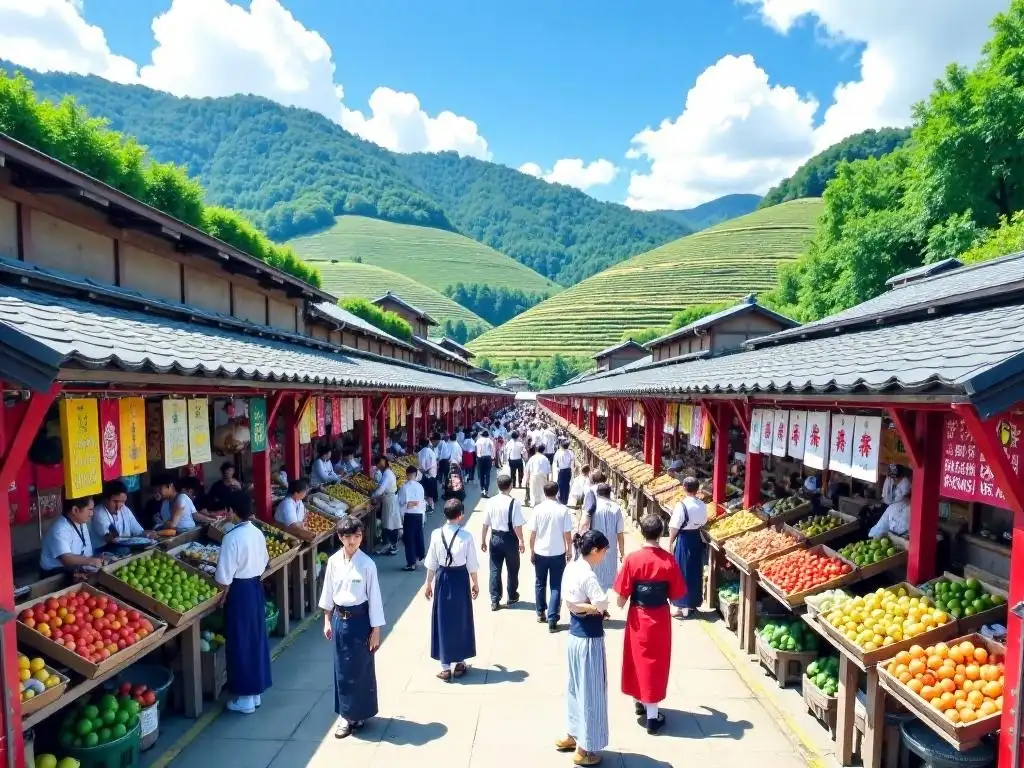
The interplay between agriculture and trade during the feudal era in Japan significantly shaped the economic landscape of the nation. Agriculture was the backbone of the feudal economy, providing sustenance not only for the peasantry but also for the samurai class and the emerging urban populations. The surplus generated from agricultural production allowed feudal lords to engage in trade, both domestically and internationally, creating a dynamic economic system.
The economic outcomes of this interplay included the accumulation of wealth among the ruling class, the establishment of a market economy, and the rise of specialized crafts and industries. As agricultural productivity improved, thanks to advancements in farming techniques and the introduction of new crops, the surplus enabled the growth of trade networks. Regions that excelled in specific agricultural products—such as rice from the Kanto Plain or silk from the mountainous areas—became pivotal in trade, influencing regional economies and even international relations.
Moreover, the revenue generated from taxes on agricultural output and trade supported the construction of infrastructure, including roads and granaries, which facilitated further economic activities. The economic prosperity fostered by agriculture and trade laid the groundwork for the eventual urbanization of Japan, transforming rural societies into bustling centers of commerce and culture.
The Influence on Feudal Land Ownership
Land ownership in feudal Japan was directly influenced by the agricultural output and trade dynamics. The feudal system was characterized by a hierarchy of land ownership, where the emperor granted land to powerful daimyos (feudal lords) in exchange for loyalty and military service. These daimyos, in turn, granted plots of land to samurai and peasants, who worked the land to produce agricultural goods.
The productivity of the land determined its value, and as agricultural output increased, so did the power and wealth of landowners. This led to a competitive environment where daimyos sought to improve agricultural techniques and invest in irrigation systems to maximize their yields. The wealth generated from successful agricultural enterprises often translated into political power, enabling landowners to expand their territories through both trade and military conquests.
As trade flourished, so did the aspirations of landowners. The demand for certain agricultural products in urban markets encouraged landowners to diversify their crops, which further solidified their economic standing. This shift not only reinforced the feudal hierarchy but also prompted land consolidation, where larger landholdings became more common as successful landowners sought to acquire neighboring plots to increase their agricultural output and enhance their trading capabilities.
The Development of Urban Centers
The growth of agriculture and trade during the feudal era in Japan contributed significantly to the development of urban centers. As agricultural productivity increased, surplus goods generated a need for marketplaces, leading to the establishment of towns and cities where trade could flourish. These urban centers became vital hubs of economic activity, facilitating the exchange of goods not only locally but also across regions.
Cities like Edo (modern-day Tokyo), Osaka, and Kyoto emerged as key trading centers. Edo, in particular, became the political and economic heart of Japan, with a population that swelled due to the influx of people seeking opportunities in trade. The Edo period saw the rise of a new merchant class, known as the chōnin, who played a crucial role in the economy by facilitating trade and the movement of goods.
The urbanization process was also influenced by the development of infrastructure, such as roads and canals, which improved connectivity between rural agricultural areas and urban centers. This integration of agriculture and trade fostered a vibrant market economy, where artisans and merchants could thrive alongside farmers, contributing to a diverse economic landscape that characterized feudal Japan.
Challenges Facing Agriculture and Trade
Despite the prosperity generated by agriculture and trade, several challenges emerged that impacted the feudal economy. Natural disasters, trade restrictions, and the effects of warfare posed significant threats to agricultural output and the stability of trade routes.
Natural Disasters and Their Impact on Agriculture
Natural disasters, such as earthquakes, typhoons, and droughts, had profound effects on agriculture in feudal Japan. The country is situated in a seismically active region, making it prone to earthquakes that could devastate farmland and disrupt agricultural production. Typhoons, common during the summer months, could lead to flooding and crop destruction, while droughts could compromise irrigation systems and reduce yields.
These natural calamities often resulted in food shortages, leading to famine and social unrest. The dependency on rice as a staple crop meant that any significant disruption in its production could have dire consequences. During these times, the feudal lords faced immense pressure to provide relief to their subjects, and failure to do so could result in uprisings and the loss of political power.
Trade Restrictions and Economic Policies
Trade restrictions during the feudal period also posed challenges to agriculture and commerce. The Tokugawa shogunate implemented policies that limited foreign trade and controlled domestic commerce to maintain political stability. The sakoku policy, which isolated Japan from much of the world, restricted international trade and influenced agricultural markets by limiting the exchange of goods and ideas.
Additionally, local trade restrictions often hindered the free movement of agricultural products between regions. Feudal lords imposed tolls and tariffs, which increased costs for merchants and farmers alike. These economic policies created an environment where trade could be stifled, impacting the overall prosperity of the feudal economy.
The Effect of Warfare on Agricultural Output and Trade Routes
Warfare significantly affected both agricultural output and trade routes during the feudal era. The constant conflicts between rival clans and daimyos disrupted farming activities, leading to decreased agricultural production. Battlefields often became desolate, and the destruction of farmland had long-lasting effects on local economies.
Moreover, warfare could lead to the closure of trade routes, affecting the transport of goods and resources. The need for military supplies often diverted agricultural resources, further straining the economy. As regions became embroiled in conflict, the emphasis on military logistics sometimes overshadowed agricultural needs, leading to famine and economic instability.
While agriculture and trade were fundamental to the feudal economy in Japan, they were not without challenges. Natural disasters, restrictive trade policies, and warfare created a complex web of obstacles that influenced the development of feudal society and its economic outcomes. Understanding these factors is crucial to grasping the intricacies of feudal Japan's agricultural and trade dynamics.
Conclusion: The Legacy of Feudal Japan Agriculture and Trade
The agricultural practices and trade systems established during feudal Japan have left an indelible mark on the country's economic landscape. These foundational elements not only sustained the feudal lords and their samurai but also laid the groundwork for Japan's later economic transformations. The intricate balance between agriculture and trade during this period fostered a vibrant economy that allowed for the growth of urban centers, the development of merchant classes, and the eventual emergence of a more complex economic system.
The legacy of feudal Japan’s agriculture is evident in the continued importance of rice cultivation and farming techniques that have persisted into modern times. Traditional agricultural practices, such as terrace farming and the use of irrigation techniques, have been preserved and adapted, influencing contemporary agricultural methods. Similarly, the trade routes established during the feudal era served as precursors to Japan's modern transportation systems and trade networks, demonstrating the enduring influence of this historical interplay.
Lasting Impacts on Modern Japanese Economy
The feudal agricultural and trade systems have contributed significantly to the modern Japanese economy. The emphasis on rice production not only secured food sources but also shaped cultural practices, economic policies, and regional identities. Rice remains a staple of the Japanese diet and an important commodity in both domestic and international markets.
Additionally, the merchant class that emerged during the feudal period laid the groundwork for Japan’s current economic structure. The rise of cities such as Edo (modern Tokyo) was a direct result of trade expansion, and these urban centers continue to be pivotal in driving Japan’s economic growth today. The principles of trade, including the exchange of goods and services and market competition, which were refined during the feudal period, are still relevant in the context of Japan’s modern economy.
Reflections on the Historical Interplay of Agriculture and Trade
The interplay of agriculture and trade in feudal Japan illustrates a complex relationship that was essential for societal development. Agricultural surplus enabled communities to engage in trade, leading to the growth of markets and the emergence of a merchant class. This dynamic facilitated not only economic prosperity but also cultural exchange and the spread of ideas.
Moreover, the historical context of this interplay reveals the challenges faced by feudal Japan, including natural disasters, political strife, and shifts in trade practices. These factors impacted agricultural production and trade routes, highlighting the vulnerability of the economic system. Understanding this historical context allows for a deeper appreciation of how these challenges were navigated and how they shaped the resilience of Japan’s economy.
References and Further Reading on Feudal Japan Agriculture and Trade
To gain a more comprehensive understanding of feudal Japan’s agricultural and trade practices, a variety of books, articles, and online resources are available.
Suggested Books and Articles
- "The Making of Modern Japan" by John D. Merriman - This book delves into Japan's transition from feudalism to modernity, exploring the role of agriculture and trade in this transformation.
- "Feudal Japan: The History of the Samurai Era": by Charles River Editors - An accessible overview of the feudal period, highlighting the economic systems in place.
- "A History of Japan: 1334 to 1615": by John W. Hall - This work covers the socio-economic conditions of Japan during the feudal era, with a focus on agriculture and trade dynamics.
Online Resources for Deeper Exploration
- The National Diet Library of Japan - Offers a wealth of resources including historical documents and articles focused on agricultural practices and trade in feudal Japan.
- The Japan Times - Features articles and opinion pieces that discuss the historical and modern implications of agriculture and trade in Japan.
- The Asian Studies Association of Australia - Provides access to research papers and publications that cover various aspects of Japan's economic history, including the feudal era.
These resources will enrich your understanding of the vital role that agriculture and trade played in shaping feudal Japan and their lasting impacts on modern Japan.
- Introduction to Feudal Japan Agriculture and Trade
- The Role of Agriculture in Feudal Japan
- The Structure of Trade in Feudal Japan
- The Interdependency of Agriculture and Trade
- Economic Outcomes of Agriculture and Trade
- Challenges Facing Agriculture and Trade
- Conclusion: The Legacy of Feudal Japan Agriculture and Trade
- References and Further Reading on Feudal Japan Agriculture and Trade
Frequently Asked Questions
What was the role of agriculture in Feudal Japan?
Agriculture served as the backbone of the feudal economy, providing sustenance and resources for both the peasantry and samurai class. It was essential for maintaining social structure and economic stability.
How did trade influence the economy during Feudal Japan?
Trade facilitated the exchange of goods, ideas, and culture, significantly impacting the economic landscape. It allowed for the redistribution of agricultural products and enabled the growth of towns and markets.
What were the main agricultural products in Feudal Japan?
The primary agricultural products included rice, barley, and millet, which were staples in the Japanese diet. Other important crops included soybeans and various vegetables, which contributed to local economies.
How did the feudal system affect agricultural practices?
The feudal system created a hierarchical structure that influenced land ownership and farming techniques. Peasants worked the land under daimyos (lords), which shaped agricultural output and productivity.
Were there any significant trade routes during Feudal Japan?
Yes, trade routes such as the Tokaido Road played a crucial role in connecting regions. These routes facilitated the movement of goods, people, and ideas, enhancing the overall economic development of Feudal Japan.
Final Reflection: The Enduring Legacy of Feudal Japan's Agriculture and Trade
The intricate relationship between agriculture and trade in Feudal Japan remains profoundly relevant today as we navigate the complexities of global food systems and economic interdependence. Understanding how these elements shaped the feudal economy not only illuminates historical patterns but also offers insights into contemporary challenges in food security and trade dynamics. The lessons learned from this era remind us that the foundations of our current systems are deeply rooted in the past, and the interplay of these forces continues to influence our lives.
The legacy of Feudal Japan's agricultural practices and trade routes is evident in today's cultural and social landscapes, where the importance of sustainable practices and local economies is increasingly recognized. The historical significance of agriculture as the backbone of society echoes in modern discussions about food sovereignty and the need for equitable trade systems. Those who do not remember the past are condemned to repeat it.
This quote by George Santayana resonates strongly as we reflect on the lessons from Feudal Japan, urging us to consider how our agricultural and trade practices can evolve to meet the needs of our communities while respecting the environment.
As we contemplate the interplay of agriculture and trade, let us take a moment to reflect on our own roles within these systems. How can we apply the lessons of Feudal Japan to foster a more sustainable and equitable future? I invite you to consider your personal connection to agriculture and trade—whether through supporting local farmers, advocating for fair trade, or simply being mindful of your consumption choices. Together, we can honor the past while shaping a future that prioritizes resilience and sustainability in our interconnected world.
Embrace the Legacy of Feudal Trade and Agriculture!
Thank you for diving into the intricate relationship between agriculture and trade in feudal Japan! Your interest in this fascinating era adds to the rich tapestry of history that shapes our understanding today. Now, it’s time to take action and explore how these historical connections can inspire our perspectives on modern agriculture and trade.
- Join a discussion group focused on historical trade practices across various cultures—share insights and learn from others.
- Explore local farms and markets in your community to connect with the agricultural roots of trade, supporting sustainable practices and bolstering local economies.
- Consider writing a short article or blog post about how principles of feudal trade might inform contemporary issues in agriculture— your voice is important!
Which aspects of feudal trade intrigue you the most, and how do you believe they resonate with our current agricultural landscape? Let’s spark a conversation!