
Lantern Festivals of Japan: Illuminating the Night with Ancient Customs

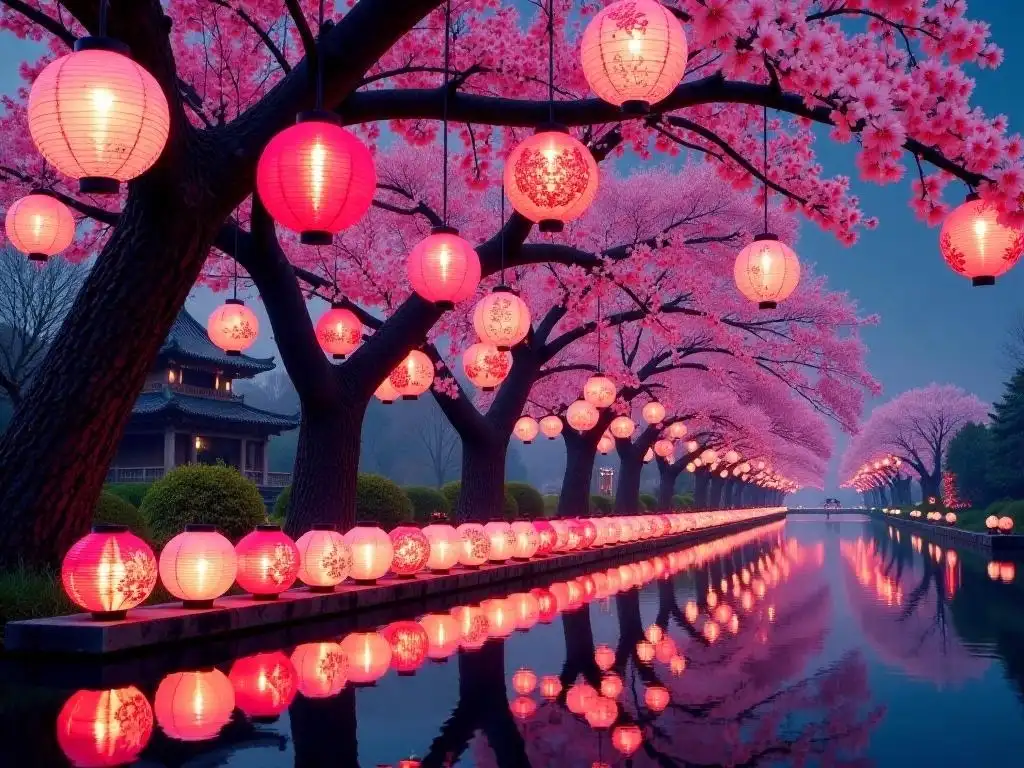
Welcome to Feudal Japan History! Prepare to embark on a captivating journey through the enchanting world of Japan’s feudal era, where ancient customs and vibrant traditions intertwine. In this exploration, we delve into the mesmerizing Japan lantern festival traditions, illuminating the rich cultural tapestry that has shaped this remarkable period. As you navigate through our expert-driven articles, you’ll uncover the stories behind the flickering lights that grace the night sky, inviting you to discover the profound significance of these age-old celebrations. Join us as we shine a light on history!
- Introduction to Japan's Lantern Festival Traditions
- Historical Background of Lantern Festivals in Japan
- Major Lantern Festivals in Japan
- Cultural Significance of Lanterns in Japan
- Types of Lanterns Used in Japanese Festivals
- Activities and Customs Associated with Lantern Festivals
- The Impact of Lantern Festivals on Japanese Society
- Conclusion: The Enduring Legacy of Japan's Lantern Festival Traditions
-
Frequently Asked Questions
- What are the main lantern festivals celebrated in Japan?
- How do lantern festival traditions reflect Japanese culture?
- What materials are traditionally used to make lanterns in these festivals?
- How do modern practices influence traditional lantern festivals?
- Are there any specific rituals associated with the lantern festivals in Japan?
- Final Reflection: Illuminating Traditions in a Modern World
- Illuminate Your Journey: Experience the Magic of Lantern Festivals!
Introduction to Japan's Lantern Festival Traditions
Japan's lantern festivals are a captivating blend of history, culture, and artistry that illuminate the night sky, offering a glimpse into the rich traditions of the country's feudal era. These festivals, deeply rooted in ancient customs, serve not only as a celebration of the harvest and the changing seasons but also as a means of honoring ancestors and deities.
With intricate designs and vibrant displays of light, lanterns play a central role in these festivities, symbolizing guidance, remembrance, and hope. This article delves into the various aspects of Japan's lantern festival traditions, exploring their historical significance, cultural importance, and the vibrant celebrations that continue to thrive today.
Overview of Lantern Festivals in Japan
In Japan, lantern festivals—known as "tōrō matsuri" or "tōrō nagashi"—take place throughout the year, each with its unique charm and purpose. These events often coincide with significant seasonal changes or religious observances, showcasing the country's deep-rooted connection to nature and spirituality. Some of the most notable lantern festivals include:
- Obon Festival: A vital celebration held in mid-August to honor deceased ancestors, where lanterns are lit to guide their spirits home.
- Hōzuki Market: A vibrant event in July in Asakusa, Tokyo, featuring thousands of decorative lanterns, showcasing the beauty and craftsmanship of traditional designs.
- Mizukake Tōrō: Celebrated in various regions, this festival involves floating lanterns on rivers to symbolize the release of souls and the purification of water.
Each festival is characterized by its unique rituals, music, and dance, drawing thousands of participants and spectators who revel in the enchanting atmosphere.
Significance of Lanterns in Japanese Culture
Lanterns hold profound symbolic meaning in Japanese culture. Traditionally, they serve multiple purposes, including:
- Guidance: Lanterns are believed to illuminate the path for wandering spirits, ensuring they find their way home during festivals like Obon.
- Connection to the Divine: Many festivals incorporate lanterns as offerings to deities, signifying respect and reverence for the spiritual realm.
- Artistic Expression: The craftsmanship involved in creating lanterns reflects regional artistry, with designs varying widely from simple paper lanterns to elaborate stone structures.
Moreover, lanterns embody the essence of community and togetherness, as families and friends gather to participate in lighting ceremonies and enjoy the festivities. This profound connection between light and culture is what makes Japan's lantern festival traditions a vibrant and enduring aspect of its cultural heritage.
Historical Background of Lantern Festivals in Japan
Origins of Japanese Lantern Festival Traditions
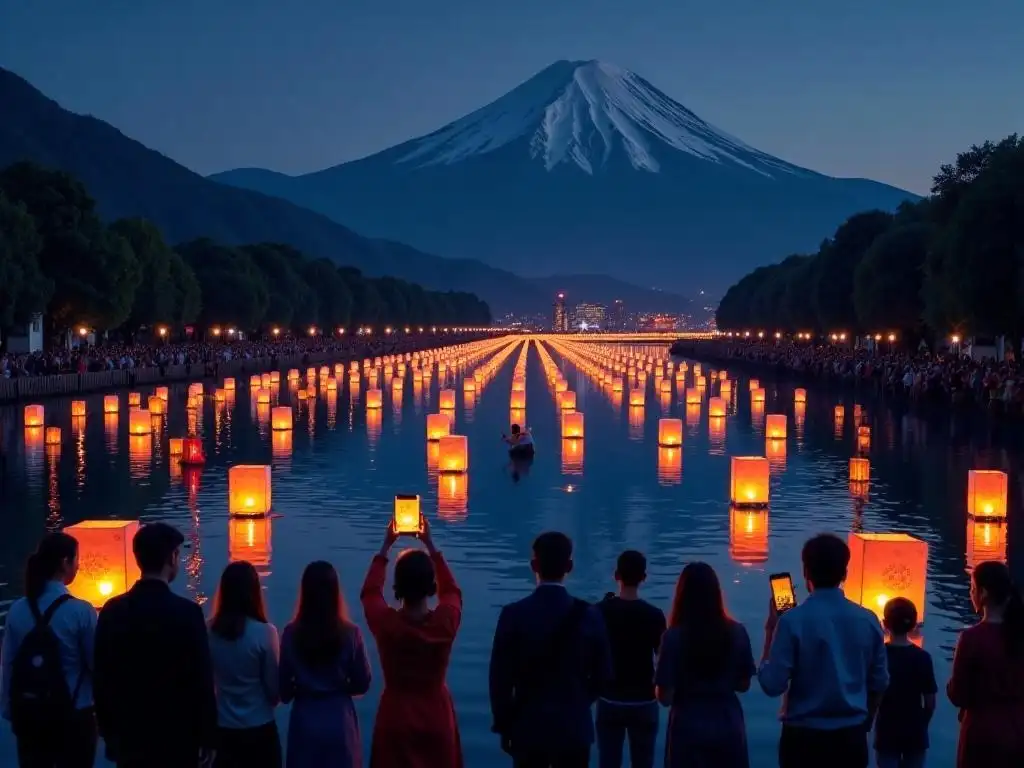
The origins of Japanese lantern festival traditions can be traced back to ancient rituals and customs that sought to honor ancestral spirits. One of the earliest forms of these traditions is believed to have been influenced by the Obon festival, which is a Buddhist celebration held in mid-August. During Obon, families create altars to invite the spirits of their ancestors back to the earthly realm, and lanterns are lit to guide these spirits home.
Historically, the use of lanterns in Japan dates back to the Heian period (794–1185), when kumadama—simple paper lanterns—were used in various rituals and ceremonies. These lanterns were often made from materials like washi (Japanese paper) and bamboo, showcasing intricate designs and vibrant colors. Their primary purpose was not only to illuminate but also to symbolize purity and the transient nature of life.
With the advent of Buddhism and the integration of Chinese customs, lantern festivals began to take on more elaborate forms. The Lantern Festival ( Toro Nagashi), celebrated during the Obon season, became a significant event where paper lanterns are floated down rivers and streams, symbolizing the return of spirits to their resting places. This practice highlights the deep-rooted belief in the connection between the living and the dead, a theme that resonates throughout Japanese culture.
Evolution of Lantern Festivals through the Feudal Era
The feudal era in Japan, spanning from the 12th to the 19th centuries, witnessed a significant evolution in lantern festival traditions. As samurai culture flourished and regional domains emerged, festivals became a means for feudal lords to display their power and influence. Lantern festivals evolved from simple family gatherings into grand public events, often featuring elaborate displays and community participation.
During the Kamakura period (1185–1333), the emergence of Buddhist sects led to the establishment of more structured lantern festivals. For instance, the Kamakura Matsuri, celebrated in the coastal city of Kamakura, featured large lanterns and was often attended by samurai and their families. This period also saw an increase in the production of decorative lanterns, with artisans developing new techniques to create more intricate designs.
In the Edo period (1603–1868), lantern festivals became even more prominent, with cities like Kyoto and Edo (modern-day Tokyo) hosting large-scale celebrations. The Aoi Matsuri in Kyoto, for example, transformed into a vibrant festival where participants donned traditional clothing adorned with lantern motifs. The festival culminated in a procession where hundreds of lanterns were displayed, creating a stunning visual spectacle.
As these festivals continued to evolve, they incorporated local customs and practices, resulting in diverse interpretations across different regions. For instance, the Tsukimi (moon-viewing) festivals featured lanterns designed to celebrate the beauty of the harvest moon, while in rural areas, lanterns were used to ward off evil spirits.
By the end of the feudal era, lantern festivals had become firmly entrenched in Japanese culture, symbolizing a blend of spiritual reverence and community celebration. Their transformation into culturally significant events highlights the connection between Japan's historical context and its rich tapestry of traditions, setting the stage for the vibrant lantern festivals that continue to illuminate the night across the country today.
Major Lantern Festivals in Japan
The Obon Festival and Its Lantern Traditions
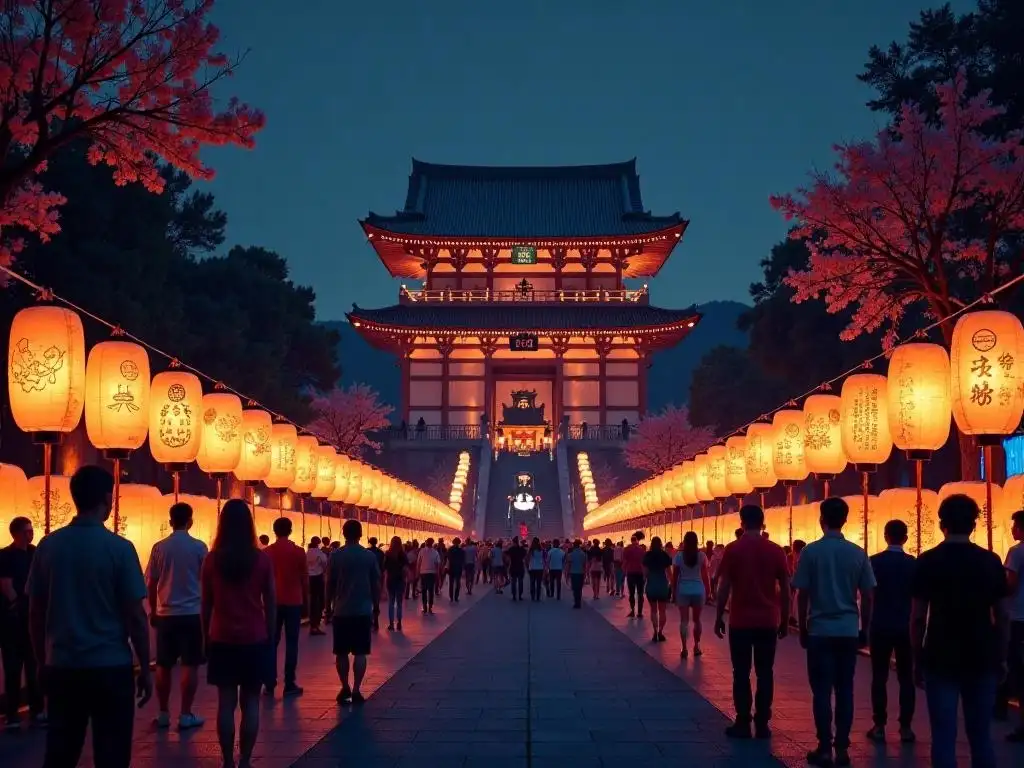
The Obon Festival, also known simply as Obon, is one of the most significant and widely celebrated lantern festivals in Japan. This Buddhist tradition honors the spirits of ancestors and is typically held in mid-August, although some regions celebrate it in July. The festival's essence lies in the belief that the spirits of the deceased return to their families during this time, and various customs, including lantern lighting, are performed to guide them back.
During Obon, families prepare floating lanterns called Toro Nagashi, which are released into rivers and seas. This act symbolizes the guiding of spirits back to the afterlife. The lanterns are often decorated with personal messages or prayers, making each one unique. In addition to floating lanterns, homes are adorned with small paper lanterns known as Chochin, which serve as beacons for the spirits.
Key Traditions of Obon
- Lantern Lighting: Families light lanterns at their homes to welcome their ancestors.
- Obon Dances: Known as Bon Odori, these traditional dances are performed to entertain the spirits.
- Grave Visits: Families visit the graves of their ancestors to clean them and offer food and flowers.
The Obon Festival serves as a poignant reminder of the familial bonds that transcend death, and the lanterns play a crucial role in this spiritual connection.
The Nagasaki Lantern Festival: A Cultural Celebration
The Nagasaki Lantern Festival is a vibrant celebration marking the Chinese New Year, held annually in Nagasaki. This festival is distinctive due to its historical significance, reflecting the city's rich cultural exchange with China. The event typically lasts for about two weeks, showcasing thousands of lanterns illuminating the streets.
One of the festival's highlights is the display of intricate lantern designs, often depicting animals, flowers, and mythical creatures. The festival also includes various performances, such as dragon dances, traditional music, and martial arts, creating a festive atmosphere that attracts both locals and tourists.
Festival Features
- Lantern Processions: Large parades featuring lantern floats traverse the city, creating a mesmerizing spectacle.
- Culinary Delights: Food stalls line the streets, offering traditional Chinese dishes, enhancing the festive experience.
- Cultural Performances: Various artistic performances celebrate the blend of Japanese and Chinese traditions.
The Nagasaki Lantern Festival not only illuminates the city but also serves as a testament to the enduring cultural connections between Japan and China.
The Takayama Matsuri: Lanterns in the Mountains
The Takayama Matsuri, held in the picturesque Hida region, is celebrated twice a year, in spring and autumn, and is renowned for its stunning floats adorned with intricate lanterns. This festival is considered one of Japan's most beautiful and features a unique blend of Shinto and Buddhist influences.
During the festival, elaborately designed floats, known as Yatai, are paraded through the streets of Takayama. These floats are adorned with ornate lanterns that illuminate the night, creating a breathtaking sight against the backdrop of the mountains. The floats are meticulously crafted, often featuring traditional crafts and artwork that reflect the region's cultural heritage.
Highlights of the Takayama Matsuri
- Nighttime Procession: The evening parades showcase the illuminated floats, attracting large crowds to witness the spectacle.
- Traditional Arts: Various workshops and exhibitions during the festival highlight local crafts, including lantern making.
- Local Cuisine: The festival is also an opportunity to savor regional delicacies and traditional foods, enhancing the cultural experience.
The Takayama Matsuri embodies the spirit of community and tradition, illustrating how lanterns play a pivotal role in Japan's rich tapestry of festival culture.
Cultural Significance of Lanterns in Japan
Lanterns hold a profound cultural significance in Japan, particularly during festivals. Their presence is not merely decorative; it is deeply intertwined with the spiritual and historical fabric of Japanese society. Lanterns symbolize illumination, guidance, and the connection between the physical and spiritual realms. They serve as beacons that guide the spirits of ancestors back to the world of the living during festivals like Obon, where families honor their deceased loved ones.
Symbolism of Light in Japanese Festivals
The concept of light as a symbol in Japanese culture is rich and multifaceted. Light, represented by lanterns, is often associated with purity, hope, and the dispelling of darkness. Here are some key aspects of the symbolism of light in Japanese festivals:
- Connection to Nature: Light is often seen as a manifestation of the divine. Festivals that celebrate natural phenomena, such as the arrival of spring or the harvest, often feature lanterns that symbolize the sun and moon's life-giving energy.
- Guidance for Spirits: During festivals like Obon, lanterns are lit to guide ancestral spirits back home. The soft glow of the lanterns creates a serene atmosphere that invites these spirits to join the living in celebration.
- Cultural Heritage: Lanterns embody Japan's artistic traditions, from intricate designs to the materials used. Traditional lantern-making techniques have been passed down through generations, showcasing the craftsmanship and cultural pride of local artisans.
- Community Bonding: Lantern festivals foster a sense of community. People gather to create, decorate, and light lanterns, reinforcing social bonds and cultural identity.
The Role of Lanterns in Spiritual Practices and Rituals
Lanterns play a crucial role in various spiritual practices and rituals throughout Japan. They are not only decorative items but also serve specific spiritual purposes. Below are some examples of how lanterns are integrated into Japanese rituals and ceremonies:
- Obon Festival: One of the most significant festivals associated with lanterns is Obon, a time to honor deceased ancestors. Lanterns are lit at grave sites and in homes to welcome spirits back. The iconic "Toro Nagashi" event involves floating lanterns on rivers, symbolizing the guiding of spirits back to their resting places.
- Shinto Rituals: Lanterns are an integral part of Shinto shrines, where they are used to illuminate sacred spaces during ceremonies. The soft light creates a tranquil environment conducive to prayer and reflection.
- Celebration of New Year: During the New Year celebrations, lanterns are often displayed to symbolize the hope and brightness of the coming year. They are lit in homes and public spaces to invite good fortune and dispel negative energies.
- Seasonal Festivals: Lanterns are common in seasonal celebrations, such as the Gion Matsuri in Kyoto. Here, beautifully crafted lanterns add to the festive atmosphere, enhancing the cultural experience and providing a visual spectacle.
Lantern festivals in Japan are much more than mere celebrations; they are a rich tapestry of cultural and spiritual meanings. The traditions surrounding lanterns reflect deep-rooted beliefs in the power of light to connect the worlds of the living and the dead, fostering community and honoring the past. The continued practice of these traditions demonstrates the enduring nature of Japan's cultural heritage, illuminating the night with ancient customs.
Types of Lanterns Used in Japanese Festivals
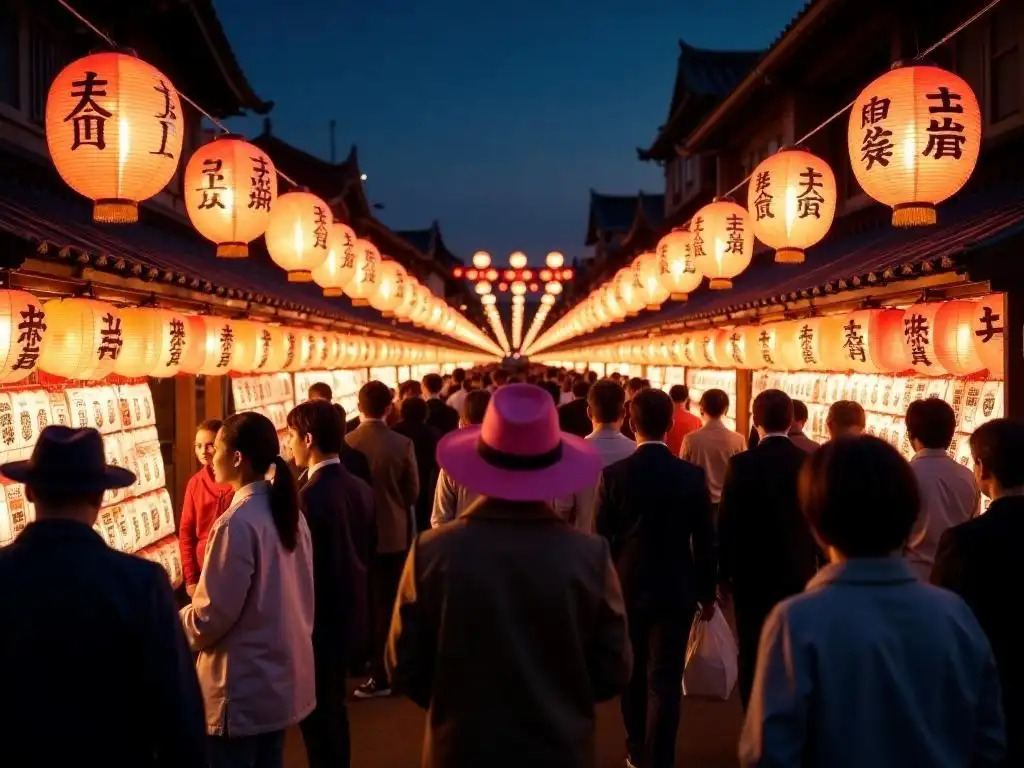
Japanese lantern festivals are renowned for their brilliant displays of light, each lantern carrying its own history, significance, and artistry. The types of lanterns used in these festivals vary significantly, showcasing a blend of traditional craftsmanship and modern innovation. This section explores the distinct categories of lanterns that illuminate the night during these vibrant celebrations.
Traditional Lanterns: Shapes and Materials
Traditional Japanese lanterns, known as "Toro" (灯籠), come in various shapes and materials, each reflecting the unique cultural heritage of the regions where they are used. The most common types include:
- Stone Lanterns: Often found in gardens and temples, these lanterns are carved from stone and feature intricate designs. They serve both decorative and spiritual purposes, guiding visitors and illuminating pathways during festivals.
- Paper Lanterns: Known as "Chochin" (提灯), these are typically made from bamboo frames covered with rice paper or silk. They come in a variety of shapes, including:
- Round: Symbolizing harmony and unity.
- Square: Representing stability and balance.
- Long Cylindrical: Often used for special events, such as weddings and ceremonies.
- Wooden Lanterns: Crafted from wood, these lanterns often showcase elaborate carvings and are used in local festivals to honor deities or ancestors.
- Hanging Lanterns: These lanterns are suspended from trees or structures, creating a magical ambiance. They are often adorned with calligraphy, depicting prayers or wishes.
The materials used in crafting these lanterns also hold significant meaning. For instance, paper lanterns symbolize transience, reflecting the ephemeral nature of life, while stone lanterns symbolize endurance and stability.
Modern Lantern Innovations in Festivals
In recent years, Japan has seen a surge in modern lantern innovations that blend technology with tradition. These innovations aim to enhance the festival experience and attract younger generations while preserving the cultural essence of the celebrations. Some notable advancements include:
- LED Lanterns: Utilizing energy-efficient LED lights, these lanterns offer vibrant colors and patterns that can be programmed to change throughout the festival. They are lightweight, safe, and environmentally friendly, making them popular choices for large-scale events.
- Interactive Lanterns: Some festivals have introduced interactive lanterns that allow attendees to engage with the display. For example, visitors can use their smartphones to control the lighting effects or contribute to the lantern's design through digital applications.
- Projection-Mapped Lanterns: This innovative approach uses projection mapping technology to create dynamic visuals on the surfaces of traditional lanterns. These projections tell stories or depict historical events, adding a modern twist to the traditional festival atmosphere.
- Floating Lanterns: Some festivals incorporate floating lanterns on water bodies, creating stunning reflections that enhance the visual spectacle. These lanterns are often biodegradable, ensuring that the natural environment is preserved.
The combination of these modern innovations with traditional practices ensures that Japan's lantern festival traditions remain vibrant and relevant, captivating audiences of all ages while honoring the rich cultural heritage of the past.
By understanding the types of lanterns used in Japanese festivals, one can appreciate not only the aesthetic beauty of these celebrations but also the deep cultural significance they hold within Japanese society.
Activities and Customs Associated with Lantern Festivals
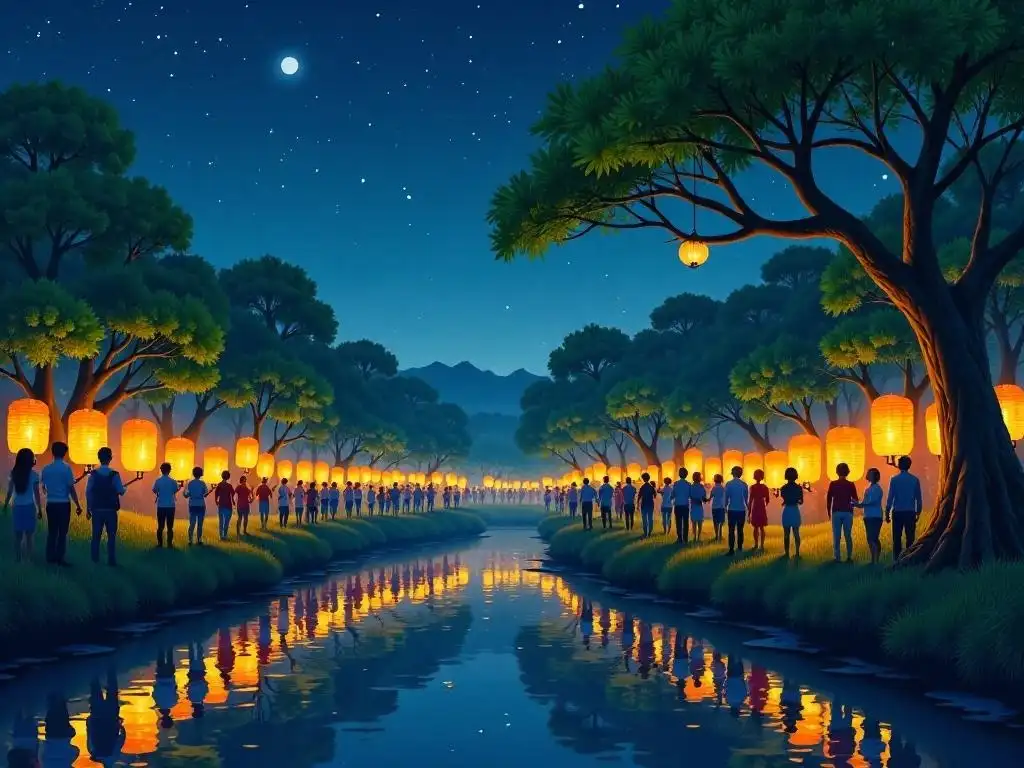
Lantern Making Workshops and Community Involvement
Lantern making is a cherished tradition that plays a pivotal role in Japan's lantern festivals. Communities across the country engage in this art, fostering a spirit of collaboration and creativity. Lantern making workshops are often organized in local neighborhoods, schools, and community centers, where participants, ranging from children to adults, come together to craft beautiful lanterns from paper, bamboo, and other materials.
- Materials and Techniques:
- Paper Lanterns: Traditionally, washi (Japanese paper) is used, known for its durability and translucent quality.
- Bamboo Frames: Bamboo strips are often employed to create the structure of the lantern, allowing for intricate designs.
- Lighting: While many festivals now use electric lights for convenience, some communities still honor tradition by using lit candles or LED lights.
- Community Engagement:
- Workshops: These events not only teach crafting techniques but also emphasize the importance of teamwork. Participants learn about the significance of lanterns in their local culture and how to express their personal stories through their designs.
- Festive Atmosphere: Workshops usually culminate in a community event where all the lanterns are displayed, creating a visually stunning atmosphere that brings people together.
- Symbolism of Lanterns:
- Lanterns are often thought to guide spirits and welcome ancestors during festivals, emphasizing the cultural importance of community and ancestral respect. This practice reinforces the connection between the living and the deceased, making the act of crafting lanterns a deeply meaningful activity.
Traditional Dances and Performances during Lantern Festivals
Traditional dances and performances are integral to the vibrancy of Japan's lantern festivals, bringing the night to life with color, movement, and sound. These performances not only entertain but also convey historical narratives and cultural values.
- Types of Performances:
- Bon Odori: This traditional dance is performed during Obon, a festival honoring deceased ancestors. Participants dance in a circle around a central lantern or float, embodying joy and remembrance. The movements are simple yet rhythmic, allowing everyone to join in regardless of age or skill.
- Shamisen Music: Accompanying many of these dances, the shamisen, a three-stringed musical instrument, plays a crucial role. Its distinctive sound evokes various emotions, enhancing the festival's atmosphere.
- Cultural Significance:
- Each dance and performance often tells a story or represents a particular aspect of local folklore. For instance, some dances may depict tales of heroic samurai or mythical creatures, reinforcing cultural identity and heritage.
- Festivals like the Takayama Lantern Festival feature elaborate parades with floats adorned with lanterns, showcasing both artistic craftsmanship and community pride.
- Community Participation:
- Festivals encourage participation from all community members, fostering a sense of belonging and collective celebration. Local schools, cultural groups, and families often join forces, contributing to a rich tapestry of performances that reflect the area’s unique cultural heritage.
The activities and customs associated with Japan's lantern festivals are vibrant expressions of community spirit, cultural identity, and historical reverence. Through lantern making workshops and traditional performances, these festivals illuminate not only the night but also the rich traditions that define Japan's cultural landscape.
The Impact of Lantern Festivals on Japanese Society
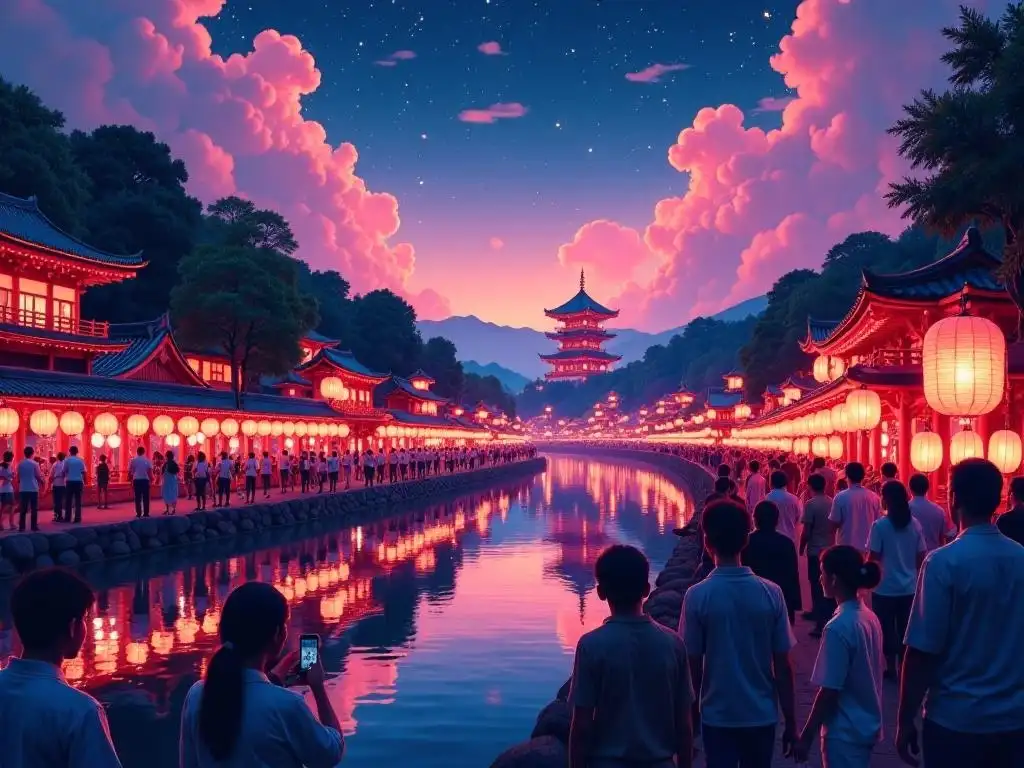
Lantern Festivals as a Means of Cultural Preservation
Lantern festivals in Japan serve not only as vibrant displays of light but also as vital instruments for preserving cultural heritage. These festivals, deeply rooted in history, often commemorate significant events or historical figures, allowing communities to connect with their past. Each lantern tells a story, symbolizing traditions passed down through generations.
During festivals such as the Obon, lanterns are lit to guide the spirits of ancestors back to their resting places. This practice underscores the importance of family and respect for one’s heritage, reinforcing a cultural identity that is crucial in an ever-globalizing world. The intricate designs and craftsmanship involved in creating these lanterns reflect local artistry and techniques, preserving traditional skills that might otherwise fade away.
Moreover, many festivals include performances of traditional music and dance, creating an immersive experience that engages the community and fosters a sense of belonging. The Awa Odori, performed during the Obon season, is a prime example where lanterns light the way for dancers, blending celebration with a deep sense of cultural continuity.
In this way, lantern festivals act as a living museum, showcasing Japan’s rich history while encouraging younger generations to participate. They serve as an educational platform, sparking interest in cultural studies and traditions among youth, thus ensuring that these practices endure.
Economic Benefits of Lantern Festivals for Local Communities
The economic impact of lantern festivals on local communities in Japan is substantial, providing multiple layers of benefits that extend beyond mere celebration. These festivals attract tourists from both domestic and international locales, leading to increased revenue for local businesses, including shops, restaurants, and hotels.
For instance, during the Yukata Matsuri in Kyoto, thousands of visitors flock to the city, eager to experience the beauty of illuminated lanterns and participate in traditional activities. This influx of tourists creates a surge in spending, which can significantly boost the local economy. Businesses often prepare special offerings, such as traditional foods and crafts, to cater to the festival-goers, further enriching their cultural experience.
Additionally, lantern festivals encourage community engagement and investment in local infrastructure. Organizing a festival requires collaboration among various stakeholders, including local governments, community organizations, and artisans. This collaboration fosters a sense of unity and pride among residents while simultaneously enhancing the area’s appeal as a tourist destination.
A study conducted in regions that host prominent lantern festivals revealed that local employment opportunities increase around the festival period, as temporary jobs are created to manage the influx of visitors and activities. This seasonal boost can contribute to long-term economic stability for many small towns and rural areas, where such events are often a significant highlight of the year.
Japan's lantern festival traditions not only illuminate the night but also play a crucial role in sustaining cultural heritage and driving economic vitality in local communities. As these festivals continue to thrive, they ensure that both history and modernity coexist harmoniously, shedding light on the past while paving the way for future generations.
Conclusion: The Enduring Legacy of Japan's Lantern Festival Traditions
The lantern festivals of Japan serve as a vibrant testament to the nation's rich cultural history and traditions. These festivals not only illuminate the night sky but also symbolize the deep-rooted customs and beliefs that have been passed down through generations. The intricate designs of the lanterns, often crafted with care and creativity, reflect various aspects of Japanese art and spirituality, making each festival a unique celebration of heritage and community.
The enduring legacy of these festivals can be seen in their ability to adapt and evolve while maintaining their core cultural significance. As communities gather to celebrate, they reinforce social bonds and foster a sense of belonging, reminding participants of their shared history and values. Furthermore, lantern festivals often serve as a poignant reminder of the transient nature of life, encapsulated in the delicate glow of the lanterns that light up the night.
Reflection on the Importance of Festivals in Cultural Identity
Festivals play a crucial role in shaping and preserving cultural identity, offering individuals and communities a platform to express their unique heritage. In Japan, lantern festivals are a vibrant celebration of local customs, traditions, and regional pride. Each festival not only showcases the artistic talents of the community but also serves as a historical narrative that connects the past with the present.
The act of participating in these festivals fosters a collective identity, uniting individuals under shared experiences. For instance, during the Obon Festival, families honor their ancestors, reinforcing familial bonds and cultural continuity. Similarly, the Lantern Floating Festival in Hiroshima embodies the collective memory of loss and healing, providing a space for reflection and remembrance.
Moreover, lantern festivals often incorporate local folklore and mythology, enriching the cultural tapestry of Japan. By engaging with these stories, participants are reminded of their cultural legacy and the values that define their community. This deep connection to tradition is vital in a rapidly changing world, allowing individuals to maintain a sense of belonging and identity.
Future of Lantern Festivals: Preserving Traditions in a Modern Context
As Japan navigates the complexities of modernity, the future of its lantern festivals faces both challenges and opportunities. While urbanization and globalization have introduced new cultural dynamics, they also provide a chance to revitalize and innovate traditional practices. Many communities are embracing technology to enhance the festival experience, utilizing social media platforms for promotion and engagement, thereby attracting younger generations to participate.
However, it is essential to balance modernization with the preservation of traditional values and practices. Communities are increasingly emphasizing the importance of education and awareness about the history and significance of these festivals. Workshops and events focused on lantern-making techniques, traditional performances, and the stories behind each festival are being organized to ensure that these customs are passed down to future generations.
Additionally, there is a growing recognition of the environmental impact of festival practices. More sustainable approaches, such as using eco-friendly materials for lanterns and promoting responsible waste management, are being implemented. This forward-thinking mindset not only preserves the integrity of the festivals but also aligns with global movements toward sustainability.
The future of Japan's lantern festival traditions hinges on the delicate balance between honoring the past and embracing the present. By fostering a sense of community, encouraging participation, and adapting to modern contexts, these festivals can continue to illuminate the cultural landscape of Japan for years to come.
Frequently Asked Questions
What are the main lantern festivals celebrated in Japan?
Japan hosts several prominent lantern festivals, including the Obon Festival, Kanto Matsuri, and the Tsukimi Festival, each showcasing unique cultural traditions and illuminative displays.
How do lantern festival traditions reflect Japanese culture?
Lantern festivals often symbolize ancestral reverence and the celebration of nature, illustrating the deep connection between spirituality and cultural practices in Japanese society.
What materials are traditionally used to make lanterns in these festivals?
Traditionally, lanterns are crafted from paper, bamboo, and sometimes silk, showcasing intricate designs that represent various cultural symbols and festive themes.
How do modern practices influence traditional lantern festivals?
Modern practices have introduced LED lights and innovative designs, enhancing the visual impact while still honoring ancient customs and traditional aesthetics.
Are there any specific rituals associated with the lantern festivals in Japan?
Yes, rituals such as light offerings to guide spirits and community gatherings for prayer and celebration are integral to the festivals, reinforcing communal bonds and spiritual connections.
Final Reflection: Illuminating Traditions in a Modern World
The rich tapestry of Japan's lantern festival traditions continues to resonate deeply in our contemporary society. These festivals are not merely relics of the past; they serve as vibrant reminders of community, heritage, and the beauty of shared experiences. As we navigate an increasingly fast-paced and digital world, the significance of these ancient customs becomes even more pronounced, urging us to pause and appreciate the light that tradition brings to our lives.
Cultural practices like the lantern festivals are essential in shaping our collective identity and fostering a sense of belonging. They remind us of the importance of connection—both to our ancestors and to one another. As the lanterns illuminate the night sky, they symbolize hope, guidance, and the enduring spirit of community. Tradition is not the worship of ashes, but the preservation of fire.
This quote encapsulates the essence of why we must cherish and celebrate these customs, as they keep the flame of our cultural heritage alive.
As you reflect on the enchanting beauty of Japan's lantern festivals, consider how you can incorporate the lessons of these traditions into your own life. Embrace the values of community, remembrance, and celebration that these festivals embody. Whether it's through participating in local events, sharing stories with loved ones, or simply taking a moment to appreciate the beauty around you, let the light of these ancient customs inspire you to create your own moments of connection and joy.
Illuminate Your Journey: Experience the Magic of Lantern Festivals!
Thank you for exploring the enchanting traditions of Japan's lantern festivals with us! We hope this article has sparked your curiosity about these vibrant celebrations and their rich historical significance. Now, why not embark on your own journey of discovery? Here are some inspiring steps you can take:
- Plan your visit: Research upcoming lantern festivals in Japan and schedule your trip! Experience the glowing beauty firsthand and immerse yourself in the culture.
- Share the magic: Spread the word by sharing this article with friends and family. Encourage them to join you in appreciating these mesmerizing customs.
- Dive deeper: Explore other facets of Japanese festivals and traditions. Consider reading about local folklore or visiting museums that showcase historical artifacts related to these events.
Which lantern festival would you love to witness in person and why? Let's shine a light on your thoughts in the comments below!