
The Influence of Zen Gardens in Samurai Training Practices


Welcome to Feudal Japan History, where we invite you to embark on a journey through the captivating tapestry of Japan's feudal era. Here, we delve into the intricate interplay of historical, cultural, and societal aspects that shaped a remarkable age. In our featured article, "The Influence of Zen Gardens in Samurai Training Practices," discover how the serene beauty of zen gardens not only provided a tranquil refuge but also profoundly influenced the discipline and mindset of the samurai.
What secrets do these gardens hold about the warriors who trained within them? Join us as we explore the profound connections that forged a legacy of strength, serenity, and strategy—your adventure into the depths of feudal Japan begins now!
Introduction to Zen Gardens and Samurai Culture
Zen gardens, also known as Japanese rock gardens or "karesansui," are meticulously designed landscapes that embody the principles of Zen Buddhism and reflect the spiritual and aesthetic values of Japanese culture. These gardens serve not only as places of beauty and contemplation but also as integral spaces for meditation and training, especially within the context of the samurai class during Japan's feudal era. The profound connection between Zen gardens and samurai training reveals how these serene environments influenced the mindset, discipline, and practices of the samurai, shaping their approach to both martial arts and life itself.
Understanding Zen Gardens: Definition and Purpose
Zen gardens are characterized by their minimalistic design, which often includes:
- Raked gravel or sand: Symbolizing water, this element creates a sense of tranquility.
- Strategically placed rocks: Representing mountains or islands, these provide focal points for meditation.
- Lichens and moss: Adding a natural touch, these elements signify the passage of time and the impermanence of life.
- Carefully pruned trees and plants: Enhancing the aesthetic appeal while embodying the Zen principle of simplicity.
The primary purpose of these gardens is to provide a space for reflection and meditation, aligning closely with the samurai's need for a disciplined mind. The act of tending to a Zen garden, such as raking the gravel, is a meditative practice that fosters concentration and mindfulness, qualities essential for a samurai.
The Role of Zen Gardens in Feudal Japan
In feudal Japan, Zen gardens were not just aesthetic creations; they played a crucial role in the daily lives of samurai. These gardens served as:
- Sanctuaries for meditation: Samurai would often retreat to these gardens to clear their minds and prepare for battle or decision-making.
- Spaces for training: The principles learned in the gardens translated into martial disciplines, emphasizing balance, focus, and the importance of a calm demeanor.
- Cultural symbols: Zen gardens represented the values of discipline, harmony, and respect for nature, which were central to the samurai ethos.
The influence of Zen gardens on samurai training practices is profound, as they provided both a physical space for training and a philosophical foundation for the samurai way of life.
Historical Context of Samurai Training
Overview of Samurai Training Practices in Feudal Japan
Samurai training in feudal Japan was a rigorous process that encompassed various disciplines, including:
- Martial arts: Techniques such as Kenjutsu (swordsmanship) and Kyudo (archery) were essential for combat proficiency.
- Strategy and tactics: Understanding battlefield strategies was crucial for samurai leaders.
- Physical conditioning: Endurance and strength training were integral to a samurai’s daily regimen.
- Cultural education: Learning poetry, calligraphy, and philosophy was equally important, shaping the samurai's character.
The blend of physical and mental training produced warriors who were not only skilled in combat but also cultured and reflective individuals.
The Integration of Zen Philosophy in Samurai Training
The integration of Zen philosophy into samurai training practices was pivotal in cultivating a mindset conducive to both warfare and personal development. Key aspects of this integration include:
- Mindfulness and presence: Zen teachings emphasized living in the moment, which helped samurai remain focused and calm during battles.
- Discipline and control: The practice of Zen meditation fostered self-discipline, enabling samurai to control their emotions and reactions.
- Philosophical grounding: Zen principles encouraged samurai to reflect on the nature of life and death, enhancing their understanding of mortality and the importance of honor.
Through the influence of Zen gardens, samurai were able to harmonize their martial skills with spiritual growth, creating a unique warrior ethos that defined their legacy in Japanese history.
The Influence of Zen Gardens on Samurai Mental Discipline
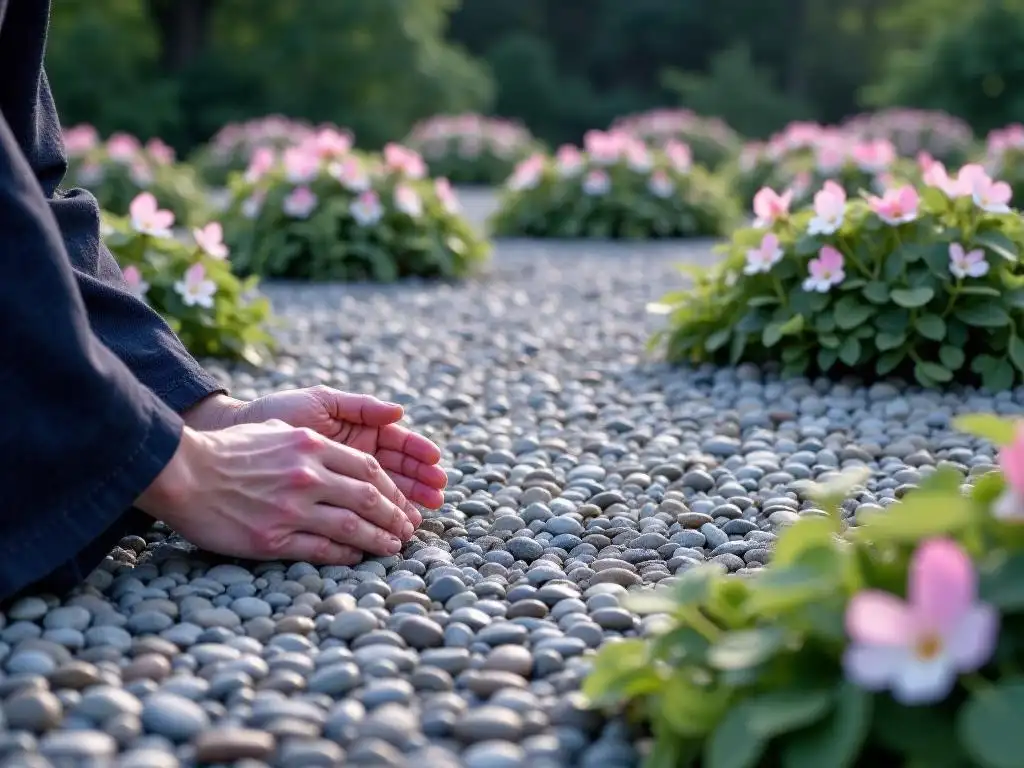
Zen gardens have played a pivotal role in shaping the mental discipline of samurai during Japan’s feudal era. These meticulously arranged landscapes were not merely aesthetic creations; they served as a profound space for introspection and meditation, aligning closely with the samurai's philosophical beliefs. The practice of tending to a Zen garden required patience, precision, and a deep connection to nature, fostering a mindset that was essential for samurai warriors.
In samurai culture, mental discipline was as crucial as physical prowess. The tranquil environment of the Zen garden provided a backdrop for cultivating inner peace and clarity of thought. The act of raking gravel into patterns, for example, was not just a menial task; it was a meditative practice that encouraged mindfulness. This focus on the present moment helped samurai warriors prepare mentally for the rigors of battle, allowing them to maintain composure in the face of chaos.
Meditation Techniques in Zen Gardens
Meditation in Zen gardens often involved various techniques that emphasized breathing, visualization, and the sensory experience of the natural surroundings. Samurai would typically engage in Zazen, or seated meditation, where they would sit quietly, focus on their breath, and observe the garden's details—be it the sound of water, the rustle of leaves, or the sight of carefully placed stones.
Another technique was walking meditation, known as Kinhin, which allowed samurai to integrate movement with mindfulness. Walking slowly through the garden, they would concentrate on each step, feeling the ground beneath their feet and the air around them. This practice not only enhanced their physical awareness but also deepened their connection to their environment, reinforcing the samurai's bond with nature as a source of strength and inspiration.
The Impact of Zen Gardens on Focus and Concentration
The serene atmosphere of Zen gardens has a profound impact on enhancing focus and concentration. For samurai, the ability to concentrate was vital, particularly in training and combat scenarios. The gardens served as a refuge from the distractions of daily life, allowing warriors to hone their mental faculties.
Research indicates that exposure to natural settings can significantly improve cognitive function. The simplicity and elegance of Zen gardens created a space where samurai could clear their minds of clutter, facilitating better decision-making and strategic thinking. By regularly practicing in these gardens, samurai cultivated the ability to focus intensely on their tasks, whether in training or during the heat of battle, ultimately contributing to their effectiveness as warriors.
The Physical Aspects of Samurai Training and Zen Gardens

Samurai training was not solely focused on combat skills; it also encompassed physical conditioning and discipline, both of which were influenced by the presence of Zen gardens. The environment provided a unique setting for physical training, encouraging samurai to engage with nature while developing their bodies.
The layout and design of Zen gardens often included elements such as stepping stones, pathways, and water features, which could be utilized for various physical exercises. Samurai would practice their martial arts movements in these tranquil spaces, integrating their training with the natural elements around them. This approach not only improved their physical abilities but also reinforced the importance of harmony between body and mind.
Training Methods Enhanced by Zen Garden Environments
Training methods in Zen garden environments were characterized by a blend of physical exercise and mental discipline. Samurai engaged in various martial arts practices, such as Kenjutsu (swordsmanship) and Iaijutsu (the art of drawing the sword), within the calming confines of these gardens. The presence of nature encouraged a slower, more thoughtful approach to these techniques, allowing samurai to refine their movements and strategies.
Incorporating Zen gardens into training sessions also facilitated group practices, where samurai could train together in a serene and focused environment. The shared experience of practicing in such spaces fostered camaraderie and mutual respect among warriors, strengthening their bonds as they pursued excellence in their martial disciplines.
The Role of Nature in Samurai Physical Conditioning
Nature played a crucial role in the physical conditioning of samurai, and Zen gardens epitomized this connection. The gardens provided not only a place for meditation and focus but also an opportunity for physical engagement with the natural world. Samurai utilized the varied terrains of these gardens for exercises that promoted agility, balance, and strength.
Activities such as climbing rocks or navigating uneven surfaces within the garden helped develop core stability and muscular endurance. Additionally, the practice of gardening itself—digging, planting, and maintaining the landscape—served as a form of physical conditioning that complemented their martial training. This holistic approach ensured that samurai were not just skilled fighters but also well-rounded individuals, capable of thriving in both combat and the tranquility of nature.
Case Studies of Samurai and Zen Gardens

Throughout history, the connection between Zen gardens and samurai training has been documented through various case studies, illustrating how these serene landscapes impacted the mental and physical preparation of samurai warriors. The incorporation of Zen gardens into the lifestyle of samurai provided them with a unique environment conducive to contemplation, focus, and discipline. These gardens served not only as a retreat for relaxation but also as a space for meditation and reflection, enhancing the samurai's ability to maintain composure under pressure.
One notable case study involves the renowned samurai Miyamoto Musashi, known for his exceptional swordsmanship and philosophical writings. Musashi often sought solitude in Zen gardens to practice his sword techniques, emphasizing the importance of tranquility in honing one's skills. His writings reflect the notion that a serene mind fosters clarity in combat, highlighting the direct influence of Zen principles on his martial practices.
Notable Samurai Who Embraced Zen Practices
Several samurai were recognized for their deep connection to Zen Buddhism, which profoundly influenced their training methods. One such figure is Takeda Shingen, a prominent daimyo of the 16th century. Shingen is known to have incorporated Zen principles into his military strategies, often retreating to Zen gardens to meditate and strategize before battles. His ability to maintain a calm demeanor in the face of adversity was a key factor in his success.
Another notable samurai is Hōjō Ujitsuna, who was known for his dedication to Zen meditation. Ujitsuna established a Zen temple within his castle grounds, where he and his warriors would practice meditation and engage with Zen gardens. This practice not only strengthened their mental fortitude but also fostered a sense of camaraderie among his troops, creating a disciplined and cohesive fighting force.
Historical Accounts of Zen Gardens in Samurai Training Regimens
Historical records reveal that Zen gardens played a significant role in the training regimens of samurai. These gardens were meticulously designed to create a space for meditation, where samurai could engage in introspection and cultivate a sense of inner peace. Samurai were often encouraged to spend time in these gardens as part of their daily routines, allowing them to clear their minds and prepare themselves for the rigors of combat.
One prominent account comes from the writings of Zen master Dōgen, who emphasized the importance of mindfulness and presence in both meditation and martial practice. Dōgen's teachings encouraged samurai to engage with their surroundings, using the tranquility of Zen gardens to enhance their focus and improve their skills. This integration of Zen practices into their training not only sharpened their combat abilities but also contributed to their overall well-being.
Modern Interpretations of Zen Gardens in Martial Arts Training
In contemporary martial arts training, the influence of Zen gardens continues to resonate. Many dojos and training centers have adopted the principles of Zen gardening to create spaces that facilitate mindfulness and concentration. These gardens serve as a reminder for practitioners to cultivate a calm mind and maintain focus during their training sessions, echoing the traditions of the samurai.
The Legacy of Samurai Training in Contemporary Practices
The legacy of samurai training is evident in modern martial arts, where the integration of Zen principles remains a vital aspect of practice. Many martial arts instructors emphasize the importance of mental discipline, drawing parallels between the meditative practices of samurai and the training regimens of today. This focus on mindfulness helps practitioners develop not only their techniques but also their character and resilience.
Furthermore, the influence of Zen gardens can be seen in the design of modern training spaces, where elements such as rocks, sand, and water are incorporated to create tranquil environments. These settings encourage martial artists to reflect, meditate, and connect with their training on a deeper level, fostering a holistic approach to their practice.
How Zen Gardens Influence Modern Martial Arts Training
Zen gardens influence modern martial arts training by promoting mindfulness, focus, and intentionality among practitioners. Many martial arts schools incorporate meditation sessions into their training schedules, encouraging students to spend time in Zen-inspired environments. This practice helps cultivate a deeper connection to their movements, enhancing both their physical capabilities and mental clarity.
Moreover, the principles of simplicity and harmony found in Zen gardens resonate with martial artists, who strive for fluidity and precision in their techniques. The act of maintaining a Zen garden—whether through raking sand or arranging stones—parallels the discipline and dedication required in martial arts training. This connection reinforces the idea that mastery in martial arts, much like in Zen gardening, is a lifelong journey of growth and self-discovery.
Conclusion: The Lasting Impact of Zen Gardens on Samurai Training
The influence of Zen gardens on samurai training practices is profound and multifaceted. These serene environments offered a unique space for contemplation, meditation, and discipline, essential components of a samurai's education. By integrating the principles of Zen into their daily training, samurai were not only honing their martial skills but also cultivating a deep sense of inner peace and focused awareness.
This duality of physical prowess and mental clarity is what made the samurai an exceptionally formidable warrior class during Japan's feudal era. The meditative qualities of Zen gardens allowed samurai to center themselves, fostering resilience and a sense of harmony that resonated throughout their lives, both on and off the battlefield.
Moreover, the sustainability of this influence is evident in the enduring legacy of Zen gardens in Japanese culture. Even in contemporary times, the principles of Zen continue to guide martial arts practitioners, scholars, and enthusiasts alike, highlighting the timeless nature of these teachings. The impact of Zen gardens transcends mere aesthetics; they represent a way of life that values mindfulness, discipline, and respect for nature—qualities that were integral to the samurai ethos.
Summary of Key Influences
- Meditative Practices: Zen gardens served as a space for samurai to engage in meditation, enhancing mental focus and emotional stability, which were critical during training and combat.
- Discipline and Order: The meticulous design of Zen gardens mirrored the samurai's need for discipline in their training, emphasizing the importance of precision and control.
- Connection to Nature: Samurai training emphasized harmony with nature, and Zen gardens provided a physical embodiment of this connection, allowing warriors to cultivate a deeper appreciation for their environment.
- Philosophical Foundations: The teachings of Zen philosophy, rooted in simplicity and mindfulness, directly influenced samurai values, shaping their approach to both martial arts and daily life.
- Stress Relief: The tranquil environment of Zen gardens offered a respite from the rigors of training and battle, enabling samurai to recharge mentally and emotionally.
Reflections on the Cultural Significance of Zen Gardens in Samurai Education
Zen gardens hold a remarkable cultural significance within the context of samurai education. They represent not only a physical space but also a philosophical approach to life and training. The cultivation of these gardens reflects the samurai's commitment to self-improvement, discipline, and ethical living. Each element within a Zen garden—whether it be the raked gravel, carefully placed stones, or strategically positioned plants—serves as a lesson in balance and harmony, principles that are vital in both martial training and personal development.
Furthermore, the integration of Zen gardens into the samurai training regimen underscores the holistic nature of their education. It was not merely about mastering combat techniques; it was equally about nurturing the mind and spirit. This multifaceted approach fostered well-rounded individuals who were capable of great physical and mental feats.
Today, the cultural significance of Zen gardens continues to resonate, symbolizing the enduring values of tranquility, mindfulness, and respect for nature that are as relevant now as they were in feudal Japan. Thus, the legacy of Zen gardens in samurai training practices serves as a reminder of the profound relationship between environment, mindset, and mastery in the pursuit of excellence.
- Introduction to Zen Gardens and Samurai Culture
- Understanding Zen Gardens: Definition and Purpose
- The Role of Zen Gardens in Feudal Japan
- Historical Context of Samurai Training
- The Influence of Zen Gardens on Samurai Mental Discipline
- Meditation Techniques in Zen Gardens
- The Impact of Zen Gardens on Focus and Concentration
- The Physical Aspects of Samurai Training and Zen Gardens
- Training Methods Enhanced by Zen Garden Environments
- The Role of Nature in Samurai Physical Conditioning
- Case Studies of Samurai and Zen Gardens
- Modern Interpretations of Zen Gardens in Martial Arts Training
- Conclusion: The Lasting Impact of Zen Gardens on Samurai Training
Frequently Asked Questions
What are Zen gardens?
Zen gardens, also known as Japanese rock gardens, are designed to promote meditation and reflection, utilizing sand, rocks, and minimalist plant life to create serene landscapes.
How did Zen gardens influence samurai training?
Zen gardens played a crucial role in samurai training by providing a space for meditation and mindfulness, allowing samurai to develop focus and inner peace essential for their martial practices.
What elements are commonly found in Zen gardens?
Common elements in Zen gardens include gravel, rocks, moss, and sometimes water features, each symbolizing different aspects of nature and promoting a sense of tranquility and balance.
How did the philosophy of Zen impact samurai culture?
The philosophy of Zen emphasized discipline, self-control, and mindfulness, which significantly influenced samurai culture, enhancing their combat skills and spiritual depth through rigorous training.
Can anyone create a Zen garden for meditation?
Yes, anyone can create a Zen garden for meditation. The key is to design a space that encourages calmness and reflection, using elements that resonate with personal aesthetics and provide a peaceful environment.
Final Reflection: The Enduring Influence of Zen Gardens on Samurai Training
The intricate relationship between Zen gardens and samurai training practices remains profoundly relevant today, as we seek balance and mindfulness in our fast-paced lives. The serene beauty of these gardens not only served as a backdrop for samurai contemplation but also fostered a deep connection to nature and self-discipline. In our modern world, where distractions abound, the principles embodied in Zen gardens can guide us toward a more centered and purposeful existence.
The influence of Zen gardens extends beyond mere aesthetics; they are a testament to the cultural and spiritual foundations of the samurai ethos. The meditative practices cultivated in these gardens have permeated various aspects of contemporary life, encouraging individuals to embrace tranquility amidst chaos. In the stillness of the garden, we find the clarity to confront our inner battles.
This quote encapsulates the ongoing relevance of Zen gardens, reminding us that the lessons learned in these spaces are timeless and universal.
As we reflect on the teachings of Zen gardens and their impact on samurai training, I invite you to consider how you can incorporate these principles into your own life. Take a moment to create your own personal sanctuary, whether it’s a physical space or a mental practice, where you can cultivate mindfulness and self-discipline. By embracing the lessons of Zen gardens, you can foster resilience and clarity, empowering yourself to navigate the complexities of modern life with the grace and focus of a samurai.
Cultivate Your Inner Calm: Embrace the Wisdom of Zen Gardens
Thank you for exploring the profound influence that Zen gardens have had on traditional training practices! You've uncovered insights into how tranquility can shape discipline and focus. Now, let’s put that knowledge into action.
Here are some steps you can take to integrate the principles of Zen gardens into your daily life and practice:
- Create Your Own Mini Zen Garden: Start small with a desk-sized Zen garden using sand, stones, and a small rake. This tactile experience can help you find a moment of calm in your day.
- Engage in Mindful Meditation: Dedicate just 5 to 10 minutes daily for meditation. Sit quietly and visualize a serene Zen garden, allowing your mind to reset and refresh.
- Share Your Experience: Connect with others who are interested in Zen principles. Consider joining a local meditation group or an online community to exchange insights and explore different practices together.
What aspect of Zen gardens resonates most with your journey towards peace and focus?