
The Enigmatic Origins of Noh: Unraveling the Mysteries of Traditional Japanese Theater

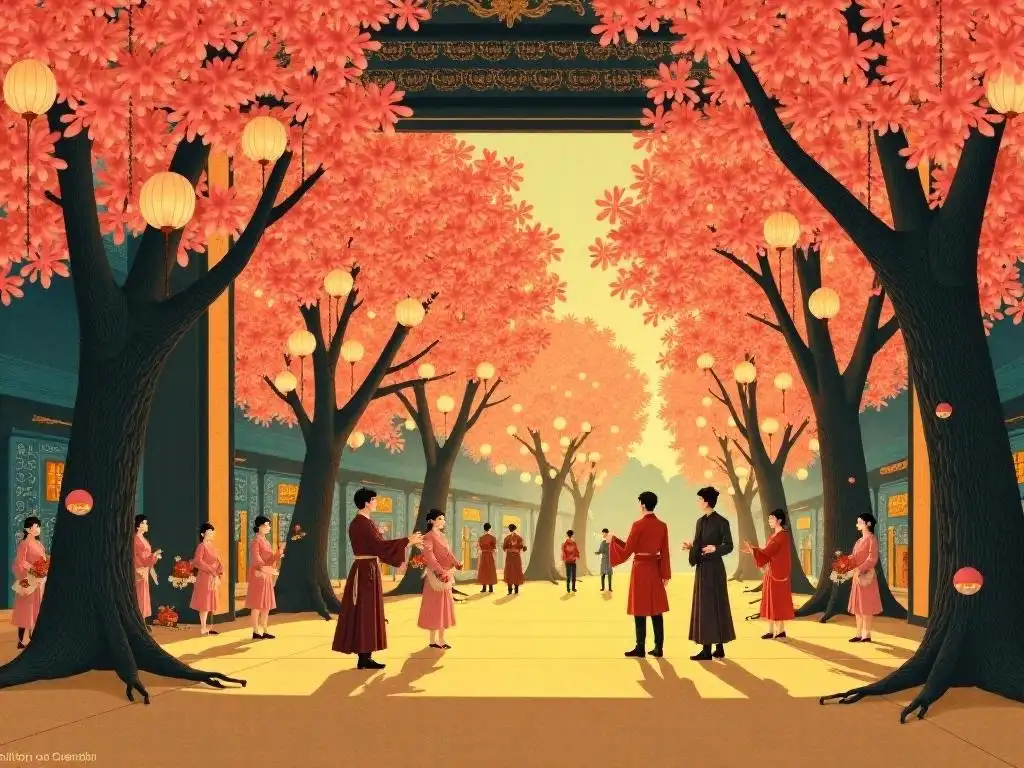
Welcome to Feudal Japan History, where we embark on a captivating journey through the intricate tapestry of Japan's feudal era. Delve into the enigmatic origins of Noh theater—a traditional art form that has mesmerized audiences for centuries. What secrets does this ancient performance hold? As we unravel the mysteries behind its history and evolution, prepare to discover the cultural and societal influences that shaped this theatrical gem. Join us as we explore the rich narrative of Noh, opening the door to a world of tradition and artistry that continues to resonate today.
Noh theater, one of the oldest forms of traditional Japanese performing arts, holds a mysterious and profound place within Japan's cultural heritage. Originating in a time when the country was undergoing significant socio-political transformations, Noh is not just a theatrical performance; it is a rich tapestry woven with the threads of history, philosophy, and artistry.
As we delve into the Noh theater history and origins, we will explore its defining characteristics, its critical role in shaping Japanese culture, and its evolution through the centuries. This exploration will reveal how Noh, with its poetic narratives and intricate movements, continues to resonate with audiences today, offering a glimpse into the soul of Japan's feudal past.
Introduction to Noh Theater
Noh theater, characterized by its stylized performances and minimalist staging, represents a unique fusion of drama, music, and dance. This theatrical form is distinguished not only by its aesthetic qualities but also by its deep-rooted spiritual themes.
Definition and Characteristics of Noh Theater
Noh theater can be defined as:
- A traditional Japanese performance art that combines storytelling with music and dance.
- Minimalistic in nature, often featuring simple props and elaborate costumes.
- Symbolic and poetic, relying heavily on motifs from Japanese literature and folklore.
Some of the defining characteristics include:
- Masks: Noh actors wear intricately crafted masks that convey various emotions and characters.
- Movement: The performance style is slow and deliberate, focusing on precision in gestures and postures.
- Music and Chanting: Traditional instruments, such as the flute and drums, accompany the performance, enhancing the emotional depth.
Importance of Noh in Japanese Culture
Noh is not merely entertainment; it serves as a cultural artifact that reflects the values, beliefs, and historical experiences of Japan. Its significance can be summarized as follows:
- Cultural Identity: Noh embodies the aesthetics of Japanese art, emphasizing beauty, harmony, and nature.
- Spiritual Expression: Often exploring themes of life, death, and the supernatural, Noh connects audiences with spiritual and philosophical insights.
- Preservation of Tradition: As one of the oldest theatrical forms, Noh plays a crucial role in preserving the historical narratives and artistic practices of Japan.
Historical Context of Noh Theater
Understanding the origins and development of Noh requires a look into the historical context in which it emerged.
The Birth of Noh: Origins in the Heian Period
Noh's roots can be traced back to the Heian Period (794-1185), where it evolved from earlier forms of entertainment such as sarugaku (monkey music) and kusemai (dance drama). This era was marked by a burgeoning interest in the arts and the influence of the imperial court. Key factors in its birth include:
- Court Patronage: Early Noh was supported by the aristocracy, leading to its refinement and codification.
- Integration of Poetry: The incorporation of classical Japanese poetry (such as waka) into performances helped establish its literary foundation.
Evolution of Noh during the Kamakura and Muromachi Periods
The Kamakura Period (1185-1333) and Muromachi Period (1336-1573) saw significant transformations in Noh theater, fueled by socio-political changes and the rising influence of the samurai class. Notable developments include:
- Rise of Professional Troupes: As Noh gained popularity, professional troupes emerged, leading to more structured performances.
- Influence of Zen Buddhism: The aesthetics of Noh were influenced by Zen principles, emphasizing simplicity and the beauty of imperfection.
Influences from Other Traditional Japanese Performing Arts
Noh theater did not develop in isolation; it was shaped by various other traditional Japanese performing arts:
- Kyogen: A comedic counterpart to Noh, Kyogen often provided interludes in Noh performances, adding a layer of humor and accessibility.
- Kabuki: Although emerging later, Kabuki drew inspiration from Noh, incorporating its themes and stylizations while adapting to the tastes of the common people.
Through this exploration of Noh theater's origins, we can appreciate its complex interconnections with Japan's rich cultural tapestry, making it a fascinating subject of study for anyone interested in the history and evolution of traditional Japanese arts.
Noh Theater History and Origins
Noh theater, one of the oldest extant forms of Japanese theater, has its roots in the 14th century during the Muromachi period. It emerged from a blend of various influences, including earlier forms of folk theater such as sarugaku, a form of entertainment featuring acrobatic performances and comedic skits. The formalization of Noh was largely credited to Kan'ami and his son Zeami, who played pivotal roles in shaping the aesthetics and philosophies of this art form.
By the end of the 14th century, Noh began to gain recognition among the Japanese aristocracy, leading to its patronage by the ruling shogunate. This transition marked the beginning of Noh's evolution from a simple folk performance to a sophisticated theatrical art. The integration of elaborate costumes, poetic language, and philosophical themes reflective of the samurai ethos contributed to its growing prestige. Noh's development was characterized by a focus on spiritual themes, showcasing a unique blend of drama, music, and dance that continues to resonate within Japanese culture today.
Key Figures in Noh Theater Development
The history of Noh theater is closely linked to several key figures who significantly influenced its trajectory. Kan'ami Kiyotsugu (1333–1384) is often recognized as the founder of Noh. He began the transformation of sarugaku into a more structured form of theater, emphasizing the importance of literary quality and performance aesthetics.
His son, Zeami Motokiyo (1363–1443), further refined Noh, introducing sophisticated performance techniques and philosophical depth. Zeami's writings, particularly Fushikaden, are essential texts that discuss the principles of Noh performance, aesthetics, and the spiritual journey involved in acting. His ideas centered around the notion of “yūgen,” a concept emphasizing the beauty of the mysterious and the subtlety of expression, which became a cornerstone of Noh's artistic philosophy.
Other notable figures include Hosho-ji, who contributed to the development of specific styles and forms within Noh, and later performers like Kanze Nobumitsu, who helped to establish Noh as a respected form of entertainment in the feudal courts.
The Role of Zen Buddhism in Shaping Noh
Zen Buddhism has had a profound impact on the development of Noh theater, influencing its themes, aesthetics, and spiritual underpinnings. The principles of Zen, including simplicity, mindfulness, and the pursuit of enlightenment, resonate deeply within Noh performances.
The use of minimalism is particularly notable in Noh, where sets and props are sparse, allowing the performance's emotional and spiritual nuances to take precedence. This aligns with the Zen belief of finding beauty in simplicity. The concept of “wabi-sabi,” which appreciates the beauty of imperfection and transience, is also reflected in Noh's portrayal of fleeting moments and emotions.
Moreover, many Noh plays explore Buddhist themes, such as the impermanence of life and the pursuit of spiritual awakening. The fusion of Zen philosophy with Noh has contributed to the theater's enduring mystique, offering audiences not just entertainment but also a window into deeper existential reflections.
The Transition from Folk Theatre to Elite Art Form
The transition of Noh from folk theater to an elite art form occurred gradually, driven by its incorporation into the cultural fabric of the samurai class. Initially, Noh was performed in rural settings, attracting common folk with its comedic and lively elements. However, as it gained recognition among the aristocracy, particularly under the patronage of the Ashikaga shogunate, Noh underwent significant changes.
During the late 15th and early 16th centuries, Noh became a symbol of prestige, associated with the samurai class and the imperial court. This shift was marked by the codification of performance styles, the introduction of elaborate costumes, and the focus on poetic language, which appealed to the aesthetic sensibilities of the elite.
As Noh became institutionalized, it developed a formal structure, and the performances began to be held in specially designed theaters, further elevating its status. This transformation solidified Noh's position as a high art form, distinct from its folk origins, and laid the groundwork for its continued evolution in Japanese cultural history.
Components of Noh Performance
Noh theater is characterized by its unique components, each contributing to the overall aesthetic and emotional experience of the performance. Central to Noh are its actors, who undergo rigorous training to master their roles, emphasizing slow, deliberate movements and expressive gestures. The performance also includes the use of music and chanting, which serves to enhance the dramatic narrative and evoke specific emotions.
Another critical element is the stage itself, which is traditionally made of polished wood and features a simple backdrop. The minimalist design allows the audience to focus on the actors' performance and the story being told. Additionally, the use of masks plays a fundamental role in Noh, allowing actors to convey complex emotions and character traits through subtle facial expressions.
Structure of Noh Plays: The Five Main Types
Noh plays are categorized into five main types, each serving unique thematic and narrative purposes:
- God Plays (Kami Mono): These plays celebrate the divine and often feature deities or spirits. They are characterized by a sense of reverence and are typically performed at the beginning of a program.
- Warrior Plays (Bunraku Mono): Focused on samurai and their exploits, these dramas delve into themes of honor, loyalty, and the tragic consequences of conflict.
- Women’s Plays (Onna Mono): These plays explore the lives and emotions of women, often highlighting themes of love, loss, and longing.
- Demon Plays (Kyōgen Mono): Featuring supernatural beings, these plays often include elements of humor and absurdity, providing a contrast to the more serious themes of other types.
- Miscellaneous Plays (Zatsu Mono): This category encompasses a variety of themes and characters, allowing for flexibility in storytelling and performance styles.
Each type of Noh play is structured with a specific rhythm and pacing, contributing to the overall atmosphere and emotional impact of the performance.
Significance of Masks in Noh Theater
Masks in Noh theater are not merely decorative; they are integral to the performance, serving as powerful tools for character representation and emotional expression. Crafted from wood, these masks are meticulously designed to convey a range of human emotions, from joy to sorrow, and even supernatural qualities.
Each mask possesses a unique character, allowing actors to embody different roles with subtlety and depth. For instance, the Okina mask, representing an old man, conveys wisdom and age, while the Hana mask, depicting a young woman, captures beauty and fragility. The choice of mask plays a crucial role in determining the audience's perception of the character and the story being told.
Furthermore, the use of masks aligns with the spiritual aspects of Noh, allowing performers to transcend their individual identities and connect with the characters on a deeper level. This transformation enhances the mystical quality of the performances, inviting audiences to engage with the themes and emotions depicted on stage.
The Role of Music and Chanting in Noh Performances
Music and chanting are essential components of Noh theater, enriching the narrative and heightening the emotional resonance of the performances. The Noh performance typically features a small ensemble of musicians who play traditional instruments, including the nōkan (a bamboo flute), taiko (drums), and shō (a mouth organ).
The music is not merely an accompaniment; it actively interacts with the dialogue and movements of the actors, creating a cohesive artistic experience. The chanting, often delivered in poetic forms, is a vital element that conveys the characters' emotions and thoughts, enhancing the storytelling.
The rhythmic patterns of the music, combined with the lyrical quality of the chanting, evoke a sense of atmosphere and mood, drawing the audience into the world of the play. The integration of music and chanting in Noh is a testament to the genre's sophistication, reflecting the profound connection between sound, movement, and narrative in this traditional Japanese theater.
Noh Theater's Cultural Impact
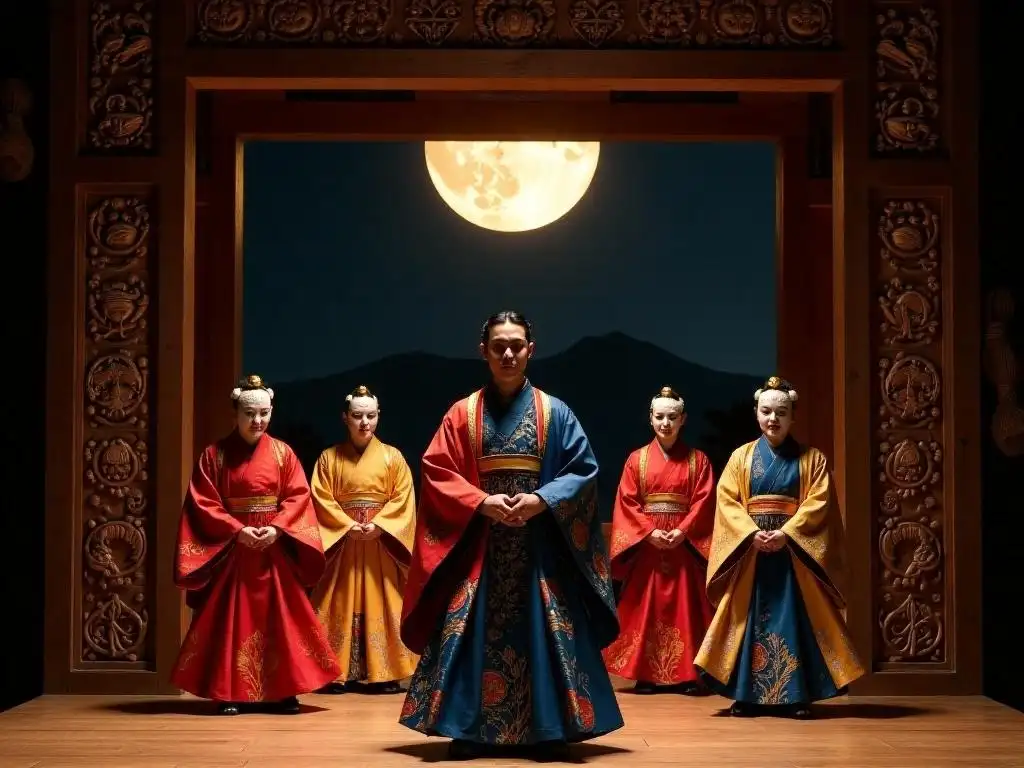
Noh theater, as one of the oldest forms of traditional Japanese performing arts, has played a pivotal role in shaping the cultural landscape of Japan. Its unique blend of music, dance, and drama, combined with a deeply spiritual context, has influenced not only the performing arts but also literature, visual arts, and even philosophical thought throughout Japanese history. The slow, deliberate movements and the poetic dialogue of Noh are reflections of Zen aesthetics, which emphasize simplicity, depth, and a connection to nature, thereby establishing a cultural framework that resonates through various aspects of Japanese life.
Moreover, Noh's impact extends beyond its immediate performance context. It has contributed to the development of various Japanese art forms, inspiring artists, playwrights, and musicians for centuries. The themes explored in Noh, such as transience, the supernatural, and the human condition, have permeated Japanese cultural expressions, leading to a rich tradition that celebrates both the ephemeral and the eternal.
Noh and Its Influence on Japanese Aesthetics
Noh theater is intrinsically linked to the aesthetics of Japan, particularly the concepts encapsulated in principles like wabi-sabi, which appreciates beauty in imperfection and transience. The minimalist staging of Noh, characterized by its simple yet symbolic props and costumes, reflects an aesthetic that values subtlety and depth over ostentation. This simplicity allows the audience to focus on the profound themes and emotional nuances conveyed through the performers' movements and vocal delivery.
Additionally, Noh has influenced various artistic movements, including Ikebana (flower arranging), traditional Japanese gardens, and even calligraphy, all of which share a reverence for nature and simplicity. The use of space in Noh performances, with its careful consideration of the stage and audience, has shaped architectural design in Japan, promoting a harmonious relationship between humans and their surroundings.
The Role of Noh in Society during the Feudal Era
During the feudal era, Noh theater served not only as a form of entertainment but also as a vehicle for social and political commentary. Nobility and samurai were the primary patrons of Noh, and performances were often held during important ceremonies and festivals, reinforcing the social hierarchy. The themes of loyalty and honor prevalent in many Noh plays mirrored the values of the samurai class, making it a unique medium for the expression of feudal ideals.
Furthermore, Noh provided a space for the exploration of human emotions and ethical dilemmas, often reflecting the societal conflicts of the time. The stories told through Noh, featuring gods, spirits, and historical figures, allowed audiences to confront deep existential questions while simultaneously reinforcing cultural narratives that shaped societal norms and values.
Preservation and Modern Adaptations of Noh
The preservation of Noh theater has become increasingly important as globalization and modernization pose challenges to traditional art forms. Various organizations and dedicated practitioners have emerged to ensure that Noh remains a living tradition, preserving its techniques, performances, and historical context for future generations. This commitment is evident in the establishment of training schools and the hosting of performances that highlight both historical pieces and contemporary adaptations of Noh.
Efforts to Preserve Noh Theater History and Traditions
Efforts to preserve Noh theater history are seen in numerous initiatives, including the designation of Noh as an Important Intangible Cultural Asset by the Japanese government. This recognition has led to increased funding and support for training programs, ensuring that the skills and knowledge of Noh masters are passed down to new generations. Various festivals dedicated to Noh are also organized, where performances showcase traditional plays, allowing audiences to experience the art form in its original context.
Moreover, the integration of Noh in educational programs, both in Japan and abroad, has fostered a greater appreciation for this ancient art. Workshops, lectures, and demonstrations serve to enlighten participants about Noh's rich history and intricate techniques, thus keeping the tradition alive in a rapidly changing world.
Contemporary Interpretations of Noh: Innovations and Challenges
As Noh theater navigates the complexities of modernity, contemporary interpretations have emerged, blending traditional elements with innovative concepts. Artists are experimenting with choreography, modern narratives, and multimedia technology to attract new audiences while retaining the core essence of Noh. This fusion has led to an evolving art form that remains relevant and engaging in today’s cultural landscape.
However, these innovations also present challenges. Traditionalists may resist changes that they believe dilute the essence of Noh, creating a tension between preservation and adaptation. Balancing respect for the art form’s heritage with the need for contemporary relevance is an ongoing dialogue within the Noh community, as practitioners strive to honor the past while embracing the future.
The Global Influence and Recognition of Noh Theater
In recent decades, Noh theater has gained international recognition, captivating audiences around the world with its unique aesthetic and profound storytelling. Performances have been staged in various countries, introducing global audiences to the intricacies of Noh. This international exposure has not only broadened the appreciation for Noh but has also inspired cross-cultural collaborations that infuse Noh with diverse artistic influences.
Additionally, Noh has been studied as an important cultural artifact in academic circles, leading to increased scholarly interest in its history, techniques, and societal implications. Conferences and publications dedicated to Noh allow for a deeper understanding of its significance within both Japanese culture and the global artistic community, highlighting its role as a bridge connecting the past with contemporary artistic expressions.
Conclusion
Noh theater, with its rich tapestry of history, culture, and artistry, stands as a unique testament to Japan's feudal era. This traditional form of performance art not only reflects the aesthetic sensibilities of its time but also serves as a vessel for the philosophical and spiritual narratives of Japanese society. As we unravel the enigmatic origins of Noh, we uncover a blend of influences, from ancient shamanistic rituals to the refinement of aristocratic tastes, illustrating how this art form evolved over centuries.
The intricate masks, the slow yet deliberate movements, and the haunting melodies of Noh are not merely elements of performance; they encapsulate profound concepts of life, death, and the passage of time. Noh theater acts as a mirror to the complexities of the human experience, offering audiences not just entertainment, but also deep reflection and connection to cultural heritage.
Summary of Noh Theater History and Its Significance
The history of Noh theater can be traced back to the 14th century, with its roots deeply embedded in earlier forms of performance such as sarugaku and dengaku. Initially associated with the lower classes, Noh gradually gained prestige and was adopted by the samurai class, particularly under the patronage of the Ashikaga shogunate.
By the late 15th century, Noh had established itself as a refined art form, characterized by its minimalist staging and the use of masks that convey complex emotions. The interplay between performers and musicians creates a unique atmosphere that allows for both introspection and communal experience.
Noh theater's significance extends beyond mere entertainment; it serves as a crucial cultural artifact, preserving historical narratives, religious beliefs, and social norms of feudal Japan. The themes explored in Noh often reflect the philosophical underpinnings of Zen Buddhism, emphasizing impermanence and the beauty of transience, which resonate deeply within the Japanese worldview.
Future Directions for Noh Theater and Its Cultural Legacy
Looking ahead, Noh theater faces both challenges and opportunities in preserving its cultural legacy. As Japan becomes increasingly modernized, there is a risk that traditional forms of art may fade into obscurity. However, Noh has also shown remarkable resilience, with efforts to engage younger audiences through innovative interpretations and collaborations with contemporary artists.
The integration of technology and multimedia elements into performances presents a new frontier for Noh. By blending traditional practices with modern sensibilities, Noh can attract a broader audience while maintaining its core values. Educational initiatives and workshops can also play a vital role in nurturing a new generation of practitioners and enthusiasts, ensuring that the art form continues to thrive.
Ultimately, the future of Noh theater will depend on its ability to adapt while staying true to its roots. By embracing both tradition and innovation, Noh can continue to serve as a vibrant expression of Japanese cultural identity, resonating with audiences both in Japan and around the world.
- Introduction to Noh Theater
- Historical Context of Noh Theater
- Noh Theater History and Origins
- Components of Noh Performance
- Noh Theater's Cultural Impact
- Preservation and Modern Adaptations of Noh
- Conclusion
Frequently Asked Questions
What is Noh theater?
Noh theater is a traditional form of Japanese drama that combines music, dance, and drama to convey poetic narratives. It dates back to the 14th century and is characterized by its stylized performances and elaborate costumes.
How did Noh theater originate?
Noh theater originated during the Muromachi period and evolved from earlier forms of entertainment, such as sarugaku. It was developed by Kan'ami and his son Zeami, who are credited with shaping its artistic principles.
What are the key elements of Noh performances?
Key elements of Noh performances include slow, deliberate movements, mask work, and the use of live music. The performers often use symbolic gestures and minimalist staging to enhance the storytelling.
How does Noh theater differ from other Japanese theater forms?
Noh is more abstract and philosophical compared to other forms like Kabuki, which is known for its vibrant costumes and dynamic action. Noh focuses on subtlety and emotional depth, often exploring themes of nature and the human condition.
Why is Noh theater significant in Japanese culture?
Noh theater is significant as it embodies the spiritual and aesthetic values of Japanese culture. It has influenced various art forms and remains a vital part of Japan's cultural heritage, celebrated for its artistic excellence and historical importance.
Final Reflection: Embracing the Timelessness of Noh Theater
The exploration of Noh theater history and origins reveals a profound connection between art and culture that remains relevant today. As we delve into the intricate layers of this traditional Japanese performance, we uncover not only its historical significance but also its enduring impact on contemporary artistic expressions. The mysteries surrounding Noh serve as a reminder that art is not merely a reflection of its time but a vessel that carries the essence of human experience across generations.
Culturally, Noh theater has shaped and enriched the landscape of performance arts, influencing countless artists and theatrical forms around the world. The delicate balance of movement, music, and storytelling in Noh continues to resonate with audiences, inviting them to reflect on the complexities of life and emotion. The essence of Noh is the essence of humanity itself, transcending time and space.
This quote encapsulates the ongoing relevance of Noh, as it encourages us to seek deeper meanings in our own lives and the world around us.
As we conclude this journey into the enigmatic origins of Noh, I invite you to reflect on how the lessons embedded in this ancient art form can inspire your own creative pursuits. Consider how you can embrace the spirit of Noh in your life—whether through artistic expression, mindfulness, or a deeper appreciation for cultural heritage. Let the mysteries of Noh theater guide you in your quest for understanding and connection, reminding us all that art is a powerful bridge that unites us across time and culture.
Unleash the Magic of Noh Theater Today!
Thank you for diving into the fascinating world of Noh Theater with us! We hope you’ve gained a deeper understanding of its enigmatic origins and the rich cultural traditions that shape this remarkable art form. Now, it's time to take your interest a step further!
Here are some exciting actions you can take right now to deepen your appreciation for Noh:
- Immerse Yourself: Attend a local Noh performance or watch a live-streamed production to experience its beauty and intricacies firsthand.
- Join the Conversation: Share your thoughts about Noh by engaging with fellow enthusiasts on our community forum or in the comments below!
- Explore Beyond: Discover other traditional Japanese art forms, such as Kabuki or Ikebana, and compare their styles and histories for a richer understanding of Japan's artistic heritage.
What aspect of Noh fascinates you the most, and how do you see it influencing modern performances? We’d love to hear your insights!