
Family and Identity: How Bloodlines Shaped Individual Roles in Society


Welcome to Feudal Japan History, where we embark on a captivating journey through the intricate tapestry of Japan’s feudal era. Here, we delve into the complex web of family and identity, exploring how bloodlines not only defined individual roles in society but also shaped the very fabric of daily life. In our featured article, "Family and Identity: How Bloodlines Shaped Individual Roles in Society," we invite you to uncover the fascinating dynamics of Japanese feudal family identity roles.
Prepare to be intrigued as we unveil the secrets of a bygone era that continue to resonate today. Join us as we explore the layers of history, culture, and social structure that make this period so compelling!
- Introduction to Japanese Feudal Family Identity Roles
- The Concept of Bloodlines in Japanese Society
- Structure of Japanese Feudal Families
- The Influence of Bloodlines on Individual Roles
- Cultural Practices Surrounding Family Identity
- The Impact of Class and Status on Family Identity
- Changes in Family Identity Roles Over Time
- Conclusion: The Legacy of Japanese Feudal Family Identity Roles
-
Frequently Asked Questions
- What were the primary roles within a Japanese feudal family?
- How did bloodlines influence social status in feudal Japan?
- What is the significance of family identity in the context of Japanese feudal society?
- How did marriage affect family roles and identity in feudal Japan?
- Can you explain the concept of patrilineality in Japanese feudal families?
- Final Reflection: The Enduring Legacy of Family and Identity in Japanese Feudal Society
- Embrace Your Heritage and Shape Your Identity
Introduction to Japanese Feudal Family Identity Roles
In the intricate tapestry of Japan's history, the feudal era stands out as a significant period that deeply influenced the societal structures and cultural norms of the time. This era, which spanned from the late 12th century to the mid-19th century, was characterized by a rigid hierarchy where family lineage and bloodlines played a pivotal role in determining one's identity and social standing.
Understanding the dynamics of Japanese feudal family identity roles is crucial to grasping how individual identities were shaped and how societal functions were organized. Families were not merely units of kinship; they were the backbone of the broader socio-political framework, influencing everything from governance to interpersonal relationships.
In this article, we will explore how the intertwining of family and identity manifested during this era, delving into historical, cultural, and societal aspects that defined the roles individuals played within their families and, consequently, society at large.
Overview of the Feudal Era in Japan
The feudal era in Japan was marked by the rise of powerful clans and samurai warriors who established a complex system of governance based on loyalty and service. Central to this system was the concept of "bushi," or warrior families, which upheld the values of honor and duty.
- Key Features of the Feudal System:
- Hierarchy: The social structure was rigidly stratified, comprising the emperor, shogun, daimyo (feudal lords), samurai, farmers, artisans, and merchants.
- Land Ownership: Land was the primary source of wealth and power, leading to an agrarian-based economy where the status of families was often linked to the amount of land they controlled.
- Family Clans: Prominent clans like the Tokugawa and Minamoto played crucial roles in shaping political landscapes and governance.
Each of these elements contributed to a society where family lineage dictated not only one’s social status but also expectations of behavior, occupation, and allegiance.
Importance of Family in Shaping Identity
Family in feudal Japan was more than just a social unit; it was a defining aspect of individual identity. The roles and responsibilities of family members were dictated by their position within the family hierarchy, which was often linked to their bloodline.
- Roles Defined by Bloodlines:
- Samurai: As members of the warrior class, they were expected to uphold the ideals of bushido, or the way of the warrior, which emphasized loyalty, honor, and martial skill.
- Women: While often relegated to subordinate roles, women played critical roles in preserving family honor and managing household affairs. Their identities were often tied to their husbands’ or fathers’ statuses, yet they also wielded influence within the domestic sphere.
- Peasants and Artisans: Their identities were shaped by their labor and contributions to the clan’s wealth. They were often viewed through the lens of their family’s standing within the feudal hierarchy.
This familial structure not only influenced personal identities but also facilitated the transmission of cultural values and traditions, creating a cohesive societal fabric that persisted throughout the feudal era. Understanding these familial roles is essential to appreciate the broader historical narrative of feudal Japan, where family identity was intricately woven into the very essence of daily life and societal function.
The Concept of Bloodlines in Japanese Society
Definition of Bloodlines in Feudal Japan
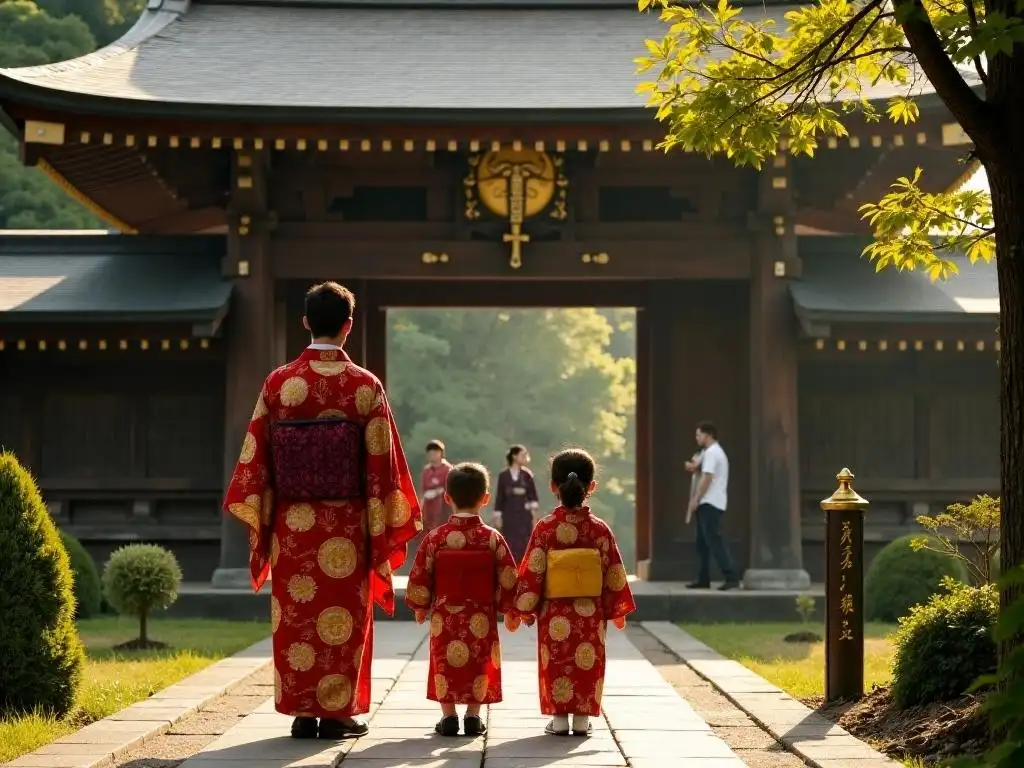
In the context of feudal Japan, bloodlines referred to the lineage and ancestry that determined an individual's social status, privileges, and responsibilities. The concept of bloodlines was deeply entrenched in the cultural and social frameworks of the time, influencing personal identity and societal roles. The Japanese feudal family identity roles were shaped by the perception of lineage, where families were often categorized into distinct class structures, such as the samurai, farmers, artisans, and merchants.
Bloodlines were not merely a means of tracing ancestry; they also embodied cultural values and expectations. The notion of "ie" (家), or the family unit, was fundamental. It extended beyond the nuclear family to encompass all descendants and ancestors, creating a sense of continuity and duty. This collective identity imposed obligations on individuals to uphold the family's honor and maintain its status.
Furthermore, bloodlines were often reinforced through marriage alliances, which were strategic in nature, aimed at consolidating power and resources among elite families. The samurai class, in particular, placed immense emphasis on preserving noble bloodlines, as this was integral to maintaining their status and influence within the feudal hierarchy.
Historical Significance of Family Lineages
The historical significance of family lineages in feudal Japan cannot be overstated. Family lineage served as a cornerstone of the social order, dictating not only individual roles but also the dynamics of political power and economic control.
- Political Power: Many of Japan's ruling clans, such as the Minamoto and Taira, were built upon strong family lineages. Their bloodlines established legitimacy and authority, enabling them to wield power over territories and vassals. The shogunate system was intricately linked to these family legacies, where specific families would alternate in governance, maintaining a balance of power.
- Cultural Heritage: Family lineages were custodians of cultural heritage, preserving traditions, values, and practices across generations. The transmission of knowledge, particularly in martial arts, arts, and literature, was often confined to family lines, ensuring that specific skills and cultural identifiers remained intact.
- Economic Roles: The roles assigned to individuals were closely tied to their family backgrounds. For instance, farmers typically remained in agriculture, artisans contributed to crafts, and merchants engaged in trade, all influenced by their familial lineage. This system not only reinforced social stability but also dictated economic functions within the feudal economy.
- Social Hierarchy: The rigid social hierarchy of feudal Japan was fundamentally maintained through bloodlines. The four classes—warriors (samurai), farmers, artisans, and merchants—were hierarchical, with samurai positioned at the top due to their noble bloodlines. This classification dictated individual rights, responsibilities, and even personal ambitions.
Bloodlines in feudal Japan were not just a matter of heritage but were pivotal in shaping the trajectories of individual lives and the collective identity of families. The intricate relationship between Japanese feudal family identity roles and lineage highlights the profound impact of ancestry on societal structures during this era.
Structure of Japanese Feudal Families
The structure of Japanese feudal families was deeply intertwined with the broader societal hierarchy of the era. Families were not merely social units; they were the foundation of feudal loyalty and governance. The organization of these families often reflected the political and economic systems in place, with bloodlines playing a critical role in defining individual identities and responsibilities.
Hierarchical Organization of Family Units
At the core of the Japanese feudal family structure was a strict hierarchy that mirrored the larger societal framework. Families could be classified into several categories based on their status, wealth, and political power:
- Samurai Families:
- The samurai class, as the ruling elite, held the highest status within the feudal family structure. Their lineage often determined their position, with many samurai families tracing their ancestry back to noble clans.
- Head of the Family (Daimyo): The leader typically had the most power and responsibility, overseeing land and vassals. The daimyo's position was hereditary, ensuring the continuity of family legacy.
- Vassals and Retainers: Below the daimyo were vassals who pledged loyalty in exchange for land and protection, further reinforcing the hierarchical nature of relationships.
- Peasant Families:
- Peasants formed the backbone of the economy and were essential for agricultural production. Their social status was considerably lower than that of samurai but was organized into a similar hierarchical structure.
- Head of Household: The eldest male usually managed the family’s agricultural output and was responsible for its welfare.
- Family Laborers: Each family member, including women and children, contributed to farming and household maintenance, reflecting a communal effort toward survival.
- Craftsmen and Merchants:
- Craftsmen and merchants, although lower in the social hierarchy than samurai and peasants, still played vital roles in the economy.
- Artisans: Skilled craftsmen often operated within family-run businesses, passing down their trade through generations.
- Merchants: Families engaged in trade developed networks that influenced local economies, despite facing societal restrictions on their status.
The hierarchical organization of these family units was not only a matter of status but also deeply influenced cultural practices, land ownership, and political alliances.
Roles of Different Family Members in Society
Within the context of these structured families, each member had defined roles that contributed to the overall function and stability of the household and society at large.
- Patriarchal Authority:
- The male head of the family wielded significant authority, making key decisions related to family matters, land management, and social obligations.
- This authority was often reinforced by a code of honor that emphasized duty and loyalty to both family and lord.
- Women’s Roles:
- Women's roles varied significantly between classes. In samurai families, women were often tasked with managing household affairs and maintaining family honor, while also being educated in the arts and literature.
- For peasant families, women contributed significantly to agricultural labor and child-rearing, often working alongside men in the fields.
- Children’s Responsibilities:
- Children were viewed as extensions of their parents' identities, and their upbringing was closely tied to family honor. Sons were prepared for roles within the family and society, often learning the family trade or samurai skills.
- Daughters were typically groomed for marriage, with their futures often linked to strategic alliances that could enhance familial status.
- Elders and Ancestors:
- Elders held a revered position within families, often acting as advisors and caretakers of family history. Ancestor worship was integral, as families sought to honor their lineage and maintain connections with past generations.
The roles within Japanese feudal families were distinctly shaped by bloodlines and societal expectations, dictating everything from individual responsibilities to the family's reputation within the community. Understanding these roles provides insight into the broader dynamics of Japanese feudal society and the enduring impact of family identity on individual lives.
The Influence of Bloodlines on Individual Roles
In feudal Japan, the concept of family heritage was paramount in determining an individual's social status and identity. Bloodlines not only defined who you were but also outlined the roles and responsibilities expected of you within society. The samurai, the ruling class, were particularly influenced by their lineage, as the honor and prestige associated with one's family name could dictate one's opportunities in life.
- Hierarchical Structure:
- At the top of the social hierarchy were the emperor and the imperial family, whose lineage was believed to be divinely ordained.
- Beneath them, the shogunates were led by powerful families like the Minamoto and Taira, whose military prowess and political acumen shaped much of Japan's history.
- The daimyō, or feudal lords, were often from established families with long histories of landownership and governance, reinforcing the notion that one's family heritage directly influenced territorial control and political power.
- Role of Clans:
- Clans such as the Fujiwara and Tachibana wielded significant influence, not only through military might but also through strategic marriages, which served to consolidate power and wealth.
- This practice of marital alliances further emphasized the importance of bloodlines, as families sought to enhance their status by aligning with other prestigious clans.
- Caste and Occupations:
- The caste system in Japan was rigid, with the samurai at the top, followed by farmers, artisans, and merchants.
- An individual's role in society was largely predetermined by their family background. For instance, a farmer's son was expected to continue in agriculture, while a samurai's son was groomed for military service and governance.
Case Studies of Prominent Families and Their Roles
Examining specific families within the context of feudal Japan offers deeper insight into how family identity shaped societal roles and responsibilities.
- The Tokugawa Family:
- The Tokugawa clan, known for establishing the Edo period, exemplifies how bloodlines could sustain power over generations.
- Tokugawa Ieyasu, the clan's founder, unified Japan and set up a government that prioritized stability. His descendants maintained control through strategic marriages and alliances, thus ensuring their continued dominance.
- The Minamoto Clan:
- The Minamoto clan played a crucial role in the late Heian period and the establishment of the shogunate.
- Their military achievements, particularly during the Genpei War, showcased how military prowess could elevate a family’s status. The Minamoto’s legacy continued as they produced influential leaders who shaped the political landscape of Japan.
- The Fujiwara Clan:
- The Fujiwara family leveraged their connections to the imperial court through marriage, becoming regents for the emperor while maintaining their status as a powerful family.
- Their ability to control the court allowed them to exert significant influence despite their not holding military power directly.
The intricate ties between bloodlines and individual roles in Japanese feudal society cannot be overstated. Family heritage determined not only social status but also the expectations and responsibilities that accompanied it. By exploring prominent families, we gain a clearer understanding of how deeply embedded these familial identities were in shaping the fabric of feudal Japan.
Cultural Practices Surrounding Family Identity
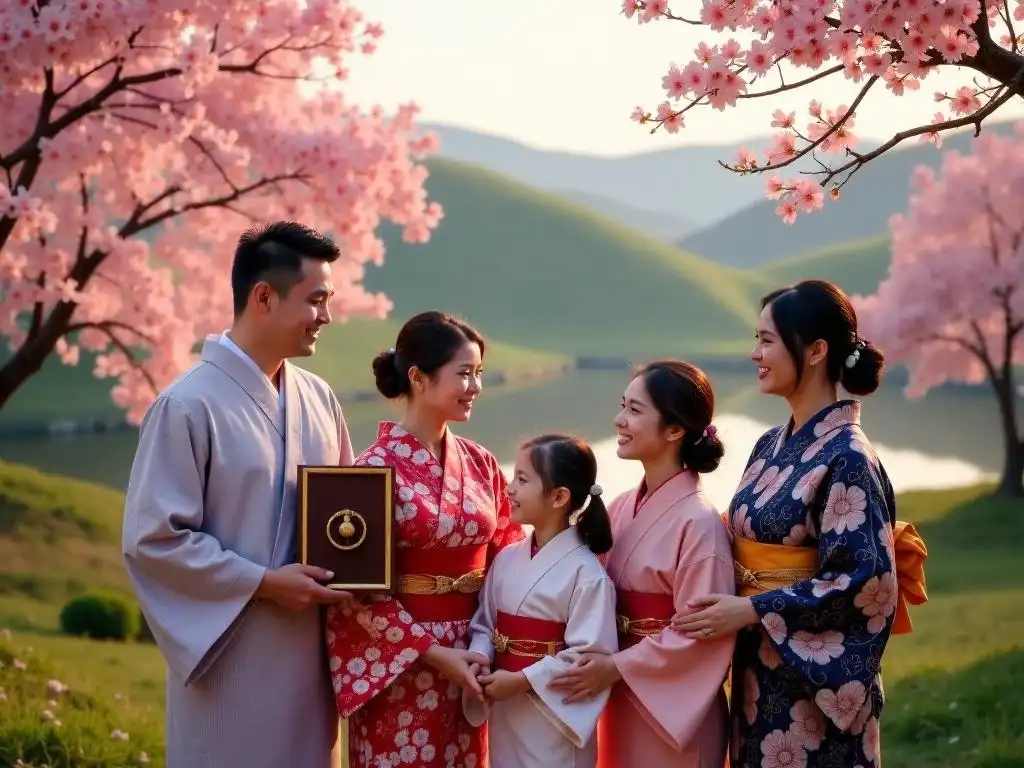
In feudal Japan, cultural practices surrounding family identity were deeply intertwined with societal norms and expectations. These practices were pivotal in defining individual roles within the family, which in turn influenced broader social hierarchies. The concept of bloodlines was not merely a matter of ancestry; it dictated one's status, responsibilities, and even personal aspirations.
Rituals and Traditions Influencing Family Roles
Rituals and traditions played a crucial role in establishing and reinforcing family identity among the Japanese nobility and commoners alike. These practices often revolved around significant life events, marking transitions that highlighted one's familial obligations and social standing.
- Coming-of-Age Ceremonies: Known as Seijin Shiki, these ceremonies were vital for young adults, particularly males, as they transitioned from childhood to adulthood. This event emphasized the importance of one's family and bloodline, as individuals were expected to uphold family honor and contribute to its legacy.
- Funerary Rites: Death rituals were significant in feudal Japan, reflecting the family's status and its ancestral connections. The Shinto and Buddhist practices surrounding death not only honored the deceased but also reinforced the living members' roles in maintaining the family lineage. Elaborate funerals were a display of wealth and influence, often dictated by one's position within the hierarchical structure.
- Seasonal Festivals: Festivals such as Obon served not only as a time for celebration but also as an opportunity for families to gather and pay respects to their ancestors. These gatherings reinforced familial bonds and duties, reminding individuals of their roles within the family and society at large.
Through such rituals, families instilled a sense of identity and belonging, ensuring that each member understood their place within the intricate web of relationships that defined feudal Japanese society.
The Role of Marriage in Strengthening Bloodlines
Marriage in feudal Japan was not merely a personal choice but a strategic alliance that served to strengthen bloodlines and consolidate power. The institution of marriage was closely tied to family identity, as it influenced social status, inheritance, and the continuation of lineage.
- Arranged Marriages: Most marriages were arranged by families to ensure compatibility in social status and economic benefit. These unions were often seen as transactions that secured alliances between clans, further intertwining family identities. For instance, a marriage between two samurai families could enhance their status and military strength, while marriages among the peasantry often aimed to combine resources and labor.
- Role of Women: Women's roles in marriage were primarily defined by their ability to bear children, especially male heirs. The pressure to produce heirs placed women in a position where their value was often measured by their fertility and the continuity of the family line. This dynamic reinforced traditional gender roles within the family, where men were typically seen as the heads of households, while women managed domestic affairs.
- Inheritance Practices: The choice of heirs was also influenced by marriage. In many cases, the firstborn son was the primary heir, ensuring the family's legacy continued. However, in some instances, families might adopt a son-in-law or a less direct heir if they believed it would strengthen their bloodline or preserve their family name.
The intertwining of marriage and family identity roles created a complex social fabric that defined individual lives and the collective history of families during the feudal era. Understanding these dynamics provides critical insight into the societal structures that shaped Japan's history.
The Impact of Class and Status on Family Identity
The Samurai Class and Its Unique Family Dynamics
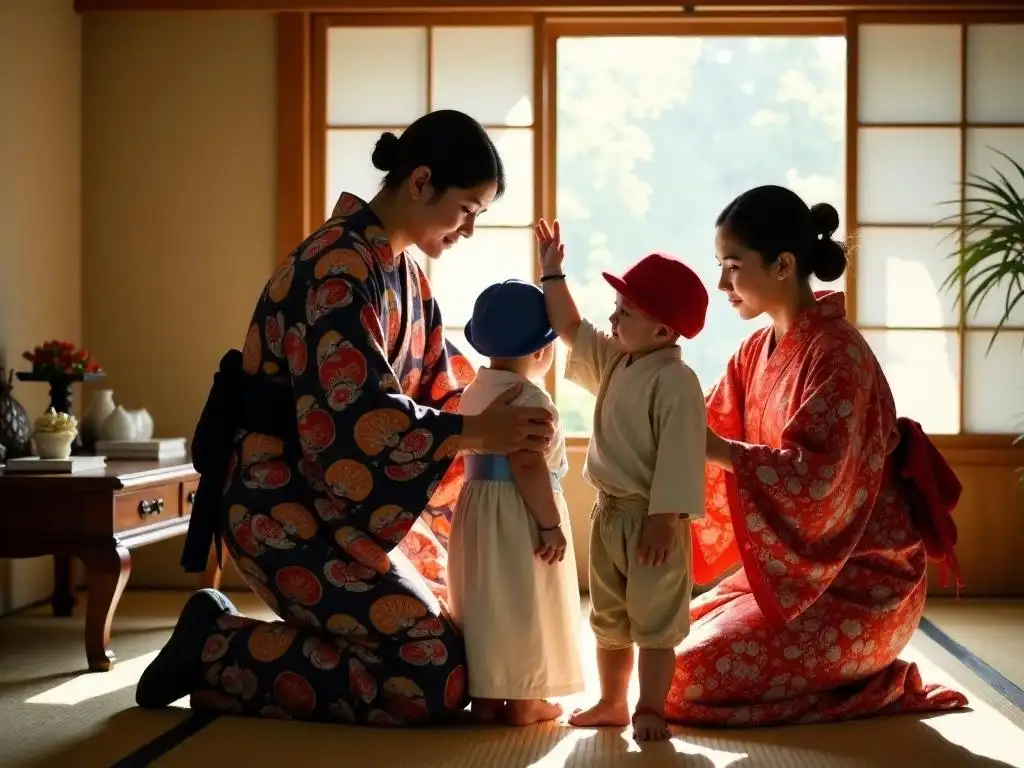
The Samurai class, known as the warrior elite of feudal Japan, had a profound influence on family identity and roles within society. Their status was not merely defined by their martial prowess but also by a strict adherence to a code of conduct known as bushido, which emphasized loyalty, honor, and discipline. This code shaped familial relationships and expectations, creating a unique dynamic that was distinct from other social classes.
1. Hierarchical Structure within Samurai Families
Samurai families operated under a rigid hierarchical structure, where the head of the family, typically the eldest male, wielded significant authority. This patriarchal dominance was crucial in maintaining the family's honor and status. Sons were groomed from a young age to inherit their father's responsibilities, including military training and adherence to bushido. The roles within these families were clearly defined:
- Eldest Son: Expected to carry on the family name and legacy, often receiving the most attention and resources.
- Younger Sons: Frequently sought careers as priests, scholars, or in service to other samurai families, as they could not inherit the family estate.
- Daughters: Their primary role was to strengthen family ties through marriage, often arranged to forge alliances with other powerful clans.
2. Family as a Reflection of Status
The identity of a samurai family was intrinsically tied to its status and lineage. Family heritage was a source of pride and a determining factor in social mobility. The more prestigious the lineage, the greater the expectations placed on family members to uphold their reputation. This connection to ancestry was often celebrated through rituals and ceremonies, reinforcing the idea that family identity was a collective responsibility.
In the world of the samurai, the family's honor was paramount, transcending individual desires and ambitions.
Comparison with Peasant and Merchant Family Structures
In stark contrast to the samurai, peasant and merchant families in feudal Japan exhibited different structures and roles influenced largely by their socioeconomic status. Understanding these differences provides a deeper insight into the overall family identity during this period.
1. Peasant Families
Peasant families formed the backbone of agricultural society. Their roles were dictated by the need for labor and productivity.
- Collective Effort: All family members contributed to farming and household duties, with an emphasis on communal survival.
- Flexible Roles: Unlike the rigid hierarchy of samurai families, peasant families often had more fluid roles. Women frequently worked alongside men in the fields, and children contributed as soon as they were able.
- Community Ties: Peasant identity was closely linked to the village, emphasizing collective identity over individual status.
2. Merchant Families
Merchant families occupied a unique space in feudal Japan, often seen as lower in status than samurai but essential to the economy.
- Economic Focus: The primary role of merchant families was to engage in trade and commerce, leading to different values around wealth and prosperity.
- Less Rigid Roles: Merchant family structures could be more egalitarian, with wives often having significant influence in business decisions and family affairs.
- Social Mobility: Successful merchants could gain wealth and influence, challenging the traditional samurai hierarchy. This led to an evolving identity where family reputation could transform based on economic success.
| Family Type | Hierarchy | Roles | Community Ties |
|---|---|---|---|
| Samurai | Rigid, patriarchal | Defined by birth order | Focused on lineage |
| Peasant | Flexible, communal | Collective labor | Strong village bonds |
| Merchant | Variable, entrepreneurial | Business-focused, egalitarian | Alliances for trade |
The perception of family identity roles in Japanese feudal society was deeply influenced by class and status. While samurai families adhered to strict hierarchies and codes of conduct, peasant and merchant families emphasized communal effort and economic activity, respectively. Each family structure contributed to the broader tapestry of Japanese feudal identity, showcasing the diverse ways in which bloodlines shaped individual roles within society.
Changes in Family Identity Roles Over Time
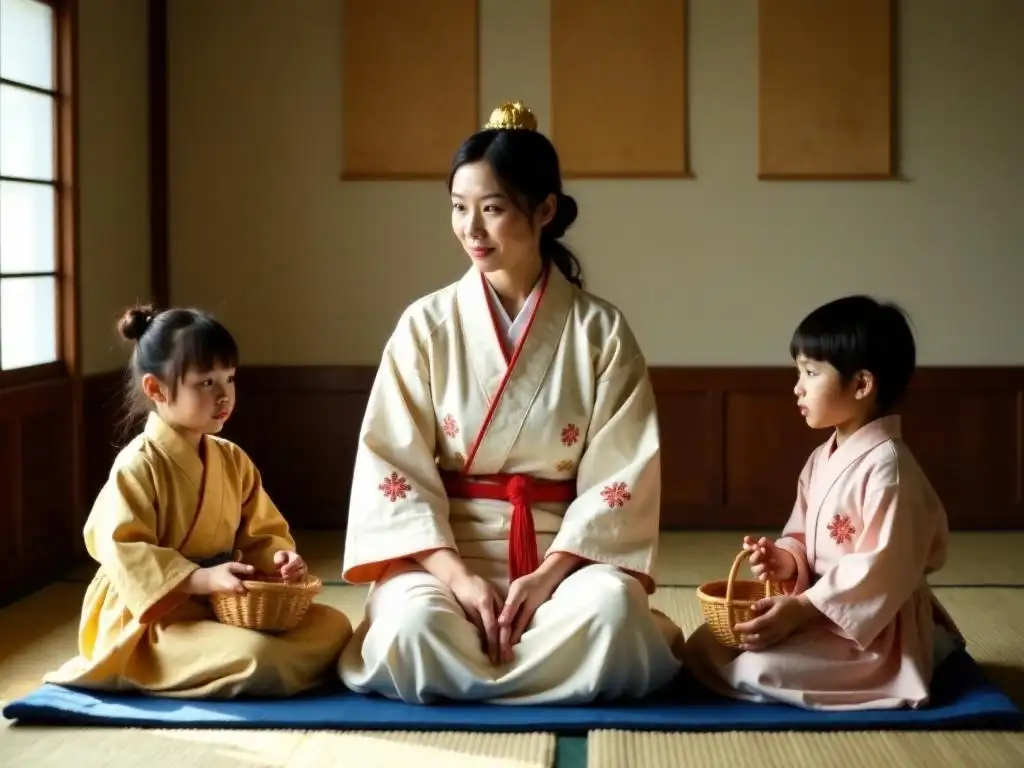
Transition from Feudalism to Modern Japan
The transition from feudalism to modern Japan marked a significant shift in the roles and identities within Japanese families. During the feudal era, particularly from the 12th to the 19th centuries, family identity was deeply intertwined with social status, lineage, and the rigid class system that defined society. The samurai class, for instance, held a distinct position not only due to their military prowess but also because of their noble bloodlines. Family identity was paramount; the concept of "ie" (家), which refers to the household or family unit, dictated that individual roles were often predetermined by one’s ancestry.
As Japan entered the Meiji Restoration in 1868, the feudal system began to dismantle, leading to profound changes in family identity roles. The newly established government sought to modernize Japan, adopting Western practices and ideologies. This included the abolition of the rigid class structures that had defined family roles for centuries. Citizens were encouraged to adopt a sense of national identity rather than one strictly tied to their family lineage.
- Key Changes:
- Abolition of the samurai class privileges.
- Introduction of universal education, allowing individuals to pursue roles based on merit rather than bloodline.
- Emergence of the nuclear family as a dominant structure over the extended family system.
This transition was not merely structural; it also affected cultural perceptions of family identity. The strong emphasis on loyalty and duty to one’s family began to evolve into a focus on personal achievement and individual rights, reshaping the identity roles within families across Japan.
Lasting Effects of Bloodlines on Contemporary Society
Even in contemporary Japan, the historical significance of bloodlines continues to influence family identity roles. While the rigid structures of the feudal era have largely dissipated, the legacy of family lineage remains relevant in various aspects of society.
- Social Prestige and Marital Choices:
- Many families still consider bloodlines when arranging marriages, favoring unions that uphold or enhance social prestige. This practice can be seen in the preference for marrying within certain social circles or families with notable heritage.
- Professional Opportunities:
- Although Japan has made strides towards egalitarianism, familial connections can significantly impact career advancement. Companies often value recommendations from influential families, perpetuating a cycle where bloodline plays a role in professional success.
- Cultural Heritage and Identity:
- The preservation of cultural practices and traditions often falls within the domain of family identity. Many families continue to uphold practices that reflect their lineage, contributing to a sense of belonging and identity within the broader Japanese society.
- Educational Choices:
- Access to prestigious educational institutions is sometimes influenced by family background. Notably, families with a history of academic success may encourage their children to follow similar paths, reinforcing the importance of lineage in educational pursuits.
While Japanese society has transformed significantly since the feudal era, the effects of bloodlines on family identity roles remain evident. Understanding this interplay offers valuable insights into the contemporary social fabric of Japan, highlighting how historical legacies continue to shape individual roles within families today.
Conclusion: The Legacy of Japanese Feudal Family Identity Roles
The intricate tapestry of family identity roles during Japan's feudal era is woven with threads of duty, honor, and lineage. Understanding this legacy allows us to appreciate not only the historical context of Japanese society but also the ongoing influence of these familial structures in contemporary Japan. Family was not merely a unit of kinship but a critical component in defining one’s role within the broader societal framework. The concept of ie (家), or the household, was paramount, representing not just a family but the continuation of its lineage and values.
Reflection on the Importance of Family in Shaping Identity
During the feudal period, the identity of individuals was inextricably linked to their family lineage. This connection was emphasized through various practices and societal norms, which dictated everything from marriage arrangements to career paths. Samurai families, for example, were expected to uphold their family honor through loyalty and bravery, while peasant families focused on agrarian duties, sustaining their lineage through labor and tradition.
The role of family extended beyond personal identity; it served as a social glue, binding communities together. Family obligations often took precedence over individual desires, reinforcing a collective identity that was crucial during times of strife. The impact of this familial emphasis is evident in the concept of giri (義理), or social obligation, which continues to influence Japanese interpersonal relationships today.
Furthermore, family identity roles were often dictated by gender norms as well. Men were typically seen as the heads of the household, responsible for its honor and prosperity, while women were tasked with maintaining the household and nurturing the next generation. This division of roles created a robust structure that ensured the survival of family legacies, albeit at the cost of individual aspirations.
Final Thoughts on Historical Impact on Modern Japan
The historical significance of family identity roles in feudal Japan extends far beyond its time, casting long shadows over modern Japanese society. The principles of loyalty, honor, and duty that were ingrained in feudal family structures can still be observed in contemporary Japanese values and behaviors.
For instance, the strong emphasis on familial loyalty persists in modern corporate culture, where lifetime employment and dedication to the company can be seen as extensions of these feudal ideals. Additionally, the importance placed on family gatherings and ancestral reverence reflects the enduring influence of the ie system.
As Japan continues to navigate modernization and globalization, the foundational concepts of family identity roles from the feudal era remain relevant. They serve as a reminder of the deep-seated cultural values that shape personal and collective identities in Japan today. In understanding the legacy of these feudal family structures, we gain insight into the complexities of Japanese society and the nuances that define its character.
Frequently Asked Questions
What were the primary roles within a Japanese feudal family?
Japanese feudal families were typically structured with distinct roles. The head of the family, often a samurai, held authority, while other members contributed through agriculture, craftsmanship, or administrative tasks.
In feudal Japan, bloodlines were crucial for determining social status. Families of nobility enjoyed privileges and land ownership, while lower-status families were often bound to servitude or peasantry.
What is the significance of family identity in the context of Japanese feudal society?
Family identity in Japanese feudal society was essential for maintaining loyalty, honor, and tradition. It defined an individual’s role and responsibilities within the larger community, emphasizing the importance of collective over individual identity.
How did marriage affect family roles and identity in feudal Japan?
Marriage was a strategic tool that strengthened alliances between families and often determined the roles of individuals within their new family structure. It played a vital role in enhancing social standing and preserving bloodlines.
Can you explain the concept of patrilineality in Japanese feudal families?
Patrilineality in feudal Japan meant that inheritance and family identity were passed down through the male line. This system reinforced the importance of male heirs and often marginalized the roles of women in family succession.
Final Reflection: The Enduring Legacy of Family and Identity in Japanese Feudal Society
The intricate relationship between family and identity remains profoundly relevant today, as we navigate the complexities of our own societal roles. The exploration of how bloodlines shaped individual roles in Japanese feudal society reveals not only the historical significance of family ties but also their ongoing impact on contemporary identity formation. In a world where personal and collective identities are continuously evolving, understanding these historical frameworks can illuminate the paths we tread in our own lives.
Culture and identity are inextricably linked, and the legacy of Japanese feudal family roles continues to resonate in modern society. The rigid structures of the past have transformed, yet the essence of familial influence persists, shaping our values, beliefs, and social interactions. As we reflect on this, we can recall the words of the renowned Japanese philosopher, Daisaku Ikeda: The family is the cradle of life and love, where we learn the values that shape our society.
This sentiment underscores the importance of family in nurturing our identities and guiding our roles within the community.
As we conclude this exploration, I invite you to reflect on your own family history and the ways it has influenced your identity. Consider how the lessons learned from your ancestors can guide you in your personal journey. Embrace the opportunity to honor your heritage while forging your own path, recognizing that each of us carries the weight of our bloodlines and the potential to redefine our roles in society. Let us move forward with the understanding that our identities are not only shaped by our families but also by the choices we make in the present.
Embrace Your Heritage and Shape Your Identity
Thank you for exploring the intricate connections between family, ancestry, and identity in Feudal Japan! Your interest in understanding these themes highlights the significance of heritage in shaping our roles within society. Now, let’s harness this knowledge to empower your journey of personal discovery.
Here are some actionable steps you can take right now:
- Reflect on Your Own Ancestry: Take time to investigate your family history and consider how it influences your identity today. Use online resources, family records, or even interviews with relatives to gain deeper insights.
- Engage in Community Discussions: Join groups or forums focused on cultural heritage. Sharing your experiences and learning from others can enrich your understanding of identity within a communal context.
- Explore Historical Contexts: Dive deeper into how lineage shaped individual roles across various cultures. Visit a local historical society or library to uncover more stories from the past.
How do you believe your ancestry influences who you are today? Join the conversation below!