
The Aftermath of Isolation: Japan's Reopening to the World in the 19th Century

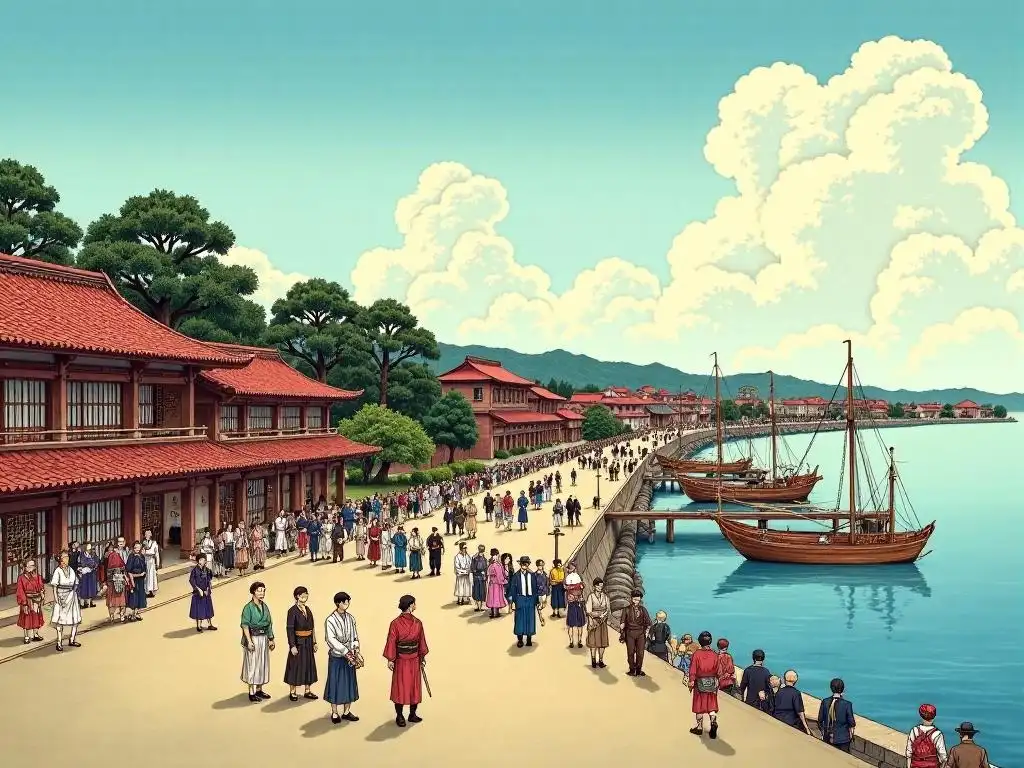
Welcome to Feudal Japan History, where we invite you to journey through the captivating tapestry of Japan’s feudal era. In our featured article, “The Aftermath of Isolation: Japan's Reopening to the World in the 19th Century,” we delve into the pivotal moment when a nation emerged from centuries of seclusion to embrace foreign relations and cultural exchange. What drove this monumental shift, and how did it reshape Japan’s place in the world? Prepare to uncover the intricate details and profound implications of this transformative period that continues to resonate today. Your exploration begins here!
Japan's journey from isolation to engagement with the global community in the 19th century is a pivotal chapter in its history. This transformation not only altered the course of Japanese society, culture, and politics but also reshaped international relations in East Asia. The period of isolation, known as Sakoku, which lasted for over two centuries, was characterized by stringent policies that limited foreign contact and trade.
However, by the mid-19th century, various domestic and international pressures prompted a significant shift, ultimately leading to Japan's reopening to the world. This article delves into the complexities surrounding Japan's isolationist policies, the factors that influenced its eventual re-engagement, and the profound implications of this reopening for Japan and beyond.
Introduction to Japan's Isolationist Policies
Overview of Japan's Isolationist Era
Japan's isolationist era began in the early 17th century, primarily under the Tokugawa shogunate, which sought to eliminate foreign influence and maintain political stability. The Sakoku policy effectively barred Japanese citizens from traveling abroad and limited foreign merchants to specific ports, most notably Nagasaki. This period was marked by a unique blend of cultural flourishing and strict control, as Japan developed its own distinct identity while remaining largely cut off from the rest of the world.
- Key features of the Sakoku policy included:
- Limited foreign trade: Only Dutch and Chinese traders were allowed in Nagasaki.
- Cultural preservation: A focus on maintaining traditional Japanese values and customs.
- Suppression of Christianity: Persecution of Christians and banning of foreign missionaries.
Significance of Isolation in Japanese History
The significance of Japan's isolationist policies lies in their impact on the country's socio-political landscape. While some argue that isolation fostered a sense of unity and cultural development, others contend that it stunted technological and economic growth. The rigid structure of the Tokugawa shogunate created a stable environment but also laid the groundwork for eventual upheaval as the world outside Japan began to change rapidly.
- Cultural impacts:
- Preservation of traditional arts, such as ukiyo-e and kabuki.
- Development of unique philosophies, such as Confucianism and Zen Buddhism.
- Political impacts:
- Strengthened the feudal system and samurai class.
- Created tensions that would later contribute to the Meiji Restoration.
The Context Leading to Reopening
Domestic Factors Influencing Change
By the mid-19th century, several domestic factors began to challenge the status quo. Economic difficulties, discontent among the samurai and peasantry, and the rise of nationalist sentiments contributed to a growing call for reform. The inadequacies of the Tokugawa system became increasingly apparent as both societal needs and ambitions evolved, demanding a reevaluation of Japan's stance towards the outside world.
- Economic challenges included:
- Famine and poverty leading to peasant uprisings.
- Decline of the merchant class and rise of new industries.
Global Pressures and International Relations
As Japan remained isolated, Western powers were expanding their influence in Asia, seeking new markets and resources. The arrival of American Commodore Matthew Perry in 1853 marked a critical turning point, as his "Black Ships" forced Japan to confront the reality of international relations. This encounter underscored the urgency for Japan to reassess its isolationist policies and adapt to the changing global landscape.
- Notable global pressures included:
- The Opium Wars in China, demonstrating Western military power.
- The growing demand for trade in Asia, prompting Western nations to seek access to Japanese markets.
The Role of Western Powers in Japan's Reopening
Western powers played a crucial role in Japan's reopening by leveraging their military and economic strength. The Treaty of Kanagawa, signed in 1854, marked the end of Japan's isolation, establishing a precedent for future treaties that would further integrate Japan into the global economy. This new relationship with Western nations not only facilitated trade but also introduced foreign ideas, technologies, and cultural exchanges that would ultimately transform Japanese society.
- Key developments included:
- The establishment of diplomatic relations with various Western nations.
- The introduction of Western technology and education systems, paving the way for modernization.
These factors collectively set the stage for Japan's dramatic transformation in the latter half of the 19th century, leading to a rapid modernization that would redefine its place in the world.
Key Events in Japan's Reopening Process
Japan's reopening to the world in the 19th century was marked by a series of critical events that shifted the nation's trajectory from isolation to engagement with global powers. This process began in earnest during the mid-1800s and was characterized by diplomatic negotiations, military confrontations, and significant societal changes. Understanding these key events provides insight into how Japan navigated its transition from a closed society to one that embraced modernization and international relations.
Commodore Perry's Expedition and the Treaty of Kanagawa
In 1853, Commodore Matthew Perry of the United States led a naval expedition to Japan, aiming to establish trade relations. His arrival, backed by a display of military power, marked a pivotal moment in Japanese history. Perry's expedition culminated in the Treaty of Kanagawa in 1854, which opened two Japanese ports, Shimoda and Hakodate, to American vessels. This treaty effectively ended Japan's 220-year-old policy of national seclusion, known as Sakoku.
The Treaty of Kanagawa set a precedent for foreign intervention in Japan and was a significant turning point. It not only signified Japan's forced opening to the West but also highlighted the technological and military disparities between Japan and Western nations. The treaty also led to increased pressure from other countries, each seeking similar concessions, which would shape Japan’s foreign policy for years to come.
The Unequal Treaties and Their Impact on Japan
Following the Treaty of Kanagawa, Japan was compelled to sign a series of "unequal treaties" with Western powers, including the United Kingdom, France, and Russia. These treaties often included extraterritorial rights for foreign nationals, which meant that foreign citizens were subject to their own laws rather than Japanese law, significantly undermining Japanese sovereignty.
The impact of these unequal treaties was profound. They not only fueled national resentment against foreign intervention but also sparked a desire for reform within Japan. Many Japanese viewed these agreements as humiliating, leading to a growing movement that sought to modernize the country to resist foreign dominance. This period of unrest ultimately laid the groundwork for the political and social upheaval that characterized the late 19th century.
The Boshin War and Its Influence on Foreign Relations
The Boshin War (1868-1869) was a civil conflict between the ruling Tokugawa shogunate and those seeking to return political power to the emperor. This conflict was partly fueled by dissatisfaction with the government's inability to effectively respond to the challenges posed by foreign powers. The war ultimately resulted in the collapse of the Tokugawa shogunate and the restoration of imperial rule under Emperor Meiji.
The outcome of the Boshin War had significant implications for Japan's foreign relations. The new Meiji government was determined to renegotiate the unequal treaties and assert Japan's sovereignty. They recognized that in order to be taken seriously on the global stage, Japan needed to modernize its military and economy. This commitment to reform and modernization would allow Japan to emerge as a formidable power in the Asia-Pacific region.
Cultural and Societal Changes Post-Reopening
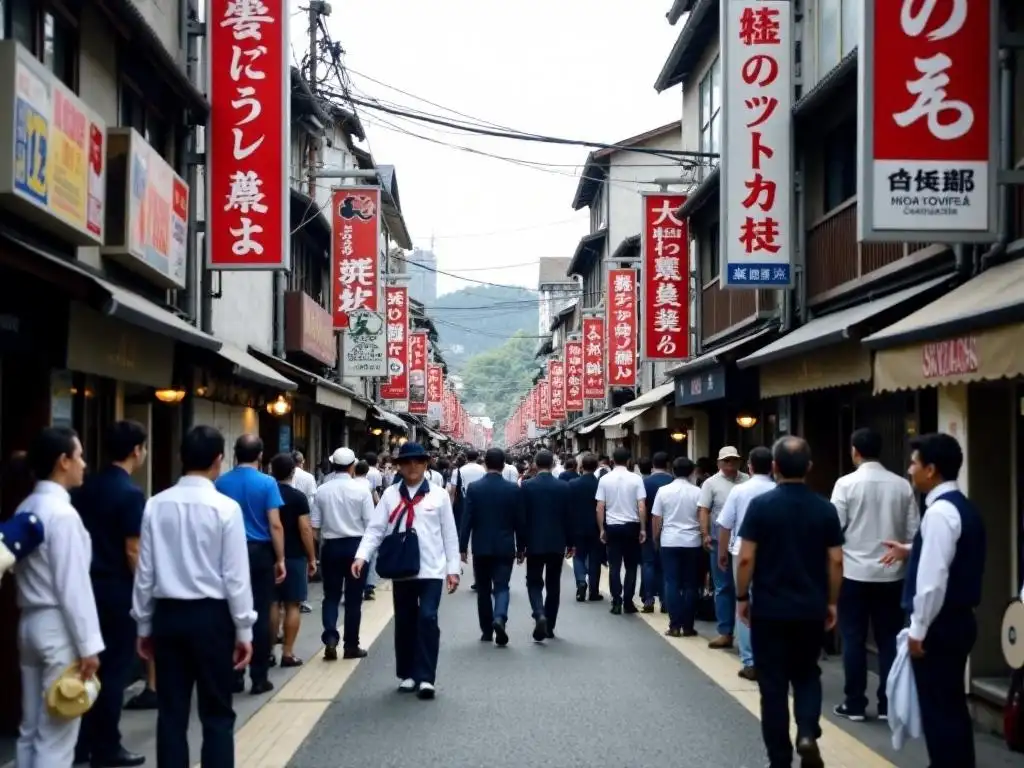
The reopening of Japan had a profound impact on its culture and society. As the nation began to engage with Western countries, various aspects of Japanese life underwent significant transformations. These changes were not only influenced by foreign interactions but also by the internal desire for progress and modernization.
The Influence of Western Culture on Japanese Society
Western culture began to permeate Japanese society in various forms, including fashion, cuisine, and art. The adoption of Western clothing, particularly among urban populations, symbolized the blending of cultures and a move towards modernization. Traditional Japanese aesthetics were challenged as Western artistic movements influenced local artists, leading to the creation of new art forms that incorporated both Western and Japanese elements.
Moreover, Western ideas about individualism and democracy began to take root in Japan, prompting discussions about governance and social organization. This cultural exchange facilitated a broader understanding of global practices, ultimately enriching Japanese society while also challenging its traditional norms.
Reforms in Education and Technology
The Meiji Restoration prompted sweeping reforms in education and technology aimed at transforming Japan into a modern nation-state. The government established a national education system modeled after Western standards, emphasizing science, mathematics, and foreign languages. This focus on education aimed to create a skilled workforce capable of competing on the international stage.
Technological advancements also played a crucial role in Japan's modernization. The importation of Western technology in industries such as textiles, railways, and telecommunication helped propel Japan into the industrial age. The establishment of factories and infrastructure projects reflected the government's commitment to economic development and positioned Japan as an emerging power in the global economy.
The Transformation of Japanese Governance
The transition from a feudal system under the Tokugawa shogunate to a centralized form of governance was one of the most significant changes following Japan's reopening. The Meiji government implemented a series of political reforms that established a constitutional monarchy, drawing inspiration from Western political systems.
This transformation involved the establishment of a parliament (the Diet) and the adoption of a constitution in 1889, which marked Japan's first attempt at a democratic framework. While the emperor retained significant power, the new political structure allowed for greater public participation in governance. These reforms not only modernized Japan's political landscape but also fostered a sense of national identity and unity among its citizens.
The aftermath of Japan's reopening in the 19th century was characterized by key events that reshaped its foreign relations, culture, and governance. The interactions with the West prompted significant changes that laid the foundation for Japan's emergence as a major global power in the 20th century.
Economic Implications of Japan's Reopening in the 19th Century
The reopening of Japan to the world in the 19th century marked a significant turning point in its economic landscape. This transformation was not merely a shift in policy but a comprehensive reformation that affected various sectors, trade practices, and societal structures. With the arrival of Western powers and the subsequent treaties, Japan began to engage in international trade, paving the way for profound economic implications that would shape its future.
Changes in Trade Practices and New Markets
Prior to its reopening, Japan operated under strict isolationist policies, effectively limiting foreign trade and contact. However, with the signing of the Treaty of Kanagawa in 1854, Japan began to establish trade relations with the United States and other Western nations. This treaty marked the end of Japan's self-imposed isolation and opened ports like Yokohama to foreign merchants.
Consequently, Japan experienced a surge in trade practices, adopting Western methods and standards. For instance, Japanese silk became highly sought after in international markets, leading to an increase in silk exports. The introduction of new goods, such as cotton and manufactured products from the West, also transformed consumer behavior in Japan. These changes not only diversified Japan's economy but also encouraged the development of infrastructure, including railroads and telegraph lines, to facilitate trade.
The Emergence of Industry and Modern Economy
Japan's reopening spurred the emergence of a modern industrial economy. The Meiji Restoration of 1868 acted as a catalyst for industrialization, as the new government recognized the need to compete with Western powers. The establishment of the "zaibatsu" — large industrial conglomerates — played a crucial role in this transformation. These entities, such as Mitsubishi and Sumitomo, invested heavily in industries like textiles, shipbuilding, and machinery.
The government actively promoted technological advancements and education, importing Western technologies and engineering practices. Factories were established in urban areas, leading to increased employment opportunities and urban migration. By the late 19th century, Japan had transitioned from a primarily agrarian society to an industrialized nation, marking a significant economic shift that positioned it as a competitor on the global stage.
Impact on Agriculture and Rural Communities
While urban areas thrived with industrial growth, the impact on agriculture and rural communities was more complex. The shift towards industrialization led to changes in agricultural practices, with an increased focus on cash crops for export rather than subsistence farming. This change resulted in a decline in traditional farming practices and a shift in land ownership patterns, often favoring wealthier landowners at the expense of peasant farmers.
As rural populations migrated to cities in search of work, communities faced challenges such as labor shortages in agriculture and a breakdown of traditional social structures. Many rural families struggled to adapt to the new economic realities, leading to increased economic disparities between urban and rural areas. This transformation not only changed the agricultural landscape but also contributed to social tensions that would emerge in the following decades.
Challenges Faced During the Reopening
Despite the economic advancements, Japan's reopening to the world came with significant challenges that affected its societal fabric. The rapid changes elicited both resistance and adaptation, ultimately shaping the national identity of Japan in the late 19th century.
Resistance to Change Within Japanese Society
The dramatic shift from isolation to openness was met with resistance from various segments of Japanese society. Many individuals, particularly those who held traditional values, viewed the influx of Western culture, ideas, and practices as a threat to their way of life. This resistance was particularly evident among samurai and rural communities, who felt their status and livelihoods were jeopardized by the rapid modernization.
Moreover, factions within the government and military debated the extent to which Japan should embrace Westernization, leading to internal conflicts. The tension between tradition and modernity created a cultural divide, as some advocated for a return to feudal values while others pushed for full adoption of Western practices. This resistance highlighted the challenges of reconciling Japan’s rich heritage with the demands of a rapidly changing world.
Economic Disparities and Social Unrest
As Japan opened its economy, the benefits of industrialization were not evenly distributed. While urban centers flourished, rural areas often lagged behind, leading to significant economic disparities. The concentration of wealth in the hands of a few industrialists and landowners resulted in social unrest among the working class and peasantry, who faced harsh working conditions and low wages.
Labor strikes and protests became increasingly common as workers demanded better treatment and rights. The growing discontent set the stage for social reform movements that sought to address these inequalities. The situation was further exacerbated by natural disasters, such as famines and earthquakes, which disproportionately affected rural communities and highlighted the vulnerability of the agricultural sector.
The Struggle for National Identity in a Global Context
The reopening of Japan to the world also triggered a profound struggle for national identity. As Western influences permeated various aspects of Japanese life, society grappled with questions of cultural authenticity and modernity. Intellectuals and leaders sought to define what it meant to be Japanese in a global context, leading to movements that emphasized a blend of traditional values with modern practices.
The debate over national identity was further complicated by Japan's desire to assert itself as an equal among Western powers. This aspiration influenced foreign policy, leading to conflicts such as the First Sino-Japanese War and the Russo-Japanese War, where Japan sought to demonstrate its newfound strength and legitimacy. Ultimately, the struggle for identity in the face of modernization would shape Japan's trajectory well into the 20th century, influencing both domestic policies and international relations.
The Long-term Effects of Japan's Reopening
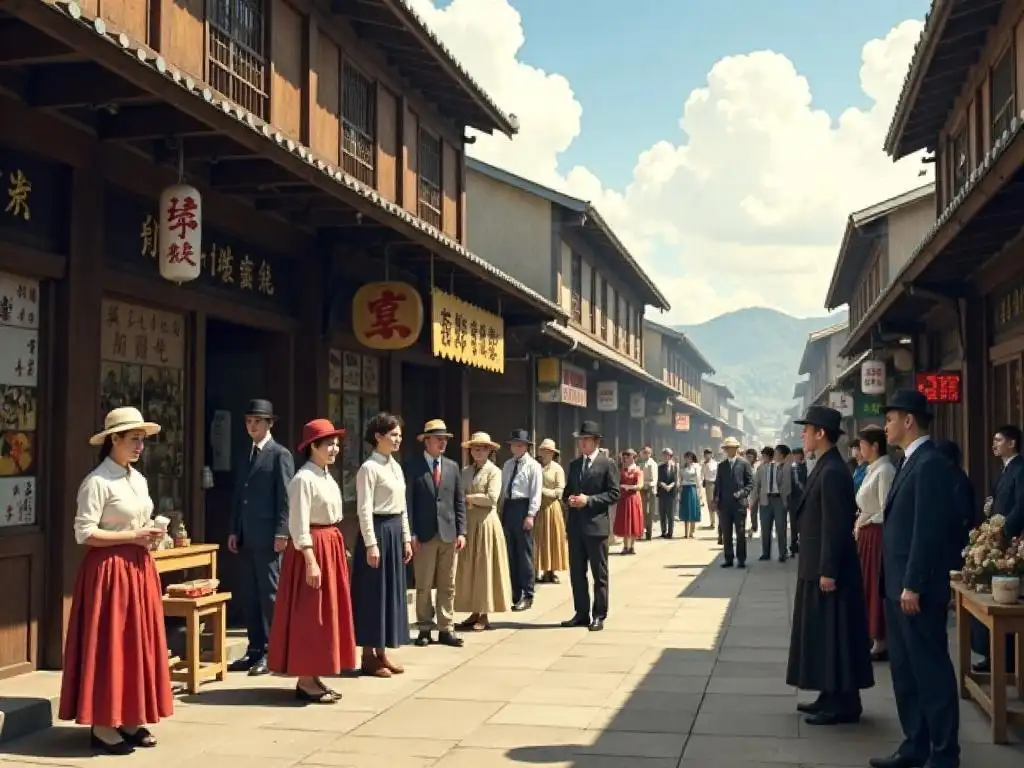
The reopening of Japan in the 19th century marked a pivotal moment in the country's history, leading to profound changes that would resonate through the decades. The end of the isolationist policies, particularly after Commodore Perry's arrival in 1853, opened Japan to international trade and diplomatic relations. This transition not only altered Japan's economic landscape but also had significant implications for its cultural, social, and political frameworks.
One of the most notable long-term effects was the rapid modernization of Japan. The influx of Western technology and ideas catalyzed a transformation in various sectors, including military, education, and infrastructure. This modernization process was not merely an adoption of foreign practices; it involved the integration of Western innovations into Japanese culture, leading to a uniquely Japanese form of modernization that balanced tradition with progress.
Furthermore, Japan's reopening led to an increased awareness of its position in the world. As Japan engaged with Western powers, it developed a sense of national identity and purpose that would fuel its aspirations for becoming a global power. This newfound identity played a crucial role in shaping Japan's foreign policy and its approach to international relations in the decades that followed.
How Reopening Shaped Japan's Modernization
The modernization of Japan in the wake of its reopening was a multifaceted process that transformed various aspects of society. The Meiji Restoration in 1868 was the culmination of this process, characterized by significant reforms aimed at strengthening the nation in the face of Western imperialism.
- Industrialization: The introduction of Western industrial practices led to the establishment of factories, railroads, and telecommunication systems. By the late 19th century, Japan had become one of Asia's leading industrial powers, with textiles and machinery as its primary exports.
- Education Reform: Japan overhauled its education system to cultivate a literate and skilled workforce. The government established a national educational framework modeled after Western systems, promoting science, technology, and the humanities, which laid the groundwork for future innovations.
- Military Modernization: The adoption of Western military techniques and technologies was crucial for Japan's emergence as a formidable power. The establishment of a conscript army, along with advancements in naval capabilities, enabled Japan to assert itself regionally and globally.
Through these reforms, Japan not only modernized its economy but also fostered a sense of national pride and unity, which became integral to its identity as a modern nation-state.
Japan's Position in Global Politics by the End of the 19th Century
By the end of the 19th century, Japan had transformed itself from a secluded feudal society into a significant player on the global stage. The outcome of the Sino-Japanese War (1894-1895) and the Russo-Japanese War (1904-1905) showcased Japan's military prowess and strategic capabilities, leading to recognition as a major imperial power.
Japan's victory over China established it as the dominant power in East Asia, fundamentally altering the balance of power in the region. Furthermore, the successful defeat of Russia, a European power, in the Russo-Japanese War was a significant milestone that challenged Western perceptions of Asian capabilities. This victory earned Japan a seat at the international negotiating table, influencing the Treaty of Portsmouth and establishing its legitimacy among Western nations.
As Japan emerged as an imperial power, it also took on the role of a mediator and influencer in regional politics, engaging in treaties and alliances that shaped the dynamics of East Asian relations. This newfound position allowed Japan to assert its interests and expand its influence, which would have lasting implications for its foreign relations in the 20th century.
Legacy of Japan's Reopening in Contemporary Foreign Relations
The legacy of Japan's reopening in the 19th century continues to influence its contemporary foreign relations. The strategic decisions made during this period laid the foundation for Japan's approach to diplomacy, trade, and international cooperation today.
- Economic Partnerships: Japan's transformation into an economic powerhouse post-reopening has led to its status as a key player in global trade networks. The emphasis on technological advancement and industrial output has made Japan a significant partner for many countries, particularly in technology and automotive industries.
- Cultural Diplomacy: Japan's rich cultural heritage, which began to be shared more widely during the Meiji era, plays a vital role in its foreign relations today. Cultural exchanges, tourism, and soft power initiatives have fostered goodwill and understanding with nations worldwide.
- Regional Stability: Japan's commitment to regional stability is heavily influenced by its historical experiences post-reopening. Japan actively participates in multilateral organizations and fosters relationships with its neighbors, balancing its historical legacy with contemporary geopolitical realities.
Overall, the reopening of Japan has shaped not only its national identity and modernization but also its ongoing interactions and relations with the global community.
Conclusion: Reflecting on Japan's Reopening in the 19th Century
Japan's reopening to the world in the 19th century was a watershed moment that irrevocably altered the course of its history. From a period of isolation, Japan emerged as a modern nation-state, equipped with the tools to navigate the complexities of global diplomacy and commerce.
Summary of Key Points
- Transformation: The transition from isolation to engagement with the world prompted profound changes in Japan’s society, economy, and political landscape.
- Modernization: Reforms in industrialization, education, and military modernization positioned Japan as a leading power in Asia by the end of the 19th century.
- Global Influence: Japan's victories in war and subsequent recognition as an imperial power reshaped its role in international politics.
- Contemporary Relations: The legacy of this era continues to influence Japan's foreign relations, economic partnerships, and cultural diplomacy today.
The Historical Significance of Reopening in Japan's Feudal Era
The historical significance of Japan's reopening lies in its role as a catalyst for transformation. It marked the end of feudal isolation and initiated a process of modernization that not only changed Japan but also had far-reaching effects on global dynamics. The emergence of Japan as a modern state and a global player challenged existing power structures and set the stage for the 20th century's geopolitical developments. Japan's reopening serves as a reminder of how nations can adapt and thrive in the face of external pressures, shaping their destinies in an interconnected world.
Further Reading and Resources
To gain a deeper understanding of Japan's reopening to the world in the 19th century, a variety of resources are available. These include books, scholarly articles, and documentaries that cover different aspects of this transformative period in Japanese history. Below, you will find a curated list of recommended readings and media that provide valuable insights into Japan’s transition from isolation to engagement with the global community.
Recommended Books on Japan's Reopening
-
"The Last Samurai" by Helen DeWitt
This novel intertwines historical fact and fiction, exploring themes of culture, identity, and the clash between tradition and modernization during Japan's reopening.
-
"Japan's Foreign Relations in Asia" by David W. P. McFadden
McFadden provides a comprehensive overview of how Japan's re-engagement with the world influenced its relationships with neighboring Asian countries in the 19th century.
-
"The Making of Modern Japan" by Jonah S. Levy
This book delves into the political, social, and economic changes that occurred during Japan's reopening, offering a detailed analysis of the Meiji Restoration and its impact on Japanese society.
-
"The Meiji Restoration: Japan as a Modern Nation" by Richard P. Pease
Pease examines the historical events leading up to the Meiji Restoration, highlighting the significance of Japan's shift from isolationism to a modern nation-state.
-
"Japan in the World" by John W. Dower
This book addresses Japan's role on the world stage, focusing on the implications of its reopening during the 19th century and how it shaped international relations.
Articles and Journals for In-depth Study
-
"Revisiting the Sakoku Era: The Implications of Japan's Isolationist Policies"
This article, published in the Journal of Asian Studies, explores the reasons behind Japan's isolationist policies and how they set the stage for the eventual reopening in the 19th century.
-
"The Impact of Commodore Perry's Expedition on Japan"
Featured in the History Today magazine, this article provides an analysis of Commodore Perry's 1853 expedition and its crucial role in forcing Japan to open its ports to foreign trade.
-
"Modern Japan: A Brief History"
This scholarly article discusses the key events leading to the Meiji Restoration and the subsequent transformation of Japan’s society and economy.
-
"Japan's Encounter with the West"
Published in the International Journal of Japanese Studies, this paper examines the cultural exchanges and misunderstandings that arose as Japan transitioned from isolation to openness.
Documentaries and Media on Japan's 19th Century History
-
"The Samurai and the Shogun" (Documentary)
This documentary delves into the lives of samurai and shoguns during the late Edo period, offering insight into the societal structure that existed before Japan's opening.
-
"The Meiji Restoration: A New Dawn for Japan" (Film)
This film focuses on the pivotal moments of the Meiji Restoration, showcasing how Japan modernized its political and social systems in response to external pressures.
-
"Japan: Memoirs of a Secret Empire" (PBS Documentary)
A comprehensive look at Japan's history during the Tokugawa shogunate, this documentary examines the isolationist policies and the factors that led to Japan's eventual reopening.
-
"The Arrival of Commodore Perry" (Educational Series)
This series provides a detailed account of Commodore Perry's expedition, emphasizing its impact on Japan's foreign relations and the shift towards modernization.
These resources are essential for anyone interested in understanding the complexities surrounding Japan's reopening in the 19th century and its lasting effects on the nation’s development.
- Introduction to Japan's Isolationist Policies
- The Context Leading to Reopening
- Key Events in Japan's Reopening Process
- Cultural and Societal Changes Post-Reopening
- Economic Implications of Japan's Reopening in the 19th Century
- Challenges Faced During the Reopening
- The Long-term Effects of Japan's Reopening
- Conclusion: Reflecting on Japan's Reopening in the 19th Century
- Further Reading and Resources
Frequently Asked Questions
What led to Japan's reopening in the 19th century?
Japan's reopening was primarily driven by external pressures from Western powers, notably the arrival of Commodore Perry in 1853, which forced the country to abandon its isolationist policies.
How did the Meiji Restoration impact Japan's society?
The Meiji Restoration initiated significant social and political reforms, transitioning Japan from a feudal society to a modern state, embracing Westernization and industrialization.
What were the cultural changes in Japan during this period?
During the 19th century, Japan experienced a cultural transformation, blending traditional practices with Western influences, leading to advancements in art, education, and technology.
How did Japan's reopening affect its foreign relations?
Japan's reopening allowed it to establish diplomatic relations with various countries, enhancing trade and leading to Japan's emergence as a significant player in international affairs.
In what ways did the feudal structure change during Japan's reopening?
The feudal structure was gradually dismantled, leading to the abolition of the samurai class and the establishment of a more centralized, modern government focused on national unity and modernization.
Final Reflection: Embracing Change in Japan's 19th Century Reopening
The journey of Japan's reopening in the 19th century is not just a historical event; it is a powerful reminder of the resilience and adaptability of societies in the face of isolation. Today, as we navigate a world that frequently grapples with the challenges of globalization and cultural exchange, the lessons from Japan's transformation resonate deeply. The courage to embrace change and the willingness to engage with the world can lead to profound growth and understanding, shaping a brighter future for all.
The impact of Japan's reopening extends far beyond its borders, influencing cultural exchanges, economic developments, and international relations that continue to evolve today. The story of Japan serves as a testament to the importance of openness and collaboration in a rapidly changing world. As the famous Japanese proverb goes, The bamboo that bends is stronger than the oak that resists.
This wisdom encapsulates the essence of adaptability, reminding us that flexibility in the face of change can foster strength and resilience.
As we reflect on the lessons from Japan's 19th-century reopening, I invite you to consider how you can apply these insights in your own life. What areas of your life could benefit from a willingness to embrace change and connect with others? Whether it’s through fostering new relationships, exploring different cultures, or simply being open to new ideas, let us take inspiration from Japan's journey and strive to cultivate a spirit of openness and adaptability in our own lives. Together, we can create a more interconnected and harmonious world.
Uncover the Journey: Engage with Japan's Remarkable Reopening!
Thank you for immersing yourself in the captivating tale of Japan's reopening in the 19th century. Your interest in this transformative period not only enhances your understanding of history but also connects you with the rich tapestry of cultural exchange and resilience. Now, let’s take that knowledge further!
Here’s how you can dive deeper into this fascinating era:
- Explore local museums or online exhibitions that showcase artifacts and stories from Japan's reopening.
- Join community forums or social media groups dedicated to feudal Japanese history to share and discuss your insights with fellow enthusiasts.
- Be bold: Start a blog or journal reflecting on how historical moments like this shape our current understanding of global cultures.
What aspect of Japan's reopening intrigues you the most, and how do you think it influences contemporary society? Let's continue the conversation!