
The Commodore Perry Incident: A Catalyst for Change in Japan's Isolationist Policies


Welcome to Feudal Japan History, where we embark on a captivating journey through the intricate tapestry of Japan's feudal era. Here, history comes alive as we delve into the transformative moments that shaped a nation. In our featured article, "The Commodore Perry Incident: A Catalyst for Change in Japan's Isolationist Policies," we uncover the profound impact of Commodore Perry on Japan's foreign relations and how his arrival marked the beginning of a new chapter in Japanese history.
Join us as we explore the delicate balance of tradition and change, and discover the events that led to Japan opening its doors to the world. Your adventure into the past starts here!
- Introduction to the Commodore Perry Incident
- Background of Japan's Isolationist Policies
- The Arrival of Commodore Perry
- The Commodore Perry Impact on Japan
- The Treaty of Kanagawa: A Turning Point
- Long-term Consequences of the Commodore Perry Incident
- The Commodore Perry Incident as a Catalyst for Change
- Conclusion: The Legacy of Commodore Perry in Japan
- Frequently Asked Questions
- Final Reflection: The Commodore Perry Incident and Its Lasting Impact on Japan
- Unveil the Legacy of Change – Take Action Now!
Introduction to the Commodore Perry Incident
The Commodore Perry Incident marks a pivotal moment in Japan's history, serving as a catalyst that significantly altered the nation's long-standing isolationist policies. This event, which unfolded in the mid-19th century, not only reshaped Japan's foreign relations but also had profound implications for its cultural and societal structures.
Commodore Matthew Perry's arrival in Edo Bay in 1853 symbolized a turning point, challenging the entrenched beliefs of a nation that had remained largely closed off from the rest of the world for over two centuries. As we delve deeper into this incident, we will explore Perry's mission, the broader context of Japan's isolationist stance, and how this encounter ultimately led to the transformation of Japan into a modern state.
Overview of Commodore Perry's Mission
Commodore Perry's mission to Japan was not merely a diplomatic endeavor; it was a strategic operation driven by the United States' desire to establish trade relations and ensure the safety of American sailors in the Pacific.
- Background: In the early 1850s, the United States was expanding its influence in the Pacific and recognized the necessity of engaging with Japan, which had maintained a policy of sakoku (closed country) since the early 17th century.
- The Expedition: In 1852, Perry was tasked with leading a naval expedition to Japan. His fleet, comprised of four heavily armed warships, arrived in Edo Bay on July 8, 1853. The display of military might was intended to compel the Japanese government to open its ports to American ships.
- Negotiations: The incident initiated a series of negotiations between Perry and Japanese officials, leading to the signing of the Treaty of Kanagawa in 1854, which marked the end of Japan's isolationist policies.
Through this mission, Perry not only sought to expand American commercial interests but also inadvertently set the stage for Japan's transformation into a global power.
Importance of the Incident in Japanese History
The consequences of the Commodore Perry Incident were profound and multifaceted, shaping the course of Japanese history in several significant ways:
- End of Isolationism: The incident effectively dismantled Japan's isolationist policies, paving the way for increased interaction with foreign nations and the eventual opening of Japan's borders to trade and diplomacy.
- Political Reforms: In response to the pressures exerted by Perry and subsequent foreign demands, Japan underwent substantial political changes, culminating in the Meiji Restoration of 1868. This period marked a shift from feudal governance to a centralized imperial state.
- Cultural Exchange: The opening of Japan led to a significant exchange of ideas, technology, and culture with the West. This influx of new knowledge contributed to Japan's modernization and industrialization efforts in the late 19th and early 20th centuries.
- National Identity: The encounter with Perry and the subsequent foreign influence prompted a reevaluation of Japanese identity and values, igniting a sense of nationalism that would shape the nation’s future.
The Commodore Perry Incident was not just a diplomatic episode; it was a transformative event that redefined Japan's role in the world and initiated a series of changes that would lead to its emergence as a modern nation. The impact of Commodore Perry on Japan is a testament to the complex interplay between foreign relations and domestic evolution during a critical juncture in Japanese history.
Background of Japan's Isolationist Policies

The isolationist policies of Japan, particularly during the Edo period (1603-1868), were shaped by a complex interplay of political, social, and economic factors. These policies, known as Sakoku, effectively closed Japan off from foreign influence and limited contact with the outside world. Understanding the origins and implications of these policies is crucial to grasping the significance of events like the Commodore Perry incident.
The Sakoku Edicts: Origins of Isolationism
The Sakoku edicts, issued in the early 17th century, were a series of laws enacted by the Tokugawa shogunate aimed at maintaining control over Japan and preventing foreign interference. Key points regarding the Sakoku edicts include:
- Political Motivation: The Tokugawa shogunate sought to consolidate power after centuries of civil war. By restricting foreign influence, they aimed to stabilize the nation and limit the power of potentially disruptive external forces.
- Religious Concerns: The growth of Christianity, introduced by Jesuit missionaries, posed a significant threat to the existing social order and the power of the shogunate. The edicts banned Christianity, leading to the persecution of converts and missionaries.
- Economic Factors: The shogunate believed that limiting trade and foreign interaction would protect Japan's economy from the volatility of global markets. By regulating foreign trade to a few designated ports, especially Nagasaki, they aimed to control economic activities.
- Cultural Preservation: The isolationist policies were also rooted in a desire to protect and preserve Japan's unique culture and traditions. The Tokugawa rulers were concerned that foreign influences could undermine the societal norms and values they sought to uphold.
The Sakoku edicts culminated in a society that was largely homogeneous, with minimal foreign influence for over two centuries. However, this isolation also led to stagnation in technological and cultural development, creating vulnerabilities that would later be exposed by external pressures, notably through the arrival of Commodore Perry.
Impact of Isolationism on Japanese Society and Economy
The isolationist policies had profound effects on various facets of Japanese society and economy during the Edo period. Some notable impacts include:
- Societal Structure: The feudal system was reinforced under isolationism, with a strict class hierarchy that included samurai, farmers, artisans, and merchants. This rigid structure created social stability but limited mobility and perpetuated inequalities.
- Cultural Developments: Despite the restrictions, this period saw a flourishing of indigenous culture, including literature, art (like ukiyo-e), and theater (such as kabuki). The isolation allowed for the development of a unique Japanese identity, albeit at the cost of engagement with broader global movements.
- Economic Limitations: While domestic trade thrived, the limited foreign trade hindered technological advancement and economic diversification. Japan became increasingly reliant on traditional agricultural practices, leading to inefficiencies and a lack of innovation.
- Resistance to Change: The isolationist stance fostered a conservative mindset among the populace. Many were resistant to new ideas and technologies, which would become apparent when faced with the arrival of foreign powers in the mid-19th century.
The Sakoku edicts laid the groundwork for a uniquely Japanese society, but they also created a situation where Japan was ill-equipped to handle the challenges posed by the outside world. The Commodore Perry impact on Japan would ultimately shatter this isolation, forcing the nation to confront the realities of modernization and global interaction.
The Arrival of Commodore Perry

The arrival of Commodore Matthew Perry in Japan in 1853 marked a pivotal moment in the history of the nation, initiating a series of events that would ultimately lead to the end of Japan's self-imposed isolation. The expedition was not merely a diplomatic mission; it was a carefully orchestrated effort rooted in the broader context of American expansionism and the desire to establish trade relations in Asia.
Commodore Perry's Expedition: Objectives and Goals
Commodore Perry's expedition, known as the "Black Ships" mission, had multiple objectives, each significant in laying the groundwork for Japan's transformation. The primary goals included:
- Establishing Diplomatic Relations: Perry aimed to convince Japan to open its ports to American ships, facilitating trade and ensuring the safety of American sailors.
- Securing Coaling Stations: As steam-powered ships were becoming more prevalent, the need for coaling stations for refueling was critical. Perry sought to secure these stations for American vessels traveling across the Pacific.
- Humanitarian Concerns: Part of Perry's justification for his mission was to advocate for humane treatment of shipwrecked sailors, as many American sailors had suffered after being cast ashore on Japanese islands.
- Show of Military Power: Perry's use of a formidable naval fleet, including four warships, was a demonstration of American military strength, designed to intimidate Japanese authorities into compliance.
The expedition set sail from the United States in 1852 and arrived at Uraga, near Edo (modern Tokyo), on July 8, 1853. The presence of Perry's "Black Ships" created an immediate stir, as the Western-style vessels were unlike anything the Japanese had seen before.
Initial Reactions from the Japanese Government and Society
The initial reactions from the Japanese government and society to Perry's arrival were complex and multifaceted.
- Shock and Awe: The sight of the American ships caused astonishment among the Japanese populace. Many viewed them as harbingers of doom, while others were intrigued by the technology and foreign culture.
- Government Response: The Tokugawa shogunate faced an immediate crisis. Internally, officials were divided on how to respond to Perry's demands. Some advocated for aggressive resistance to maintain Japan's isolationist policies, while others recognized the potential benefits of establishing trade relations with the West.
- Cultural Resistance: The arrival of Perry also triggered a resurgence of nationalist sentiments among the Japanese. Many intellectuals and samurai viewed the intrusion as an affront to Japan's sovereignty and cultural integrity, leading to debates on how to protect the nation's identity.
- Fears of Colonialism: The Japanese were acutely aware of the fate of neighboring countries that had succumbed to Western imperialism. The fear of becoming a colonial subject led to a cautious approach, as the shogunate deliberated on the implications of opening Japan to foreign influence.
Perry's expedition ultimately set in motion a series of negotiations and confrontations that would reshape Japan's foreign relations and catalyze significant internal reforms. The impact of Commodore Perry on Japan's isolationist policies was profound, leading to the eventual signing of the Treaty of Kanagawa in 1854, which formally ended Japan's isolation and established diplomatic ties with the United States.
The Commodore Perry Impact on Japan
The arrival of Commodore Matthew Perry in Japan during the mid-19th century marked a pivotal moment in the nation's history, significantly altering its isolationist policies. Perry's expedition, which commenced in 1853, was not merely an isolated event but a catalyst that triggered a series of transformations in Japan's approach to foreign relations, domestic politics, and societal structures. This section delves into the profound impact of Perry's actions on Japan, emphasizing the changes in perception regarding foreign interactions and the political dynamics that ensued.
Changes in Perception of Foreign Relations
Before Commodore Perry's arrival, Japan adhered to a strict isolationist policy known as Sakoku, which limited foreign influence and trade. This policy, lasting for over two centuries, had established a sense of national security but also fostered a growing insularity. Perry's expedition challenged this status quo, leading to significant shifts in how Japan viewed foreign nations.
- Introduction of New Ideas:
- Perry brought with him not only the demand for trade but also ideas of modernization and diplomacy. His use of steam-powered ships symbolized technological advancement, igniting curiosity and concern among Japanese leaders about the implications of remaining isolated.
- The Japanese began to realize that maintaining isolation could hinder their progress compared to Western nations that were rapidly industrializing.
- Impact on National Identity:
- The encounter with Perry forced Japan to confront its identity as a nation. The realization that it could either adapt to the changing world or risk being dominated by foreign powers led to a reevaluation of its place in global politics.
- The concept of "Japan as a sovereign nation" started to gain traction, moving away from the idea of seclusion.
- Public Reaction:
- The arrival of Perry was met with mixed reactions among the populace. While some viewed it as a threat, others saw the potential benefits of engaging with foreign nations. This duality in perception sparked debates and discussions that would shape Japan's future diplomatic strategies.
The Shift in Political Dynamics within Japan
The impact of Commodore Perry's expedition extended beyond mere perceptions; it instigated significant political changes within Japan's ruling structures. The following dynamics illustrate the profound shifts that occurred:
- End of Isolation:
- The Treaty of Kanagawa in 1854, which Perry successfully negotiated, marked the end of Japan's isolationist policies. This treaty allowed for limited trade with the United States and opened the ports of Shimoda and Hakodate. The implications of this agreement reverberated through Japanese society and governance, prompting further treaties with other Western powers.
- Rise of Reformist Factions:
- In response to external pressures and the perceived weakness of the Tokugawa shogunate, a wave of reformist factions emerged. These groups, including the Sonnō jōi (Revere the Emperor, Expel the Barbarians) movement, advocated for the restoration of imperial power and the modernization of Japan to resist foreign domination.
- The tension between traditionalists and modernizers intensified, leading to internal conflict and eventually contributing to the Meiji Restoration of 1868, which restored imperial rule and initiated a period of rapid modernization.
- Reassessment of Military Strategy:
- The encounter with Perry highlighted the need for Japan to strengthen its military capabilities. The realization that Japan was technologically inferior to Western powers prompted significant military reforms, including the adoption of Western military techniques and technology.
- This strategic shift laid the groundwork for Japan's emergence as a formidable military power by the late 19th century.
- Cultural Reawakening:
- As Japan opened its doors to the West, there was a cultural renaissance that sought to harmonize traditional Japanese values with Western influences. This cultural exchange led to a broader acceptance of foreign ideas, art, and education, ultimately reshaping Japanese society.
Commodore Perry's impact on Japan was profound and multifaceted, acting as a catalyst that not only dismantled isolationist policies but also redefined Japan's political landscape and national identity. The changes initiated by Perry's expedition set Japan on a path toward modernization and engagement with the global community, fundamentally altering its trajectory in the years to come.
The Treaty of Kanagawa: A Turning Point
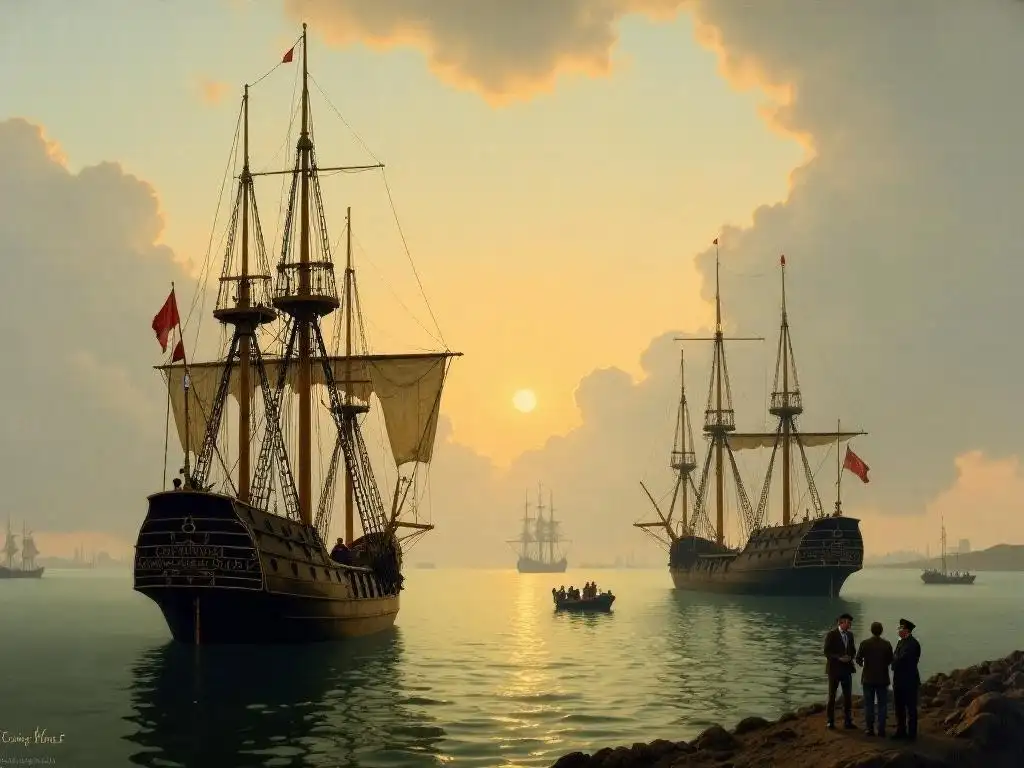
The Treaty of Kanagawa, signed on March 31, 1854, marked a pivotal moment in Japan's history, effectively ending over two centuries of isolationist policies known as Sakoku. This treaty was a direct consequence of Commodore Matthew Perry's expedition to Japan, which aimed to open the nation to foreign trade and diplomacy. The agreement not only set the stage for Japan's engagement with the Western world but also signaled the beginning of significant socio-political changes within the country.
Key Provisions of the Treaty
The Treaty of Kanagawa consisted of several key provisions that fundamentally altered Japan's foreign relations:
- Opening of Ports: The treaty mandated the opening of two Japanese ports, Shimoda and Hakodate, to American vessels for supplies and rest. This marked the first time in over two centuries that foreign ships were allowed to dock in Japan.
- Protection of American Citizens: It included clauses ensuring the safety and protection of American citizens residing or traveling in Japan, which established a precedent for extraterritorial rights that would later extend to other Western powers.
- Trade Relations: The treaty initiated a framework for trade relations between Japan and the United States, paving the way for a broader exchange of goods, culture, and technology.
- Consular Presence: It allowed for the establishment of a U.S. consulate in Shimoda, facilitating diplomatic relations and furthering American interests in the region.
- Prevention of Hostilities: The treaty aimed to prevent hostilities between the two nations, ensuring that Japan would not be subject to military threats from the United States.
These provisions collectively represented a significant departure from Japan's previous isolationist stance, illustrating the profound impact of Commodore Perry's expedition on Japan's foreign relations.
Immediate Effects on Japan's Isolationist Policies
The signing of the Treaty of Kanagawa had immediate and far-reaching effects on Japan's isolationist policies:
- End of Sakoku: The treaty effectively dismantled the Sakoku policy, which had restricted foreign influence and trade since the early 17th century. This marked the beginning of Japan's transition from an isolated society to one engaged in international diplomacy.
- Increased Foreign Presence: Following the treaty, more Western nations sought similar agreements with Japan, leading to the signing of several unequal treaties. This influx of foreign influence challenged the traditional Japanese societal structure and governance.
- Internal Strife: The opening of Japan resulted in significant internal conflict, as groups within the country struggled to respond to the pressures of modernization and foreign influence. The dissatisfaction with the ruling Tokugawa shogunate's handling of foreign relations contributed to the rise of anti-shogunate sentiments, eventually leading to the Meiji Restoration.
- Cultural Exchange: The treaty allowed for the exchange of ideas, technology, and culture between Japan and the West, which had lasting effects on Japanese society, including advancements in education, industry, and military organization.
- Economic Transformation: The opening of Japan's ports facilitated trade, leading to economic transformation and modernization. This shift laid the groundwork for Japan's emergence as a major global power in the subsequent decades.
The Treaty of Kanagawa not only marked a turning point in Japan's foreign relations but also initiated a profound transformation within Japanese society, catalyzing the end of isolationism and setting the stage for modernization and engagement with the global community. The Commodore Perry impact on Japan was thus monumental, reshaping the trajectory of the nation in both immediate and long-term contexts.
Long-term Consequences of the Commodore Perry Incident
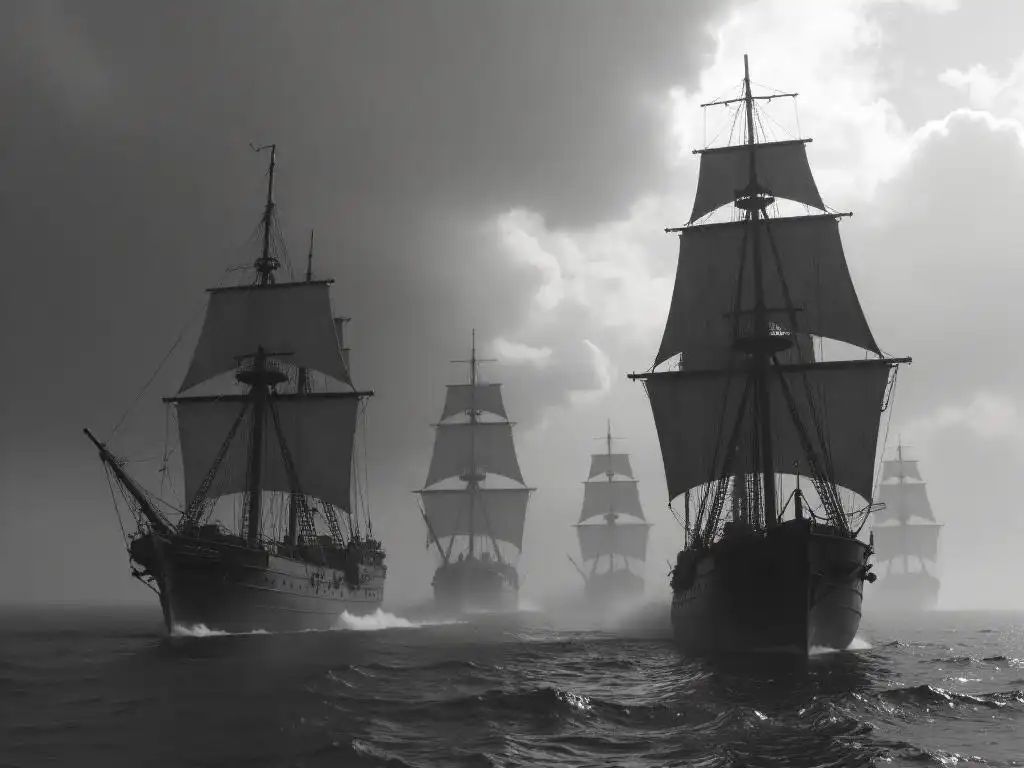
Transformation of Japanese Society and Culture
The arrival of Commodore Matthew Perry in 1853 marked a significant turning point in Japanese society and culture. The forced opening of Japan to the Western world catalyzed profound changes that reverberated through various aspects of Japanese life.
Cultural Exchange and Western Influence
One of the most immediate impacts of the Perry incident was the influx of Western culture. As Japan began to engage with the outside world, it encountered new ideas, technologies, and customs. This cultural exchange led to the following developments:
- Adoption of Western Technology: Japan rapidly modernized its military and infrastructure. This included the introduction of steamships, railroads, and telegraphs, which transformed communication and transportation.
- Educational Reforms: The Japanese government recognized the need to educate its population in Western sciences and technologies. Schools began to adopt Western curricula, which included subjects like mathematics, physics, and foreign languages.
- Artistic Influences: The exposure to Western art and literature introduced new styles and themes, influencing traditional Japanese art forms. The Meiji Restoration saw the emergence of new artistic movements that blended Western techniques with Japanese aesthetics.
Social Changes and the End of Feudalism
The Commodore Perry incident also accelerated the decline of the feudal system, which had dominated Japan for centuries:
- Rise of the Samurai Class: The samurai, traditionally the ruling class, faced a crisis of relevance as the new government sought to establish a more modern state. Many samurai transitioned into new roles as bureaucrats or business leaders.
- Formation of a National Identity: As Japan opened up to the world, a sense of national identity began to emerge. This was fueled by a desire to assert Japan’s place among the global powers. The concept of “Nihon” or “Japan” became a unifying identity.
- Social Mobility: The end of strict class hierarchies allowed for greater social mobility. Individuals from lower classes began to gain access to education and opportunities previously reserved for the elite.
Influence on Japan’s Subsequent Foreign Policy
The Commodore Perry incident set the stage for Japan’s evolution from isolationism to a more assertive foreign policy. The implications of this shift were profound and long-lasting.
Expansionism and Imperialism
Following the opening of Japan, the government recognized the necessity of not only engaging with foreign nations but also expanding its influence:
- Colonization Efforts: Japan began to pursue colonial ambitions, particularly in Korea and Taiwan. This was part of a broader trend of imperialism that characterized the late 19th and early 20th centuries.
- Military Engagement: The modernization of Japan’s military allowed it to compete with Western powers. The successful victory in the First Sino-Japanese War (1894-1895) and the Russo-Japanese War (1904-1905) showcased Japan's newfound strength and solidified its status as a major power in Asia.
Diplomatic Relations and Treaties
In the wake of Perry’s visit, Japan engaged in several treaties with Western nations, reshaping its diplomatic landscape:
- Unequal Treaties: The initial treaties, such as the Treaty of Kanagawa, were heavily skewed in favor of Western powers. Japan was forced to accept extraterritoriality and trade terms that favored foreign interests.
- Revisions and Modern Diplomacy: Over time, Japan sought to revise these unequal treaties, culminating in the successful renegotiation of terms in the early 20th century. This effort reflected Japan’s growing confidence and assertiveness on the global stage.
Conclusion
The long-term consequences of the Commodore Perry incident were profound and transformative. The impact on Japanese society and culture was marked by significant modernization and shifts in social structures. Simultaneously, the new foreign policy direction steered Japan towards imperial ambitions and redefined its role in international relations. This period laid the groundwork for Japan's emergence as a modern nation-state and a key player in global affairs.
The Commodore Perry Incident as a Catalyst for Change
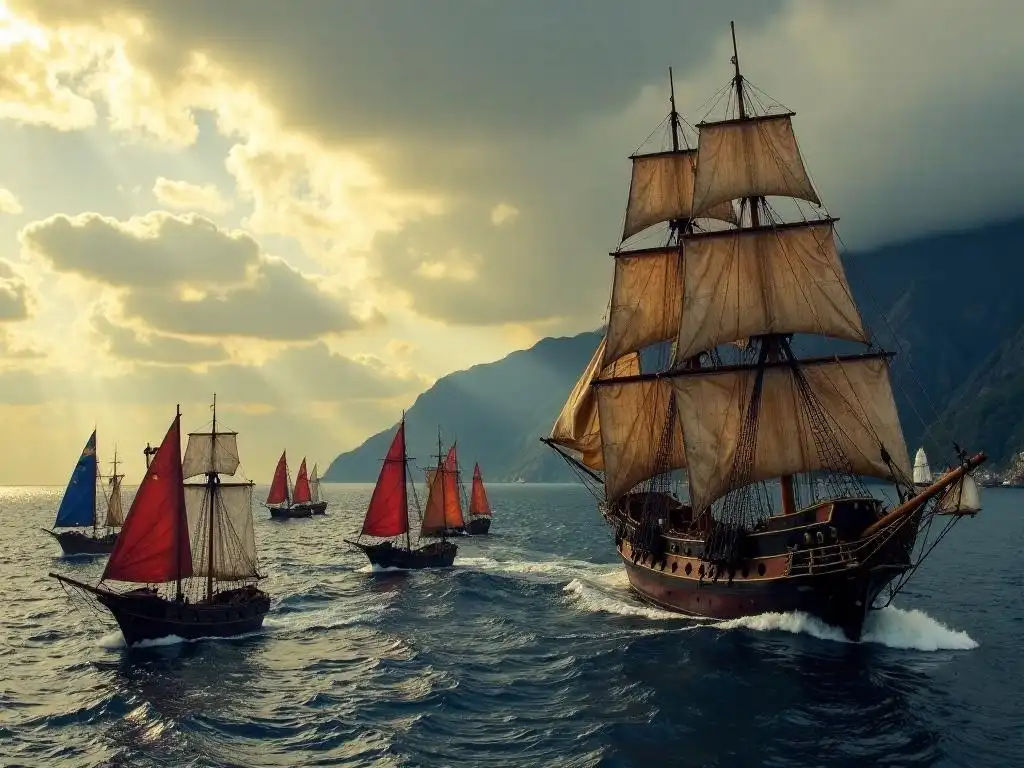
The arrival of Commodore Matthew Perry in 1853 marked a pivotal moment in Japan's history, fundamentally altering its isolationist policies that had been in place for over two centuries. Perry's expedition, which was primarily driven by the United States' desire to establish trade relations, forced Japan to confront the realities of international diplomacy and the need to adapt to global changes.
Prior to Perry's arrival, Japan had embraced a policy known as sakoku, which effectively closed the country off to foreign influence and trade. The Tokugawa shogunate maintained strict control over foreign interactions, limiting contact to a select few Dutch traders in Nagasaki and forbidding Japanese citizens from traveling abroad. This era of isolation fostered a unique cultural and societal development but also left Japan vulnerable to external pressures.
Perry’s impressive fleet, which included "Black Ships" powered by steam, symbolized the technological and military advancements of the West. His demand for Japan to open its ports to American ships was an undeniable wake-up call. The subsequent Treaty of Kanagawa in 1854 marked the end of Japan's isolationist policies, initiating a series of treaties with foreign powers that would shape the country’s modernization efforts and its role on the world stage. This incident catalyzed a transition from a feudal society to a more modern state, as Japan began to adopt Western technologies, military practices, and governmental structures.
Comparison of Pre- and Post-Incident Policies
The contrast between Japan’s pre- and post-Perry policies reveals a significant shift in both foreign relations and domestic governance.
Pre-Incident Policies:
- Isolationism: Japan's policy of sakoku restricted foreign trade to a minimal extent and limited foreign influence.
- Cultural Homogeneity: The isolation led to a rich but insular cultural development, with minimal foreign ideas or technologies impacting society.
- Strict Control: The Tokugawa shogunate maintained tight control over external interactions, allowing only limited trade with the Dutch and Chinese.
Post-Incident Policies:
- Opening of Ports: The Treaty of Kanagawa opened two Japanese ports to American ships, leading to similar agreements with other Western nations.
- Modernization Efforts: Japan recognized the need to modernize its military and infrastructure, sparking the Meiji Restoration in 1868, which aimed to strengthen Japan against Western powers.
- Cultural Exchange: The end of isolation facilitated a cultural exchange that introduced Western philosophies, technologies, and governance systems to Japan, profoundly influencing its modernization.
The impact of Commodore Perry's expedition extended beyond mere trade agreements; it instigated a broader transformation within Japanese society, prompting a reevaluation of traditional practices in light of new global realities.
Case Studies of Other Nations' Reactions to Japan's Opening
The reactions of other nations to Japan's opening reveal a spectrum of diplomatic strategies and the varying degrees of engagement with Japan during this transformative period.
- United Kingdom:
- The British quickly recognized the potential for trade in Japan and sought to establish their own agreements. They followed the American lead, negotiating the Anglo-Japanese Treaty of 1854, which allowed for British trade and access to Japanese ports. This relationship grew stronger over time, influencing Japan's naval modernization.
- Russia:
- Russia, eager to expand its influence in East Asia, also sought to engage with Japan. The Treaty of Shimoda in 1855 established diplomatic relations, granting Russia favorable trading conditions. This agreement allowed Russia to solidify its foothold in the region, reflecting a broader trend of imperial ambitions among Western powers.
- France:
- France viewed Japan as a potential market for its goods and a partner in the region. The Treaty of Amity and Commerce in 1858 opened Japan to French trade and cultural exchange. French influence was particularly notable in the fields of military training and education, contributing significantly to Japan's modernization.
- Netherlands:
- As the only Western nation allowed to trade with Japan during the isolationist period, the Dutch were initially cautious but soon sought to maximize their commercial opportunities. The Netherlands played a crucial role in introducing Western scientific knowledge to Japan, facilitating its transition from isolation to engagement with the global community.
The varied responses from these nations highlighted the geopolitical significance of Japan's opening and underscored the competitive nature of international relations during the mid-19th century. Each nation aimed to secure its interests, leading to a complex web of treaties and alliances that further integrated Japan into the global economy while simultaneously prompting internal reforms.
The Commodore Perry incident served as a critical juncture in Japan's history, leading to the dismantling of isolationist policies and setting the stage for modernization and international engagement. The reactions from other nations illustrate the significance of this event in reshaping not only Japan's foreign relations but also its societal and cultural landscape.
Conclusion: The Legacy of Commodore Perry in Japan
The arrival of Commodore Matthew Perry in 1853 marked a pivotal moment in Japanese history, leading to significant transformations in the nation’s isolationist policies. The subsequent Treaty of Kanagawa in 1854 not only opened Japanese ports to American trade but also set the stage for similar treaties with other Western powers. This shift from a closed society to one engaging with global forces fundamentally altered Japan’s trajectory.
Japan's legacy of isolationism, which had been firmly established during the Edo period, was challenged by Perry's expedition. The perceived threat of Western imperialism compelled Japan to reconsider its stance, ultimately leading to the Meiji Restoration in 1868. This era of modernization and industrialization transformed Japan into a formidable global player.
Reflections on Isolationism and Modernization
The abrupt end of Japan's isolationism can be seen as a double-edged sword. On one hand, it allowed Japan to modernize rapidly, adopting Western technologies and practices that propelled its economy and military power. On the other hand, this shift raised questions about cultural identity and the preservation of traditional values.
- Cultural Influences: The influx of Western ideas and practices led to a cultural renaissance in Japan. Traditional arts and societal structures were influenced by Western philosophies, which sparked debates among intellectuals and the general populace.
- Political Changes: The dismantling of the feudal system during the Meiji Restoration facilitated a new political order that embraced modernization while striving to maintain a distinct Japanese identity.
Japan's journey from isolation to engagement with the world serves as a testament to the complexities of navigating modernization while honoring cultural heritage.
The Continuing Relevance of the Commodore Perry Impact on Japan
The impact of Commodore Perry continues to resonate in contemporary Japan. The events of the mid-19th century serve as a reminder of the delicate balance between embracing change and preserving tradition.
- Economic Policies: Japan's approach to foreign relations today reflects lessons learned from the past. The country actively engages in international trade while safeguarding its unique cultural elements.
- Cultural Exchange: The initial encounter with the West initiated ongoing cultural exchanges that persist. Modern Japan showcases a blend of traditional customs and contemporary influences, creating a dynamic cultural landscape.
- Geopolitical Strategies: Understanding the historical context of Perry's expedition informs Japan's current geopolitical strategies, particularly in its relations with neighboring countries and the United States.
The Commodore Perry incident was not merely a catalyst for Japan's abandonment of isolationism; it laid the groundwork for a complex relationship with modernization and the global community. The lessons derived from this period remain pertinent as Japan continues to navigate its identity in an ever-evolving world.
Frequently Asked Questions
What was the Commodore Perry Incident?
The Commodore Perry Incident refers to the arrival of American naval officer Matthew Perry in Japan in 1853, which marked a significant challenge to Japan's long-standing isolationist policies.
How did Perry's arrival impact Japan?
Perry's arrival forced Japan to confront the realities of global trade and diplomacy, leading to the signing of the Kanagawa Treaty in 1854, which opened Japanese ports to American ships.
What were the consequences of the Commodore Perry Incident?
The incident led to the end of Japan's isolation, spurring rapid modernization and contributing to the Meiji Restoration, which transformed Japan into a competitive world power.
How did the Japanese people react to Perry's expedition?
The Japanese society was initially shocked and divided; some viewed Perry as a threat, while others recognized the necessity of engagement with the outside world.
What role did the Commodore Perry Incident play in Japan's cultural exchange?
Perry's expedition initiated a period of increased cultural exchange between Japan and Western nations, influencing everything from technology to art and ultimately reshaping Japanese society.
Final Reflection: The Commodore Perry Incident and Its Lasting Impact on Japan
The Commodore Perry Incident serves as a profound reminder of how a single event can reshape a nation's trajectory. In today's globalized world, where borders are increasingly blurred, the lessons from Perry's expedition resonate more than ever. The incident not only marked the end of Japan's isolationist policies but also ignited a transformation that propelled the nation into modernity. Understanding this pivotal moment encourages us to reflect on how external influences can catalyze significant change within societies.
Cultural and social landscapes are often molded by moments of confrontation and negotiation. The Commodore Perry Incident was not just a diplomatic encounter; it was a turning point that influenced Japan's identity and its place in the world. The subsequent Meiji Restoration exemplified this shift, as Japan embraced modernization while grappling with its cultural heritage. The past is never dead. It's not even past.
— William Faulkner. This quote encapsulates how the echoes of Perry's arrival still reverberate through Japan's ongoing journey of self-discovery and adaptation.
As we reflect on the Commodore Perry Incident, let us consider how we can apply its lessons in our own lives. Embrace change, seek understanding, and be open to the influences that shape our world. Just as Japan transformed in response to external pressures, we too can harness the power of change to foster growth and innovation in our personal and collective journeys. Take a moment to ponder how you can be a catalyst for change in your own sphere, and remember that every encounter has the potential to redefine our paths.
Unveil the Legacy of Change – Take Action Now!
Thank you for exploring the captivating history of the Commodore Perry incident and its significant impact on Japan’s transformation! Your interest in this pivotal moment underscores the importance of understanding how historical events shape our present and future. Now, let’s channel that curiosity into meaningful action!
- Join a conversation: Share your thoughts on how the Commodore Perry incident influenced Japan's trajectory by commenting below. What are your views on the balance between isolationism and globalization in today's world?
- Explore deeper: Visit our archives at Feudal Japan History to uncover more compelling stories and events that contributed to the evolution of modern Japan.
- Educate others: Share this article with friends or on social media to ignite discussions about historical resilience and transformative change.
How do you believe the lessons learned from Japan's past can be applied to address today’s global challenges? Let's engage in a meaningful dialogue!