
The Economic Implications of Japan's Isolationist Trade Practices

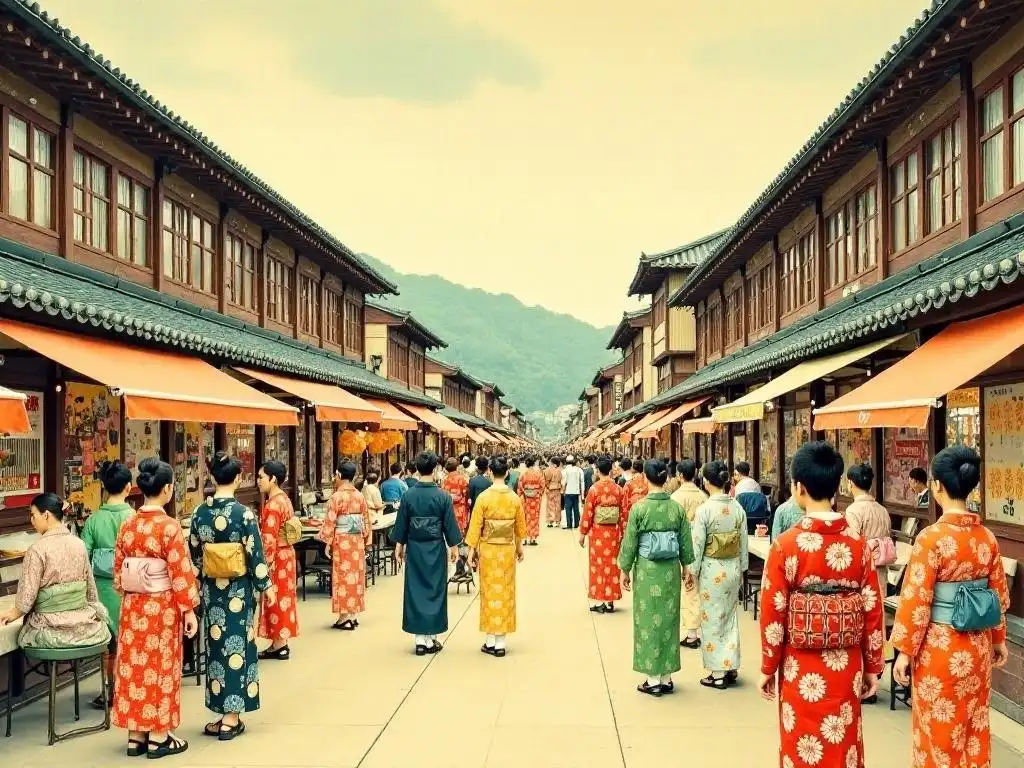
Welcome to Feudal Japan History, where we embark on a captivating journey through the intricate tapestry of Japan’s feudal era. In our featured article, "The Economic Implications of Japan's Isolationist Trade Practices," we delve into the profound effects that isolationism had on Japan's economy and foreign relations. What secrets lie behind this pivotal period?
As you explore, prepare to uncover fascinating insights that challenge conventional narratives and reveal the complexities of a nation shaped by its trade decisions. Join us as we unravel the past and ignite your curiosity about the forces that molded Japan into the enigmatic country it is today.
Introduction to Japan's Isolationist Trade Practices
Japan's feudal era, a period marked by unique cultural and political developments, also saw the rise of distinct economic practices shaped by isolationist policies. From the early 17th century until the mid-19th century, Japan implemented a series of trade restrictions that significantly influenced its economy and foreign relations.
This article aims to explore the economic implications of Japan's isolationist trade practices, shedding light on how these policies affected domestic industries, agricultural production, and international trade dynamics. By examining the historical context and specific trade practices, we can gain a comprehensive understanding of the keyword "Japan isolationist trade effects" and its broader significance in the realm of global economic history.
Overview of Japan's Isolationist Policies
Japan's isolationist policies, known as sakoku, were formalized under the Tokugawa shogunate during the early 1600s. These policies effectively closed Japan off from the outside world, restricting foreign influence and trade to a few select nations, primarily the Dutch and the Chinese. The rationale behind sakoku was to maintain stability, protect Japanese culture, and prevent the spread of Christianity, which was seen as a threat to the traditional social order.
Key features of these policies included:
- Limited Foreign Trade: Only certain ports were open to international commerce, with Nagasaki being the most prominent.
- Strict Regulations: Foreign merchants were subject to rigorous regulations, ensuring that their interaction with Japanese society was minimal.
- Cultural Preservation: The shogunate prioritized the preservation of Japanese customs and traditions, limiting foreign cultural influences.
This isolationist approach had profound implications for Japan's economy, shaping both its internal development and its relationships with neighboring countries.
Historical Context of Isolationism in Japan
The roots of Japan's isolationist policies can be traced back to a tumultuous period of internal conflict and external pressure. During the late 16th century, Japan was embroiled in civil wars, leading to the emergence of powerful warlords and the eventual unification under Tokugawa Ieyasu in 1603. In this context, the shogunate sought to stabilize the nation by controlling foreign interactions, which were associated with the chaos of the preceding wars.
The fear of colonial expansion by European powers, particularly after the arrival of Portuguese traders, further fueled isolationist sentiments. The Christian missionary efforts that accompanied trade were viewed as a direct threat to the socio-political fabric of Japan. Consequently, the Tokugawa shogunate enacted strict measures to limit foreign influence, setting the stage for over two centuries of relative seclusion.
Understanding the Economic Effects of Japan's Isolationist Trade
Definition of Isolationist Trade Practices
Isolationist trade practices refer to the deliberate restrictions and regulations imposed by a nation to limit foreign trade and influence. In the case of Japan, these practices included prohibiting most foreign ships from entering Japanese waters, restricting trade to select ports, and implementing stringent controls over the exchange of goods and ideas. The primary goal was to protect domestic industries and maintain political and cultural stability.
Overview of Japan Isolationist Trade Effects on Domestic Economy
Japan's isolationist trade practices had a mixed impact on its domestic economy. On one hand, these policies fostered the growth of local industries, allowing traditional crafts and agriculture to flourish without foreign competition. This period saw advancements in:
- Agricultural Techniques: Improved farming methods led to increased rice production, which became the backbone of the economy.
- Artisan Crafts: Local crafts such as pottery, textiles, and metalwork were refined, with unique Japanese styles emerging.
However, the long-term effects of isolationism also presented challenges:
- Limited Technological Advancement: By closing off from international innovations, Japan fell behind in certain technological areas.
- Economic Stagnation: The lack of competition and trade could lead to inefficiencies and stagnation in some sectors.
Influence of Isolationism on Japan's Foreign Trade Relations
Japan's isolationist policies fundamentally altered its foreign trade relations. With only a few sanctioned trading partners, Japan's interactions were limited and heavily regulated. The effects included:
- Bilateral Trade Agreements: Japan maintained trade primarily with the Dutch and the Chinese, leading to a unique form of economic diplomacy that shaped its foreign relations.
- Cultural Exchange: While trade was limited, the exchange of ideas and culture persisted through these controlled channels, influencing Japanese art, science, and literature.
Ultimately, Japan's isolationist trade practices created a unique economic landscape that would both protect and confine the nation until the forced opening of its borders in the mid-19th century. Understanding these economic implications is crucial for grasping the broader narrative of Japan's historical development and its eventual emergence as a modern nation.
Historical Examples of Isolationist Trade Policies in Japan
Japan's isolationist trade policies have played a significant role in shaping its economic landscape throughout history. These policies primarily emerged during the Edo period (1603-1868), particularly during the Sakoku period (1635-1853), when the Japanese government implemented strict regulations to control foreign influence and trade. One of the most notable historical examples of these policies is the prohibition of foreign trade except through designated channels, such as the Dutch and Chinese, which created a unique economic environment.
The Sakoku policy reflected a broader cultural and political strategy to preserve Japanese traditions and maintain stability. The restrictions applied not only to foreign trade but also to the movement of Japanese citizens abroad, effectively sealing Japan off from much of the outside world. This isolation resulted in limited access to foreign goods and ideas, shaping the domestic economy in ways that fostered self-sufficiency and local industries, albeit at the cost of technological stagnation.
The Sakoku Period: An In-depth Look
The Sakoku period, initiated under the Tokugawa shogunate, was marked by stringent regulations on foreign interactions. From 1635, under the Sakoku Edict, Japan limited foreign trade to the Dutch and Chinese, who were permitted to conduct business at Nagasaki. This period saw the establishment of a trade monopoly that restricted imports and exports, leading to a unique economic framework that was heavily controlled by the shogunate.
The economic implications of the Sakoku policy were profound. While it allowed Japan to maintain a degree of stability and cultural identity, it also resulted in a lack of competition and innovation. The shogunate's focus on agrarian economy meant that industrial growth was stunted, and Japan missed out on the technological advancements occurring in Europe and other parts of the world during the Industrial Revolution.
The isolationist policies contributed to a system where the economy was predominantly agrarian, with rice as the main currency of trade, which further entrenched feudal structures and limited economic diversity. Although Japan was able to develop a robust internal market, the lack of external trade hampered its ability to evolve into a modern economic power until the mid-19th century.
Trade Restrictions and Their Economic Implications
The trade restrictions established during the Sakoku period had significant economic implications for Japan. By limiting trade to specific regions and nations, particularly with the Dutch, Japan controlled the flow of foreign goods and ideas, which resulted in a unique economic environment. This isolation fostered certain domestic industries, particularly in textiles and ceramics, as artisans focused on meeting local demands without competition from foreign products.
However, the restrictions also had detrimental effects. The lack of foreign competition meant that Japanese industries had little incentive to innovate or improve efficiency. The economy thus became stagnant, relying heavily on traditional methods and practices. Additionally, the focus on self-sufficiency led to a neglect of potential trade partnerships that could have enhanced economic growth.
The restrictive trade policies also reinforced social hierarchies and the feudal system, where wealth and resources were concentrated among a small elite. This limited the economic mobility of the lower classes and created a rigid class structure that persisted even after the end of isolation.
Case Study: The Impact of Dutch Trade in Nagasaki
The Dutch were the only Europeans allowed to trade with Japan during the Sakoku period, with their activities centered in Nagasaki. This unique relationship provides an insightful case study into the effects of Japan's isolationist trade policies. The Dutch East India Company played a crucial role in facilitating trade, providing Japan with limited access to Western scientific knowledge and goods, albeit in a controlled manner.
The economic impact of Dutch trade was multifaceted. On one hand, it introduced new commodities to Japan, including textiles, medicine, and technology, fostering some degree of economic development. On the other hand, the trade was highly regulated, with the shogunate carefully monitoring imports to prevent foreign influence from undermining Japanese culture and social order.
This relationship also highlighted the paradox of Japan's isolationist policies: while the Dutch trade offered some economic benefits, it also underscored the limitations of Japan’s trade practices. The narrow scope of trade restricted Japan's exposure to broader economic trends and technological advancements, which would later hinder its ability to compete on a global scale when the country eventually opened up in the mid-19th century.
Long-term Economic Consequences of Japan's Isolationist Policies
The long-term economic consequences of Japan's isolationist policies are complex and varied, impacting different sectors of the economy in both immediate and enduring ways. The legacy of the Sakoku period continues to influence Japan's economic trajectory, shaping its transition from a feudal society to a modern industrial power.
Effects on Industrial Development
The Sakoku period's trade restrictions stunted Japan's industrial development for centuries. By isolating itself from foreign innovations and advanced manufacturing techniques, Japan fell behind Western nations, which were rapidly industrializing during the 18th and 19th centuries. The emphasis on agriculture and local craftsmanship created an economy that was largely self-contained, lacking the infrastructure and technological advancements necessary for industrial growth.
However, the end of isolation in the mid-19th century led to a rapid transformation. As Japan opened its borders, it began to assimilate foreign technologies and industrial practices, which ultimately contributed to a remarkable transformation during the Meiji Restoration. The lessons learned during the isolationist period influenced Japan's approach to industrialization, emphasizing the need for modernization while still retaining aspects of its cultural identity.
Impact on Agricultural Practices and Food Security
Japan's isolationist policies significantly impacted agricultural practices and food security. The focus on self-sufficiency meant that domestic agriculture was prioritized, leading to advancements in rice cultivation and other staple crops. This emphasis on local production helped establish a degree of food security, as communities relied on their agricultural output to sustain themselves.
However, the lack of trade and agricultural diversity also created vulnerabilities. As the population grew, reliance on a limited number of crops became a concern. The absence of external agricultural innovations and practices hindered improvements in farming techniques and crop yields, which could have addressed food scarcity issues. Thus, while the isolationist policies fostered a degree of food security, they also laid the groundwork for potential crises when faced with natural disasters or population pressures.
Influence on Japan's Economic Growth Trajectory
The isolationist trade practices of Japan had a profound influence on its economic growth trajectory. Initially, the policies created a stable environment that preserved cultural identity and social order, but they also stifled innovation and technological advancement. As Japan emerged from isolation, the country faced the challenge of rapidly modernizing its economy to catch up with Western powers.
The transition from a feudal economy to a modern industrial one was marked by significant reforms and investments in infrastructure, education, and technology. The lessons learned during the Sakoku period prompted Japanese leaders to prioritize modernization and adaptation, leading to a period of unprecedented economic growth known as the "Japanese Economic Miracle" in the latter half of the 20th century.
While Japan's isolationist trade policies served to protect its cultural identity and social stability, they also created long-lasting economic challenges that the country had to navigate during its transition to a modern economic power. The legacy of these policies continues to inform Japan's economic strategies and international relations today.
Comparative Analysis of Japan's Isolationism and Other Countries
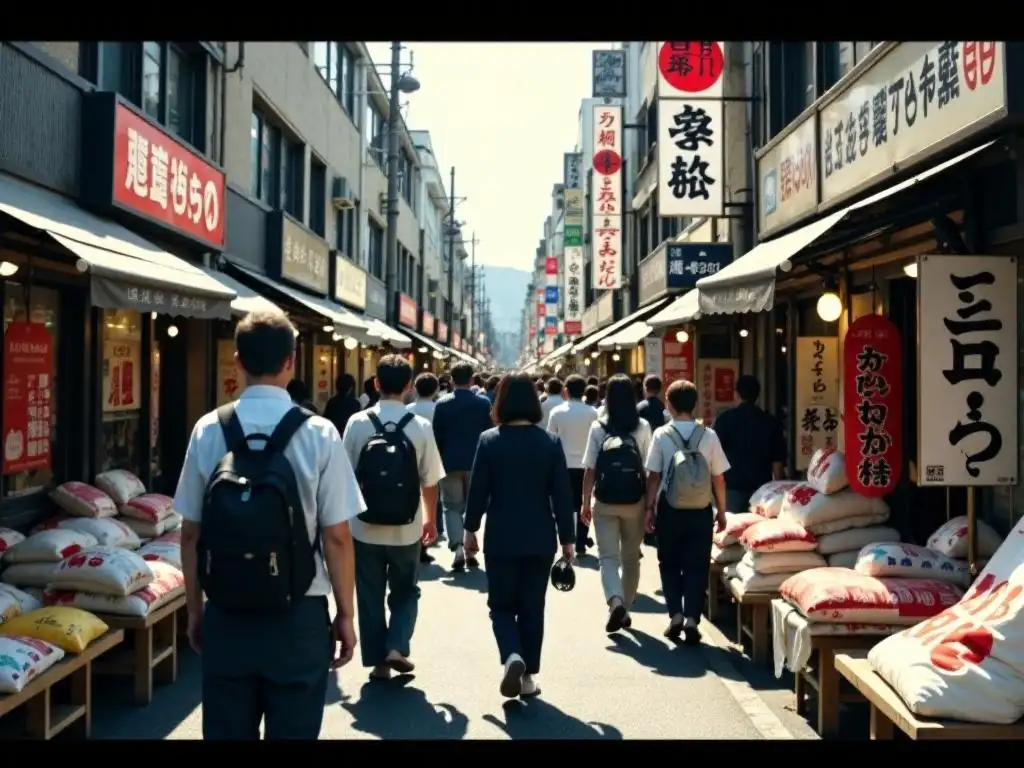
Japan's isolationist trade practices, particularly during the Edo period (1603-1868), are often compared to similar policies implemented by other nations throughout history. By examining these comparative cases, we can better understand the unique characteristics and implications of Japan's approach to isolationism.
Isolationist Trade Practices in Historical Context
Japan's isolationist policies, known as sakoku, effectively closed the country to foreign influence and trade for over two centuries. This was a deliberate response to the perceived threats posed by European colonial powers and Christian missionaries. The sakoku edicts restricted foreign contact, allowing only a limited exchange with the Dutch and Chinese at designated ports.
In contrast, other nations like China and Korea also adopted isolationist strategies, albeit with varying degrees of success and enforcement. For instance, the Ming Dynasty's maritime restrictions were aimed at controlling piracy and foreign influence, leading to a decline in trade, while Korea's strict isolationism during the Joseon Dynasty was influenced by Confucian ideals and the desire to preserve national identity.
Comparison with Other Isolationist Economies
When comparing Japan's isolationist trade practices to those of other economies, such as North Korea or the early United States, several similarities and differences emerge. North Korea's current isolation is primarily political and ideological, resulting in severe economic repercussions and reliance on limited barter trade with allies.
Conversely, the early United States implemented isolationist policies to protect its burgeoning economy from European entanglements, yet it gradually opened its markets, leading to robust economic growth. Japan's isolationism, while initially detrimental, ultimately allowed for the development of a unique cultural and economic identity that would later facilitate a rapid modernization and reintegration into global trade networks.
Lessons Learned from Japan's Economic Isolationism
The economic implications of Japan's isolationist practices offer valuable lessons for contemporary policymakers. One significant takeaway is the need for balance between protecting national interests and engaging with the global economy. Japan's initial self-imposed isolation stunted technological and industrial advancement, highlighting the risks of extreme protectionism. Furthermore, the consequences of isolationism can linger long after policies are lifted, as seen in Japan's struggle to re-establish itself as a competitive global economic power post-isolation. Today, nations must consider the long-term implications of isolationist policies and prioritize sustainable engagement with international markets.
The Role of Cultural Factors in Japan's Isolationist Trade Practices
Cultural factors played a crucial role in shaping Japan's isolationist trade practices. The interplay between cultural beliefs, societal values, and trade policies influenced the nation's approach to foreign engagement and economic interactions.
Influence of Confucianism on Trade Policies
Confucianism significantly impacted Japan's societal framework and trade policies during the Edo period. The philosophy emphasized hierarchy, social harmony, and moral conduct, which translated into a cautious approach to foreign relations and commerce. Confucian ideals prioritized agrarianism and self-sufficiency, viewing trade as a potentially disruptive force to social order. This cultural backdrop justified the restrictive trade measures, as officials believed that limiting foreign influence would preserve Japan's social fabric and maintain domestic stability.
Societal Attitudes Towards Foreign Goods and Trade
Japanese society harbored ambivalent attitudes towards foreign goods and trade. While there was curiosity about foreign products, this fascination was often tempered by a strong sense of nationalism and cultural pride. The influx of foreign ideas and commodities was perceived as a threat to traditional Japanese values and lifestyles. This led to a societal consensus favoring limited engagement with the outside world. The cultural perception of foreign goods as inferior or corrupting further reinforced the government's isolationist policies, demonstrating how societal attitudes shaped Japan's trade practices and economic decisions throughout its isolationist period.
Conclusion: The Legacy of Japan's Isolationist Trade Effects
Japan's isolationist trade practices, particularly during the Edo period (1603-1868), have left a profound legacy that continues to influence its economy and foreign relations. The sakoku policy, or "closed country" policy, effectively restricted foreign influence while fostering a unique internal culture and economy. This deliberate limitation on international trade not only shaped Japan's economic landscape but also set the stage for its eventual modernization and reintegration into the global market in the Meiji Restoration (1868) era.
The long-term effects of these isolationist practices illustrate a complex relationship between economic self-sufficiency and the need for external resources. While Japan developed a stable and prosperous economy during its isolation, the lack of engagement with global trade systems also meant that it missed opportunities for technological advancements and diverse cultural exchanges. The legacy of this period is evident today, as Japan continues to balance its rich cultural heritage with the demands of globalization.
Summary of Key Economic Implications
The economic implications of Japan's isolationist trade practices can be summarized through several key points:
- Self-Sufficiency Development: The sakoku policy encouraged the growth of domestic industries, particularly in agriculture and crafts, which led to a form of self-sufficiency. This focus on local production allowed Japan to build a robust economy, albeit one that was somewhat insular.
- Limited Foreign Exchange: With restricted trade, Japan had limited access to foreign goods and technologies. This created a gap in technological advancement, which would later become evident when compared to Western nations during the 19th century.
- Cultural Homogeneity: The isolationist policies led to a relatively homogeneous society, as foreign influences were minimized. This allowed for the preservation of traditional Japanese culture, arts, and practices, contributing to a unique national identity.
- Economic Vulnerability: The lack of diversification in trade and reliance on domestic resources made Japan vulnerable to economic shocks. When the country eventually reopened to international trade, it faced significant challenges in competing with more industrialized nations.
- Post-Isolation Economic Transformation: The transition from isolation to an open trade economy brought about significant reforms and modernization. The influx of foreign ideas and technologies during the Meiji Restoration transformed Japan into an industrial power, highlighting the critical need for international engagement.
Reflection on the Future of Japan's Trade Policies and Global Integration
As Japan looks to the future, the lessons learned from its isolationist past are shaping contemporary trade policies. Today's globalized economy presents both challenges and opportunities for Japan, which must navigate complex international relationships while maintaining its economic interests.
- Balancing Protectionism and Globalization: Japan faces the challenge of protecting its domestic industries while engaging in global trade. This balance is crucial as it works to enhance competitiveness without sacrificing cultural and economic integrity.
- Technological Innovation and Collaboration: In an era where technological advancements are key to economic success, Japan's future policies may lean towards fostering international collaborations. This shift could lead to greater innovation, particularly in fields like robotics, automotive, and renewable energy.
- Regional Trade Agreements: Japan has been actively pursuing regional trade agreements, such as the Comprehensive and Progressive Agreement for Trans-Pacific Partnership (CPTPP). These agreements reflect a commitment to integrating more deeply into global supply chains while promoting mutual economic growth.
- Cultural Exchange and Soft Power: Japan's unique culture continues to attract global interest, and leveraging this cultural soft power can strengthen international relations. Future trade policies may focus on cultural diplomacy as a means to enhance economic ties.
The economic implications of Japan's historical isolationist trade practices resonate in its current trade strategies and policies. By reflecting on its past, Japan can better navigate the complexities of global integration while preserving its rich heritage and fostering economic prosperity.
- Introduction to Japan's Isolationist Trade Practices
- Understanding the Economic Effects of Japan's Isolationist Trade
- Historical Examples of Isolationist Trade Policies in Japan
- Long-term Economic Consequences of Japan's Isolationist Policies
- Comparative Analysis of Japan's Isolationism and Other Countries
- The Role of Cultural Factors in Japan's Isolationist Trade Practices
- Conclusion: The Legacy of Japan's Isolationist Trade Effects
- What were the main reasons for Japan's isolationist trade practices?
- How did isolationism impact Japan's economy?
- What were the effects of isolationism on Japanese society?
- How did Japan's isolationist policies change in the 19th century?
- What lessons can be learned from Japan's isolationist trade practices?
Frequently Asked Questions
What were the main reasons for Japan's isolationist trade practices?
Japan's isolationist trade practices were primarily driven by political control and the desire to maintain cultural integrity. The Tokugawa Shogunate aimed to limit foreign influence and preserve traditional Japanese values.
How did isolationism impact Japan's economy?
The economic implications of isolationist trade practices included limited trade opportunities and a reliance on domestic production. This resulted in both economic stability and eventual stagnation, as Japan missed out on global market advancements.
What were the effects of isolationism on Japanese society?
Isolationism fostered a unique cultural development within Japan, leading to the growth of distinct art forms and social customs. However, it also created a disconnect from global trends, slowing technological and intellectual progress.
How did Japan's isolationist policies change in the 19th century?
By the mid-19th century, pressure from Western powers forced Japan to abandon its isolationist policies. The opening of trade marked a significant shift, leading to rapid industrialization and integration into the global economy.
What lessons can be learned from Japan's isolationist trade practices?
Japan's experience highlights the importance of balance between protecting national interests and engaging in global trade. Understanding the long-term effects of isolationism can inform modern trade policies in a globalized world.
Final Reflection: The Lasting Impact of Japan's Isolationist Trade Practices
The economic implications of Japan's isolationist trade practices resonate profoundly in today's global marketplace. As nations grapple with the complexities of trade relationships, understanding the historical context of Japan's approach provides critical insights into modern economic strategies. The lessons learned from Japan's past can illuminate the paths forward for countries navigating the challenges of globalization and protectionism.
Culture and society are inextricably linked to economic practices, and Japan's isolationist trade policies have shaped not only its economy but also its cultural identity. The emphasis on self-sufficiency and selective engagement with the global market has fostered a unique blend of tradition and innovation. As noted by economist Richard Baldwin, Trade is not just about goods; it’s about ideas and culture, and Japan’s approach has been a double-edged sword.
This observation underscores the ongoing influence of Japan's trade practices, which continue to inspire discussions about the balance between openness and protectionism in an interconnected world.
As we reflect on the lessons from Japan's isolationist trade effects, I invite you to consider how these insights can be applied in your own life and community. What can we learn from Japan's historical choices about the importance of adaptability and resilience in the face of economic challenges? Embrace the opportunity to engage thoughtfully with the complexities of trade and culture, and let these reflections guide you toward a more informed and proactive stance in your personal and professional endeavors.
Uncover the Impact: Take Action Now!
Thank you for exploring the complex landscape of Japan's isolationist trade practices and their economic implications. Your engagement with this theme not only enhances your understanding but also empowers you to think critically about historical contexts. Now, let’s transform your newfound knowledge into action!
- Explore further by researching how isolationist policies shape modern economies worldwide.
- Share your thoughts and insights with friends or on social media to foster intriguing discussions.
- Consider visiting local museums or exhibitions that showcase artifacts from Japan's isolationist period to experience history up close.
As you reflect on these insights, which aspects of Japan's trade practices do you believe could have the most significant influence on today’s global economy?