
The Rise of the Shogunate: Governance Structures in the Kamakura Period

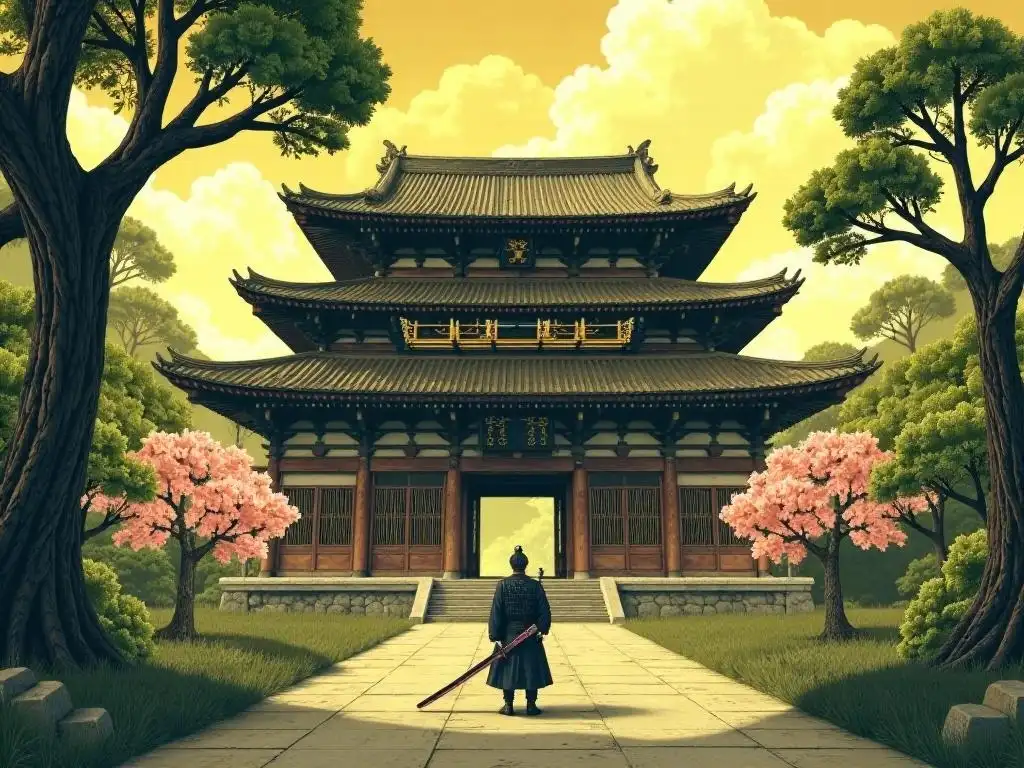
Welcome to Feudal Japan History, where we embark on a captivating journey through the intricate tapestry of Japan's feudal era. In this exploration, we delve into the Kamakura period governance structures, a pivotal moment that shaped the political landscape of the nation. Discover how the rise of the shogunate altered the course of history and influenced the very fabric of Japanese society. Prepare to unravel the complexities of leadership and power during this transformative time, and let your curiosity guide you deeper into the rich narratives that await.
Introduction to the Kamakura Period Governance Structures
The Kamakura period, spanning from 1185 to 1333, marks a pivotal era in Japanese history characterized by the establishment of a new governance structure that shifted power from the imperial court to military leaders known as shōgun. This transformation not only altered the political landscape but also set the stage for centuries of feudal rule in Japan.
During this period, the shogunate emerged as a dominant force, creating a complex system of governance that integrated military authority with local administration, which would influence Japan's political development for generations to come. Understanding the governance structures of the Kamakura period is essential for grasping the broader implications of feudalism in Japan and its lasting impact on Japanese culture and society.
Overview of the Kamakura Period (1185-1333)
The Kamakura period began after the Genpei War, which culminated in the defeat of the Taira clan and the rise of the Minamoto clan, led by Minamoto no Yoritomo. This era is notable for several significant developments, including:
- Establishment of the Shogunate: The Kamakura shogunate became the first military government in Japan, which signified a shift from aristocratic rule to a system where military leaders held power.
- Feudal Hierarchies: A feudal hierarchy emerged, where land was granted in exchange for military service, leading to the rise of samurai culture and loyalty to local lords (daimyō).
- Cultural Flourishing: Despite the political changes, the Kamakura period also saw the flourishing of culture, including the development of Zen Buddhism and a unique artistic expression that integrated samurai values.
This period set a foundation for the governance structures that would dominate Japan for centuries and influence its historical trajectory.
Importance of Governance in Feudal Japan
Governance during the Kamakura period was not merely a matter of political administration; it was a relationship defined by loyalty, duty, and martial prowess. The structure of governance in this era had several key implications:
- Military Control: The shogunate prioritized military strength, establishing a system where military leaders maintained control over their territories through a network of vassals.
- Legal Framework: The implementation of legal codes, such as the Joei Code, provided a basis for governance that addressed issues ranging from land disputes to criminal justice.
- Social Order: The governance structures helped maintain social order amidst the chaos of warring clans, creating a sense of stability that was crucial for the growth of trade and cultural exchange.
The Emergence of the Shogunate System
The rise of the shogunate system during the Kamakura period was a complex process influenced by various historical and social factors that shaped Japan's political landscape.
Historical Context of the Shogunate's Rise
The emergence of the shogunate was rooted in the socio-political turmoil of the late Heian period. Key events leading to this transformation included:
- Decline of Imperial Power: The weakening of the imperial court and the rise of powerful clans diminished the authority of the emperor, paving the way for military leaders to assert control.
- Warring Clans: The conflicts among the powerful clans, particularly the Taira and Minamoto, highlighted the need for a centralized military authority to restore order.
- Support from Samurai Class: The growing influence of the samurai class, who sought stability and protection for their lands, played a crucial role in supporting the establishment of the shogunate.
Key Figures in the Establishment of the Shogunate
Several pivotal figures emerged during the Kamakura period, each contributing to the formation and consolidation of the shogunate:
- Minamoto no Yoritomo: As the founder of the Kamakura shogunate, Yoritomo's leadership and military strategies were instrumental in establishing shogunal authority.
- Hōjō Clan: Following Yoritomo's death, the Hōjō clan gained power through the position of shikken (regent), effectively controlling the shogunate and shaping its policies for decades.
- Influential Generals: Figures such as Minamoto no Yoshitsune, though ultimately at odds with Yoritomo, played significant roles in military campaigns that solidified the shogunate's power.
The governance structures established during this period were crucial in defining Japan's political evolution, laying the groundwork for future regimes and the enduring legacy of the samurai.
Governance Structures in the Kamakura Period
The governance structures during the Kamakura period (1185-1333) were pivotal in shaping Japan's political landscape. This period marked the transition from imperial rule to a feudal system dominated by military leaders known as shoguns. The Kamakura shogunate, established by Minamoto no Yoritomo, introduced a decentralized form of governance that relied heavily on the loyalty of samurai and local lords, or daimyos. The unique blend of military and administrative authority characterized this era, influencing the socio-political dynamics that would persist in Japan for centuries.
Definition and Characteristics of Kamakura Period Governance
Kamakura period governance can be defined as a feudal system where power was concentrated in the hands of the shogunate while local governments operated under this overarching authority. The key characteristics of this governance structure included:
- Decentralization: Authority was distributed among various local lords (daimyos), each managing their own domains while pledging loyalty to the shogun.
- Military Rule: The shogunate prioritized military prowess, reflecting the era's focus on warfare and the protection of territories.
- Land-Based Economy: Land ownership was crucial, as wealth and power were derived from agricultural production and control over land.
- Bureaucratic Systems: Although decentralized, the Kamakura governance had a bureaucratic element that involved the establishment of various administrative roles and systems to manage local affairs.
These characteristics facilitated a robust framework that allowed the shogunate to exert influence over Japan while maintaining order in a fragmented political landscape.
The Role of the Shogun in Governance
The shogun was the de facto ruler of Japan during the Kamakura period, wielding significant power over both military and civil matters. The role of the shogun included:
- Supreme Military Leader: The shogun commanded the samurai class and was responsible for national defense and military campaigns, often leading armies into battle.
- Judicial Authority: The shogun had the power to enforce laws and deliver justice, often through appointed officials who managed local disputes and upheld the shogunate's orders.
- Land Distribution: The shogun controlled land allocation, granting fiefs to loyal samurai and daimyos, thereby ensuring their allegiance and maintaining a strong military presence across Japan.
- Diplomatic Relations: The shogun managed foreign affairs and interactions with other nations, including Korea and China, balancing both military and trade interests.
Through these roles, the shogun established a centralized authority that, while decentralized in practice, was crucial for maintaining control over the diverse and often tumultuous regions of Japan.
The Feudal Hierarchy and Local Governance
The feudal hierarchy of the Kamakura period was a complex web of relationships between various classes, primarily the shogun, samurai, and daimyos. This system allowed for local governance that was effective in dealing with regional issues while adhering to the overarching authority of the shogunate.
The Samurai Class and its Role in Governance
The samurai class played a critical role in the governance structures of the Kamakura period. As the warrior elite, their responsibilities included:
- Military Service: Samurai were obligated to serve the shogun in military campaigns, providing the necessary force to protect and expand territories.
- Local Governance: Many samurai were appointed as local leaders or stewards (shugo), overseeing administrative duties, tax collection, and law enforcement within their assigned regions.
- Loyalty and Fealty: The samurai's loyalty to their lords was paramount, as this loyalty ensured stability and order within the feudal hierarchy. In return, they were granted land and stipends, fostering a mutual bond of dependence.
- Cultural Custodians: Beyond military and governance roles, samurai also contributed to the cultural landscape of Japan, promoting arts, literature, and philosophies that shaped the period.
The samurai class, therefore, was essential not only for military might but also as the backbone of local governance, embodying the values and expectations of the feudal system.
The Role of Daimyos in the Kamakura Governance Structure
Daimyos, or powerful local lords, were integral to the governance structure during the Kamakura period. Their roles included:
- Regional Authority: Daimyos managed their own domains with considerable autonomy, enforcing local laws and managing economic activities within their territories.
- Military Alliances: They were responsible for raising armies from their vassals (samurai) and providing military support to the shogun when required, forming a critical part of the shogunate's defense strategy.
- Land Management: By controlling large estates, daimyos collected taxes and resources, which were essential for sustaining their power and fulfilling their obligations to the shogun.
- Political Influence: Through marriages and alliances, daimyos could enhance their political power, often engaging in strategic partnerships that affected regional stability and governance.
In essence, daimyos were key players in the Kamakura governance structure, balancing their local authority with the expectations of loyalty to the shogun, thus maintaining the delicate equilibrium of power that defined this historical period.
Administrative Practices in the Kamakura Period
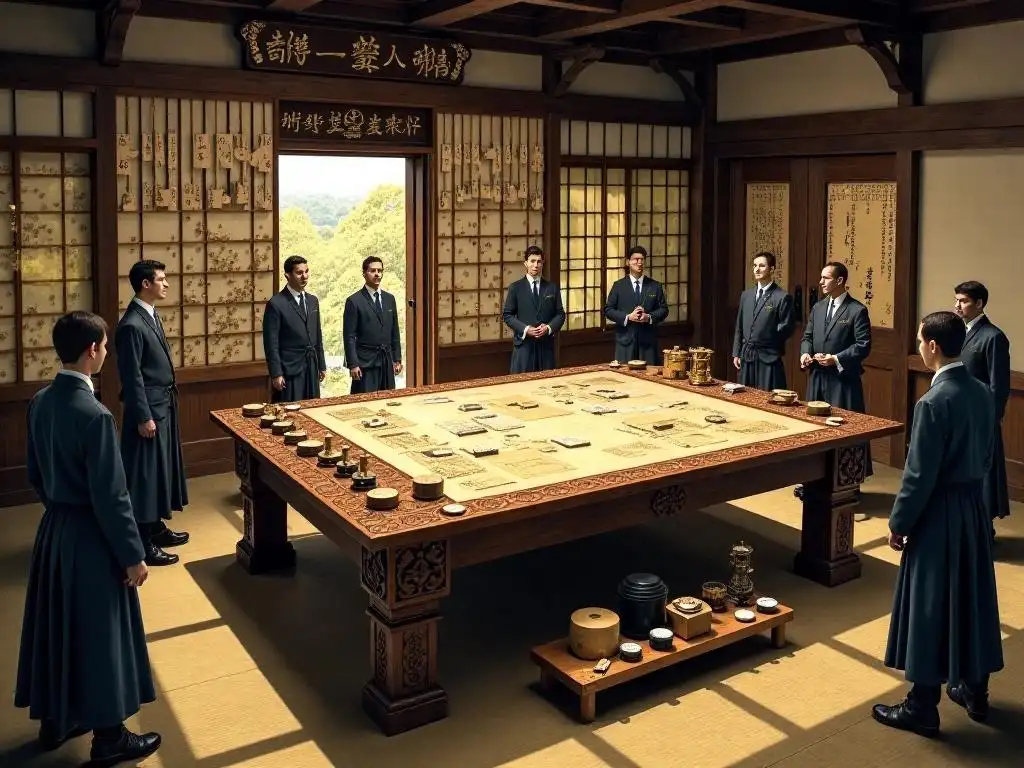
The Kamakura period (1185-1333) marked a significant transformation in Japan's governance structures, transitioning from a court-centered authority to a military government led by the shogunate. This era introduced new administrative practices that reflected the needs of a warrior class and the realities of feudal society. Central to this transformation was the establishment of a dual government system, where the imperial court maintained ceremonial and cultural authority while the shogunate exercised real political and military power.
The Kamakura shogunate implemented a system of governance that relied on local lords, known as daimyō, who were granted land and responsibilities in exchange for loyalty and military service. This decentralization of power led to the creation of a network of vassals who managed territories on behalf of the shogunate. The use of samurai to enforce local governance became commonplace, establishing a military bureaucracy that was distinct from the previous aristocratic governance.
Moreover, the Kamakura period saw the development of administrative documents and regulations designed to manage these new structures effectively. Legal codes were established, such as the Goseibai Shikimoku, which outlined the obligations and duties of vassals and lords, thereby creating a legal framework that reinforced the hierarchical nature of Kamakura governance.
The Ritsuryō System and Its Adaptation
The Ritsuryō system, a centralized system of government based on Chinese models, laid the groundwork for Japan's early administrative structure during the Nara and Heian periods. However, during the Kamakura period, this system underwent significant adaptation to fit the emerging feudal landscape. While the Ritsuryō system emphasized a bureaucratic governance model, the realities of military rule necessitated changes to maintain order and control over a fragmented territory.
One of the key adaptations was the reduction of the central government's influence over provincial matters. Local daimyō began to exercise greater autonomy, leading to a more fragmented political structure. This shift allowed the shogunate to focus on military matters while local lords handled governance within their territories. The adaptation also included a more flexible approach to land management, where the shogunate granted land rights to vassals based on loyalty rather than strictly adhering to Ritsuryō land distribution principles.
Despite these changes, remnants of the Ritsuryō system persisted. For instance, the Kamakura shogunate continued to utilize certain bureaucratic practices, such as record-keeping and tax collection, albeit in a more localized and militarized context. This hybrid governance approach allowed for both centralized military power and decentralized local administration, creating a unique blend of traditional and innovative practices.
Introduction of New Administrative Techniques
The Kamakura period saw the introduction of several new administrative techniques that enhanced governance efficiency and addressed the challenges of managing a warrior-based society. One notable technique was the establishment of a system of shugo (military governors) who oversaw provinces. Appointed by the shogunate, these governors had both military and administrative duties, ensuring that the shogunate's authority extended beyond the capital.
Additionally, the use of jito (land stewards) became prevalent during this period. These stewards managed estates on behalf of the daimyō and collected taxes, further delegating authority and responsibilities to local administrators. This delegation allowed the shogunate to maintain control over vast territories without the need for a large bureaucratic apparatus.
The introduction of new legal codes, such as the aforementioned Goseibai Shikimoku, also played a crucial role in standardizing governance practices across different regions. These laws not only outlined the rights and responsibilities of the samurai class but also provided a legal framework for resolving disputes and maintaining order, thus fostering a sense of stability during a period characterized by conflict.
Conflicts and Challenges in Governance
The governance structures of the Kamakura period faced numerous conflicts and challenges, both from within the shogunate and from external forces. These challenges were instrumental in shaping the evolution of governance during this tumultuous era.
Internal Struggles within the Kamakura Shogunate
Internal struggles were a significant feature of Kamakura governance, primarily stemming from power disputes among the ruling elite. The shogunate was marked by factionalism among the samurai class, with various families vying for influence and control. This competition often led to conflicts that undermined the shogunate's authority.
One of the most notable internal conflicts occurred during the Shōtoku and Hōgen incidents, where rival factions within the samurai class engaged in violent confrontations. These power struggles not only destabilized the shogunate but also highlighted the challenges of maintaining loyalty among vassals in a decentralized system where personal ambition could supersede allegiance to the shogunate.
Additionally, the succession crises that arose within the Kamakura shogunate further complicated governance. Disputes over the rightful heir often led to civil strife, as different factions supported competing claimants. These internal challenges tested the shogunate's ability to maintain order and cohesion among its vassals and ultimately contributed to its decline.
External Threats to Kamakura Governance
The Kamakura period was not only defined by internal strife but also by external threats that challenged the stability of its governance structures. The most significant external threat came from the Mongol invasions in the late 13th century, which aimed to expand Mongol influence over Japan. The invasions in 1274 and 1281 tested the military capabilities of the Kamakura shogunate and its governance structures.
The shogunate's response to these invasions necessitated a unified military effort, which revealed the limitations of its decentralized governance. While the samurai rallied to defend the nation, the lack of a centralized military command and coordination among the daimyō posed significant challenges. Despite the ultimate success in repelling the invasions, the financial strain and loss of life exposed vulnerabilities in the shogunate's ability to govern effectively during times of crisis.
Moreover, the external pressures from the Mongols contributed to a sense of instability that weakened the shogunate's authority in the eyes of the local lords. The subsequent military and economic strains led to increasing dissatisfaction among the samurai class, setting the stage for the eventual decline of the Kamakura shogunate and the rise of new power structures in the following centuries.
Evolution of Governance Towards the End of the Kamakura Period
As the Kamakura period progressed, the governance structures that initially served to stabilize the shogunate began to show signs of strain. The central authority of the Kamakura Shogunate, led by the Minamoto clan, faced increasing challenges from both internal and external forces. One significant evolution was the rise of regional warlords (daimyō), who began to assert more power and autonomy over local governance. This decentralization led to a fragmented political landscape where the shogunate struggled to maintain control.
Additionally, the increasing reliance on vassals and the samurai class for military support further complicated governance. While this created a network of loyalty and service, it also meant that local leaders could act independently, often conflicting with the shogunate’s objectives. Economic difficulties due to natural disasters and prolonged military campaigns, especially against the Mongol invasions, exacerbated the situation, leading to a decline in the shogunate's authority and public support.
Factors Leading to the Decline of the Kamakura Shogunate

Several critical factors contributed to the decline of the Kamakura Shogunate.
- Military Failures: The shogunate's inability to effectively repel the Mongol invasions in 1274 and 1281 significantly weakened its reputation. Although typhoons (kamikaze) aided in repelling the Mongol fleets, the loss of life and resources strained the shogunate's military capabilities.
- Economic Strain: The cost of defense against external threats and the need to support the samurai class led to financial difficulties. This situation was compounded by natural disasters, such as earthquakes and famines, which disrupted agricultural production and trade.
- Political Fragmentation: The growing power of regional daimyō resulted in a fragmented authority, with many local leaders prioritizing their interests over allegiance to the shogunate. This shift undermined the central power's ability to enforce laws and maintain order.
- Internal Conflicts: Factionalism within the samurai class and disputes over succession further weakened the shogunate. Rivalries among noble families often led to civil strife, eroding the unity that had been essential for the shogunate's governance.
Transition to the Ashikaga Shogunate and Its Governance Changes
The decline of the Kamakura Shogunate paved the way for the emergence of the Ashikaga Shogunate in the early 14th century. This transition marked a significant shift in governance structures and political power dynamics in Japan.
The Ashikaga Shogunate, founded by Ashikaga Takauji, adopted a more flexible governance model than its predecessor. The new shogunate emphasized collaboration with the imperial court in Kyoto, seeking legitimacy through courtly traditions while also accommodating the growing influence of local daimyō.
Key changes included:
- Decentralization of Power: The Ashikaga Shogunate allowed greater autonomy to regional warlords, fostering a more decentralized political structure. This shift recognized the realities of local power dynamics and facilitated a more effective governance system.
- Cultural Flourishing: Embracing the arts and culture, the Ashikaga Shogunate promoted the development of Zen Buddhism, tea ceremonies, and Noh theater, which influenced both governance and society.
- Institutional Reforms: The Ashikaga implemented various reforms, such as the establishment of the shugo (military governors) system, which aimed to improve local governance while still maintaining shogunal authority.
Conclusion: The Legacy of Kamakura Period Governance Structures
The governance structures established during the Kamakura period left a profound legacy that shaped subsequent political developments in Japan. The transition from a centralized shogunate to a more decentralized governance model laid the groundwork for the feudal system that would dominate the following centuries.
The Kamakura Shogunate's reliance on the samurai class and regional daimyō influenced the social hierarchy, establishing the warrior class as a dominant force in Japanese society.
Influence on Future Japanese Governance Models
The governance models developed during the Kamakura period served as a foundation for the political structures that followed. The balance between central authority and regional autonomy became a recurring theme in Japanese governance. The Ashikaga Shogunate and later the Tokugawa Shogunate would draw upon these precedents, adapting them to their respective contexts.
Moreover, the legal frameworks and administrative practices established during the Kamakura period influenced the evolution of Japan's feudal law, shaping the interactions between the shogunate and the samurai class.
Lasting Impact on Samurai Culture and Feudal Society
The Kamakura period solidified the cultural and social identity of the samurai, embedding values such as loyalty, honor, and martial prowess into the fabric of Japanese society. The governance structures of this era facilitated the rise of the samurai as a distinct class, leading to the development of bushido, the way of the warrior.
Furthermore, the feudal system that emerged during this period impacted social relations, establishing a hierarchy that would persist throughout the Edo period. The emphasis on loyalty to one’s lord and the responsibilities of vassalage would continue to define the samurai ethos, leaving a lasting imprint on Japan's cultural and historical narrative.
References for Further Reading on Kamakura Period Governance Structures
The governance structures of the Kamakura period are complex and multifaceted, reflecting the socio-political dynamics of the time. For those interested in delving deeper into this significant era of Japanese history, a variety of resources—ranging from books and articles to online archives—are available. Below are some recommended materials that provide comprehensive insights into the governance structures during the Kamakura period.
Suggested Books and Articles
- "The Kamakura Shogunate: A History" by John A. K. Dorrance
- This book offers a detailed analysis of the emergence of the Kamakura Shogunate, examining the political and military strategies that defined its governance.
- "Japan's Early Modern History, 1600-1868" by Michael F. Marra
- Although primarily focused on the early modern period, this work provides essential context regarding the influence of the Kamakura period on subsequent governance structures.
- "The Origins of the Japanese State: A Historical Study of the Kamakura Period" by William Wayne Farris
- Farris explores the foundations of the Japanese state during the Kamakura period, emphasizing the role of the shogunate in shaping governance frameworks.
- "Warriors of Japan as Portrayed in the War Tales" by Paul Varley
- This text delves into the significance of warrior culture during the Kamakura period and its implications for governance, providing a cultural lens to the political structures of the time.
- "The Shogun's City: A History of Kamakura" by Takashi Sugiyama
- Sugiyama provides a thorough overview of Kamakura as a political center, discussing the urban governance models that emerged alongside the military leadership.
Online Resources and Archives
- National Diet Library of Japan
- The National Diet Library offers a wealth of digitized documents, historical records, and academic papers related to the Kamakura period. This resource is invaluable for researchers seeking primary sources.
- The Internet Archive
- This digital library hosts a collection of books, articles, and documents on Japanese history, including those focusing on the Kamakura period. Users can access various texts for free and enhance their understanding of governance structures.
- Japanese Historical Text Initiative
- This initiative provides access to historical texts and translations that detail the governance systems of feudal Japan, including the Kamakura period. It is an excellent resource for students and scholars alike.
- The Japan Society for the Promotion of Science (JSPS)
- JSPS offers a range of publications and research papers focusing on various aspects of Japanese history, including political governance during the Kamakura period.
- Academia.edu
- A platform where scholars share their research papers, including studies on Kamakura period governance. This resource allows users to connect with experts and access a range of academic articles.
These references will enhance your understanding of the Kamakura period governance structures, providing both academic rigor and cultural context essential to studying this pivotal era in Japanese history.
- Introduction to the Kamakura Period Governance Structures
- The Emergence of the Shogunate System
- Governance Structures in the Kamakura Period
- The Feudal Hierarchy and Local Governance
- Administrative Practices in the Kamakura Period
- Conflicts and Challenges in Governance
- Evolution of Governance Towards the End of the Kamakura Period
- Factors Leading to the Decline of the Kamakura Shogunate
- Transition to the Ashikaga Shogunate and Its Governance Changes
- Conclusion: The Legacy of Kamakura Period Governance Structures
- Influence on Future Japanese Governance Models
- Lasting Impact on Samurai Culture and Feudal Society
- References for Further Reading on Kamakura Period Governance Structures
Frequently Asked Questions
What was the Kamakura period?
The Kamakura period (1185-1333) marked the rise of the shogunate in Japan, establishing a military government that shifted power away from the emperor and centralized authority under the shōgun.
How did governance structures change during the Kamakura period?
During the Kamakura period, governance shifted from imperial rule to a military-led government, where the shōgun and daimyōs exercised significant control over land and military resources, shaping the political landscape of Japan.
What role did the samurai play in Kamakura governance?
The samurai were crucial in the Kamakura governance structures, serving as both military protectors and local rulers. Their loyalty to the shōgun helped maintain order and enforce the shogunate's policies across the regions.
How did the Kamakura period influence Japanese culture?
The Kamakura period fostered the development of bushido, the warrior code, and influenced arts and religion, including the rise of Zen Buddhism, which emphasized discipline and simplicity in both life and aesthetics.
What were the key conflicts during the Kamakura period?
Key conflicts such as the Mongol invasions (1274 and 1281) challenged Kamakura governance. The shogunate's successful defense against these invasions solidified its power and enhanced the samurai's status in society.
Final Reflection: Understanding the Legacy of Kamakura Period Governance Structures
The Kamakura period governance structures not only shaped the political landscape of medieval Japan but also laid the groundwork for future governance models. As we reflect on this era, it becomes clear that the intricate balance of power, the emergence of the samurai class, and the establishment of a feudal system resonate profoundly with contemporary governance issues. In a world where political structures are constantly evolving, the lessons from the Kamakura period remind us of the importance of adaptability and resilience in leadership.
The influence of the Kamakura period continues to permeate our cultural and social landscape, serving as a historical touchstone for discussions on authority and governance. This era illustrates how power can be decentralized while still maintaining order and stability. As we navigate modern complexities, we can draw parallels to the way the Kamakura shogunate managed local governance through a network of loyal vassals and regional leaders. The past is never dead. It's not even past.
— William Faulkner. This quote encapsulates the enduring relevance of historical governance structures, urging us to consider how past systems inform our present and future.
As you reflect on the governance structures of the Kamakura period, I invite you to contemplate how these historical lessons can be applied to your own life and community. What can we learn from the balance of power and the role of leadership during this transformative time? Embrace the opportunity to engage with these ideas, fostering a deeper understanding of how governance shapes our interactions and responsibilities today. Let the legacy of the Kamakura period inspire you to think critically about the structures that govern your own life and the impact you can have within your community.
Unveil the Legacy: Take Action on Kamakura History!
Thank you for diving into the fascinating world of the Kamakura period! You've unlocked insights into the intricate governance structures of the shogunate, and now it's time to take your exploration further. Here’s how you can deepen your understanding and share your newfound knowledge with others:
- Dive Deeper: Read a book or article on feudal governance in Japan. Consider titles that focus specifically on the Kamakura Shogunate for richer insights.
- Join a Community: Connect with fellow history enthusiasts. Engage in discussions on online forums or local groups dedicated to Japanese history to share ideas and broaden your perspective.
- Spread the Knowledge: Share this article with friends or on social media platforms. Encourage conversations about the impact of the Kamakura period on modern Japan.
As you reflect on the past, we’d love to hear your thoughts: In what ways do you believe the governance structures of the Kamakura period continue to influence contemporary Japan today? Share your insights in the comments below!