
From Folklore to History: Best Books Capturing the Myths of Feudal Japan


Welcome to Feudal Japan History, where we invite you to embark on a fascinating journey through the rich tapestry of Japan's feudal era. Here, you will discover not only the historical milestones but also the cultural and societal nuances that shaped this remarkable period. In our featured article, “From Folklore to History: Best Books Capturing the Myths of Feudal Japan,” we delve into the literary treasures that bring to life the legends and realities of feudal Japan.
Are you ready to uncover the stories that intertwine myth and history? Dive deeper with us and explore the best books that illuminate this captivating chapter of Japanese heritage!
- Introduction to Feudal Japan: Myths and Literature
- The Role of Folklore in Feudal Japan
- Best Books on Feudal Japan: Exploring Myths and History
- The Intersection of History and Myth in Literature
- Recommendations for Further Reading on Feudal Japan
- Conclusion: The Legacy of Myths in Feudal Japan
-
Frequently Asked Questions
- What are some of the best books on feudal Japan?
- How do folklore and history intertwine in feudal Japan literature?
- Why is it important to study feudal Japan through literature?
- Are there specific authors known for their works on feudal Japan?
- How can I find more information about the myths of feudal Japan?
- Final Reflection: Embracing the Myths of Feudal Japan
- Uncover the Rich Tapestry of Feudal Japan!
Introduction to Feudal Japan: Myths and Literature
The feudal era of Japan, which spanned from the late 12th century to the mid-19th century, is a captivating period that shaped the nation’s identity through its complex social structures, cultural norms, and rich tapestry of legends. This era was marked by the rise of the samurai class, the establishment of powerful shogunates, and the interplay between warfare and peace that defined the lives of many. As we delve into the myths and folklore of feudal Japan, we uncover not only the stories that captivated the imagination of its people but also the societal values and historical truths they reflect. This exploration serves as a bridge from folklore to documented history, revealing how the narratives of the past continue to influence contemporary Japanese culture. In this article, we will highlight the best books on feudal Japan that encapsulate these myths, providing readers with a comprehensive understanding of this fascinating epoch.
Understanding the Historical Context of Feudal Japan
To appreciate the myths and literary works that emerged during feudal Japan, it is essential to understand the historical backdrop that gave rise to these narratives. The feudal system was characterized by a hierarchical structure where peasants, artisans, and merchants existed beneath the ruling samurai class. This societal organization influenced various aspects of life, including the economy, politics, and culture.
- The Rise of the Samurai: The samurai were not just warriors; they were also custodians of cultural practices, philosophy, and art. Their codes of conduct, such as Bushido, shaped the moral framework of society.
- Political Turmoil: The period was marked by constant power struggles, including the Genpei War (1180-1185) and subsequent civil wars, which laid the groundwork for the Kamakura and Muromachi shogunates.
- Cultural Flourishing: Despite the turmoil, or perhaps because of it, this era saw a flourishing of arts, including Noh theater, tea ceremonies, and literature. The tension between war and peace provided fertile ground for storytelling, where myths often served as allegories for the human experience.
Understanding these historical elements allows readers to appreciate the depth and complexity of the myths that emerged, as they often reflect the realities and aspirations of the era.
The Importance of Myths in Japanese Culture
Myths and folklore play a vital role in shaping cultural identity and collective memory. In feudal Japan, stories of gods, spirits, and legendary heroes were not merely entertainment; they were integral to the moral and ethical education of the populace.
- Cultural Transmission: Myths served as vehicles for transmitting cultural values and societal norms across generations. They often encapsulated lessons about loyalty, honor, and the consequences of hubris.
- Spiritual Beliefs: Shinto and Buddhist influences permeated these stories, intertwining the spiritual with the mundane. Myths provided explanations for natural phenomena and human behaviors, fostering a deep connection between the people and their environment.
- Social Cohesion: Shared myths helped forge a sense of community and belonging among the people, uniting them through common narratives that transcended regional differences.
In this way, the myths of feudal Japan are not just relics of the past; they are living narratives that continue to resonate in modern Japanese culture.
Overview of the Best Books on Feudal Japan
To gain deeper insights into the myths and historical context of feudal Japan, exploring literature on the subject is indispensable. Below is a curated list of some of the best books on feudal Japan that capture the essence of this era:
| Title | Author | Description |
|---|---|---|
| Hiroshima | John Hersey | Though not about feudal Japan, this book provides context for the modern implications of historical narratives. |
| The Tale of the Heike | Helen Craig McCullough | A seminal work that chronicles the Genpei War and the samurai ethos. |
| Shogun | James Clavell | A historical novel that immerses readers in the complexities of the samurai culture and political intrigue. |
| The Book of Five Rings | Miyamoto Musashi | A classic text on strategy and philosophy by the legendary swordsman. |
| Japanese Mythology: A to Z | Jeremy Roberts | An accessible reference that explores key figures and stories from Japanese mythology. |
These selections offer a blend of historical accounts, literary interpretations, and cultural analyses that illuminate the myths and realities of feudal Japan, making them essential reads for anyone interested in this rich period of history.
The Role of Folklore in Feudal Japan

Folklore played a significant role in shaping the culture, beliefs, and societal structures of feudal Japan. It served as a means to communicate values, traditions, and historical events through stories passed down generations. The intertwining of folklore with everyday life provided a lens through which the people of feudal Japan understood their world and their place within it.
Defining Folklore: Myths and Legends of Japan
Japanese folklore encompasses a vast array of myths, legends, and tales that reflect the beliefs and customs of the people throughout history. These narratives often feature supernatural beings, gods, and spirits (known as kami), as well as legendary heroes and historical figures. The importance of folklore can be seen in various forms, including:
- Oral traditions: Stories that were passed down verbally, often varying in detail with each retelling.
- Written texts: Collections of folktales, such as the Nihon Shoki (Chronicles of Japan) and Konjaku Monogatari (Tales of Times Now Past), which document and preserve these narratives.
- Art and performance: Folktales expressed through kabuki theater, Noh plays, and ukiyo-e woodblock prints.
These stories often served to explain natural phenomena, instill moral lessons, and convey the values of community, loyalty, and honor that were essential in feudal Japan.
Key Themes in Japanese Folklore
Japanese folklore is rich with recurring themes that highlight the cultural and societal values of the time. Some of the key themes include:
- The Hero's Journey: Many tales depict a hero's quest, showcasing bravery, resilience, and the importance of virtue. Notable examples include the stories of Yamato Takeru and Kintaro.
- Nature and the Supernatural: The connection between the natural world and the supernatural is a prevalent theme, often exploring the relationship between humans and kami. This theme is illustrated in tales like Momotaro (Peach Boy) and Urashima Taro.
- Moral Lessons: Folklore frequently conveys moral teachings, emphasizing the consequences of actions and the importance of ethical behavior. The story of The Grateful Crane teaches themes of gratitude and reciprocity.
- The Afterlife and Spirits: Many narratives explore beliefs about the afterlife, spirits, and ancestral worship, reflecting the significance of honoring one’s ancestors in Japanese culture. The tale of Yuki-onna (Snow Woman) is a haunting example of this theme.
How Folklore Influences Historical Narratives
Folklore has a profound impact on the way history is remembered and interpreted in Japan. The blending of myth and reality often blurs the lines between fact and fiction, leading to a unique understanding of historical events. This influence can be observed in several ways:
- Cultural Identity: Folklore contributes to a shared cultural identity among the Japanese people, fostering a sense of unity and continuity throughout the feudal era and beyond. It reinforces collective memory by embedding historical events within engaging narratives.
- National Pride: Stories of legendary heroes and historical figures often serve to evoke national pride and a sense of belonging. The tales of Minamoto no Yoshitsune and Takeda Shingen, for instance, are revered not only for their historical significance but also for the values they embody.
- Interpretation of History: The embellishment of historical events through folklore can shape perceptions of history. For example, the tale of the 47 Ronin serves as a symbol of loyalty and bushido (the way of the warrior), influencing how this pivotal event is viewed in Japanese culture.
- Literary Influence: Folklore has inspired countless literary works, shaping the narratives and themes explored by authors throughout history. Many modern interpretations of feudal Japan are deeply rooted in these traditional stories, providing a rich tapestry of cultural references.
Folklore is not merely a collection of stories; it is a vital component of the cultural fabric of feudal Japan. Its themes and narratives have shaped historical understanding, influenced societal values, and continue to resonate in contemporary Japanese culture. By exploring the best books on feudal Japan, readers can gain deeper insights into these powerful tales and their lasting impact on history.
Best Books on Feudal Japan: Exploring Myths and History
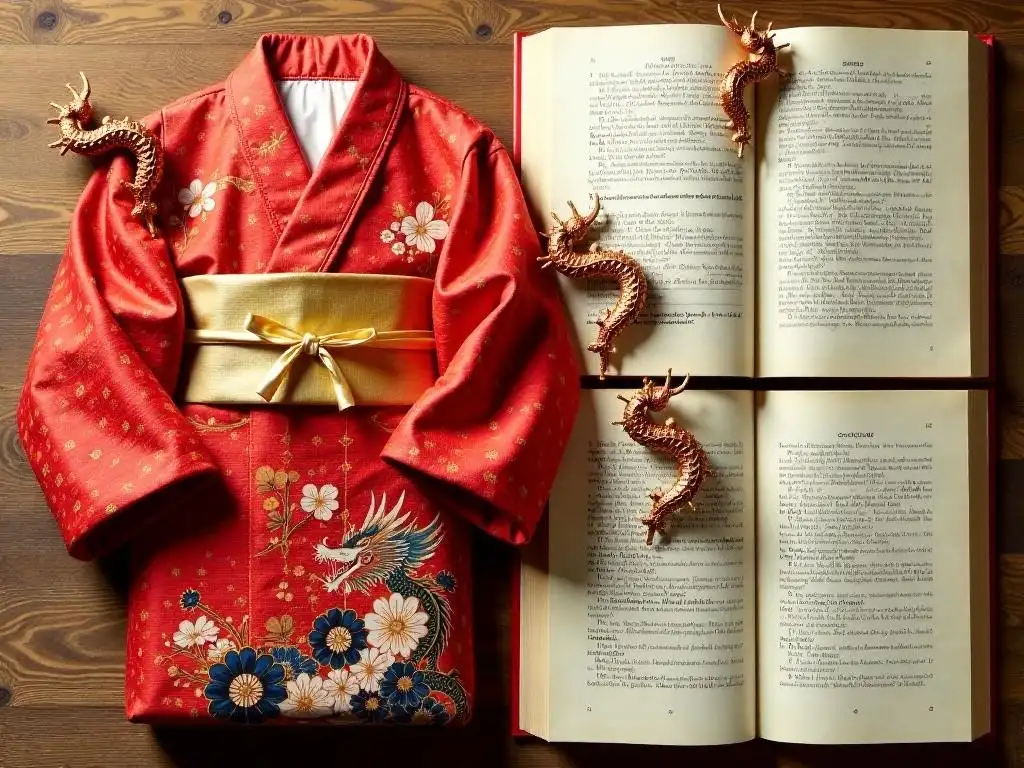
1. "The Tale of the Heike"
Overview and Historical Significance
"The Tale of the Heike" (Heike Monogatari) is an epic narrative that recounts the historical conflict between the Taira and Minamoto clans during the late Heian period. This text not only serves as a historical record but also as a literary masterpiece, blending history with myth and legend. Believed to have been composed in the 13th century, it reflects the turbulent socio-political landscape of feudal Japan that culminated in the rise of the samurai class. The text encapsulates the values, struggles, and aspirations of the time, making it a significant cultural artifact.
Key Themes and Myths Presented
At the heart of "The Tale of the Heike" are themes of impermanence and the fleeting nature of life, encapsulated in the famous phrase, "the sound of the Gion Shōja temple bells echoes the impermanence of all things." The narrative is rich with mythical elements, including the portrayal of supernatural beings, divine interventions, and the concept of karma. Key episodes, such as the tragic fate of the Taira clan and the heroic exploits of Minamoto no Yoshitsune, illustrate the conflict between destiny and personal agency, illustrating how these themes resonate deeply within Japanese culture.
Why It’s a Must-Read for Understanding Feudal Japan
Reading "The Tale of the Heike" is essential for anyone seeking to grasp the complexity of feudal Japan. It provides insights into the philosophical and moral underpinnings of samurai culture, along with the societal norms that governed life during this tumultuous era. The book's fusion of historical events with poignant storytelling allows readers to experience the emotional weight and cultural significance of the time, making it indispensable for understanding Japan's feudal history.
2. "Japanese Mythology: A Cultural History"
Comprehensive Analysis of Myths
"Japanese Mythology: A Cultural History" delves into the rich tapestry of Japan's mythological traditions, examining how these stories have shaped the cultural landscape throughout the ages. The book explores the origins of Japanese mythology, tracing its roots from ancient texts such as the "Nihon Shoki" and "Kojiki" to contemporary interpretations. It offers a comprehensive analysis of how myths have influenced not only literature but also religion, art, and societal values in Japan.
Important Figures and Legends in Japanese Mythology
This book introduces readers to pivotal figures in Japanese mythology, such as Amaterasu, the sun goddess, and her brother Susanoo, the storm god. It discusses legendary narratives like the creation myth and the adventures of various kami (deities) that inhabit the Shinto belief system. The interconnection between these figures and the feudal structure of society is highlighted, showing how myths served to legitimize the ruling classes and provide moral frameworks for the populace.
How This Book Enhances Understanding of Feudal Culture
Understanding "Japanese Mythology: A Cultural History" enriches one's comprehension of feudal Japan by contextualizing the myths within the social and political dynamics of the time. The book illustrates how mythology was not merely a collection of stories but a crucial component of identity and governance. By exploring the interplay between mythology and the feudal system, readers gain valuable insights into how the past continues to influence Japan's cultural consciousness today.
3. "Samurai: The Last Warrior"
This book delves into the fascinating world of the samurai, the warrior class that held a significant place during Japan's feudal era. It presents a rich tapestry of narratives that explore their lives, values, and the complex social structures they navigated. Through a blend of historical accounts and traditional folklore, the book illuminates the essence of what it meant to be a samurai, highlighting their honor, loyalty, and martial prowess.
Depiction of Samurai Culture and Folklore
"Samurai: The Last Warrior" paints a vivid picture of samurai culture, drawing on both historical texts and folklore to provide a comprehensive understanding of their lifestyle. The book illustrates the samurai's adherence to Bushido, the way of the warrior, emphasizing virtues such as courage, integrity, and self-discipline. It explores legendary tales of famous samurai, such as Miyamoto Musashi and Tokugawa Ieyasu, intertwining their historical exploits with mythical elements that have shaped popular perceptions of these warriors. The blend of fact and folklore enriches the reader's appreciation of the samurai’s role in shaping Japan's identity.
Connection Between Myths and Historical Events
The narrative in this book goes beyond mere storytelling; it connects folklore to pivotal historical events. For instance, it discusses how the legendary battles and heroic quests of samurai were often exaggerated in folklore, serving to elevate their status in society. This connection between myth and reality is crucial for understanding the evolution of the samurai's image over centuries. The book also examines how these tales influenced the samurai's motivations and actions during significant historical moments, such as the Sengoku period, where the struggle for power defined the era.
Recommended for History Enthusiasts
"Samurai: The Last Warrior" is a must-read for history enthusiasts who seek to understand the samurai's enduring legacy. Its thorough research and engaging narrative style make it accessible while offering deep insights into the historical context of the samurai's rise and fall. The book serves as a bridge between folklore and academic history, making it an invaluable resource for anyone interested in the complexities of feudal Japan and the warriors who shaped its destiny.
4. "Gods and Demons: A New History of Japanese Myths"

This enlightening work provides a comprehensive examination of Japan's rich mythological heritage, focusing on the impact of various deities and demons that permeate the cultural consciousness of feudal Japan. The book serves as both a historical account and a critical analysis of how these myths influenced societal norms and values, offering readers a deeper understanding of the beliefs that guided the lives of the people during this era.
Exploration of Deities and Folklore
In "Gods and Demons: A New History of Japanese Myths," the author meticulously explores the pantheon of Shinto deities and Buddhist figures, tracing their origins and roles within the mythological landscape. The book presents stories of prominent gods like Amaterasu, the sun goddess, and the mischievous demon, Tengu, illuminating their significance in shaping moral and ethical frameworks in feudal society. This exploration not only highlights the richness of the myths but also illustrates their functions in explaining natural phenomena and human experiences.
Impact on Feudal Society and Culture
The book delves into how these myths were interwoven with the daily lives of feudal Japanese society. It examines the influence of mythology on art, literature, and rituals, demonstrating how these narratives provided a framework for understanding human existence and the natural world. The rituals and festivals that sprang from these myths fostered community bonds and cultural identity, emphasizing the integral role of mythology in the social fabric of feudal Japan.
Why It’s Essential for Mythology Lovers
"Gods and Demons: A New History of Japanese Myths" is essential for mythology lovers seeking to enrich their understanding of Japanese culture. By providing a scholarly yet engaging narrative, the book reveals the intricate connections between myth and society, making it a valuable addition to any collection. Its insights into the psychological and cultural significance of these myths offer a profound appreciation for their enduring legacy in shaping Japan’s historical narrative and cultural identity.
5. "The Book of Five Rings" by Miyamoto Musashi
Miyamoto Musashi's "The Book of Five Rings" (Go Rin no Sho), written in the early 17th century, stands out as one of the most significant texts on strategy and martial arts in Japanese history. While it primarily serves as a guide for warriors, it also provides profound insights into the philosophy and mindset of the samurai, making it essential reading for anyone interested in the cultural and historical aspects of feudal Japan.
Insights into Samurai Philosophy and Warfare
"The Book of Five Rings" delves deeply into the concepts of strategy, tactics, and the underlying philosophy of the samurai. Musashi emphasizes the importance of a disciplined mind, the ability to adapt to changing circumstances, and the necessity of understanding one's opponent. Through a series of chapters, each corresponding to a different element (Earth, Water, Fire, Wind, and Void), Musashi articulates his views on combat, focusing not just on physical techniques but also on the mental and spiritual components of warfare.
Key themes include:
- The Way of the Warrior: Musashi describes the samurai's path as one of continuous self-improvement and mastery of one's craft.
- The Role of Intuition: He stresses the significance of intuitive decision-making in the heat of battle, suggesting that true mastery transcends mere technique.
- Balance and Harmony: The text advocates for a balance between aggression and calm, highlighting the importance of understanding both oneself and one’s enemies.
These insights not only inform martial artists but also offer valuable lessons in leadership, strategy, and personal development.
Myths Surrounding Musashi’s Life
Miyamoto Musashi is shrouded in legend, with numerous myths and folklore embellishing his life story. Some of the most notable myths include:
- The Duel with Sasaki Kojirō: Musashi's most famous duel against Kojirō is often romanticized, depicting him as an almost supernatural figure. The tale includes elements of fate and destiny, where Musashi is said to have arrived late to the duel, supposedly to unsettle his opponent.
- The Unbeatable Warrior: Stories of Musashi's undefeated record in over 60 duels contribute to his mythical status, suggesting that he possessed extraordinary abilities that set him apart from other samurai.
- Isolation and Solitude: Musashi's life of solitude, where he spent years in introspection and training, is often exaggerated to portray him as a hermit-like sage, representing the ideal samurai who seeks enlightenment through isolation.
These myths enhance Musashi's legacy but can also obscure the historical realities of his life and the context in which he operated.
Importance for Historical Understanding
"The Book of Five Rings" is crucial for understanding the historical context of feudal Japan. Musashi's insights reflect the values, beliefs, and practices of the samurai class during a tumultuous period marked by civil wars and shifting power dynamics.
The text serves as a bridge between the practical realities of warfare and the philosophical underpinnings of samurai culture. It illustrates:
- Cultural Values: Musashi's writings reveal the importance placed on honor, loyalty, and personal mastery within samurai society.
- Military Strategy: Understanding Musashi’s principles aids historians and scholars in grasping the strategic thinking prevalent among samurai leaders during feudal conflicts.
- Legacy of Samurai Thought: The book continues to influence not just martial arts but also various fields, including business strategy and personal development, demonstrating the enduring relevance of samurai philosophy.
In summary, "The Book of Five Rings" is more than just a manual for combat; it encapsulates the essence of samurai ideology and provides invaluable insights into the cultural and historical fabric of feudal Japan.
The Intersection of History and Myth in Literature

The exploration of feudal Japan is deeply intertwined with its myths, legends, and folklore. Literature from this era often serves as a vessel for these narratives, blending historical facts with mythological elements to create a rich tapestry that captures the spirit of the time. Many authors have adeptly woven these stories, offering readers a glimpse into the values, beliefs, and societal structures that defined this fascinating epoch.
In essence, the best books on feudal Japan not only recount historical events but also reflect the cultural psyche of the people through their myths. These narratives often portray larger-than-life characters, divine interventions, and moral lessons that resonate through the ages. By examining how such myths are interlaced with history, readers can gain a deeper understanding of the complexities of feudal Japan.
How Myths Shape Historical Perspectives in Literature
Myths serve as a lens through which historical events are interpreted. In the context of feudal Japan, many of the best books delve into the ways in which myths have shaped perceptions of samurai honor, loyalty, and the supernatural. For example:
- Samurai Legends: Texts like The Tale of the Heike and The Tale of Genji illustrate the heroic ideals and moral dilemmas faced by samurai, often attributing their actions to fate or divine will.
- Folklore and Morality: Books such as Japanese Fairy Tales and The Kojiki not only recount tales but also serve as moral compasses, reflecting societal norms and values.
- Historical Accuracy vs. Mythical Narrative: Authors like Eiji Yoshikawa in Musashi blend historical figures with mythical attributes, creating an engaging narrative that captivates readers while sparking debate over the accuracy of such representations.
The interplay between myth and history in literature prompts readers to question the reliability of historical sources and encourages a broader understanding of the cultural context.
The Impact of Cultural Narratives on Feudal Society
Cultural narratives during the feudal era significantly influenced societal structures, norms, and the collective identity of Japanese people. The best books on feudal Japan highlight how these narratives were not merely stories but essential components of the societal fabric.
- Social Hierarchy and Role Models: Literature often reflected the rigid social hierarchy of feudal Japan. Characters embodying loyalty, bravery, and wisdom served as role models for the samurai class and the broader society. Works like The Book of Five Rings by Miyamoto Musashi emphasize the importance of strategic thinking and personal discipline.
- Religious Influences: The intertwining of Shinto and Buddhist beliefs in literature shaped the worldview of the people. Stories that featured kami (spirits) and Buddhist teachings often illustrated the moral lessons of the time, reinforcing the spiritual values that guided daily life.
- Legacy and Transmission of Values: Myths and stories were crucial in passing down core values from one generation to the next. Through oral traditions and later written texts, these narratives instilled a sense of identity and continuity among the populace.
The best books on feudal Japan offer profound insights into how myths and cultural narratives shaped historical perspectives and societal structures. By engaging with these literary works, readers can appreciate the depth of feudal Japan's history and the enduring legacy of its cultural myths.
Recommendations for Further Reading on Feudal Japan
Exploring the myths and historical narratives of Feudal Japan can be an enriching experience, and the right books can provide a profound insight into this complex era. Below, we delve into some of the best books on Feudal Japan, spanning various genres and perspectives, from academic texts to engaging fictional tales.
Top Picks for Understanding Cultural Products
To grasp the richness of Feudal Japan's culture, it's essential to consider books that delve into its art, literature, and social practices. Here are some top recommendations:
-
"The Tale of Genji" by Murasaki Shikibu
This classic work is often considered the world's first novel. It offers a glimpse into the court life of the Heian period, which significantly influenced the culture of Feudal Japan.
-
"The Book of Five Rings" by Miyamoto Musashi
Written by the famous swordsman, this text not only discusses martial arts but also philosophy and strategy, reflecting the samurai culture of the time.
-
"Hagakure: The Book of the Samurai" by Yamamoto Tsunetomo
This book provides insights into the samurai way of life and their code of conduct, serving as a crucial cultural artifact of the Feudal era.
-
"The Confessions of Lady Nijo" by Lady Nijo
A fascinating autobiographical account that reveals the life of a courtesan in the Kamakura period, offering a unique perspective on the gender dynamics of the time.
-
"Japanese Mythology: A to Z" by Jeremy Roberts
This comprehensive guide explores various myths and deities of Japan, allowing readers to connect folklore with historical narratives.
These books not only serve as excellent introductions but also as deep dives into the cultural products that shaped Feudal Japan.
Academic Texts and Fiction: Balancing Perspectives
When studying Feudal Japan, it's important to balance academic rigor with engaging narratives. Here are some notable academic texts alongside compelling fiction that together provide a well-rounded view of the era.
Academic Texts
-
"Feudal Japan: The History of the Samurai" by Charles D. Stanton
This book examines the socio-political structures of Feudal Japan and the evolution of the samurai class, making it essential for understanding the historical context.
-
"Japan's Feudal Period: A History" by Patricia A. G. Hoshino
A scholarly analysis that covers the economic, social, and political dynamics of the feudal era, providing readers with an academic perspective on the complexities of the time.
Fiction
-
"The Samurai's Garden" by Gail Tsukiyama
A beautifully crafted novel that intertwines personal and historical narratives, set against the backdrop of World War II but deeply reflective of Japanese cultural heritage.
-
"Shogun" by James Clavell
A historical novel that immerses readers in Feudal Japan through the eyes of a foreigner, combining adventure with an exploration of Japanese society and customs.
By engaging with both academic texts and fictional narratives, readers can appreciate the multifaceted nature of Feudal Japan, capturing its myths, culture, and history. This balanced approach ensures a more comprehensive understanding of the era, making it possible to appreciate the depth and richness of Japan's cultural heritage.
Conclusion: The Legacy of Myths in Feudal Japan
Summing Up the Best Books on Feudal Japan
The exploration of the myths and folklore surrounding Feudal Japan is not only a journey through captivating stories but also an examination of the cultural and societal values that shaped the era. The best books on feudal Japan provide readers with a multifaceted view of how these tales influenced the people’s worldview, ethics, and traditions.
Some of the most noteworthy titles include:
- "The Tale of the Heike": This epic account of the Genpei War offers insights into the samurai ethos, honor, and the transient nature of life.
- "Japanese Mythology: A to Z": This reference book is essential for anyone looking to understand the characters, deities, and creatures that inhabit Japanese myths.
- "Kwaidan: Stories and Studies of Strange Things" by Lafcadio Hearn: This collection of ghost stories provides a unique glimpse into the supernatural elements of Japanese folklore.
These books not only narrate the myths but also contextualize them within the historical framework of feudal Japan, allowing readers to appreciate the depth and richness of the culture.
Encouraging a Deeper Exploration of Japanese Culture through Literature
Engaging with literature is one of the most effective ways to delve into the complex tapestry of Japanese culture. The best books on feudal Japan serve as gateways to understanding the intricate relationships between history, mythology, and societal norms. By immersing oneself in these narratives, readers can uncover the influences of Shinto and Buddhism on everyday life, the significance of nature in myth, and the values that have persisted through centuries.
Here are some ways to encourage deeper exploration:
- Reading Groups: Form or join reading circles focused on Japanese literature, where discussions can enhance understanding and appreciation.
- Cultural Events: Attend lectures or workshops centered on Japanese folklore and its impact on modern culture.
- Creative Writing: Try writing your own interpretations or retellings of Japanese myths to engage more personally with the material.
Ultimately, the legacy of myths in Feudal Japan is a treasure trove of wisdom and insight, waiting to be explored through the best books on feudal Japan. By diving into these narratives, readers not only enrich their knowledge but also cultivate a deeper respect for the cultural heritage that continues to resonate today.
Frequently Asked Questions
What are some of the best books on feudal Japan?
Several highly acclaimed titles explore the myths and realities of feudal Japan, including Samurai: The Last Warrior and The Tale of Genji. These books provide insightful perspectives on the era's culture and society.
How do folklore and history intertwine in feudal Japan literature?
Many historical texts incorporate elements of folklore, reflecting the beliefs and values of the time. This interplay offers a richer understanding of Japan's past, blending mythological narratives with historical events.
Why is it important to study feudal Japan through literature?
Studying feudal Japan through literature helps us grasp the cultural context and societal structures of the era. Books serve as valuable resources for understanding the complexities of Japanese history and its lasting impact.
Yes, authors like Yoshikawa Eiji and James Clavell have made significant contributions with their novels and historical analyses. Their works often highlight the intricacies of samurai culture and the political landscape of feudal Japan.
How can I find more information about the myths of feudal Japan?
You can explore academic journals, historical websites, and recommendations from literature reviews that focus on feudal Japan. Websites like "Feudal Japan History" often provide expert-driven articles and book lists that are helpful for deeper research.
Final Reflection: Embracing the Myths of Feudal Japan
The rich tapestry of folklore and history intertwines to create a profound understanding of feudal Japan, making it essential for us to explore these narratives today. In a world where cultural heritage often gets overshadowed by modernity, the myths and legends of feudal Japan serve as a reminder of our shared human experience and the timeless lessons embedded within these stories. The exploration of these tales not only enriches our knowledge but also deepens our appreciation for the complexities of human nature and societal evolution.
The influence of feudal Japanese myths extends far beyond their historical context, shaping contemporary literature, art, and even our understanding of morality. As we delve into these narratives, we find that they resonate with modern themes of honor, loyalty, and the struggle between good and evil. Myths are not just stories; they are the fabric of our culture, weaving together the past and the present.
This connection invites us to reflect on how these age-old tales continue to inform our values and beliefs, reminding us of the importance of storytelling in preserving our identity.
As you close this chapter on feudal Japan, I encourage you to take a moment to reflect on the myths that resonate with you personally. Consider how these stories can inspire you to navigate your own life, drawing strength from the lessons of the past. Whether it's through reading the recommended books or engaging in discussions about these themes, let the rich heritage of feudal Japan guide you in your journey of self-discovery and cultural appreciation. Embrace the myths, for they hold the keys to understanding not just a historical era, but the very essence of humanity itself.
Uncover the Rich Tapestry of Feudal Japan!
Thank you for journeying with us through the captivating myths and legends of Feudal Japan. We hope you've discovered invaluable insights that not only enrich your understanding but also inspire you to dive deeper into this fascinating era. Now, let’s transform your newfound knowledge into action!
- Start your reading adventure today by exploring one of the recommended books featured in this article. Immerse yourself in the tales that have shaped Japanese history!
- Share your favorite myth or book recommendation in the comments below — let’s build a community of enthusiasts who celebrate this incredible culture together!
- Connect with fellow readers or join online discussions to delve deeper into the nuances of Feudal Japan. Seek out local book clubs or forums that focus on historical literature!
Which myth from Feudal Japan captivates your imagination the most, and how will you explore it further?