
The Emotional Depth of Bunraku: Puppetry That Moves the Soul

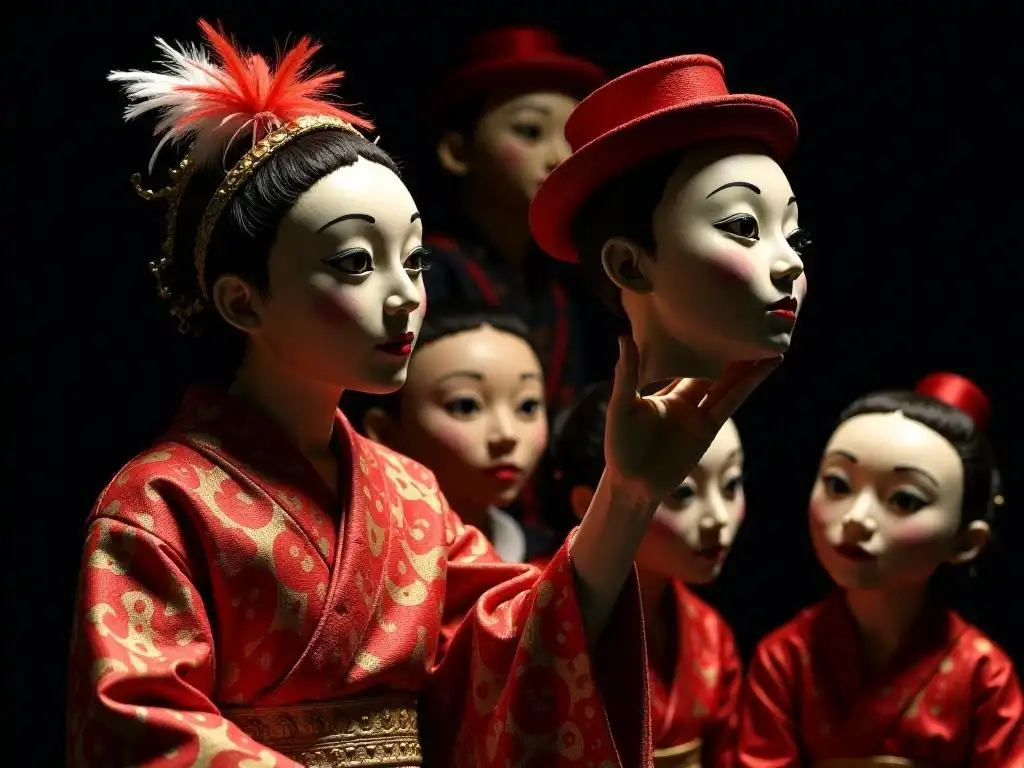
Welcome to Feudal Japan History, where we delve deep into the intricate tapestry of Japan’s feudal era. Prepare to embark on a journey that uncovers the emotional significance of Bunraku puppetry, an art form that transcends mere performance to touch the depths of the human soul.
In our featured article, "The Emotional Depth of Bunraku: Puppetry That Moves the Soul," we invite you to explore how this captivating tradition not only entertains but also conveys profound narratives of love, loss, and resilience. Join us as we reveal the stories behind the puppets and the cultural history that shapes them, sparking your curiosity to discover more about this enchanting world.
Bunraku puppetry, a traditional Japanese art form, serves as a profound medium for storytelling that transcends mere entertainment. Rooted deeply in the cultural fabric of Japan, this intricate form of puppetry not only showcases the mastery of its artisans but also evokes a rich emotional landscape that resonates with audiences.
In this article, we will embark on a comprehensive exploration of Bunraku, examining its historical significance, cultural context, and, most importantly, the emotional depth it offers. By delving into the nuances of this captivating art form, we will uncover how Bunraku puppetry connects with the human experience and moves the soul.
Introduction to Bunraku Puppetry
Overview of Bunraku as a Traditional Japanese Art Form
Bunraku, also known as Ningyō Jōruri, is a sophisticated style of puppet theater that originated in the 17th century during Japan's Edo period. Characterized by its use of large, intricately crafted puppets, Bunraku is typically performed by a trio of operators who skillfully animate the puppets while a narrator (tayū) recounts the story. The puppets, often representing a range of characters from heroes to tragic figures, are brought to life through a combination of movement, expression, and precise manipulation.
The puppetry is complemented by live music played on traditional instruments, such as the shamisen, which enhances the emotional resonance of the performance. Bunraku is recognized not only for its artistic beauty but also for its ability to convey complex emotions, making it a cherished cultural treasure in Japan.
Historical Context of Bunraku in Feudal Japan
The roots of Bunraku can be traced back to the feudal era of Japan, a time marked by social stratification and cultural flourishing. Initially, it emerged from the folk traditions of puppet shows that traveled through rural areas, but as it gained popularity, it became formalized in urban centers like Osaka. The influence of the samurai class and the rise of merchant culture during this time played a crucial role in shaping the themes and styles of Bunraku performances.
As the art form evolved, it attracted the patronage of the ruling classes, allowing it to flourish in theaters. The stories depicted often grappled with themes of love, honor, and tragedy, reflecting the complexities of life in feudal Japan. This historical backdrop provides a rich context for understanding Bunraku's emotional significance, as it mirrors the struggles and aspirations of the society from which it originated.
The Emotional Significance of Bunraku Puppetry
Understanding the Emotional Impact of Puppetry on Audiences
The power of Bunraku lies in its ability to evoke a wide range of emotions, from joy to profound sadness. Audiences are often captivated by the lifelike movements of the puppets, which convey subtle expressions and emotions that resonate deeply. The skillful manipulation by the puppeteers, who are trained for years to master their craft, creates a sense of realism that allows viewers to connect with the characters on an emotional level.
This emotional impact is further amplified by the narratives explored in Bunraku, which often delve into the human condition. Themes of love, betrayal, sacrifice, and redemption are prevalent, allowing audiences to reflect on their experiences and emotions. The immersive nature of Bunraku performances fosters empathy, inviting spectators to engage with the characters' journeys and struggles.
The Role of Music and Narration in Enhancing Emotional Depth
Music and narration are integral components of Bunraku that significantly enhance its emotional depth. The tayū, or narrator, plays a vital role in bringing the story to life through their vocal performance, which is rich in expression and nuance. This spoken word, combined with the haunting melodies of the shamisen, creates an atmosphere that captivates the audience and heightens their emotional engagement.
The synergy between the puppetry, music, and narration results in a multi-sensory experience that resonates with viewers long after the performance ends. Each element contributes to the overall emotional tapestry of the story, allowing Bunraku to transcend cultural barriers and speak to universal human emotions. Through this exploration, we will delve deeper into the intricacies of Bunraku puppetry and its lasting impact on audiences around the world.
Key Elements Contributing to Emotional Significance
Bunraku puppetry, a traditional Japanese art form, is renowned for its profound emotional depth and storytelling prowess. Several key elements contribute to its emotional significance, creating a unique connection between the performance and the audience. These elements include the intricate craftsmanship of the puppets, the rich storytelling that often delves into themes of love, loss, and humanity, and the immersive experience that engages the audience on multiple levels. Each aspect works harmoniously to evoke strong emotions, making Bunraku not just a visual spectacle but a deeply resonant experience.
The Craftsmanship of Bunraku Puppets
At the heart of Bunraku’s emotional impact lies the exceptional craftsmanship of its puppets. Each puppet is meticulously crafted from wood, cloth, and other materials, often taking several months to complete. Artisans use techniques passed down through generations, ensuring that every puppet is not only visually stunning but also capable of conveying a wide range of emotions.
The puppets are typically life-sized and are manipulated by skilled puppeteers who are visible on stage, dressed in black to symbolize their role as mere instruments of the story. This transparency adds an intriguing layer to the performance, allowing the audience to witness the puppeteers’ techniques while still being drawn into the narrative. The puppets’ facial expressions and movements are designed to reflect subtle emotional nuances, enhancing the overall storytelling experience. This combination of visual artistry and skilled performance imbues each scene with emotional weight, creating a powerful connection with the audience.
Storytelling in Bunraku: Themes of Love, Loss, and Humanity
The narratives presented in Bunraku are rich with themes that resonate deeply with human experience, particularly love, loss, and the complexities of humanity. These themes are often drawn from classic literature and historical tales, making the stories both relatable and timeless.
For example, many Bunraku performances explore tragic romances where characters face insurmountable obstacles, leading to poignant endings. Such narratives evoke empathy and reflection from the audience, encouraging them to connect their personal experiences with the unfolding drama. The emotional journeys of the characters are accentuated through the puppeteers' skillful manipulation, which brings to life the characters’ struggles and triumphs in a way that resonates on a personal level. This thematic richness is what makes Bunraku a powerful medium for exploring the depths of human emotion.
The Audience Experience: Engaging with Bunraku
The experience of watching a Bunraku performance is unlike any other, as it engages the audience's emotions and intellect simultaneously. The atmosphere in which Bunraku is presented—often in intimate theater settings—allows for a close connection between the performers and the spectators. This proximity enhances the emotional impact of the performance, drawing the audience into the world of the puppets and their stories.
The Role of Audience Emotion in the Bunraku Performance
Audience emotions play a crucial role in the overall impact of a Bunraku performance. As the puppets convey their stories, the responses from the audience—whether laughter, tears, or gasps—serve to amplify the emotional intensity of the piece. This interplay creates a shared experience, where the audience collectively navigates the highs and lows of the narrative.
The emotional engagement is further heightened by the live music that accompanies the performance, typically performed by musicians who play traditional instruments such as the shamisen. The music sets the tone and enhances the emotional landscape of the story, guiding the audience’s feelings and reactions throughout the performance. This synergy between puppetry, music, and audience interaction results in a dynamic theatrical experience that lingers long after the curtains fall.
Cultural Relevance of Bunraku in Contemporary Society
In contemporary society, Bunraku continues to hold cultural relevance, serving as a bridge between traditional Japanese art and modern artistic expressions. While it remains rooted in its historical context, Bunraku also adapts to contemporary themes and issues, making it accessible to new generations of audiences.
The emotional significance of Bunraku resonates with current societal challenges, allowing it to remain a relevant form of expression. It invites discussions on universal themes such as love, loss, and the human condition, fostering a deeper understanding of both historical and contemporary human experiences. Through collaborations with modern artists and incorporation of innovative storytelling techniques, Bunraku not only preserves its traditional essence but also evolves as a vibrant component of Japan's cultural landscape. This adaptability ensures that the emotional depth of Bunraku puppetry continues to move the soul, captivating audiences across generations.
Comparing Bunraku with Other Traditional Japanese Theaters
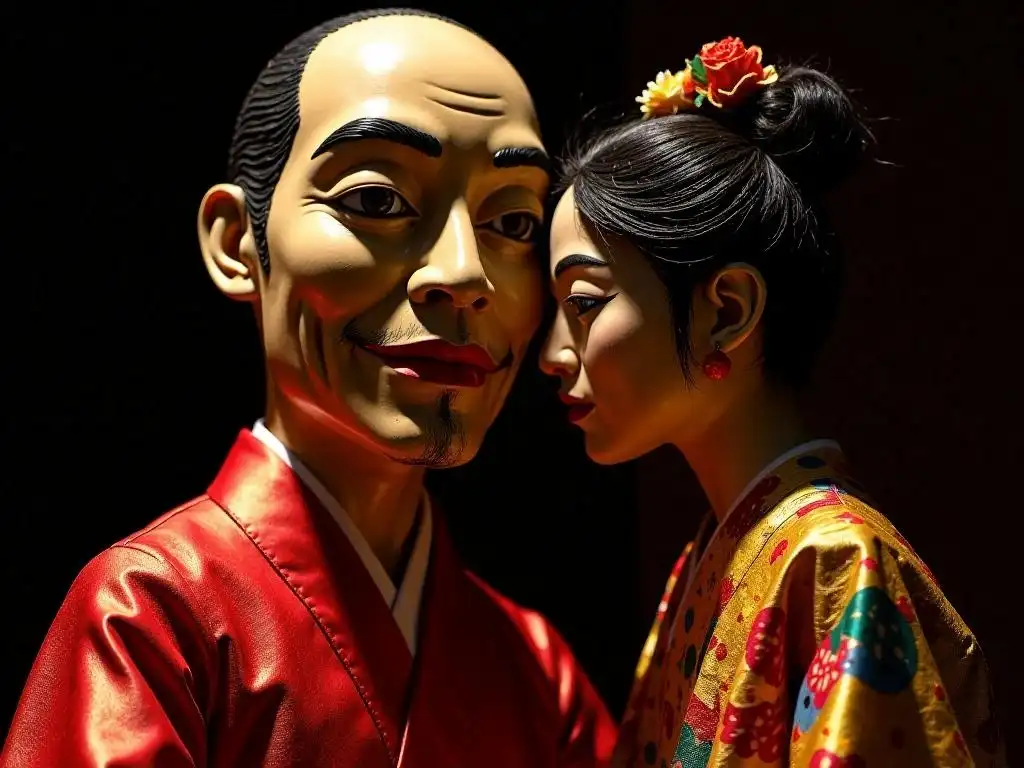
Bunraku, a sophisticated form of Japanese puppetry, possesses unique characteristics that distinguish it from other traditional Japanese theaters such as Kabuki and Noh. Each of these art forms reflects distinct cultural values and artistic expressions, contributing to the rich tapestry of Japan’s performing arts. Understanding these differences enhances our appreciation of Bunraku's emotional significance and its role within the broader context of Japanese cultural history.
Differences Between Bunraku and Kabuki
While both Bunraku and Kabuki are celebrated forms of Japanese theater, they differ fundamentally in performance style and audience engagement. Bunraku primarily utilizes life-sized puppets operated by skillful puppeteers, while Kabuki features live actors performing on stage. The puppets in Bunraku are intricately designed and manipulated, allowing for profound expression of emotion through subtle movements, which can evoke a deep empathetic response from the audience.
- Puppetry vs. Acting: In Bunraku, the puppeteers, often dressed in black to remain inconspicuous, bring the puppets to life through synchronized movements, emphasizing emotional nuance. In contrast, Kabuki actors, adorned with elaborate costumes and makeup, embody their characters through exaggerated gestures and vocal expressions.
- Narrative Focus: Bunraku often focuses on poignant narratives that delve into themes of love, betrayal, and tragedy, using the puppets to convey complex emotions. Kabuki, while also exploring significant themes, often incorporates more flamboyant storytelling styles, including humor and spectacle.
- Audience Interaction: Kabuki performances traditionally involve more direct audience interaction, with performers breaking the fourth wall and engaging viewers. Bunraku, however, cultivates a more introspective viewing experience, encouraging the audience to immerse themselves in the emotional depth of the puppets’ stories.
These differences highlight Bunraku's unique approach to storytelling and emotional expression, establishing its significance within the landscape of traditional Japanese theater.
Emotional Depth in Noh vs. Bunraku Puppetry
Noh and Bunraku both explore profound emotional themes, but they do so through vastly different methodologies. Noh is characterized by its minimalist aesthetic, slow-paced performances, and symbolic gestures, often focusing on spiritual and philosophical themes. In contrast, Bunraku’s emotional resonance lies in the lifelike portrayal of human experiences through its puppetry.
- Performance Style: Noh utilizes masks and slow, deliberate movements to convey emotions, often relying on the audience’s interpretation of subtle cues. Bunraku, on the other hand, employs expressive puppets that can display a range of emotions through intricate movements, making the emotional journey more accessible.
- Themes and Representation: While Noh often addresses themes of transience and the human condition through allegorical narratives, Bunraku engages with more immediate and relatable emotional experiences, such as love and loss. The direct representation of these emotions through puppetry allows for a more visceral connection with the audience.
- Audience Engagement: The engagement in Noh is often contemplative, inviting audiences to reflect on the deeper meanings behind the performance. In contrast, Bunraku captivates audiences through its dynamic storytelling and emotional immediacy, creating a shared emotional experience that resonates deeply within the viewer.
By juxtaposing Noh and Bunraku, we can appreciate the distinctive ways each art form articulates emotional depth, with Bunraku offering a more visceral and tangible connection to the human experience.
Conclusion: The Lasting Legacy of Bunraku Puppetry
Bunraku puppetry holds a cherished place in Japan's cultural heritage, not only as a form of entertainment but also as a profound medium for emotional expression. Its intricate storytelling and emotional depth contribute significantly to the arts, influencing generations of artists and performers. The puppetry's ability to evoke deep feelings resonates with audiences, ensuring its legacy continues to thrive in contemporary culture.
How Bunraku Continues to Influence Modern Art Forms
The influence of Bunraku extends beyond traditional theater, permeating various modern art forms. Contemporary artists and performers draw inspiration from the techniques and emotional narratives of Bunraku, integrating these elements into theater, film, and even visual arts.
- Theater and Performance Art: Modern theatrical productions often incorporate Bunraku's puppetry techniques to enhance emotional storytelling. Artists experiment with puppetry in avant-garde performances, blending traditional and contemporary styles.
- Film and Animation: The visual storytelling techniques found in Bunraku have informed animation styles and cinematic storytelling, where character movements convey emotional depth akin to that of Bunraku puppets.
- Visual Arts: Bunraku’s aesthetic elements inspire visual artists who explore themes of emotion and identity through puppet-like figures and storytelling imagery.
As Bunraku continues to inspire, it reinforces the significance of emotional expression in the arts, demonstrating the timeless power of this unique puppetry form.
Final Thoughts on the Emotional Significance of Bunraku Puppetry
The emotional significance of Bunraku puppetry lies not only in its artistic merit but also in its capacity to resonate with the human experience. The intricate craftsmanship of the puppets and the skillful manipulation evoke a profound connection between the audience and the characters, allowing viewers to engage deeply with the narratives presented.
Bunraku serves as a poignant reminder of the power of storytelling—a reflection of love, loss, and the complexities of relationships. As we explore the depths of this unique art form, we uncover layers of emotional richness that transcend time, ensuring that Bunraku remains a vital part of Japan's cultural legacy and a source of inspiration for future generations.
References and Further Reading
Bunraku puppetry is a rich and intricate art form that has captivated audiences for centuries. To fully appreciate its emotional significance and the cultural context in which it flourished, a variety of resources are available for those interested in deepening their understanding of this traditional Japanese theater. Below, we present a selection of recommended books and online resources that provide valuable insights into Bunraku and its emotional depth.
Recommended Books on Bunraku and Traditional Japanese Theater
- "The Art of Bunraku: A Study of Japanese Puppetry" by Michael K. Hime
- This book offers an in-depth exploration of the techniques and artistry involved in Bunraku puppetry, detailing the emotional expressiveness of the puppets and the skill of the puppeteers. Hime provides historical context and examines how Bunraku reflects societal values and emotions.
- "Bunraku: The Japanese Puppet Theatre" by Masakazu Yamamoto
- Yamamoto's work serves as both a historical overview and an analysis of the themes prevalent in Bunraku plays. The author delves into the emotional narratives portrayed through puppetry, making it an essential read for those interested in the emotional significance of the art form.
- "Japanese Theater: From Shamanistic Ritual to Contemporary Performance" by David J. Tazawa
- This comprehensive text covers various forms of Japanese theater, including Bunraku. Tazawa examines the cultural and historical evolution of these performing arts, highlighting the emotional connections they forge with audiences.
- "The Bunraku Puppet Theatre: A New Perspective" by Kayo Matsumoto
- Matsumoto presents a fresh perspective on the Bunraku tradition, focusing on its emotional impact and the way it communicates human experiences. This book is particularly insightful for those seeking to understand the nuanced emotions embedded in Bunraku performances.
Online Resources for Exploring Bunraku Puppetry
- The National Bunraku Theatre Website
- This official site provides a wealth of information about Bunraku, including performance schedules, historical context, and educational resources. It also features video clips showcasing the emotional depth of various puppet performances.
- YouTube Channels on Japanese Theater
- Several YouTube channels offer videos that showcase Bunraku performances, interviews with puppeteers, and educational content regarding the techniques and traditions of this art form. Channels like "Japanese Arts" and "Traditional Japanese Theater" often feature emotional highlights from performances.
- Online Archives and Databases
- Institutions like the Japan Foundation and the National Diet Library of Japan maintain digital collections that include historical documents, performance records, and scholarly articles related to Bunraku. Exploring these archives can provide deeper insight into the emotional narratives that define this puppetry style.
- Bunraku Puppetry Blogs and Forums
- Numerous blogs and discussion forums exist where enthusiasts and scholars share their thoughts on Bunraku. These platforms often feature analyses of emotional themes, reviews of performances, and personal reflections that enrich the understanding of Bunraku's significance in Japanese culture.
Through these resources, readers can enhance their appreciation for Bunraku puppetry's emotional significance, gaining insights into its historical roots and cultural relevance.
- Introduction to Bunraku Puppetry
- The Emotional Significance of Bunraku Puppetry
- Key Elements Contributing to Emotional Significance
- The Audience Experience: Engaging with Bunraku
- Comparing Bunraku with Other Traditional Japanese Theaters
- Conclusion: The Lasting Legacy of Bunraku Puppetry
- References and Further Reading
Frequently Asked Questions
What is Bunraku puppetry?
Bunraku is a traditional Japanese puppet theater that features life-sized puppets manipulated by skilled puppeteers. It combines music, narration, and puppetry to create emotionally engaging performances.
How does Bunraku convey emotional significance?
Bunraku puppetry uses expressive movements and detailed craftsmanship to convey complex emotions, allowing audiences to connect deeply with the characters and their stories.
What are the key themes explored in Bunraku?
Bunraku often explores themes of love, loss, and tragedy, reflecting the human condition. These themes resonate with audiences, enhancing the emotional depth of the performances.
How did Bunraku evolve over time?
Originally developed in the 17th century, Bunraku has evolved through influences from Kabuki and other art forms. It has maintained its cultural significance while adapting to modern audiences.
Why is Bunraku considered an important cultural heritage?
Bunraku is recognized for its artistic complexity and historical importance in Japanese culture. It has been designated as an Intangible Cultural Heritage by UNESCO, highlighting its significance in preserving Japan's artistic traditions.
Final Reflection: The Soul-Stirring Essence of Bunraku Puppetry
The emotional significance of Bunraku puppetry resonates deeply in today’s world, reminding us of the profound connection between art and human experience. As we navigate an increasingly digital and fast-paced society, the timeless art of Bunraku serves as a poignant reminder of the power of storytelling and the emotions that bind us together. This intricate form of puppetry transcends mere entertainment; it invites us to explore the depths of our own feelings and the shared human condition.
Cultural expressions like Bunraku continue to shape our understanding of empathy and connection in a fragmented world. The delicate manipulation of puppets, combined with the evocative narratives, allows audiences to engage with complex emotions that might otherwise remain unexamined. As the renowned Bunraku master Yoshida Kōtarō once said, In every puppet lies a heart; in every story, a mirror reflecting our own struggles and joys.
This enduring influence of Bunraku reminds us that art can serve as a bridge, fostering understanding and compassion among diverse communities.
As we reflect on the emotional depth of Bunraku, I invite you to consider how you can incorporate the lessons of this art form into your own life. Take a moment to engage with your own emotions and those of others, allowing the stories around you to inspire deeper connections. Whether through art, conversation, or simply listening, let us embrace the transformative power of empathy and storytelling, ensuring that the soul-stirring essence of Bunraku continues to inspire and move us forward into a more connected future.
Unveil the Soul-Stirring World of Bunraku!
Thank you for diving into the captivating realm of Bunraku with us! We hope you’ve discovered the unmatched emotional depth and artistry that this traditional puppetry offers. Now, it’s time to carry that inspiration forward and take meaningful steps to explore this rich cultural heritage.
Here’s how you can connect with Bunraku and share your passion:
- Attend a Local Performance: Experience the magic firsthand by finding a Bunraku show in your area, or explore virtual performances online!
- Share Your Insights: Discuss what moves you the most about Bunraku with friends or on social media—start a conversation that inspires others!
- Explore Further: Visit museums or online resources dedicated to Japanese puppetry to deepen your understanding of this ancient art form.
What aspect of Bunraku resonates with you the most—its storytelling, the craftsmanship of the puppets, or the emotional performances?