
From Farmers to Fighters: The Socioeconomic Factors Behind the Rise of the Samurai

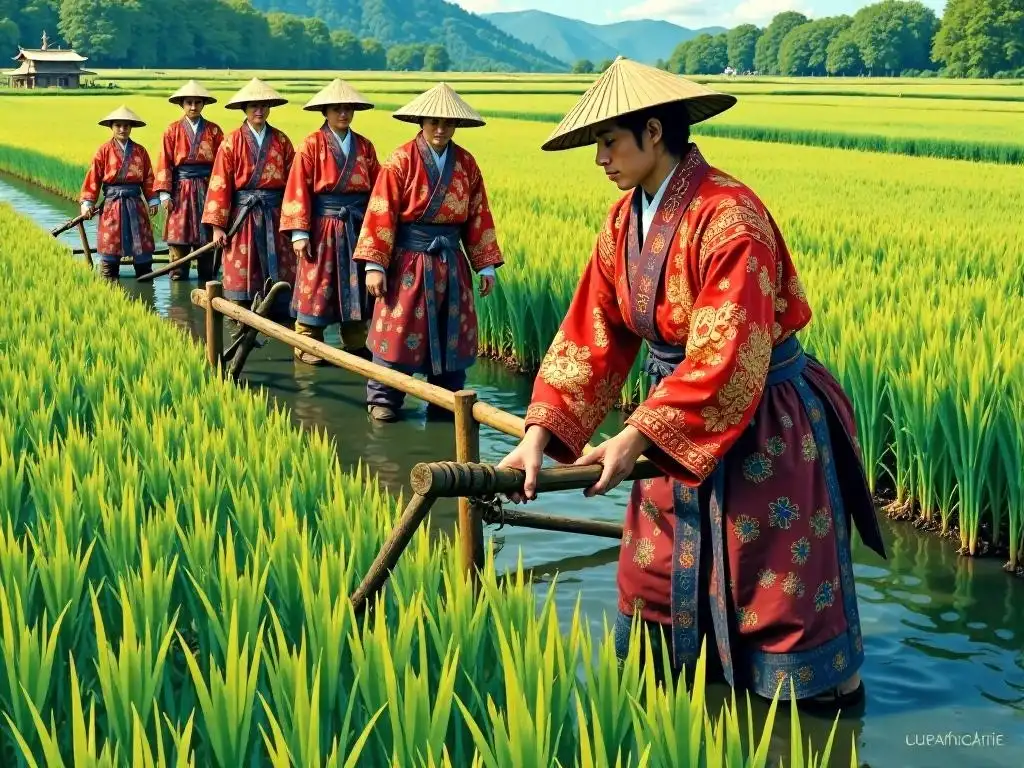
Welcome to Feudal Japan History, where we embark on an intriguing journey through the captivating tales of Japan's feudal era. In our latest article, "From Farmers to Fighters: The Socioeconomic Factors Behind the Rise of the Samurai," we delve into the remarkable transformation of ordinary farmers into the legendary warriors known as samurai. What drove this dramatic shift in society?
Join us as we uncover the political dynamics and cultural shifts that sculpted this pivotal moment in history, sparking curiosity and inviting you to explore the rich tapestry of Japan's past. Your adventure into the depths of feudal Japan awaits!
The rise of the samurai in Japan represents a pivotal transformation in the nation's social and political landscape, evolving from a predominantly agrarian society to one defined by military prowess and feudal allegiances. This period, spanning several centuries, was marked by a complex interplay of socioeconomic factors that influenced the emergence of the samurai class.
This article delves into the historical roots of the samurai, examining how changes in land ownership, agricultural practices, and social structures contributed to their ascendancy. By understanding these dynamics, we can gain deeper insights into the broader implications of this transformation on Japanese society and its cultural heritage.
Historical Context of the Samurai Class
The samurai's journey from farmers to elite warriors is intrinsically linked to Japan's feudal system, which originated in the late Heian period (794-1185). As the central authority weakened, local landowners began to consolidate power, leading to the rise of a class of military retainers—what we now recognize as the samurai. This section will explore:
- The decline of imperial power: As the emperor's influence diminished, regional warlords or daimyōs gained prominence, necessitating a class of warriors for protection and governance.
- Land and loyalty: The relationship between land ownership and loyalty became critical; samurai were often granted land in exchange for military service, solidifying their role as both protectors and rulers.
Economic Factors Contributing to the Samurai's Rise
The economic landscape of Japan during the feudal era played a crucial role in shaping the samurai class. The following factors were particularly influential:
- Agricultural advancements:
- Improved farming techniques led to increased productivity, generating surplus food that supported larger populations and the growth of towns.
- The rise of rice as a currency created a new economy, where land and its productivity were paramount.
- Market development:
- As towns emerged, trade flourished, providing samurai with new opportunities for wealth accumulation through commerce, not just warfare.
- The establishment of a merchant class began to shift economic power dynamics, allowing samurai to engage in trade and land management.
The transformation of social structures was fundamental to the rise of the samurai. Key points to consider include:
- Clan-based society: The loyalty to clans and families laid the groundwork for the samurai's identity, creating a culture that valued honor and martial skill.
- Education and the warrior code: The development of bushido, or the "way of the warrior," emphasized loyalty, honor, and martial prowess, shaping the ethical framework of the samurai.
Conclusion
The rise of the samurai in Japan was not merely a result of military conflict but was deeply rooted in the socioeconomic changes of the time. By understanding the interplay of agricultural developments, economic transformations, and social structures, we can appreciate the multifaceted factors that contributed to the emergence of one of Japan's most iconic social classes. This exploration not only highlights the complexities of feudal Japan but also sheds light on how these historical dynamics continue to influence Japanese culture today.
- Historical Context of the Samurai Class
- Economic Factors Contributing to the Samurai's Rise
- Social Structures and the Emergence of the Samurai
- Conclusion
- What were the main socioeconomic factors behind the rise of the samurai in Japan?
- How did agriculture contribute to the emergence of the samurai class?
- What role did the shogunate system play in the rise of the samurai?
- Were there any cultural impacts of the samurai's rise during feudal Japan?
- How did the social hierarchy in feudal Japan affect the samurai?
Introduction to the Rise of the Samurai in Japan

The rise of the samurai in Japan represents a significant transformation within the social and political landscape of feudal Japan. This period, spanning from the late 12th century to the 19th century, marked the emergence of a warrior class that would dominate the political and military arenas of the time. Understanding the rise of the samurai involves not only examining their military prowess but also considering the socioeconomic factors that contributed to their emergence as a powerful class. These factors include land ownership, agricultural productivity, and the shifting dynamics of power between the aristocracy and the emerging provincial leaders.
Overview of the Samurai Class in Feudal Japan
The samurai were not merely warriors; they were a distinct social class with their own code of conduct, known as Bushido. This code emphasized virtues such as loyalty, honor, and martial skill. The samurai's role in society was multifaceted, extending beyond military obligations to include governance, administration, and cultural patronage.
-
Origins and Early Development
The samurai class originated from the bushi or warrior clans that emerged during the Heian period (794-1185). Initially, these warriors served noble families, providing military service in exchange for land and protection. As the political landscape evolved, particularly during the Kamakura period (1185-1333), the samurai began to establish their own power bases, effectively becoming both landowners and military leaders.
-
Political Structure and Feudalism
The rise of the samurai was closely linked to the development of feudalism in Japan. This system created a hierarchy where land was exchanged for loyalty and military service. The shogunate system, established by the Minamoto clan, formalized the authority of the samurai, allowing them to act as the de facto rulers of Japan while the emperor remained a figurehead.
-
Cultural Contributions
Beyond their martial capabilities, samurai were also patrons of the arts and played a crucial role in the cultural development of Japan. They contributed to the flourishing of literature, tea ceremonies, and Zen Buddhism, which became intertwined with their identity.
Importance of Socioeconomic Factors in Historical Context
Socioeconomic factors were instrumental in facilitating the rise of the samurai class, particularly in the context of agrarian society in Japan. The following points highlight their significance:
-
Land Ownership and Agriculture
Land was the primary source of wealth in feudal Japan, and the samurai's rise was largely predicated on their control of agricultural resources. As they acquired land, they gained economic power, which allowed them to fund military campaigns and maintain their status. The increase in agricultural productivity due to advancements in farming techniques during this period also supported the growing population, creating a larger base of economic support for the samurai.
-
Political Fragmentation and Power Shifts
The decline of central authority during the late Heian period led to political fragmentation, resulting in the rise of regional warlords (daimyō) who relied on samurai for military support. This shift allowed the samurai to assert their influence over local governance, further solidifying their power and status within society.
-
Social Mobility and the Emergence of New Classes
The rise of the samurai also provided opportunities for social mobility. Individuals from lower classes could ascend to samurai status by demonstrating martial skill and loyalty, particularly during periods of conflict. This dynamic allowed for a more fluid social structure, where merit could trump noble lineage.
The rise of the samurai in Japan was not merely a result of military capability but was deeply rooted in the socioeconomic transformations of the time. Their emergence as a powerful class reshaped the political, cultural, and societal landscape of feudal Japan, laying the groundwork for future developments in Japanese history.
Historical Background of the Samurai
The rise of the samurai in Japan is a complex narrative that intertwines with the country's feudal structure, socioeconomic changes, and cultural evolution. Understanding the historical context in which the samurai emerged provides critical insight into their role in Japanese society and governance.
Dating back to the late Heian period (794-1185), the initial formation of the samurai class was not a sudden phenomenon but rather a gradual process influenced by various factors, including warfare, land ownership, and the shifting power dynamics between the imperial court and regional clans. The samurai began as local militia, serving landowners and protecting their estates from both internal strife and outside threats. Over time, these warrior retainers became more organized and influential, eventually leading to the establishment of a class defined by martial prowess and a distinct code of conduct.
Origins of the Samurai Class
The origins of the samurai class can be traced to the need for armed support among the landowning aristocracy during the Heian period. As the imperial court's power waned, provincial families began to consolidate power and wealth, necessitating the establishment of a military force to protect their interests.
- Early Warrior Bands: Initially, these warriors were part of informal groups known as "bushi," who were hired by powerful landowners (known as "daimyō") to defend their territories. Their loyalty was often tied to personal relationships and the promise of land or resources.
- The Role of Warfare: The rise of the samurai was significantly influenced by the numerous conflicts of the late Heian and early Kamakura periods. The Genpei War (1180-1185), which pitted the Taira against the Minamoto clans, exemplified how warfare could elevate the status of warriors. The victory of the Minamoto led to the establishment of the Kamakura shogunate, marking a pivotal moment in samurai history.
- Cultural Identity: As the samurai class developed, so too did a unique cultural identity characterized by principles of honor and loyalty. The "bushidō," or "way of the warrior," began to emerge, emphasizing values such as bravery, respect, and ethical conduct. This cultural framework not only solidified the samurai's societal role but also distinguished them from the peasant classes they initially served.
Transition from Agricultural Society to Warrior Class
The transition from an agricultural society to a society dominated by a warrior class was driven by several interconnected socioeconomic factors:
-
Land Ownership and Feudalism: The feudal system that emerged during this period established a hierarchical structure where land ownership was synonymous with power. As daimyōs granted land to samurai in exchange for military service, the samurai’s socio-economic status began to rise. This transition fortified the connection between land, power, and the role of warriors in society.
Period Land Ownership Samurai Role Early Heian Centralized, court-controlled Limited military presence Late Heian Fragmented, local control Increased military influence Kamakura Period Feudal, daimyō-controlled Established ruling class -
Economic Changes: The agricultural economy began to flourish due to improvements in farming techniques and population growth. As surplus production increased, landowners required protection from rival clans, further entrenching the samurai’s role as defenders of the realm and mediators of the agricultural economy.
-
Political Fragmentation: The decline of centralized power during the late Heian period led to a political vacuum that local warlords and samurai filled. This fragmentation allowed the samurai to rise as both military leaders and local administrators, providing a critical link between the peasantry and the ruling elite.
The rise of the samurai in Japan ultimately reflects a significant transformation of society, characterized by the interplay of warfare, land ownership, and cultural identity. Their evolution from mere agricultural protectors to a powerful and distinct social class marked a turning point in Japan's political history, setting the stage for centuries of samurai influence in Japanese culture and governance.
The Role of Agriculture in the Rise of the Samurai

The rise of the samurai in Japan cannot be fully understood without examining the critical role agriculture played in shaping the socioeconomic landscape of feudal Japan. Agriculture served as the backbone of the economy and directly influenced the power dynamics between different classes, ultimately facilitating the emergence of the samurai class.
The Economic Foundations of Feudal Japan
Feudal Japan's economy was predominantly agrarian, relying heavily on rice cultivation. Rice was not merely a staple food; it was also a form of currency and a measure of wealth. The production and distribution of rice created a complex economic system that underpinned the entire feudal hierarchy. Here are some key aspects of the economic foundations:
- Land Ownership: Land was the primary source of wealth. Powerful daimyos (feudal lords) controlled vast estates, which they managed through a network of vassals and peasants. The daimyos relied on the labor of farmers to produce crops, and in return, they offered protection and support.
- Taxation System: Farmers paid a portion of their harvest as tax to their lords. This system not only ensured the flow of resources to the daimyos but also provided the samurai with the means to sustain their warrior lifestyle. The collection of taxes was essential for funding military campaigns and maintaining order.
- Surplus Production: As agricultural methods improved, particularly during the Kamakura period (1185–1333), surplus production increased. This surplus allowed for trade and commerce to flourish, leading to the rise of merchant classes and ultimately contributing to the wealth of the samurai.
- Economic Dependency: The samurai class became economically dependent on the agricultural output of the peasantry. As protectors of their lords, samurai were often tasked with maintaining order and security for the farms, reinforcing the intertwined relationship between agriculture and the warrior class.
The transition from farmers to samurai was not merely a shift in occupation; it was a significant social mobility phenomenon influenced by several factors:
- Military Necessity: During periods of conflict, especially in the late Heian and early Kamakura periods, the need for soldiers increased dramatically. Many local leaders turned to their farming populations to enlist them as warriors. This necessity opened avenues for skilled farmers to become samurai, especially those who displayed aptitude in combat.
- Land Grants: As a reward for military service, samurai were often granted lands previously owned by agricultural families. This process not only elevated their status but also created a cycle where successful farmers could rise in rank through martial prowess and loyalty to their lords.
- Cultural Shifts: The emergence of bushido, the samurai code of conduct, began to intertwine with societal values, elevating the status of warriors. This cultural shift encouraged land-owning farmers to adopt samurai roles, often leading to a blended identity that embraced both agricultural and martial duties.
- Intermarriage and Alliances: The alliances formed through marriage between farmers and samurai families facilitated the integration of the two classes. As samurai families sought to strengthen their ranks and secure their positions, marrying into prosperous farming families became a strategic move.
The rise of the samurai in Japan was deeply rooted in the agricultural foundations of feudal society. The interplay between economic necessity and social mobility allowed many farmers to transition into samurai, shaping the political and cultural landscape of Japan for centuries to come. Understanding these dynamics is essential to grasping the broader narrative of Japan's feudal era.
Political Factors Influencing the Samurai's Rise
The socio-political landscape of feudal Japan played a crucial role in the emergence of the samurai class. This period was marked by significant shifts in power dynamics, leading to the rise of a warrior elite that would shape Japan's history.
The Decentralization of Power in Feudal Japan
The decentralization of power during the Heian period (794-1185) set the stage for the rise of the samurai. As the central authority weakened, regional clans began to assert their independence. This fragmentation created a power vacuum that allowed local leaders, often warriors or samurai, to gain control over land and resources.
- Rise of Local Clans: With the imperial court's diminishing influence, powerful clans such as the Taira and Minamoto emerged as dominant forces within their territories. These clans relied on samurai for military support, thus solidifying the samurai's status as essential defenders of local interests.
- Feudal System: The adoption of a feudal system facilitated the rise of the samurai. Land was allocated to vassals in exchange for military service, creating a network of loyalty and obligation. This system not only empowered the samurai but also tied their fate to the success of their lords, further embedding them into the fabric of Japanese society.
The resulting decentralization led to increased competition among clans, fueling conflicts such as the Genpei War (1180-1185), which ultimately paved the way for the establishment of the Kamakura shogunate and the formalization of samurai authority.
The Influence of Warlords and Regional Leaders
The role of warlords and regional leaders was pivotal in the rise of the samurai in Japan. These leaders, often referred to as daimyō, were powerful lords who commanded significant resources and military forces.
- Military Innovations: Warlords began to adopt new military strategies and technologies, including the use of mounted archers and the katana. This not only enhanced the effectiveness of the samurai in battle but also elevated their status within society. The samurai became synonymous with martial prowess, gaining respect and recognition.
- Political Alliances: Strategic alliances among warlords often hinged on the support of samurai. By marrying into influential families or forming military coalitions, warlords could strengthen their positions and expand their territories. This intricate web of alliances further entrenched the samurai class as indispensable players in the political arena.
- Patronage and Loyalty: Warlords provided financial support and land to their samurai, securing their loyalty. This system of patronage fostered a culture of loyalty and honor among the samurai, which became central to their identity. The Bushido code emerged, emphasizing values such as loyalty, courage, and honor, which would guide samurai conduct for centuries.
The interplay between warlords and samurai created a dynamic political environment that facilitated the rise of the samurai class, transforming them from mere soldiers into key players in Japan's feudal society.
The Hierarchical Society of Feudal Japan
Feudal Japan was characterized by a rigid social hierarchy that shaped the dynamics of power, land ownership, and military obligation. At the apex of this hierarchy were the daimyō, powerful feudal lords who controlled vast estates and commanded loyalty from their vassals. Below them were the samurai, an elite warrior class that emerged in the late 12th century.
The social structure can be summarized as follows:
- Emperor: The symbolic figurehead, often seen as divine but with little political power.
- Shōgun: The military leader and real power behind the throne, wielding significant control over the country.
- Daimyō: Feudal lords who governed regions known as han and maintained their own armies of samurai.
- Samurai: The warrior class, sworn to serve the daimyō, responsible for military and administrative duties.
- Peasants: The largest class, consisting of farmers who worked the land and produced the food necessary for survival.
- Artisans: Skilled workers who produced goods and crafts, contributing to local economies.
- Merchants: Often viewed with disdain, they profited from trade but held little societal respect.
This structure was not only a reflection of power but also of loyalty and obligation, as each class had specific roles and responsibilities that shaped the socio-economic landscape.
Relationships Between Peasants, Samurai, and Nobility
The relationship dynamics among peasants, samurai, and nobility were fundamental to the development of the rise of the samurai in Japan. This triadic relationship was characterized by mutual dependence but also by exploitation and conflict.
- Peasants and Samurai:
- Peasants were crucial for the sustenance of the samurai class, as they provided food and resources from their labor on the land. In return, samurai offered protection against bandits and rival daimyō.
- The landlord-tenant relationship was established, where peasants worked the land owned by the samurai in exchange for protection and the right to cultivate the fields. However, this often led to heavy taxation, making the peasants vulnerable to economic hardship.
- Samurai and Nobility:
- Samurai served the daimyō, pledging loyalty in exchange for land and stipends. This bond was reinforced through ceremonies, where samurai would commit their lives to their lords, embodying the principles of bushidō (the way of the warrior).
- The daimyō relied on their samurai to enforce their rule, maintain order, and expand their territory, establishing a complex web of allegiances and rivalries that defined the feudal landscape.
- Peasants and Nobility:
- While the nobility provided overarching governance, their reliance on the peasantry for agricultural production created a cycle of dependence. However, the nobility often viewed peasants as mere resources, leading to tensions, particularly during times of famine or war.
- Peasant uprisings, such as the Jōkyū War in the 13th century, demonstrated the volatility of this relationship, showing that the loyalty of peasants could be compromised when their needs were overlooked.
The interplay between these classes laid the groundwork for the socioeconomic conditions that contributed to the emergence and rise of the samurai, ultimately leading to their prominence in Japanese society and culture.
Economic Incentives for Samurai Participation
The rise of the samurai in Japan was not solely a matter of martial prowess or noble lineage; it was intricately linked to economic factors that incentivized warriors to embrace their roles. As the political landscape shifted from centralized power to feudalism, economic opportunities began to dictate the status and influence of the samurai class. This section delves into the economic motivations that fueled the samurai's ascent during the feudal era.
Land Ownership and Wealth Accumulation
Land ownership served as a critical factor in the socioeconomic dynamics of feudal Japan. The samurai class gained power not just through military skill, but also through their ability to control land and resources.
-
Feudal Land Grants:
Under the feudal system, samurai were often granted land by their lords in exchange for military service. This arrangement allowed them to cultivate the land, collect taxes, and establish their own wealth. The more land a samurai controlled, the greater their financial stability and influence within the local hierarchy.
-
Taxation Rights:
Samurai were granted the right to collect taxes from the peasants working their lands. This not only provided a steady income but also reinforced their status as landowners. The taxation system was critical in ensuring that samurai families could maintain their lifestyle and invest in further military endeavors.
-
Land as a Symbol of Status:
Ownership of land was synonymous with prestige and power. Samurai families that successfully acquired large estates often enjoyed elevated social standing. The ability to display wealth through land ownership was essential for a samurai's reputation, as it demonstrated their capability to provide for their retainers and their families.
-
Inheritance and Wealth Transfer:
The samurai class also benefited from the inheritance of land. As generations passed, wealth was consolidated within prominent families, leading to the establishment of powerful clans. This wealth further fueled the rise of the samurai, allowing them to engage in more significant military campaigns and political alliances.
The Impact of War on Economic Opportunities for Samurai
The tumultuous nature of feudal Japan, marked by constant warfare and power struggles, created a unique environment that stimulated the economic prospects of the samurai class.
-
Military Campaigns as Economic Ventures:
Wars were not only fought for territory but also for resources and economic gain. Samurai saw military campaigns as opportunities to seize land, wealth, and power from rival clans. Successful warriors often returned with spoils that enhanced their fortunes and solidified their status.
-
Rise of Mercenary Practices:
As conflicts escalated, some samurai began to offer their services as mercenaries, fighting for the highest bidder. This shift allowed samurai to diversify their income sources, making them less reliant on a single lord or estate. The mercenary approach also led to the establishment of alliances and networks that transcended traditional clan boundaries.
-
Economic Disruption and Opportunities:
The frequent conflicts led to economic disruptions, but they also created opportunities for samurai. As weaker clans fell, stronger samurai could expand their influence and acquire lands that had been abandoned or were left vulnerable. This instability prompted ambitious samurai to capitalize on the chaos to secure their economic futures.
-
Support for Agricultural Development:
Ironically, the need for resources during warfare encouraged some samurai to invest in agricultural improvements on their lands. This investment not only ensured a stable food supply for their retainers and troops but also generated surplus produce that could be sold or traded, further enhancing their wealth.
The rise of the samurai in Japan was deeply intertwined with economic factors, including land ownership and the impact of warfare on economic opportunities. The samurai class evolved into a formidable force, driven by a combination of martial skill and shrewd economic strategies that allowed them to thrive during the feudal era.
Cultural Shifts Contributing to the Samurai's Ascendancy

The emergence and rise of the samurai class in Japan were not merely the results of military conquest or political maneuvering; they were also deeply influenced by significant cultural shifts. These shifts included the adoption of philosophical ideas, changes in societal values, and evolving perceptions of honor and loyalty. Understanding these cultural dimensions provides a clearer picture of how the samurai became a dominant force in Japan's feudal society.
The Influence of Confucianism and Bushido
Confucianism, with its emphasis on hierarchy, ethical governance, and social harmony, played a pivotal role in shaping the ethos of the samurai class. Introduced to Japan from China, Confucian ideals stressed the importance of the ruler-subject relationship and the responsibilities that come with social status. This philosophical framework resonated with the samurai, who sought to position themselves as both military leaders and moral exemplars.
- Hierarchy and Duty: The Confucian model emphasized a clear social hierarchy. Samurai, as the warrior class, were expected to uphold their duties to their lords and the broader society. This alignment reinforced their roles as enforcers of order and protectors of the realm.
- Education and Ethics: Samurai began to embrace Confucian education, which included the study of history, poetry, and ethics. This intellectual pursuit helped refine their identity beyond mere warriors, cultivating a sense of purpose and moral responsibility.
In conjunction with Confucianism, the development of the Bushido code—literally "the way of the warrior"—further solidified the samurai's cultural identity. Bushido encapsulated the values of honor, courage, and loyalty, guiding samurai behavior both on and off the battlefield.
- Principles of Bushido: The core tenets of Bushido encompassed:
- Gi (Righteousness): The moral compass that guided samurai in making ethical decisions.
- Yū (Courage): The bravery to act in accordance with one’s principles, even in the face of adversity.
- Jin (Benevolence): The obligation to act kindly towards others, reflecting a sense of social responsibility.
As the samurai absorbed these cultural influences, they transformed into a class that not only wielded swords but also upheld a complex ethical framework, enhancing their status and appeal in society.
The Role of Honor and Loyalty in Samurai Culture
Honor and loyalty were foundational pillars of samurai culture, intrinsic to their identity and social standing. These concepts were not merely ideals; they were lived realities that dictated the samurai's actions, relationships, and ultimately, their legacy.
- The Concept of Honor: For samurai, honor was paramount. It dictated their conduct in battle and their interactions with peers and lords. The loss of honor could lead to a samurai's disgrace, prompting actions such as seppuku (ritual suicide) to restore personal and familial dignity.
- Loyalty to the Lord: Loyalty (or chūgi) was a fundamental expectation within the feudal hierarchy. Samurai were bound to their lords through oaths of loyalty that transcended mere contractual agreements. This loyalty was often tested during conflicts; samurai who demonstrated unwavering fidelity were highly esteemed and rewarded.
- Social Dynamics: The interplay of honor and loyalty fostered a unique social dynamic among samurai. Bonds formed through loyalty often led to strong networks of support, impacting military alliances and political landscapes. For instance, during the Genpei War (1180-1185), the loyalty of samurai to their respective clans significantly influenced the outcome of battles, shaping the future of Japan.
The rise of the samurai in Japan was not an isolated phenomenon; it was deeply intertwined with cultural shifts that emphasized Confucian ethics and the principles of Bushido, alongside a profound commitment to honor and loyalty. These elements collectively forged a resilient and influential warrior class that would come to dominate Japan's feudal era.
Case Study: Key Figures in the Rise of the Samurai
Prominent Samurai Leaders and Their Contributions
The rise of the samurai class in Japan was significantly influenced by several key figures whose leadership and military prowess shaped the socio-political landscape of the time. These prominent samurai leaders not only played pivotal roles in battles but also contributed to the establishment and consolidation of the samurai's social status.
- Minamoto no Yoritomo
- Role: The first shogun of the Kamakura Shogunate.
- Contributions: After winning the Genpei War against the Taira clan, Yoritomo established the shogunate system in 1192, which marked the beginning of a feudal society in Japan. His leadership provided a framework for samurai governance, emphasizing loyalty and military obligation, which solidified the samurai's role as the ruling class.
- Taira no Kiyomori
- Role: A formidable warlord of the Taira clan.
- Contributions: Kiyomori's efforts in the late 12th century expanded Taira's influence and wealth, establishing a court culture that intertwined with samurai power. His strategies in securing political alliances through marriage and warfare showcased the evolving dynamics of power during this period.
- Oda Nobunaga
- Role: A major unifier of Japan in the late 16th century.
- Contributions: Nobunaga was instrumental in the transition from the feudal era of warfare to centralized control. His innovative use of firearms changed battle tactics and his ruthless strategies against rival clans paved the way for his successors, contributing significantly to the rise of samurai influence in governance.
- Toyotomi Hideyoshi
- Role: A peasant-turned-samurai who became a powerful daimyo.
- Contributions: Hideyoshi's reforms, including the land surveys and the separation of samurai from peasants, helped solidify the samurai class's economic and social status. His campaigns against Korea further exemplified the samurai's military aspirations beyond Japan’s borders.
- Tokugawa Ieyasu
- Role: Founder of the Tokugawa shogunate.
- Contributions: Following his victory at the Battle of Sekigahara in 1600, Ieyasu established a long-lasting peace known as the Edo period. His policies fostered economic stability and cultural development while simultaneously reinforcing the samurai's role as both military and administrative leaders.
Analysis of Specific Battles and Their Socioeconomic Impact
Several critical battles during the rise of the samurai not only altered the course of Japanese history but also had profound socioeconomic ramifications that would shape the feudal structure.
- The Genpei War (1180-1185)
- Overview: A monumental conflict between the Minamoto and Taira clans.
- Impact: The war culminated in the Battle of Dan-no-ura, leading to the Taira clan's defeat. This conflict marked the rise of the samurai as a dominant military force, establishing the precedent for hereditary warrior status and changing land ownership patterns as victorious samurai gained territories.
- The Battle of Sekigahara (1600)
- Overview: This decisive battle determined the future of Japan, pitting Tokugawa Ieyasu against a coalition of rival clans.
- Impact: The victory of Ieyasu led to the establishment of the Tokugawa shogunate, which enforced a strict social hierarchy and brought about economic stability. The samurai class transitioned from warriors to bureaucrats, influencing land management and taxation systems.
- The Siege of Osaka (1614-1615)
- Overview: A series of battles that marked the end of the Toyotomi clan's resistance against Tokugawa rule.
- Impact: The fall of Osaka Castle solidified Tokugawa power, leading to the centralization of authority. This siege also highlighted the transition of warfare strategies and the growing importance of fortifications, which reflected the samurai's evolving role in society.
- The Boshin War (1868-1869)
- Overview: A civil war between forces loyal to the ruling Tokugawa shogunate and those seeking to return political power to the Emperor.
- Impact: Although it ultimately led to the dissolution of the samurai class, the Boshin War underscored the socio-political tensions arising from modernization. It prompted significant changes in the military structure and societal roles, marking the end of the feudal system in Japan.
The interplay between these battles and the key figures involved illustrates the complex factors contributing to the rise of the samurai in Japan, underscoring their pivotal role in shaping the nation's history and societal structure.
Conclusion: The Legacy of the Samurai in Japanese History
Summary of Socioeconomic Factors Behind the Rise
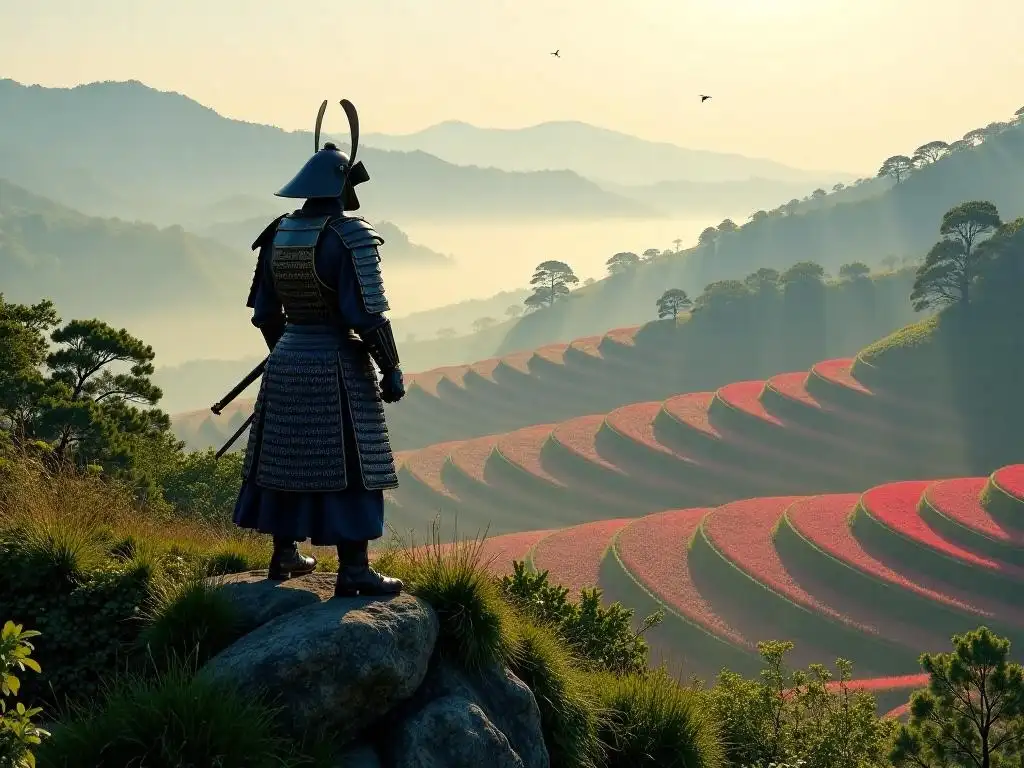
The rise of the samurai in Japan was deeply rooted in a confluence of socioeconomic factors that transformed the landscape of Japanese society during the feudal era. Initially, the samurai class emerged from the need for local protection as central authority began to wane during the Heian period. As landowners, known as daimyō, sought to safeguard their estates from rival clans and bandits, they recruited military retainers, leading to the formation of a warrior class. This shift was characterized by several key elements:
- Agricultural Surplus: The expansion of agricultural practices, notably rice cultivation, created wealth among landowners. This surplus allowed daimyō to support and maintain a retinue of samurai.
- Land Ownership and Feudalism: The feudal system established a hierarchy where land was exchanged for military service. Samurai were granted land (or stipends) in return for their loyalty and military prowess, solidifying their status and economic power.
- Political Fragmentation: The decline of imperial authority and the rise of provincial power structures encouraged local lords to assert control, thus increasing the demand for skilled warriors.
- Cultural Shift: As the samurai began to adopt Confucian principles, which emphasized loyalty, honor, and duty, their role transcended mere military function, embedding them in the cultural and ethical fabric of Japanese society.
These factors collectively culminated in the emergence of a distinct warrior identity, which not only influenced the political landscape of the time but also shaped cultural norms that would persist throughout Japanese history.
Reflection on the Enduring Influence of the Samurai Class
The samurai class left an indelible mark on Japanese society, influencing various aspects of life well beyond their military role. Their legacy can be observed in several areas:
- Cultural Heritage: The samurai's code of conduct, known as bushidō, has permeated Japanese culture, emphasizing virtues such as loyalty, honor, and self-discipline. This ethical framework continues to resonate in modern Japanese society and is often reflected in literature, film, and the arts.
- Political Structures: The samurai's influence on governance can still be seen in the modern bureaucratic system of Japan. Their emphasis on loyalty and service to one's lord laid the groundwork for concepts of duty and public service that are prevalent in contemporary governance.
- Martial Arts: The martial traditions of the samurai evolved into various schools of martial arts practiced today, such as kendo and judo. These practices not only serve as physical disciplines but also embody the philosophical teachings of the samurai.
- National Identity: The image of the samurai has become a symbol of Japanese identity, both domestically and abroad. Their representation in popular culture, from films to video games, reinforces their status as iconic figures of resilience and honor.
The rise of the samurai in Japan was not merely a military phenomenon; it was a complex interplay of socioeconomic factors that fostered a unique warrior class. Their enduring influence continues to shape the cultural, political, and social landscape of Japan, highlighting the profound legacy of the samurai in the nation's history.
Further Reading on the Rise of the Samurai in Japan
Recommended Books and Articles
For those wishing to delve deeper into the rise of the samurai in Japan, a wealth of scholarly resources is available. Here are some highly recommended books and articles that provide extensive insights into the socio-economic and cultural factors that contributed to the emergence of the samurai class:
-
"Hired Swords: The Rise of Private Warrior Classes in Japan" by William Wayne Farris
This book examines the transition from a largely agrarian society to one where private military contractors, or samurai, became prominent figures. Farris delves into the socio-economic conditions that fostered this change.
-
"Samurai: The World of the Warrior" by Stephen Turnbull
This comprehensive overview of samurai culture provides context for their rise in Japan, detailing their values, training, and the socio-political landscape of feudal Japan.
-
"The Making of the Samurai: A Social History of the Musha" by Thomas D. Conlan
Conlan’s work focuses on the social structures that enabled the samurai to ascend to power, emphasizing the importance of land, loyalty, and military prowess.
-
"Warriors of Japan as Portrayed in the War Tales" by John T. Carpenter
This article explores the literary representations of samurai warriors in classical Japanese literature, offering insight into their societal roles and the perception of their rise.
-
"The Samurai: A Military History" by Eric J. Roth
Roth's exploration discusses the military evolution of the samurai and how economic shifts influenced their status within Japanese society.
Quote: "The samurai were not just warriors; they were a reflection of the complexities of Japanese society during the feudal period." — Eric J. Roth
Additional Resources for Understanding Feudal Japan
To further enhance your understanding of the rise of the samurai in Japan, consider these additional resources that provide broader context and historical background:
- Online Databases and Archives
- JSTOR: A digital library for scholarly articles. Search for keywords like "samurai" and "feudal Japan" for a range of academic papers.
- Project MUSE: Offers access to humanities and social science content from various university presses.
- Documentaries and Educational Videos
- "The Samurai: The Last Warrior" – A documentary that presents a visual history of the samurai and their impact on Japanese culture.
- "Feudal Japan" – This series includes episodes that explore the socio-political structure of Japan during the rise of the samurai.
- Museums and Exhibitions
- The Tokyo National Museum: Houses a collection of artifacts related to samurai culture, including armor, weapons, and scrolls.
- The Kyoto National Museum: Features exhibitions on the historical context of the samurai and their role in Japanese society.
- Podcasts
- "History of Japan" - A podcast series that discusses various aspects of Japanese history, including the samurai's rise and influence over time.
Utilizing these resources will provide a comprehensive foundation for understanding the rise of the samurai in Japan, highlighting their integral role in shaping Japan's feudal society.
Frequently Asked Questions
What were the main socioeconomic factors behind the rise of the samurai in Japan?
The rise of the samurai was largely influenced by land ownership and the need for military protection in a fragmented political landscape, as wealthy landowners hired warriors to defend their interests.
How did agriculture contribute to the emergence of the samurai class?
As agriculture flourished, landowners required armed retainers to safeguard their resources, leading to the formation of a distinct warrior class known as the samurai.
What role did the shogunate system play in the rise of the samurai?
The establishment of the shogunate system centralized power in military leaders, creating a societal structure where samurai became essential in maintaining order and executing the will of the shogun.
Were there any cultural impacts of the samurai's rise during feudal Japan?
Yes, the rise of the samurai significantly influenced Japanese culture, promoting values like honor, loyalty, and martial prowess, which are still revered in modern Japan.
In the social hierarchy of feudal Japan, the samurai occupied a prominent position, serving as the military elite and enjoying privileges that distinguished them from peasants and other classes.
Final Reflection: Understanding the Rise of the Samurai in Japan
The rise of the samurai in Japan is not merely a historical phenomenon; it is a profound narrative that resonates with contemporary issues of social mobility and identity. As we explore the socioeconomic factors that transformed farmers into warriors, we uncover the intricate tapestry of resilience, ambition, and the quest for honor that continues to inspire individuals today. The samurai's journey from the fields to the battlefield serves as a powerful reminder of how societal structures can evolve and redefine personal destinies.
Culturally, the legacy of the samurai has left an indelible mark on Japan and beyond, shaping ideals of loyalty, discipline, and the pursuit of excellence. The samurai ethos permeates various aspects of modern life, from martial arts to business practices, illustrating how the values of this warrior class still resonate in contemporary society. The true warrior is not one who fights, but one who is willing to sacrifice for a greater cause.
This quote encapsulates the enduring influence of the samurai spirit, urging us to reflect on our own motivations and the causes we champion in our lives.
As we conclude our exploration of the rise of the samurai, I invite you to reflect on your own journey and the socioeconomic factors that shape your identity. Consider how the lessons of resilience and honor from the samurai can inform your actions and aspirations. Embrace the spirit of the samurai in your own life—whether in your personal endeavors, professional pursuits, or community engagements—and strive to embody the values that have transcended time and continue to inspire generations.
Embrace the Warrior Within: Take Action Today!
Thank you for diving into the captivating journey of samurai history! You’ve explored how socioeconomic factors transformed farmers into formidable fighters. Now, it’s time to harness that inspiration and take action in your own life.
Here are a few ways you can channel your newfound knowledge into meaningful steps:
- Reflect on Your Own Journey: Identify a challenge you are currently facing and strategize your approach as a samurai would. Consider what skills or mindset shifts you will need to overcome this obstacle.
- Share the Story: Engage in discussions about this fascinating evolution with friends or family. Start conversations that connect the lessons of history to your personal growth.
- Join a Community: Look for local or online groups focused on history to deepen your engagement with your passion for the samurai and its broader implications. Your insights can lead to enriching discussions!
How can understanding the path of the samurai inspire you to redefine your own life's challenges?