
The Influence of Geography in the Genpei War: Terrain and Strategy

Welcome to Feudal Japan History, where we embark on a captivating journey through the intricate tapestry of Japan’s feudal era. Dive deep into our featured article, "The Influence of Geography in the Genpei War: Terrain and Strategy," and uncover how the very landscape shaped the course of one of Japan’s most pivotal conflicts. What secrets does the geography hold, and how did it dictate the strategies of legendary warriors? Prepare to explore the profound connections between land and power, and let your curiosity guide you as you delve into the rich historical narratives that await!
Introduction
The Genpei War (1180-1185) stands as a pivotal moment in Japanese history, marking the transition from the Heian period to the Kamakura period. This conflict between the Taira and Minamoto clans not only shaped the political landscape of Japan but also highlighted the critical influence of geography on military strategy and outcomes. The rugged terrain, diverse landscapes, and strategic waterways of Japan played an essential role in the tactics employed by both clans. Understanding how geography impacted the Genpei War provides profound insights into the nature of warfare during this era and the broader implications for Japanese society.
Overview of the Genpei War
The Genpei War was more than just a power struggle; it was a culmination of longstanding rivalries between two of Japan's most influential clans. The Taira, who had established dominance in the imperial court, faced the rising power of the Minamoto, who sought to reclaim their influence and position.
The conflict saw significant battles, such as the Battle of Dan-no-ura, where naval strategy and geographical positioning would ultimately determine victory or defeat. The war not only led to the downfall of the Taira clan but also ushered in a new era of governance under the Minamoto shogunate, fundamentally altering the course of Japanese history.
Importance of Geography in Warfare
Geography has always played a crucial role in warfare, influencing everything from troop movements to supply lines and strategic positioning. In the case of the Genpei War, the varied landscapes of Japan—from mountainous regions to coastal areas—shaped the strategies employed by both sides. Terrain dictated the feasibility of military maneuvers, the effectiveness of ambushes, and the capacity for defensive operations.
Moreover, the climate and seasonal changes added another layer of complexity, impacting everything from the timing of battles to the condition of the troops. Thus, understanding the geographical context is vital for comprehending the strategic decisions made during the Genpei War.
Understanding Geography's Role in the Genpei War
Defining Geography's Impact on Military Strategy
In analyzing the Genpei War, it becomes evident that geography was not merely a backdrop but an active participant in the conflict. The topography of Japan—characterized by its mountains, rivers, and islands—dictated the movement of armies and the location of battles. For instance, mountainous terrain favored the Minamoto forces, who were adept at guerrilla tactics and could utilize the landscape for ambushes and surprises.
Conversely, the Taira clan, with their naval strength, capitalized on Japan's extensive waterways. The strategic use of rivers and coastal routes allowed them to transport troops and supplies effectively, presenting a formidable challenge to the Minamoto forces. The interplay between these geographical features and military strategies underlines the essential role of the environment in shaping the outcomes of the Genpei War.
Key Geographical Features of Japan During the Genpei War
Several distinct geographical features played a significant role in the Genpei War:
- Mountains: The Japanese archipelago is dominated by mountainous terrain, particularly in regions like Honshu. These mountains provided natural fortifications and influenced troop movements.
- Rivers: Major rivers, such as the Yoshino and Kiso, were crucial for transportation and logistics, as well as for strategic positioning during battles.
- Coastal Areas: The Taira’s naval prowess was enhanced by Japan’s many coastal regions, allowing for swift troop deployments and control of maritime routes.
- Islands: Key islands, such as Shikoku and Kyushu, served as vital staging grounds and influenced the broader strategic landscape of the conflict.
The geographical context of the Genpei War was instrumental in shaping military strategies and outcomes, highlighting how terrain and environment can influence historical events. Understanding these elements provides a clearer picture of the complexities faced by both the Taira and Minamoto clans during this transformative period in Japanese history.
Major Terrains and Their Strategic Implications
The terrain of Japan played a critical role in shaping the strategies and outcomes of the Genpei War (1180–1185). This conflict between the Taira and Minamoto clans was not only a battle of arms but also a clash of tactics heavily influenced by the geographical features of the landscape. Understanding the major terrains involved reveals much about the strategic decisions made by both clans.
Mountainous Regions
Japan's mountainous terrain provided natural fortifications and challenges that influenced troop movements and battle tactics. The steep slopes and dense forests of regions like the Kanto and Chugoku mountains made it difficult for large armies to maneuver, favoring smaller, more mobile units. The Taira clan, often based in the western regions, utilized these mountains to secure defensive positions, making it challenging for the Minamoto forces to launch direct assaults.
Additionally, these mountainous areas served as hiding spots for ambush tactics. The Minamoto clan, seeking to exploit their knowledge of the terrain, often used the mountains to stage surprise attacks. The ruggedness of the landscape also meant that supply lines were strained; both clans faced difficulties in transporting provisions and reinforcements, which could significantly affect morale and sustainability in prolonged campaigns.
River Valleys and Plains
The river valleys and plains of Japan were crucial battlegrounds in the Genpei War. These areas provided open spaces conducive to cavalry maneuvers, allowing clan warriors to engage in head-on battles. For instance, the Kiso River valley served as a key location where large-scale confrontations took place, showcasing the importance of controlling such fertile and strategic lands.
Control over these plains allowed for better supply routes, as fertile valleys provided resources for sustenance. The Minamoto clan, particularly, capitalized on the river valleys to establish bases for their operations, ensuring that their troops were well-fed and equipped. Additionally, the versatility offered by these regions allowed for diverse combat strategies, including flanking maneuvers and coordinated attacks.
Coastal Areas and Naval Warfare
The coastal areas of Japan were pivotal in the naval engagements that characterized the Genpei War. Both the Taira and Minamoto clans recognized the significance of maritime power; the Taira, with their established naval forces, often launched attacks from the sea, taking advantage of their stronghold at Dan-no-ura.
Naval warfare allowed the Taira clan to exert control over trade routes and supply lines, as well as to engage in amphibious assaults against the Minamoto forces. However, the Minamoto clan adapted by developing their own naval tactics and building alliances with maritime communities, which eventually led to their triumph in naval engagements. The battle of Dan-no-ura exemplified how control of coastal regions could determine the war's outcome, underscoring the interconnectedness of geography and strategy.
Geographic Advantages of the Taira and Minamoto Clans
Both the Taira and Minamoto clans leveraged their unique geographic advantages to gain the upper hand during the Genpei War. Understanding how each clan utilized their surroundings reveals the strategic considerations that influenced the conflict.
Taira Clan's Strategic Use of Geography
The Taira clan effectively utilized their geographic position in the western regions of Japan to fortify their defenses. Their stronghold in the Seto Inland Sea allowed them to dominate maritime routes, facilitating rapid troop movements and supply shipments. This advantage was particularly crucial for maintaining their naval superiority, which they used to project power and launch raids against Minamoto territories.
Furthermore, the Taira's knowledge of the coastal topography enabled them to conduct amphibious operations and surprise attacks. Their familiarity with local geography allowed for the establishment of fortified positions along crucial trade routes, which not only secured their supply lines but also restricted the Minamoto's movements. The Taira's command of the terrain, both on land and sea, played a significant role in their early successes during the war.
Minamoto Clan's Geographic Strategies
In contrast, the Minamoto clan capitalized on their knowledge of the eastern and central regions of Japan, employing guerrilla tactics to counter the Taira's advantages. Their ability to navigate the mountainous terrains allowed them to conduct swift, hit-and-run attacks on Taira forces, disrupting supply lines and communication networks.
The Minamoto also strategically targeted the river valleys, using them as conduits for movement and supply. By establishing bases in these fertile regions, they ensured a steady flow of resources, which was vital for sustaining their campaigns. Additionally, the Minamoto adapted their strategies to incorporate naval operations, recognizing the necessity of competing with the Taira's naval forces. Their ability to combine land and sea tactics exemplified their adaptability and strategic foresight, ultimately contributing to their victory in the Genpei War.
Case Studies: Geography in Key Battles
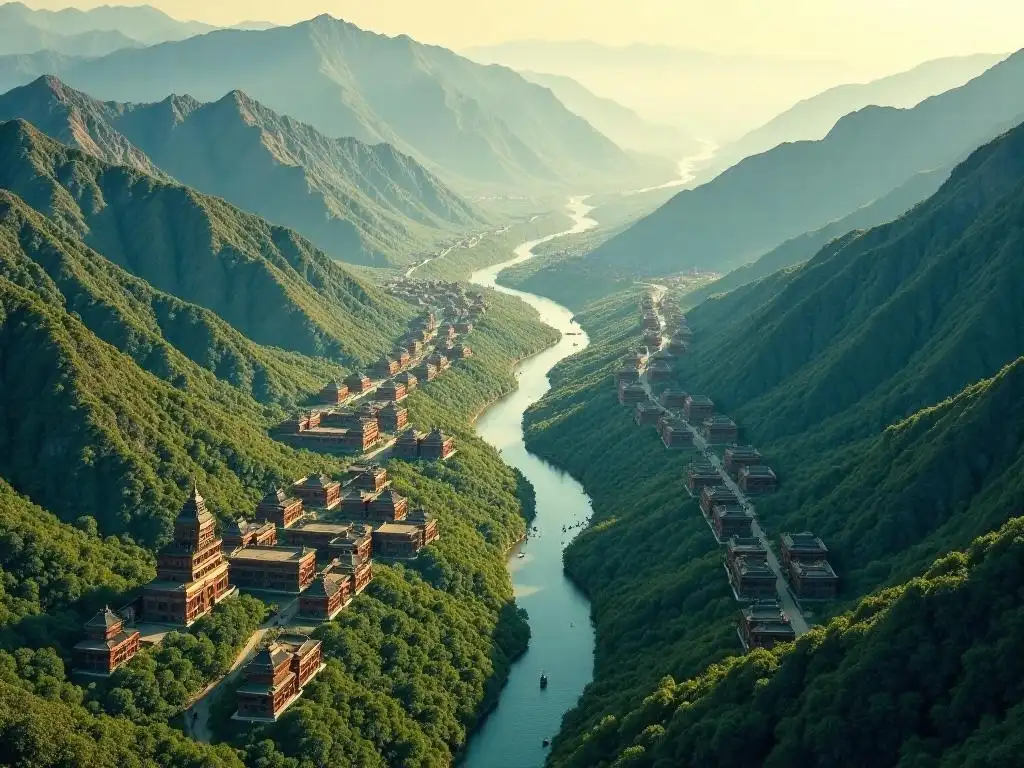
The influence of geography during the Genpei War is vividly illustrated through specific battles that showcased how terrain shaped strategies and outcomes. These case studies reveal the profound relationship between the natural landscape and military tactics employed by the warring factions, the Minamoto and the Taira clans.
The Battle of Dan-no-ura
The Battle of Dan-no-ura, fought in 1185, is a prime example of how coastal geography can dictate the course of a naval confrontation. Located in the straits of Shimonoseki, this battle was pivotal as it marked the end of the Taira clan's power. The Taira, relying on their naval strength, faced the Minamoto who adeptly utilized the local waters and tides to their advantage.
The geography of Dan-no-ura played a crucial role:
- Tidal Influence: The battle occurred at a time when the tides were favorable for the Minamoto. This allowed their ships to maneuver more effectively against the Taira’s fleet.
- Narrow Waterways: The confined space of the straits limited the Taira's ability to deploy their larger ships effectively, making them vulnerable to the more agile Minamoto vessels.
- Land Support: The Minamoto also received land support from troops stationed nearby, allowing them to attack from both land and sea, further complicating the Taira's defensive strategies.
Ultimately, the geographical advantages enjoyed by the Minamoto, combined with their tactical ingenuity, led to a decisive victory, contributing significantly to their ascendancy in the aftermath of the war.
The Battle of Kurikara
The Battle of Kurikara, fought in 1183, highlights the importance of mountainous terrain in shaping military engagements. Located in the rugged mountains of present-day Yamagata Prefecture, this battle was characterized by challenging topography that influenced troop movements and strategy.
Key geographical elements included:
- Mountainous Terrain: The steep and rugged landscape favored the Minamoto forces, who were better adapted to guerrilla warfare in such environments. They could utilize ambush tactics effectively against the Taira troops, who were less familiar with the area.
- Supply Routes: The Minamoto were able to control vital mountain passes, restricting the Taira’s movement and supply lines. This strategic advantage severely hampered the Taira's ability to regroup and reinforce their forces.
- Weather Conditions: The battle occurred during a tumultuous season, with rain affecting visibility and mobility. The Minamoto leveraged their knowledge of the terrain to navigate these conditions better than the Taira, leading to a critical victory.
The success at Kurikara not only bolstered Minamoto morale but also demonstrated how mastery of the local geography could decisively impact the outcome of battles during the Genpei War.
The Aftermath: Geography's Lasting Impact on Feudal Japan
The conclusion of the Genpei War brought about significant changes in territorial control and influenced the future of military strategy in Japan. The geographical lessons learned from this conflict had lasting repercussions on the political landscape of feudal Japan.
Changes in Territorial Control Post-War
Following the Genpei War, the Minamoto clan emerged victorious, establishing the Kamakura Shogunate. This shift in power was fundamentally influenced by geographic considerations:
- Territorial Expansion: The Minamoto expanded their control over key regions, particularly those with advantageous geography for defense and trade. Coastal areas became vital for naval power, while mountain regions facilitated guerrilla tactics.
- Strategic Fortifications: The new regime focused on fortifying strategic locations that had been pivotal during the war, ensuring that geography continued to play a crucial role in governance and military readiness.
- Land Redistribution: The redistribution of land following the war often favored regions that offered both agricultural productivity and strategic military advantages, shaping the landscape of feudal Japan.
These changes laid the groundwork for future military and political strategies, emphasizing the ongoing importance of geography in Japanese history.
Long-term Effects of Geography on Japanese Warfare
The outcomes of the Genpei War had profound implications for the nature of warfare in Japan moving forward. The lessons learned from the terrain and strategies employed during the conflict influenced military tactics for generations.
Key long-term effects included:
- Adaptation to Terrain: Future military leaders increasingly emphasized the importance of understanding and adapting to local geography. This included not only battlefield tactics but also logistical planning and troop movements.
- Naval Warfare Evolution: The lessons from battles like Dan-no-ura prompted a shift in naval strategy, leading to a more nuanced understanding of coastal geography and its role in naval engagements.
- Cultural Perceptions: The interplay between geography and warfare became embedded in the samurai culture, with stories and legends often highlighting the significance of landscape in heroic narratives.
In essence, the geography of Japan not only shaped the immediate outcomes of the Genpei War but also laid the foundation for the evolution of military strategy and political power in the centuries that followed. The enduring influence of terrain on warfare remains a critical aspect of Japan's historical narrative.
Conclusion
The Genpei War, a pivotal conflict between the Taira and Minamoto clans during the late 12th century, was profoundly influenced by Japan's diverse geography. The unique landscape of Japan, characterized by mountainous terrains, dense forests, and coastal regions, shaped the strategies employed by both sides. Understanding how geography impacted tactical decisions, troop movements, and ultimately the outcome of battles is crucial to appreciating the complexities of this historical period.
Recap of Geography's Role in the Genpei War
Geography played a multifaceted role in the Genpei War. The mountainous regions of Japan provided natural fortifications where clans could establish strongholds. For instance, the Minamoto clan effectively utilized the mountainous terrain of their home region, the Kanto, for surprise attacks and ambushes. Conversely, the Taira clan, based in the coastal regions, had advantages in naval engagements due to their access to the sea.
The rivers and valleys also acted as essential transit routes and barriers that dictated the flow of armies. Notable battles, such as the Battle of Dan-no-ura, showcased how naval supremacy was critical, emphasizing the significance of proximity to the coast. Furthermore, the strategic choices made by both clans were heavily influenced by the need to navigate these geographical features, leading to shifting alliances and the eventual rise of the Minamoto clan.
Final Thoughts on Terrain and Strategy in Feudal Japan
In feudal Japan, the interplay between terrain and military strategy was a defining factor in conflicts such as the Genpei War. Leaders of the time had to be astute observers of their environment, leveraging natural features to gain tactical advantages. The war exemplified how understanding local geography could lead to victories, as seen with the Minamoto's strategic use of surprise attacks and the Taira’s naval dominance.
Ultimately, the Genpei War serves as a prime example of how geography’s role in warfare extends beyond mere location. It highlights the necessity for military leaders to adapt their strategies in accordance with the landscape, weather conditions, and available resources. As historians continue to explore these elements, the lasting impacts of geographic considerations on the outcomes of historical conflicts remain a significant area of study within the broader narrative of Japan’s feudal past.
- Introduction
- Understanding Geography's Role in the Genpei War
- Major Terrains and Their Strategic Implications
- Geographic Advantages of the Taira and Minamoto Clans
- Case Studies: Geography in Key Battles
- The Aftermath: Geography's Lasting Impact on Feudal Japan
- Conclusion
Frequently Asked Questions
What was the Genpei War?
The Genpei War (1180-1185) was a civil conflict between the Taira and Minamoto clans in Japan, marking the transition from feudal rule to the establishment of the shogunate.
How did geography influence the Genpei War?
The topography of Japan, including mountains, rivers, and coastal areas, significantly impacted military strategies and troop movements, shaping the outcomes of key battles.
What role did terrain play in military strategies during the war?
The terrain provided both advantages and disadvantages; for instance, narrow passes could be used for ambushes, while open fields favored cavalry charges, influencing tactical decisions.
Were there specific geographic locations that were pivotal in the Genpei War?
Yes, locations like Yashima and Dan-no-ura were crucial battle sites where geographic features played a vital role in the strategic planning and execution of military operations.
How did the geography of Japan differ from other regions during feudal conflicts?
Japan's unique island geography, with its rugged mountains and dense forests, created distinct challenges and opportunities for warfare that differed from mainland continental conflicts.
Final Reflection: The Unyielding Landscape of History
Geography's role in the Genpei War remains a pivotal theme that resonates profoundly in today's world, illustrating how the physical environment shapes not only military strategies but also the very course of human events. The intricate interplay between terrain and tactics during this historic conflict serves as a powerful reminder that our surroundings can dictate the outcomes of our struggles, both on the battlefield and in our daily lives. As we navigate our own challenges, understanding the influence of geography can provide us with valuable insights into our decisions and strategies.
The lessons drawn from the Genpei War continue to echo in contemporary discussions about conflict and strategy, highlighting the importance of geographical awareness in various fields, from military operations to urban planning. The strategic maneuvers of the Heike and Genji clans remind us that the landscape is not merely a backdrop but an active participant in shaping human endeavors. The land is the foundation of all power; it is the stage upon which the drama of history unfolds.
This observation invites us to consider how our own environments influence our paths, urging us to remain mindful of the context in which we operate.
As we reflect on the enduring impact of geography in shaping historical narratives, I encourage you to consider how the lessons of the Genpei War can be applied to your own life. What role does your environment play in your personal or professional challenges? Embrace the opportunity to learn from the past and recognize the significance of your surroundings in crafting your future. By doing so, you can harness the power of geography to inform your strategies and decisions, ultimately leading to a more intentional and impactful journey.
Uncover the Strategic Terrain of the Genpei War!
Thank you for diving into the intricate world of the Genpei War and discovering how geography shaped this pivotal conflict in Japanese history. Your interest not only enriches your knowledge but also honors the lessons learned from the past. Now, let's translate this knowledge into action!
- Explore the terrains discussed in this article: Visit a local geography museum or watch documentaries that delve into the historical significance of the Genpei War.
- Join discussions on forums dedicated to Feudal Japan history to share your insights and connect with fellow enthusiasts.
- Create a visual timeline of the Genpei War that highlights the geographical advantages crucial to the strategies of both sides.
What are your thoughts on how geography could influence the outcomes of modern conflicts? Share your insights below!