
The Influence of Tea on Japanese Cuisine: A Culinary Perspective

Welcome to Feudal Japan History, where the intricate tapestry of Japan's feudal era unfolds before your eyes. Here, we delve deep into the rich historical, cultural, and societal aspects that shaped this fascinating period. In our featured article, “The Influence of Tea on Japanese Cuisine: A Culinary Perspective,” we invite you to explore how the humble tea leaf transcended mere beverage status to become a pivotal force in Japanese culinary traditions.
What secrets do the rituals of tea hold? Join us on this journey as we uncover the profound impact of tea on the evolution of Japanese cuisine, sparking your curiosity and appetite for knowledge.
Introduction to Japanese Tea Culinary Influence
The influence of tea on Japanese cuisine is a rich and intricate tapestry woven through centuries of cultural exchange, societal evolution, and culinary innovation. As a quintessential element of Japanese culture, tea transcends mere beverage status; it serves as a cornerstone of culinary practices, social customs, and artistic expressions.
This article delves into the profound impact that tea has had on the development of Japanese cuisine, exploring its historical roots, its role during the feudal era, and how it continues to shape culinary traditions today. Through this exploration, we'll uncover the nuances of how Japanese tea not only complements but also elevates the gastronomic experience, offering a unique lens through which to appreciate the country's culinary heritage.
The Historical Significance of Tea in Japan
Understanding the influence of Japanese tea on culinary practices necessitates a look into its historical significance. Tea was not merely a drink; it symbolized status, artistry, and even spiritual practice, particularly during the feudal period when samurai culture flourished. The adoption of tea into everyday life marked a shift in social customs, contributing to the development of various culinary traditions that we recognize today.
Origins of Tea in Japan
Tea was introduced to Japan from China in the early 9th century, with the first recorded mention attributed to the monk Saichō. Initially embraced by Buddhist monks for its stimulating properties, tea gradually spread to the aristocracy and, later, to the samurai class. The cultivation and preparation of tea evolved significantly over the centuries, leading to the establishment of distinct Japanese varieties, such as matcha and sencha. Each of these tea types carries its own cultural significance and culinary applications, showcasing the deep-rooted relationship between tea and Japanese cuisine.
The Role of Tea in Feudal Japan
During the feudal era, tea became an essential component of hospitality and social rituals. The practice of tea drinking was formalized into elaborate ceremonies, reflecting the aesthetics and values of the time. These tea ceremonies, known as chanoyu, emphasized harmony, respect, purity, and tranquility.
They also influenced the culinary landscape by integrating tea with seasonal ingredients and local flavors, leading to the creation of dishes designed to complement the taste of tea. The meticulous attention to detail in both the preparation of tea and accompanying dishes represents a cultural zenith, where culinary art and spiritual practice converge, revealing the profound impact of tea on Japanese cuisine during this transformative period.
The Cultural Impact of Tea on Japanese Cuisine
The influence of tea on Japanese cuisine transcends mere beverage consumption; it embodies a profound cultural significance that permeates various aspects of culinary practices. Tea has woven itself into the fabric of Japanese society, where it is not only a drink but a symbol of hospitality, respect, and aesthetic appreciation. The introduction of tea to Japan from China in the 9th century marked the beginning of a transformative journey that would shape culinary traditions.
Tea ceremonies, or chanoyu, exemplify this cultural integration, emphasizing mindfulness and the beauty of simplicity. These ceremonies are often accompanied by traditional confections, known as wagashi, which are carefully crafted to enhance the tea-drinking experience. Over time, tea has become a critical element in various festive occasions and rituals, further embedding it into the cultural identity of Japan. Its significance extends to regional cuisines, where local tea varieties inspire unique culinary creations, showcasing the diversity of Japanese culture through the lens of tea.
Japanese Tea as a Culinary Ingredient
Japanese tea, particularly varieties such as matcha, sencha, and hojicha, has evolved into a versatile culinary ingredient celebrated for its unique flavors and health benefits. Matcha, a finely ground powder made from shade-grown green tea leaves, is renowned for its vibrant green color and rich umami flavor. It serves not only as a beverage but also as a crucial component in various dishes, ranging from sweets to savory meals.
Sencha, one of the most popular green teas in Japan, offers a refreshing taste profile that can enhance both flavor and aroma in culinary applications. Chefs often incorporate sencha into broths, marinades, and even dressings, showcasing its ability to elevate dishes. Hojicha, with its roasted flavor, adds a unique depth to desserts and can be used in ice creams and custards. The incorporation of these teas into various recipes signifies a growing trend in Japanese cuisine that celebrates the art of balancing flavors and health benefits.
The Integration of Tea in Traditional Dishes
Tea's role in traditional Japanese dishes is multifaceted, enhancing not only taste but also the visual and aromatic aspects of food. One notable example is the use of matcha in wagashi, where the powdered tea is blended with sweet rice flour to create delightful confections that are often served with tea during ceremonies. This integration exemplifies the harmony between tea and food in Japanese culture.
Furthermore, tea-infused rice dishes, such as cha-bu-don (tea rice bowl), showcase how tea can transform staple ingredients into gourmet experiences. Chefs often experiment with tea in tempura batters or as a seasoning for grilled fish, thereby enhancing umami and bringing a new dimension to traditional recipes. The combination of tea with various ingredients illustrates the adaptability of Japanese cuisine and its continuous evolution influenced by cultural practices.
Regional Variations of Tea in Japanese Cooking
Japan's diverse geography fosters a variety of regional teas, each contributing distinct flavors and culinary applications. In Uji, a city renowned for its high-quality matcha, local chefs utilize the tea not only in beverages but also in signature dishes that highlight its rich, earthy notes. Uji matcha ice cream and matcha soba noodles are popular examples of this regional specialty.
In Shizuoka, known for its sencha production, local cuisines often incorporate sencha-infused broths or desserts, reflecting the region's agricultural heritage. Meanwhile, in the mountainous regions of Yame, hojicha is prevalent, and its roasted flavor is featured in both savory dishes and sweet treats, showcasing how regional characteristics can influence culinary practices.
The integration of these regional teas into local cuisine reinforces the idea that tea is not just a beverage but a vital component of Japan's food culture, celebrating the diversity and richness of its culinary landscape.
The Art of Tea in Japanese Culinary Practices
The art of tea in Japanese culinary practices is rooted in aesthetics, precision, and a deep appreciation for the ingredients. This art form manifests through the meticulous preparation and presentation of food and drink, where every detail is considered, from the choice of utensils to the arrangement of dishes. The philosophy of wabi-sabi—finding beauty in imperfection—plays a significant role in this artistic expression, allowing chefs and hosts to create a unique experience that emphasizes simplicity and authenticity.
The Japanese Tea Ceremony: A Culinary Art Form
The Japanese tea ceremony, or chanoyu, elevates the act of tea preparation and consumption to a highly regarded art form. It is a ritualistic practice that encompasses not only the brewing of tea but also the appreciation of seasonal ingredients and the harmony of flavors. Each ceremony is a carefully choreographed event that emphasizes mindfulness, where participants engage in a shared experience that celebrates both tea and food.
During the ceremony, traditional sweets, wagashi, are served alongside the tea, specifically designed to complement the flavors and visual appeal of the matcha. The selection of these confections is thoughtful, often reflecting seasonal themes or local specialties. This interplay between tea and sweets showcases the culinary artistry involved in the tea ceremony and highlights the broader significance of tea in Japanese culture.
Seasonal Ingredients and Tea Pairings in Japanese Cuisine
Japanese cuisine is characterized by its seasonal focus, and the pairing of seasonal ingredients with tea further enhances this culinary philosophy. Chefs often draw inspiration from the changing seasons, utilizing fresh, locally sourced ingredients that reflect the flavors and aesthetics of the time. For instance, spring might feature dishes that incorporate sakura (cherry blossoms) alongside light sencha, creating a harmonious balance of flavors that celebrates the season.
In summer, lighter, refreshing dishes such as cold soba noodles paired with chilled hojicha provide a delightful contrast to the heat. Autumn brings opportunities to incorporate earthy ingredients like mushrooms and chestnuts, which pair beautifully with robust matcha flavors in both savory and sweet dishes. Winter, with its hearty fare, often sees the integration of bold flavors and warming spices, complemented by strong green teas.
This commitment to using seasonal ingredients, paired thoughtfully with various tea types, not only enriches the dining experience but also honors the connection between nature and food, which is a hallmark of Japanese culinary practices.
Tea and Its Role in Japanese Hospitality
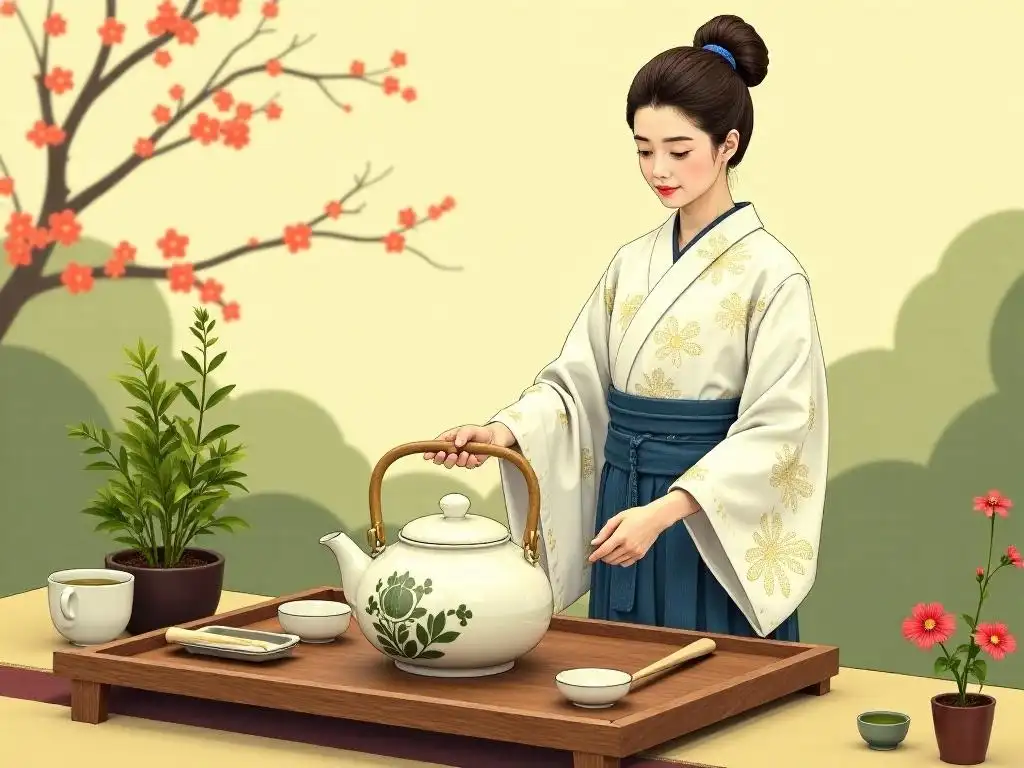
In Japan, tea transcends mere beverage status; it embodies a cultural ethos deeply woven into the fabric of hospitality. The act of serving tea is a fundamental aspect of omotenashi, the Japanese concept that emphasizes selfless hospitality and attention to detail. This principle is not merely about providing a service but rather about creating an experience that leaves guests feeling valued and appreciated. In traditional settings, the preparation and serving of tea can be seen as an art form, where every movement is intentional, reflecting the server's respect and care for the guests.
Tea also plays a crucial role in social interactions, often serving as the centerpiece during gatherings. Whether in a formal tea ceremony or a casual meeting, the presence of tea fosters a warm atmosphere, encouraging conversation and connection among participants. This cultural significance is evident in various settings, from family homes to high-end restaurants, where tea is served not just as a refreshment but as an integral part of the dining experience.
The Concept of Omotenashi and Tea
Omotenashi encapsulates the spirit of hospitality that permeates Japanese culture, and tea is a vital element in this philosophy. It involves anticipating guests' needs and providing a level of service that exceeds their expectations. In the context of tea, this means that the host takes great care in selecting the type of tea, preparing it with precision, and presenting it beautifully.
The tea preparation process itself reflects omotenashi. For instance, in a traditional tea ceremony, the host meticulously cleans the utensils, prepares the tea with attentiveness, and serves it with grace. This ritualistic approach not only highlights the importance of the tea itself but also the relationship between host and guest, reinforcing respect and appreciation.
Tea as a Symbol of Respect in Culinary Settings
In Japanese cuisine, tea symbolizes respect and thoughtfulness. When tea is offered during meals, it signifies not only a gesture of hospitality but also an acknowledgment of the guests’ presence. The choice of tea can convey various meanings; for example, serving high-quality matcha can imply a significant level of respect and honor.
In formal dining settings, the pairing of tea with meals is carefully considered to enhance the overall experience. Different types of tea complement various dishes, bringing out flavors and balancing the meal. This practice not only elevates the culinary experience but also reinforces the importance of tea as a respected element in Japanese dining culture.
Modern Adaptations of Tea in Japanese Gastronomy
As culinary trends evolve, so does the role of tea in Japanese gastronomy. Contemporary chefs are increasingly exploring innovative ways to incorporate tea into their dishes, moving beyond traditional uses to embrace creativity while retaining cultural significance. This evolution reflects a dynamic culinary landscape where traditional flavors meet modern techniques.
Contemporary Chefs and Innovative Uses of Tea
Modern chefs in Japan are pushing the boundaries of how tea is utilized in cuisine. They experiment with various types of tea, such as sencha, hojicha, and matcha, integrating them into sauces, desserts, and even savory dishes. For instance, matcha is not only used in traditional sweets but also in unique applications like matcha-infused pasta or ice cream, showcasing its versatility.
Additionally, the infusion of tea into savory dishes has gained popularity, with chefs creating marinades, dressings, and broths that highlight the distinct flavors of different teas. This innovative approach not only honors traditional flavors but also introduces new dimensions to Japanese cuisine, appealing to a broader audience while maintaining a connection to cultural roots.
Fusion Cuisine: Blending Traditional Japanese and Modern Culinary Techniques
Fusion cuisine represents an exciting frontier in the culinary landscape, and Japanese tea has found its place within this movement. Chefs are creatively combining traditional Japanese ingredients with global culinary techniques, resulting in unique dishes that celebrate both heritage and innovation.
For example, tea is being used to influence not just flavor but also presentation. Dishes may feature tea-infused sauces alongside Western elements like grilled meats or roasted vegetables, creating a harmonious blend of flavors. This fusion approach allows for the exploration of new culinary horizons while respecting the essence of Japanese tea culture.
The influence of tea on Japanese cuisine is profound, extending from traditional hospitality practices to modern culinary innovations. As chefs continue to explore and experiment with tea, they not only honor its rich heritage but also contribute to the ever-evolving narrative of Japanese gastronomy.
Conclusion: The Enduring Legacy of Japanese Tea Culinary Influence
The culinary influence of Japanese tea is profound and enduring, permeating various aspects of Japanese cuisine and culture. From the traditional tea ceremonies that emphasize mindfulness and aesthetics to the innovative culinary practices that incorporate tea flavors and ingredients, the legacy of tea in Japan is evident throughout history. Green tea, particularly matcha, has become a staple not only in beverages but also in a wide range of dishes, from savory to sweet. The delicate balance of flavors and the health benefits associated with tea have reinforced its status as a central element of Japanese culinary identity.
Moreover, the global appreciation for Japanese tea and its culinary applications has fostered a renewed interest in traditional practices and new interpretations. Chefs and home cooks alike are exploring the versatility of tea, infusing it into everything from ice creams to sauces, showcasing how this ancient beverage continues to inspire modern cuisine. The enduring legacy of Japanese tea culinary influence serves as a testament to its integral role in shaping Japan's cultural and gastronomic landscape.
Future Trends in Japanese Cuisine and Tea Integration
As we look toward the future, the integration of tea into Japanese cuisine is likely to evolve further. With an increased emphasis on health and wellness, culinary experts are expected to experiment with tea-infused dishes that highlight its antioxidant properties and potential health benefits. This trend aligns with the global movement toward clean eating and the use of natural ingredients, making tea a favorable choice for health-conscious consumers.
In addition, the fusion of traditional Japanese cooking with international culinary techniques presents opportunities for innovative tea applications. For instance, the use of matcha in contemporary baking and dessert-making is already gaining traction, and this trend is likely to expand. Restaurants may increasingly feature tea pairings with meals, akin to wine pairings, allowing diners to experience the complex flavors of tea alongside their food.
Moreover, the rise of plant-based diets is also influencing how tea is incorporated into Japanese cuisine, as chefs seek to enhance flavors and nutrition without relying heavily on animal products. As sustainability becomes a focal point in the culinary world, the use of locally sourced tea in Japanese cooking will likely gain prominence, further solidifying tea's role as a staple ingredient.
Final Thoughts on the Cultural Importance of Tea in Japan
The cultural importance of tea in Japan extends far beyond its flavor and culinary applications; it embodies a rich historical narrative and a deep-seated appreciation for aesthetics, tranquility, and mindfulness. The Japanese tea ceremony, or "chanoyu," exemplifies this cultural significance, serving as an art form that fosters social bonds and promotes a sense of peace and reflection.
Tea represents a bridge between the past and present, linking generations through shared rituals and traditions. It is an emblem of hospitality and respect, often served to guests as a gesture of welcome and care. This cultural practice, rooted in the principles of Zen Buddhism, emphasizes the beauty of simplicity and the importance of being present in the moment.
The influence of tea on Japanese cuisine is a multifaceted aspect of cultural heritage that continues to resonate with both locals and the global community. As trends shift and evolve, the enduring presence of tea in Japan's culinary landscape will undoubtedly remain significant, enriching not only the palate but also the spirit of those who partake in its rituals and flavors.
- Introduction to Japanese Tea Culinary Influence
- The Historical Significance of Tea in Japan
- The Cultural Impact of Tea on Japanese Cuisine
- The Art of Tea in Japanese Culinary Practices
- Tea and Its Role in Japanese Hospitality
- Modern Adaptations of Tea in Japanese Gastronomy
- Conclusion: The Enduring Legacy of Japanese Tea Culinary Influence
Frequently Asked Questions
What is the significance of tea in Japanese cuisine?
Tea plays a crucial role in Japanese cuisine, influencing not only culinary practices but also the cultural rituals surrounding meals.
How did tea arrive in Japan?
Tea was introduced to Japan from China in the 9th century, evolving over time into a distinct cultural element that shaped various aspects of Japanese society.
What are some traditional Japanese tea dishes?
Traditional dishes such as matcha desserts, tea-infused noodles, and sweets highlight the culinary influence of tea in Japan, showcasing its versatility in flavors.
How does the tea ceremony impact Japanese culinary arts?
The tea ceremony emphasizes aesthetic presentation and mindfulness, directly influencing how food is prepared and served, thus integrating culinary art with cultural significance.
What are the modern trends regarding tea in Japanese cuisine?
Today, there is a growing trend of fusion cuisine that incorporates tea into various dishes, reflecting a blend of tradition and innovation in the culinary landscape of Japan.
Final Reflection: The Enduring Legacy of Japanese Tea in Culinary Arts
The intricate relationship between Japanese tea and cuisine is more relevant today than ever, as we witness a growing global appreciation for the subtleties of flavor and tradition. The exploration of Japanese tea's culinary influence reveals not just a beverage but a profound cultural practice that enriches our dining experiences. This connection invites us to rethink our own culinary habits and the stories behind the ingredients we choose.
The impact of Japanese tea on cuisine extends far beyond the teacup, shaping social interactions and culinary creativity. From the delicate balance of flavors in matcha-infused dishes to the ceremonial rituals that accompany tea preparation, the influence of tea is woven into the very fabric of Japanese culture. As noted by culinary expert Masaharu Morimoto, Food is a reflection of the culture it comes from, and tea is a vital part of that narrative.
This ongoing dialogue between tea and food continues to inspire chefs and home cooks alike, encouraging a deeper appreciation for the art of cooking.
As you reflect on the lessons from this exploration of Japanese tea's culinary influence, consider how you can incorporate these elements into your own cooking practices. Embrace the artistry of flavor, the mindfulness of preparation, and the cultural significance of the ingredients you use. Let the spirit of Japanese tea inspire you to create dishes that not only nourish the body but also tell a story, connecting you to a rich heritage that transcends borders and time.
Savor the Fusion: Embrace Japanese Cuisine with Tea!
Thank you for exploring the intricate relationship between tea and Japanese cuisine! We hope you feel inspired by how this beloved beverage enhances both flavors and traditions in culinary art. Now, let's turn your newfound knowledge into delicious actions!
- Prepare a traditional Japanese meal at home and experiment with incorporating tea into your dishes, from savory broths to delicate desserts.
- Share your culinary creations with friends and family—post enticing photos and recipes on social media to spark conversations about Japan's rich tea culture.
- Join a local cooking class that focuses on Japanese cuisine or tea ceremonies to deepen your understanding and appreciation of these cultural practices.
What is your favorite way to incorporate tea into your cooking, and how do you believe it enhances the overall experience?