
The Genpei War: A Clash of Clans that Shaped Japan's Future

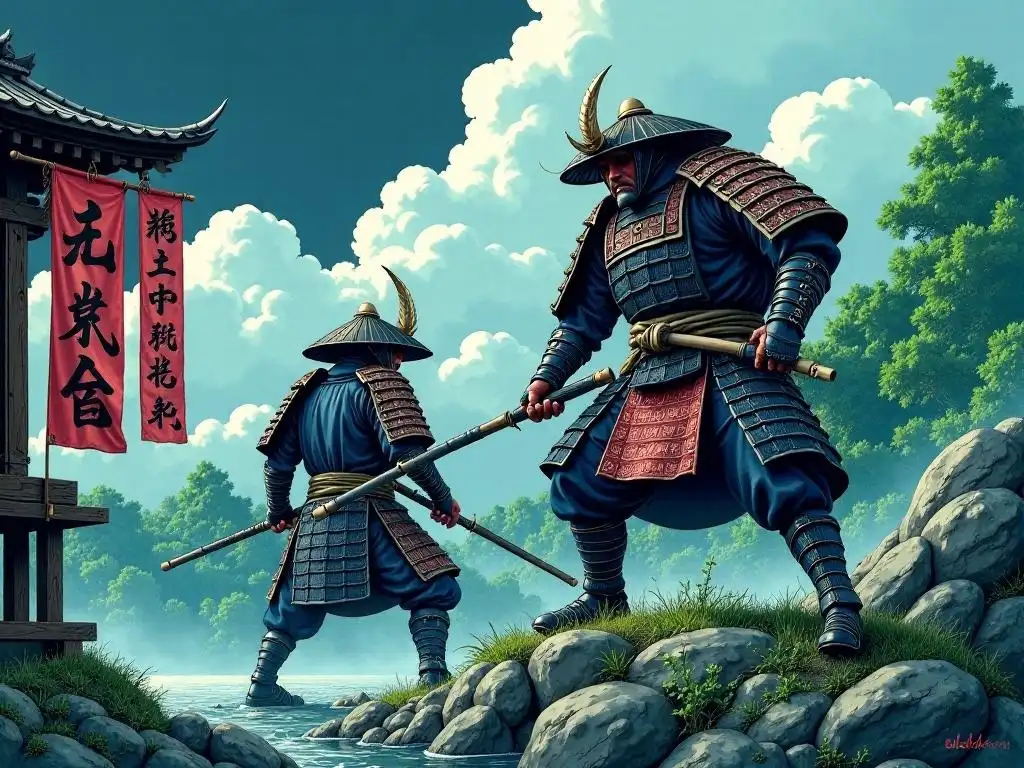
Welcome to Feudal Japan History, where we invite you to journey through the captivating tapestry of Japan's feudal era. Dive deep into the intricate details of the Genpei War, a monumental clash of clans that not only defined a pivotal moment in Japanese history but also laid the groundwork for the nation’s future.
As you explore the rich historical significance of this epic conflict, prepare to uncover the layers of political intrigue, cultural transformations, and societal shifts that emerged from the ashes of battle. Your adventure into the past begins here— read on to discover how the echoes of the Genpei War still resonate in modern Japan.
Introduction to the Genpei War
The Genpei War, which unfolded between 1180 and 1185, stands as a pivotal moment in Japanese history, marking the violent struggle between the Taira and Minamoto clans. This conflict not only determined the fate of these powerful families but also set the stage for the rise of the samurai class and the establishment of the Kamakura shogunate.
The war is often viewed through the lens of its historical significance, as it reshaped Japan's political landscape and influenced its cultural trajectory. In this article, we will delve into the intricacies of the Genpei War, exploring its causes, the key players involved, and the lasting impact it has had on Japan's development.
Overview of the Genpei War
The Genpei War was characterized by a series of battles and skirmishes that exemplified the feudal power struggles of the time. It began with the Taira clan's dominance over the imperial court, which prompted the Minamoto clan to rise in rebellion.
The war was marked by notable battles such as the Battle of Dan-no-ura, which ultimately led to the defeat of the Taira and the establishment of Minamoto no Yoritomo as the first shogun of Japan. This transition from court rule to military governance was a crucial turning point in Japanese history, signaling the beginning of a new era dominated by samurai culture and feudalism.
Importance of the Genpei War in Japanese History
The significance of the Genpei War extends beyond the mere outcome of the conflict. It is often considered a foundational event that laid the groundwork for Japan's feudal structure. The war catalyzed social stratification, with samurai emerging as the ruling class, and it altered the relationship between the emperor and military leaders. Furthermore, the Genpei War has been romanticized in Japanese culture, inspiring literature, theater, and art, which continue to resonate in contemporary Japanese society. Understanding this war is crucial for grasping the evolution of Japan's political and cultural identity.
Historical Context of the Genpei War
To fully appreciate the Genpei War, it is essential to examine the historical context that precipitated this monumental conflict.
Political Landscape Before the Genpei War
Before the Genpei War erupted, Japan was experiencing a complex political landscape marked by the Fujiwara clan's dominance and the declining power of the imperial court. The Fujiwara had effectively wielded influence through strategic marriages and regency, but their power began to wane in the late 12th century. The Taira clan, having allied with the imperial court, established itself as a formidable force, while the Minamoto clan sought to reclaim power and status. This brewing tension between these clans set the stage for inevitable conflict, as each sought to assert dominance over the other and the imperial authority.
Key Clans Involved: Taira and Minamoto
The Taira and Minamoto clans were not just rival factions; they represented broader social and political divisions within Japan. The Taira, known for their loyalty to the emperor and their wealth, were seen as the establishment, while the Minamoto clan, with their roots in the warrior class, embodied the rising power of the samurai. The rivalry between these clans was not merely a struggle for power; it was also a clash of ideologies that would shape the future of Japan. The outcomes of their confrontations would redefine loyalty, governance, and the very fabric of Japanese society.
Social and Cultural Factors Leading to Conflict
The Genpei War was influenced by various social and cultural factors that heightened tensions between the clans. The rise of the samurai class, distinct from the aristocracy, brought a new military ethos that valued bravery and martial skill. Additionally, the bushido code, which emphasized loyalty and honor, began to take shape during this period, influencing the motivations of warriors on both sides.
The cultural narrative surrounding honor, loyalty, and betrayal played a significant role in the conflict, as warriors were compelled to uphold their family's honor, often leading to violent confrontations. These socio-cultural dynamics created an environment ripe for conflict, culminating in the Genpei War and its profound implications for Japan's future.
The Genpei War: Key Events and Battles
The Genpei War, which spanned from 1180 to 1185, was a pivotal conflict between the Taira and Minamoto clans that fundamentally reshaped Japan's political landscape. This period of intense warfare marked the end of the Heian period and set the stage for the emergence of the Kamakura shogunate. Key events during this war included the siege of key strongholds, naval battles, and significant confrontations that would determine the fate of the clans involved.
The war ignited with the burning of the Taira clan's stronghold at Fukuhara in 1180, leading to a series of skirmishes and larger battles. The Minamoto clan, led by Minamoto no Yoritomo, sought to reclaim power from the Taira, who had dominated the imperial court. Events unfolded rapidly, with notable battles such as the Battle of Uji in 1180, where the Taira showcased their strength but faced fierce resistance. The naval clashes at the Dan-no-ura in 1185 would ultimately seal the fate of the Taira and symbolize the war's culmination.
Major Battles of the Genpei War
-
Battle of Uji (1180)
This initial confrontation set the stage for the conflict, where both clans fought fiercely. The Minamoto forces, despite being outnumbered, displayed remarkable valor, marking a significant early victory for them.
-
Battle of Kurikara (1183)
A turning point for the Minamoto, this battle saw them successfully ambush the Taira forces, showcasing their strategic prowess and determination to reclaim their place in the political hierarchy.
-
Battle of Dan-no-ura (1185)
The final and decisive naval battle that resulted in the defeat of the Taira clan. The Minamoto's victory here not only ended the Genpei War but also established their dominance in Japan, leading to the establishment of the Kamakura shogunate.
Turning Points in the Genpei War
Several critical moments shifted the momentum during the Genpei War:
- The Minamoto's Strategic Alliances: As the war progressed, the Minamoto clan successfully formed alliances with other influential families, bolstering their forces and resources against the Taira.
- The Taira's Overreach: The Taira clan's decision to overextend their military campaigns ultimately weakened their position, spreading their resources thin and leading to vulnerabilities that the Minamoto capitalized on.
- The Death of Taira no Kiyomori: The death of the Taira leader in 1181 significantly impacted the clan's morale and strategic capabilities, allowing the Minamoto to gain ground in subsequent battles.
The Genpei War's Historical Significance
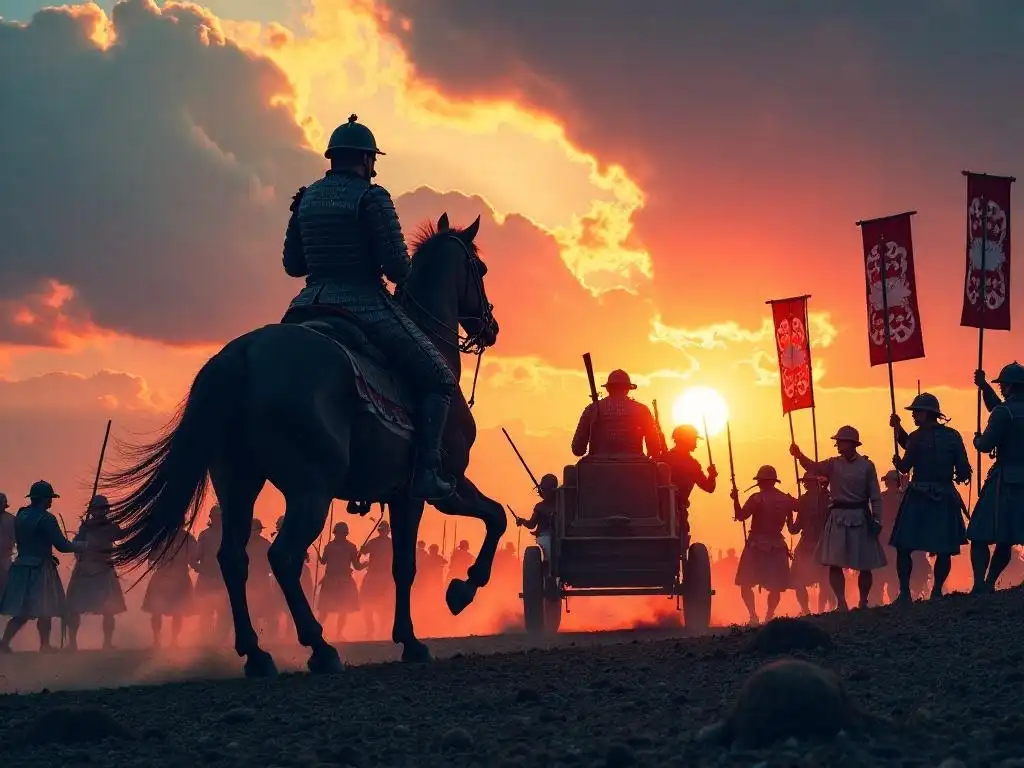
The Genpei War stands as a monumental event in Japanese history, not only for its immediate consequences but also for its lasting impact on the country's political framework and societal structure. It marked a transition from imperial rule to military governance, laying the groundwork for the feudal system that characterized Japan for centuries.
Impact on Japanese Feudal Society
The war precipitated a shift in power dynamics that led to the establishment of a feudal society, where local lords (daimyōs) gained more authority, and the samurai class emerged as a dominant force. The samurai, originally local warriors, became integral to the governance and military structure, leading to a society where loyalty and martial prowess were highly valued. This transformation fostered a new social hierarchy that would define Japanese life for generations.
Changes in Power Dynamics Among Clans
The outcome of the Genpei War significantly altered the political landscape of Japan. The defeat of the Taira clan and the rise of the Minamoto clan led to a new era of military governance under the Kamakura shogunate. This shift reduced the power of the imperial court in Kyoto, as the shogunate assumed control over military and political matters. The fragmentation of power among various clans resulted in a decentralized governance structure that gave rise to regional conflicts and alliances, further shaping Japan's political history.
Influence on Samurai Culture and Bushido Code
The Genpei War had a profound influence on samurai culture and the development of the Bushido code—the ethical framework guiding samurai conduct. The valor displayed during the war became legendary, contributing to the ideals of honor, loyalty, and bravery. The hardships faced by the samurai during this period solidified the concepts of sacrifice and duty, which would become central tenets of Bushido. This cultural evolution not only defined the samurai's role in society but also established a legacy that influenced Japanese identity and values for centuries to come.
Cultural Legacy of the Genpei War
The Genpei War, fought between the Taira and Minamoto clans from 1180 to 1185, was not merely a struggle for power but also one that left a profound cultural legacy in Japan. This conflict marked the transition from the classical period of Japanese history to the feudal era, establishing a new political structure that influenced Japanese society for centuries. The war's impact is reflected in various aspects of culture, including literature, art, and even modern interpretations, showcasing the enduring relevance of this historical event.
Literature and Art Inspired by the Genpei War
The Genpei War has inspired numerous literary works and artistic expressions throughout Japanese history. One of the most notable literary pieces is "The Tale of the Heike" (Heike Monogatari), an epic narrative that recounts the rise and fall of the Taira clan. This work is not only a historical account but also a profound exploration of themes such as honor, loyalty, and the impermanence of life, encapsulated in the famous phrase “the sound of the bell” symbolizing the fleeting nature of power and existence.
In addition to literature, the visual arts were heavily influenced by the Genpei War. Artists created paintings and woodblock prints that depicted key battles, heroic figures, and significant events from the conflict. These artworks served to immortalize the warriors and their struggles, ensuring that the stories of the clans would be remembered by future generations. The aesthetics of these pieces often conveyed the emotional weight of the war, blending historical accuracy with artistic expression to evoke a sense of nostalgia and reverence for the past.
The Genpei War in Modern Japanese Culture
Today, the Genpei War continues to resonate within modern Japanese culture. The themes of conflict, honor, and family rivalry depicted during this period have found their way into contemporary literature, film, and television. For instance, numerous historical dramas (jidaigeki) and anime series explore the tales of the Taira and Minamoto clans, often dramatizing their legendary battles and the personal stories of their warriors.
Moreover, video games have also embraced this historical epoch, incorporating elements from the Genpei War into their narratives and gameplay. Titles like "Ghost of Tsushima" and various samurai-themed games allow players to engage with this tumultuous period, bringing the history of the Genpei War to a global audience. These modern interpretations not only entertain but also educate players about the complexities and significance of this historical conflict, ensuring that its legacy endures.
Memorialization of the Genpei War in Historical Sites
The physical remnants of the Genpei War can be found across Japan, with numerous historical sites commemorating the events of this era. Key locations such as the battlefield of Dan-no-ura, where the decisive naval battle took place, and the ruins of fortresses like Fukuhara-kyū, serve as poignant reminders of the conflict. Visitors to these sites often encounter monuments and memorials honoring those who fought, as well as educational plaques that provide insight into the historical significance of the events that transpired there.
Additionally, annual festivals and reenactments celebrate the legacy of the Genpei War, drawing both locals and tourists eager to witness the cultural heritage associated with this pivotal moment in history. These events not only preserve the memory of the past but also foster a sense of community and national pride, connecting contemporary society with its historical roots.
Conclusion
Summary of the Genpei War's Historical Significance
The Genpei War was a transformative event in Japanese history, marking the end of the Heian period and the rise of the Kamakura shogunate. Its significance lies not only in the military conflict but also in the socio-political changes it instigated, as it laid the groundwork for the feudal system that would dominate Japan for centuries. The war highlighted the power struggles among the nobility, the role of samurai in society, and the shift in governance from aristocratic rule to military leadership.
Reflection on the War's Long-term Effects on Japan's Future
The effects of the Genpei War extended far beyond its conclusion, shaping the trajectory of Japan's future. The establishment of the Kamakura shogunate marked a new era in which military leaders would govern, influencing the political landscape of Japan for generations.
Additionally, the cultural and artistic expressions that emerged from the war contributed to a national identity steeped in the values of loyalty, honor, and the complexities of human emotion. As Japan continues to evolve, the legacy of the Genpei War remains an integral part of its cultural and historical narrative, reminding us of the enduring impact of this clash of clans on the nation's future.
- Introduction to the Genpei War
- Historical Context of the Genpei War
- The Genpei War: Key Events and Battles
- The Genpei War's Historical Significance
- Cultural Legacy of the Genpei War
- Conclusion
Frequently Asked Questions
What was the Genpei War?
The Genpei War (1180-1185) was a civil conflict between the Minamoto and Taira clans in Japan, marking a pivotal shift in the country's political landscape.
What is the historical significance of the Genpei War?
The historical significance of the Genpei War lies in its role in the establishment of the Kamakura shogunate, which initiated the feudal system in Japan and influenced future governance.
How did the Genpei War impact Japanese culture?
The Genpei War significantly impacted Japanese culture, inspiring literature, theater, and art, particularly through works like the Heike Monogatari, which reflects the war's themes and events.
What were the key outcomes of the Genpei War?
Key outcomes of the Genpei War included the defeat of the Taira clan, the rise of the Minamoto clan, and the beginning of the samurai era, which shaped Japan's social hierarchy.
How did the Genpei War influence later conflicts in Japan?
The Genpei War set a precedent for clan-based conflicts in Japan, influencing later wars and the political dynamics of power among the samurai class, impacting Japanese history for centuries.
Final Reflection: The Lasting Legacy of the Genpei War
The Genpei War stands as a pivotal moment in Japanese history, illustrating the profound impact of conflict on the shaping of a nation. Today, as we navigate a world rife with divisions and struggles for power, the lessons drawn from this historical clash resonate more than ever. The Genpei War not only marked the transition from imperial rule to the feudal system but also laid the groundwork for the cultural and political landscape of modern Japan. Its historical significance is a reminder of how conflicts can redefine societal structures and influence future generations.
The echoes of the Genpei War can still be felt in contemporary Japanese culture, from literature and art to social hierarchies and governance. The narratives of valor, betrayal, and the quest for power that emerged from this conflict continue to inspire and provoke thought. As noted by historian John W. Hall, “The Genpei War was not merely a battle for territory; it was a struggle for the very soul of Japan.” This observation underscores the war's far-reaching implications, reminding us that the outcomes of such conflicts extend beyond the battlefield and into the fabric of society.
As we reflect on the Genpei War and its historical significance, let us consider how the themes of ambition, loyalty, and the quest for justice play out in our own lives. I invite you to ponder how the lessons of the past can inform your actions today. Whether in personal relationships, community involvement, or broader societal issues, we can draw inspiration from the resilience and determination displayed during this tumultuous period. By understanding our history, we empower ourselves to shape a future that honors the complexities of our shared human experience.
Embark on Your Journey Through Feudal Japan!
Thank you for diving into the fascinating world of the Genpei War with us! We hope you gained deeper insights into the historic clash of clans that not only shaped Japan but also ignited a legacy of change and resilience. Now, it's your turn to take action and immerse yourself further in this incredible history!
- Explore More: Visit our dedicated pages for detailed accounts of the major battles and key figures of the Genpei War.
- Share Your Thoughts: Join our community by leaving a comment below – what aspect of the Genpei War intrigues you the most?
- Uncover Unique Stories: Discover lesser-known events from feudal Japan that might surprise you and enhance your understanding.
What insights from the Genpei War do you think remain relevant in today's world? We invite you to share your reflections with us in the comments!