
The Political Intrigue of the Samurai: A Deep Dive into Feudal Alliances

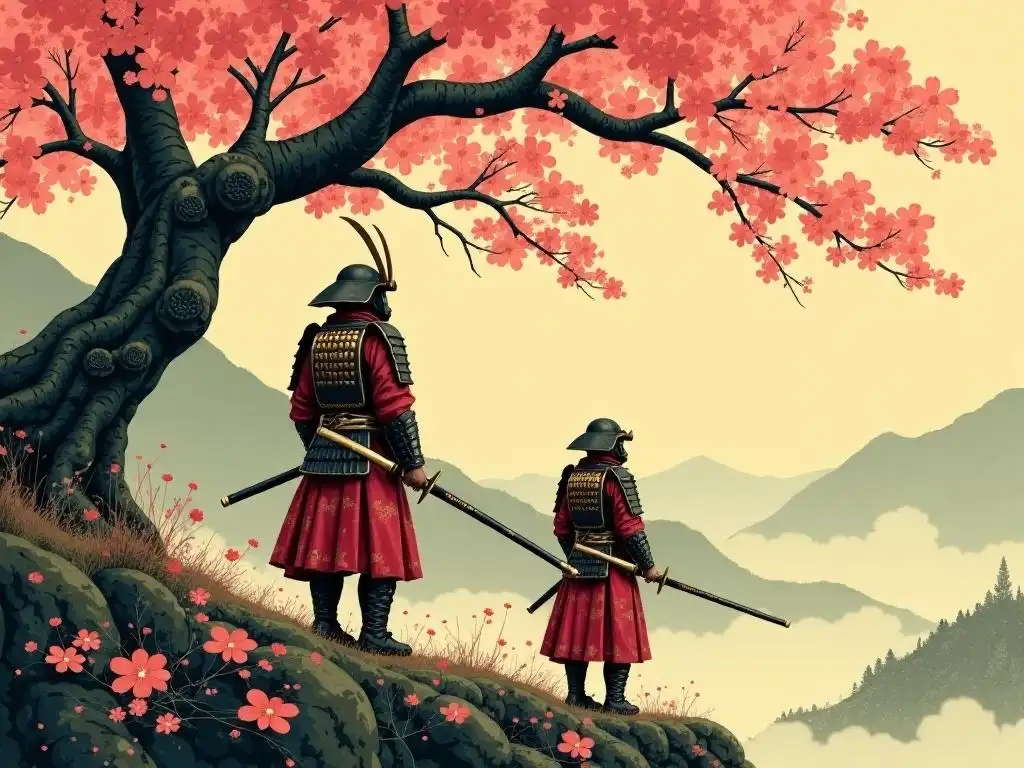
Welcome to Feudal Japan History, where we embark on a captivating journey through the intricate tapestry of Japan’s feudal era. Here, we delve deep into the political intrigue of the samurai, exploring the nuanced samurai feudal alliances history that shaped the very foundation of Japanese society. Prepare to uncover the hidden dynamics, alliances, and rivalries that defined an age of valor and strategy. Are you ready to unlock the secrets of this fascinating period? Join us as we dive into our featured article and unveil the stories that have long waited to be told!
Introduction to Samurai Feudal Alliances History
The history of the samurai in feudal Japan is not just a tale of warrior prowess and code of honor; it is also a complex narrative woven with political intrigue and strategic alliances. During the feudal era, which spanned from the late 12th century to the mid-19th century, the samurai class emerged as a powerful force in Japan's socio-political landscape.
Their role extended far beyond the battlefield, as they navigated a labyrinth of relationships with other samurai, daimyō (feudal lords), and the imperial court. This article delves into the intricate web of samurai feudal alliances history, examining how these alliances shaped the political climate of Japan and influenced the rise and fall of clans.
Overview of Feudal Japan and the Samurai Class
Feudal Japan was characterized by a decentralized political structure where various regions were ruled by powerful daimyōs. The samurai, who were originally military retainers, gradually became a distinct social class with their own ethos, exemplified by the Bushidō code, which emphasized loyalty, honor, and martial skill. The samurai's allegiance was primarily to their lord, but these loyalties were often complicated by personal ambition and the shifting dynamics of power.
- Key Characteristics of Samurai:
- Warrior Ethos: Adherence to Bushidō, promoting loyalty and honor.
- Social Status: Elevated above commoners, samurai wielded significant influence.
- Land Ownership: Many samurai were landholders, securing wealth and resources.
Importance of Political Alliances in Samurai Culture
Political alliances were essential for the survival and prosperity of samurai warriors and their clans. These alliances were often formed through marriages, treaties, or military coalitions, which helped to consolidate power, share resources, and create mutual defense agreements. The intricate nature of these alliances not only provided military support but also played a crucial role in maintaining peace and stability within the feudal system.
- Types of Alliances:
- Marriage Alliances: Strategic unions to strengthen ties between clans.
- Military Coalitions: Temporary alliances formed for specific campaigns.
- Political Treaties: Formal agreements to ensure peace and cooperation.
The Formation of Feudal Alliances
Historical Context of Samurai Feudal Alliances
The formation of feudal alliances among samurai can be traced back to the tumultuous periods of warfare, particularly during the Genpei War (1180-1185) and the Sengoku period (1467-1603). These eras were marked by significant conflict, prompting samurai to seek alliances that would enhance their military and political power. The shifting allegiances and betrayals that characterized these times highlight the volatile nature of feudal politics.
- Key Historical Events:
- Genpei War: The conflict between the Taira and Minamoto clans, setting the stage for samurai alliances.
- Sengoku Period: A time of fragmentation and warfare, leading to the rise of new alliances and power structures.
Key Influencers in the Establishment of Alliances
Several prominent figures played crucial roles in the establishment of feudal alliances during this period. Notable samurai leaders and daimyōs utilized their influence to forge relationships that would alter the course of history. Leaders such as Oda Nobunaga, Toyotomi Hideyoshi, and Tokugawa Ieyasu exemplified the strategic maneuvering necessary to unify Japan, often relying on complex networks of alliances to achieve their goals.
- Influential Leaders:
- Oda Nobunaga: Known for his innovative strategies and ruthless tactics.
- Toyotomi Hideyoshi: Unified Japan through both military might and diplomatic marriages.
- Tokugawa Ieyasu: Established the Tokugawa shogunate, solidifying power through strategic alliances.
Geographic Regions Influencing Samurai Alliances
The formation of alliances was also heavily influenced by geography. Different regions of Japan had their own unique socio-political dynamics, which affected the nature and strength of alliances. For example, the Kanto region was a center of power for the Kamakura shogunate, while the Kinki region was pivotal during the unification efforts, influencing the creation of powerful alliances among samurai lords.
- Regions of Influence:
- Kanto: Stronghold of the Kamakura shogunate.
- Kinki: The heart of political maneuvering during the Sengoku period.
- Chūgoku: Region known for its significant daimyōs and fierce rivalries.
Through this exploration of samurai feudal alliances, it becomes evident that these relationships were fundamental to the political intrigue of feudal Japan, shaping the course of its history and the legacy of the samurai class.
Types of Samurai Feudal Alliances
In the intricate tapestry of feudal Japan, samurai alliances played a pivotal role in shaping the political landscape. These alliances can be broadly categorized into three distinct types: military alliances, strategic marriages, and economic alliances. Each type served unique purposes and was instrumental in the rise and fall of clans throughout Japan's history.
Military Alliances Among Samurai Clans
Military alliances were perhaps the most common form of alliance among samurai clans. These agreements were often forged in response to external threats or during times of conflict. Clans would band together to create formidable coalitions capable of facing off against rival factions.
- Mutual Defense: Clans would promise military support to one another, ensuring that they could rely on allied forces during battles. This mutual defense was vital during the Sengoku period, a time marked by constant warfare among competing daimyōs.
- Coordinated Campaigns: Alliances allowed for coordinated military campaigns, which maximized the strengths of each clan. By pooling resources and troops, samurai were able to launch more effective offensives against their enemies.
- Diplomatic Maneuvering: Military alliances were often accompanied by diplomatic negotiations. Clans would seek to establish treaties that included terms for cooperation in battle and agreed-upon strategies.
Strategic Marriages: A Tool for Political Gain
Strategic marriages among samurai families were another crucial component of feudal alliances. These unions served as a means to solidify relationships and ensure mutual interests were protected.
- Strengthening Ties: By marrying off daughters or sisters to members of allied clans, families could deepen their alliances, creating a web of loyalty and kinship that transcended mere military agreements.
- Legitimizing Claims: Marriages were also used to legitimize claims to territory or power. For instance, a clan might marry into another family to gain rights over land or resources that were previously contested.
- Cultural Exchange: These unions often facilitated cultural exchange, blending traditions and practices between clans. The shared customs and values could further strengthen the political bond established through marriage.
Economic Alliances and Resource Sharing
Economic alliances were vital for the sustenance and growth of samurai clans during the feudal period. These alliances revolved around sharing resources and ensuring the economic stability of allied families.
- Resource Sharing: Clans would enter into agreements to share agricultural produce, weapons, and other resources. This cooperation ensured that all parties had access to what they needed for their survival and military endeavors.
- Trade Agreements: Some samurai clans formed economic alliances to enhance trade relations. By working together, they could control trade routes, thereby increasing their wealth and influence.
- Joint Ventures: In some cases, clans would engage in joint ventures to undertake large projects, such as irrigation systems or fortifications. The pooling of resources made such ambitious projects feasible.
Notable Samurai Alliances in History
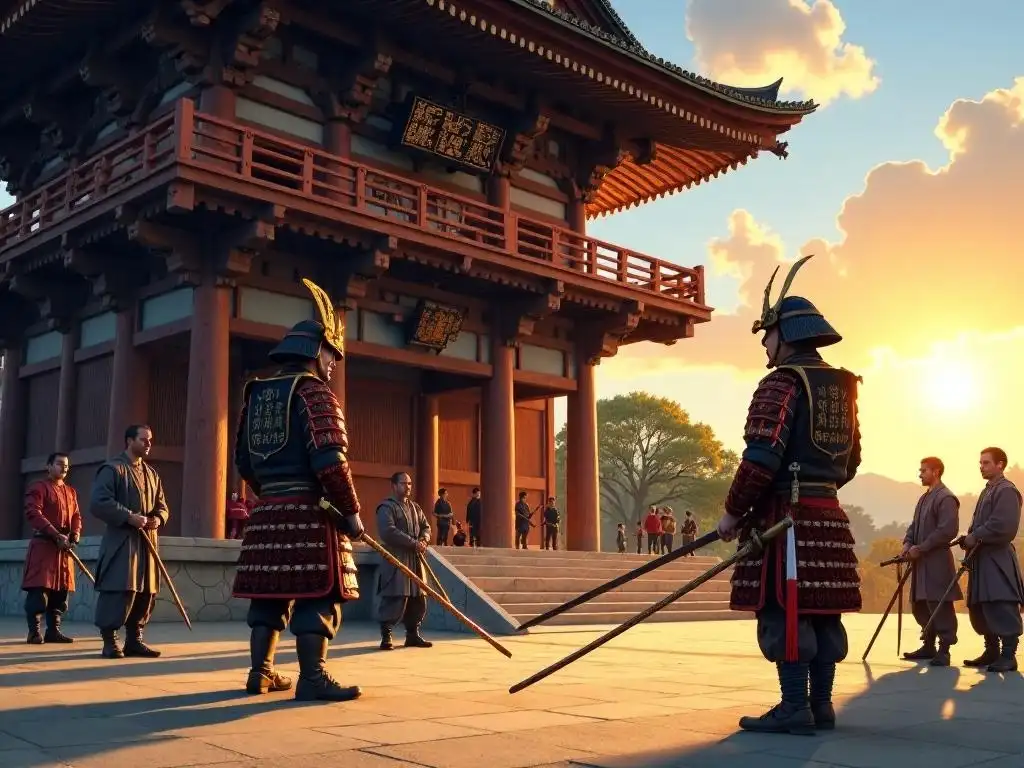
Throughout Japan's feudal era, several noteworthy alliances emerged that significantly impacted the political dynamics of the time. These alliances often determined the outcomes of battles and the fate of entire regions.
The Hojo and Takeda Clans: A Case Study in Rivalry
The rivalry between the Hojo and Takeda clans is a compelling example of how alliances could shift power dynamics. Initially, the Takeda clan sought alliances with the Hojo to strengthen their position against common enemies, but as their power grew, tensions escalated.
- Initial Cooperation: Initially, the two clans cooperated against the rising threat of the Uesugi, with both sides benefiting from shared military resources.
- Betrayal and Conflict: Over time, as the Takeda sought to expand their territory, their ambitions clashed with the Hojo's interests, leading to a breakdown of trust and eventual warfare.
- Legacy of Rivalry: This case highlights how alliances could evolve from cooperation to bitter rivalry, shaping the political landscape of feudal Japan.
The Uesugi and Takeda Alliance: Strategic Military Cooperation
The alliance between the Uesugi and Takeda clans represents a classic example of strategic military cooperation that was critical during the tumultuous Sengoku period.
- Shared Goals: Both clans shared the goal of resisting the encroachment of the powerful Hojo clan, prompting their alliance that combined military strengths.
- Impactful Battles: Their collaboration culminated in several significant battles, where their combined forces were able to achieve victories against larger enemies.
- Legacy of Brotherhood: This alliance not only bolstered their military capabilities but also fostered a sense of brotherhood that resonated through their respective legacies.
The Oda and Tokugawa Alliances: Shifts in Power Dynamics
The alliances formed between the Oda and Tokugawa clans were instrumental in the eventual unification of Japan under Tokugawa Ieyasu.
- Political Maneuvering: The Oda clan, under Nobunaga, allied with the Tokugawa clan to consolidate power against the Hōjō and Uesugi clans. This alliance was characterized by shrewd political maneuvering.
- Turning Points: Key battles, such as the Battle of Okehazama, showcased the effectiveness of this alliance in overcoming formidable opponents, significantly altering the balance of power in Japan.
- Enduring Legacy: Ultimately, the collaboration laid the groundwork for the Tokugawa shogunate, which ruled Japan for over 250 years, marking a significant shift in the country’s political landscape.
These historical alliances underscore the complex nature of samurai relationships and the strategic decisions that defined the feudal era in Japan. Each type of alliance contributed to the intricate web of political intrigue that characterized the samurai's role in shaping Japan's history.
The Role of Betrayal and Loyalty in Samurai Alliances
In the intricate web of feudal Japan's political landscape, the concepts of betrayal and loyalty were deeply intertwined with the samurai code of conduct. Samurai were not just warriors; they were also vassals to their lords, and their loyalty was paramount in maintaining the delicate balance of power. The relationships forged through alliances were often precarious, with loyalty being tested in the face of ambition and rivalry. Betrayal could lead to swift and brutal retribution, but it could also be a strategic maneuver to shift allegiances in an era where power dynamics were ever-changing.
The samurai's loyalty was primarily dictated by the bushi, or warrior code, which emphasized fidelity to one’s lord, known as daimyō. This loyalty could be so profound that samurai would often choose death over dishonor, reflecting their commitment to their alliances. However, the political intrigue of the time meant that loyalty was not always straightforward; shifting allegiances were common as samurai navigated the treacherous waters of feudal politics, often leading to an atmosphere rife with suspicion and the potential for betrayal.
Famous Betrayals: Political Intrigue in Feudal Japan
Throughout the history of feudal Japan, several infamous betrayals have significantly impacted the political landscape. One of the most notable instances was the betrayal of Uesugi Kenshin by his former ally, Takeda Shingen. This betrayal was steeped in personal animosity and ambition, demonstrating how personal feelings could intertwine with political machinations.
Another critical betrayal was that of Akechi Mitsuhide, who turned against his lord Oda Nobunaga in 1582. Mitsuhide’s actions not only led to Nobunaga's death but also triggered a power vacuum that ultimately contributed to the unification of Japan under Tokugawa Ieyasu. Such betrayals illustrate the volatile nature of samurai alliances, where personal ambition could overshadow loyalty, resulting in dire consequences for the aligned parties.
Loyalty Oaths: The Code of Bushido and its Implications
The samurai adhered to a strict ethical code known as Bushido, which translates to "the way of the warrior." This code emphasized virtues such as loyalty, honor, and courage, shaping the samurai's identity and their relationships with their lords. Loyalty oaths were a formalized aspect of this code, establishing the expectations for fidelity and service between a samurai and their daimyō.
Bushido also had implications beyond mere loyalty; it dictated that betrayal was one of the highest forms of dishonor. A samurai found guilty of betrayal faced not only the wrath of their lord but also public disgrace. This complex interplay between loyalty and honor created a culture where the stakes of betrayal were incredibly high, influencing samurai behavior and decisions in alliances throughout feudal Japan.
The Impact of Betrayal on Samurai Alliances and Warfare
Betrayal had profound impacts on samurai alliances and warfare strategies. When alliances soured, the resulting conflicts could escalate into full-scale wars, as seen during the Warring States period. These betrayals often led to a cascade of shifting allegiances, where former allies became enemies, amplifying the chaos of the battlefield.
In addition, betrayal could weaken the morale of troops, as soldiers were left questioning the loyalty of their leaders. This uncertainty could be exploited by enemies, turning former allies against one another. The ramifications of betrayal extended beyond immediate conflicts, as they often reshaped the political landscape, leading to new alliances and enmities that would dictate the course of Japanese history for generations.
The Decline of Samurai Feudal Alliances
The decline of samurai feudal alliances marked a significant turning point in Japan's political history. The intricate alliances that had once defined the power dynamics of feudal Japan began to unravel due to various factors, including social change, economic shifts, and the rise of centralized power.
Factors Leading to the Breakdown of Alliances
Several factors contributed to the breakdown of samurai alliances. One major factor was the changing nature of warfare, where the introduction of firearms and more modern military tactics diminished the reliance on traditional samurai combat skills and the need for large-scale alliances.
Additionally, the rise of merchant classes and economic power led to a shift in the social structure. As wealth began to concentrate in the hands of merchants, the samurai class found its traditional roles and powers challenged. The increased taxation and pressures from the growing economy weakened the feudal bonds that had previously held alliances together.
The Role of Centralized Power: The Meiji Restoration
The Meiji Restoration of 1868 marked a pivotal moment in the decline of samurai feudal alliances. The restoration of imperial rule brought about significant political and social changes that dismantled the feudal system. The new government sought to modernize Japan and centralize power, leading to the dissolution of the samurai class as a distinct social order.
As the empire transitioned to a modern state, samurai privileges and roles were systematically eliminated. The introduction of a conscript army further diminished the military significance of samurai, and their traditional alliances became obsolete in the face of a centralized military strategy.
Legacy of Samurai Alliances in Modern Japan
Despite the decline of samurai feudal alliances, their legacy continues to shape modern Japan. The principles of loyalty, honor, and duty, as embodied in the samurai code of Bushido, are still revered in contemporary Japanese culture.
Moreover, the historical narratives surrounding samurai alliances have influenced modern literature, film, and popular culture, romanticizing the ideals and complexities of feudal relationships. This enduring fascination with samurai history serves as a reminder of the intricate political intrigues that shaped Japan's past and continues to impact its identity today.
Conclusion: The Lasting Impact of Samurai Feudal Alliances on Japanese History

The intricate web of samurai feudal alliances has had a profound and lasting impact on Japanese history. These alliances, characterized by both loyalty and betrayal, shaped not only the political landscape of feudal Japan but also the cultural and social frameworks that followed. The samurai class, emerging as a dominant force during the Kamakura period, relied heavily on strategic alliances to secure power and influence. This resulted in a series of conflicts and power struggles, laying the groundwork for the unification of Japan under leaders such as Oda Nobunaga and Toyotomi Hideyoshi.
Moreover, the legacy of these alliances can be seen in modern Japan, where the values of loyalty, honor, and duty continue to resonate. This historical context enriches the understanding of contemporary Japanese culture and its societal norms. The political intrigue of the samurai era serves as a reminder of how alliances can shape the course of history, reflecting the complexities of human relationships, ambition, and governance.
Reflections on Political Intrigue and Its Modern Relevance
The political intrigue surrounding samurai feudal alliances offers valuable insights into contemporary political dynamics. The strategies employed by samurai to forge alliances—balancing trust and manipulation—can be mirrored in modern politics, where diplomacy and negotiation play crucial roles. Understanding these historical alliances allows for a deeper appreciation of how personal relationships and power struggles influence political landscapes today.
Furthermore, the concept of loyalty in samurai culture raises pertinent questions about allegiance in modern governance. The ethical dilemmas faced by samurai in choosing between personal loyalty and duty to their lords parallel the challenges faced by contemporary leaders in balancing personal convictions with the demands of their positions. This reflection not only highlights the timeless nature of political intrigue but also underscores the relevance of samurai history in understanding current global affairs.
Future Research Directions in Samurai Feudal Alliances History
As interest in samurai feudal alliances continues to grow, several avenues for future research emerge. One potential direction is the exploration of lesser-known alliances and their impacts on local politics. Many regional samurai clans formed intricate networks that have been overlooked in mainstream historical narratives. Examining these smaller alliances could provide a fuller picture of the socio-political landscape of feudal Japan.
Another area of focus could be the comparative analysis of samurai alliances with feudal systems in other cultures. By drawing parallels between Japan and regions such as Europe or the Middle East, researchers could uncover universal themes of power dynamics, loyalty, and betrayal, enriching the global understanding of feudalism.
Finally, interdisciplinary approaches that incorporate archaeology, anthropology, and literature could yield new insights into the lived experiences of samurai and their allies. This holistic perspective would not only enhance historical accuracy but also engage a broader audience in the exploration of samurai feudal alliances.
Additional Resources on Samurai Feudal Alliances
For those interested in delving deeper into the history of samurai feudal alliances, a variety of resources are available. These resources encompass a range of formats, catering to different learning preferences and interests.
Recommended Books and Articles on Feudal Japan
-
"The Samurai: A Military History" by Stephen Turnbull
This comprehensive text explores the military aspects of the samurai, including the alliances that influenced their power.
-
"Warriors of Japan as Portrayed in the War Tales" by Thomas D. Conlan
This book examines the narratives of samurai alliances through historical war tales, providing a rich context for understanding their significance.
-
"The Making of Modern Japan" by Kenneth B. Pyle
While focusing on modern Japan, this book offers valuable insights into the historical roots of samurai alliances and their lasting impact.
Documentaries and Lectures for Further Exploration
-
"The Samurai: Behind the Sword" (Documentary)
This engaging documentary delves into the lives of samurai and the political alliances that defined their era, offering visual insights into their world.
-
"Japan's Samurai Era" (Lecture Series)
This series features expert historians discussing various facets of samurai history, including the intricate nature of their alliances.
-
"Secrets of the Samurai" (Documentary)
This documentary uncovers the lesser-known aspects of samurai alliances and the political intrigue that surrounded them, appealing to both history enthusiasts and casual viewers.
These resources provide a solid foundation for anyone looking to understand the complexities of samurai feudal alliances and their enduring legacy in Japanese history.
References
Citing Key Historical Texts and Sources on Samurai Alliances
To fully understand the complexities of samurai feudal alliances, it's essential to explore various historical texts and sources that provide insight into this intricate web of relationships. Here are some key texts and sources that are critical for anyone studying the history of samurai alliances:
-
The Tale of the Heike (平家物語, Heike Monogatari)
This epic account chronicles the rise and fall of the Taira clan during the Genpei War and provides a vivid depiction of samurai culture and the political dynamics of the era. It serves as a crucial historical source illustrating the alliances and rivalries that shaped feudal Japan.
-
The Book of Five Rings (五輪書, Go Rin No Sho) by Miyamoto Musashi
Written by the famed swordsman Miyamoto Musashi in the early 17th century, this text discusses strategy, tactics, and the philosophy of the samurai. Musashi's insights into the nature of conflict and alliances are invaluable for understanding the mindset of samurai during feudal times.
-
The Chronicles of Japan (日本書紀, Nihon Shoki)
As one of the oldest historical records in Japan, this work provides a foundation for understanding the evolution of samurai roles in Japanese politics, including various alliances formed throughout history.
-
The Samurai: A Military History by Stephen Turnbull
This comprehensive book provides a detailed overview of samurai military history, including the political alliances that were forged and broken over centuries. Turnbull's analysis helps to contextualize the samurai's role within the broader political landscape.
-
Warriors of Japan as Portrayed in the War Tales by Paul Varley
Varley's work delves into the narratives of warrior tales, providing context about the socio-political landscape of feudal Japan and the significance of alliances among samurai clans.
-
The Age of the Samurai: Japan’s History, 1185-1868 by Jonathan Clements
This book offers a detailed overview of the samurai era, discussing the formation of alliances, the impact of warfare, and the eventual decline of samurai power. It is a valuable resource for understanding the broader historical framework in which feudal alliances operated.
These texts not only document the historical events surrounding samurai alliances but also reflect the cultural values and societal norms of the time. By consulting these sources, researchers and enthusiasts can gain a deeper understanding of the intricate political intrigue that characterized the samurai class during Japan's feudal era.
- Introduction to Samurai Feudal Alliances History
- The Formation of Feudal Alliances
- Types of Samurai Feudal Alliances
- Notable Samurai Alliances in History
- The Role of Betrayal and Loyalty in Samurai Alliances
- The Decline of Samurai Feudal Alliances
- Conclusion: The Lasting Impact of Samurai Feudal Alliances on Japanese History
- Additional Resources on Samurai Feudal Alliances
- References
- What were the main feudal alliances during the Samurai era in Japan?
- How did samurai contribute to the political intrigue of feudal Japan?
- What role did marriage play in samurai feudal alliances?
- How did betrayals affect the history of samurai feudal alliances?
- What are some key historical events related to samurai feudal alliances?
Frequently Asked Questions
What were the main feudal alliances during the Samurai era in Japan?
The feudal alliances primarily involved powerful clans, such as the Taira and Minamoto, who formed strategic partnerships to consolidate power and influence.
How did samurai contribute to the political intrigue of feudal Japan?
Samurai played a crucial role in navigating complex political landscapes, often shifting allegiances to bolster their clans' power while engaging in military campaigns.
What role did marriage play in samurai feudal alliances?
Marriage was a significant tool for creating and strengthening alliances between clans, often used to secure political and military support.
How did betrayals affect the history of samurai feudal alliances?
Betrayals often led to significant shifts in power, resulting in civil wars and the rise or fall of clans, shaping the political landscape of feudal Japan.
Key events include the Genpei War and the Onin War, which exemplified the turbulent nature of feudal alliances, showcasing how they could lead to both conflict and unity.
Final Reflection: The Enduring Legacy of Samurai Feudal Alliances
The intricate web of samurai feudal alliances continues to resonate in today's political landscape, showcasing how historical power dynamics shape modern governance. As we explore the political intrigue of the samurai, we uncover not just a fascinating chapter of history but also the timeless lessons of loyalty, strategy, and the complexities of human relationships that remain relevant in our contemporary world. The alliances forged in the heat of feudal conflict remind us that power is often as much about relationships as it is about authority.
The legacy of samurai feudal alliances has profoundly influenced cultural narratives and social structures, illustrating the delicate balance between loyalty and ambition. The intricate relationships among samurai, their lords, and rival factions serve as a powerful reminder of how alliances can both uplift and undermine societies. As historian John W. Hall once said, "> The samurai were not just warriors; they were also political actors who shaped the course of Japanese history." This observation underscores the ongoing relevance of these historical alliances, as they continue to inform our understanding of leadership and governance in various contexts.
As we reflect on the lessons of the samurai and their feudal alliances, I invite you to consider how these themes manifest in your own life. How do the dynamics of loyalty and ambition play out in your relationships and community? Embrace the complexity of these interactions and strive to cultivate alliances that foster mutual growth and understanding. By learning from the past, we can navigate our present with wisdom and forge a future that honors the intricate tapestry of human connection.
Unveil the Legacy: Step into the World of Feudal Alliances!
Thank you for joining us on this fascinating journey through the political intrigue of samurai alliances! We've explored the essential role these alliances played in shaping Japan’s feudal landscape. Now, it's time to put that knowledge into action and deepen your understanding of this captivating era.
- Dive deeper with our interactive timeline of feudal Japan to see how alliances evolved over time and influenced significant historical events.
- Share this article with friends or fellow history enthusiasts— your insights can spark meaningful conversations about the samurai's impact on modern governance!
- Join our community forum to exchange ideas and discuss how feudal alliances continue to resonate in current political strategies.
What surprising connections can you draw between the political maneuvers of samurai and contemporary alliances in global politics? Your thoughts could inspire critical discussions!