
The Cultural Policies of the Tokugawa Shogunate: Art and Society Intertwined

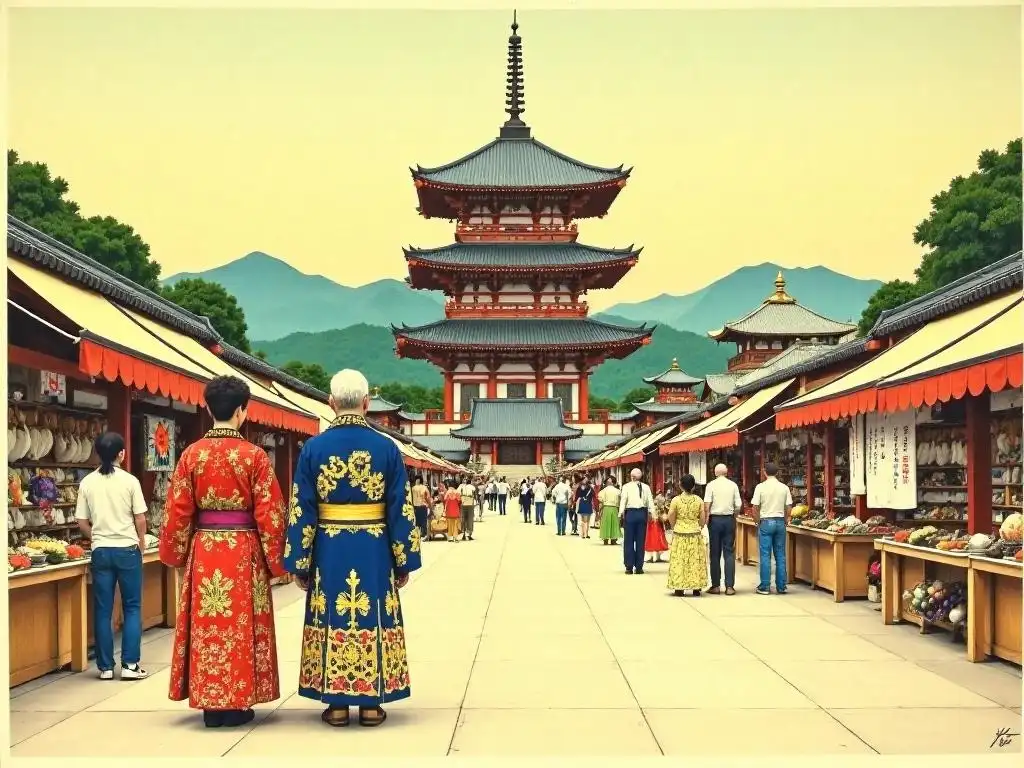
Welcome to Feudal Japan History, where we invite you on a fascinating journey through the intricate tapestry of Japan’s feudal era. Here, we delve deep into the rich historical, cultural, and societal nuances that shaped a nation. In our featured article, "The Cultural Policies of the Tokugawa Shogunate: Art and Society Intertwined," we explore the profound impact of the Tokugawa Shogunate's cultural policies on Japanese art and society.
Discover how these policies not only influenced artistic expression but also molded the very fabric of everyday life in feudal Japan. Prepare to be captivated as we unfold the layers of this compelling narrative—your adventure into the depths of history begins now!
Introduction to the Tokugawa Shogunate Cultural Policies
The Tokugawa Shogunate, which ruled Japan from 1603 to 1868, represents a pivotal period in the nation's history, characterized by a unique blend of political stability and cultural flourishing. During this era, the Tokugawa Shogunate cultural policies played a crucial role in shaping Japanese society, promoting art, literature, and philosophy while simultaneously reinforcing the social hierarchy and maintaining peace.
Understanding these policies provides insight into how the cultural landscape of Japan evolved during the feudal era and the lasting impact they had on subsequent generations. This article aims to explore the multifaceted cultural policies of the Tokugawa Shogunate, examining their implications for art and society as they intertwined to create a distinctive cultural identity.
Overview of the Tokugawa Shogunate
The Tokugawa Shogunate, founded by Tokugawa Ieyasu, established a centralized feudal system that brought an end to the Sengoku period—a time marked by civil war and social upheaval. This new regime implemented strict social classes, with the samurai at the top, followed by farmers, artisans, and merchants. The Shogunate sought to control not only political power but also cultural expression, leading to the development of a cohesive cultural identity rooted in Confucian values, Buddhism, and traditional Japanese arts.
The Shogunate's policies significantly influenced various cultural domains, including theater, literature, and visual arts, ultimately fostering a rich cultural environment that would define the Edo period.
Importance of Cultural Policies in Feudal Japan
Cultural policies during the Tokugawa era were not merely artistic initiatives; they served as tools for social control and cohesion. By promoting specific art forms and philosophical teachings, the Shogunate sought to:
- Reinforce social hierarchy: Cultural outputs often reflected and reinforced the existing social structure, ensuring that the samurai class remained in power while promoting loyalty and respect for authority.
- Encourage moral education: Confucian teachings were integrated into cultural practices, emphasizing virtues such as loyalty, filial piety, and ethical governance.
- Foster national identity: Cultural policies helped cultivate a sense of shared identity among the Japanese populace, promoting traditional arts and literature that celebrated Japan's unique heritage.
This convergence of art and societal values under the Tokugawa Shogunate illustrates how cultural policies were essential to maintaining the stability and order of feudal Japan.
Historical Context of the Tokugawa Shogunate
The Rise of the Tokugawa Shogunate
The rise of the Tokugawa Shogunate can be traced back to the strategic maneuvers of Tokugawa Ieyasu, who emerged victorious at the Battle of Sekigahara in 1600. This battle effectively consolidated power and marked the beginning of the Tokugawa era.
Ieyasu implemented a series of policies designed to solidify his rule, including the establishment of a centralized government and a system of alternate attendance (sankin-kōtai) that required feudal lords to spend every other year in Edo (modern-day Tokyo). These policies not only curtailed the power of rival clans but also fostered a cultural exchange that contributed to the flourishing of the arts.
Key Historical Events Influencing Cultural Policies
Several key historical events shaped the cultural policies of the Tokugawa Shogunate, including:
- The Sakoku Edict (1635): This policy isolated Japan from foreign influence, allowing the Shogunate to control cultural narratives and promote indigenous arts without external interference.
- The Genroku Period (1688-1704): A time of economic prosperity and cultural flowering, the Genroku era saw the rise of ukiyo-e (woodblock prints), kabuki theater, and the development of haiku poetry, all of which were encouraged by the Shogunate to reflect societal values and aesthetics.
- The rise of the merchant class: As commerce thrived, the Shogunate recognized the importance of the growing merchant class, leading to the patronage of arts that appealed to this demographic, further intertwining commerce and culture.
Through these events, the Tokugawa Shogunate was able to shape a cultural landscape that both reflected and reinforced its political ideologies, leaving a lasting legacy on Japanese history.
Core Cultural Policies of the Tokugawa Shogunate
The Tokugawa Shogunate, which ruled Japan from 1603 to 1868, implemented a variety of cultural policies that significantly influenced the arts and societal norms during its reign. These policies were aimed at consolidating power, maintaining social order, and promoting a unified national identity. Central to these cultural policies was the concept of sankin-kōtai, which required daimyōs (feudal lords) to alternate their residence between their domains and Edo, the shogunal capital. This practice not only facilitated political control but also fostered cultural exchange and the establishment of a vibrant urban culture.
Moreover, the Tokugawa Shogunate emphasized a centralized approach to culture, wherein the government sought to oversee and regulate artistic endeavors. This was manifested through the patronage of certain art forms, such as ukiyo-e (woodblock prints) and kabuki theater, which were considered beneficial to societal morale and the shogunate's image. The shogunate's policies encouraged the flourishing of these art forms while simultaneously restricting others that were viewed as subversive or disruptive.
Centralization of Culture and Art
The centralization of culture during the Tokugawa Shogunate involved a concerted effort to unify diverse regional practices into a coherent national identity. The shogunate established cultural institutions and supported the development of arts that reflected its ideals of harmony, order, and loyalty. This included the promotion of traditional Japanese arts such as tea ceremonies, flower arrangement (ikebana), and calligraphy, which were seen as embodying the essence of Japanese culture.
The government also played a crucial role in the dissemination of knowledge and artistic practices. Schools were set up to educate the samurai class and the elite in arts and literature, ensuring that the values of the shogunate permeated all levels of society. This educational push not only cultivated a literate populace but also created a class of educated samurai who could appreciate and engage with the cultural policies of the shogunate.
Control and Regulation of Artistic Expression
The Tokugawa Shogunate exercised significant control over artistic expression, particularly in the areas of literature and theater. Censorship became a key tool for the shogunate, as officials sought to suppress works that were deemed politically sensitive or contrary to the values of the regime. This included regulating kabuki performances and publishing, where writers and artists faced scrutiny regarding the content of their works.
Despite these restrictions, certain artistic expressions flourished under the shogunate. For instance, ukiyo-e prints often depicted the pleasures of urban life, providing a form of escapism that was acceptable within the shogunate's framework. The style and themes of these artworks allowed for a critique of society, albeit in a manner that was subtle and indirect, thus navigating the boundaries set by the authorities.
Promotion of Neo-Confucianism
Neo-Confucianism played a pivotal role in shaping the cultural policies of the Tokugawa Shogunate. The shogunate adopted this philosophical framework to reinforce social hierarchy and moral governance. By promoting Confucian ideals, the shogunate sought to cultivate a sense of duty, loyalty, and propriety among its subjects, particularly within the samurai class.
This promotion of Neo-Confucianism manifested in educational reforms, where Confucian texts became central to the curriculum. The shogunate supported the establishment of schools that taught these principles, thereby embedding them into the cultural fabric of society. The emphasis on filial piety and social harmony aligned with the shogunate's objectives of maintaining order and stability, further intertwining governance with cultural policy.
Impact on Society and Art During the Tokugawa Era
The cultural policies of the Tokugawa Shogunate had a profound impact on both society and the arts. These policies not only shaped artistic expression but also influenced the everyday lives of the populace, contributing to a unique cultural landscape that characterized the Edo period.
The Role of Art in Tokugawa Society
Art during the Tokugawa era served multiple functions within society, acting as a means of entertainment, moral instruction, and social commentary. The flourishing of urban art forms, such as ukiyo-e and kabuki, created a rich cultural tapestry that reflected the lives and aspirations of the common people. These art forms often depicted scenes from daily life, nature, and historical narratives, allowing citizens to engage with their culture.
Additionally, art was utilized as a tool for political propaganda, reinforcing the values and authority of the shogunate. Artists and playwrights were often commissioned to create works that glorified the ruling class, thus intertwining artistic production with the political landscape. This relationship between art and power underscored the importance of cultural policies in shaping societal perceptions and values.
Social Stratification and Cultural Expression
The Tokugawa period was marked by a rigid social hierarchy, which influenced cultural expression across different classes. The samurai, merchants, farmers, and artisans each had distinct roles, and their cultural outputs were reflective of their societal status. For instance, samurai culture emphasized refinement and education, leading to the development of highbrow art forms like Noh theater and classical literature.
Conversely, the merchant class, which gained wealth and influence during this time, became patrons of popular culture, supporting kabuki theater and ukiyo-e. This interaction between social stratification and cultural expression created a dynamic cultural environment where different classes influenced one another, leading to a cross-pollination of artistic ideas and practices.
Overall, the cultural policies of the Tokugawa Shogunate not only shaped the arts but also reinforced societal structures, creating a complex interplay between governance, culture, and social identity that characterized this pivotal era in Japanese history.
Case Studies of Cultural Policies in Action
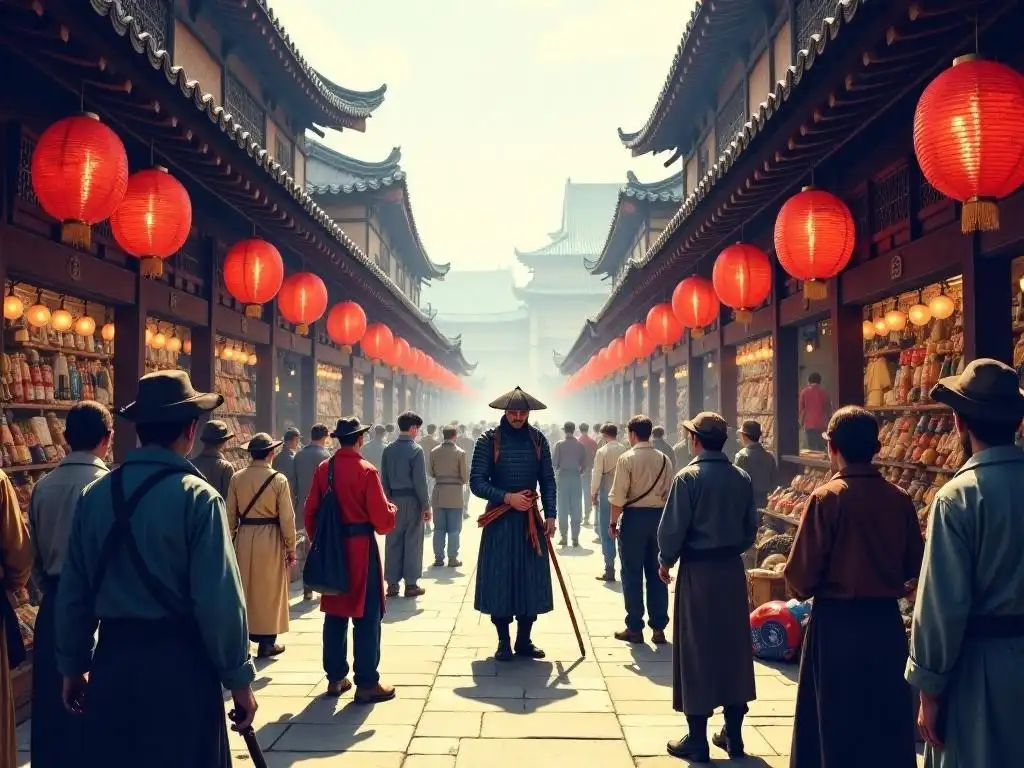
The Tokugawa Shogunate implemented a range of cultural policies that significantly influenced the arts and societal norms during its rule from 1603 to 1868. These policies were designed not only to stabilize the regime but also to cultivate a unique cultural identity that reflected the values and aesthetics of the period. Two notable examples illustrate the complexities and impacts of these cultural policies: the regulation of Kabuki theater and the rise of Ukiyo-e.
Example 1: The Regulation of Kabuki Theater
Kabuki theater, known for its stylized performances and elaborate costumes, emerged as a significant form of entertainment during the Edo period. The Tokugawa Shogunate recognized the potential of Kabuki as a cultural force but also viewed it as a medium that could challenge authority and disrupt societal norms.
To manage this, the shogunate imposed regulations on Kabuki performances:
- Censorship of Content: Plays that criticized the government or social hierarchies were forbidden. This ensured that the narratives promoted by Kabuki aligned with the shogunate’s values.
- Control of Actors: The shogunate established a system where actors were registered, and their performances were closely monitored. This regulation helped prevent dissenting voices from gaining popularity among the masses.
- Promotion of Gender Roles: Initially, women performed in Kabuki, but by the mid-17th century, they were banned from the stage. This shift reinforced male dominance in public performances and mirrored the patriarchal structure of Tokugawa society.
These regulations ultimately shaped Kabuki into a form of entertainment that not only reflected the cultural aesthetics of the time but also reinforced the shogunate’s control over public life.
Example 2: The Rise of Ukiyo-e
Ukiyo-e, or "pictures of the floating world," became one of the most iconic art forms during the Tokugawa period. This genre of woodblock printing depicted scenes of urban life, landscapes, and beautiful women, making art accessible to a broader audience. The Tokugawa Shogunate’s cultural policies played a crucial role in the rise of Ukiyo-e:
- Patronage of Artists: The shogunate and wealthy merchants provided financial support to Ukiyo-e artists, allowing them to thrive and innovate. This patronage facilitated the production of vibrant prints that captured the essence of Edo life.
- Censorship and Themes: While artists enjoyed some freedom, they were also subject to censorship. The shogunate encouraged themes that celebrated nature, beauty, and leisure, steering clear of political content to maintain social harmony.
- Commercialization: The growth of the merchant class during the Edo period allowed for the mass production and distribution of Ukiyo-e prints. This commercialization not only democratized art but also reflected the shogunate's policies promoting commerce and trade.
The rise of Ukiyo-e illustrates how the Tokugawa Shogunate’s cultural policies fostered an art form that resonated with the populace while adhering to the social order.
The Legacy of Tokugawa Shogunate Cultural Policies
The cultural policies of the Tokugawa Shogunate left an indelible mark on Japanese culture, influencing various aspects of society long after the shogunate's fall. Understanding these legacies provides insight into the evolution of Japanese cultural identity.
Lasting Effects on Japanese Culture Post-Tokawa
The Tokugawa period laid the groundwork for modern Japanese culture, with its artistic and cultural practices continuing to resonate:
- Cultural Heritage: The artistic styles and themes cultivated during the Tokugawa era, such as Ukiyo-e, are still celebrated and studied today, forming a crucial part of Japan’s cultural heritage.
- Social Norms: The emphasis on social hierarchy and gender roles established during this time has influenced contemporary Japanese society, seen in various areas from business to family structures.
- Artistic Innovation: The techniques and ideas from this period have inspired countless artists and movements, leading to the development of new forms of art that blend traditional and modern elements.
Overall, the Tokugawa Shogunate's cultural policies helped shape a distinct cultural landscape that continues to impact Japan.
Comparisons with Other Feudal Systems
When comparing the cultural policies of the Tokugawa Shogunate to those of other feudal systems globally, several key differences and similarities emerge:
- Control vs. Freedom: In many European feudal systems, the arts were often a privilege of the nobility, whereas the Tokugawa Shogunate actively promoted broader access to culture through commercial art forms like Ukiyo-e.
- Regulation of Expression: Similar to many feudal states, the Tokugawa Shogunate employed censorship to control artistic expression. However, the focus on specific genres like Kabuki differs from the more diverse cultural outputs seen in some European countries.
- Impact of Commerce: The Tokugawa era's unique position as a time of relative peace and prosperity allowed for a flourishing merchant class that supported cultural development, a contrast to feudal Europe, where constant conflict often stifled artistic endeavors.
These comparisons highlight how the Tokugawa Shogunate's cultural policies not only defined its own era but also contributed to a broader understanding of cultural governance in feudal systems worldwide.
Conclusion
The Tokugawa Shogunate's cultural policies significantly influenced Japan's social fabric and artistic expression during the early modern period. By promoting a distinct Japanese identity rooted in Confucian ideals, the shogunate fostered an environment where arts and culture flourished, resulting in a vibrant societal structure. The interplay between art and society under the Tokugawa regime demonstrates how governance can shape cultural narratives and collective identity, leaving an enduring legacy that continues to resonate in contemporary Japan.
Summary of Key Points on Tokugawa Shogunate Cultural Policies
- Centralized Control: The Tokugawa Shogunate implemented strict governance, which included controlling cultural production and dissemination. This centralization allowed the shogunate to promote specific values and ideologies through art and literature.
- Promotion of Neo-Confucianism: The shogunate endorsed Neo-Confucian principles, which emphasized hierarchy, moral conduct, and loyalty. This philosophical framework influenced educational policies and cultural outputs, reinforcing social order and stability.
- Support for Traditional Art Forms: The Tokugawa era saw a revival and flourishing of traditional Japanese art forms such as ukiyo-e (woodblock printing), kabuki theater, and tea ceremonies. These art forms not only reflected societal norms but also served as a means of entertainment and cultural expression.
- Censorship and Regulation: While art flourished, it was also subject to censorship and regulation. The shogunate monitored literary works and performances to prevent dissent and promote its ideologies, showcasing the tension between artistic freedom and political control.
- Urbanization and the Rise of the Merchant Class: The growth of cities and a prosperous merchant class during this period led to a democratization of culture, where art became accessible to a wider audience. This shift allowed for new themes and styles to emerge, enriching the cultural landscape.
Reflection on Art and Society During the Tokugawa Era
The Tokugawa era marked a pivotal transformation in Japanese society, where art became a reflection of the evolving cultural dynamics. As cities expanded and the merchant class gained prominence, art began to transcend the confines of elite patronage, allowing for a broader expression of societal experiences. The emphasis on nature, human emotions, and daily life in artistic representations revealed the societal shift towards individualism and the appreciation of the fleeting moments of life, encapsulated in the term "mono no aware" (the beauty of transient things).
Art during the Tokugawa period not only served aesthetic purposes but also acted as a medium for social commentary. Kabuki theater, for instance, often tackled themes of morality, loyalty, and social hierarchy, reflecting the complexities of a society navigating change while adhering to established traditions. This rich tapestry of artistic expression illustrates how intertwined art and society were, where each influenced and reshaped the other.
References
Key Texts and Sources on Tokugawa Cultural Policies
-
"The Tokugawa Shogunate: 1600-1868" by John W. Hall
This comprehensive study delves into the political and cultural aspects of the Tokugawa Shogunate, providing insights into its governance and societal implications.
-
"Culture and Identity in Japan" by David J. Lu
This book explores the cultural identity shaped during the Tokugawa period, examining how governance influenced artistic expression and social values.
-
"The History of Japanese Art" by Noritake Tsuda
A crucial resource detailing the evolution of Japanese art through various periods, including the Tokugawa era, highlighting key movements and artists.
Further Reading on Feudal Japan and the Tokugawa Shogunate
-
"Japan: A Cultural History" by Roger Pulvers
This text provides a broad overview of Japan's cultural history, with specific sections dedicated to the Tokugawa period's influence on Japanese art and culture.
-
"The World of the Shining Prince: Court Life in Ancient Japan" by Ivan Morris
While focusing on earlier periods, this book offers context for understanding the cultural foundations that influenced the later Tokugawa Shogunate.
-
"Ukiyo-e: The Art of the Japanese Woodblock Print" by Andreas Marks
A detailed examination of ukiyo-e, the famous woodblock prints that thrived during the Tokugawa era, showcasing their significance in Japanese culture and society.
- Introduction to the Tokugawa Shogunate Cultural Policies
- Historical Context of the Tokugawa Shogunate
- Core Cultural Policies of the Tokugawa Shogunate
- Impact on Society and Art During the Tokugawa Era
- Case Studies of Cultural Policies in Action
- The Legacy of Tokugawa Shogunate Cultural Policies
- Conclusion
- References
- What were the main cultural policies of the Tokugawa Shogunate?
- How did the Tokugawa Shogunate influence art in Japan?
- What role did the samurai class play in cultural policies during the Tokugawa period?
- How did the cultural policies of the Tokugawa Shogunate affect common people?
- What was the impact of the Tokugawa Shogunate's cultural policies on Japanese society?
Frequently Asked Questions
What were the main cultural policies of the Tokugawa Shogunate?
The Tokugawa Shogunate implemented policies that promoted cultural stability, including the patronage of arts and literature, while maintaining strict social hierarchies to preserve order.
How did the Tokugawa Shogunate influence art in Japan?
The Shogunate's influence led to the development of distinct art forms such as Ukiyo-e woodblock prints and Noh theater, which reflected the societal values and aesthetics of the era.
What role did the samurai class play in cultural policies during the Tokugawa period?
The samurai class was not only a military force but also patrons of arts and culture, supporting literature, philosophy, and the tea ceremony, which further solidified their status in society.
How did the cultural policies of the Tokugawa Shogunate affect common people?
While the policies were primarily aimed at the elite, they also allowed commoners to engage in cultural activities, leading to a vibrant urban culture where practices like Kabuki theater flourished.
What was the impact of the Tokugawa Shogunate's cultural policies on Japanese society?
The cultural policies fostered a sense of national identity and cohesion, creating a rich cultural heritage that influenced Japan long after the Shogunate's decline, shaping modern Japanese culture.
Final Reflection: The Enduring Legacy of Tokugawa Shogunate Cultural Policies
The cultural policies of the Tokugawa Shogunate remain profoundly relevant today, as they illustrate the intricate relationship between governance and artistic expression. In a world where culture often reflects societal values and political climates, the Tokugawa era serves as a compelling example of how art can flourish under specific regulatory frameworks, shaping not only the aesthetic landscape but also the social fabric of the time.
The Shogunate's approach to cultural policies was not merely a means of control; it was a deliberate strategy to cultivate a unique national identity that resonates even in contemporary discussions about cultural preservation and innovation.
The influence of the Tokugawa Shogunate's cultural policies can still be felt in modern Japan, where traditional arts coexist with contemporary forms, creating a rich tapestry of expression. This intertwining of past and present highlights the importance of cultural heritage in shaping societal values and identity. As the renowned Japanese artist Yoshitomo Nara once said, Art is a way of survival.
This sentiment underscores the idea that cultural policies, much like art itself, are vital for the survival and evolution of society, fostering a sense of belonging and continuity amidst change.
As we reflect on the lessons from the Tokugawa Shogunate, let us consider how we can apply these insights to our own lives and communities. How can we foster a deeper appreciation for our cultural heritage while embracing innovation? I invite you to explore your own cultural landscape, engage with the arts, and advocate for policies that support creative expression. By doing so, we not only honor the past but also pave the way for a vibrant future where art and society continue to intertwine, enriching our lives and those of generations to come.
Unveil the Depth of Tokugawa Culture Today!
Thank you for exploring the fascinating world of the Tokugawa Shogunate with us! Your interest in how art and society intertwined during this pivotal era in Japanese history enhances your understanding of the rich cultural tapestry that defines it. Ready to take the next step in your journey? Here are some actionable ways you can deepen your engagement:
- Dive into a local art exhibit or museum showcasing Edo period art to experience the beauty firsthand.
- Share this article with friends or on social media to spark discussions about how historical cultural policies shape modern society.
- Join an online forum or community focused on Japanese history to connect with fellow enthusiasts and exchange insights.
What aspect of Tokugawa culture intrigues you the most: the art, the societal structures, or perhaps the policies that governed daily life?