
Zen and the Art of Flower Arranging: Ikebana in Feudal Japan

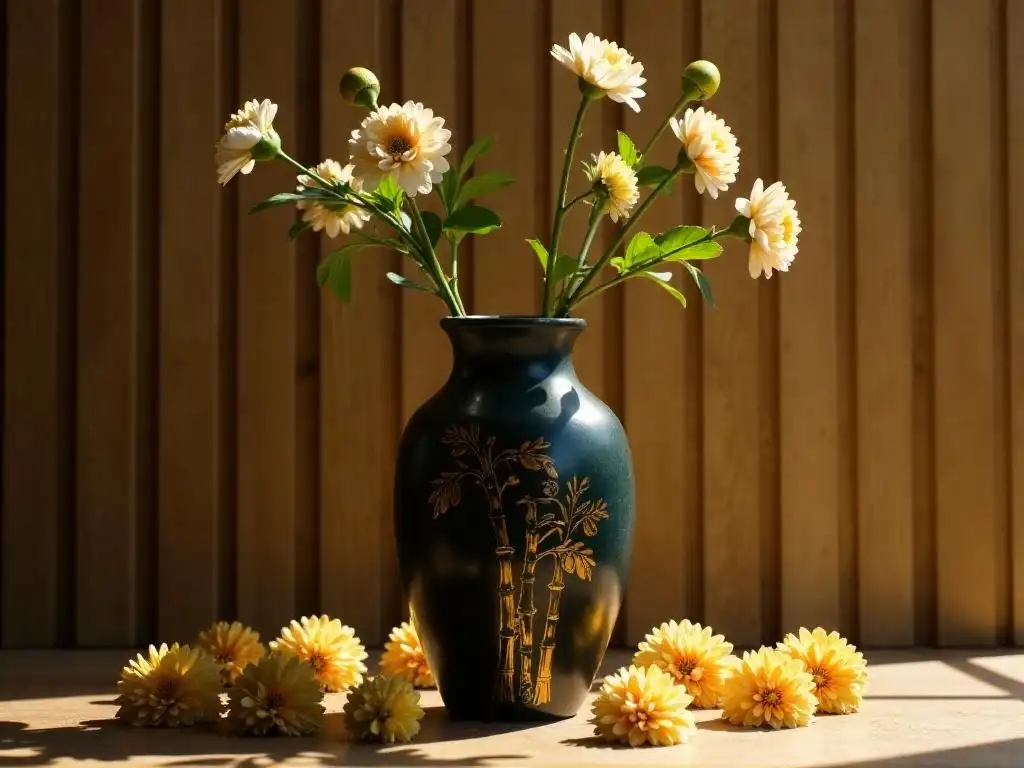
Welcome to Feudal Japan History, where we invite you to embark on a fascinating journey through the intricate tapestry of Japan's feudal era. Prepare to delve into the rich cultural heritage that shaped this remarkable period, as we explore the Ikebana history in feudal Japan. This art of flower arranging transcends mere decoration; it embodies the Zen philosophy that flourished during this time.
Discover how the delicate balance of nature and artistry reflects the very essence of feudal Japanese society. Curious about the profound meanings behind each arrangement? Join us as we unfold the layers of history and artistry that define this captivating tradition.
- Introduction to Ikebana in Feudal Japan
- Historical Context of Ikebana
- Zen Buddhism and Its Influence on Ikebana
- Techniques and Styles of Ikebana in Feudal Japan
- Cultural Significance of Ikebana in Feudal Japan
- Case Studies of Ikebana Practitioners in Feudal Japan
- Conclusion: The Legacy of Ikebana in Japanese Culture
- References and Further Reading on Ikebana History in Feudal Japan
- Frequently Asked Questions
- Final Reflection: The Timeless Beauty of Ikebana in Feudal Japan
- Unleash Your Creativity through Ikebana!
Introduction to Ikebana in Feudal Japan
Ikebana, the traditional Japanese art of flower arranging, embodies a profound connection between nature and human expression, making it a significant cultural practice during Japan's feudal era. This rich history intertwines with the philosophy of Zen Buddhism, which emphasizes simplicity, balance, and harmony.
As we delve into the Ikebana history in feudal Japan, we will explore how the aesthetic principles of this art form reflect broader societal values and spiritual beliefs of the time. Understanding Ikebana not only offers insights into the artistic practices of feudal Japan but also reveals the intricate relationship between culture and spirituality that defined this remarkable period.
Overview of Ikebana as an Art Form
Ikebana, derived from the Japanese words "ikeru" (to arrange) and "hana" (flower), transcends mere floral decoration; it is a disciplined art that seeks to express the beauty of nature through thoughtful composition. Originating as early as the 7th century, it evolved from religious offerings in temples to a highly regarded practice that reflects the aesthetic values of the era.
Key characteristics of Ikebana include:
- Minimalism: The arrangement often consists of a few stems and blossoms, showcasing the beauty of each element.
- Asymmetry: Unlike Western flower arrangements, Ikebana embraces asymmetrical balance, representing the natural world's irregularities.
- Line and Space: The use of lines and the strategic placement of negative space create a dialogue between the elements, emphasizing their individuality and connection.
The art form was heavily influenced by Zen Buddhism, where practitioners focused on mindfulness and presence. This spiritual dimension made Ikebana a meditative practice, allowing artists to cultivate a deeper awareness of their surroundings and emotions.
Importance of Flower Arranging in Japanese Culture
In feudal Japan, flower arranging was not merely a decorative endeavor but an essential aspect of cultural and spiritual life. Ikebana played a vital role in various ceremonies and rituals, including tea ceremonies, festivals, and religious observances. The practice was a means of connecting with nature and expressing one's feelings, philosophy, and aesthetic sensibilities.
Some key points highlighting the importance of Ikebana in Japanese culture include:
- Cultural Symbolism: Different flowers and arrangements could convey specific meanings, making Ikebana a language of emotion and intention.
- Connection to Nature: The practice encouraged a deep appreciation for the changing seasons and the beauty of the natural world, fostering harmony between humans and nature.
- Social Status: Mastering Ikebana became a status symbol among the elite, with various schools and styles emerging, each reflecting distinct philosophies and techniques.
Through this exploration of Ikebana history in feudal Japan, we can appreciate how this art form served as a profound reflection of the values and beliefs that shaped Japanese society during this transformative era.
Historical Context of Ikebana
The Origins of Ikebana in Ancient Japan
Ikebana, the Japanese art of flower arranging, traces its roots back to the 6th century, with its origins deeply intertwined with religious and cultural practices of ancient Japan. Initially, flower arranging was primarily a ceremonial offering to deities, reflecting the Shinto belief in the spirits residing in nature. These early arrangements were simple and focused on natural beauty, symbolizing a connection between the spiritual and the tangible.
During this period, the term Ikebana was not commonly used; instead, the practice was referred to as “kakehana” (decorative flowers). The arrangements often featured seasonal flowers, branches, and leaves, arranged in a way that highlighted their natural forms. This early form of Ikebana laid the groundwork for the more structured practices that would emerge during the Heian period (794-1185).
Evolution of Ikebana During the Feudal Era
The feudal era in Japan, spanning from the late 12th century to the 19th century, was marked by significant political and social changes that influenced various cultural practices, including Ikebana. As Zen Buddhism gained prominence, its philosophies began to permeate Japanese aesthetics, leading to a more refined approach to flower arranging.
The Influence of Zen Buddhism
- Simplicity and Minimalism: Zen teachings emphasized simplicity, naturalness, and an appreciation for imperfection. This philosophy was reflected in Ikebana, which began to prioritize minimalistic designs over elaborate decorations.
- Spiritual Reflection: Arranging flowers became a meditative practice, allowing practitioners to cultivate mindfulness and a deeper connection with nature.
Development of Distinct Styles
During the Muromachi period (1336-1573), two primary styles of Ikebana emerged:
- Rikka (立花): This style, meaning "standing flowers," is characterized by upright arrangements that convey a sense of movement and energy. Rikka arrangements often include a variety of plant materials, arranged to symbolize natural landscapes.
- Nageire (投げ入れ): Meaning "thrown in," this style features a more casual and spontaneous approach, with flowers placed in a container without strict adherence to rules. Nageire reflects the Zen influence, embracing the beauty of asymmetry and spontaneity.
Key Historical Figures in Ikebana Development
Several influential figures played pivotal roles in the development and popularization of Ikebana during the feudal period. Their contributions helped shape the art form into what it is today.
- Sen no Rikyū (1522-1591): A prominent tea master, Rikyū integrated Ikebana into the tea ceremony, emphasizing the importance of aesthetic harmony among tea, flower arrangements, and the surrounding environment. His teachings encouraged the practice to be regarded as a vital component of Japanese culture.
- Ikebana Schools: The establishment of formal Ikebana schools, such as the Ikenobō school in the 15th century, further systematized the teachings and techniques of flower arranging. These schools developed distinct styles and methods, leading to the diversification of Ikebana practices across Japan.
- Kōran (1649-1731): A significant figure in the Edo period, Kōran's works emphasized the integration of Ikebana with other art forms such as painting and poetry. His innovative approaches helped elevate the status of Ikebana as a respected art form.
The history of Ikebana in feudal Japan is a testament to the rich interplay between art, spirituality, and cultural identity. As this art form evolved, it not only reflected the changing societal values but also cemented its place in the broader tapestry of Japanese cultural history.
Zen Buddhism and Its Influence on Ikebana
Principles of Zen Buddhism
Zen Buddhism, a school of Mahayana Buddhism that emphasizes meditation and insight, has profoundly influenced various aspects of Japanese culture, including the art of flower arranging known as Ikebana. Central to Zen principles are concepts such as simplicity, mindfulness, and the appreciation of nature. These tenets encourage practitioners to find beauty in the unadorned and to cultivate a deeper connection with their surroundings.
In Ikebana, these principles manifest through the careful selection of materials and the intentionality behind each arrangement. Unlike Western floral design, which often focuses on abundance and color, Ikebana embraces minimalism. The use of empty space, or "ma," is vital, as it symbolizes tranquility and balance, allowing the viewer to appreciate the beauty of the arrangement in its entirety.
Another significant aspect of Zen Buddhism is the notion of impermanence, or "anicca." This concept teaches that all things are transient, which is reflected in Ikebana's temporary nature. Arrangements are often made with seasonal blooms, reminding practitioners that beauty is fleeting, and encouraging them to savor each moment.
Integration of Zen Philosophy into Flower Arranging
The integration of Zen philosophy into Ikebana can be observed through specific techniques and styles that prioritize the expression of Zen ideals. For instance, the Sogetsu school of Ikebana emphasizes the importance of creativity and spontaneity, allowing practitioners to express their emotions and thoughts through floral arrangements. This aligns with Zen's encouragement of personal insight and self-expression.
Moreover, the Ikenobo school, one of the oldest Ikebana traditions, stresses the spiritual connection between the arranger and nature. Its arrangements often reflect the harmony of the natural world, achieved through careful balance and proportion. The use of asymmetry and the avoidance of clutter are hallmarks of this style, showcasing the Zen principle of simplicity.
The practice of Ikebana is also a meditative process that encourages practitioners to be present in the moment. By focusing on the careful placement of each stem and leaf, individuals engage in a form of mindfulness that deepens their appreciation for nature and enhances their emotional well-being. This meditative aspect aligns seamlessly with Zen practices, where the act of arranging flowers becomes a spiritual exercise in itself.
The Role of Meditation in Ikebana Practice
Meditation plays a crucial role in the practice of Ikebana, transforming it from a mere artistic endeavor into a spiritual experience. Before beginning an arrangement, many practitioners engage in meditation to cultivate a calm and focused mind. This preparatory practice helps them connect with the natural elements they will use—flowers, branches, and leaves—fostering a sense of harmony and respect for the materials.
During the act of arranging, the meditative state is maintained, allowing practitioners to enter a flow where they are fully immersed in the creative process. This focus not only enhances the quality of the arrangement but also promotes a sense of inner peace. The rhythmic movements involved in placing each element contribute to a meditative atmosphere, echoing the tranquil environments found in Zen gardens.
Furthermore, the finished Ikebana arrangement serves as a focal point for contemplation. By viewing their work, practitioners are invited to reflect on the beauty of nature, the passage of time, and their own emotions. This reflective practice aligns with the Zen concept of "zazen," or seated meditation, where practitioners observe their thoughts and feelings without attachment.
The intertwining of Zen Buddhism and Ikebana is evident in its principles, philosophies, and practices, creating a unique art form that transcends mere aesthetics and becomes a pathway to spiritual exploration and mindfulness.
Techniques and Styles of Ikebana in Feudal Japan
Different Ikebana Styles Emerging in the Feudal Era
During the feudal era in Japan, several distinct styles of Ikebana emerged, each reflecting the cultural and philosophical influences of the period. The significant styles include:
- Rikka (立花): Originating in the 15th century, Rikka translates to "standing flowers." This style is characterized by its tall and upright arrangements that symbolize nature. It often includes multiple types of flowers and branches, arranged to represent a landscape or a specific scene. Rikka emphasizes balance, rhythm, and harmony, aligning closely with the principles of Zen.
- Nageire (投げ入れ): Emerging later, Nageire, meaning "thrown in," is a more spontaneous and freeform style. It allows for greater creativity and improvisation, reflecting the Zen principle of simplicity. In Nageire arrangements, flowers are often placed in a tall vase, with stems cut at different lengths to create natural asymmetry.
- Moribana (盛り花): Developed in the late 19th century but rooted in earlier practices, Moribana involves a shallow container and is known for its horizontal and layered arrangements. This style is often associated with the modern interpretation of Ikebana but draws heavily from the aesthetic principles established during the feudal era. It emphasizes the relationship between the elements used, encouraging a dialogue between nature and the observer.
- Shoka (生花): This style emerged in the late Edo period as a more structured approach, focusing on balance and proportion. Shoka arrangements typically consist of three main elements: shin (the tall, central element), soe (the secondary, shorter element), and tai (the supporting, lowest element). This triadic structure reflects the harmony found in Zen teachings.
These styles illustrate the evolution of Ikebana during feudal Japan, as practitioners sought to capture the essence of nature and convey deeper philosophical meanings through their arrangements.
Essential Techniques in Ikebana Arranging
The techniques used in Ikebana are fundamental to creating aesthetically pleasing and meaningful arrangements. Key techniques include:
- Cutting Techniques: The way stems are cut can dramatically affect the flow and longevity of the arrangement. Cuts are often made at an angle to allow for better water absorption.
- Placement and Balance: Practitioners carefully consider the placement of each element in relation to others. The principle of balance is achieved by varying the height, width, and depth of the materials used. A common rule is the "1-2-3" ratio, where one tall element is balanced with two shorter ones and three smaller accents.
- Use of Negative Space: Emphasizing negative space (the empty space around the arrangement) is crucial in Ikebana. This technique encourages the viewer's eye to travel through the arrangement and appreciate the interplay between the flowers and their surroundings.
- Seasonal Awareness: Ikebana reflects the changing seasons, and practitioners often choose materials that are seasonally appropriate. This practice connects the arrangement to nature and emphasizes the transient beauty of life.
- Spiritual Mindfulness: Arranging flowers in Ikebana is not merely a physical task but a meditative practice. Practitioners engage in mindfulness, focusing on their breathing and the materials at hand, allowing for a deeper connection to the art form.
These techniques demonstrate the complexity and depth of Ikebana, elevating it beyond a simple decorative practice to a form of artistic expression deeply rooted in Zen philosophy.
Materials and Tools Used in Ikebana
The materials and tools used in Ikebana play a critical role in the art form, as they influence the overall aesthetic and functionality of the arrangements. Key materials and tools include:
| Materials | Description |
|---|---|
| Flowers | A variety of seasonal flowers are used, each chosen for their symbolism and color. Common choices include chrysanthemums, lilies, and cherry blossoms. |
| Branches | Twigs and branches provide structure and height. They convey the natural landscape and are often used to represent the seasons. |
| Leaves | Foliage adds depth and texture to arrangements. They can also symbolize healing and growth. |
| Vases | Traditional Ikebana vases, such as the tall, narrow suiban for Nageire or the shallow moribana containers, are essential for supporting the arrangement. |
| Kenzan (剣山) | A spiky holder used to secure stems in place, allowing for greater creativity in arranging. This tool is essential for creating stable and dynamic compositions. |
| Wire and Tape | Used to provide support and structure, ensuring that delicate arrangements maintain their form. |
In addition to these materials, practitioners often embrace the philosophy of using natural, unaltered elements, reflecting a deep respect for nature. This approach resonates with the core tenets of Zen Buddhism, where imperfection and simplicity are celebrated.
Through the combination of various styles, techniques, and materials, Ikebana not only serves as a decorative art but also as a profound expression of the cultural and spiritual heritage of feudal Japan.
Cultural Significance of Ikebana in Feudal Japan
Ikebana as a Reflection of Nature and Seasons
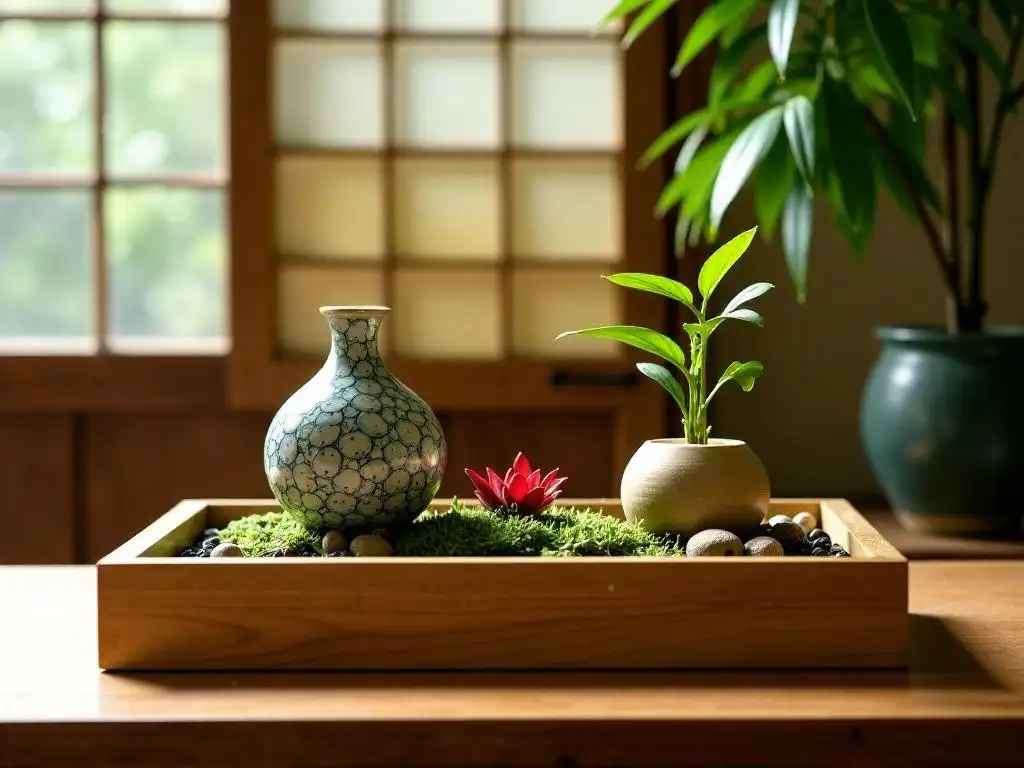
Ikebana, the traditional Japanese art of flower arranging, transcends mere aesthetic appeal; it embodies a profound connection between nature and human emotion. In feudal Japan, this practice was deeply influenced by the Zen Buddhist philosophy, which emphasizes simplicity, harmony, and a deep appreciation for the natural world. Each arrangement, or hana, is designed to reflect the seasons and the transient beauty of nature, encapsulating the essence of the moment.
The seasonal aspect of Ikebana is particularly significant. Arrangements often incorporate flowers, branches, and foliage that are representative of specific times of the year. For instance:
- Spring: Cherry blossoms ( sakura) and plum blooms symbolize renewal and hope.
- Summer: Bright sunflowers and hydrangeas reflect the vibrancy of life.
- Autumn: Chrysanthemums and maple leaves evoke the beauty of change.
- Winter: Pine branches and plum blossoms signify resilience and endurance.
This alignment with the seasons not only showcases the beauty of nature but also encourages mindfulness and contemplation among practitioners. By engaging with the cycles of nature, Ikebana artists cultivate a deeper connection to their surroundings, fostering a sense of peace and tranquility.
In feudal Japan, Ikebana was not solely an artistic endeavor but also a social activity that played a pivotal role in the lives of the samurai and noble classes. The practice of flower arranging became a symbol of sophistication, refinement, and status. It was often included in the curriculum of the gakumon (educational institutions) for samurai, reflecting the importance of cultural arts in their training.
- Cultural Refinement: Mastery of Ikebana was deemed essential for social gatherings and ceremonies, showcasing the individual’s education and taste.
- Social Gatherings: High-ranking officials and samurai would host tea ceremonies where Ikebana arrangements served as focal points, enhancing the aesthetic experience and fostering discussions about art and philosophy.
- Ritual Significance: Ikebana arrangements were often displayed during important events, such as weddings and funerals, symbolizing respect for nature and the cycle of life.
The art of Ikebana thus became a medium through which the samurai and noble classes expressed their values, ideals, and cultural identity. It served to reinforce social hierarchies while simultaneously providing a platform for creative expression.
Ikebana in Ceremonial and Religious Contexts
Ikebana’s roots in Zen Buddhism profoundly influenced its role in ceremonial and religious contexts during feudal Japan. The practice of arranging flowers was often intertwined with spiritual beliefs, serving as a form of meditation and a means of connecting with the divine.
- Zen Gardens: Many Zen temples incorporated Ikebana arrangements within their gardens, symbolizing the harmony between man and nature. The simplicity of these arrangements mirrored the Zen principles of minimalism and tranquility.
- Ritual Offerings: Flowers arranged in Ikebana style were frequently used as offerings in Buddhist rituals, representing purity and the beauty of the natural world. This practice emphasized the transient nature of life, encouraging practitioners to reflect on impermanence.
- Seasonal Festivals: During various seasonal festivals, Ikebana played a crucial role in ceremonies, where arrangements were created to celebrate themes such as harvest and renewal. These events fostered community bonding and shared appreciation for nature’s beauty.
In essence, Ikebana in feudal Japan was not only an artistic expression but also a vital component of cultural and spiritual life. It bridged the gap between the aesthetic and the sacred, allowing individuals to engage with both their environment and their inner selves in a meaningful way.
Case Studies of Ikebana Practitioners in Feudal Japan
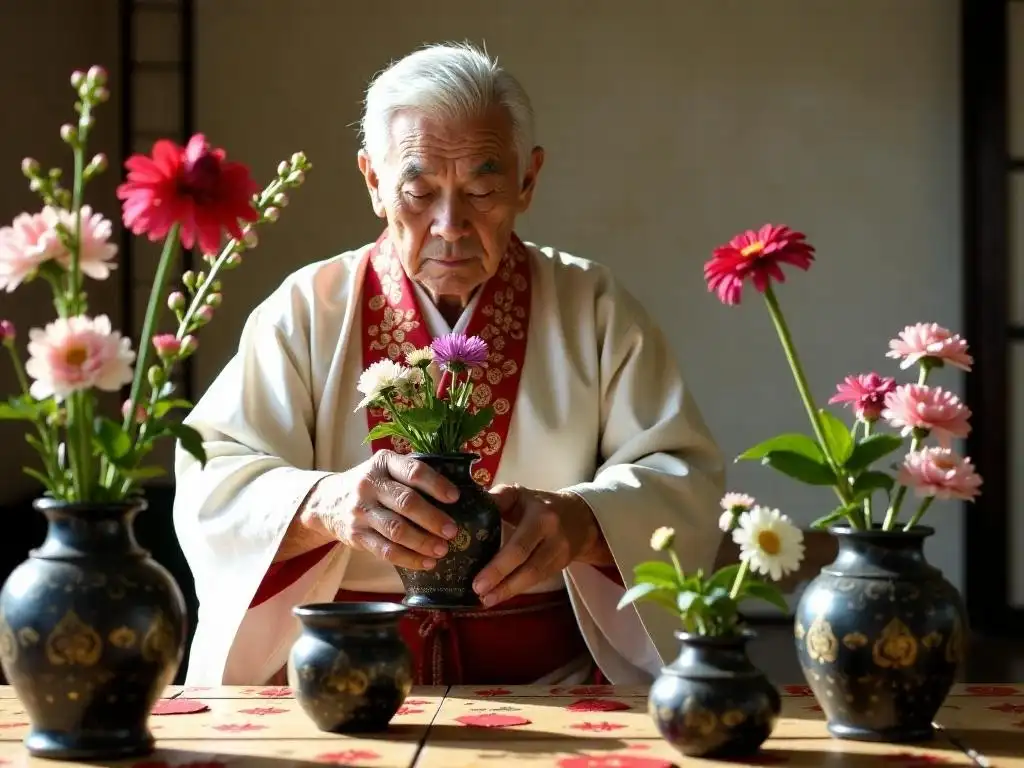
Exploring the rich history of Ikebana, the Japanese art of flower arranging, during the feudal era reveals a tapestry interwoven with the principles of Zen Buddhism, aesthetics, and the influential figures who shaped this art form. This section delves into the notable practitioners of Ikebana, their contributions, and the broader impact of their work on Japanese culture and aesthetics.
Notable Ikebana Masters and Their Contributions
Throughout the feudal era, several masters emerged, each bringing their unique vision and techniques to Ikebana. Here are a few notable figures:
- Ikenobō Senkei (15th Century)
- Background: As the founder of the Ikenobō school of Ikebana, Senkei was instrumental in formalizing the practice. His lineage traced back to the Buddhist priest Ikenobō, who began arranging flowers in temples.
- Contribution: Senkei emphasized the spiritual and meditative aspects of Ikebana, integrating Zen principles into his arrangements. His style focused on simplicity and harmony with nature, which became foundational for future practitioners.
- Ohara Unshin (19th Century)
- Background: A prominent figure in the late Edo period, Unshin was known for his innovative approaches to flower arranging. He was a member of the Ohara school, which emerged as a response to the rigid structures of earlier styles.
- Contribution: Unshin introduced a more naturalistic style, incorporating branches and foliage to create dynamic compositions. His work reflected the changing aesthetic sensibilities of the time, bridging traditional forms and modern influences.
- Shogetsu (16th Century)
- Background: Shogetsu was a celebrated Ikebana master who lived during the Muromachi period, a time marked by the flourishing of Zen culture.
- Contribution: He is credited with the development of the Rikka style, which focused on creating arrangements that represented a landscape in miniature. Shogetsu's work exemplified the Zen belief in the interconnectedness of all things, emphasizing balance and proportion in his arrangements.
These masters not only advanced the technical aspects of Ikebana but also infused their work with philosophical depth, reflecting the larger cultural currents of their time.
Impact of Ikebana on Japanese Aesthetics and Art
The influence of Ikebana during the feudal period extended beyond mere flower arrangements; it significantly shaped Japanese aesthetics and art forms. Here are some key impacts:
- Integration with Zen Philosophy:
- Ikebana practitioners often drew upon Zen principles, emphasizing mindfulness and the beauty of simplicity. This connection fostered a deeper appreciation for nature and the transient beauty of life, which is a central tenet of Zen Buddhism.
- Influence on Other Art Forms:
- The aesthetics of Ikebana permeated various artistic disciplines, including painting, ceramics, and even architecture. The principles of balance and harmony found in Ikebana arrangements can be seen in the design of traditional Japanese gardens and tea houses.
- Cultural Symbolism:
- Ikebana became a symbol of Japanese culture, representing not only the beauty of nature but also the philosophical reflections of the time. Arrangements often conveyed specific meanings, such as seasonal changes or personal sentiments, contributing to their significance in social and ceremonial contexts.
- Educational Practices:
- The establishment of formal schools and teachings around Ikebana led to structured educational practices. This not only preserved the art form but also allowed it to evolve through generations, becoming an integral part of Japanese cultural identity.
The case studies of Ikebana practitioners in feudal Japan highlight not only their individual contributions but also the profound impact of Ikebana on Japanese aesthetics and art. Ikebana served as a mirror reflecting the cultural, spiritual, and artistic values of feudal Japan, cementing its legacy as a cherished art form that continues to flourish today.
Conclusion: The Legacy of Ikebana in Japanese Culture
The art of Ikebana, rooted deeply in the cultural and spiritual practices of feudal Japan, has left an indelible mark on the broader tapestry of Japanese aesthetics and philosophy. Emerging from the influences of Zen Buddhism, Ikebana transcended mere floral arrangement to become a profound expression of harmony, balance, and contemplation. Through its emphasis on simplicity and the beauty of nature, Ikebana encapsulates the essence of the Japanese worldview, reflecting the intricate relationship between humanity and the natural world.
The legacy of Ikebana can be traced through the centuries, influencing not only floral design but also the broader artistic movements in Japan. As practitioners of Ikebana embraced the Zen principles of mindfulness and presence, these concepts began to permeate various aspects of Japanese culture, from poetry and painting to architecture and garden design. The minimalist approach of Ikebana resonates with the wabi-sabi aesthetic, which celebrates imperfection and the transience of beauty.
As we explore the lasting influence of Ikebana, it is essential to understand how this art form has evolved and continues to shape contemporary practices.
Lasting Influence of Ikebana Beyond the Feudal Era
Ikebana’s impact extends far beyond the confines of the feudal era, having continually adapted and integrated itself into modern Japanese culture. Following the Edo period, as Japan transitioned into the Meiji era and beyond, Ikebana began to gain recognition not only as a traditional art form but also as a means of personal expression and creativity.
- Cultural Symbolism: Ikebana has become a national symbol of Japanese culture, often representing Japan in international exhibitions and cultural exchanges.
- Educational Institutions: The establishment of formal Ikebana schools, such as Ikenobo and Ohara, has contributed to the preservation and innovation of the art, allowing for the dissemination of techniques and philosophies to new generations.
- Global Influence: The principles of Ikebana have inspired artists and designers worldwide, leading to the incorporation of its aesthetics into various art forms, including interior design, fashion, and even culinary presentation.
In contemporary Japan, Ikebana is often practiced in a variety of settings, from traditional tea ceremonies to modern art galleries, reflecting its adaptability and relevance in today's society.
Contemporary Relevance of Ikebana and Zen Principles
In the fast-paced modern world, the principles of Zen and the practice of Ikebana are more relevant than ever. As individuals seek solace and mindfulness amidst the chaos, Ikebana serves as a therapeutic outlet that encourages introspection and creativity.
- Mindfulness Practice: Engaging in Ikebana is often regarded as a form of meditation, allowing practitioners to cultivate mindfulness and a deeper connection with nature. The process of selecting, arranging, and reflecting on the elements involved fosters a sense of peace and presence.
- Sustainable Practices: In an era increasingly focused on sustainability, Ikebana promotes the use of seasonal and locally-sourced materials, aligning with contemporary values of environmental consciousness and respect for nature.
- Cultural Exchange: The global popularity of Ikebana workshops and exhibitions helps to facilitate cultural exchange, allowing people from diverse backgrounds to connect with Japanese traditions and philosophies.
As we look to the future, the enduring legacy of Ikebana in Japanese culture remains a testament to the beauty of simplicity and the profound impact of Zen principles on artistic expression. The art of Ikebana not only preserves the historical essence of feudal Japan but also continues to inspire and resonate within the contemporary cultural landscape, reminding us of the importance of harmony and balance in our lives.
References and Further Reading on Ikebana History in Feudal Japan
Recommended Books and Articles
For those interested in delving deeper into the rich history of Ikebana during the feudal era of Japan, the following books and articles provide insightful perspectives and analyses:
-
"The Art of Ikebana" by Shozo Sato
This comprehensive guide offers a thorough examination of Ikebana, tracing its origins and evolution throughout Japanese history. Sato's work emphasizes the interplay between Zen philosophy and floral arrangements, making it an essential read for anyone interested in the artistic nuances of Ikebana.
-
"Ikebana: The Art of Japanese Flower Arrangement" by John D. K. Wong
Wong’s book not only covers the practical aspects of Ikebana but also explores its historical context, particularly during the feudal period. The author discusses how the aesthetics of Ikebana were influenced by the cultural and spiritual ethos of the time.
-
"Zen and the Art of Ikebana" by David H. McCaffrey
This article delves into the philosophical underpinnings of Ikebana in relation to Zen Buddhism. McCaffrey discusses how the meditative practice of Ikebana aligns with Zen principles, providing a deeper understanding of its significance in feudal Japan.
-
"The History of Ikebana: From the Heian Period to the Present" by Haruko K. Matsuoka
Matsuoka provides a detailed historical account of Ikebana, mapping its development from the Heian period through the feudal era. The book highlights key figures and schools that shaped the art form, making it a vital resource for enthusiasts and scholars alike.
-
"Flower Arrangement in Japan: A Cultural History" by Yoko S. Tanaka
This book offers a broad perspective on the role of flower arranging in Japanese culture, with dedicated sections on Ikebana during the feudal era. Tanaka examines how political and social changes influenced artistic expressions, including Ikebana.
Online Resources for Ikebana Enthusiasts
In addition to printed literature, there are various online resources that can enhance your understanding of Ikebana and its historical context:
-
The Ikebana International Website
A global network of Ikebana enthusiasts, this site features articles, tutorials, and event listings related to Ikebana. It also includes a section dedicated to the history of Ikebana, providing access to a wealth of knowledge.
-
Japan National Tourism Organization (JNTO) - Ikebana
This resource provides an overview of Ikebana within the broader context of Japanese culture. It offers insights into Ikebana exhibitions and workshops, along with historical tidbits that illuminate its significance in feudal Japan.
-
YouTube Tutorials and Documentaries
Platforms like YouTube host a variety of video tutorials and documentaries on Ikebana. Channels dedicated to Japanese arts often feature segments specifically about the history and techniques of Ikebana, allowing viewers to visually engage with this beautiful art form.
-
Online Courses in Ikebana
Various educational platforms offer online courses focused on Ikebana. These courses often include segments on its historical evolution, particularly during the feudal era, providing a structured way to learn about this intricate art.
By exploring these resources, enthusiasts can gain a comprehensive understanding of Ikebana's history in feudal Japan, appreciating both its aesthetic beauty and its cultural significance.
Frequently Asked Questions
What is Ikebana in the context of feudal Japan?
Ikebana is the art of flower arranging that emerged during feudal Japan, emphasizing harmony, balance, and simplicity. It reflects the Zen principles that were prevalent during this era.
How did Zen Buddhism influence Ikebana?
Zen Buddhism significantly shaped Ikebana by promoting a focus on minimalism and the aesthetic of nature. This influence encouraged practitioners to create arrangements that evoke tranquility and spiritual connection.
What are the key historical periods that impacted Ikebana?
The Muromachi period (1336-1573) and the Edo period (1603-1868) were pivotal in developing Ikebana. Cultural exchanges during these times led to the establishment of various schools and styles of Ikebana.
What role did Ikebana play in Japanese society?
Ikebana served not just as an artistic expression but also played a role in ceremonial practices and social gatherings. It was a means for individuals to demonstrate their refinement and aesthetic sensibility.
Are there different styles of Ikebana that originated in feudal Japan?
Yes, several styles of Ikebana emerged during feudal Japan, including Rikka and Nageire, each reflecting distinct philosophies and techniques. These styles evolved over time, integrating various cultural influences.
Final Reflection: The Timeless Beauty of Ikebana in Feudal Japan
Ikebana, the art of flower arranging, is not merely a decorative practice but a profound expression of harmony and balance that resonates deeply with our contemporary lives. In today's fast-paced world, where chaos often reigns, the principles of Ikebana remind us of the importance of mindfulness and the beauty found in simplicity. This ancient art form, rooted in the cultural tapestry of feudal Japan, continues to inspire individuals seeking tranquility and connection with nature.
Cultural practices like Ikebana have a lasting impact on our social landscape, encouraging us to pause and reflect on our surroundings. The meticulous attention to detail and the philosophy of impermanence inherent in Ikebana serve as a reminder that beauty is often found in the fleeting moments of life. The beauty of nature is not in the flowers alone, but in the way they are arranged and appreciated.
This perspective invites us to cultivate a deeper appreciation for the world around us, fostering a sense of peace and gratitude in our daily lives.
As we conclude our exploration of Ikebana and its rich history in feudal Japan, I invite you to reflect on how you can incorporate its principles into your own life. Consider taking a moment each day to arrange a few flowers, allowing yourself to engage with the present and find joy in the process. Embrace the lessons of balance, simplicity, and mindfulness that Ikebana offers, and let them guide you toward a more harmonious existence. The art of Ikebana is not just about flowers; it is about nurturing the spirit and cultivating beauty in every aspect of our lives.
Unleash Your Creativity through Ikebana!
Thank you for diving into the beautiful world of Ikebana and discovering how this ancient art reflects the peace and balance of Japanese culture. By understanding the principles of floral arrangement, you not only enrich your creative skills but also deepen your appreciation for the rich traditions of Japan.
Now, let’s take your newfound knowledge a step further! Here are a few actionable steps you can take:
- Create your own Ikebana arrangement: Gather some fresh flowers and branches, and let your creativity flow as you apply the Ikebana techniques you have learned.
- Join an online Ikebana workshop: Explore virtual classes where experienced practitioners can guide you through the art, enhancing your skills and connecting you with fellow enthusiasts.
- Share your creations: Post your Ikebana arrangements on social media or community forums using the hashtag #IkebanaJourney to inspire others and celebrate this beautiful tradition.
What new insights will you uncover as you embark on your journey into the art of Ikebana?