
The Samurai Code: Bushido and Its Impact on Martial Arts

Welcome to Feudal Japan History, your gateway to an immersive exploration of the captivating era that shaped Japan's rich cultural tapestry. Here, we delve deep into the Bushido influence on martial arts, uncovering how the legendary Samurai Code not only defined the warrior ethos but also transformed the very essence of martial practices. Are you ready to embark on a journey through time and discover the intricate connections between honor, discipline, and combat?
Let the story unfold as you dive into our latest article, "The Samurai Code: Bushido and Its Impact on Martial Arts." Explore with us and uncover the secrets of a world that still resonates today!
The concept of Bushido, often referred to as the "Way of the Warrior," is a fundamental element of Japan's feudal history, shaping not only the lives of samurai but also the very fabric of Japanese martial arts. Emerging during the Kamakura period (1185-1333), Bushido encapsulated a code of conduct that emphasized virtues such as loyalty, honor, and courage.
This code became a guiding principle for samurai, influencing their behavior both on and off the battlefield. As we delve into the intricate relationship between Bushido and martial arts, it becomes evident that this philosophy has left a profound mark on various martial disciplines, fostering a culture of respect, discipline, and skill.
Bushido's influence extends beyond mere combat techniques; it has permeated the mindset of martial artists, shaping their approach to training, competition, and self-discipline. In this article, we will explore the essential tenets of Bushido, analyzing how these principles have transformed martial arts practices over the centuries. By understanding the historical context and cultural significance of Bushido, we can appreciate its enduring legacy and the profound impact it continues to have on martial arts today.
As we navigate through this exploration, we will uncover:
- The foundational principles of Bushido
- The historical evolution of martial arts under Bushido's influence
- Case studies of martial arts schools embodying Bushido
- The relevance of Bushido in contemporary martial arts practices
Join us on this journey to uncover the lasting legacy of Bushido and its pivotal role in shaping the martial arts landscape of Japan and beyond.
- Introduction to Bushido
- The Principles of Bushido
- The Influence of Bushido on Martial Arts
- Major Martial Arts Influenced by Bushido
- Modern Interpretations of Bushido in Martial Arts
- The Cultural Legacy of Bushido
- Conclusion: The Lasting Impact of Bushido on Martial Arts
- References
- Frequently Asked Questions
- Final Reflection: The Enduring Legacy of Bushido in Martial Arts
- Embrace the Spirit of Bushido: Take Action Today!
Introduction to Bushido
Bushido, often referred to as the "Way of the Warrior," represents a code of conduct that guided the samurai class in feudal Japan. This ethical framework was not only pivotal in shaping the behavior and values of samurai warriors but also had a profound influence on various forms of martial arts that emerged in Japan. Understanding Bushido is essential to comprehending its lasting impact on martial disciplines, as it encompasses principles of honor, loyalty, and discipline that continue to resonate in modern martial arts practices.
Definition of Bushido
Bushido can be defined as a complex set of moral principles and ethical guidelines that dictated the behavior of samurai. The term itself translates to "the way of the warrior," and it is characterized by several key virtues:
- Rectitude (Gi): The quality of righteousness and justice.
- Courage (Yū): The bravery to face challenges and adversities.
- Benevolence (Jin): Compassion and kindness towards others.
- Respect (Rei): Courtesy and respectfulness in interactions.
- Honesty (Makoto): Sincerity and truthfulness in all dealings.
- Honor (Meiyo): The importance of personal and familial honor.
- Loyalty (Chūgi): Fidelity to one's lord and comrades.
These virtues were deeply ingrained in the samurai's lifestyle and informed their decisions, both on and off the battlefield. The adherence to Bushido not only defined individual honor but also shaped the collective identity of the samurai class.
Historical Context of the Samurai Code
To fully understand the influence of Bushido on martial arts, it is crucial to explore its historical context. Emerging during the Kamakura period (1185-1333), Bushido was formulated through a blend of Shinto beliefs, Zen Buddhism, and Confucian ethics. The samurai class, initially serving as military retainers, gradually evolved into a powerful social class, and the code of Bushido became a means of solidifying their status and values.
During the Muromachi period (1336-1573), the samurai faced numerous challenges, including internal conflicts and the rise of powerful warlords. The code of Bushido provided a framework for maintaining order and discipline amidst the chaos of feudal warfare. It emphasized the importance of courage and honor in battle, which not only motivated samurai to excel in martial arts but also instilled a sense of purpose in their roles as protectors of their lords and communities.
The influence of Bushido began to permeate Japanese society, inspiring various martial arts schools that emerged during the Edo period (1603-1868). These schools incorporated Bushido principles, emphasizing not only physical prowess but also mental discipline and ethical conduct. As such, martial arts became a means of cultivating character, reinforcing the connection between Bushido and martial practice.
The historical context of Bushido reveals its critical role in shaping the samurai identity and its enduring influence on the evolution of martial arts in Japan. Its principles continue to guide practitioners today, reflecting the profound legacy of the samurai code in contemporary martial disciplines.
The Principles of Bushido
Bushido, often translated as "the way of the warrior," is a code of conduct that has profoundly influenced the martial arts in Japan and beyond. This ethical framework governs not just the behavior of samurai but also extends its principles to various martial disciplines. Understanding the principles of Bushido is essential for appreciating its influence on martial arts, as it encompasses a set of values that prioritize moral integrity, personal development, and respect for others.
The core tenets of Bushido are deeply rooted in the samurai's relationship with their lords, society, and themselves. This code has shaped the ethos of numerous martial arts, instilling values that resonate in training and practice to this day.
Key Virtues of Bushido
The virtues of Bushido serve as guiding principles for samurai and martial artists alike. Each virtue encapsulates essential qualities that foster both personal growth and societal harmony.
Courage and Honor
Courage is one of the most prominent virtues of Bushido, representing the samurai's readiness to confront fear and adversity. This bravery is not merely physical; it also encompasses moral courage—the ability to stand up for what is right, even in the face of danger or societal pressure.
Honor, on the other hand, is deeply intertwined with a samurai's reputation and integrity. The samurai strived to maintain their honor through their actions, often prioritizing it over their own life. This commitment to honor manifests in martial arts today, where practitioners are taught to respect their training, their instructors, and their opponents. The concept of honor influences various martial arts styles, emphasizing the importance of ethical conduct both on and off the mat.
Loyalty and Respect
Loyalty is a cornerstone of Bushido, reflecting the unwavering allegiance samurai held towards their lords and comrades. This loyalty extends beyond mere duty; it represents a deep-seated commitment to support and protect those to whom they are bound. In martial arts, loyalty translates into a dedication to one's dojo, teachers, and fellow students. This sense of community fosters a supportive environment conducive to growth and learning.
Respect is another vital aspect of Bushido, encompassing respect for oneself, others, and the tradition. Practitioners of martial arts are taught to show reverence to their instructors and fellow students, recognizing the value of each person's journey. This mutual respect fosters camaraderie and enhances the learning experience, allowing individuals to cultivate their skills and character in a positive environment.
Self-Discipline and Integrity
Self-discipline is critical in Bushido, as it enables samurai to master their skills and control their emotions. This discipline is essential for martial artists, who must commit time and effort to refine their techniques and build their physical and mental fortitude. The rigorous training regimes in various martial arts reflect this principle, as practitioners push themselves to achieve higher levels of competence and self-awareness.
Integrity is the final virtue of Bushido, emphasizing honesty and moral uprightness. Samurai were expected to act consistently with their values, and this principle continues to resonate within martial arts communities. Practitioners are encouraged to uphold integrity in their training and competition, ensuring that their actions align with their principles and contribute positively to their development and the broader martial arts culture.
The principles of Bushido remain relevant in today's martial arts, shaping the values and attitudes of practitioners. By embracing these virtues, martial artists can cultivate a deeper understanding of their art and the historical context from which it arises, reinforcing the enduring influence of Bushido on martial arts evolution.
The Influence of Bushido on Martial Arts
Overview of Martial Arts in Feudal Japan
Martial arts in feudal Japan were not merely physical disciplines; they were deeply intertwined with the cultural and spiritual fabric of the era. The period, spanning from the 12th to the 19th century, saw the rise of various fighting techniques that evolved into distinct martial arts forms. These included Kenjutsu (swordsmanship), Iaijutsu (the art of drawing the sword), and Sojutsu (spear techniques), among others.
Each of these martial disciplines was influenced by the warrior ethos encapsulated in Bushido, the way of the warrior. This code emphasized virtues such as loyalty, courage, and honor, significantly shaping the training and mindset of samurai warriors. The integration of these values fostered a holistic approach to martial arts that transcended mere combat skills.
| Martial Art | Key Focus | Historical Context |
|---|---|---|
| Kenjutsu | Swordsmanship | Developed alongside the samurai class |
| Iaijutsu | Quick-draw techniques | Related to the need for swift combat |
| Sojutsu | Spear techniques | Effective against cavalry and infantry |
How Bushido Shaped Martial Arts Philosophy
Bushido's influence on martial arts philosophy introduced a profound depth to the practice. Rather than focusing solely on physical techniques, the samurai were trained to view martial arts as a path to self-improvement and spiritual development. This philosophical shift was instrumental in the evolution of martial arts in Japan.
Integration of Ethical Values in Training
The ethical values of Bushido—such as integrity, respect, and self-discipline—were integrated into the training regimens of samurai martial arts. Practitioners were taught not just to master techniques, but to embody these virtues in their daily lives. This approach fostered a sense of responsibility and awareness, encouraging martial artists to consider the broader implications of their actions.
For example, during training sessions, samurai would often engage in shiai (sparring) not merely to defeat an opponent but to learn about themselves and their skills. The emphasis was on personal growth, and respect for one’s opponent was paramount. This principle laid the groundwork for modern martial arts, where ethical conduct remains a core tenet.
The Role of Honor in Combat
Honor played a critical role in the samurai's approach to combat, deeply influenced by Bushido. Engaging in battle was not just about victory; it was a reflection of one's character and social standing. The samurai believed that to fight honorably was to uphold their reputation and the values of their clan.
In practice, this meant that battles were often fought with a strict code of conduct, where dishonorable actions—such as ambushes or unfair advantages—were frowned upon. The concept of kaishaku (the practice of a second assisting in a duel) exemplifies this: it was a way to ensure a dignified death for a defeated opponent, reflecting the samurai's commitment to honor even in defeat.
The influence of Bushido on martial arts in feudal Japan created a unique blend of physical prowess and ethical integrity. This relationship not only shaped the martial arts of the time but also laid the foundation for their evolution into modern practices, where the spirit of Bushido continues to resonate.
Major Martial Arts Influenced by Bushido
The influence of Bushido, the samurai code of ethics, extends deeply into various forms of Japanese martial arts. This code not only shaped the behavior and values of the samurai but also laid the foundation for the philosophies and practices of martial arts that emerged during and after the feudal era. Below, we explore two of the most prominent martial arts that embody the principles of Bushido: Kendo and Jujutsu.
Kendo: The Way of the Sword
Kendo, often referred to as "the way of the sword," is a modern martial art that evolved from traditional Japanese swordsmanship (kenjutsu). It emphasizes discipline, respect, and the development of character, all of which are core aspects of Bushido.
Historical Development of Kendo
The roots of Kendo can be traced back to the 12th century when the samurai class began to formalize their sword-fighting techniques. Over the centuries, these techniques transformed into various schools of kenjutsu, which were practiced by samurai warriors. Following the Meiji Restoration in the late 19th century, Japan underwent significant modernization, leading to the need to adapt traditional martial arts for a civilian context.
This adaptation gave rise to Kendo as a way to preserve the techniques and philosophy of the samurai while promoting physical fitness and mental discipline. Today, Kendo is practiced worldwide and is recognized as a sport that embodies the spirit of Bushido.
Bushido Principles in Kendo Practice
In Kendo, practitioners are not only trained in the technical aspects of swordsmanship but also in the ethical principles of Bushido. These principles include:
- Honor: Practitioners are taught to conduct themselves with integrity, both on and off the dojo floor.
- Respect: Showing respect for opponents, instructors, and fellow practitioners is fundamental in Kendo practice.
- Courage: Kendo teaches students to face challenges with bravery, a reflection of the warrior spirit emphasized in Bushido.
- Self-Discipline: Kendo requires rigorous training and self-control, aligning with the Bushido value of personal development.
By embodying these principles, Kendo serves as a vehicle for personal growth, allowing practitioners to cultivate a warrior's mindset rooted in the traditions of Bushido.
Jujutsu: The Art of Flexibility
Jujutsu is a martial art that focuses on using an opponent's force against them, emphasizing technique over brute strength. It is often considered the precursor to many modern martial arts, including Judo and Brazilian Jiu-Jitsu. The philosophy of Bushido plays a significant role in shaping the practice and mindset of Jujutsu practitioners.
Evolution of Jujutsu Techniques
Jujutsu's origins can be traced back to the samurai, who required effective self-defense techniques that could be employed even when unarmed or when their weapons were ineffective. Throughout the feudal period, various schools emerged, each contributing to the evolution of techniques that involve joint locks, throws, and grappling maneuvers. As the need for practical self-defense diminished with the decline of the samurai class, Jujutsu began to evolve into both a sport and a method of physical education. This transition allowed Jujutsu to preserve the essence of Bushido while adapting to modern contexts.
The Bushido Code in Jujutsu Philosophy
The principles of Bushido are deeply embedded in Jujutsu, influencing its philosophy and practice:
- Benevolence: Practitioners are encouraged to use their skills for protection and to avoid unnecessary violence.
- Loyalty: A strong sense of loyalty to one’s teacher and fellow students is fostered, creating a close-knit community.
- Politeness: Respectful behavior is paramount, reflecting the samurai’s etiquette and manners.
- Perseverance: Jujutsu training emphasizes resilience and determination, encouraging students to overcome obstacles and challenges.
The integration of these Bushido principles into Jujutsu not only enhances the martial art's effectiveness but also promotes holistic development in its practitioners, making it a profound discipline that extends beyond mere physical combat.
Aikido: The Way of Harmony
Aikido, often referred to as "The Way of Harmony," is a modern Japanese martial art that emphasizes blending with an opponent's movements rather than opposing them directly. Founded by Morihei Ueshiba in the early 20th century, Aikido integrates physical techniques with a philosophy deeply rooted in the principles of Bushido, the samurai code of conduct. The art's focus on harmony and the ethical treatment of others reflects the values espoused by the samurai, making it a unique manifestation of Bushido in martial arts.
Ueshiba's vision for Aikido was not only to create a means of self-defense but also to cultivate a way of life that promotes peace and moral development. Practitioners learn to control an opponent's energy while maintaining a calm and centered demeanor, embodying the samurai's commitment to self-discipline and respect.
Aikido's Foundational Principles
The foundational principles of Aikido are integral to understanding its connection to Bushido. Key elements include:
- Harmonization: Aikido techniques are designed to harmonize with an opponent's movements, allowing practitioners to redirect energy rather than confront it head-on. This principle mirrors the samurai's tactical approach in battle, where adaptability and fluidity often determined the outcome.
- Non-violence: At the core of Aikido is the philosophy of non-violence. Practitioners aim to neutralize aggression without causing harm, reflecting the Bushido tenets of compassion and mercy. This is particularly significant in a martial art that arose from a historical context of intense conflict.
- Self-improvement: Aikido places a strong emphasis on personal growth and self-awareness. Practitioners are encouraged to cultivate not only their physical skills but also their character. This aligns with the samurai's pursuit of self-cultivation, where moral integrity and personal honor were paramount.
The Influence of Bushido on Aikido Techniques
Bushido's influence on Aikido techniques is evident in several aspects of practice:
- Movement and Posture: Aikido techniques emphasize fluidity and balance, often drawing on the principles of circular motion. This reflects the samurai's training, where maintaining a strong posture and being aware of one's center of gravity were crucial for effective swordsmanship.
- Respect and Etiquette: The rituals and etiquette observed in Aikido practice, such as bowing to instructors and partners, are steeped in Bushido's emphasis on respect and honor. These practices foster a sense of community and reverence among practitioners.
- Philosophical Underpinnings: The ethical teachings of Bushido, including loyalty, honor, and courage, are interwoven into Aikido's philosophy. This creates a martial art that not only focuses on physical techniques but also encourages practitioners to embody these values in their daily lives.
Aikido serves as a living expression of Bushido, adapting ancient principles of the samurai code into a modern martial art. Its focus on harmony, non-violence, and self-improvement continues to influence martial arts practitioners, making it a profound representation of Bushido's enduring legacy.
Modern Interpretations of Bushido in Martial Arts
Bushido, the code of the samurai, is not merely a relic of Japan's feudal past; it continues to shape martial arts practices and philosophies around the world today. As martial arts evolve, practitioners and instructors seek to integrate the principles of Bushido into their training regimens, emphasizing virtues such as honor, respect, and discipline. This modern interpretation of Bushido serves not only as a guide for martial artists but also as a framework for personal development and ethical conduct.
Reviving Bushido in Contemporary Training
In recent years, there has been a noticeable revival of Bushido principles within various martial arts disciplines. Many dojos and training centers have adopted a curriculum that emphasizes the historical significance of Bushido while adapting its teachings to suit modern practitioners.
- Emphasis on Character Development: Training sessions often include discussions on the virtues of Bushido, such as loyalty (Chūgi), benevolence (Jin), and courage (Yū). Instructors encourage students to embody these values both on and off the mat.
- Integration of Mindfulness Practices: Techniques such as meditation and breathing exercises are increasingly incorporated into training programs, reflecting the samurai’s focus on mental discipline and clarity. This holistic approach fosters a deeper connection between the mind and body, aligning with the Bushido ethos.
- Community Engagement: Many martial arts schools emphasize community service and contributions, mirroring the samurai's duty to protect and serve their communities. This aspect not only builds camaraderie among practitioners but also instills a sense of responsibility.
Instructors often share stories from samurai history to inspire students and deepen their understanding of Bushido. This connection to the past provides context for contemporary practices, allowing practitioners to appreciate the legacy they are part of.
The Global Spread of Bushido-influenced Martial Arts
As martial arts continue to gain popularity worldwide, the influence of Bushido has transcended borders, leading to the establishment of numerous schools and organizations that incorporate these principles. The global spread of Bushido-influenced martial arts can be attributed to several factors.
- Cultural Exchange: The 20th century saw a significant exchange of martial arts techniques and philosophies, particularly through events like the World Karate Federation and the International Judo Federation. Practitioners from diverse backgrounds have embraced Bushido ideals, enriching their practices.
- Media Influence: Films, anime, and literature featuring samurai culture have heightened interest in Bushido philosophy. This cultural portrayal has inspired many martial artists to explore the deeper meanings behind their training, connecting their practice to a broader narrative.
- Diversity of Disciplines: Various martial arts, including Aikido, Karate, and Kendo, have begun to emphasize the importance of Bushido in their teachings. This has created a network of practitioners worldwide who share common values rooted in the samurai code.
International Schools and Dojos Embracing Bushido
The impact of Bushido on martial arts can be seen in numerous international schools and dojos that have adopted its principles into their training cultures.
| School Name | Location | Martial Arts Style | Bushido Elements Emphasized |
|---|---|---|---|
| Shorinji Kempo | Japan | Kempo | Respect, Honor |
| Eishin Ryu | United States | Iaido | Integrity, Discipline |
| Bujinkan Dojo | Worldwide | Ninjutsu | Courage, Loyalty |
| Kokusai Shito-Ryu | Europe | Karate | Benevolence, Honor |
| Aikido Yoshinkan | Japan & Global | Aikido | Respect, Harmony |
These institutions not only teach martial techniques but also foster an environment that values the core tenets of Bushido. Through workshops, seminars, and regular training sessions, they create a community that honors the legacy of the samurai while adapting it to the needs of modern martial artists.
The influence of Bushido on martial arts is a dynamic and evolving phenomenon. As practitioners around the world embrace its teachings, Bushido continues to serve as a vital source of inspiration, shaping the future of martial arts in profound ways.
The Cultural Legacy of Bushido
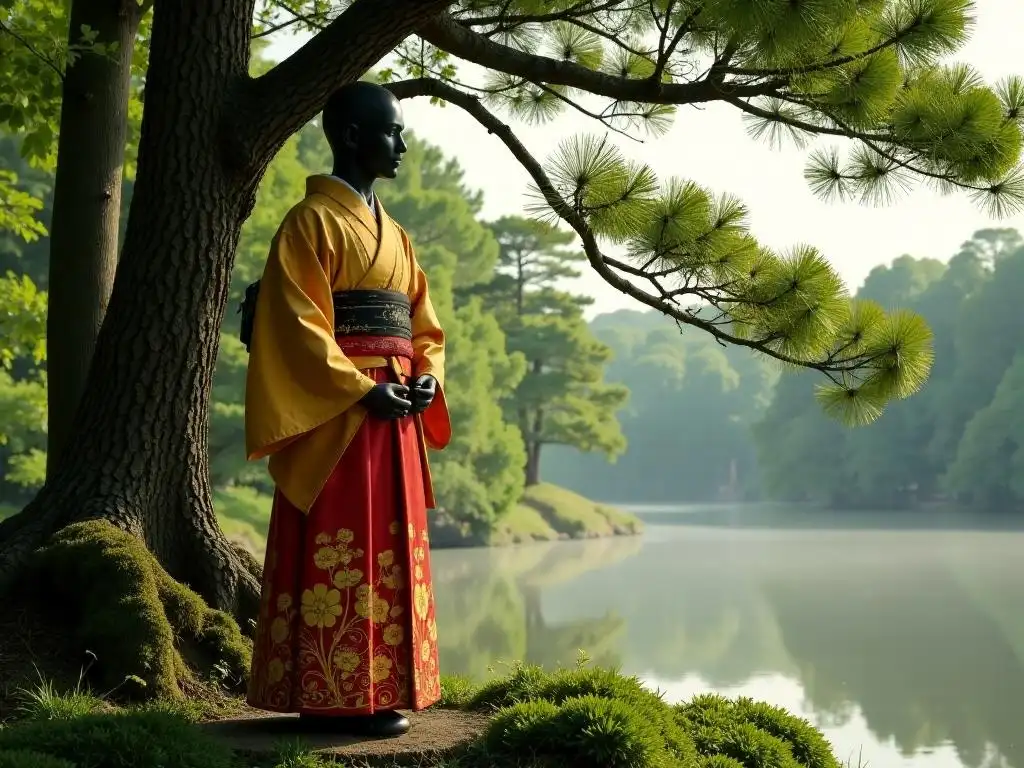
Bushido, the code of conduct for the samurai, transcended mere martial practices to become a profound cultural legacy that shaped various facets of Japanese society. Its principles, emphasizing honor, loyalty, and discipline, have left an indelible mark not only on martial arts but also on the broader cultural and societal framework of Japan.
Bushido's Impact on Japanese Society
The influence of Bushido on Japanese society during the feudal era was profound and multifaceted. At its core, Bushido instilled a sense of duty and honor among the samurai class, which permeated their interactions with the peasantry and the ruling elite alike. This code fostered a hierarchical structure where loyalty to one’s lord was paramount, leading to a society where social order and stability were maintained through this unwavering commitment.
- Social Hierarchy and Duty
- The samurai were not just warriors; they were also landowners and administrators. Their adherence to Bushido reinforced the importance of duty to the state and their lord, fostering a culture where loyalty was rewarded, and betrayal was met with severe consequences.
- Peasants, in turn, were expected to support their samurai lords, creating a symbiotic relationship that upheld the feudal system. This dynamic was essential for the agricultural economy, as it ensured stability and continuity.
- Cultural Integration
- Bushido also influenced cultural practices such as tea ceremonies, poetry, and calligraphy, where the principles of discipline and aesthetics were paramount. The samurai’s dedication to art and culture, guided by Bushido, contributed to the rich tapestry of Japanese heritage.
- Festivals and ceremonies often reflected samurai values, with rituals emphasizing honor and respect for ancestors, showcasing how deeply intertwined Bushido was with Japanese cultural identity.
- Moral Framework
- The ethical teachings of Bushido provided a moral framework that extended beyond the samurai class, influencing the common populace. Concepts of justice and righteousness became embedded in the collective consciousness, promoting societal cohesion.
- Education and philosophy during the Edo period were also shaped by Bushido’s ideals, leading to the proliferation of Confucian values that emphasized filial piety and respect for authority.
The Enduring Relevance of Bushido in Modern Life
In contemporary Japan, the legacy of Bushido continues to resonate, influencing various aspects of life, from business practices to interpersonal relationships. While the samurai class no longer exists, the core values of Bushido have been adapted and reinterpreted in modern contexts.
- Business Ethics
- Many Japanese companies incorporate Bushido principles into their corporate ethics, emphasizing loyalty, teamwork, and a commitment to quality. The concept of “kaizen” or continuous improvement reflects the samurai's relentless pursuit of mastery.
- Negotiations and business dealings often reflect the Bushido value of honor, where one’s word is seen as a binding contract, fostering trust and reliability.
- Martial Arts Practice
- Modern martial arts in Japan, such as Kendo and Aikido, are deeply rooted in Bushido. Practitioners not only learn physical techniques but also the philosophy behind their art, emphasizing respect, humility, and self-discipline.
- The influence of Bushido in martial arts is evident in the rituals and etiquette observed in dojos, where practitioners honor their teachers and fellow students, embodying the spirit of Bushido in their training.
- Personal Development
- The principles of Bushido are often invoked in discussions of personal development and self-improvement. Individuals strive to embody the virtues of courage, honor, and integrity in their daily lives, reflecting the enduring legacy of this ancient code.
Bushido in Popular Culture and Media
The fascination with Bushido has permeated popular culture, manifesting in literature, film, and video games. This representation has both preserved and transformed the understanding of Bushido, making it accessible to a global audience.
- Literature and Film
- Works such as “The Book of Five Rings” by Miyamoto Musashi and films like “Seven Samurai” directed by Akira Kurosawa have romanticized the samurai ethos, portraying the complexities of honor and sacrifice. These narratives highlight the struggles and triumphs of the samurai, ensuring that the principles of Bushido are celebrated in modern storytelling.
- The portrayal of samurai in Hollywood films, while often dramatized, reflects a deep-seated interest in the samurai's code, sparking curiosity about Japanese culture and history.
- Video Games
- Video games such as “Ghost of Tsushima” have brought Bushido to the forefront, allowing players to experience the samurai’s values through interactive storytelling. These games often emphasize themes of honor, sacrifice, and the moral dilemmas faced by samurai, engaging a new generation with the ethos of Bushido.
- The integration of Bushido principles in gameplay mechanics—such as choices reflecting honor or dishonor—offers players a unique perspective on the moral complexities of samurai life.
- Cultural Festivals
- Festivals celebrating samurai culture often incorporate elements of Bushido, showcasing traditional martial arts demonstrations, reenactments, and discussions on the philosophy behind the samurai lifestyle. These events serve as a bridge between the past and present, allowing people to engage with the rich heritage of Bushido.
The cultural legacy of Bushido continues to shape Japanese society and beyond, influencing modern life while remaining a vital part of Japan's historical narrative. Its impact on martial arts and broader cultural expressions ensures that the spirit of the samurai endures in contemporary contexts.
Conclusion: The Lasting Impact of Bushido on Martial Arts
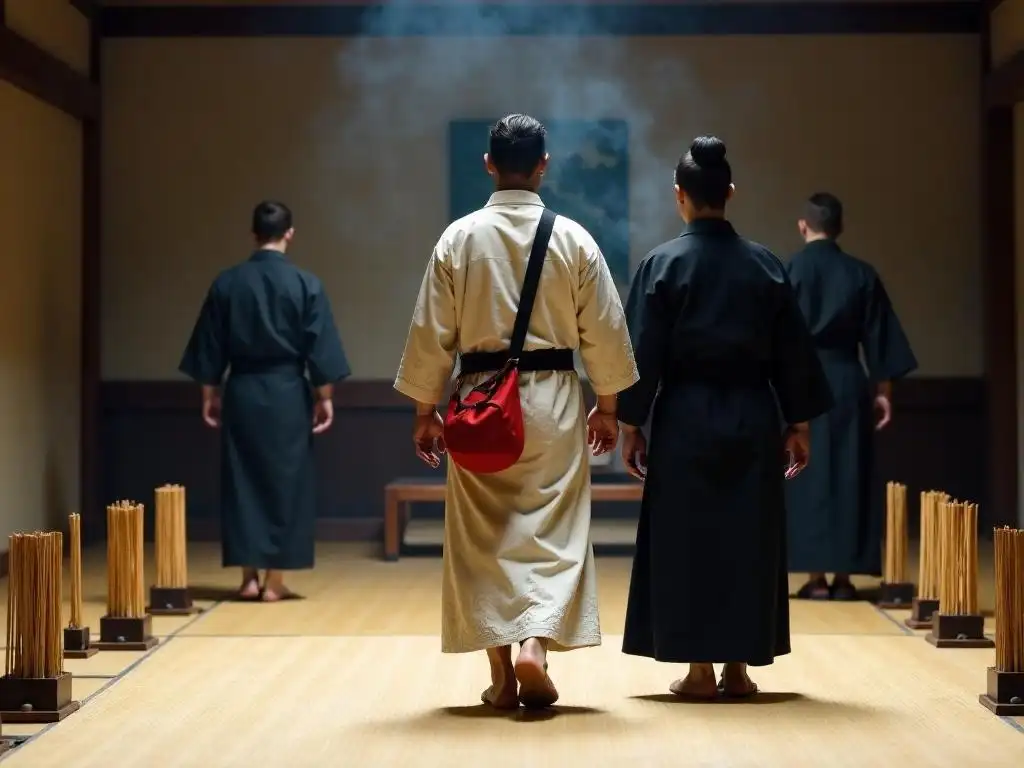
Summary of Bushido's Influence on Martial Arts Evolution
Bushido, the revered code of the samurai, has profoundly shaped the evolution of martial arts in Japan and beyond. Rooted in principles such as honor, loyalty, and discipline, Bushido has instilled a sense of purpose in martial practitioners, influencing not only combat techniques but also the philosophical underpinnings of various martial arts styles.
-
Philosophical Foundations
The ethical framework of Bushido emphasizes self-discipline and respect, which are integral to martial arts training. Practitioners are encouraged to cultivate a strong moral character alongside their physical abilities. This holistic approach has led to martial arts being viewed not merely as a means of combat, but as a path to personal development.
-
Training Methodologies
Traditional training methods in martial arts often reflect Bushido principles. For instance, the rigorous practice routines and sparring sessions foster resilience and mental fortitude. Techniques such as kata (forms) embody the samurai's dedication to perfection, serving as a bridge between historical practices and modern training regimens.
-
Cultural Preservation
Bushido has played a crucial role in preserving the cultural heritage associated with martial arts. Many schools (ryu) today still incorporate the teachings and rituals of Bushido, ensuring that the historical context remains alive within contemporary practices. This has allowed martial arts to maintain a connection to Japan’s feudal past while evolving to meet the needs of modern practitioners.
-
Global Influence
The influence of Bushido extends beyond Japan, impacting martial arts worldwide. Various styles, such as Karate and Judo, have adopted Bushido principles, promoting values of respect and community. This cross-cultural exchange has enriched martial arts globally, encouraging practitioners to embrace the spirit of Bushido regardless of their geographical location.
Future of Bushido in Martial Arts Practice
As martial arts continue to evolve, the relevance of Bushido remains significant. The future of Bushido in martial arts practice is likely to take several forms:
-
Integration with Modern Practices
Contemporary martial arts schools increasingly recognize the importance of mental and emotional training alongside physical techniques. This trend suggests that Bushido’s emphasis on character development will continue to resonate, providing a framework for training that transcends mere physicality.
-
Adaptation to Global Contexts
As martial arts spread internationally, practitioners are blending traditional Bushido values with local customs and beliefs. This adaptation could lead to a richer, more diverse interpretation of Bushido, allowing it to thrive in various cultural contexts while preserving its core tenets.
-
Focus on Mental Health and Well-being
The growing recognition of mental health in sports suggests that the philosophical aspects of Bushido may gain greater emphasis. Techniques that promote mindfulness, self-reflection, and emotional resilience may become integrated into martial arts training, aligning with Bushido's focus on inner strength and personal growth.
-
Reviving Historical Practices
There is a renewed interest in historical martial arts and the practices of the samurai. This revival may bring a deeper understanding of Bushido's role in traditional techniques, fostering a resurgence of interest in authentic samurai training methods and their applications in modern martial arts.
The Bushido influence on martial arts is profound and multifaceted, shaping both the practice and philosophy of martial arts today. As we look to the future, the enduring principles of Bushido will likely continue to inspire and guide martial artists around the world, ensuring that the legacy of the samurai remains vibrant and impactful.
References
Understanding the deep-rooted influence of Bushido on martial arts requires a comprehensive look at various historical texts, interpretations, and scholarly analyses. This section provides an overview of key sources and literature that explore the intricate relationship between Bushido, the samurai way of life, and the evolution of martial arts in Japan.
Suggested Reading on Bushido and Martial Arts
- "Hagakure: The Book of the Samurai" by Yamamoto Tsunetomo
- This classic text encapsulates the essence of Bushido and provides insights into the samurai's mindset and values. It serves as a primary source for understanding how Bushido principles have permeated martial arts.
- "Bushido: The Soul of Japan" by Inazo Nitobe
- Nitobe's work explores the moral and ethical dimensions of Bushido, linking it to martial arts practices. His analysis highlights how samurai ethics have shaped modern martial arts philosophies.
- "The Samurai's Garden" by Gail Tsukiyama
- While fictional, this novel provides a rich cultural context of the samurai era, reflecting on the influence of Bushido in daily life and martial practices during feudal Japan.
- "The Complete Book of Japanese Martial Arts" by Donn F. Draeger
- Draeger offers a thorough examination of various Japanese martial arts, detailing their historical development and the impact of Bushido on their philosophies and techniques.
- "The Art of War" by Sun Tzu
- Though not exclusively about Bushido, this ancient Chinese text has influenced samurai strategy and martial arts, making it an essential read for understanding the tactical aspects of Bushido.
Key Historical Texts on Samurai and Bushido
| Title | Author | Description |
|---|---|---|
| Hagakure | Yamamoto Tsunetomo | A practical guide to the samurai way of life, articulating Bushido values. |
| Bushido: The Soul of Japan | Inazo Nitobe | A philosophical exploration of the samurai code and its martial implications. |
| The Book of Five Rings | Miyamoto Musashi | A treatise on strategy and combat, reflecting the martial spirit influenced by Bushido. |
| The Unfettered Mind | Takuan Soho | A Zen perspective on combat, emphasizing the mental discipline of martial arts. |
| The Samurai Code: A Guide to the Traditional Samurai Way | Stephen Turnbull | An accessible overview of the samurai's ethical framework and its relevance in martial practices. |
These texts collectively provide a foundation for understanding the Bushido influence on martial arts, illustrating how the samurai code has been integral to the development of martial philosophies and practices throughout Japan's history. By delving into these works, readers can gain a deeper appreciation for the martial arts landscape shaped by Bushido principles.
Frequently Asked Questions
What is Bushido?
Bushido is the Samurai Code that emphasizes virtues such as honor, loyalty, and discipline. It has profoundly shaped the ethical framework of Japanese martial arts.
How has Bushido influenced martial arts?
The principles of Bushido have instilled a deep sense of respect, commitment, and self-improvement in martial arts training, influencing various disciplines both in Japan and globally.
Are there modern applications of Bushido in martial arts?
Yes, many modern martial arts schools incorporate Bushido principles in their teachings, emphasizing character development alongside physical skills.
How does Bushido relate to the concept of honor in martial arts?
Honor, a core tenet of Bushido, is fundamental in martial arts, guiding practitioners to act with integrity and respect towards their opponents and instructors.
Can Bushido be applied outside of martial arts?
Absolutely! The values of Bushido, such as discipline and integrity, can be applied in various aspects of life, including business and personal relationships, promoting a well-rounded character.
Final Reflection: The Enduring Legacy of Bushido in Martial Arts
The principles of Bushido continue to resonate profoundly in today's martial arts, emphasizing honor, discipline, and respect. In a world increasingly driven by rapid change and fleeting trends, the steadfast values encapsulated in the Samurai Code remind us of the importance of integrity and commitment. As martial artists and enthusiasts, we are called to reflect on how these timeless teachings shape not only our practice but also our character in everyday life.
The influence of Bushido extends beyond the dojo, permeating various aspects of culture and society, fostering a sense of community and shared values among practitioners. The teachings of Bushido encourage a deep respect for oneself and others, creating a bond that transcends mere physical training. The ultimate aim of martial arts is not having to use them,
a sentiment that encapsulates the essence of Bushido's influence on martial arts and life itself. This perspective invites us to consider how the lessons of discipline, humility, and honor can guide our interactions and decisions in a complex world.
As you reflect on the teachings of Bushido, I invite you to embrace these principles in your own journey. Consider how you can embody the spirit of the Samurai in your daily life, fostering respect, integrity, and resilience. Whether you are a seasoned martial artist or a curious newcomer, let the legacy of Bushido inspire you to cultivate not only your skills but also your character, creating a positive impact on those around you. Together, let us honor the Samurai Code and carry its teachings forward into the future.
Embrace the Spirit of Bushido: Take Action Today!
Thank you for taking the time to explore the profound principles of Bushido and how they continue to shape the world of martial arts. Your curiosity about this ancient code empowers you to connect with traditions that have endured for centuries.
Now, it’s time to embody the spirit of Bushido in your own life. Here’s how you can take meaningful steps forward:
- Practice self-discipline: Establish a daily routine that enhances your focus and mental resilience, whether through meditation, martial arts training, or physical fitness activities.
- Share the values: Discuss the principles of Bushido with friends or family, inspiring them to explore their own paths of honor and courage.
- Engage with a community: Join a local martial arts dojo or an online forum where you can learn from instructors and fellow martial arts enthusiasts who are dedicated to the Bushido way.
Which aspect of the Samurai Code resonates with you the most, and how do you plan to incorporate it into your daily life?