
The Rise of Samurai: How Feudal Japan Shaped Martial Arts

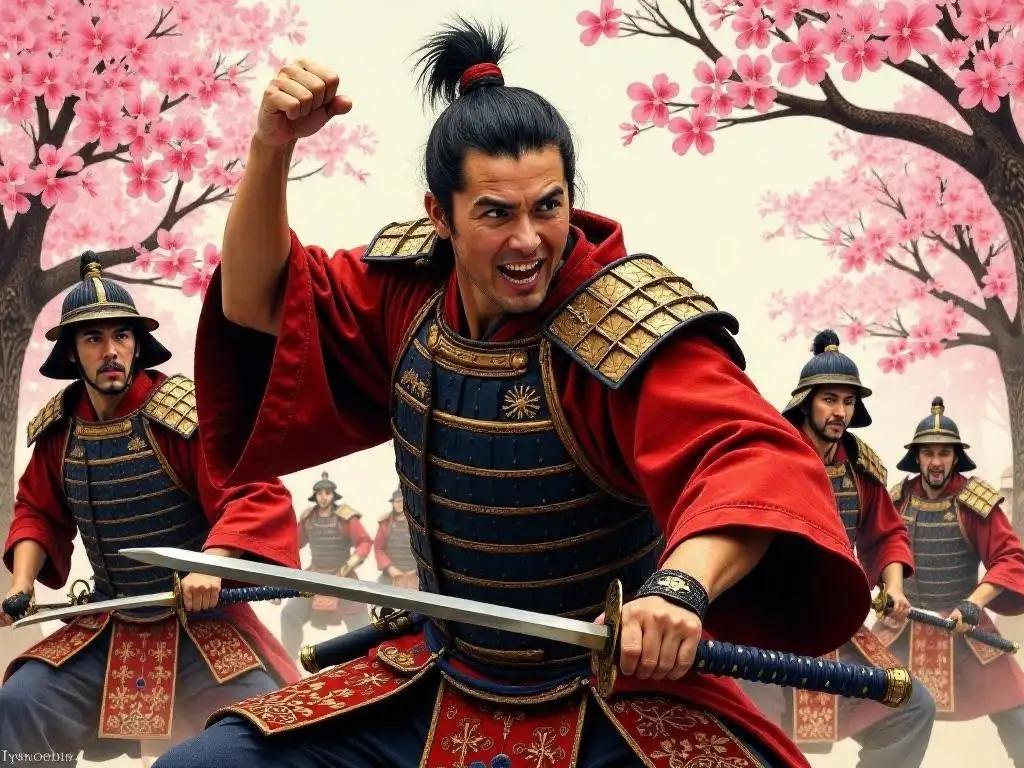
Welcome to Feudal Japan History, where we embark on a captivating journey through the intricate tapestry of Japan’s feudal era. Discover how the legendary samurai, a symbol of honor and discipline, profoundly influenced the development of martial arts during this transformative period.
Prepare to delve into a wealth of expert-driven insights in our featured article, “The Rise of Samurai: How Feudal Japan Shaped Martial Arts.” What secrets do these ancient warriors hold, and how do their legacies continue to resonate in modern practices? Join us as we unveil the fascinating connections between history and martial arts, igniting your curiosity to explore further!
Introduction to Samurai Influence on Martial Arts
The samurai, a class of warriors that emerged in feudal Japan, played a pivotal role in shaping not only the military landscape but also the cultural and martial traditions of the country. Their influence on martial arts is profound and far-reaching, intertwining with the very fabric of Japanese society.
This article delves into the evolution of martial arts under the guidance of the samurai, examining how their values, skills, and philosophies have contributed to the martial arts we recognize today. Understanding the samurai's impact on martial arts provides essential insights into Japan's historical context and the enduring legacy of these formidable warriors.
Overview of the Samurai Era in Feudal Japan
The samurai era in Japan, spanning from the late 12th century until the 19th century, was marked by a distinct social hierarchy and a feudal system that emphasized loyalty, honor, and martial prowess. This period witnessed the rise of powerful clans, the establishment of shogunates, and ongoing conflicts that necessitated the cultivation of advanced combat skills. The samurai, sworn to serve their lords, became synonymous with discipline and honor, leading to the development of various martial arts that incorporated their techniques and philosophies.
- Key Features of the Samurai Era:
- Feudal Structure: A hierarchical system where land and loyalty determined power.
- Bushido Code: The ethical code of the samurai, emphasizing honor, courage, and loyalty.
- Cultural Flourishing: The era saw a rich development of arts, literature, and philosophy alongside martial training.
Importance of Martial Arts in Samurai Culture
Martial arts were integral to the samurai lifestyle, serving not only as a means of combat but as a way to cultivate discipline, character, and spiritual growth. Training in various martial arts forms, such as kenjutsu (swordsmanship), iaijutsu (quick-draw techniques), and archery, was essential for a samurai's development. These practices were not merely physical; they were deeply embedded in the samurai’s philosophy, fostering a connection between mind, body, and spirit.
- Key Aspects of Martial Arts in Samurai Culture:
- Training and Discipline: Rigorous training regimens that emphasized physical fitness and mental fortitude.
- Spiritual Significance: Many martial arts incorporated Zen principles, promoting mindfulness and self-awareness.
- Cultural Heritage: The techniques and teachings were passed down through generations, preserving the samurai legacy.
Historical Context of the Samurai
Understanding the historical context of the samurai is essential to grasping their influence on martial arts. The emergence of the samurai class was a response to the tumultuous political landscape of Japan, where warfare and territorial disputes were commonplace. This section explores the origins of the samurai, their role in feudal society, and the key events that shaped their development.
Origins of the Samurai Class
The origins of the samurai class can be traced back to the Heian period (794-1185), when provincial warriors began to gain prominence as protectors of land and local interests. As the imperial court's power waned, these warriors evolved into a distinct social class, seeking to establish their own codes of conduct and martial practices. The establishment of the Kamakura shogunate in 1192 marked a significant turning point, solidifying the samurai's status and influence in Japanese society.
- Key Milestones in Samurai Origins:
- Rise of Warrior Clans: Powerful families began to dominate regions, leading to the formation of samurai clans.
- Emergence of Bushido: The ethical framework that would guide samurai behavior and martial conduct.
The Role of Samurai in Feudal Society
The samurai were not merely warriors; they were integral to the functioning of feudal society. They served as military leaders, advisors, and administrators, wielding considerable influence over political and economic matters. Their loyalty to their lords and adherence to the bushido code defined their roles and responsibilities, creating a complex relationship between power, duty, and martial skill.
- Functions of Samurai in Society:
- Military Leadership: Samurai led armies in battle, showcasing their martial skills.
- Political Influence: As landholders and advisors, they played crucial roles in governance.
- Cultural Ambassadors: Samurai were patrons of the arts, promoting cultural practices alongside martial training.
Key Events Influencing Samurai Development
Several key events throughout Japan's history significantly influenced the evolution of the samurai class and their martial arts practices. From the Genpei War to the Sengoku period, these events shaped the samurai’s identity, strategies, and martial traditions.
- Influential Events:
- The Genpei War (1180-1185): The conflict that established the Kamakura shogunate, highlighting the importance of samurai warfare.
- The Mongol Invasions (1274 & 1281): Events that tested samurai combat skills and led to the development of new strategies.
- The Sengoku Period (1467-1603): A time of intense civil war that spurred innovation in martial tactics and the codification of martial arts.
The samurai's influence on martial arts is deeply rooted in the historical and cultural context of feudal Japan. Their legacy continues to shape martial arts practices today, making the exploration of this topic not only fascinating but also essential for understanding Japan's martial heritage.
Samurai Influence on Martial Arts Techniques
The samurai, Japan's esteemed warrior class, played a pivotal role in shaping martial arts techniques that have endured through centuries. Their training was not merely about combat but encompassed a holistic approach that integrated physical prowess, mental acuity, and ethical principles. This comprehensive methodology laid the groundwork for many modern martial arts disciplines.
Samurai techniques emphasized efficiency and effectiveness in combat, leading to the development of various styles and forms. The focus on kata, or pre-arranged forms, allowed practitioners to refine their techniques through repetition and discipline. Techniques such as kenjutsu (the art of the sword) and iaijutsu (the art of drawing the sword) highlight the samurai's influence, emphasizing precision and fluidity in movement. These techniques have influenced numerous modern martial arts, particularly kendo and iaido, which maintain the samurai's legacy in contemporary practice.
Furthermore, the samurai's approach to weaponry, which included not just swords but also spears and bows, contributed to a diverse array of martial arts techniques. The principles of distance, timing, and adaptability that samurai warriors honed in battle continue to inform martial arts training today.
Traditional Martial Arts Forms Connected to Samurai
Several traditional martial arts forms have direct connections to the samurai, reflecting their techniques and philosophies.
- Kendo: This modern iteration of kenjutsu is practiced with bamboo swords (shinai) and protective gear. Kendo emphasizes the mental aspects of combat, aligning with the samurai’s values of discipline and respect.
- Iaido: Focused on the smooth, controlled movements of drawing and cutting with a sword, iaido embodies the samurai's precision and grace. Practitioners often meditate on the philosophy of their movements.
- Naginatajutsu: The art of using the naginata, a polearm weapon, showcases the samurai’s versatility in combat, integrating footwork and striking techniques that are still practiced in various forms today.
- Sojutsu: The art of spear fighting, which was crucial in battlefield tactics, illustrates the samurai's strategic approach to warfare, providing foundational techniques that have evolved into various martial arts styles.
These martial arts forms not only preserve the techniques of the samurai but also encapsulate their ethical and philosophical teachings, ensuring their legacy continues to inspire modern practitioners.
Evolution of Samurai Fighting Styles
The evolution of samurai fighting styles can be traced through the various historical periods of Japan, each shaping the techniques and philosophies of martial arts. Initially, during the Heian period (794-1185), samurai warfare was characterized by mounted combat and the use of bows and arrows. As the samurai class solidified its power, the focus shifted towards close combat and the sword.
The Kamakura period (1185-1333) introduced more structured training methods as the samurai began to formalize their techniques into schools (ryuha). Each school developed unique styles, often based on the founder’s experiences in battle, leading to a diverse martial arts landscape. This period also saw the rise of two-handed sword techniques, which became a hallmark of samurai combat.
During the Sengoku period (1467-1603), the need for effective battlefield tactics prompted further innovation. The samurai adapted their styles to include a combination of weaponry and unarmed combat, reflecting the chaotic nature of warfare. This era gave birth to many famous schools that still influence martial arts today.
With the advent of the Edo period (1603-1868), the focus shifted from battlefield efficiency to personal development and discipline. The samurai ethos became entrenched in martial arts training, emphasizing not only skill but also the cultivation of character and ethics. This transition laid the groundwork for contemporary martial arts, where self-discipline, respect, and mental fortitude remain central tenets.
Cultural Aspects of Samurai and Martial Arts
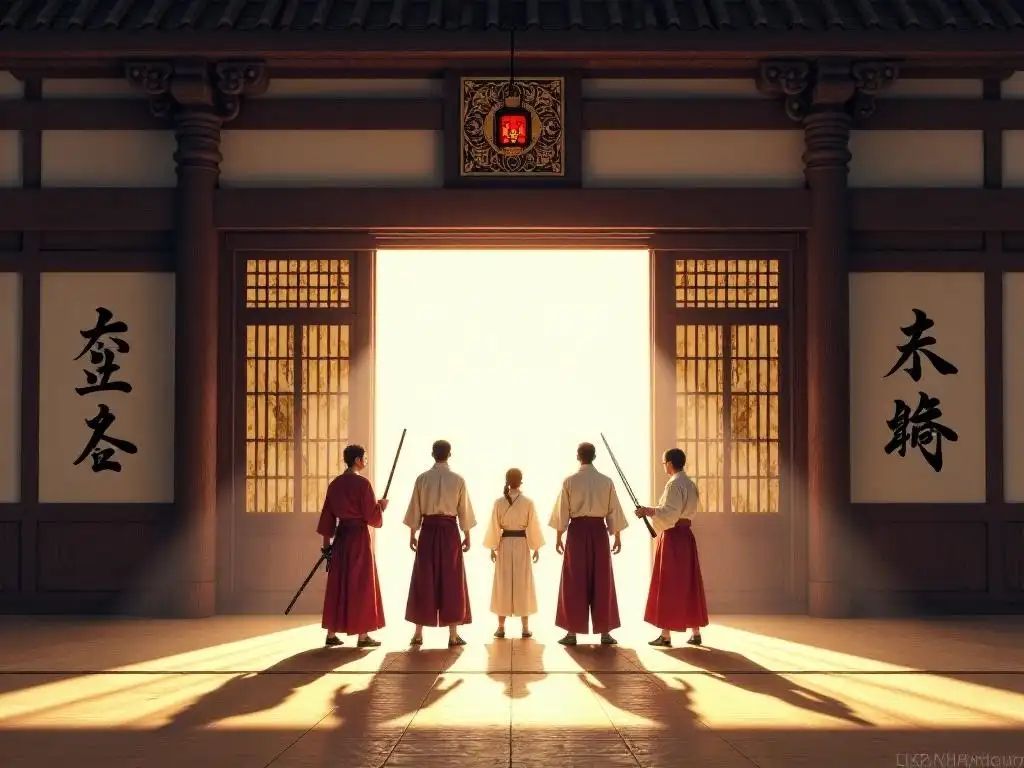
The cultural aspects surrounding the samurai and martial arts are deeply intertwined, reflecting a complex interplay of philosophy, spirituality, and social values. The samurai were not merely warriors; they were also custodians of a rich cultural heritage that emphasized honor, respect, and discipline.
The Philosophy of Bushido and Its Impact
At the heart of samurai culture lies Bushido, the "Way of the Warrior," a code of conduct that dictated the moral and ethical framework for samurai life. Bushido emphasizes virtues such as loyalty, honor, courage, and self-discipline. These principles significantly influenced martial arts training, shaping not only the techniques but also the mindset of practitioners.
Bushido encouraged samurai to pursue mastery in their martial arts, seeing it as a path to personal growth and enlightenment. The philosophy reinforced the idea that martial arts were not merely physical pursuits but also spiritual journeys, fostering a deep connection between mind and body. Modern martial artists often draw inspiration from Bushido, integrating its values into their training and personal lives.
Spirituality and Discipline in Samurai Training
The samurai's training regimen was steeped in spirituality and discipline. Daily practice was not solely focused on physical techniques; it also included meditation and reflection, which allowed samurai to cultivate inner peace and mental clarity. This holistic approach contributed to a profound sense of self-awareness and purpose.
The ritualistic aspects of training, including the use of specific movements and the creation of a disciplined environment, reinforced a sense of respect for the art and its traditions. This discipline is reflected in modern martial arts practices, where meditation and focused training remain integral to the development of both skill and character.
The Influence of Zen Buddhism on Martial Arts
Zen Buddhism significantly influenced samurai culture and martial arts, emphasizing mindfulness, presence, and a deep understanding of one’s self. The practice of Zen meditation helped samurai cultivate concentration and clarity, essential traits in both combat and daily life.
This influence is evident in various martial arts forms, where the principles of Zen are integrated into training. For example, the concept of zanshin, or a state of relaxed alertness, is crucial in martial arts and reflects the samurai's ability to remain aware and responsive in any situation.
Moreover, Zen teachings often emphasize the importance of the journey over the destination, resonating with martial artists who view their practice as a lifelong pursuit of mastery and self-discovery. As such, the legacy of the samurai continues to inspire martial artists to seek not only technical proficiency but also a deeper understanding of themselves and their place in the world.
The Legacy of Samurai in Modern Martial Arts
The legacy of the samurai extends far beyond the historical confines of feudal Japan; it has profoundly shaped modern martial arts across the globe. The samurai, with their rigorous training, strict codes of conduct, and unique techniques, laid the groundwork for various martial arts disciplines. This influence can be observed not only in Japan but also in martial arts practices worldwide, where samurai principles and techniques have been adapted and integrated into contemporary forms. The samurai's emphasis on discipline, respect, and mental fortitude continues to resonate with martial artists today, ensuring that their legacy endures.
How Samurai Principles Shape Contemporary Practices
One of the most significant principles that samurai imparted to modern martial arts is the concept of Bushido, or the "Way of the Warrior." This ethical code emphasizes virtues such as loyalty, honor, and courage, which are foundational to many martial arts practices today.
- Discipline: The rigorous training regimens practiced by samurai serve as a model for martial artists, fostering a strong work ethic and dedication to improvement.
- Mental Focus: Samurai training often included meditation and mindfulness, practices that are increasingly recognized in modern martial arts for enhancing performance and mental clarity.
- Respect and Etiquette: The samurai's respect for their teachers and opponents is mirrored in contemporary martial arts through rituals and etiquette that promote humility and camaraderie among practitioners.
These principles have been adopted in various martial arts schools and styles, enriching the training experience and helping practitioners develop not just physical skills but also ethical and philosophical dimensions.
Popular Martial Arts Influenced by Samurai Techniques
Several martial arts styles owe their techniques and philosophies to the samurai tradition. Some of the most notable include:
- Kendo: This modern Japanese martial art evolved from the swordsmanship of the samurai, emphasizing precision, discipline, and the spiritual aspects of combat.
- Iaido: Focused on the smooth, controlled movements of drawing and cutting with a katana, Iaido directly reflects the techniques practiced by samurai.
- Aikido: Founded by Morihei Ueshiba, Aikido incorporates principles from the samurai's defense techniques and emphasizes harmony and blending with an opponent's movements.
- Jiu-Jitsu: While it has roots in various traditions, the grappling techniques employed in Jiu-Jitsu can be traced back to samurai battlefield tactics.
These martial arts not only preserve the technical aspects of samurai combat but also embody their philosophies, further propagating their influence in modern martial training.
Conclusion: The Lasting Impact of Samurai on Martial Arts
The impact of the samurai on martial arts is undeniable and continues to evolve. As martial arts practitioners study and honor the techniques and philosophies of the samurai, they keep their legacy alive and relevant in contemporary society.
Reflection on Samurai Influence on Global Martial Arts
The samurai's influence transcends geographical boundaries, inspiring martial artists worldwide. Many practitioners incorporate samurai techniques and philosophies into their training, creating a rich tapestry of global martial arts that respects and honors the samurai heritage. This cross-cultural exchange has led to the development of hybrid styles and methods, demonstrating the universality of the samurai’s influence.
The Continuing Relevance of Samurai Philosophy in Modern Training
In an age where martial arts have become a means of self-defense, fitness, and sport, the philosophical teachings of the samurai remain integral. Concepts such as perseverance, respect for one’s opponents, and the pursuit of personal excellence resonate deeply with modern practitioners. Samurai philosophy not only shapes training regimens but also enhances the character development of martial artists, ensuring that the spirit of the samurai continues to inspire and guide future generations.
- Introduction to Samurai Influence on Martial Arts
- Historical Context of the Samurai
- Samurai Influence on Martial Arts Techniques
- Cultural Aspects of Samurai and Martial Arts
- The Legacy of Samurai in Modern Martial Arts
- Conclusion: The Lasting Impact of Samurai on Martial Arts
- What is the significance of the samurai in Japanese history?
- How did the samurai contribute to the development of martial arts?
- What role did Bushido play in shaping martial arts during feudal Japan?
- How did the feudal system affect the training and lifestyle of samurai?
- What legacy do samurai leave on modern martial arts?
Frequently Asked Questions
What is the significance of the samurai in Japanese history?
The samurai were a powerful military class in feudal Japan, known for their code of honor (Bushido) and their influence on martial arts and culture.
How did the samurai contribute to the development of martial arts?
The samurai's dedication to combat training and discipline led to the establishment of various martial arts schools, which emphasized not only techniques but also philosophical aspects.
What role did Bushido play in shaping martial arts during feudal Japan?
Bushido, the way of the warrior, instilled values such as courage, loyalty, and honor in samurai, which became integral to the philosophy and practice of many martial arts.
How did the feudal system affect the training and lifestyle of samurai?
The feudal system provided a structured environment where samurai were trained from a young age, emphasizing martial skills, strategy, and the importance of service to their lords.
What legacy do samurai leave on modern martial arts?
The legacy of samurai is evident in many modern martial arts, which continue to reflect their techniques, strategies, and philosophical teachings, influencing practitioners worldwide.
Final Reflection: The Enduring Legacy of Samurai Influence on Martial Arts
The rise of the samurai in feudal Japan has left an indelible mark on the world of martial arts, shaping not only techniques but also philosophies that resonate today. As we explore the intricate relationship between the samurai and martial arts, we uncover a rich tapestry of discipline, honor, and skill that continues to inspire practitioners across the globe. The essence of the samurai spirit is more relevant than ever, reminding us of the values of perseverance and respect in our own lives.
Cultural and social landscapes have been profoundly influenced by the samurai's martial prowess and ethical code. The principles of bushido, or the way of the warrior, have transcended time, fostering a sense of respect and integrity in martial arts communities worldwide. The ultimate aim of the martial arts is not having to use them.
This quote encapsulates the philosophy that the samurai embodied, emphasizing that true strength lies in restraint and wisdom. The ongoing influence of the samurai can be seen in modern martial arts practices, where respect for tradition and the pursuit of mastery remain paramount.
As you reflect on the lessons drawn from the samurai's legacy, consider how these principles can be integrated into your own life. Embrace the spirit of the samurai by cultivating discipline, respect, and resilience in your daily endeavors. Whether you are a martial arts practitioner or simply someone seeking personal growth, let the samurai's influence guide you on your journey. Take a moment to ponder how you can embody these values in your own actions, and inspire others to do the same.
Unleash Your Inner Warrior: Dive Deeper into Feudal Japan!
Thank you for taking the time to explore how the rich history of feudal Japan has influenced martial arts! We hope you’ve gained valuable insights into the profound legacy of the samurai and their enduring impact. Now, let’s transform your newfound knowledge into action!
- Join a local martial arts class to experience firsthand the techniques that have been honed over centuries.
- Explore further: Delve into books or documentaries about samurai culture to enhance your understanding.
- Share your insights with friends or on social media—let’s spread the passion for this captivating history!
What aspect of samurai culture fascinates you the most, and how do you plan to incorporate that into your personal journey?