
The Silk Road Connection: How Trade with Korea and China Shaped Feudal Japan

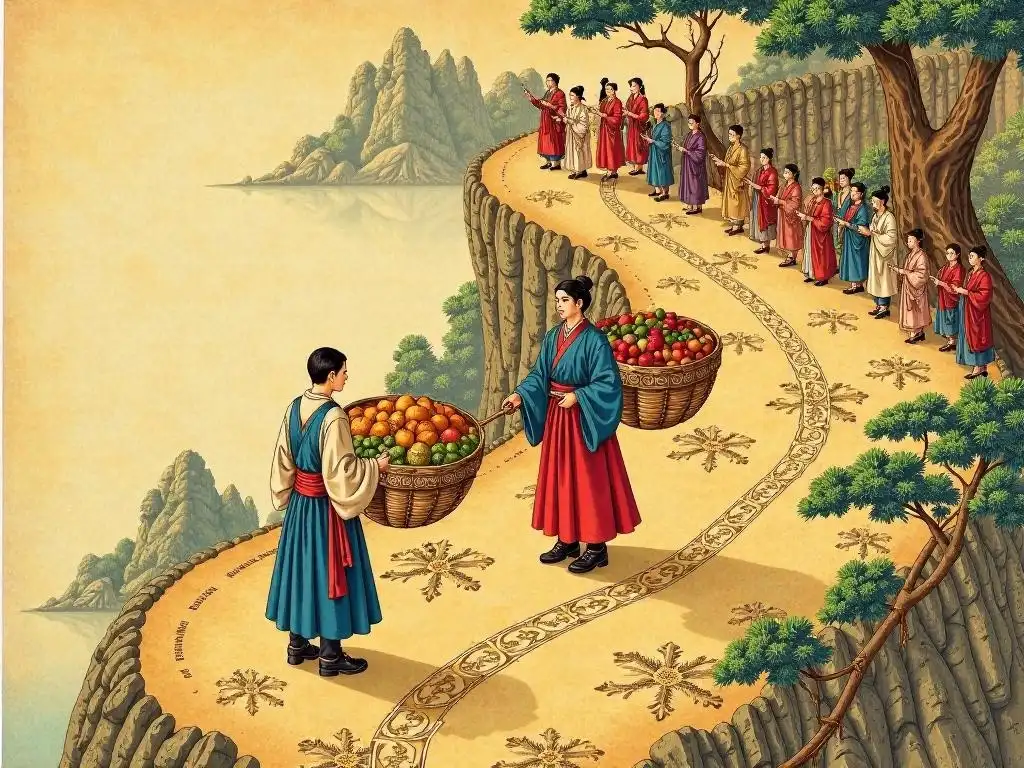
Welcome to Feudal Japan History, where we embark on an extraordinary journey through the rich tapestry of Japan’s feudal era. Here, you’ll uncover the intricate threads of history that connect cultures and societies, revealing how the Silk Road trade impact on Japan played a pivotal role in shaping its development. In our featured article, "The Silk Road Connection: How Trade with Korea and China Shaped Feudal Japan," we delve into the fascinating interplay of foreign relations that transformed the nation. Prepare to be captivated as you explore the depths of this remarkable era—your adventure starts now!
Introduction to the Silk Road Trade Impact on Japan
The Silk Road, a vast network of trade routes that connected the East and West, played a pivotal role in shaping the cultural, economic, and social landscapes of various regions. In the context of feudal Japan, the Silk Road trade impact is particularly significant, as trade relations with Korea and China not only facilitated the exchange of goods but also ideas, technologies, and cultural practices.
This article delves into the intricate connections fostered through trade, examining how these interactions influenced Japan during its feudal era. By understanding these connections, we can better appreciate how external influences contributed to the development of Japan's unique identity during this period.
Overview of the Silk Road and Its Significance
The Silk Road was not a singular road but rather a collection of trade routes that extended over 4,000 miles, linking diverse civilizations from China to the Mediterranean. Established during the Han Dynasty (206 BCE – 220 CE), this network enabled merchants to transport valuable commodities such as silk, spices, and precious metals. More than just a trade route, the Silk Road served as a conduit for cultural exchange, spreading innovations like papermaking, printing, and even religious beliefs across continents.
Key features of the Silk Road include:
- Economic Exchange: The trade of luxury goods spurred economic growth in various regions, including Japan.
- Cultural Transmission: Art, religion, and philosophy traveled alongside goods, enriching societies.
- Technological Advancements: Innovations were shared, leading to improvements in agriculture, warfare, and craftsmanship.
By the time Japan entered the feudal era, the Silk Road's influence was already palpable, setting the stage for significant developments in Japanese society.
Historical Context: Trade Dynamics with Korea and China
Japan's interactions with Korea and China were crucial to its integration into the Silk Road trade network. The archipelago's geographic proximity to the Asian continent facilitated exchanges that would profoundly impact its historical trajectory.
- Korean Influence: Early trade with Korea introduced Japan to advanced technologies, including metallurgy and agricultural practices. The Korean peninsula acted as a bridge, allowing cultural and commercial exchanges to flourish.
- Chinese Trade Relations: Japan's engagement with China was characterized by the adoption of Confucianism, Buddhism, and various artistic styles. The influx of Chinese goods, including silk and ceramics, transformed Japanese markets and consumption patterns.
These relationships laid the groundwork for Japan's feudal structure, as trade became a vital component of its economy and society.
The Role of Trade in Feudal Japan
Economic Transformations Driven by Silk Road Trade
The Silk Road trade had profound economic implications for feudal Japan. The influx of goods and wealth contributed to the emergence of a more complex economic system, characterized by:
- Market Development: Trade routes led to the establishment of markets and the rise of merchant classes, challenging the agrarian focus of feudal society.
- Wealth Accumulation: The demand for luxury goods from China and Korea fueled the accumulation of wealth among the samurai and nobility, which in turn influenced political power dynamics.
- Craftsmanship and Industry: The introduction of new materials and techniques through trade spurred advancements in local industries, particularly in textiles and pottery.
These economic transformations not only reshaped Japan's financial landscape but also contributed to social mobility and the emergence of new social classes.
The Influence of Trade on Feudal Society and Structure
Trade's impact extended beyond economics, permeating the very fabric of feudal Japanese society. Key influences included:
- Cultural Exchange: The exchange of artistic and philosophical ideas enriched Japanese culture, fostering a unique blend of local and foreign influences.
- Political Alliances: Economic ties with neighboring countries often led to political alliances, impacting feudal governance and military strategies.
- Rural-Urban Shift: As trade flourished, urban centers began to grow, leading to a shift in population from rural areas to cities, which altered traditional feudal structures.
The Silk Road trade impact on Japan was far-reaching, shaping its economic foundations and societal structures during the feudal era. By examining these connections, we gain valuable insights into how Japan navigated its place within a broader global context, establishing a legacy that would influence its future developments.
Key Commodities Traded Between Japan, Korea, and China
The Silk Road was not just a single route, but a complex network of trade pathways that facilitated the exchange of various goods across Asia. For Japan, Korea, and China, the Silk Road trade brought a wealth of commodities that significantly influenced Japanese society and culture during the feudal era.
- Silk: The most iconic commodity, silk was highly valued in Japan for its beauty and association with status. It was woven into luxurious garments worn by the elite, making it a symbol of wealth and power.
- Pottery: Fine ceramics and pottery from China and Korea were traded extensively. These items not only served practical purposes but also became status symbols among the Japanese nobility.
- Textiles: Apart from silk, other textiles such as cotton and hemp were introduced through trade, enriching Japan's fabric variety for clothing and household items.
- Spices: Spices like pepper and ginger, brought in from Southeast Asia via trade routes extending from China, added new flavors to Japanese cuisine and were integral in preserving food.
- Metals: Trade also included valuable metals, such as copper and iron, which were essential for tools, weapons, and agricultural implements in feudal Japan.
The introduction of these commodities played a crucial role in shaping the material culture of Japan, influencing everything from fashion to culinary practices.
Silk and Its Cultural Significance in Japan
Silk, often referred to as the "fabric of the emperors," transcended mere utility; it became deeply embedded in the cultural and social fabric of Japan. The demand for silk surged during the Heian period (794-1185), as it was associated with nobility and artistic expression.
- Status Symbol: Silk garments were worn primarily by the aristocracy, signifying their wealth and social standing. The elaborate designs and colors reflected the wearer's status and taste.
- Ceremonial Uses: Beyond everyday wear, silk was integral in various ceremonies, including weddings and religious events, where specific silk garments were required to honor traditions.
- Artistic Expression: The craftsmanship involved in silk weaving led to the development of intricate patterns and techniques, influencing other art forms such as painting and calligraphy.
The reverence for silk in Japan laid the groundwork for a thriving textile industry that would echo through the centuries.
Other Important Goods: Pottery, Textiles, and Spices
In addition to silk, other commodities enriched Japan’s feudal economy and cultural landscape. Pottery, textiles, and spices played pivotal roles in the daily lives of the Japanese people.
- Pottery: The trade of pottery was crucial, with Japanese artisans learning from Korean and Chinese techniques. This resulted in unique Japanese pottery styles like Raku and Imari, which showcased both functionality and artistry.
- Textiles: With the influx of various textiles, the Japanese populace began to embrace a wider array of clothing styles. Cotton, for example, became popular among the lower classes, revolutionizing everyday wear.
- Spices: The introduction of spices transformed Japanese cuisine, enhancing flavors and preserving food. Spices like soy sauce and miso became staples in the Japanese diet, reflecting the fusion of culinary traditions brought by trade.
These goods not only provided practical benefits but also fostered an environment of creativity and cultural exchange.
The Cultural Exchange Resulting from Silk Road Trade
The Silk Road was a conduit for more than just goods; it facilitated a profound cultural exchange that shaped the identity of feudal Japan. This exchange introduced new ideas, philosophies, and artistic traditions that left a lasting impact on Japanese society.
Adoption of Chinese Philosophies and Beliefs
Through trade, Japan was exposed to various Chinese philosophies, particularly Confucianism and Buddhism, which significantly influenced its social structure and moral values.
- Confucianism: This philosophy emphasized the importance of hierarchy, respect for authority, and familial loyalty, which became foundational values in Japanese society. The feudal system mirrored Confucian ideals, promoting a structured society with clear roles.
- Buddhism: Introduced to Japan from Korea and China, Buddhism offered new spiritual perspectives and practices. Temples and monastic traditions became established, influencing art, architecture, and rituals in Japanese culture.
The integration of these philosophies helped shape the moral compass of feudal Japan, guiding social interactions and governance.
The Influence of Korean Art and Technology on Japan
Korean trade brought not only goods but also artistic and technological innovations that significantly impacted Japan's development.
- Artistic Techniques: Korean artisans introduced various pottery techniques, which led to the evolution of Japanese ceramics. The aesthetic principles and methods adopted from Korea enhanced Japan's artistic heritage.
- Technological Advancements: Korea played a crucial role in the transmission of technologies such as metalworking and agricultural practices. These advancements improved productivity and craftsmanship in Japan, contributing to the economy.
The cultural and technological exchanges fostered by Silk Road trade created a rich tapestry of influences that continue to resonate in Japan's cultural identity today.
Diplomatic Relations Fostered by Trade with Korea and China
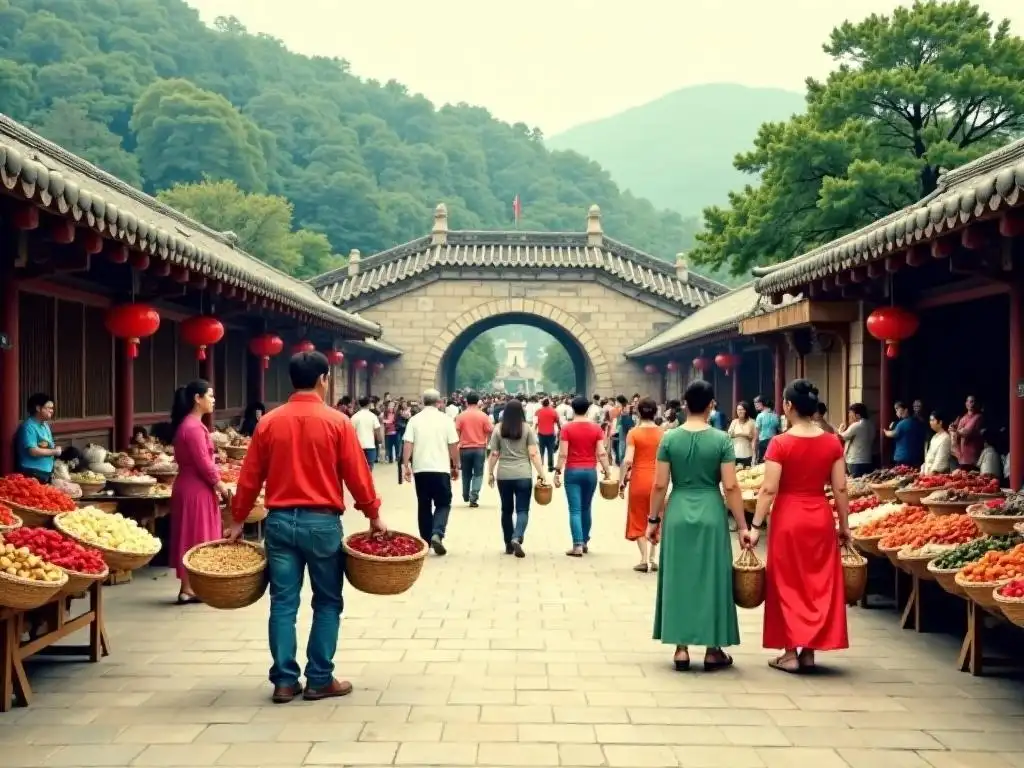
The trade connections established between Japan, Korea, and China during the feudal era played a pivotal role in shaping diplomatic relations. These interactions were not merely transactional; they laid the groundwork for cultural exchanges and political alliances that would influence Japan's development for centuries. The Silk Road, while primarily known for its role in facilitating the movement of goods, also served as a conduit for ideas, technologies, and diplomatic missions.
As Japan engaged in trade with its neighbors, it became increasingly aware of the broader geopolitical landscape in East Asia. The exchange of goods such as silk, ceramics, and spices was often accompanied by diplomatic negotiations, fostering a sense of mutual dependence and cooperation. This period marked the beginning of formal diplomatic protocols, where emissaries were sent to establish relations, negotiate treaties, and secure trade agreements.
Trade with Korea and China not only enriched Japan economically but also brought about a more structured approach to diplomacy, leading to the establishment of long-lasting relationships that would endure throughout the feudal era.
Early Diplomatic Initiatives and Their Outcomes
The earliest diplomatic initiatives between Japan and its neighbors can be traced back to the Asuka period (538–710 AD). During this time, Japan sought to align itself with the advanced cultures of Korea and China. One significant early initiative was the sending of envoys to the Sui and Tang dynasties, which aimed to learn from their governance systems and cultural practices.
The outcomes of these initiatives varied. While some missions were successful in establishing trade agreements and cultural exchanges, others faced resistance or were met with limited success due to Japan's insular policies at the time. However, these early diplomatic efforts laid the foundation for future engagements and set a precedent for subsequent missions that would involve more systematic approaches to diplomacy.
By the Nara period (710–794 AD), Japan had begun to adopt many aspects of Chinese culture, including its bureaucratic systems, which were directly influenced by the diplomatic missions undertaken during the earlier periods. These initiatives not only facilitated trade but also significantly impacted Japan’s social and political structures.
The Role of Envoys in Strengthening Ties
Envoys played a crucial role in strengthening diplomatic ties between Japan and its neighbors. These emissaries were tasked with not only negotiating trade agreements but also fostering cultural exchanges. They traveled along the Silk Road, navigating complex networks that connected various regions and engaged with local leaders and merchants.
The presence of envoys facilitated the exchange of knowledge, language, and cultural practices. For instance, many Japanese scholars who traveled to China returned with Buddhist texts, philosophical ideas, and administrative techniques that influenced Japanese governance and society.
Moreover, the envoys often served as cultural ambassadors, promoting Japanese interests abroad and enhancing Japan's status within the region. Their efforts contributed to a more nuanced understanding of foreign cultures, which in turn enriched Japan’s own cultural landscape.
The Economic Legacy of Silk Road Trade in Feudal Japan
The economic legacy of Silk Road trade in feudal Japan is profound, shaping the country's market dynamics and influencing its economic policies. The influx of goods from Korea and China introduced new products and ideas that transformed local economies and trade practices.
Long-term Economic Impacts on Japanese Markets
The long-term economic impacts of Silk Road trade on Japanese markets are evident in several key areas. Firstly, the introduction of luxury goods such as silk and porcelain created a demand among the Japanese elite, leading to the establishment of a vibrant market for imported goods. This demand stimulated domestic production and craftsmanship, ultimately resulting in a flourishing artisan class.
Furthermore, the trade relationships formed during this time contributed to the rise of merchant classes in Japan. As trade networks expanded, merchants gained significant influence, leading to shifts in social hierarchies. This transformation laid the groundwork for a more complex economy that balanced agricultural production with burgeoning commercial activities.
The economic interactions also encouraged the development of banking practices and credit systems, which facilitated trade and commerce. The legacy of these early economic practices can still be seen in modern Japan's robust market economy.
The Evolution of Trade Routes and Networks
The evolution of trade routes and networks during the feudal era was significantly influenced by the interactions along the Silk Road. Initially, trade was conducted through overland routes, with goods transported across the Asian continent to ports in Korea and China, then shipped to Japan.
As trade flourished, maritime routes became increasingly important. The emergence of sea trade routes allowed for quicker and more efficient transportation of goods, including textiles, metals, and agricultural products. The development of these maritime networks not only enhanced trade volume but also facilitated greater cultural exchanges, as merchants and traders from various regions interacted.
Additionally, the establishment of trade outposts and ports along the Japanese coastline enabled direct contact with foreign traders, further integrating Japan into the larger Asian trading system. These evolving trade routes not only shaped Japan’s economic landscape but also influenced its diplomatic relations, as increased trade led to more robust political ties with neighboring countries.
The legacy of these trade networks is still relevant today, reflecting the enduring impact of the Silk Road on Japan’s historical and cultural development.
The Decline of Silk Road Trade and Its Consequences
The decline of Silk Road trade during the late feudal period in Japan marked a significant turning point in the country’s economic and cultural exchanges with Korea and China. As the trade routes became less reliable due to various geopolitical and environmental factors, the flow of goods, ideas, and cultural influences began to wane. This decline not only reshaped Japan's trade dynamics but also had profound implications for its society and economy.
Factors Leading to the Decline of Trade with Korea and China
Several key factors contributed to the decline of Silk Road trade with Korea and China, impacting the interactions with feudal Japan:
- Political Instability: The rise of powerful regional warlords in China and the internal strife in Korea led to instability along trade routes. This made it increasingly difficult for merchants to safely transport goods across borders.
- Maritime Trade Routes: As European powers began exploring and establishing maritime trade routes, the importance of overland Silk Road routes diminished. Japan started to engage more with European traders, decreasing its reliance on traditional land-based trade.
- Natural Disasters: Frequent earthquakes, typhoons, and other natural disasters during this period disrupted trade activities. These environmental challenges made trade less predictable, discouraging merchants from making long journeys.
- Economic Shifts: The growing self-sufficiency of local economies within Japan led to a decreased demand for foreign goods. As Japan developed its agricultural and manufacturing sectors, the reliance on imported luxury items diminished.
Impact on Japan’s Economic and Cultural Landscape
The decline of Silk Road trade had far-reaching effects on Japan’s economic and cultural landscape:
- Economic Isolation: With the reduction of imports from Korea and China, Japan experienced a degree of economic isolation. This shift forced local artisans and merchants to innovate and create home-grown products, fostering a unique Japanese craftsmanship that thrived in the absence of foreign competition.
- Cultural Homogenization: The waning of cultural exchanges meant that Japan began to develop distinct cultural practices and norms. Although some Chinese influences remained, the lack of new ideas led to a more homogeneous cultural landscape, characterized by indigenous art forms and practices.
- Rise of Domestic Trade: As international trade declined, internal trade networks flourished. Local markets and trade routes became more vital, allowing for a redistribution of wealth and resources within Japan, which helped strengthen the local economy.
Conclusion: The Lasting Legacy of Silk Road Trade on Feudal Japan
The Silk Road trade had a profound and lasting legacy on feudal Japan, leaving marks that can still be observed in various aspects of Japanese society today. Despite its decline, the initial impact of these trade routes laid a foundation for Japan's future economic and cultural development.
Summary of Key Points on Trade Impact
- Introduction of New Goods: The Silk Road facilitated the introduction of luxury goods, influencing local tastes and consumption patterns.
- Cultural Exchange: It allowed for the exchange of ideas, technologies, and religious beliefs, enriching Japanese culture.
- Economic Development: The trade routes contributed to economic growth and the establishment of a merchant class that played a significant role in Japanese society.
Reflection on the Historical Importance of Cross-Cultural Exchange
Cross-cultural exchange through the Silk Road not only shaped Japan's historical trajectory but also emphasized the importance of interconnectedness among nations. The trade fostered relationships that transcended geographical boundaries, highlighting the dynamic nature of cultural interactions. This legacy continues to remind us that globalization is not a novel phenomenon, but rather a continuous thread woven through history, influencing societies and shaping identities around the world.
- Introduction to the Silk Road Trade Impact on Japan
- The Role of Trade in Feudal Japan
- Key Commodities Traded Between Japan, Korea, and China
- The Cultural Exchange Resulting from Silk Road Trade
- Diplomatic Relations Fostered by Trade with Korea and China
- The Economic Legacy of Silk Road Trade in Feudal Japan
- The Decline of Silk Road Trade and Its Consequences
- Conclusion: The Lasting Legacy of Silk Road Trade on Feudal Japan
- What was the Silk Road and its significance to Feudal Japan?
- How did Silk Road trade impact Japan's economy during the feudal era?
- What role did Korea play in the Silk Road trade with Japan?
- How did the cultural exchanges along the Silk Road influence Japanese society?
- What were the long-term effects of Silk Road trade on Japan's development?
Frequently Asked Questions
What was the Silk Road and its significance to Feudal Japan?
The Silk Road was an ancient trade route that connected the East and West, facilitating the exchange of goods, culture, and ideas. Its significance to Feudal Japan lies in the introduction of luxury goods and cultural influences from China and Korea.
How did Silk Road trade impact Japan's economy during the feudal era?
The Silk Road trade brought in valuable commodities such as silk, spices, and ceramics, boosting Japan's economy. It allowed local artisans to develop new techniques and create high-demand products for both domestic and international markets.
What role did Korea play in the Silk Road trade with Japan?
Korea acted as an intermediary between China and Japan, facilitating the exchange of goods and cultural practices. This connection enriched Feudal Japan by providing it with Chinese innovations and fostering diplomatic relations.
How did the cultural exchanges along the Silk Road influence Japanese society?
The cultural exchanges brought by the Silk Road introduced Buddhism, art styles, and technological advancements to Japan. These influences helped shape Japanese society, contributing to its unique cultural identity during the feudal era.
What were the long-term effects of Silk Road trade on Japan's development?
The long-term effects of Silk Road trade included the establishment of trade networks, the spread of cultural practices, and the growth of a market economy. These developments laid the foundation for Japan's future interactions with the world beyond its shores.
Final Reflection: The Enduring Legacy of Silk Road Trade on Japan
The Silk Road trade impact on Japan remains a vital thread in the tapestry of history, illustrating how interconnectedness can shape cultures and societies. Today, as we navigate an increasingly globalized world, the lessons from the past remind us of the profound effects that trade and cultural exchange can have on national identity and societal development. The intricate web of relationships established through the Silk Road not only facilitated the exchange of goods but also ideas, technologies, and philosophies that continue to influence Japan's cultural landscape.
The historical significance of the Silk Road trade extends far beyond mere commerce; it has woven itself into the very fabric of Japanese society. The exchange of knowledge and culture during this period fostered a unique blend of influences that can still be seen in Japan's art, religion, and social structures today. As historian John M. Hobson aptly stated, "> The Silk Road was not merely a trade route; it was a conduit for the exchange of ideas that shaped civilizations." This ongoing influence serves as a reminder of the importance of embracing diversity and understanding our shared histories.
As we reflect on the Silk Road's impact, let us consider how we can apply these lessons in our own lives. Embrace the spirit of curiosity and openness to learn from others, recognizing that our connections can enrich our understanding of the world. In a time where division often overshadows collaboration, let us strive to foster relationships that honor our shared humanity, drawing inspiration from the past to build a more interconnected and harmonious future.
Unveil the Legacy: Shape Your Understanding of Feudal Japan!
Thank you for diving into the fascinating world of Feudal Japan and exploring the profound impact of trade with Korea and China. You've uncovered invaluable insights into how these connections have shaped cultural exchanges and historical narratives. Now, it's time to harness that knowledge and take action!
Here are a few ways you can deepen your understanding and engage with this rich history:
- Dive Deeper: Explore more articles on our site that detail various aspects of trade and cultural influence during the Feudal period. **Knowledge is power! **
- Join the Conversation: Share your thoughts with fellow history enthusiasts on our forum. **Engaging with others can lead to new discoveries! **
- Expand Your Horizons: Consider reading books or watching documentaries about the Silk Road and its broader influence on East Asia. **You might uncover surprising connections! **
What new perspective have you gained from the trade connections between Japan, Korea, and China that could reshape our understanding of history?