
The Role of Feudal Japan Figurines in Japanese Festivals and Celebrations

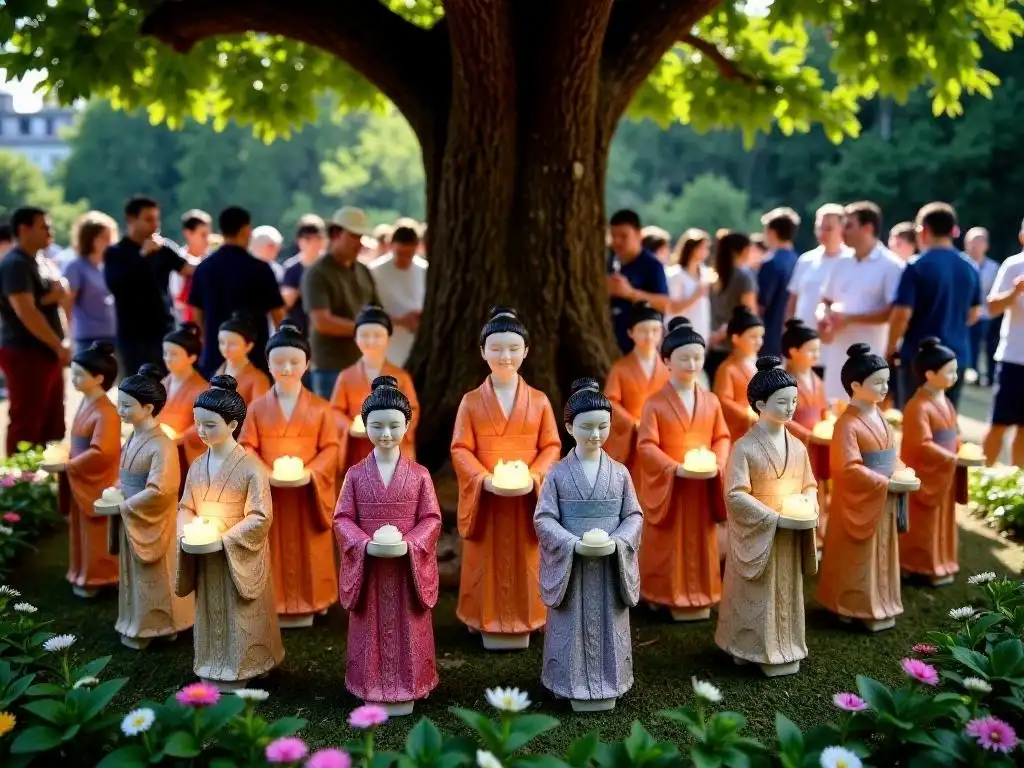
Welcome to Feudal Japan History, where we invite you to embark on a fascinating journey through the rich tapestry of Japan’s feudal era. In our featured article, we delve into the significance of Feudal Japan figurines—not just as artistic expressions, but as integral elements woven into the fabric of Japanese festivals and celebrations. What stories do these figurines tell, and how do they reflect the cultural identity of a time long past?
Join us as we uncover the layers of history and tradition that make these artifacts so captivating, and discover why they continue to resonate in contemporary society. Your exploration begins here!
- Introduction to Feudal Japan Figurines Significance
- Historical Context of Feudal Japan Figurines
- Cultural Significance of Feudal Japan Figurines
- The Role of Figurines in Festivals
- Collecting Feudal Japan Figurines
- The Modern Relevance of Feudal Japan Figurines
- Conclusion: The Enduring Legacy of Feudal Japan Figurines in Celebrations
-
Frequently Asked Questions
- What is the significance of Feudal Japan figurines in Japanese culture?
- How are figurines utilized in Japanese festivals?
- What materials are commonly used to create Feudal Japan figurines?
- What role do figurines play in celebrations?
- Are there specific festivals that prominently feature Feudal Japan figurines?
- Final Reflection: The Enduring Significance of Feudal Japan Figurines
- Embrace the Spirit of Feudal Japan Festivities!
Introduction to Feudal Japan Figurines Significance
Feudal Japan was a time rich in tradition, artistry, and cultural significance, with a legacy that continues to influence Japanese society today. Among the many artifacts that emerged during this era, figurines hold a special place, embodying both the artistry of their creators and the cultural narratives they represent.
This article delves into the significance of Feudal Japan figurines, particularly in the context of festivals and celebrations, illustrating how these small yet powerful representations of historical figures, deities, and everyday life contribute to the vibrant tapestry of Japanese cultural heritage. By examining their roles in various festivities, we can appreciate how these figurines not only serve as collectibles but also as vital components of historical and cultural identity.
Overview of Feudal Japan and Its Cultural Heritage
The feudal period in Japan, spanning from the 12th to the 19th century, was marked by a distinct social hierarchy led by the samurai class. This era was characterized by the emergence of powerful clans, military conflicts, and a rich cultural landscape that included literature, art, and religion.
- Key Features of Feudal Japan:
- Samurai Culture: The samurai were not just warriors; they were also patrons of the arts, contributing to the cultural development of Japan.
- Religious Influences: Shinto and Buddhism played significant roles in shaping the cultural practices and beliefs of the time.
- Artistic Expression: The era saw the rise of various art forms, including ceramics, painting, and notably, the intricate craftsmanship of figurines.
These figurines often depicted samurai, mythological creatures, and religious figures, serving both decorative and spiritual purposes. They were not merely artistic expressions but reflections of the values, beliefs, and traditions of the time, encapsulating the essence of Japanese culture.
The Importance of Figurines in Japanese Festivals and Celebrations
Figurines have played an essential role in Japanese festivals and celebrations, acting as symbols of prosperity, protection, and cultural continuity.
- Roles of Figurines in Festivals:
- Symbolic Representations: Figurines often represent deities or important historical figures, invoking their blessings during celebrations.
- Cultural Identity: They help preserve and transmit cultural heritage, connecting generations through shared traditions.
- Artistic Showcases: Festivals frequently feature displays of figurines, highlighting the craftsmanship and artistic styles of different regions.
For instance, during the Hinamatsuri (Doll Festival), ornamental dolls representing the emperor, empress, and their court are displayed, symbolizing the hope for the health and happiness of girls. Similarly, Setsubun, a festival marking the beginning of spring, involves the use of figurines to ward off evil spirits and bring in good fortune.
The significance of Feudal Japan figurines transcends their physical form, embodying the rich cultural narratives and traditions of Japanese festivals and celebrations, reinforcing their importance as both collectibles and cultural artifacts.
Historical Context of Feudal Japan Figurines
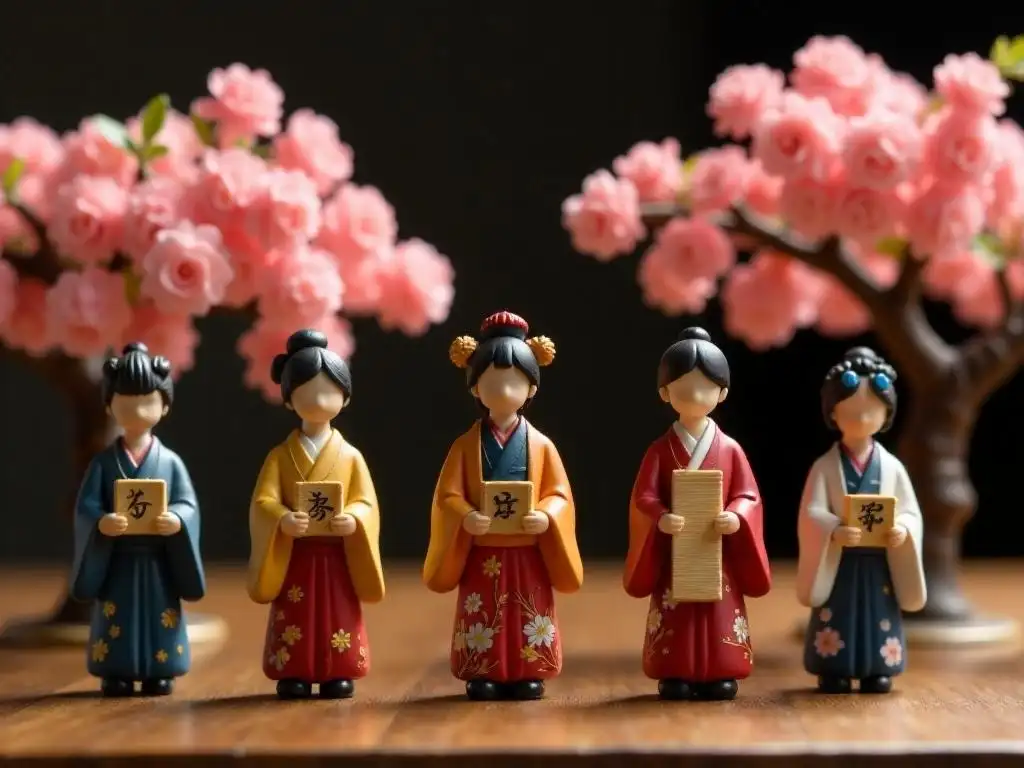
Origins of Figurines in Feudal Japan
The origins of figurines in Feudal Japan can be traced back to the early periods of Japanese history, specifically the Jomon and Yayoi eras. During these early times, small clay figurines known as haniwa were created for ritualistic purposes and served as funerary objects to honor the deceased. These figurines often depicted human forms, animals, and various symbols of nature, reflecting the spiritual beliefs of the time.
As Japan transitioned into the Heian period (794-1185), the aesthetic and functional roles of figurines began to shift. Artisans started creating more intricate and detailed representations, often inspired by the nobility, literature, and the emerging samurai culture. At this point, figurines began to serve not only as religious symbols but also as decorative items, reflecting the social status and wealth of their owners.
Evolution of Figurine Craftsmanship Through the Eras
The craftsmanship of Feudal Japan figurines saw significant advancements from the Kamakura period (1185-1333) through the Edo period (1603-1868). Each era brought about unique styles and techniques, showcasing the evolving artistry of Japanese artisans.
- Kamakura Period: This era marked the beginning of realism in figurine design. Artisans began to emphasize naturalistic features and expressions, inspired by the changing social dynamics and the influence of Buddhism. The use of wood and clay became prominent, with many figurines depicting Buddhist deities and samurai warriors.
- Muromachi Period: The aesthetics of Zen Buddhism influenced the creation of figurines during this time. Craftsmen began to employ more abstract forms and simplified designs, emphasizing minimalism and elegance. The introduction of new materials such as porcelain also expanded the possibilities for figurine artistry.
- Edo Period: The Edo period saw a flourishing of culture and commerce, which significantly impacted figurine production. Artists began to create colorful kokeshi dolls and daruma figurines, which were used not only for decoration but also as talismans for good luck and prosperity. This era was characterized by a blend of traditional craftsmanship and the incorporation of popular culture, leading to the mass production of figurines.
The evolution of figurine craftsmanship in Feudal Japan reflects the broader societal changes and the rich tapestry of cultural influences that shaped the nation during this dynamic period.
Connection Between Figurines and Japanese Festivals
Feudal Japan figurines hold significant cultural value, particularly in relation to the various festivals and celebrations throughout the year. These figurines are often seen as symbols of prosperity, protection, and good fortune, playing integral roles in traditional festivities.
- Hinamatsuri (Doll Festival): Celebrated on March 3rd, Hinamatsuri features elaborate displays of hina dolls, which represent the Emperor, Empress, and their court. These figurines are believed to bring health and happiness to girls, showcasing the importance of figurines in family celebrations and cultural practices.
- Tanabata (Star Festival): During Tanabata, it is customary to place figurines and ornaments on bamboo branches. These figurines often symbolize the wishes and hopes of the participants, representing a connection between the human experience and the celestial.
- Setsubun (Bean-Throwing Festival): Figurines representing Oni (demons) are used during this festival to ward off evil spirits. By throwing roasted soybeans at these figurines, participants hope to cleanse their homes of misfortune and invite good luck for the upcoming year.
Overall, the significance of Feudal Japan figurines in festivals and celebrations underscores their role as cultural artifacts that embody the spiritual and social values of Japanese society. From their origins to their evolving craftsmanship, these figurines serve as a testament to the enduring legacy of Japan's rich cultural heritage.
Cultural Significance of Feudal Japan Figurines
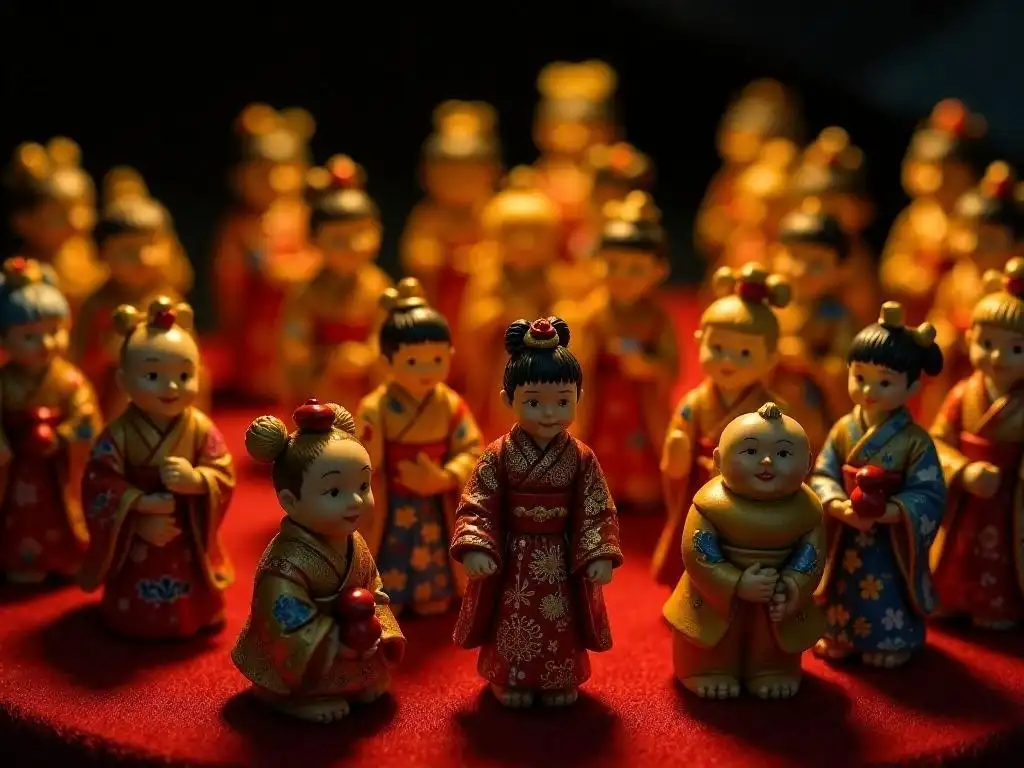
Feudal Japan figurines hold a profound cultural significance that extends beyond mere collectibles. They serve as tangible representations of the rich history, beliefs, and artistic traditions of Japan during the feudal era. Each figurine is intricately crafted, often reflecting the values and ideals of the time, as well as the societal roles of different characters within the feudal hierarchy. These artifacts are not only a celebration of artistry but also a means of preserving and transmitting cultural narratives that resonate with contemporary audiences.
The significance of these figurines is particularly pronounced during festivals and celebrations, where they play an essential role in rituals, storytelling, and community bonding. They help to evoke the spirit of the past, allowing individuals to connect with their cultural heritage and pass down traditions to future generations.
Symbolism Behind Popular Figurines
The diverse range of figurines from Feudal Japan encapsulates various themes and stories, each with its own unique symbolism. Understanding this symbolism enhances our appreciation of these collectibles and their role in Japanese culture. Below are some of the most popular figurine types and their meanings.
Samurai Figurines: Representations of Honor and Bravery
Samurai figurines are perhaps the most iconic representations of the feudal era. These figures symbolize the Bushido code, which emphasizes honor, loyalty, and bravery.
- Artistic Features: Samurai figurines are typically adorned in elaborate armor, often depicted in dynamic poses that suggest readiness for battle. The attention to detail in these figurines reflects not only the craftsmanship but also the reverence for the samurai class.
- Cultural Impact: During festivals, samurai figurines often serve as talismans of protection and strength. They remind participants of the values upheld by the samurai, encouraging them to embody those traits in their daily lives.
Geisha Figurines: Embodiments of Grace and Artistry
Geisha figurines represent one of the most celebrated aspects of Japanese culture— artistry and grace.
- Artistic Features: These figurines are characterized by their stunning kimonos, meticulously crafted hairstyles, and delicate facial expressions. Each detail is intentionally designed to capture the elegance associated with geishas.
- Cultural Impact: In festivals, geisha figurines symbolize the appreciation of beauty and the arts. They serve as reminders of the importance of cultural practices such as tea ceremonies, dance, and music, which are integral to Japanese heritage.
Mythological Creatures: Guardians of Traditions
Mythological creature figurines, including dragons and kitsune (fox spirits), represent the mystical elements of Japanese folklore.
- Artistic Features: These figurines often feature exaggerated features and vibrant colors, emphasizing their supernatural nature. The craftsmanship involved in creating these pieces highlights the richness of Japanese mythology.
- Cultural Impact: During celebrations, these figurines are believed to act as guardians against evil spirits and misfortune. They play a crucial role in rituals intended to ensure good luck and prosperity for the community.
The significance of Feudal Japan figurines transcends their aesthetic appeal. They embody the values, beliefs, and artistic achievements of a bygone era, serving as vital links to Japan's cultural heritage. Whether through samurai figures representing honor, geishas symbolizing grace, or mythological creatures acting as protectors, these collectibles continue to enrich Japanese festivals and celebrations, fostering a sense of identity and continuity within the culture.
The Role of Figurines in Festivals
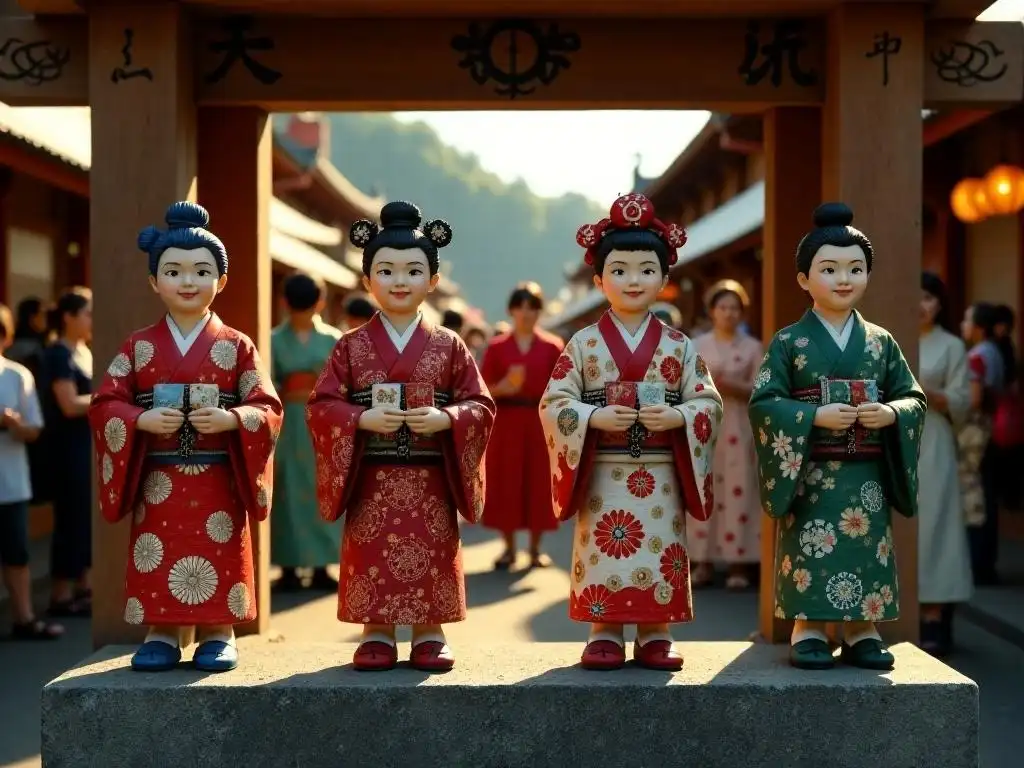
Figurines from the feudal era of Japan have played an integral role in various festivals and celebrations, serving not only as decorative items but also as symbols of cultural heritage, spirituality, and social values. These figurines, often meticulously crafted to represent historical figures, deities, or traditional motifs, embody the artistic and cultural nuances of their time. Their significance transcends mere aesthetics, as they connect communities to their historical roots and foster a sense of identity during celebratory occasions.
Key Festivals Celebrating Feudal Japan Figurines
Throughout Japan's history, several key festivals have prominently featured feudal Japan figurines. These festivals not only highlight the craftsmanship involved in creating these collectibles but also emphasize their cultural importance. Below are some of the most notable festivals where figurines play a central role:
The Doll Festival (Hinamatsuri) and Its Connection to Figurines
Hinamatsuri, also known as the Doll Festival, is celebrated on March 3rd each year and is dedicated to the health and happiness of girls. This festival is characterized by the display of intricately crafted hina dolls, which are representative of the Heian period's imperial court.
- Historical Significance: The hina dolls are believed to have originated from the custom of using straw dolls to ward off evil spirits. Over time, these dolls evolved into the elaborate figures seen today.
- Display and Rituals: Families display a tiered platform adorned with dolls dressed in traditional clothing, symbolizing the emperor, empress, and their court. This practice not only honors the girls but also reinforces cultural values surrounding femininity and family.
- Cultural Impact: The festival promotes appreciation for traditional craftsmanship, as the making of these dolls involves skilled artisans who preserve ancient techniques.
Aoi Matsuri: The Role of Figurines in Rituals and Celebrations
Aoi Matsuri, celebrated in May, is one of Kyoto's oldest festivals, dating back to the Heian period. This festival features a grand procession of participants dressed in aristocratic attire, accompanied by figurines that symbolize the gods and nature.
- Figurines in Processions: During the festival, figurines representing deities are carried as offerings to ensure a good harvest and the well-being of the community. These figurines serve as a conduit between the spiritual and physical worlds.
- Cultural Representation: The use of figurines in Aoi Matsuri reflects the deep connection between nature and spirituality in Japanese culture, showcasing how ancient beliefs are celebrated through tangible representations.
- Community Engagement: The festival fosters a sense of unity among participants and spectators, as the display of figurines becomes a communal experience that emphasizes shared traditions and values.
Figurines as Offerings: Spiritual Significance in Festivals
The spiritual significance of feudal Japan figurines cannot be understated, particularly as offerings during various festivals. These figurines are often imbued with symbolic meanings and are used to invoke blessings and protection.
- Symbolic Offerings: Figurines are presented to deities or ancestors during festivals, reflecting the belief that these objects can carry prayers and intentions. This practice is rooted in the Shinto tradition, where objects can embody divine presence.
- Ritualistic Use: Many festivals incorporate rituals where figurines are placed on altars or shrines as a means of seeking favor from the gods, demonstrating respect and reverence for the spiritual world.
- Cultural Preservation: The ongoing practice of using figurines as offerings not only keeps ancient traditions alive but also reinforces the importance of cultural heritage in contemporary society.
The significance of feudal Japan figurines in festivals extends beyond their aesthetic appeal; they are vital cultural artifacts that enrich celebrations, embody historical narratives, and foster community bonds. Their role as both decorative items and spiritual offerings underscores their enduring relevance in Japanese culture.
Collecting Feudal Japan Figurines
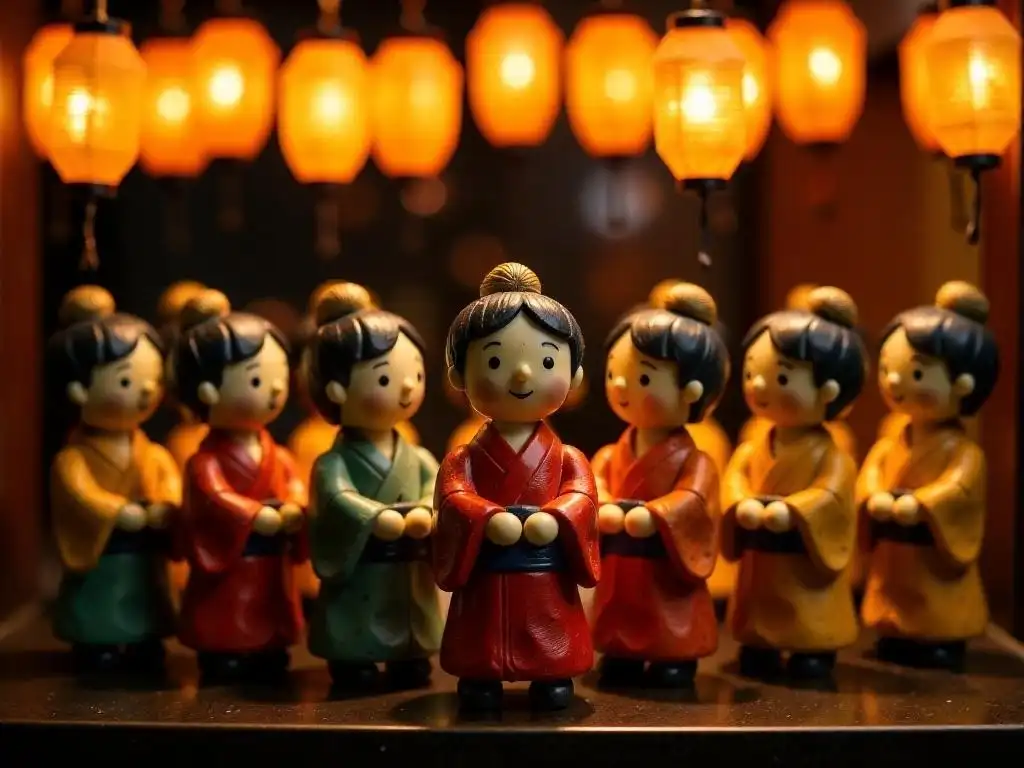
How to Start Your Collection of Feudal Japan Figurines
Starting a collection of Feudal Japan figurines can be an enriching experience, allowing collectors to connect with Japan's rich history and culture. Here are some steps to guide you on your journey:
- Research:
- Familiarize yourself with the different types of figurines available from the Feudal Japan era. This includes samurai, geisha, and other cultural figures. Understanding the historical context can enhance your appreciation of each piece.
- Explore online resources, books, and documentaries focused on Feudal Japan to gain insight into the significance of these figurines.
- Set a Budget:
- Determine how much you are willing to spend on your collection. Prices can vary widely based on the figurine's material, age, and rarity.
- Consider allocating funds for both purchasing and maintaining your collection.
- Join Collector Communities:
- Engage with online forums and social media groups dedicated to Feudal Japan figurines. These communities can provide valuable advice, trade opportunities, and insights into upcoming collectibles.
- Attend events or conventions where collectors gather to share their passion and knowledge.
- Visit Antique Shops and Auctions:
- Explore local antique shops, flea markets, and estate sales for unique finds. Many shops specialize in collectibles from different eras, including Feudal Japan.
- Participate in auctions where figurines are sold. This can be an exciting way to acquire rare pieces.
- Document Your Collection:
- Keep a detailed inventory of your collection, noting the acquisition date, price, and any historical significance. This documentation can enhance the value of your collection and help you track its evolution over time.
By following these steps, you'll be well on your way to building a compelling collection of Feudal Japan figurines that reflect the historical and cultural significance of this fascinating era.
Recommended Brands and Products for Collectors
When it comes to collecting Feudal Japan figurines, certain brands stand out for their quality and attention to detail. Here are some recommended brands that offer exceptional products for collectors:
Hasegawa: High-Quality Samurai Figurines
Hasegawa is renowned for its meticulously crafted samurai figurines, which capture the essence of the heroic warriors from Feudal Japan. Key aspects of Hasegawa figurines include:
- Detailing: Each figurine is made with precision, showcasing intricate armor designs and authentic historical features.
- Materials: Hasegawa uses high-quality materials, ensuring durability and a fine finish that enhances the visual appeal of the figurines.
- Variety: The brand offers a diverse range of samurai figures, from famous historical warriors to unique interpretations, making it easy for collectors to find pieces that resonate with them.
Takashi: Unique Geisha Figurines for Collectors
Takashi specializes in producing exquisite geisha figurines that reflect the elegance and artistry of these iconic figures from Japanese culture. Notable features include:
- Artistic Design: Takashi figurines often depict traditional kimonos and hairstyles, capturing the grace and beauty associated with geisha culture.
- Limited Editions: The brand frequently releases limited edition pieces, making them highly sought after among collectors. Owning a limited edition figurine can significantly enhance the value of your collection.
- Cultural Authenticity: Each figurine is designed with careful attention to historical accuracy, representing the cultural significance of geishas in Feudal Japan.
These brands not only provide exceptional craftsmanship but also emphasize the historical and cultural significance of Feudal Japan figurines, making them ideal choices for serious collectors.
Tips for Authenticating Feudal Japan Figurines
When collecting Feudal Japan figurines, ensuring authenticity is crucial for both value and cultural significance. Here are some effective tips to help you authenticate your figurines:
- Research Provenance: Understanding the history of the figurine can provide vital clues about its authenticity. Provenance includes any documented ownership history, previous appraisals, or exhibition records. Collectors should seek out reputable dealers who provide documentation.
- Examine Materials and Techniques: Feudal Japan figurines are often made from specific materials such as wood, ceramic, or metal. Pay attention to the craftsmanship—traditional techniques like hand-painting or intricate carving are indicative of genuine pieces. For example, look for signs of wear and patina that suggest age, rather than modern manufacturing processes.
- Look for Markings and Signatures: Many authentic figurines bear the marks or signatures of their creators, especially in the case of well-known artisans. Research common signatures associated with reputable makers and check for these markings on the base or other inconspicuous areas of the figurine.
- Consult Experts: Don’t hesitate to reach out to specialists or appraisers who focus on Japanese artifacts. They can provide a professional opinion that may confirm the authenticity of your figurine. Many museums also offer consultation services.
- Compare with Reference Materials: Utilize books, catalogs, and online resources dedicated to Feudal Japan collectibles. Compare your figurine with images and descriptions in these references to identify discrepancies in design, style, or material.
- Join Collector Communities: Engaging with fellow collectors through forums, social media groups, and local clubs can be an invaluable resource. Experienced collectors often share insights and can provide advice on how to spot fakes.
Caring for and Displaying Your Figurine Collection
Proper care and display of your Feudal Japan figurines are essential to maintain their condition and enhance their aesthetic appeal. Here are some tips to ensure your collection remains in top shape:
- Cleaning Techniques: Dust your figurines regularly using a soft, dry cloth to prevent dirt accumulation. For deeper cleaning, slightly dampen the cloth, but avoid using harsh chemicals that could damage the finish. Always test any cleaning method on a small, inconspicuous area first.
- Avoid Direct Sunlight: Prolonged exposure to sunlight can fade colors and degrade materials. Display your figurines in a well-lit area but shield them from direct sunlight. Consider using UV-filtering glass for display cases to provide additional protection.
- Climate Control: Maintain a stable environment with controlled humidity and temperature. Extreme fluctuations can cause materials to crack or warp. Ideally, keep the display area at a temperature of around 68-72°F (20-22°C) with a humidity level of 40-50%.
- Use Proper Display Cases: Invest in quality display cases that provide protection while allowing visibility. Glass cases can protect figurines from dust and accidental damage while enhancing their beauty. Ensure that the cases are spacious enough to prevent crowding.
- Positioning for Stability: When placing figurines on shelves or displays, ensure they are stable and unlikely to tip over. Avoid overcrowding shelves, which can lead to accidental damage. It’s wise to use museum putty to secure smaller figurines and prevent them from moving.
- Rotate Displays Regularly: To avoid uneven wear and fading, consider rotating your figurine display periodically. This practice not only showcases different pieces but also ensures that light exposure is evenly distributed.
By following these tips for authentication and care, collectors can preserve the beauty and significance of their Feudal Japan figurines while enjoying the cultural heritage they represent.
The Modern Relevance of Feudal Japan Figurines
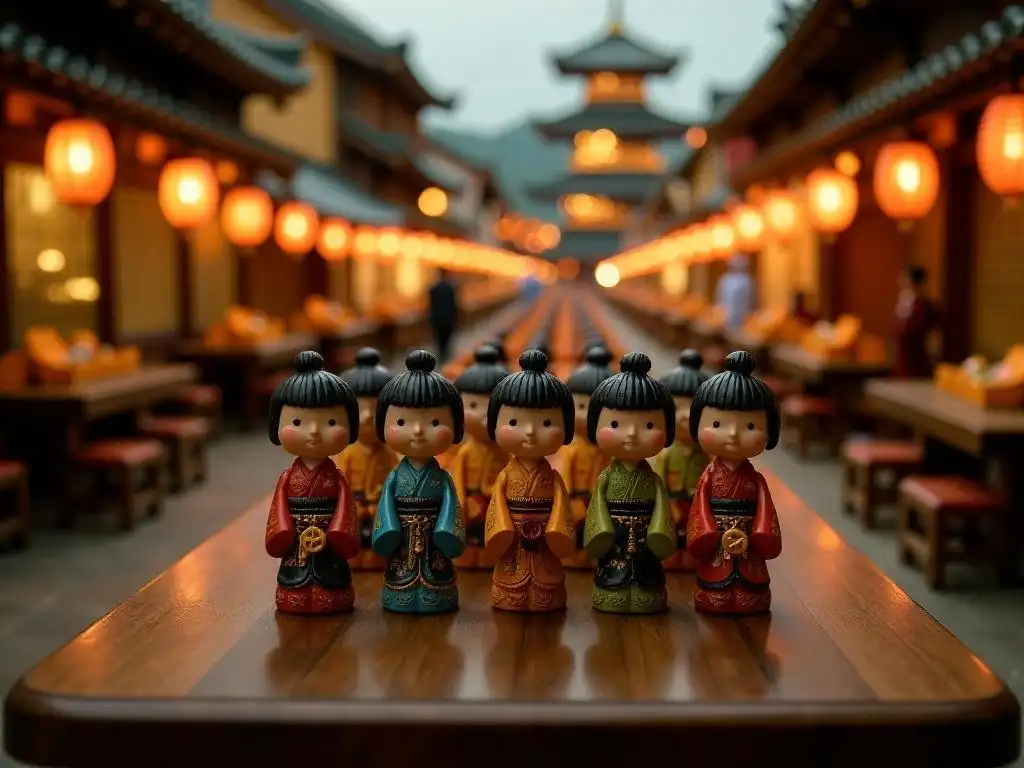
Feudal Japan figurines hold significant cultural and historical value, transcending their origins to influence contemporary practices and celebrations. As representations of Japan's rich heritage, these figurines are more than mere collectibles; they play a pivotal role in modern festivals and contribute to the ongoing appreciation of Japanese culture. Their significance is reflected in various aspects of society, from contemporary celebrations to the tourism industry.
Contemporary Festivals Featuring Historical Figurines
In modern Japan, numerous festivals honor the feudal era and incorporate figurines as central elements. These festivals not only celebrate historical events but also provide a platform for showcasing craftsmanship and cultural narratives.
- Hinamatsuri (Doll Festival):
- Celebrated on March 3rd, Hinamatsuri is a traditional festival where families display ornamental dolls (Hina-ningyo) that represent the Heian period imperial court. The significance of these dolls lies in their connection to historical aristocracy and the hope for the prosperity and health of daughters.
- Tanabata (Star Festival):
- This festival, originating from the legend of two stars, features colorful decorations and often includes figurines that depict the story's characters. The incorporation of feudal-era motifs enriches the traditional celebrations, making them a blend of history and modern festivities.
- Setsubun:
- Setsubun marks the beginning of spring in Japan, where figurines representing demons (oni) are used in rituals to drive away evil spirits. The historical context of these figurines connects the celebration to ancient beliefs and practices, reinforcing their relevance in contemporary society.
These festivals demonstrate how feudal Japan figurines continue to play a vital role in cultural expressions, linking past traditions with present-day celebrations.
How Figurines Influence Modern Japanese Culture
The influence of feudal Japan figurines extends beyond festivals into various aspects of modern Japanese culture. These figurines serve as symbols of identity and heritage, inspiring contemporary art, fashion, and design.
- Artistic Inspiration:
- Many contemporary artists draw inspiration from feudal Japan figurines, integrating traditional designs into modern artworks. This fusion of old and new not only preserves historical aesthetics but also fosters innovation in artistic expression.
- Fashion and Design:
- The motifs and styles derived from feudal Japan figurines have made their way into fashion. Designers often incorporate traditional patterns and themes into clothing and accessories, allowing individuals to connect with their heritage in a modern context.
- Cultural Education:
- Schools and cultural institutions use feudal Japan figurines as educational tools, teaching students about Japan's history, societal structures, and cultural practices. This educational aspect ensures that the significance of these figurines is passed down through generations.
By influencing various facets of modern culture, feudal Japan figurines contribute to a deeper understanding and appreciation of Japan's rich historical tapestry.
The Impact of Collectible Figurines on Tourism and Cultural Appreciation
Collectible feudal Japan figurines have become integral to Japan's tourism industry, attracting enthusiasts and collectors from around the globe. Their impact can be observed in several key areas:
- Cultural Tourism:
- Tourists often seek authentic experiences that connect them to Japan's history. Festivals featuring feudal Japan figurines offer immersive experiences, allowing visitors to engage with historical narratives and traditional practices.
- Artisan Markets:
- Many regions in Japan host artisan markets where local craftsmen sell collectible figurines. These markets not only promote the preservation of traditional craftsmanship but also provide a unique shopping experience for tourists seeking genuine cultural products.
- Museums and Exhibitions:
- Museums frequently showcase feudal Japan figurines in exhibitions that highlight their historical significance. Such displays educate visitors on the cultural context of these figurines, fostering a greater appreciation for Japanese heritage.
As a result, feudal Japan figurines serve not only as collectibles but also as vital links between the past and present, enriching the tourism experience and promoting cultural appreciation on a global scale.
Conclusion: The Enduring Legacy of Feudal Japan Figurines in Celebrations
Feudal Japan figurines play a pivotal role in the cultural tapestry of Japanese festivals and celebrations. Their significance transcends mere decoration; these figurines are imbued with historical narratives, embodying the values, traditions, and aesthetics of the feudal era. This conclusion encapsulates the enduring legacy of these collectible items, highlighting their importance in contemporary Japanese culture and celebrations.
Summary of the Significance of Feudal Japan Figurines
Feudal Japan figurines serve as tangible connections to the past, representing various aspects of Japanese society during the feudal era. They often depict samurai, geisha, and mythological figures, each carrying deep cultural meanings. For instance:
- Samurai Figurines: Symbolizing honor and loyalty, these figurines often embody the bushido code, which emphasizes virtues such as courage and integrity.
- Geisha Figurines: Representing grace and artistry, these figures celebrate the cultural heritage of traditional Japanese entertainment and the beauty of craftsmanship.
- Mythological Figures: These figurines, such as those depicting deities or legendary creatures, reflect the spiritual beliefs and folklore of Japan, playing a role in rituals and celebrations.
The presence of these figurines in festivals not only enhances the visual appeal of the events but also educates attendees about Japan’s rich history and cultural practices. In many cases, they are used in Shinto rituals, serving as offerings to deities and ensuring blessings for the community.
Encouragement to Explore and Collect Figurines
For enthusiasts and collectors alike, engaging with Feudal Japan figurines is more than just an aesthetic pursuit; it is an invitation to delve deeper into Japan's cultural heritage. Collecting these figurines can be a rewarding hobby that fosters a greater appreciation for the history and artistry of the feudal era.
If you're intrigued by the significance of these collectible items, consider exploring local markets, online platforms, or museums that feature authentic Feudal Japan figurines. Each piece tells a story, offering insights into the societal values and artistic expressions of its time.
Moreover, participating in festivals where these figurines are showcased can enrich your understanding of their cultural importance. Engaging with fellow collectors and historians can also provide valuable context and foster a community around this fascinating aspect of Japanese culture.
The significance of Feudal Japan figurines in Japanese festivals and celebrations is profound. They serve not only as decorative objects but as vessels of history, culture, and community connection. Collecting and appreciating these figurines allows us to honor the legacy of feudal Japan and keep its stories alive for future generations.
Frequently Asked Questions
What is the significance of Feudal Japan figurines in Japanese culture?
Feudal Japan figurines symbolize historical events and cultural values. They are often used in festivals to commemorate traditions and honor ancestors.
How are figurines utilized in Japanese festivals?
During festivals, figurines are displayed to represent deities, historical figures, or mythical creatures, serving as a reminder of Japan's rich cultural heritage.
What materials are commonly used to create Feudal Japan figurines?
These figurines are typically crafted from materials such as wood, ceramics, or paper-mâché, each chosen for its ability to represent the artistic styles of the era.
What role do figurines play in celebrations?
Figurines are integral to celebrations, as they bring symbolism and meaning to rituals, enhancing the overall cultural experience and connecting people with their heritage.
Are there specific festivals that prominently feature Feudal Japan figurines?
Yes, festivals such as Hinamatsuri (Doll Festival) and Shichi-Go-San incorporate these figurines, highlighting their historical significance and role in celebrating childhood milestones.
Final Reflection: The Enduring Significance of Feudal Japan Figurines
The role of feudal Japan figurines in festivals and celebrations is not merely a relic of the past but a vibrant thread in the tapestry of contemporary Japanese culture. These figurines serve as powerful symbols that connect us to the rich history and traditions of Japan, reminding us of the values and stories that have shaped the nation. As we navigate an increasingly globalized world, the significance of these artifacts becomes even more pronounced, urging us to appreciate and preserve our cultural heritage.
Cultural artifacts like feudal Japan figurines continue to influence modern celebrations and festivals, fostering a sense of identity and community. They invite us to reflect on our shared history and the narratives that bind us together. As noted by cultural historian Dr. Hiroshi Tanaka, > “Tradition is not the worship of ashes, but the preservation of fire.” This sentiment resonates deeply as we witness how these figurines inspire creativity and unity in contemporary festivities, bridging the gap between the past and the present.
As you consider the role of feudal Japan figurines in your own life, I invite you to reflect on the traditions that shape your identity and the stories you carry forward. Embrace the lessons of history and let them guide your celebrations, fostering a deeper connection with your cultural roots. By honoring these symbols, we not only celebrate our heritage but also inspire future generations to cherish and uphold the significance of their own traditions.
Embrace the Spirit of Feudal Japan Festivities!
Thank you for taking the time to explore the fascinating role of figurines in Japanese festivals and celebrations. You've uncovered not just a glimpse of history but also the vibrant essence of cultural expressions that bring communities together. Now, it's your turn to take action and dive deeper into this enchanting world!
Here are some steps you can take right now:
- Explore a local festival—find out if there are any upcoming Japanese festivals in your area and immerse yourself in the rich traditions and beautiful figurines showcased there.
- Share your thoughts—connect with fellow history enthusiasts by sharing this article. Post it on social media or send it to a friend who appreciates cultural history!
- Discover the artistry—research various types of figurines from feudal Japan, and perhaps even try your hand at creating a small replica or drawing your favorite one.
What fascinates you most about the traditions surrounding Japanese festivals? We’d love to hear your insights!