
The Connection Between Ryokan and Zen Buddhism: A Tranquil Retreat

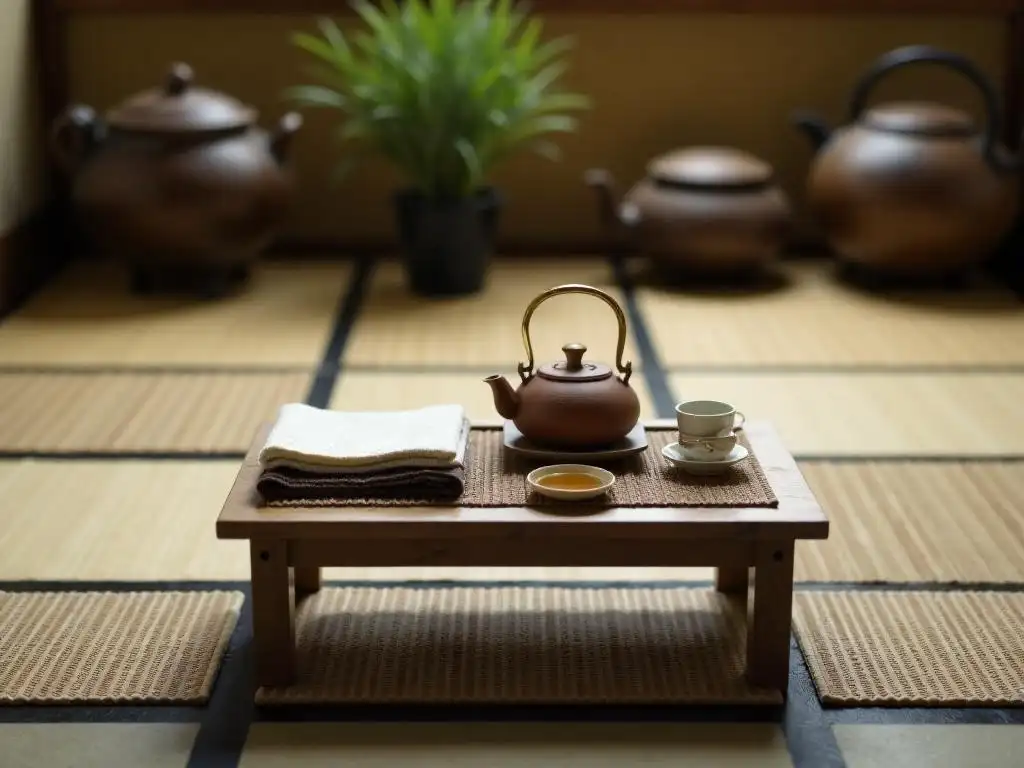
Welcome to Feudal Japan History, where we invite you to embark on a fascinating journey through the intricacies of Japan's feudal era. Our site offers a treasure trove of expert-driven insights into the rich tapestry of historical, cultural, and societal elements that shaped this remarkable period. In our featured article, "The Connection Between Ryokan and Zen Buddhism: A Tranquil Retreat," we delve into the serene world of ryokan inns and their profound ties to Zen Buddhism.
Discover how these peaceful havens fostered spiritual reflection and cultural exchange, inviting you to explore the tranquil depths of Japan's past. Prepare to be captivated as you uncover the serene connection that awaits you!
Introduction to Ryokan and Zen Buddhism
The connection between Ryokan and Zen Buddhism is a profound aspect of Japan’s rich cultural tapestry. Ryokan, traditional Japanese inns, serve not only as places of lodging but also as sanctuaries of peace and reflection. Rooted in simplicity and harmony, these inns embody Zen principles that have significantly influenced Japanese culture throughout history. As travelers seek solace and tranquility, the serene environments of Ryokan offer a unique experience that harmonizes with the Zen Buddhist philosophy of mindfulness and appreciation for nature.
In the context of Zen Buddhism, which emphasizes meditation, simplicity, and the beauty of the natural world, Ryokan provide an ideal setting for guests to unwind and connect with their surroundings. The minimalist designs, natural materials, and tranquil gardens found in these inns reflect the essence of Zen, making them not just accommodations but also spiritual retreats. This article will delve deeper into the historical roots, architectural features, and the holistic experience of staying in a Ryokan, illustrating how these traditional inns are intertwined with the teachings of Zen Buddhism.
Historical Context of Ryokan and Zen Buddhism in Feudal Japan
To fully grasp the Ryokan and Zen Buddhism connection, it is essential to explore the historical context of both entities during the feudal era in Japan. The emergence of Zen Buddhism in the 12th century marked a significant shift in Japanese spirituality and culture, leading to the establishment of various Zen temples and practices throughout the country. This new philosophical outlook encouraged a return to simplicity and a deeper connection with nature, principles that resonated with the aesthetic values of the time.
As the samurai class rose to prominence, the need for places of rest for weary travelers became increasingly apparent. Ryokan began to flourish as humble lodgings that provided not just food and shelter, but also a space for reflection and tranquility. Many of these inns were located near Zen temples, allowing guests to immerse themselves in the peaceful ambiance and engage in Zen practices, such as meditation and tea ceremonies.
The cultural exchange between Ryokan and Zen Buddhism laid the foundation for a unique hospitality experience that prioritizes mindfulness and tranquility. By the late Edo period, Ryokan had evolved into a more formalized aspect of Japanese culture, becoming synonymous with relaxation and the appreciation of nature.
Architectural Features of Ryokan Reflecting Zen Principles
The architecture of Ryokan is intricately designed to reflect Zen principles, creating an atmosphere conducive to relaxation and introspection. Key features include:
- Natural Materials: Ryokan are constructed using materials such as wood, bamboo, and rice paper, which not only harmonize with the surrounding environment but also promote a sense of warmth and comfort.
- Tatami Mats: The traditional tatami flooring, made from rice straw and covered with woven rush grass, embodies the Zen philosophy of simplicity and natural beauty. These mats provide a soft, calming surface that enhances the overall experience of the space.
- Shoji Screens: Sliding shoji screens allow for flexible room arrangements while filtering natural light into the space, creating a serene atmosphere that encourages mindfulness.
- Zen Gardens: Many Ryokan feature meticulously designed gardens that reflect Zen aesthetics. These gardens often include elements such as rocks, gravel, and carefully placed plants, promoting tranquility and contemplation.
- Minimalist Design: The overall design philosophy of Ryokan emphasizes minimalism, ensuring that each element serves a purpose and contributes to a peaceful environment. This aligns perfectly with Zen teachings, which advocate for simplicity and an appreciation for the present moment.
Through these architectural elements, Ryokan not only provide a place to stay but also foster a deeper connection to Zen Buddhism, inviting guests to experience tranquility and self-reflection in a beautifully crafted setting.
The Experience of Staying in a Ryokan: A Zen Retreat
Staying in a ryokan offers a unique experience that embodies the principles of Zen Buddhism, providing guests with an opportunity to immerse themselves in tranquility and simplicity. Ryokan, traditional Japanese inns, are characterized by their tatami-matted rooms, sliding doors, and futon bedding, all designed to create a serene atmosphere. The minimalist aesthetic reflects Zen values, emphasizing the beauty of simplicity and the importance of mindfulness.
Upon entering a ryokan, guests are often greeted with a warm welcome and a cup of tea, setting the tone for a peaceful stay. The interior design typically incorporates natural materials such as wood and paper, enhancing the connection with nature. Many ryokan are situated in scenic locations, such as near mountains or rivers, allowing guests to appreciate the natural surroundings, which is a core aspect of Zen philosophy. This environment encourages contemplation and relaxation, making it an ideal retreat for those seeking to escape the hustle and bustle of modern life.
The experience is further enriched by traditional Japanese customs, such as kaiseki dining, which consists of multiple courses artfully presented. This culinary experience not only satisfies the palate but also promotes a mindful eating practice, where each bite is savored, aligning with Zen principles of awareness and appreciation. Overall, the atmosphere and offerings of a ryokan contribute to a holistic experience that embodies the essence of a Zen retreat.
Zen Buddhism Practices Enhanced by Ryokan Stays
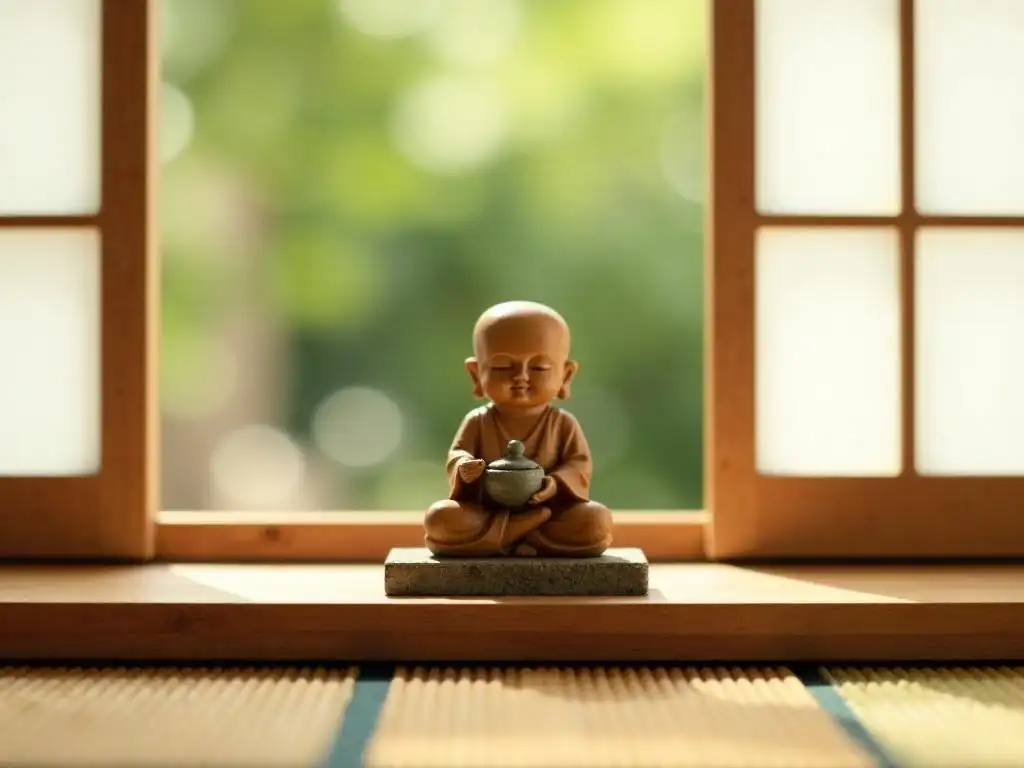
The practices of Zen Buddhism are deeply intertwined with the experience of staying in a ryokan. One of the fundamental aspects of Zen is mindfulness, which can be practiced in various forms during a ryokan stay. Guests are encouraged to engage in activities such as meditation, tea ceremonies, and even quiet contemplation in the ryokan’s gardens. These practices foster a deeper connection to oneself and the surrounding environment, allowing individuals to cultivate inner peace.
Meditation, a cornerstone of Zen Buddhism, can be practiced in the tranquil settings of a ryokan. Many establishments offer spaces specifically designed for meditation, equipped with cushions and a calming atmosphere. By dedicating time to meditation, guests can clear their minds and enhance their spiritual journey, experiencing the profound silence that Zen promotes.
Furthermore, the concept of wabi-sabi, which celebrates the beauty of imperfection and transience, is evident throughout a ryokan’s design and experience. Guests are encouraged to appreciate the simplicity and authenticity of their surroundings, recognizing that true beauty lies in the fleeting nature of life. This philosophy not only enhances the aesthetic experience but also deepens the spiritual engagement with Zen practices, allowing for personal reflection and growth.
Recommended Ryokan for a Zen Experience
For those seeking an authentic Zen experience, several ryokan stand out for their unique offerings and serene environments:
- Gion Hatanaka (Kyoto)
- Located in the historic Gion district, this ryokan offers traditional Japanese hospitality with stunning gardens and opportunities for zen meditation.
- Yoshida-sanso (Kyoto)
- Nestled in the mountains, this ryokan provides a peaceful retreat with stunning views, perfect for meditation and reflection. The ryokan features a beautiful Zen garden where guests can practice mindfulness.
- Hoshinoya Kyoto
- This luxurious ryokan offers a blend of modern comfort and traditional aesthetics, situated on the banks of the Katsura River. Guests can enjoy Zen-inspired activities, including guided meditation sessions.
- Tawaraya Ryokan (Kyoto)
- Renowned for its exceptional service and tranquil atmosphere, Tawaraya emphasizes simplicity and elegance, making it an ideal place for spiritual rejuvenation.
- Suiran, A Luxury Collection Hotel (Kyoto)
- With its stunning architecture and serene surroundings, Suiran provides guests with a luxurious Zen experience, complete with private gardens and meditation spaces.
Each of these recommended ryokan encapsulates the essence of the connection between Ryokan and Zen Buddhism, offering guests a chance to unwind, reflect, and rejuvenate their spirit in a tranquil setting.
Conclusion: Embracing Tranquility Through Ryokan and Zen Buddhism
The connection between ryokan and Zen Buddhism is deeply rooted in the principles of simplicity, mindfulness, and a harmonious relationship with nature. Ryokan, as traditional Japanese inns, offer a unique experience that reflects the Zen philosophy of tranquility and peace. Guests who choose to stay in these establishments often find themselves immersed in an environment that encourages reflection and relaxation, allowing them to escape the hustle and bustle of modern life.
In a ryokan, every element—from the tatami mats to the carefully prepared kaiseki meals—serves to enhance the guest's experience of serenity. The design and layout of these inns promote a sense of calm, encouraging visitors to slow down and appreciate the beauty of their surroundings. This aligns perfectly with the teachings of Zen Buddhism, which emphasizes living in the present moment and finding joy in simplicity.
Moreover, the rituals associated with staying in a ryokan, such as the tea ceremony or the practice of soaking in an onsen (hot spring), further deepen the connection to Zen practices. These experiences foster mindfulness, allowing individuals to engage fully with their senses and cultivate a sense of inner peace. Thus, for many, staying in a ryokan is not merely about accommodation; it is a holistic experience that nourishes the body and soul, echoing the ideals of Zen Buddhism.
Additional Resources
To further explore the connection between ryokan and Zen Buddhism, consider the following resources:
- Books:
- "Zen Mind, Beginner's Mind" by Shunryu Suzuki: A classic text that delves into the philosophy and practice of Zen.
- "The Book of Tea" by Okakura Kakuzō: This book explores the Japanese tea ceremony and its relationship to Zen aesthetics.
- Documentaries:
- "The Zen Mind": A documentary that provides insight into Zen practices, featuring footage of traditional ryokan and their serene environments.
- Websites:
- Japan National Tourism Organization (JNTO): Offers information on ryokan accommodations, including recommendations for those interested in Zen practices.
- Local Experiences:
- Many ryokan offer workshops or guided experiences related to Zen meditation and tea ceremonies, providing an immersive way to understand the connection firsthand.
By engaging with these resources, you can deepen your understanding of how ryokan embody the principles of Zen Buddhism and enhance your own journey toward tranquility and mindfulness.
- Introduction to Ryokan and Zen Buddhism
- Historical Context of Ryokan and Zen Buddhism in Feudal Japan
- Architectural Features of Ryokan Reflecting Zen Principles
- The Experience of Staying in a Ryokan: A Zen Retreat
- Zen Buddhism Practices Enhanced by Ryokan Stays
- Recommended Ryokan for a Zen Experience
- Conclusion: Embracing Tranquility Through Ryokan and Zen Buddhism
- Additional Resources
- What is the significance of Ryokan in Japanese culture?
- How does Zen Buddhism influence the design of Ryokan?
- What role does meditation play in a Ryokan experience?
- Are there specific Ryokan known for their Zen Buddhism practices?
- How can visitors benefit from the Ryokan and Zen Buddhism connection?
Frequently Asked Questions
What is the significance of Ryokan in Japanese culture?
Ryokan are traditional Japanese inns that emphasize hospitality and serenity, providing guests with a unique experience deeply connected to the natural landscape and cultural practices of Japan.
How does Zen Buddhism influence the design of Ryokan?
The design of Ryokan is often inspired by Zen principles, promoting simplicity, minimalism, and a deep connection with nature, which reflects the inner peace sought in Zen practices.
What role does meditation play in a Ryokan experience?
Many Ryokan offer opportunities for meditation, allowing guests to engage in mindfulness practices that align with Zen Buddhism, fostering a sense of calm and reflection during their stay.
Are there specific Ryokan known for their Zen Buddhism practices?
Yes, some Ryokan are specifically designed to integrate Zen teachings and practices, providing workshops or sessions that focus on mindfulness, tea ceremonies, and zen gardens.
How can visitors benefit from the Ryokan and Zen Buddhism connection?
Visitors can experience tranquility, spiritual growth, and a deeper appreciation for Japanese culture by immersing themselves in the harmonious environment created by the Ryokan and Zen Buddhism connection.
Final Reflection: Embracing Tranquility Through the Ryokan and Zen Buddhism Connection
The connection between Ryokan and Zen Buddhism remains profoundly relevant today, as many seek solace in a world filled with chaos and distraction. In our fast-paced lives, the serene practices and philosophies of Zen can offer a much-needed respite, reminding us of the importance of mindfulness and simplicity. The tranquil retreats of Ryokan serve not only as physical spaces but as gateways to inner peace, encouraging us to slow down and reconnect with ourselves.
Culturally and socially, the influence of Ryokan and Zen Buddhism continues to shape our understanding of wellness and tranquility. The principles of Zen, with their emphasis on presence and simplicity, resonate deeply in contemporary wellness movements, inspiring retreats and mindfulness practices worldwide. As we navigate the complexities of modern life, the teachings of Zen remind us that “the mind is everything. What you think you become.” > This quote by Buddha encapsulates the transformative power of our thoughts and the importance of cultivating a peaceful mind, much like the serene environments found in Ryokan.
As you reflect on the lessons of this article, I invite you to consider how you can incorporate the essence of Ryokan and Zen Buddhism into your daily life. Take a moment to pause, breathe, and embrace the tranquility that surrounds you. Whether through meditation, a quiet walk in nature, or simply savoring a cup of tea, let the teachings of Zen guide you toward a more mindful existence. In doing so, you not only honor the rich tradition of Ryokan and Zen but also cultivate a deeper connection with your own inner peace.
Unveil Your Zen: Embrace the Tranquility of Ryokan!
Thank you for taking the time to explore the fascinating connection between Ryokan and Zen Buddhism. By delving into this topic, you've uncovered insights that can lead to a more peaceful, mindful existence. Now, it’s time to transform that knowledge into action and invite serenity into your life!
Here are some simple yet powerful actions you can take today:
- Visit a local Ryokan or Zen center: Experience the calming atmosphere in person and immerse yourself in the traditions surrounding these tranquil retreats.
- Create a Zen-inspired space at home: Dedicate a corner in your living area for meditation or relaxation, incorporating elements like candles, plants, or artwork that evoke a sense of peace.
- Share your journey: Connect with others interested in Zen Buddhism by joining online forums or social media groups to exchange experiences and insights!
What will your first step towards finding tranquility be? Will you seek out a Ryokan experience, or perhaps start cultivating your personal Zen space? We would love to hear your thoughts in the comments!