
The Samurai's Role in Unifying Japan During the Sengoku Period

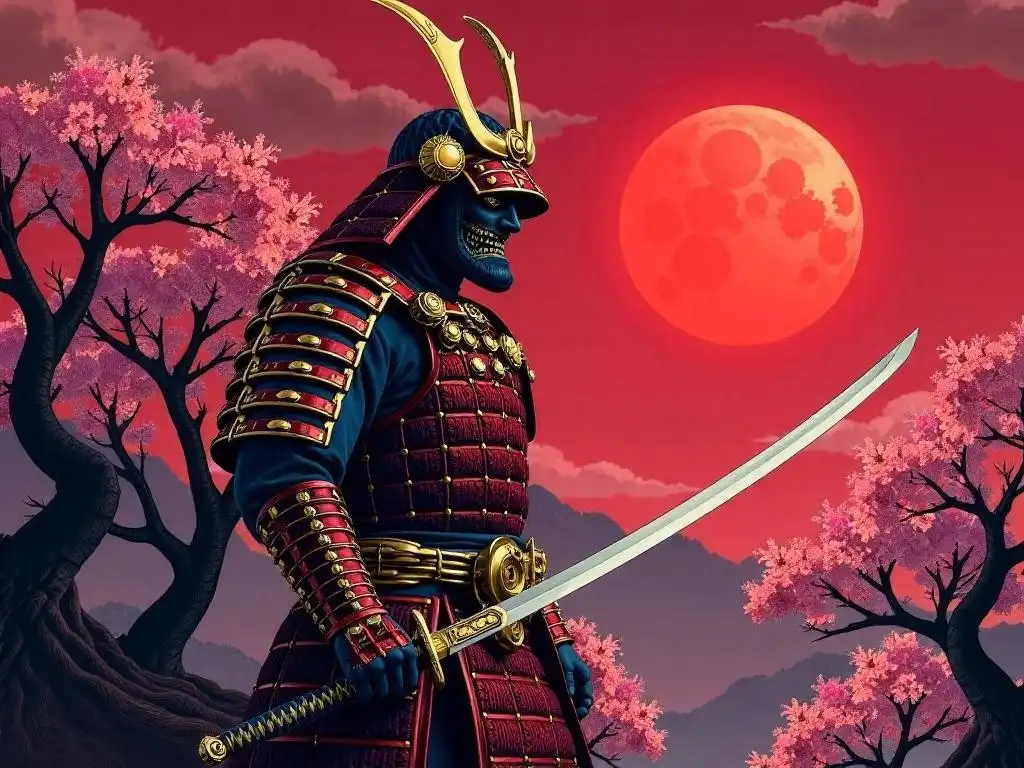
Welcome to Feudal Japan History, where we embark on a captivating journey through Japan's feudal era. Dive deep into the intricate tapestry of historical, cultural, and societal dynamics that shaped this fascinating period. In our featured article, "The Samurai's Role in Unifying Japan During the Sengoku Period," we unravel the compelling story of how these legendary warriors navigated the chaos of civil strife to forge a unified nation. What strategies did they employ?
How did their influence extend beyond the battlefield? Prepare to satisfy your curiosity as you explore the pivotal role of the samurai and the transformative events of the Sengoku period. Your adventure begins now!
- Introduction to Samurai Unification in the Sengoku Period
- The Role of Samurai in the Political Landscape
- Key Figures in Samurai Unification Efforts
- Military Strategies and Tactics of the Samurai
- Cultural and Social Impact of Samurai Unification
- Challenges Faced by Samurai in Achieving Unification
- Conclusion: The Enduring Legacy of Samurai Unification in Japan
- Frequently Asked Questions
- Final Reflection: The Enduring Legacy of Samurai Unification in the Sengoku Period
- Unleash Your Inner Samurai: Take Action Today!
Introduction to Samurai Unification in the Sengoku Period
The Sengoku Period, often referred to as the "Warring States" era, was a pivotal time in Japanese history characterized by political intrigue, social upheaval, and continuous military conflict. This era, spanning from the mid-15th century to the early 17th century, witnessed the fragmentation of power among competing daimyōs (feudal lords) and their samurai vassals. The samurai, known for their martial prowess and adherence to a strict code of honor, played a crucial role in this tumultuous period.
Their contributions were not merely limited to warfare; they were instrumental in the political unification of Japan, helping to shape the nation’s identity and governance structure. This article delves into the profound impact of the samurai on Japan's unification during the Sengoku Period, exploring their strategies, alliances, and the broader cultural implications of their actions.
Overview of the Sengoku Period
The Sengoku Period began around the 1467 Onin War, which marked the start of a century-long conflict that fragmented Japan into numerous warring clans. Unlike previous eras, where imperial authority was more centralized, the Sengoku Period was defined by:
- Decentralized Power: The Ashikaga shogunate's weakening allowed regional daimyōs to assert control over their territories, leading to a patchwork of conflicts and shifting allegiances.
- Rise of the Samurai: As feudal lords sought to maintain power, the samurai emerged as the backbone of military strength, forming a distinct class focused on warfare and loyalty to their lords.
- Strategic Alliances: Many daimyōs formed alliances through marriages and treaties, often involving samurai in complex political maneuvers to gain an upper hand in the ongoing conflicts.
This period culminated in the eventual unification of Japan under figures such as Oda Nobunaga, Toyotomi Hideyoshi, and Tokugawa Ieyasu, whose strategies and leadership were significantly supported by the samurai class.
Significance of Samurai in Japanese History
The samurai, more than mere warriors, were central to the cultural and political development of Japan. Their significance can be outlined through several key aspects:
- Cultural Influence: The samurai's code of ethics, known as bushidō, emphasized virtues such as loyalty, honor, and discipline, which permeated Japanese culture and influenced societal values.
- Political Structure: As military leaders and local governors, samurai were instrumental in the governance of their domains. They helped establish systems of law and order that would later be integral to Japan's national structure.
- Military Innovations: The constant warfare during the Sengoku Period led to advancements in military strategy and technology, including the use of firearms and battlefield tactics that would shape Japan's future conflicts.
The samurai's role during the Sengoku Period was not only foundational in terms of military might but also pivotal in fostering a sense of national identity and cultural cohesion, setting the stage for the unification of Japan and the establishment of a lasting legacy that would influence generations to come.
The Role of Samurai in the Political Landscape
The Sengoku period, often referred to as the "Warring States" period, was a time of profound upheaval and transformation in Japan. It was during this era that the samurai emerged not just as warriors but as pivotal figures in shaping the political landscape of the nation. Their role in unifying Japan cannot be overstated, as they transitioned from mere soldiers to influential leaders who played crucial roles in establishing order amidst chaos.
Emergence of Samurai as Military Leaders
The samurai's rise to prominence during the Sengoku period was marked by their evolution from feudal retainers to recognized military leaders. Initially, the samurai served local lords (daimyo) and were primarily focused on personal loyalty and martial prowess. However, as the constant conflicts among regional leaders intensified, the need for more structured military leadership became apparent.
- Transition from Local Retainers to Leaders: As warfare escalated, competent samurai began to gain recognition for their strategic acumen and battlefield successes. Figures like Oda Nobunaga and Toyotomi Hideyoshi exemplified this trend, as they rose from samurai ranks to become influential leaders uniting various clans.
- Military Innovations: The samurai adapted to new forms of warfare, including the use of firearms, which dramatically changed combat dynamics. This adaptability allowed them to consolidate power and influence, as those who mastered these techniques often emerged victorious in battles.
- Leadership Roles: Many samurai took on roles beyond the battlefield, becoming governors and administrators. Their dual roles as warriors and leaders positioned them as key players in the unification efforts during this tumultuous time.
Feudal System and the Rise of Daimyo
The feudal system in Japan during the Sengoku period was characterized by decentralized power, where local lords, or daimyo, wielded significant authority over their domains. The samurai class played a crucial role in supporting and sustaining this feudal structure.
- Daimyo's Authority: The daimyo, who were often samurai themselves, held vast territories and commanded the loyalty of their own samurai. This power dynamic created a hierarchy where the samurai facilitated the governance and military operations of their lords.
- Territorial Control: The competition among daimyo for land and resources led to the formation of alliances and conflicts. Samurai were instrumental in these dynamics, as their military expertise allowed daimyo to expand their influence and territory.
- Unification Efforts: Key figures within the samurai class, such as Tokugawa Ieyasu, leveraged their military strength and political acumen to unify Japan. The establishment of the Tokugawa shogunate in 1603 marked the culmination of these efforts, with samurai playing a pivotal role in the transition from warfare to a more centralized governing system.
The Influence of Samurai Culture on Governance
The samurai culture, deeply rooted in principles of honor, loyalty, and discipline, significantly influenced governance during the Sengoku period. This cultural ethos acted as a guiding framework for political conduct and decision-making.
- Bushido Code: The samurai adhered to the bushido code, which emphasized virtues such as bravery, sincerity, and respect. This code not only influenced their behavior on the battlefield but also shaped their interactions in political spheres, fostering a culture of loyalty and duty.
- Cultural Integration in Governance: As samurai transitioned into administrative roles, their cultural values permeated governance practices. This integration facilitated a sense of order and discipline in the often-chaotic political environment of the Sengoku period.
- Legacy of Samurai Governance: The governance model established by the samurai during this time laid the groundwork for future political structures in Japan. Their emphasis on hierarchical loyalty and duty would echo through the ages, affecting the governance models even beyond the feudal era.
The samurai's role in the political landscape during the Sengoku period was multifaceted and transformative. Their emergence as military leaders, the dynamics within the feudal system, and the cultural principles that influenced governance were all critical factors contributing to the unification of Japan. Understanding these aspects provides a deeper insight into the complexity of samurai unification in the Sengoku period and their lasting impact on Japanese history.
Key Figures in Samurai Unification Efforts
The Sengoku period, characterized by relentless warfare and political intrigue, saw the emergence of several key figures whose actions were instrumental in achieving the unification of Japan. Among them, Oda Nobunaga and Toyotomi Hideyoshi stand out as pivotal leaders whose strategies and reforms reshaped the political landscape of Japan.
Oda Nobunaga: The Catalyst for Change
Oda Nobunaga, often hailed as the first significant figure in the unification of Japan during the Sengoku period, utilized innovative military strategies and political acumen to challenge the status quo. His ambition was not merely to conquer territory but to establish a centralized authority that would bring stability to a fractured nation.
Strategies Employed by Nobunaga
- Military Innovation:
- Nobunaga was one of the first daimyōs to effectively utilize firearms in warfare. The Battle of Nagashino in 1575 is a notable example where his troops, armed with muskets, decisively defeated the cavalry forces of the Takeda clan.
- By integrating Western military technology, Nobunaga transformed the traditional samurai warfare tactics, giving him a significant advantage over his rivals.
- Political Alliances:
- Nobunaga adeptly formed alliances with other powerful daimyōs and strategically eliminated those who opposed him. His alliances were often cemented through marriage and diplomacy, expanding his influence across the region.
- He recognized the importance of controlling key locations, such as Kyoto, which he seized in 1568, thereby establishing himself as a dominant force in the political arena.
- Economic Reforms:
- Nobunaga implemented policies that stimulated trade and agriculture, enhancing the economic stability of his territories. He lowered taxes and encouraged commerce, which, in turn, helped fund his military campaigns.
- By promoting the development of castle towns, Nobunaga not only fortified his defenses but also created centers of trade and culture, fostering loyalty among the samurai class.
Toyotomi Hideyoshi: Consolidation of Power
Following Nobunaga's assassination in 1582, Toyotomi Hideyoshi emerged as his successor, continuing the mission of unifying Japan. Hideyoshi's unique background as a peasant-born samurai allowed him to connect with various societal classes, thus facilitating his rise to power.
Hideyoshi’s Reforms and Policies
- Land Surveys and Taxation:
- Hideyoshi conducted comprehensive land surveys, known as the "Taikō Kenchi," to assess and register landholdings. This reform allowed for more efficient tax collection and better management of resources.
- By implementing a standardized taxation system, he ensured that revenue was directed toward military efforts and the maintenance of order.
- Social Structure and Class System:
- Hideyoshi established a clear social hierarchy, reinforcing the status of the samurai class while regulating the roles of farmers, artisans, and merchants. This stratification helped maintain peace and order within society.
- He also enacted the "Sword Hunt" decree, which prohibited non-samurai from carrying weapons, thereby consolidating power among the samurai and reducing the chance of rebellion from the lower classes.
- Cultural Patronage:
- Beyond military and political reforms, Hideyoshi was a patron of the arts and culture. He promoted the tea ceremony, Noh theater, and other cultural practices that not only solidified his status but also unified the samurai class under a shared cultural identity.
- His construction of grand castles, such as Osaka Castle, symbolized the power and unity of his regime, serving as both military fortifications and cultural centers.
The efforts of Oda Nobunaga and Toyotomi Hideyoshi were crucial in the process of "Samurai unification in the Sengoku period." Their military innovations, political strategies, and social reforms laid the groundwork for Japan's eventual unification, leading to a more centralized government and the establishment of the Tokugawa shogunate.
Tokugawa Ieyasu: Establishing a Lasting Peace
Tokugawa Ieyasu stands as one of the most significant figures in Japanese history, particularly in the context of the Sengoku period and the subsequent unification of Japan. Born in 1543, Ieyasu initially served as an ally to more prominent warlords, such as Oda Nobunaga and Toyotomi Hideyoshi. His strategic acumen and ability to forge alliances were pivotal in the tumultuous landscape of warring states.
After the death of Hideyoshi in 1598, Ieyasu maneuvered through the political chaos to establish himself as the dominant power. He successfully defeated his rivals at the Battle of Sekigahara in 1600, a decisive conflict that paved the way for his control over Japan. In 1603, he was appointed shōgun, marking the beginning of the Tokugawa shogunate, which would last for over 250 years.
Ieyasu's governance was characterized by the establishment of a centralized feudal system that reinforced the power of the samurai class while ensuring peace and stability. His policies, known as the "Sankin-kōtai" system, required daimyo (feudal lords) to alternate their residence between their domains and Edo (modern-day Tokyo), effectively curbing their power and fostering loyalty to the shogunate. This system not only maintained order but also facilitated cultural exchange and economic growth.
Through diplomatic marriages, strategic alliances, and military prowess, Ieyasu was able to unify Japan under a stable regime, which significantly reduced the internal strife that had characterized the Sengoku period. His legacy is profound, as the peace established during his reign allowed the samurai class to transition from warriors to administrators and cultural patrons, laying the groundwork for the flourishing of Japanese culture in the Edo period.
The Edo Period and Its Impact on Samurai
The Edo period (1603-1868) was a time of remarkable transformation in Japan, largely influenced by the policies of Tokugawa Ieyasu and his successors. This era was marked by peace, stability, and a rigid social hierarchy, which had a profound impact on the samurai class.
During the Edo period, the samurai evolved from a primarily military role to that of bureaucrats and landowners. With the cessation of widespread warfare, many samurai found themselves tasked with administrative duties rather than battlefield engagements. This shift was pivotal for the samurai's identity, as they began to embrace roles in governance, education, and cultural patronage.
The samurai were officially recognized as a distinct social class, and their status was reinforced by the "Bushido" code, which emphasized principles such as loyalty, honor, and discipline. This code became integral to samurai identity, shaping their conduct and influencing broader Japanese culture.
Economically, many samurai received stipends in rice rather than land, leading to a gradual decline in their martial skills and an increase in their dependence on the state. This economic structure contributed to the samurai's status as a ruling class while also instigating social tensions, particularly as the merchant class began to rise in wealth and influence.
Culturally, the Edo period witnessed a flourishing of the arts, literature, and philosophy, often sponsored by samurai. Notable developments included the rise of ukiyo-e woodblock prints and the emergence of kabuki theater, which brought entertainment and artistic expression to the forefront of society.
As the Edo period progressed, however, the samurai faced challenges to their authority, particularly with the arrival of Western powers and the subsequent pressures for modernization. These dynamics ultimately led to the decline of the samurai class and the fall of the Tokugawa shogunate, culminating in the Meiji Restoration of 1868. Thus, the Edo period left an indelible mark on the samurai, shaping their legacy and role in Japan's history.
Military Strategies and Tactics of the Samurai
The military strategies and tactics of the samurai during the Sengoku period were pivotal in the unification of Japan. This era was marked by constant military conflict among rival clans, and the samurai class emerged as the principal military force, employing a range of sophisticated techniques and strategies that not only showcased their martial prowess but also contributed significantly to the political landscape of Japan.
The Evolution of Samurai Warfare
During the Sengoku period (1467-1603), samurai warfare underwent a significant transformation. Initially, battles were characterized by individual combat and small skirmishes, where personal honor and valor were paramount. However, as conflicts escalated, the need for organized military strategies became crucial.
- Weaponry and Armor:
- Katana: The signature weapon of the samurai, the katana, evolved to become a symbol of the samurai's status and skill. Its design allowed for swift slashing and precision.
- Yari and Naginata: The introduction of polearms such as the yari (spear) and naginata (polearm with a curved blade) allowed samurai to engage in combat at longer ranges, enabling them to counter cavalry effectively.
- Armor: Samurai armor became more sophisticated, providing better protection while allowing for mobility. The use of layered materials and designs like the do (chest armor) was critical in battle.
- Tactics and Formations:
- Kumitais: Samurai units often formed kumitais, or battle formations, which allowed for coordinated attacks and defenses. These formations utilized both infantry and cavalry to create a dynamic battlefield presence.
- Flanking Maneuvers: Commanders developed tactics such as flanking, which involved attacking the enemy from the sides, disrupting their formations and morale.
- Siege Warfare: As castles became central to defense, samurai adapted to siege warfare, employing tactics such as surrounding enemy fortifications and using fire to breach walls.
- Psychological Warfare:
- The samurai also engaged in psychological tactics, such as the use of banners and war cries, designed to intimidate opponents and boost their own troops' morale.
Key Battles that Shaped the Unification
The samurai's military strategies were crucial in several key battles that ultimately contributed to the unification of Japan. These battles not only showcased the effectiveness of samurai tactics but also shifted the power dynamics among the warring states.
Battle of Okehazama
The Battle of Okehazama (1560) is one of the most significant confrontations during the Sengoku period. This battle is notable for the dramatic tactics employed by Oda Nobunaga, who, despite being heavily outnumbered, achieved a remarkable victory against the Imagawa clan.
- Context: Oda Nobunaga, leading a small force of approximately 3,000 samurai, faced an army of around 25,000 Imagawa troops.
- Tactics: Nobunaga utilized the element of surprise, launching a sudden attack during a rainstorm, which disoriented the enemy. He focused on targeting the Imagawa leader, Ujizane, effectively breaking the enemy's morale.
- Outcome: This victory significantly bolstered Nobunaga's reputation and power, allowing him to expand his influence and contribute to the eventual unification of Japan.
Battle of Nagashino
The Battle of Nagashino (1575) marked another pivotal moment in the Sengoku period, showcasing the evolution of samurai warfare through the integration of gunpowder weapons.
- Background: The battle was fought between Tokugawa Ieyasu and the Takeda clan, led by Takeda Katsuyori. The use of firearms played a critical role in this encounter.
- Tactics: Tokugawa's forces employed a defensive strategy, utilizing wooden palisades to protect their arquebusiers. They executed a series of volley fire techniques that maximized the effectiveness of their matchlock guns against the advancing Takeda cavalry.
- Significance: The successful use of firearms during this battle signified a shift in military tactics and the decline of traditional cavalry charges. The victory at Nagashino further solidified Ieyasu's power, paving the way for his eventual ascension as the shogun and the unification of Japan.
The military strategies and tactics of the samurai during the Sengoku period were integral in the process of unifying Japan. Key battles like Okehazama and Nagashino exemplified their adaptability and innovation, leading to the emergence of powerful leaders who would alter the course of Japanese history.
The Role of Alliances in Samurai Unification
During the Sengoku period, which spanned from the mid-15th century to the early 17th century, alliances among samurai clans played a critical role in the unification of Japan. As feudal lords, or daimyōs, sought to expand their territories and influence, they often turned to strategic alliances to strengthen their positions against rival clans. These alliances were not merely diplomatic gestures; they were vital military strategies that significantly shaped the political landscape of the time.
One of the most notable features of these alliances was the practice of marriage diplomacy. By marrying into rival clans, a daimyō could create ties that would otherwise require years of conflict to establish. For example, the powerful Takeda clan often arranged marriages with other clans to secure peace and mutual support. This not only reduced the immediate threat of conflict but also facilitated cooperation in military campaigns, allowing allied forces to present a united front against common enemies.
Moreover, alliances were often formalized through oaths of loyalty and agreements, which were crucial for maintaining a sense of trust and commitment among the clans. These pacts were frequently accompanied by elaborate ceremonies, which served to solidify the bonds between the samurai involved. The ritualistic nature of these alliances underscored the importance of honor and loyalty in samurai culture, further reinforcing the commitment to collective military action.
The formation of larger coalitions could also shift the balance of power in favor of those who managed to unite various clans under a single banner. Noteworthy examples include the coalition led by Oda Nobunaga, who was able to unite several clans against the common enemy of the powerful Takeda clan. His ability to forge alliances with other daimyōs and samurai allowed him to expand his territory significantly, demonstrating how effective alliances could lead to unprecedented military success.
However, the landscape of alliances was not static. Betrayals and shifting loyalties were common, as samurai clans often re-evaluated their positions based on the changing dynamics of power. Such fluidity meant that alliances could dissolve as quickly as they formed, leading to a constant state of uncertainty and realignment. This volatility was epitomized in battles like the Battle of Yaguchi, where former allies turned against each other, reflecting the precarious nature of samurai alliances.
The role of alliances in samurai unification during the Sengoku period was pivotal. These strategic partnerships not only facilitated military cooperation but also influenced the broader political dynamics of the time. The interplay of loyalty, betrayal, and diplomacy among the samurai exemplified the complexities of the period and underscored the significance of alliances in the quest for power and unification in feudal Japan.
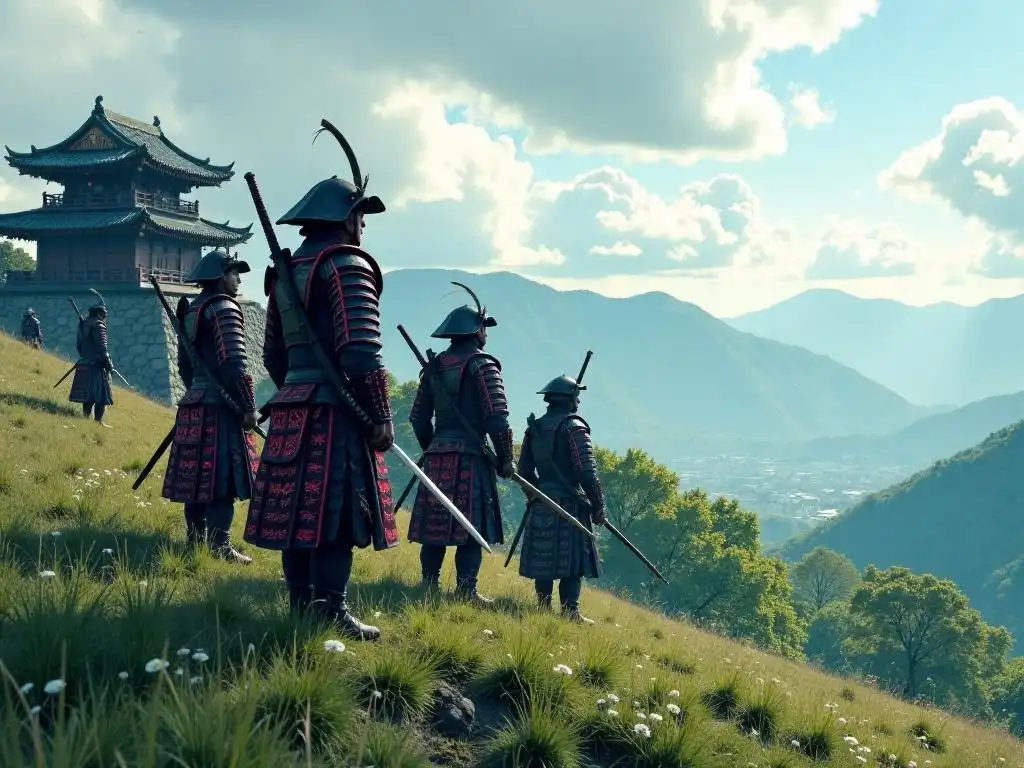
The unification of Japan during the Sengoku period was not merely a political endeavor; it was a transformative process that significantly affected the cultural and social landscape of the nation. The rise of the samurai class played a pivotal role in this evolution, as their values, codes, and societal structures began to permeate various aspects of Japanese life. Understanding the cultural and social impact of samurai unification provides insight into how this era shaped Japan's identity and continues to influence it today.
The Samurai Code: Bushido and Its Influence
At the core of the samurai's cultural impact lies the Bushido code, which translates to "the way of the warrior." This ethical code emphasized virtues such as loyalty, honor, courage, and self-discipline. Bushido not only governed the behavior of samurai warriors but also served as a moral compass that influenced the broader society.
- Loyalty: The samurai's unwavering loyalty to their lord fostered a strong sense of allegiance among the feudal lords and their vassals, helping to solidify political alliances during a time of chaos.
- Honor: The concept of honor was paramount; samurai were expected to uphold their reputation and that of their family. This led to the practice of seppuku, or ritual suicide, as a means of preserving honor in the face of failure or disgrace.
- Courage and Discipline: These traits cultivated a warrior spirit that was not only vital on the battlefield but also resonated in civil life, encouraging perseverance and resilience among the populace.
The influence of Bushido extended beyond the samurai class; it permeated various societal layers, inspiring art, literature, and even the conduct of commoners. The emphasis on honor and loyalty can still be observed in modern Japanese culture, reflecting the enduring legacy of the samurai ethos.
Changes in Japanese Society during the Sengoku Period
The Sengoku period, often referred to as the "Age of Warring States," was marked by intense military conflict and political fragmentation. However, the samurai's role in unification brought about profound changes in Japanese society:
- Stratification of Society:
- The samurai class rose to prominence, displacing the earlier aristocratic nobility in many regions.
- Peasantry, while still essential for agricultural production, began to experience a shift in their societal roles, often having to pay tribute to their samurai lords.
- Formation of New Political Structures:
- The chaotic nature of the Sengoku period led to the establishment of new governance systems, including centralized feudal domains.
- Prominent figures like Oda Nobunaga, Toyotomi Hideyoshi, and Tokugawa Ieyasu emerged as unifiers, laying the groundwork for the future Tokugawa shogunate.
- Cultural Flourishing:
- The unification efforts led to a period of cultural exchange, where art forms such as Noh theater and tea ceremonies flourished under the patronage of samurai lords.
- The spread of Zen Buddhism, which resonated with the samurai's pursuit of discipline and self-control, became more prominent during this time, influencing various aspects of Japanese culture.
As a result, the societal structure became increasingly complex, with the samurai class holding significant political, military, and cultural power.
The Legacy of Samurai Unification in Modern Japan
The unification of Japan by the samurai during the Sengoku period has left an indelible mark on modern Japanese society. Several key aspects of this legacy include:
- Cultural Identity: The ideals of the samurai, encapsulated in Bushido, continue to influence Japanese values and social norms. Modern concepts of loyalty, respect, and honor are often traced back to this feudal ethos.
- Martial Arts: The samurai's emphasis on combat skills and discipline has evolved into various forms of traditional Japanese martial arts, which are practiced worldwide today. Disciplines such as kendo, judo, and aikido retain the spirit of samurai training.
- Historical Narratives: The stories of legendary samurai have become a significant part of Japan's cultural heritage, inspiring literature, cinema, and art. The romanticized image of the samurai serves as a symbol of national pride and historical continuity.
The cultural and social impact of samurai unification during the Sengoku period is profound and multifaceted. The legacy of the samurai continues to shape Japan's identity, influencing values, arts, and society as a whole. Understanding this impact is crucial for appreciating the intricate tapestry of Japanese history and culture that has evolved over centuries.
Challenges Faced by Samurai in Achieving Unification
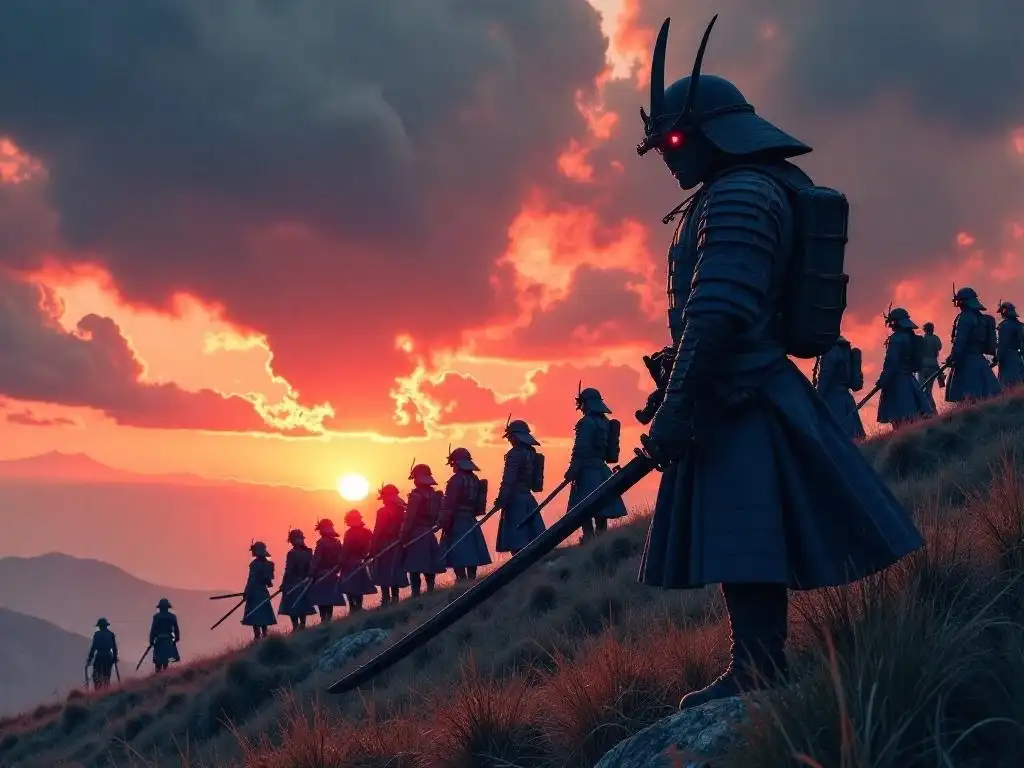
The Sengoku period (1467-1603) in Japan was marked by intense military conflict, political fragmentation, and the rise of the samurai class as a dominant force in society. While the samurai played a crucial role in the unification of Japan, they faced numerous challenges that hindered their efforts. Understanding these challenges provides valuable insight into the complexities of this tumultuous era.
Internal Conflicts and Rivalries Among Samurai
One of the most significant challenges to samurai unification during the Sengoku period was the internal conflicts and rivalries among the samurai themselves. The feudal system was characterized by a web of allegiances and betrayals, as powerful clans vied for dominance over territories.
- Clan Rivalries: Major clans like the Takeda, Uesugi, and Oda were often embroiled in bitter feuds. These rivalries not only led to frequent battles but also divided the samurai, forcing them to choose sides based on loyalty or personal gain. The Battle of Nagashino (1575) is a prime example, where the Oda and Tokugawa forces clashed with the Takeda, showcasing the fragmented loyalties that characterized the period.
- Samurai Code of Honor: The samurai adhered to a strict code of honor (bushido), which emphasized loyalty and valor. However, this code often led to infighting as samurai sought to prove their worth and loyalty to their respective lords. This internal competition weakened the potential for collective action towards unification.
- Power Struggles: The power dynamics within clans also posed challenges. Lords often faced dissent from their samurai, who sought greater autonomy or the right to expand their territories. This internal strife diverted focus away from the broader goal of unification, as clans were more concerned with internal consolidation than external threats.
External Threats and Foreign Influence
The samurai also contended with a range of external threats and foreign influences that complicated their quest for unification.
- Warlord Ambitions: During this period, ambitious warlords such as Oda Nobunaga, Toyotomi Hideyoshi, and Tokugawa Ieyasu emerged. While they aimed to unify Japan, their aggressive tactics often led to widespread destruction and resentment among the samurai. This created a cycle of conflict that undermined collaborative efforts.
- Christian Missionaries and Western Influence: The arrival of European missionaries and traders introduced new ideologies and technologies that impacted Japanese society. While some samurai embraced these changes, others viewed them as a threat to traditional values and the existing order. The introduction of firearms, particularly by the Portuguese, revolutionized warfare in Japan but also created a divide among samurai who either adapted to these changes or resisted them.
- Piracy and Invasions: Coastal regions faced threats from pirates and potential invasions from foreign powers. These external pressures forced samurai to allocate resources to defense rather than unification efforts. The Wokou pirates, for instance, disrupted trade and stability, drawing attention away from the internal struggles for unification.
The Impact of Economic Factors on the Samurai Class
Economic factors played a pivotal role in shaping the samurai class's ability to achieve unification in the Sengoku period.
- Resource Allocation: Samurai relied on land grants and agricultural output for their income. The ongoing conflicts disrupted agricultural production, leading to shortages and financial instability within clans. This lack of resources made it difficult for samurai to maintain their armies and sustain long-term campaigns for unification.
- Trade and Commerce: The Sengoku period witnessed the emergence of new trade routes and commercial activities. While this presented opportunities for some, it also created competition among samurai for control over lucrative trade areas. The rise of merchant classes began to shift power dynamics, as wealth became increasingly concentrated in the hands of those engaged in commerce, rather than traditional feudal lords.
- Economic Disparities: The wealth disparities among clans further complicated alliances and rivalries. Some clans, like the Oda, managed to accumulate significant resources, whereas others struggled to maintain their power. This imbalance hindered collaborative efforts towards unification, as economically weaker samurai found it challenging to compete or align with stronger factions.
The interplay of these challenges highlights the complexity of the samurai's role in Japan's unification during the Sengoku period. Understanding these dynamics is essential for a comprehensive exploration of the historical, cultural, and societal aspects of feudal Japan.
Conclusion: The Enduring Legacy of Samurai Unification in Japan
The unification of Japan during the Sengoku period, spearheaded by the samurai class, left an indelible mark on the nation's history. As feudal lords battled for dominance, the samurai emerged not only as warriors but also as pivotal figures in the political and social landscape of Japan. Their role transcended mere military prowess; they became the architects of a unified nation, laying the groundwork for the centralized governance that would follow.
The contributions of the samurai extend beyond the battlefield. Their code of conduct, known as bushido, emphasized loyalty, honor, and discipline, values that resonated deeply within the fabric of Japanese society. This ethical framework not only guided the samurai in their duties but also influenced the conduct of leaders and commoners alike, fostering a sense of unity and shared identity among the people of Japan.
Reflection on Samurai Contributions to Japanese History
The samurai's contributions to Japan's unification during the Sengoku period were multifaceted. They played crucial roles in various battles and political maneuvers, aligning themselves with or against powerful daimyos as necessary. Notable figures like Oda Nobunaga, Toyotomi Hideyoshi, and Tokugawa Ieyasu exemplified the strategic brilliance of samurai leaders who utilized both military acumen and political savvy to forge alliances and consolidate power.
- Military Innovation: The samurai were instrumental in developing new military strategies and technologies, such as the use of firearms, which dramatically changed the dynamics of warfare during this era. Their ability to adapt to new forms of combat was pivotal in overcoming rival factions.
- Cultural Integration: The unification efforts also fostered cultural exchanges among the various regions of Japan. As samurai traveled and interacted with different clans, they facilitated the spread of arts, philosophies, and practices, enriching the cultural tapestry of the nation.
- Political Structures: The samurai established a hierarchical structure that would influence Japanese governance for centuries. Their loyalty to their lords created a system of vassalage that strengthened feudal ties, ultimately leading to the establishment of the Tokugawa shogunate.
How Samurai Unification Influenced Modern Japanese Identity
The legacy of samurai unification has profoundly shaped modern Japanese identity. The values and principles espoused by the samurai continue to resonate in contemporary Japan. Here are some key influences:
- Cultural Heritage: The samurai's impact on Japanese culture is evident in various art forms, literature, and cinema. The romanticized image of the samurai as honorable warriors continues to captivate both Japanese and global audiences.
- National Identity: The samurai are often viewed as symbols of national pride and resilience. Their contributions to unification are celebrated in festivals, historical reenactments, and educational curricula, reinforcing a sense of shared heritage among the Japanese people.
- Ethical Framework: The principles of bushido have transcended their martial roots to influence modern Japanese business practices and societal norms. Concepts of loyalty, respect, and perseverance are deeply ingrained in the Japanese ethos, reflecting the enduring legacy of the samurai.
- Political Resonance: The structure of governance established during the Sengoku period has echoes in Japan's contemporary political landscape. The emphasis on hierarchy and duty remains relevant in various sectors of society, from corporate culture to public service.
The samurai's role in the unification of Japan during the Sengoku period is a testament to their profound influence on the historical, cultural, and societal development of the nation. Their legacy continues to inspire and shape modern Japanese identity, ensuring that the spirit of the samurai endures in the hearts of the people.
Frequently Asked Questions
What was the Sengoku period in Japan?
The Sengoku period (1467-1603) was a time of constant military conflict and social upheaval, characterized by the rise of powerful daimyōs and the struggle for territorial control.
How did the samurai contribute to unification during the Sengoku period?
The samurai played a crucial role in the unification of Japan by serving as warriors for various daimyōs, leading battles, and enforcing the authority of their lords.
Who were the key figures in the samurai-led unification?
Prominent figures like Oda Nobunaga, Toyotomi Hideyoshi, and Tokugawa Ieyasu were instrumental in the unification efforts, each contributing through strategic alliances and decisive military campaigns.
What cultural impacts did the samurai have during this period?
The samurai influenced Japanese culture significantly, promoting bushido (the way of the warrior) and contributing to the development of arts such as tea ceremonies, poetry, and martial arts.
How did the samurai's role change after the Sengoku period?
After the Sengoku period, the samurai transitioned from warriors to bureaucratic officials under the Tokugawa shogunate, leading to a period of peace and stability known as the Edo period.
Final Reflection: The Enduring Legacy of Samurai Unification in the Sengoku Period
The role of the samurai in unifying Japan during the Sengoku period is not just a historical narrative; it is a powerful reminder of how leadership, loyalty, and strategy can shape a nation. As we navigate through a world rife with division and conflict, the lessons from this tumultuous era resonate profoundly, illustrating that unity often emerges from the most challenging circumstances. The samurai, with their unwavering commitment to their lords and their code of honor, exemplify the potential for individuals to influence the broader tapestry of society.
The influence of the samurai extends far beyond the battlefield; it permeates our cultural and social landscapes, reminding us of the importance of honor and duty. In contemporary Japan, the samurai ethos still inspires many, serving as a model for personal integrity and communal responsibility. As the historian John W. Hall noted, The samurai were not just warriors; they were the architects of a new social order.
This observation underscores the transformative power of the samurai, whose legacy continues to shape Japan's identity and values even today.
As we reflect on the samurai's role in unifying Japan, let us consider how we can embody their spirit in our own lives. In a world that often feels fragmented, we have the opportunity to foster unity within our communities, drawing inspiration from the samurai's dedication to their cause. I invite you to reflect on your own values and actions—how can you contribute to a greater sense of belonging and purpose? Embrace the lessons of the past and let them guide you toward a future where collaboration and honor prevail.
Unleash Your Inner Samurai: Take Action Today!
Thank you for exploring the fascinating world of the Samurai and their crucial role in unifying Japan during the Sengoku period! Your interest in this transformative time in history not only enriches your knowledge but also inspires a deeper understanding of perseverance and leadership. Now, let's build on this newfound insight with some actionable steps you can take.
- Join a local history group or online forum to discuss and explore the intricacies of the Sengoku period and the Samurai’s influence.
- Share this article with friends and family who might be intrigued by Japan's rich history to spark engaging conversations!
- Consider visiting a museum or cultural exhibit that showcases artifacts from the Sengoku era, bringing history to life in a whole new way.
What aspect of the Samurai's legacy do you find most intriguing, and how do you think it resonates with today’s challenges?