
The Philosophy of Impermanence: Zen's Impact on Feudal Japanese Worldview


Welcome to Feudal Japan History, where we embark on an intriguing journey through the rich tapestry of Japan's feudal era. Here, you will uncover the profound connections between cultural practices and historical events, revealing how they shaped the society of the time. Our featured article, "The Philosophy of Impermanence: Zen's Impact on Feudal Japanese Worldview," delves into the essence of Zen philosophy in feudal Japan, exploring its transformative influence on art, culture, and the very fabric of daily life.
Are you ready to discover how the fleeting nature of existence shaped a resilient and deeply reflective society? Dive in and let the exploration begin!
Introduction to Zen Philosophy in Feudal Japan
Zen philosophy has played a pivotal role in shaping the cultural and spiritual landscape of feudal Japan. Rooted in the principles of Buddhism, Zen emphasizes a direct experience of reality, urging practitioners to seek enlightenment through meditation and mindfulness. This approach resonates deeply with the concept of impermanence, a fundamental aspect of Zen thought that profoundly influenced the worldview of feudal Japanese society. In this article, we will explore the intricate relationship between Zen philosophy and feudal Japan, delving into its origins, key principles, and the historical context that allowed these ideas to flourish.
Overview of Zen Buddhism's Origins
Zen Buddhism, known as "Chan" in China, emerged during the Tang dynasty (618-907 AD) as a unique school of Mahayana Buddhism. It emphasized intuitive understanding over scriptural study, allowing individuals to experience truth directly through meditation. The teachings of Bodhidharma, the legendary founder of Zen, laid the groundwork for a practice that prioritizes personal insight and the cultivation of inner peace. As Zen spread to Japan in the late 12th century, it began to merge with existing cultural and religious practices, adapting to the unique social fabric of feudal society.
Key Principles of Zen Philosophy
At the core of Zen philosophy lie several key principles that guide practitioners in their quest for enlightenment:
- Zazen (Meditation): The practice of seated meditation is central to Zen, aimed at achieving a state of mindfulness and clarity.
- Simplicity: Zen encourages a minimalist approach to life, valuing simplicity in thought, action, and aesthetic expression.
- Direct Experience: Zen stresses the importance of personal experience over theoretical knowledge, prompting individuals to engage with reality as it is, free from preconceived notions.
- Non-attachment: A fundamental teaching of Zen is to cultivate a non-attachment to material possessions and emotional states, which aligns with the transient nature of existence.
These principles not only shaped individual attitudes but also influenced the broader cultural expressions of feudal Japan, including art, literature, and social interactions.
The Concept of Impermanence in Zen Thought
Impermanence, or "anicca," is a cornerstone of Zen philosophy. It reflects the understanding that all things, including life itself, are in a constant state of flux. This awareness of transience fosters a sense of urgency in seeking enlightenment, encouraging individuals to fully appreciate each moment. In feudal Japan, the acknowledgment of impermanence manifested in various forms, from the fleeting beauty of cherry blossoms to the ephemeral nature of samurai honor. This perspective led to a rich cultural heritage that embraced change and the acceptance of life's inevitable cycles.
Historical Context of Feudal Japan
To fully grasp the impact of Zen philosophy on feudal Japan, it is essential to understand the historical backdrop in which these ideas developed. The feudal system, characterized by a strict hierarchy and land ownership, created a unique environment that both challenged and embraced Zen teachings.
The Feudal System: Structure and Hierarchy
Feudal Japan operated under a highly stratified social system, with the emperor at the apex, followed by shoguns, daimyos (feudal lords), samurai, and peasants. This hierarchy dictated the relationships between classes, influencing social norms, governance, and military obligations. Within this context, Zen philosophy provided a framework for samurai to cultivate a sense of purpose and discipline, aligning their martial practices with spiritual growth.
Major Historical Events Influencing Zen Philosophy
Several significant events in Japanese history, such as the Sengoku period (1467-1603), shaped the development of Zen thought. As Japan faced internal conflict and social upheaval, Zen became a sanctuary for warriors seeking peace amid chaos. The establishment of Zen temples as centers of learning and meditation further solidified its influence, allowing warriors to integrate Zen practices into their lives.
The Role of Samurai and Zen Practices
The samurai class, known for their code of honor and discipline, found a profound connection with Zen philosophy. Many samurai adopted Zen practices as a means of enhancing their martial skills and cultivating mental clarity. Rituals such as the tea ceremony and flower arranging were infused with Zen principles, emphasizing mindfulness and the appreciation of the present moment. This fusion of martial discipline and Zen spirituality created a unique cultural expression that remains a defining feature of Japanese history.
The exploration of Zen philosophy in feudal Japan reveals a rich tapestry of cultural and spiritual influences that shaped the nation's worldview. The interplay between the concept of impermanence and the structured feudal society provides valuable insights into how Zen was not only a philosophical doctrine but also a way of life for many during this transformative era.
Zen Philosophy and its Influence on Japanese Culture
Zen philosophy, rooted in the principles of mindfulness and the concept of impermanence, significantly influenced the cultural landscape of feudal Japan. Emerging from the Chinese Chan Buddhism, Zen emphasized direct experience and intuition over theoretical knowledge, creating a unique worldview that permeated various aspects of Japanese life. This philosophical approach fostered an appreciation for simplicity, natural beauty, and a profound understanding of the transient nature of existence.
The influence of Zen can be observed in numerous cultural practices, including tea ceremonies, garden design, and martial arts. The emphasis on living in the moment and appreciating the fleeting beauty of nature encouraged a deeper connection to the environment and an intrinsic value placed on the ephemeral. As a result, Zen philosophy not only shaped artistic expression but also fundamentally altered the societal values and daily practices of individuals during the feudal era.
Art and Aesthetics: Zen’s Impact on Japanese Arts
Zen philosophy profoundly influenced Japanese art and aesthetics, particularly through its principles of minimalism and the celebration of impermanence. Artists and craftsmen sought to embody the Zen ideals of simplicity and tranquility in their works, leading to the creation of iconic art forms such as ink wash painting (sumi-e) and the tea ceremony (chanoyu).
- Sumi-e (Ink Wash Painting): This art form emphasizes the use of black ink on white paper to capture the essence of a subject with minimal strokes. The philosophy behind sumi-e reflects the Zen understanding of impermanence, as each brushstroke is a moment in time that cannot be replicated.
- Ikebana (Flower Arrangement): This practice highlights the beauty of simplicity and the transitory nature of life through the arrangement of flowers and plants. Ikebana encourages practitioners to reflect on the moment and the delicate balance of nature.
- Zen Gardens: The design of Zen gardens, characterized by raked gravel, rocks, and minimal vegetation, serves as a meditative space where one can contemplate nature's beauty and the inevitability of change. These gardens are not just landscapes but reflections of the Zen understanding of the world.
Literature and Poetry: The Zen Aesthetic
In literature and poetry, Zen philosophy inspired a distinctive aesthetic that celebrated brevity, clarity, and the beauty of the moment. The haiku, a traditional form of Japanese poetry, exemplifies this influence through its concise structure and focus on nature.
- Haiku: Comprising just three lines with a 5-7-5 syllable pattern, haiku captures fleeting moments in nature, reflecting the Zen belief in impermanence. Poets like Matsuo Bashō used this form to evoke deep emotional responses through simple yet profound observations of the world.
- Zen Koans: These paradoxical anecdotes or riddles are used in Zen practice to provoke deep thought and insight into the nature of reality. They challenge conventional thinking and invite individuals to transcend ordinary understanding, embodying the Zen pursuit of enlightenment.
- Literary Themes: Many works from the feudal era incorporated Zen themes, exploring the interplay between existence and non-existence, life and death. Writers often expressed a sense of serenity and acceptance of the transient nature of life, aligning with Zen ideals.
Zen Philosophy in Everyday Life During the Feudal Era
Zen philosophy permeated everyday life in feudal Japan, influencing the behaviors, practices, and beliefs of various social classes. Its teachings encouraged individuals to cultivate mindfulness and embrace the present moment, fostering a less materialistic and more spiritually attuned society.
Zen Practices Among the Samurai Class
The samurai class, known for its strict codes of honor and discipline, found a profound connection with Zen philosophy. Samurai adopted Zen practices to enhance their mental and physical training, integrating mindfulness into their warrior ethos.
- Meditation: Many samurai engaged in zazen (seated meditation) to develop focus, clarity, and inner peace. This practice helped them maintain composure in battle and made them more effective warriors.
- Bushido: The samurai code of conduct, known as Bushido, was influenced by Zen principles, emphasizing loyalty, honor, and a deep respect for life. The acceptance of impermanence and death became central tenets in a samurai’s worldview.
- Martial Arts: Zen philosophy also permeated various martial arts, where practitioners learned to embody mindfulness and spontaneity in their movements. The integration of Zen into martial training enhanced not only physical prowess but also mental resilience.
The Influence of Zen on Buddhist Monastic Life
Zen Buddhism transformed monastic life in Japan, promoting a rigorous practice centered on meditation and direct experience of enlightenment. Monasteries became centers for the dissemination of Zen teachings, significantly impacting the religious landscape of the time.
- Training Regimens: Monastic training emphasized zazen as a fundamental practice, with monks dedicating long hours to meditation. This focus on experiential learning fostered a deep understanding of Zen principles.
- Community Life: Zen monasteries cultivated a sense of community and mutual support, where monks engaged in daily rituals, communal meals, and collaborative work. This collective lifestyle reflected the Zen ideals of harmony and interdependence.
- Artistic Expression: Monasteries often served as hubs for artistic expression, where monks created calligraphy, paintings, and gardens that embodied Zen aesthetics. These artistic endeavors were seen as extensions of their spiritual practice.
Zen in the Daily Lives of Common People
Zen philosophy also found its way into the daily lives of common people, influencing their rituals, practices, and interactions with the world. The teachings of Zen encouraged individuals to find beauty and meaning in the mundane.
- Tea Ceremony: The practice of the tea ceremony became a means for individuals to connect with Zen principles. It emphasized mindfulness, appreciation for simplicity, and the beauty of each moment, allowing participants to experience tranquility in their daily lives.
- Seasonal Festivals: Many festivals celebrated the changing seasons, reflecting the Zen understanding of impermanence and the cycle of life. These events fostered a sense of community and a deeper connection to nature.
- Everyday Mindfulness: Common people incorporated Zen principles into their daily routines, focusing on mindfulness in tasks such as farming, cooking, and crafting. This approach encouraged them to engage fully with the present moment, enhancing their overall quality of life.
The Cultural Legacy of Zen Philosophy in Feudal Japan
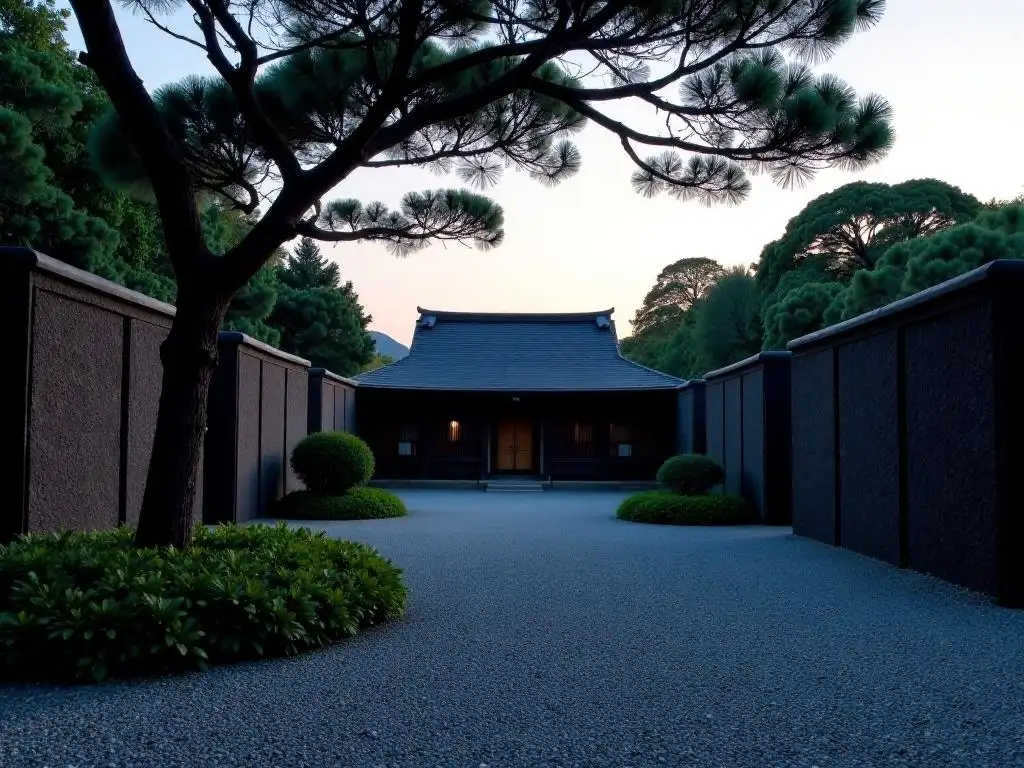
The influence of Zen philosophy permeated various aspects of life in feudal Japan, leaving a profound cultural legacy that is still evident today. Zen, with its emphasis on mindfulness, simplicity, and the acceptance of transience, provided a framework that shaped the aesthetic, social, and spiritual dimensions of Japanese society.
The integration of Zen into everyday life fostered a unique cultural identity where art, architecture, and even governance were infused with Zen principles. This legacy is characterized by a deep appreciation for nature, an affinity for minimalism, and the pursuit of inner tranquility, all of which are hallmarks of Japanese culture.
Lasting Impact on Japanese Spirituality and Religion
Zen philosophy has played a crucial role in shaping Japanese spirituality and religion, particularly through its integration with Shinto and other Buddhist traditions. The concept of impermanence, or mujo, emphasized by Zen teachings, found resonance within Shinto beliefs, leading to a harmonious coexistence of these spiritual systems. This blending of ideas resulted in a unique approach to spirituality that valued the present moment and the beauty of fleeting experiences.
Zen practices, such as meditation ( zazen), contributed to the development of various religious rituals and artistic expressions. The influence of Zen can be seen in the serene gardens of temples, the simplicity of tea ceremonies, and the contemplative nature of traditional Japanese landscape painting. These practices not only provided spiritual solace but also reinforced the collective identity of a society deeply attuned to the cycles of nature and existence.
Zen Philosophy in Modern Japanese Culture
The legacy of Zen philosophy continues to resonate within modern Japanese culture, influencing various fields such as art, literature, and even business practices. In contemporary Japan, the principles of Zen are evident in practices that promote mindfulness and focus, such as ikigai—the pursuit of purpose and meaning in life. Many modern Japanese artists and writers draw inspiration from Zen concepts, reflecting themes of impermanence and simplicity in their works.
Furthermore, the global interest in mindfulness and meditation has led to a resurgence of Zen practices outside Japan. Mindfulness-based stress reduction programs and Zen-inspired retreats now attract individuals seeking to integrate these ancient teachings into their lives. This modern adaptation of Zen philosophy underscores its lasting relevance and ability to transcend cultural boundaries.
Comparative Analysis: Zen and Other Philosophical Systems in Japan
When comparing Zen philosophy with other philosophical systems in Japan, such as Confucianism and Shinto, distinct differences and similarities emerge. While Confucianism emphasizes societal harmony and moral duties, Zen focuses on individual enlightenment and the acceptance of impermanence. This divergence highlights Zen's unique approach to understanding existence and the self.
Shinto, rooted in the reverence for nature and ancestral spirits, shares some commonalities with Zen, particularly in the appreciation of the transient beauty of life. However, Zen introduces a more introspective and meditative approach, encouraging followers to explore their inner realities rather than solely focusing on external rituals and worship.
This comparative analysis reveals how Zen philosophy not only complements but also contrasts with other systems, enriching the tapestry of Japanese thought and culture. It invites an ongoing dialogue regarding the complexities of spiritual beliefs and practices in Japan.
Conclusion: The Enduring Influence of Zen Philosophy
Zen philosophy has left an indelible mark on the fabric of Japanese history and culture, shaping the worldview of generations. Its teachings on impermanence and mindfulness have fostered a profound understanding of life’s fleeting nature, influencing art, spirituality, and everyday practices. As Japan continues to evolve, the principles of Zen remain integral to its cultural identity, providing a lens through which to appreciate both the past and the future.
Reflection on Zen Philosophy's Role in Shaping Japanese Identity
The role of Zen philosophy in shaping Japanese identity cannot be overstated. It has contributed to a collective consciousness that values simplicity, nature, and the acceptance of change. This perspective is evident in traditional arts, such as ikebana (flower arranging) and wabi-sabi (the beauty of imperfection), which celebrate the transient aspects of beauty and existence. The Zen influence fosters a deep connection to cultural heritage, encouraging individuals to reflect on their place within the continuum of life.
Future Directions: Continuing the Study of Zen in Japanese History
As scholars and enthusiasts explore the rich tapestry of Japanese history, the study of Zen remains a vital area of inquiry. Future research may delve into the lesser-known aspects of Zen's influence, including its role in shaping political thought, social structures, and intercultural exchanges. Additionally, as global interest in mindfulness and Zen practices grows, examining the cross-cultural adaptations of Zen philosophy can provide valuable insights into its evolution and relevance in contemporary society. The ongoing exploration of Zen's impact promises to enrich our understanding of not only Japanese culture but also the universal human experience.
References and Further Reading on Zen Philosophy in Feudal Japan
To gain a comprehensive understanding of Zen philosophy's influence on feudal Japan, it is essential to explore various academic sources, literature, and online resources that delve into this intricate relationship. Below are curated recommendations that encompass various aspects of Zen Buddhism and its cultural, historical, and philosophical implications during the feudal era.
Academic Sources on Zen Buddhism and Feudal Japan
-
"Zen Mind, Beginner's Mind" by Shunryu Suzuki
A classic work that provides insights into the essence of Zen practice and thought. Suzuki's teachings emphasize the importance of a beginner's mindset, which resonates deeply with the transient nature of existence in feudal Japan.
-
"The Zen Teachings of Bodhidharma" translated by Red Pine
This book presents the teachings of Bodhidharma, the legendary founder of Zen Buddhism in China, and connects these teachings to the evolution of Zen in Japan, highlighting its impact on samurai culture.
-
"The Three Pillars of Zen" by Philip Kapleau
An authoritative text that explores the practices and philosophies central to Zen. Kapleau integrates historical context, making it relevant to understanding Zen's role in the feudal Japanese worldview.
-
"Zen Buddhism: A History" by Heinrich Dumoulin
This comprehensive history traces the development of Zen Buddhism from its origins to its establishment in Japan, outlining key figures and events that shaped its philosophy and practices.
-
"Zen and the Art of Motorcycle Maintenance" by Robert M. Pirsig
Although not strictly an academic work, Pirsig's exploration of quality and the philosophical musings throughout his journey resonate with Zen principles and provide a modern lens on ancient ideas.
Suggested Literature for Deeper Understanding of the Topic
-
"The Book of Tea" by Okakura Kakuzō
This influential book discusses the aesthetic and philosophical underpinnings of the Japanese tea ceremony, which is deeply rooted in Zen principles. It explores how Zen aesthetics influenced various aspects of Japanese culture.
-
"Hagakure: The Book of the Samurai" by Yamamoto Tsunetomo
A foundational text for understanding the samurai ethos, Hagakure integrates Zen philosophy into the samurai code, illustrating the significance of impermanence in their lives and actions.
-
"The Zen of Seeing: Seeing/Drawing as Meditation" by Frederick Franck
This work invites readers to engage with Zen through the practice of drawing and seeing, emphasizing mindfulness and presence, concepts that were significant in feudal Japan.
-
"The Art of War" by Sun Tzu
While originally a Chinese text, its influence permeated Japanese culture, particularly among the samurai. The strategic principles within this text align with Zen philosophy regarding the nature of conflict and impermanence.
Online Resources for Exploring Zen Philosophy Further
-
Zen Studies Society
This organization provides a wealth of resources, including articles, teachings, and online courses that explore Zen Buddhism and its historical context in Japan.
-
The Soto Zen Buddhist Association
Their website offers various resources, including teachings and historical insights related to Soto Zen, the dominant Zen school in Japan, which shaped much of the feudal period's philosophical landscape.
-
The Zen Peacemakers
This community focuses on integrating Zen practice into modern life while honoring its historical roots. Their website features articles and resources that connect Zen philosophy to contemporary issues.
-
Stanford Encyclopedia of Philosophy
An excellent academic resource that contains entries on Zen Buddhism, its history, and its philosophical implications within the context of Japanese culture.
By engaging with these references and resources, readers can cultivate a deeper understanding of how Zen philosophy has shaped the worldview of feudal Japan, emphasizing the fundamental concepts of impermanence and mindfulness that continue to resonate today.
- Introduction to Zen Philosophy in Feudal Japan
- Historical Context of Feudal Japan
- Zen Philosophy and its Influence on Japanese Culture
- Zen Philosophy in Everyday Life During the Feudal Era
- The Cultural Legacy of Zen Philosophy in Feudal Japan
- Conclusion: The Enduring Influence of Zen Philosophy
- References and Further Reading on Zen Philosophy in Feudal Japan
- What is Zen philosophy, and how does it relate to feudal Japan?
- How did Zen philosophy impact the samurai class during feudal Japan?
- What role did Zen gardens play in feudal Japanese culture?
- How did Zen philosophy influence Japanese arts during the feudal era?
- Can Zen philosophy still be seen in modern Japanese society?
Frequently Asked Questions
What is Zen philosophy, and how does it relate to feudal Japan?
Zen philosophy emphasizes mindfulness, meditation, and the acceptance of impermanence. In feudal Japan, it significantly influenced art, culture, and the worldview of samurai and commoners alike.
How did Zen philosophy impact the samurai class during feudal Japan?
Zen teachings encouraged the samurai to embrace inner peace and discipline, helping them cope with the transience of life and the uncertainties of battle. This fostered a deeper sense of purpose and honor in their duties.
What role did Zen gardens play in feudal Japanese culture?
Zen gardens served as a space for meditation and reflection, embodying the principles of simplicity and natural beauty. They were designed to promote a sense of peace and mindfulness in a chaotic world.
How did Zen philosophy influence Japanese arts during the feudal era?
Zen philosophy inspired various art forms, including ink painting, tea ceremonies, and poetry. These expressions emphasized aesthetic simplicity and a deep appreciation for the impermanent nature of life.
Can Zen philosophy still be seen in modern Japanese society?
Yes, many elements of Zen philosophy, such as mindfulness and the appreciation of nature, continue to influence modern Japanese culture, including spiritual practices, art, and even business ethics.
Final Reflection: Embracing the Transience of Life through Zen Philosophy
The exploration of Zen philosophy in feudal Japan reveals a profound understanding of impermanence, which resonates deeply with our contemporary lives. In a world increasingly defined by rapid change and uncertainty, the lessons of Zen remind us that embracing the fleeting nature of existence can lead to greater peace and acceptance. The insights gained from this ancient worldview are not merely historical artifacts; they are essential tools for navigating the complexities of modern life.
Culture and society continue to be shaped by the principles of Zen, as its emphasis on mindfulness and acceptance permeates various aspects of our daily experiences. The teachings of Zen encourage us to find beauty in the ephemeral, fostering a sense of gratitude for the present moment. As the Zen master Thich Nhat Hanh once said, The present moment is filled with joy and happiness. If you are attentive, you will see it.
This perspective is increasingly relevant today, as we grapple with the pressures of a fast-paced world that often overlooks the importance of being present and appreciating the now.
As we reflect on the teachings of Zen philosophy, let us take a moment to consider how we can integrate these principles into our own lives. I invite you to pause and reflect on the beauty of impermanence—embrace the transient moments that shape your journey and recognize the wisdom that lies in letting go. By doing so, we not only honor the legacy of Zen in feudal Japan but also cultivate a deeper understanding of ourselves and the world around us.
Embrace Change: Transform Your Perspective Today!
Thank you for diving into the fascinating world of Zen and the concept of impermanence in feudal Japan! You've uncovered insights that challenge us to rethink our relationship with change. Now, let’s transform that insight into action.
Here are some practical ways to take the philosophy of impermanence beyond the pages of this article:
- Reflect Daily: Set aside just five minutes each day to meditate on the idea of impermanence. Consider journaling your thoughts on how embracing change can enhance your life.
- Share Your Insights: Discuss your reflections on impermanence with friends or family. You can also start an online conversation by sharing your key takeaways using the hashtag #ZenImpermanence.
- Explore Further: Delve deeper into Zen practices. Look for books or join a local meditation group to immerse yourself in the philosophy that has profoundly influenced historical perspectives in Japan.
What shifts in your life could occur by embracing the concept of impermanence? Share your thoughts below!