
The Spiritual Journey: Understanding the Meditative Aspects of Tea Ceremonies

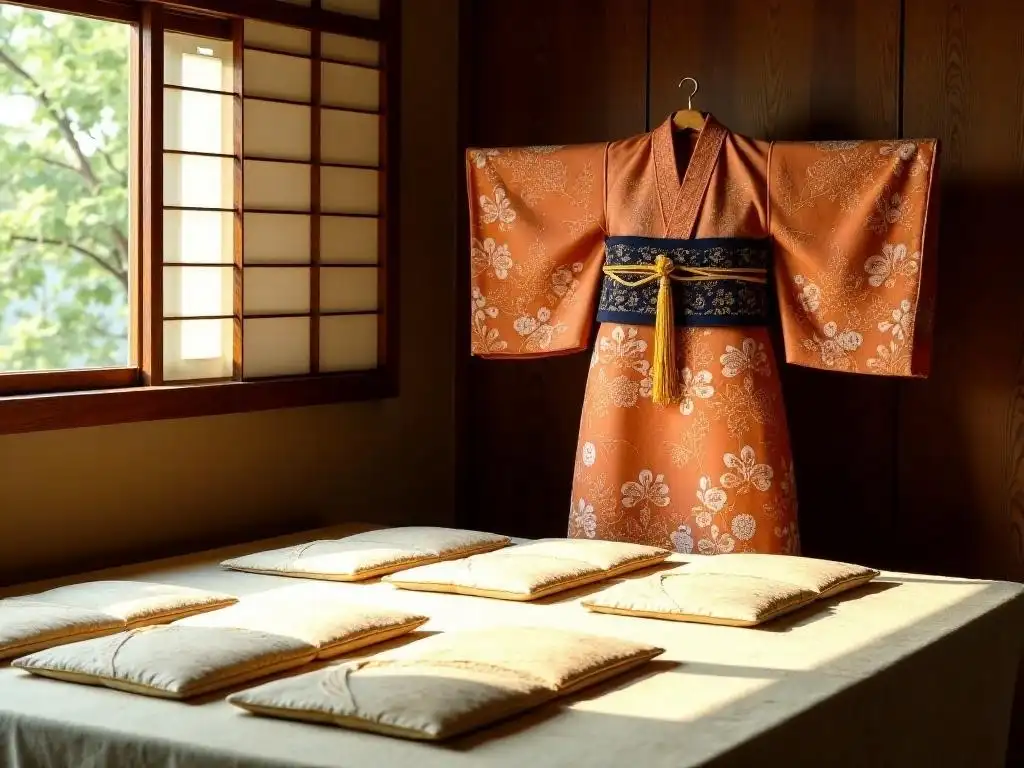
Welcome to Feudal Japan History, where we invite you to embark on a captivating journey through the intricate tapestry of Japan's feudal era. In our featured article, "The Spiritual Journey: Understanding the Meditative Aspects of Tea Ceremonies," we delve into the profound practice of Japanese tea ceremony meditation, revealing its deep cultural significance and the serenity it brings.
As you explore the harmonious blend of artistry and mindfulness inherent in each ritual, you'll uncover layers of history and tradition that shaped not only Japan's past but also its present. Prepare to ignite your curiosity and enrich your understanding of this timeless practice as you dive deeper into our collection of expert-driven insights.
The Japanese tea ceremony, known as "chanoyu" (茶の湯), is more than just the preparation and consumption of tea; it is a profound ritual that embodies the essence of Japanese tea ceremony meditation. This intricate practice dates back centuries, intertwining spiritual, aesthetic, and cultural dimensions that reflect the values of harmony, respect, purity, and tranquility. At its core, the tea ceremony serves as a meditative journey, allowing participants to immerse themselves in the present moment while appreciating the beauty of simplicity and nature.
Throughout this article, we will delve into the historical roots of tea ceremonies, explore the meditative practices involved, and uncover how these rituals foster mindfulness and spiritual growth. By examining the various elements that comprise the tea ceremony—from the choice of utensils to the meticulous movements of the host—we will reveal how this age-old tradition continues to resonate with individuals seeking peace and introspection in today's fast-paced world.
Join us as we embark on a comprehensive exploration of the meditative aspects of tea ceremonies, uncovering their significance within the broader tapestry of Japan's feudal history and cultural heritage.
- Introduction to Japanese Tea Ceremony Meditation
- The Role of Meditation in the Japanese Tea Ceremony
- Components of the Japanese Tea Ceremony
- Steps Involved in a Japanese Tea Ceremony
- Meditative Practices Within the Japanese Tea Ceremony
- The Spiritual Benefits of Japanese Tea Ceremony Meditation
- Conclusion: The Lasting Impact of Tea Ceremony Meditation
- Additional Resources on Japanese Tea Ceremony Meditation
- Frequently Asked Questions
- Final Reflection: Embracing Stillness Through Japanese Tea Ceremony Meditation
- Embrace the Tranquility of Tea: Take Your Next Step!
Introduction to Japanese Tea Ceremony Meditation
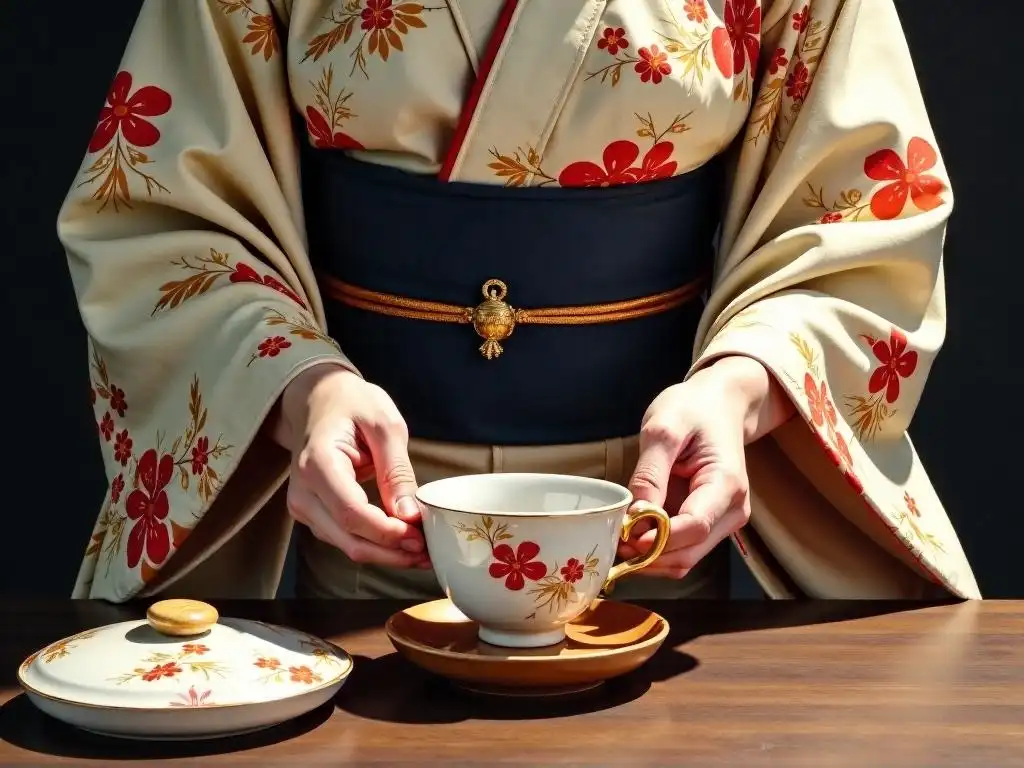
The Japanese tea ceremony, known as "chanoyu" or "sado," is much more than a ritualistic preparation and serving of tea; it embodies a profound meditative practice that intertwines spirituality, aesthetics, and philosophy. This art form is a reflection of the rich cultural tapestry of Japan, where the act of brewing and consuming tea becomes a gateway to mindfulness and serenity. The Japanese tea ceremony meditation promotes a deep connection with the self and the environment, encouraging practitioners to experience the present moment fully.
Definition of Japanese Tea Ceremony
The Japanese tea ceremony is defined as a highly choreographed ritual involving the preparation and consumption of matcha, a powdered green tea. Central to this practice is the concept of "wabi-sabi," which finds beauty in imperfection and transience. The ceremony is characterized by several key elements:
- Utensils: Specific tools are used, including the tea bowl ( chawan), tea whisk ( chasen), and tea scoop ( chashaku), each chosen for their aesthetic and functional qualities.
- Setting: The environment plays a crucial role; tea rooms are designed to create a tranquil atmosphere, often incorporating natural elements and minimalistic decor.
- Rituals: The process is steeped in tradition, with each movement and gesture performed with mindfulness, emphasizing respect and harmony between host and guests.
Through this meditative practice, participants engage in a state of "mushin," or no-mind, where distractions fade, allowing for a deeper connection to the tea and the moment.
Historical Context of Tea Ceremonies in Feudal Japan
The origins of tea ceremonies can be traced back to the introduction of tea to Japan in the 9th century, largely influenced by Buddhist monks who recognized its stimulating properties. However, the formalization of the tea ceremony as a meditative practice gained prominence during the Muromachi period (1336–1573), particularly under the influence of the tea master Sen no Rikyū.
Key historical milestones include:
- Zen Buddhism's Influence: The tea ceremony was significantly shaped by Zen philosophy, which emphasized simplicity, mindfulness, and the pursuit of enlightenment. The practices within the tea ceremony reflect these ideals, creating a space for introspection.
- Cultural Integration: As the samurai class adopted tea ceremonies as a demonstration of their refinement and social status, these rituals became integral to feudal Japanese culture. They served not only as social gatherings but also as opportunities for spiritual and philosophical exploration.
- Evolution Through Eras: Over the centuries, the tea ceremony evolved, incorporating various artistic influences and regional variations, yet the meditative essence remained a constant thread throughout its history.
Importance of Meditation in Japanese Culture
Meditation in Japanese culture is deeply rooted in various practices, including Zen Buddhism, Shinto rituals, and traditional arts. The meditative aspects of the Japanese tea ceremony highlight this importance, serving multiple purposes:
- Mindfulness and Presence: The act of preparing and enjoying tea encourages participants to focus on the present moment, cultivating mindfulness, which is essential in a fast-paced world.
- Connection to Nature: The ceremony often emphasizes harmony with nature, reflecting the Shinto belief in the sacredness of the natural world. This connection fosters a sense of peace and tranquility, further enhancing the meditative experience.
- Cultural Identity: As a symbol of Japanese cultural heritage, the tea ceremony embodies values such as respect, harmony, and purity. It serves as a reminder of the significance of mindfulness and tranquility in daily life.
The Japanese tea ceremony meditation encapsulates a rich historical and cultural narrative, offering profound insights into the meditative practices that have shaped Japanese society. Through this exploration, one can appreciate the art of tea not merely as a beverage but as a transformative experience that intertwines spirituality and tradition.
The Role of Meditation in the Japanese Tea Ceremony
The Japanese tea ceremony, known as chanoyu, transcends mere beverage preparation; it embodies a profound spiritual practice rooted in meditation. This ritualistic event is a harmonious blend of aesthetics, philosophy, and social interaction, all aimed at cultivating a mindful experience. Central to this practice is the act of meditation, which serves as a guiding principle throughout the ceremony, influencing the participants' mindset and actions.
Meditation in the context of the tea ceremony is not merely an adjunct; it is integral to the experience. The process of preparing and serving tea becomes a meditative practice, inviting participants to immerse themselves fully in the moment. This immersion fosters a deep sense of presence, allowing individuals to detach from the chaotic distractions of daily life and engage with the present moment's tranquility.
How Meditation Enhances the Tea Ceremony Experience
The act of meditation enriches the tea ceremony in several meaningful ways:
- Focus and Presence:
- Participants are encouraged to focus their attention on the intricate details of the ceremony—each movement, sound, and visual element. This heightened awareness cultivates a sense of presence.
- The deliberate pacing of the ceremony promotes a reflective atmosphere where thoughts are clarified, and the mind can find stillness.
- Emotional Regulation:
- Engaging in meditation during the tea ceremony allows individuals to process emotions effectively. The calming environment encourages participants to let go of anxiety and stress.
- This emotional clarity enhances interpersonal interactions, fostering deeper connections between hosts and guests.
- Spiritual Connection:
- The meditative aspects of tea preparation and consumption often lead participants to a greater understanding of their own spirituality. Many find that the ceremony acts as a conduit for exploring deeper existential questions.
- This spiritual engagement aligns with the philosophies of wabi-sabi, where beauty is found in imperfection, and simplicity is celebrated.
- Community and Interpersonal Harmony:
- The tea ceremony is a communal event where meditation fosters a sense of unity among participants. Sharing this experience creates bonds and cultivates a shared appreciation for the moment.
- The collective silence during the tea preparation allows for a shared meditative state, enhancing the overall experience.
The Connection Between Mindfulness and Tea Preparation
Mindfulness is a core element of the Japanese tea ceremony, deeply intertwined with its meditative practices. Each step of the tea preparation—from selecting the tea leaves to the final serving—demands full attention and intentionality. Here's how mindfulness manifests in the ceremony:
- Intentional Movements: Every action, from whisking the matcha to pouring water, is performed with purpose. This meticulousness encourages participants to appreciate the beauty in each motion and its significance within the ceremony.
- Sensory Engagement: Participants are invited to engage their senses fully. The aroma of the tea, the feel of the utensils, and the sight of the tea's vibrant color all enhance the mindfulness experience, promoting a deeper connection to the present.
- Cultivation of Gratitude: The practice of mindfulness nurtures gratitude for the simple act of sharing tea. Recognizing the effort and artistry involved in the ceremony fosters appreciation for both the host and the guests.
The Influence of Zen Buddhism on Tea Ceremony Meditation
The relationship between Zen Buddhism and the Japanese tea ceremony is profound and foundational. Zen principles shape the meditation practices within the ceremony, influencing its aesthetics and philosophy. Key aspects include:
- Zazen and Stillness: The practice of zazen, or seated meditation, emphasizes stillness and simplicity, mirroring the tranquility sought in the tea ceremony. This alignment encourages participants to cultivate inner peace as they engage in the ritual.
- Emphasis on Nature: Zen teachings emphasize harmony with nature, and this is reflected in the tea ceremony's use of natural materials and seasonal elements. The connection to nature enhances the meditative experience, inviting participants to appreciate the world around them.
- Transience and Impermanence: Zen Buddhism teaches the importance of embracing transience, which is echoed in the tea ceremony. The fleeting moments of beauty, such as the steam rising from the tea bowl, remind participants of the impermanent nature of life, inviting a deeper reflection on existence.
The integration of meditation within the Japanese tea ceremony not only enhances the experience but also fosters a deeper understanding of mindfulness and spirituality. The influence of Zen Buddhism further enriches this practice, creating a profound and transformative journey for all participants.
Components of the Japanese Tea Ceremony
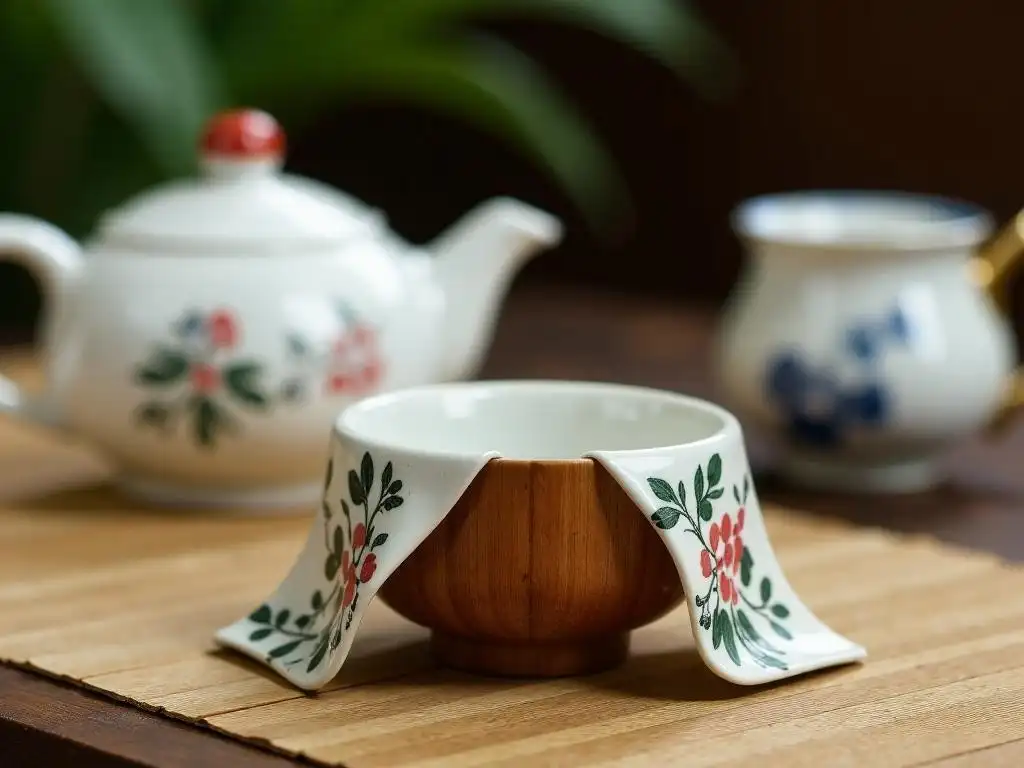
The Japanese tea ceremony, or chanoyu, is a profound cultural ritual that embodies the essence of meditation and mindfulness through the preparation and consumption of tea. This ceremony is not merely about drinking tea; it encompasses a rich tapestry of philosophy, art, and etiquette, all contributing to a meditative experience. In this section, we will delve into the essential components that make up the Japanese tea ceremony, exploring the tools, tea selection, and the meticulous rituals involved in this serene practice.
Essential Tools and Utensils in Tea Ceremony
The tools used in the Japanese tea ceremony are pivotal to creating the meditative atmosphere and facilitating the experience. Below is a list of essential utensils, each with its unique significance:
- Chawan (Tea Bowl):
- The vessel in which the tea is served, symbolizing the heart of the ceremony.
- Chasen (Tea Whisk):
- Made from bamboo, this tool is used to whisk the powdered tea, or matcha, into a frothy mixture, representing the harmony of nature.
- Chashaku (Tea Scoop):
- Also crafted from bamboo, this scoop measures the amount of matcha to be used, emphasizing precision and mindfulness.
- Natsume (Tea Caddy):
- This container holds the matcha and signifies the importance of preserving the tea’s essence.
- Fukusa (Silk Cloth):
- A cloth used for purifying the utensils, symbolizing the importance of cleanliness and respect in the ceremony.
- Kensui (Waste Water Bowl):
- This bowl collects excess water and waste, reflecting the principle of sustainability and respect for resources.
The combination of these utensils not only facilitates the preparation of tea but also serves as a reminder of the beauty found in simplicity and attention to detail, which are central tenets of Japanese tea ceremony meditation.
The Significance of Tea Selection in Meditation
The selection of tea is a crucial aspect that influences the meditative quality of the ceremony. Traditionally, matcha is the primary tea used, known for its vibrant green color and rich umami flavor. The significance of tea selection can be understood through several facets:
- Quality and Origin:
- The best matcha is often sourced from specific regions in Japan, such as Uji or Nishio, known for their superior cultivation methods. The quality of tea impacts not only the flavor but also the overall experience of the ceremony.
- Seasonality:
- Different teas are harvested in various seasons, each bringing its unique flavor profile and energy. For instance, spring-harvested matcha is considered the most vibrant and is often favored for ceremonies.
- Mindful Selection:
- Choosing tea involves a meditative practice in itself, as participants reflect on the qualities of the tea and its connection to the natural world. This mindful selection fosters a deeper appreciation for the moment and the experience.
The careful consideration given to tea selection enhances the meditative state during the ceremony, creating a deeper connection between the participants and the act of tea drinking.
The Ritual of Preparing and Serving Tea
The preparation and serving of tea in the Japanese tea ceremony is an intricate ritual that embodies patience, respect, and mindfulness. Each step is performed with deliberate attention, transforming the act of making tea into a form of meditation. The ritual can be broken down into several key stages:
- Preparation:
- The host prepares the tea room by ensuring it is clean and aesthetically pleasing, which sets a tranquil environment conducive to meditation.
- Welcoming Guests:
- As guests arrive, the host engages in rituals of greeting, emphasizing hospitality and respect. This interaction fosters a sense of community and connection.
- Tea Preparation:
- The host meticulously measures matcha using the chashaku, adding it to the chawan. Hot water is then poured in, and the chasen is used to whisk the tea into a frothy consistency. This process requires focus, as each movement is performed with intention.
- Serving Tea:
- The host presents the tea bowl to the guest with a gesture of respect. Guests are encouraged to admire the bowl and appreciate its beauty before drinking, promoting mindfulness.
- Sharing:
- After tasting, the guests often express gratitude and share their thoughts on the tea, enriching the communal experience. This dialogue enhances the meditative quality of the ceremony.
Through these rituals, the Japanese tea ceremony transforms the simple act of drinking tea into a profound spiritual journey, embodying the principles of Japanese tea ceremony meditation. Each element, from the utensils to the preparation, serves to deepen the participants' engagement with the present moment, fostering a sense of peace and reflection.
Steps Involved in a Japanese Tea Ceremony
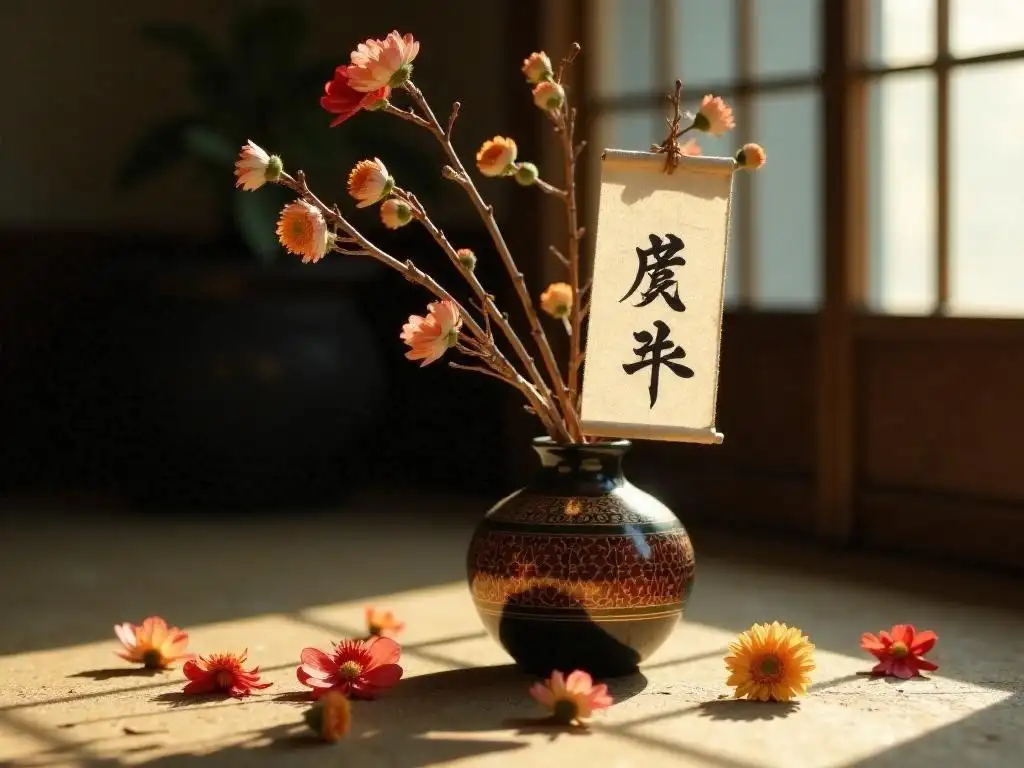
The Japanese tea ceremony, known as Chanoyu, is a meticulously designed ritual that embodies the principles of harmony, respect, purity, and tranquility. This meditative practice not only focuses on the act of making and serving tea but also emphasizes mindfulness and the spiritual journey of both the host and the guests. Below, we delve into the essential steps involved in a traditional Japanese tea ceremony.
Pre-Ceremony Preparations
Before the ceremony begins, significant attention is given to preparations that set the tone for the experience. These preparations can be categorized into the following stages:
- Choosing the Venue:
- The location is typically a tea room or a tranquil outdoor space, allowing for a serene environment.
- The aesthetics of the setting play a crucial role, as traditional Japanese architecture embraces natural beauty and simplicity.
- Selecting Utensils:
- Essential tools include a chawan (tea bowl), chasen (bamboo whisk), chashaku (tea scoop), and natsume (tea caddy). Each utensil is chosen with care, reflecting the season and the theme of the ceremony.
- The quality and craftsmanship of the utensils are vital, as they enhance the overall experience.
- Preparing the Tea:
- High-quality matcha is selected, which is finely powdered green tea. The choice of tea may vary based on the occasion or the season.
- The host prepares the tea by sifting it to ensure a smooth texture, emphasizing the importance of purity in both the tea and the surroundings.
- Setting the Atmosphere:
- The host arranges the space, ensuring cleanliness and order, which are critical aspects of the ceremony.
- Seasonal decorations, such as flowers or calligraphy, may be displayed to create a connection with nature.
The Step-by-Step Process of the Tea Ceremony
The tea ceremony unfolds through a series of deliberate actions, each imbued with meaning and mindfulness. Here, we explore the core components of the ceremony:
Greeting Guests and Setting the Atmosphere
As guests arrive, the host greets them with a warm welcome, embodying the principle of wa (harmony). The atmosphere is established through:
- Nodding and Bowing: Both the host and guests exchange bows, signifying mutual respect.
- Exchange of Seasonal Greetings: The host may engage in conversation, sharing thoughts on the seasonal elements present, which fosters a deeper connection to the moment.
The careful curation of the environment is reflected in the use of tatami mats, shoji screens, and natural lighting, all contributing to a peaceful ambiance conducive to meditation.
The Ritual of Whisking the Matcha
Once the guests are seated, the host begins the ritual of preparing the matcha. This process is not merely functional but a meditative act in itself, composed of several steps:
- Heating the Water: The host heats water to the ideal temperature, typically around 80°C (176°F), ensuring that the matcha is not scorched.
- Measuring the Tea: Using the chashaku, the host carefully measures the matcha, typically 1-2 scoops, emphasizing precision and intention.
- Whisking:
- The host adds hot water to the matcha in the chawan and uses the chasen to whisk the tea. The motion should be brisk yet controlled, creating a frothy layer on top.
- This ritual allows for a meditative state, where the host focuses solely on the process, embodying the principles of mindfulness and presence.
Serving and Sharing the Tea Mindfully
The final stage of the ceremony is the serving and sharing of the tea, which encapsulates the spirit of generosity and community.
- Serving the Tea:
- The host presents the prepared tea to the guest with both hands, symbolizing respect and care. The guest receives it with gratitude, reflecting the mutual exchange of positive energy.
- Mindful Consumption:
- Guests are encouraged to appreciate the aroma, texture, and flavor of the matcha, taking small sips while remaining fully present in the moment.
- The ceremonial etiquette involves turning the bowl slightly before drinking, ensuring that the most visually appealing side is presented to the host.
- Engaging in Reflection:
- After consuming the tea, guests may share their thoughts or express gratitude, fostering a communal spirit and deepening connections.
- The closing of the ceremony often involves a collective appreciation for the experience, reinforcing the meditative journey shared by all participants.
Through these steps, the Japanese tea ceremony transcends mere beverage preparation, embodying a profound spiritual practice that intertwines meditation with cultural tradition. Each action fosters a deeper awareness of the present moment, allowing participants to engage fully in the beauty of simplicity and connection.
Meditative Practices Within the Japanese Tea Ceremony
The Japanese tea ceremony, known as chanoyu, is not merely a social event but a profound spiritual practice that embodies meditation. This ceremonial art form integrates various meditative techniques that promote mindfulness, tranquility, and self-reflection. The meditative aspects of the tea ceremony emphasize a deep connection between the practitioner and the elements involved, including tea, utensils, and the surrounding environment.
Through carefully orchestrated movements and a focus on sensory experiences, participants engage in a form of meditation that fosters a heightened state of awareness. This section explores the key meditative practices employed during the Japanese tea ceremony, emphasizing their significance in nurturing inner peace and spiritual growth.
Breathing Techniques and Their Importance
Breathing is a fundamental aspect of meditation, and in the context of the Japanese tea ceremony, it plays a crucial role in centering the mind and body. Participants often practice specific breathing techniques that help cultivate a sense of calm and focus.
- Deep Abdominal Breathing: This technique encourages participants to breathe deeply into the abdomen rather than the chest. By doing so, the body receives more oxygen, promoting relaxation and grounding. A common practice during the ceremony involves inhaling deeply while visualizing the act of drawing in peace and tranquility, then exhaling slowly to release tension and distractions.
- Counted Breaths: Participants may also engage in counted breathing, where they silently count their breaths to maintain focus. This technique serves as a way to anchor the mind, reducing the tendency to wander. For instance, counting up to ten while inhaling and exhaling can create a rhythmic pattern that enhances concentration.
- Synchronizing Breath with Movements: Aligning breath with the specific movements of preparing and serving tea helps deepen the meditative experience. For example, as the tea whisk is lifted, participants might inhale, and as it is set down, they exhale. This synchronization fosters a flow of energy and mindfulness that permeates the entire ceremony.
Visualization Practices during the Ceremony
Visualization techniques are also integral to the meditative aspects of the Japanese tea ceremony. These practices encourage participants to engage their minds creatively, fostering a deeper connection to the tea and the environment.
- Imagining the Journey of Tea: Participants may visualize the entire process of tea, from its cultivation in the fields to its preparation in the tea room. This visualization not only enhances appreciation for the tea itself but also instills a sense of gratitude for the natural elements involved in its journey.
- Creating Mental Landscapes: During the ceremony, practitioners often envision serene landscapes or tranquil settings while sipping tea. This practice allows them to escape the stresses of daily life and immerse themselves in a peaceful mental space, promoting relaxation and mindfulness.
- Mindful Engagement with the Tea Utensils: Visualizing the significance of each utensil—such as the tea bowl, whisk, and scoop—can elevate the meditative experience. Participants may imagine the history, craftsmanship, and beauty of these items, reinforcing their connection to tradition and the present moment.
Cultivating Presence and Appreciation in Each Moment
One of the most profound aspects of the Japanese tea ceremony is its emphasis on being present and appreciating each moment. This principle, known as ichi-go ichi-e (一期一会), translates to "one time, one meeting," highlighting the uniqueness of each encounter.
- Focusing on the Senses: The ceremony encourages participants to engage fully with their senses—savoring the aroma of the tea, observing the colors and textures of the utensils, and feeling the warmth of the tea bowl. This multisensory engagement fosters an appreciation for the present moment and enhances the overall meditative experience.
- Ritualistic Movements: The deliberate and ritualistic movements involved in the tea ceremony serve to ground participants in the here and now. Each action, whether it is the precise pouring of water or the gentle whisking of tea, becomes an opportunity for mindfulness. By performing these tasks with intention, practitioners cultivate a deeper awareness of their surroundings and actions.
- Reflection and Gratitude: Finally, the ceremony often concludes with a moment of reflection and gratitude, allowing participants to acknowledge the experience they shared. This practice reinforces the importance of presence and appreciation, creating a lasting impact on their spiritual journey.
The meditative practices within the Japanese tea ceremony are vital components that enhance the overall experience. Through breathing techniques, visualization practices, and the cultivation of presence, participants can engage in a profound exploration of meditation that transcends the act of drinking tea, leading to deeper spiritual growth and self-awareness.
The Spiritual Benefits of Japanese Tea Ceremony Meditation
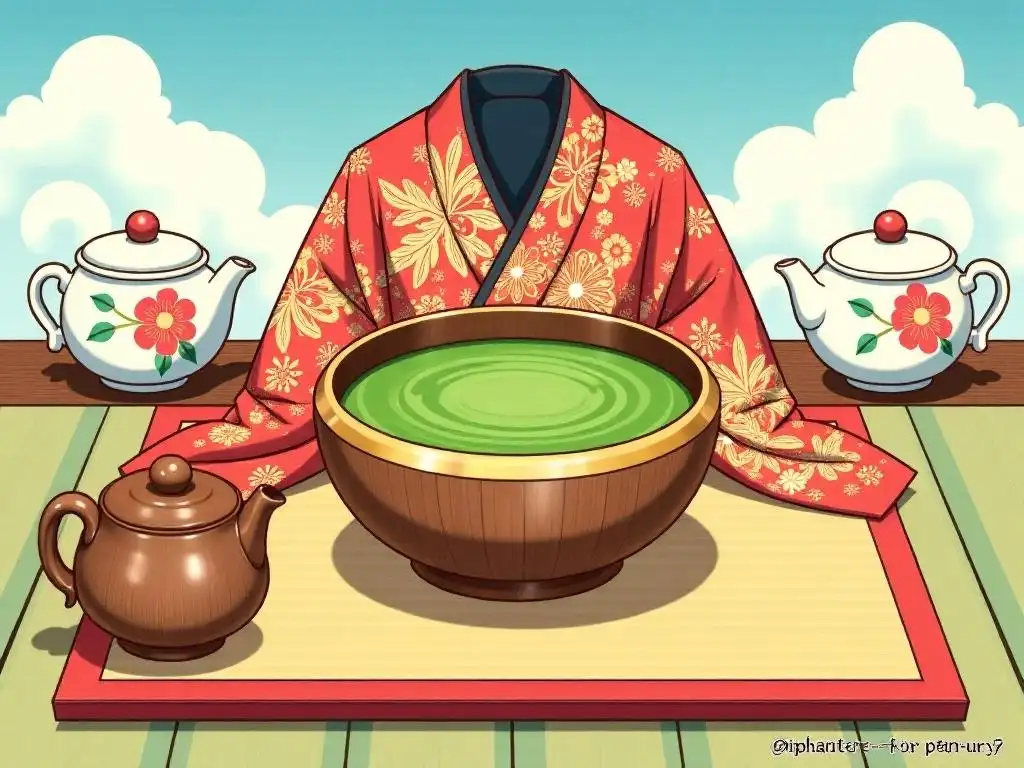
The Japanese tea ceremony, or chanoyu, transcends mere preparation and consumption of tea; it embodies a rich spiritual practice that offers numerous benefits for the mind, body, and spirit. Central to this practice is Japanese tea ceremony meditation, which invites participants to engage deeply with the experience, facilitating a profound connection with oneself and the surrounding environment. Below, we explore the various spiritual benefits of this meditative practice.
Enhancing Mental Clarity and Focus
One of the most significant benefits of Japanese tea ceremony meditation is its ability to enhance mental clarity and focus. The ritualized steps involved in the ceremony require participants to be present and attentive, cultivating a state of mindfulness. This process involves several key components:
- Preparation: The meticulous arrangement of utensils and ingredients demands concentration, encouraging participants to set aside distractions.
- Mindful Movement: Each action, from whisking the matcha to pouring the tea, is performed with deliberate intention, which helps to ground the mind in the present moment.
- Breath Control: Participants often incorporate breathing techniques during the ceremony, fostering a sense of calm and focus that can carry over into daily life.
Studies have shown that mindfulness practices, such as those found in the tea ceremony, can lead to improved cognitive function, including better attention span and problem-solving capabilities. Engaging in Japanese tea ceremony meditation regularly can significantly enhance one’s ability to concentrate, making it a valuable tool for both personal and professional development.
Promoting Emotional Well-being and Calmness
The meditative aspects of the Japanese tea ceremony extend beyond mental clarity; they also play a crucial role in promoting emotional well-being and calmness. The structured nature of the ceremony creates a peaceful environment that encourages introspection and emotional release. Key factors contributing to this emotional benefit include:
- Ritual and Routine: The repetition of familiar actions provides a comforting framework, allowing participants to feel secure and grounded.
- Connection with Others: The tea ceremony often occurs in a communal setting, fostering a sense of belonging and shared experience that can alleviate feelings of loneliness and anxiety.
- Aesthetic Appreciation: The beauty of the tea utensils, the simplicity of the setting, and the taste of the tea can evoke feelings of joy and gratitude, enhancing overall emotional well-being.
Through Japanese tea ceremony meditation, individuals can cultivate a deeper understanding of their emotions, leading to greater resilience and a more balanced emotional state. The practice has been shown to reduce stress levels and improve overall life satisfaction.
Fostering Connection with Nature and Tradition
The Japanese tea ceremony is deeply rooted in nature and tradition, and engaging in this meditative practice fosters a profound connection to both. This connection is manifested in several ways:
- Natural Elements: The ceremony often takes place in a garden or a space that incorporates natural elements, allowing participants to immerse themselves in the beauty of the environment. This connection to nature promotes feelings of peace and serenity.
- Cultural Heritage: The tea ceremony is a reflection of centuries of Japanese culture and tradition. By participating in this ritual, individuals can connect with their heritage, fostering a sense of identity and continuity.
- Mindfulness in Nature: The quiet contemplation that occurs during the tea ceremony encourages participants to reflect on their relationship with the natural world, promoting ecological awareness and appreciation.
Incorporating Japanese tea ceremony meditation into one’s life can lead to a deeper appreciation for the environment and cultural heritage, nurturing a sense of responsibility toward preserving both.
The spiritual benefits of Japanese tea ceremony meditation are multifaceted, contributing to enhanced mental clarity, emotional well-being, and a profound connection with nature and tradition. As individuals engage in this meditative practice, they not only deepen their understanding of themselves but also cultivate a harmonious relationship with the world around them.
Conclusion: The Lasting Impact of Tea Ceremony Meditation
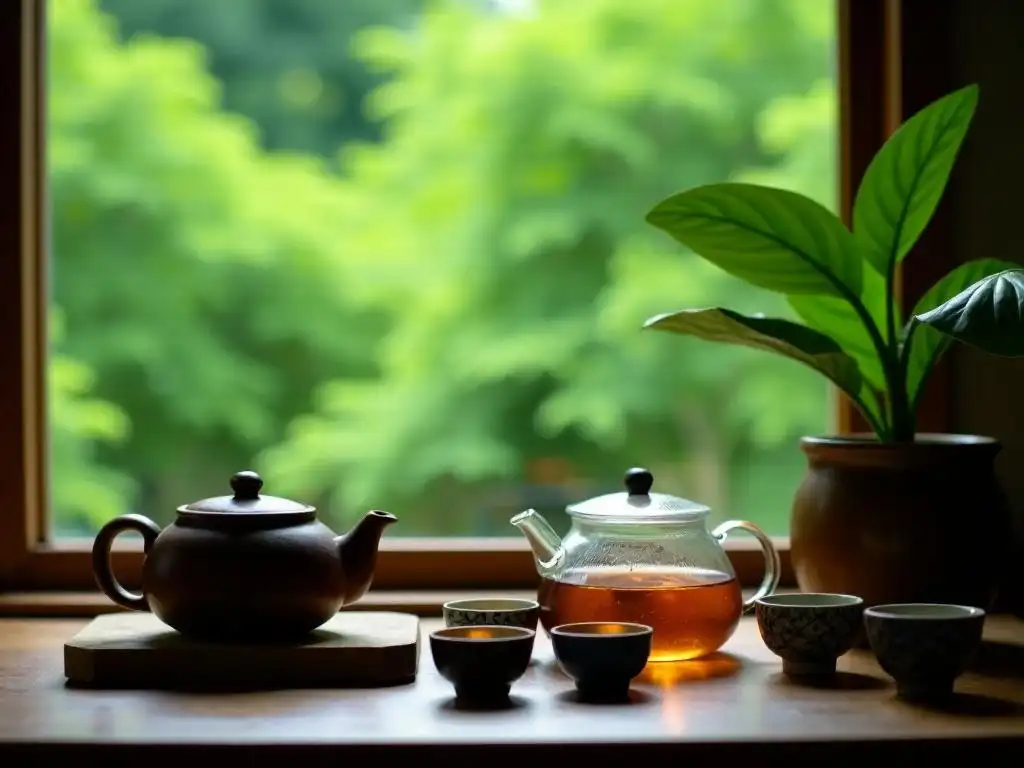
The Japanese tea ceremony, known as chanoyu, extends far beyond the mere act of preparing and serving tea. It embodies a profound journey toward inner peace and mindfulness, making it an integral part of Japan's cultural and spiritual heritage. The essence of tea ceremony meditation lies in the conscious practice of being present, fostering deep connections with oneself and the environment. This meditative process significantly impacts participants, offering a sanctuary for reflection and tranquility amidst the chaos of daily life.
Through the intricate choreography of the tea ceremony, every movement and gesture is imbued with meaning, serving as a reminder of the impermanence of life. This ritualistic approach invites practitioners to engage in a harmonious dialogue with nature, foster gratitude, and develop an appreciation for the fleeting moments that life offers. The tea ceremony's meditative aspects resonate deeply, allowing individuals to cultivate a sense of serenity that transcends the physical act of drinking tea.
Reflections on the Spiritual Journey Through Tea
The spiritual journey through tea is a multifaceted experience, encompassing not only the preparation and consumption of tea but also self-discovery and personal growth. As participants engage in this meditative practice, they often reflect on several key aspects:
- Mindfulness and Presence: Each step of the tea ceremony encourages practitioners to remain fully present. The meticulous attention to detail—from the selection of tea utensils to the serving of tea—promotes a state of mindfulness that fosters deeper connections with one’s surroundings and oneself.
- Harmony and Balance: The tea ceremony embodies the principles of harmony ( wa), respect ( kei), purity ( sei), and tranquility ( jaku). These elements serve as guiding virtues that help participants achieve a balanced state of mind, encouraging a harmonious relationship with nature and others.
- Cultural Legacy: Engaging in the tea ceremony allows individuals to connect with Japan's rich cultural history. Understanding the philosophical underpinnings of this practice, such as Zen Buddhism, enhances the spiritual journey, offering insights into the values and beliefs that shaped the ceremony over centuries.
In essence, the spiritual journey through tea is not merely about the act of drinking tea; it is a profound exploration of self, culture, and the universe, where each ceremony becomes a unique expression of one's inner landscape.
The Relevance of Japanese Tea Ceremony Meditation Today
In today's fast-paced world, the practice of Japanese tea ceremony meditation holds significant relevance. It serves as a counterbalance to the stresses of modern life, offering individuals a dedicated space to cultivate mindfulness and inner peace. Here are some key reasons why this practice remains vital in contemporary society:
- Stress Relief: With increasing demands and pressures, many seek effective methods to alleviate stress. The tea ceremony provides an immersive experience that encourages relaxation and mental clarity, enabling participants to disconnect from their worries and reconnect with themselves.
- Community and Connection: The tea ceremony fosters social bonds and community spirit. In an era where digital interactions often replace face-to-face connections, the shared experience of preparing and enjoying tea together promotes genuine relationships and understanding.
- Cultural Appreciation: As globalization continues to shape cultural exchanges, the Japanese tea ceremony offers a unique lens through which to appreciate and engage with Japanese traditions. This practice not only enhances cultural awareness but also inspires individuals to explore their own heritage and traditions.
- Mindfulness Movement: The growing interest in mindfulness practices aligns well with the principles of the tea ceremony. As more people seek to incorporate mindfulness into their daily lives, the meditative aspects of tea serve as a valuable tool for achieving mental and emotional well-being.
The Japanese tea ceremony meditation is a rich and transformative practice that remains deeply relevant in the modern world. Its lasting impact extends beyond the ritual itself, inviting individuals to embark on a personal journey of mindfulness, connection, and cultural appreciation.
Additional Resources on Japanese Tea Ceremony Meditation
Recommended Readings and Literature
For those interested in diving deeper into the meditative aspects of the Japanese tea ceremony, numerous books and scholarly articles provide a wealth of knowledge. Here are some essential readings:
-
"The Book of Tea" by Okakura Kakuzō
This classic work explores the philosophy and aesthetics behind the tea ceremony, emphasizing its meditative qualities and connection to Zen Buddhism.
-
"Tea Life, Tea Mind" by Soshitsu Sen XV
Written by a leading tea master, this book offers insights into the spiritual practice of the tea ceremony, reflecting on mindfulness and presence.
-
"The Way of Tea: Reflections on a Life with Tea" by T. S. H. K.
This comprehensive guide connects tea culture with meditative practices, providing valuable reflections on the role of tea in achieving tranquility.
-
Scholarly Articles
Academic journals often publish articles focusing on tea ceremonies in the context of meditation. Search databases like JSTOR or Google Scholar for terms like "Japanese tea ceremony meditation" to find relevant studies.
Engaging with these texts can enrich one’s understanding of the spiritual significance embedded in the rituals of tea preparation and consumption.
Workshops and Experiences to Deepen Understanding
Participating in workshops or experiential learning opportunities can greatly enhance your appreciation of the Japanese tea ceremony and its meditative aspects. Here are some options to consider:
-
Local Tea Schools
Many cities have tea schools that offer classes on the Japanese tea ceremony. These classes often include hands-on experiences, allowing participants to engage in the meditative process themselves.
-
Retreats Focused on Tea and Meditation
Some wellness retreats incorporate tea ceremonies as part of their programs. These retreats often focus on mindfulness and meditation, providing a holistic approach to the experience.
-
Cultural Festivals
Various cultural festivals around the world feature tea ceremony demonstrations. Attending these events can provide insights into the practice while allowing you to witness the serene atmosphere that surrounds the ceremony.
Engaging in these activities not only deepens understanding but also offers a chance to practice mindfulness through the art of tea.
Online Communities and Forums for Tea Ceremony Enthusiasts
Joining online communities can be a valuable way to connect with fellow enthusiasts of the Japanese tea ceremony and meditation. Here are some recommended platforms:
-
Reddit - r/tea
This subreddit features discussions on various aspects of tea, including the Japanese tea ceremony. Members share experiences, tips, and resources related to tea meditation.
-
Facebook Groups
Search for groups focused on Japanese tea ceremonies or tea appreciation. These groups often share events, articles, and personal experiences related to meditative practices.
-
Dedicated Tea Forums
Websites like TeaChat or Steepster host forums where tea lovers discuss everything from brewing techniques to the spiritual aspects of tea. Engaging in these discussions can provide insights and foster connections.
By participating in these communities, you can share your own experiences and learn from others who share your interest in the meditative elements of the Japanese tea ceremony.
Frequently Asked Questions
What is the significance of the Japanese tea ceremony in feudal Japan?
The Japanese tea ceremony reflects the spiritual and cultural values of feudal Japan, emphasizing harmony, respect, purity, and tranquility through ritualized preparation and consumption of tea.
How does the tea ceremony relate to meditation?
The tea ceremony is often viewed as a form of meditative practice, where participants engage in mindfulness, focusing on the present moment and fostering a sense of inner peace.
What are the key elements of a traditional tea ceremony?
Key elements include the utensils, the tea preparation process, and the atmosphere, each contributing to a serene environment that encourages reflection and connection among participants.
Can anyone participate in a Japanese tea ceremony?
Yes, anyone can participate, but it is often encouraged to have an understanding of the etiquette and philosophy behind the ceremony to fully appreciate its spiritual significance.
How can one experience the meditative aspects of a tea ceremony today?
To experience these aspects today, consider attending a formal tea ceremony, practicing mindfulness techniques, or even hosting a simple gathering that emphasizes calmness and connection with others.
Final Reflection: Embracing Stillness Through Japanese Tea Ceremony Meditation
The meditative aspects of the Japanese tea ceremony resonate deeply in today's fast-paced world, where moments of stillness are increasingly rare. In a society driven by constant connectivity and distraction, the practice of tea ceremony meditation offers a sanctuary for mindfulness and reflection. It serves as a gentle reminder that in the simplicity of preparing and sharing tea, we can find profound peace and clarity.
The influence of the Japanese tea ceremony extends beyond its cultural roots, shaping our understanding of mindfulness and presence in daily life. As we engage with this beautiful tradition, we are invited to slow down, appreciate the moment, and cultivate a deeper connection with ourselves and others. Tea is a religion of the art of life.
This quote encapsulates the essence of the tea ceremony, illustrating how it fosters a holistic approach to living that transcends mere ritual and invites us to embrace a more intentional way of being.
As you reflect on the lessons of the Japanese tea ceremony, consider how you can incorporate moments of mindfulness into your own life. Take a moment each day to pause, breathe, and appreciate the simple act of being present. Whether through a cup of tea or another mindful practice, allow yourself to experience the tranquility that comes from embracing stillness. In doing so, you not only honor this beautiful tradition but also cultivate a deeper sense of peace and connection in your everyday life.
Embrace the Tranquility of Tea: Take Your Next Step!
Thank you for joining us on this enlightening journey into the meditative aspects of tea ceremonies. We hope you’ve gained valuable insights into how these rituals can enrich your spiritual practice and deepen your mindfulness. Now, it's time to take your first steps into this serene world!
Here are a few ways you can continue your exploration:
- Participate in a local tea ceremony: Seek out workshops or community events where you can experience the tranquility of a traditional tea ceremony firsthand.
- Explore meditation alongside tea: Set aside a few moments each day to meditate with a cup of your favorite tea, focusing on the warmth, flavors, and aromas to enhance your mindfulness.
- Share your experience: Connect with others interested in tea and meditation by sharing your thoughts on social media or starting a conversation in a local group.
What do you believe is the most significant lesson you could integrate from practicing a tea ceremony into your daily routine?