
Kinship and Power: The Influence of Family Structures on Feudal Politics

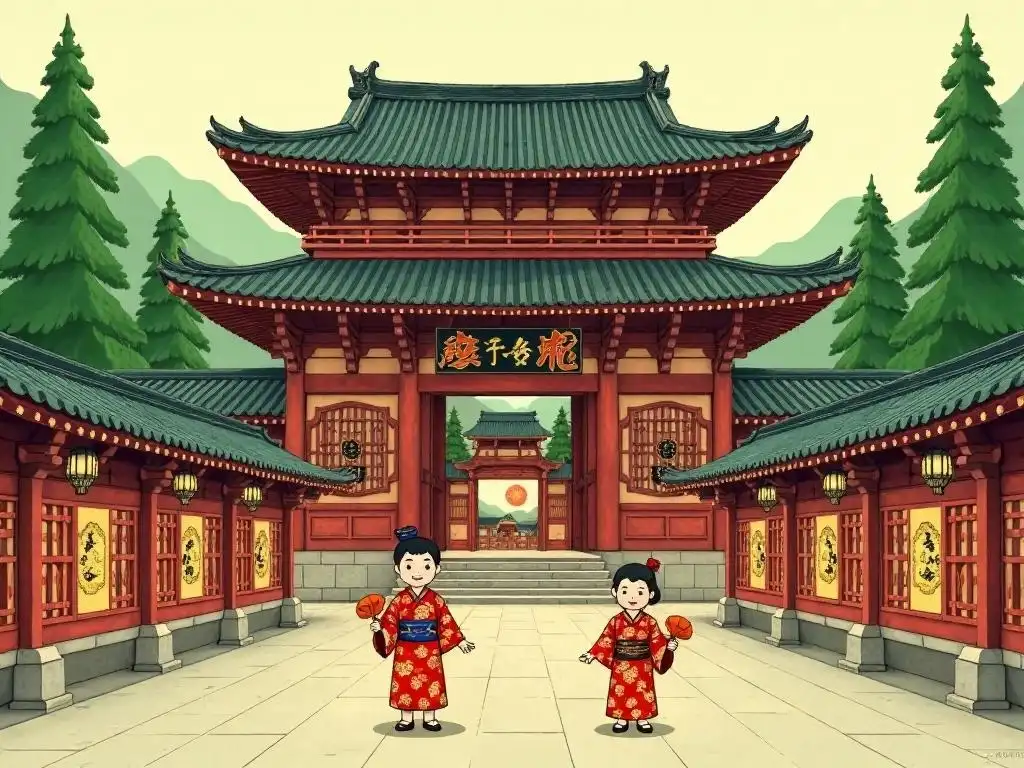
Welcome to Feudal Japan History, where we invite you to embark on a captivating journey through the intricate tapestry of Japan's feudal era. Our exploration begins with an in-depth look at feudal family structures in Japan, revealing how kinship and power dynamics shaped the very foundation of society and governance. With expert-driven insights and rich historical narratives, this is your gateway to understanding the profound influence of familial ties on feudal politics.
Are you ready to uncover the secrets that lie within the family trees of samurais and shoguns? Continue reading to delve deeper into a world where family and power intertwine in fascinating ways!
The feudal era of Japan, spanning from the late 12th century to the 19th century, was marked by a complex interplay of power, loyalty, and family dynamics. During this period, the intricate web of feudal family structures played a pivotal role in shaping political alliances, determining social hierarchies, and influencing governance strategies. Understanding the role of kinship in feudal Japan is crucial, as family ties were not merely personal relationships but rather strategic assets that could bolster or undermine power.
In this comprehensive exploration, we will delve into how familial relationships affected the political landscape of feudal Japan. From the ruling shogunates to the samurai class, family structures dictated loyalty, governance, and even military strategies. This article will provide a detailed examination of the various familial configurations, their societal implications, and the enduring legacy of these dynamics in shaping modern Japan.
The Role of Family in Feudal Society
Family structures in feudal Japan were not just a reflection of personal bonds; they were integral to the societal framework. Families were often the primary units of political power, with lineage determining status and influence. The following points highlight the significance of family in this context:
- Patrilineal Systems: Family lineage was predominantly traced through male descendants, influencing inheritance and governance.
- Clan Alliances: Marriages were often strategic, aimed at forging alliances between powerful clans, thus ensuring mutual protection and enhancing political power.
- Loyalty and Honor: The concept of loyalty was deeply embedded in family relationships, where betrayal could lead to severe repercussions, both personal and political.
Notable Family Structures in Feudal Japan
Several prominent family structures emerged during the feudal era, each with unique characteristics and implications for governance:
- The Samurai Clans: These families often held significant land and military power, serving as vassals to higher lords while maintaining their own interests.
- The Shogunate Families: The Tokugawa shogunate, for example, established a rigid hierarchy that dictated the roles and responsibilities of various family members within the political system.
- Merchant Families: While often overlooked, the rise of merchant families brought a new layer of influence, as they accumulated wealth and sought to establish their own power bases.
The Impact of Kinship on Political Alliances
The interconnectedness of family and politics in feudal Japan cannot be overstated. Kinship ties often dictated alliances and rivalries among clans, leading to both cooperation and conflict. Key aspects include:
- Intermarriage as Strategy: Clans frequently engaged in intermarriage to consolidate power, leading to intricate relationships that could shift the balance of power.
- Feuds and Conflicts: Disputes between families could escalate into larger conflicts, affecting regional stability and governance.
- Succession and Inheritance: The structure of succession within families often determined the continuity of power, impacting the political landscape for generations.
Conclusion
The kinship and family structures of feudal Japan were not merely social constructs; they were fundamental to the political dynamics of the time. Understanding these relationships provides valuable insights into the broader historical context of feudal politics. As we delve deeper into the intricacies of these family structures, we will uncover the profound influence they had on shaping Japan's historical narrative and societal development.
- The Role of Family in Feudal Society
- Notable Family Structures in Feudal Japan
- The Impact of Kinship on Political Alliances
- Conclusion
Understanding Feudal Family Structures in Japan

Definition of Feudal Family Structures
Feudal family structures in Japan, known as "ie", refer to the intricate familial systems that governed social organization, inheritance, and power dynamics during the feudal era (12th to 19th centuries). The "ie" was not merely a household; it was a socio-political unit that encapsulated extended family members, including parents, children, and often grandparents, aunts, uncles, and other relatives.
The "ie" structure operated under strict hierarchies and roles that defined not only familial relationships but also social status and responsibilities within the broader feudal system. The head of the family, typically the eldest male, wielded significant authority over family affairs, including decisions about marriage, property, and political alliances. This patriarchal framework ensured that power remained consolidated within the bloodline, influencing various aspects of life in feudal Japan.
In essence, feudal family structures in Japan were characterized by:
- Patriarchy: The male head held ultimate authority.
- Lineage: Emphasis on blood relations and the preservation of the family name.
- Legacy: Inheritance practices that reinforced family power and property ownership.
- Alliances: Marriages often arranged to strengthen political ties.
Historical Context of Family Dynamics in Feudal Japan
The evolution of family dynamics in feudal Japan can be traced back to the rise of the samurai class in the late Heian period (794-1185). As warriors gained prominence, the concept of loyalty to one’s lord was mirrored in family loyalty, reinforcing the importance of kinship ties. During the Kamakura period (1185-1333), the establishment of a military government led to increased stratification of society, where family lineage became crucial for maintaining status and power.
Throughout the Muromachi period (1336-1573), the role of family structures evolved further with the emergence of daimyōs (feudal lords). These powerful families often engaged in strategic marriages to secure alliances and expand their influence. The "ie" system facilitated the consolidation of power among the nobility, where the inheritance of land and titles was strictly patrilineal.
By the Edo period (1603-1868), family structures became more defined, with a clear focus on maintaining social order and stability. The Tokugawa shogunate imposed strict regulations on family conduct, emphasizing obedience, hierarchy, and the importance of preserving the family name. This period also saw the rise of the merchant class, which began to adopt similar family structures, albeit with some modifications reflecting their new social status.
Importance of Kinship in Feudal Society
Kinship played a pivotal role in shaping the social and political landscape of feudal Japan. The ties of blood and marriage were not merely personal but were instrumental in defining allegiances, responsibilities, and power.
- Political Alliances: Marriages were often used as tools to forge alliances between powerful families. A well-matched marriage could secure peace, strengthen military support, or enhance trade relations.
- Social Stability: Family structures provided a sense of identity and belonging, crucial for maintaining social order in a time of frequent conflicts and power struggles. The loyalty to family often translated to loyalty to one's lord.
- Inheritance and Property: The transmission of property and titles through male heirs ensured that power remained within the family, reinforcing their status in the feudal hierarchy.
- Cultural Continuity: Kinship ties facilitated the transmission of cultural values, traditions, and practices, which were essential for the cohesion of society.
The significance of feudal family structures in Japan cannot be overstated; they were fundamental to the organization of society, the maintenance of power, and the perpetuation of cultural identity throughout the feudal era. The interplay between kinship and politics created a complex web of relationships that shaped the trajectory of Japanese history.
The Role of Family in Feudal Politics
The intricate relationship between family structures and political power in feudal Japan shaped the course of its history significantly. During this era, families were not just social units; they were the bedrock of political authority and influence. The concept of ie (家), or household, was pivotal, as it represented not only a family but also a lineage that could wield significant power. These familial ties governed alliances, succession, and conflict, highlighting the centrality of family in the feudal political landscape.
Influence of Family Ties on Political Alliances
Family ties in feudal Japan were crucial in forming political alliances that could determine the fate of clans and territories. Marriages were often strategically arranged to cement alliances between powerful families, serving both to strengthen bonds and to create networks of support in times of conflict.
- Strategic Marriages: Families would often marry off their daughters to members of rival clans to foster peace or to create stronger military coalitions. For instance, the marriage between the Tokugawa and the Toyotomi families was a significant political maneuver that aimed to unify power during the tumultuous Sengoku period.
- Clan Loyalty: The loyalty to one’s family often transcended loyalty to the lord or the state. This meant that conflicts could arise if family members were put at odds with each other due to political circumstances. The infamous conflict between the Minamoto and Taira clans is a prime example of how familial loyalty could lead to extensive bloodshed.
- Inheritance and Succession: The principles of primogeniture often dictated that the eldest son would inherit the family estate and title, but secondary sons could also be a source of political alliances. These dynamics created complex relationships within and outside the family, leading to alliances that could either strengthen a clan or lead to its downfall.
Power Dynamics Within Feudal Families
The internal power dynamics of feudal families were equally significant in shaping political landscapes. The hierarchy within a household determined not only the distribution of power but also the nature of governance within the clan.
- Patriarchy and Authority: Traditionally, the head of the family (often the eldest male) held significant authority, making decisions that impacted the entire clan. This patriarchal structure ensured that power remained consolidated but could also lead to tensions if heirs were not in agreement.
- Role of Women: While often relegated to the background, women in feudal families could wield power through their marriages or by acting as regents in the absence of male heirs. For example, Hojo Masako, the wife of Minamoto Yoritomo, played a critical role in the governance of the Kamakura shogunate.
- Conflict and Rivalry: Rivalries between siblings, such as those seen in the Ashikaga family, could lead to civil strife and even wars, demonstrating how internal family politics could mirror broader societal conflicts. These rivalries often resulted in factions forming within the clan, leading to significant shifts in loyalty and power.
Case Studies of Prominent Feudal Families in Japan
To understand the complex influence of family structures on feudal politics, examining case studies of prominent families can provide valuable insights.
| Family | Key Influence | Outcome |
|---|---|---|
| Minamoto Clan | Established the first shogunate, the Kamakura. | Set the precedent for military governance in Japan. |
| Taira Clan | Major rival of the Minamoto, led to the Genpei War. | Ultimately defeated, leading to the rise of the Minamoto. |
| Tokugawa Clan | Unified Japan under a stable shogunate for over 250 years. | Established a lasting legacy and influence on Japanese culture. |
| Fujiwara Clan | Controlled the imperial court through marriages. | Influenced imperial politics significantly despite lacking military power. |
These families illustrate the various ways in which family structures impacted political alliances, power dynamics, and ultimately, the course of Japanese history during the feudal era. The interplay of kinship and power created a unique landscape where familial relationships were both a source of strength and a potential catalyst for conflict.
The feudal family structures in Japan were not merely domestic arrangements but were integral to the political fabric of the time. The connections forged through family ties influenced alliances, determined leadership, and shaped the historical narrative of the nation. Understanding these dynamics provides a clearer picture of how feudal Japan operated and the pivotal role that family played in its politics.
Hierarchical Nature of Family Structures in Feudal Japan

In feudal Japan, family structures were deeply hierarchical and influenced the social and political dynamics of the era. These structures dictated not only the governance of power but also the relationships within and between different classes. The family was the primary unit of organization, with strict roles and responsibilities assigned based on birthright and social status.
The concept of ie (家), or the family unit, was foundational in Japanese society, where families were seen as extensions of their lineage and ancestry. This hierarchical system was crucial for maintaining order and allegiance in a society characterized by constant power struggles. Families were often tied to their regional lords, and their standing was determined by their loyalty and service.
The Samurai Class and Their Family Structures
The samurai class epitomized the feudal family structures in Japan, where loyalty to one's lord was paramount. Samurai families, often referred to as bushi, operated under a strict code of conduct known as bushido, which emphasized honor, loyalty, and discipline.
- Patriarchal Authority: The head of a samurai family, typically the eldest male, wielded significant power and was responsible for the family's honor and status. Decision-making was centralized, and the lineage was traced through males, reinforcing the importance of male heirs.
- Marriage Alliances: Strategic marriages were common among samurai families to strengthen ties with other clans. These alliances often dictated political allegiances and were crucial for expanding influence and power.
- Retention of Vassals: Samurai families would often maintain a retinue of vassals, known as kiyū, who pledged loyalty in exchange for protection and land. This system of loyalty and service was not only a familial obligation but also a political necessity that reinforced the power of the samurai class.
The Role of the Daimyo and Their Clans
Daimyo, the powerful feudal lords, played a pivotal role in shaping the family structures of feudal Japan. Their clans were structured around a system of loyalty and mutual obligation that reinforced their status and authority within the realm.
- Clan Hierarchy: Each daimyo family operated under a hierarchical system where the head of the clan held ultimate authority. The daimyo's eldest son was typically groomed to inherit leadership, ensuring continuity in governance and military strategy.
- Feudal Alliances: The relationships between different daimyos were often cemented through marriages and alliances, which were essential for maintaining power and influence in a fragmented political landscape. These connections could shift power dynamics significantly, as clans sought to form coalitions against common enemies.
- Land and Power Redistribution: The daimyo controlled vast estates and redistributed land to loyal samurai and retainers, which further solidified their familial power. The distribution of land was often tied to family loyalty, with those who served faithfully rewarded with territories that ensured their family's prosperity.
Peasant Families and Their Influence on Local Governance
While samurai and daimyo families held significant power, peasant families also played a crucial role in the feudal system, especially in local governance. Their structures, although less hierarchical, were essential for the functioning of feudal society.
- Local Leadership: Peasant families often organized themselves into local communities, with elected leaders known as shōen. These leaders represented the interests of their communities to the local daimyo, creating a system of governance that, while informal, was vital for maintaining order.
- Agricultural Obligations: The economic stability of feudal Japan relied heavily on agricultural production. Peasant families were bound by obligations to the land and to their lords, which fostered a sense of communal responsibility and cooperation among them.
- Village Assemblies: In many regions, peasant families participated in village assemblies where decisions regarding land use, taxation, and community welfare were made collectively. This participative governance allowed them to exert influence over local matters, demonstrating that even within a hierarchical structure, peasant families could impact feudal politics.
Feudal family structures in Japan were intricately woven into the fabric of society, influencing political dynamics and governance at multiple levels. From the samurai class to the peasant families, each played a vital role in the maintenance of order and power within the feudal system, shaping the course of Japanese history during this era.
Kinship and Loyalty: The Basis of Feudal Alliances

In the complex socio-political landscape of feudal Japan, kinship and loyalty were paramount in establishing and maintaining power. The intricate web of familial ties formed the backbone of political alliances, shaping the course of history throughout the feudal era. Feudal family structures in Japan were not merely social units but were pivotal in forming alliances that could make or break a clan's influence. Loyalty among family members was expected, often transcending personal relationships and extending to the political sphere, where a family’s honor was tied to its collective reputation.
Blood Relations vs. Marriage Alliances in Feudal Politics
The dynamics of blood relationships and marriage alliances were essential in the feudal political framework. Blood relations, or direct kinship ties, provided a strong foundation for loyalty and mutual support among family members. This loyalty was often expressed through the concept of giri (義理), which emphasized duty and obligation, creating a sense of responsibility to uphold the family's honor and interests.
Conversely, marriage alliances were strategic tools used to forge connections between different clans. These unions often aimed to consolidate power, expand territories, or even create peace between rival families. For example:
- Nobility and Royalty: Marriages between powerful families often served to legitimize claims to power, as unions with royal blood could elevate a clan's status.
- Cross-clan Alliances: Families frequently married off daughters to allies, thereby securing loyalty and creating a network of reciprocal obligations.
In many cases, these marriages were not based on love but were political transactions designed to strengthen family ties and enhance political power. The balance between blood relations and marriage alliances defined the feudal landscape, where alliances could shift quickly based on the outcomes of such unions.
The Impact of Clan Loyalty on Political Power
Clan loyalty was a decisive factor in the political dynamics of feudal Japan. The allegiance to one's clan often outweighed personal relationships, leading to a collective identity that prioritized the clan’s interests. This loyalty influenced various aspects of governance and military strategy, as vassals were expected to support their lords unconditionally.
- Military Support: Clan loyalty was crucial during conflicts. Warriors would rally to their lord’s side, driven by a strong sense of duty and kinship. This loyalty could be seen in battles such as the Genpei War (1180-1185), where clan affiliations determined the alignment of forces.
- Political Stability: A strong sense of loyalty reduced the likelihood of internal strife within clans. Leaders could rely on their vassals to maintain order and uphold the clan's interests, fostering a stable political environment.
- Succession Conflicts: However, loyalty could also lead to conflicts, particularly in succession disputes. When a leader died, competing claims from within the family could result in factionalism, which could destabilize a clan and weaken its political power.
Examples of Strategic Marriages Among Feudal Families
Several notable examples throughout Japan's feudal history illustrate how strategic marriages shaped clan dynamics and political landscapes:
- Minamoto and Taira Clans: The rivalry between these two powerful clans exemplified the use of marriage alliances. The Minamoto clan sought to strengthen their position through marriages that connected them with influential families, such as the marriage of Minamoto no Yoritomo to Hojo Masako, which ultimately led to the consolidation of power for the Kamakura Shogunate.
- Tokugawa Ieyasu's Marriages: Tokugawa Ieyasu strategically married his daughters to powerful daimyos (feudal lords) to secure alliances and foster loyalty. His marriage with the daughter of the Imagawa clan not only provided military support but also helped him gain significant territory.
- Ashikaga Shogunate: The Ashikaga clan utilized marriage alliances extensively to expand their influence. The marriage of Ashikaga Takauji to a member of the powerful Kanto family signified a bid to control the area and gain a loyal following that would support their rule.
These examples illustrate how feudal family structures in Japan were central to the political machinations of the time, serving as both shields and swords in the game of power. The intricate relationships forged through blood and marriage shaped the very foundation of feudal society, influencing everything from military alliances to governance.
In feudal Japan, family structures were intricately woven into the fabric of social hierarchy, influencing politics, power dynamics, and societal norms. The concept of "ie" (家), or the family unit, was not just a basic social organization but a pivotal element that dictated one's place within the feudal system. Understanding the interplay between family structures and social hierarchy is essential for grasping the complexities of feudal Japanese society.
Family lineage played a crucial role in determining social status in feudal Japan. The samurai class, for instance, was characterized by a strict adherence to hereditary succession, where status was often inherited rather than earned. Families with a long history of samurai lineage, such as the Minamoto and Taira, held significant political power and prestige. The importance of family lineage can be summarized as follows:
- Nobility: Families of noble descent possessed extensive lands and resources, directly influencing regional governance.
- Samurai: Those who could trace their lineage back to esteemed warriors gained respect and authority, often being appointed to high-ranking positions.
- Commoners: In contrast, commoners had limited opportunities to ascend socially, as their status was largely defined by their family’s standing.
The Kamakura period (1185-1333) serves as a prime example of how lineage dictated power dynamics. The shogunate system established by the Minamoto family emphasized military prowess and family ties, solidifying their dominance over rival clans. This system entrenched the notion that bloodlines determined feudal loyalty and governance, leading to a society where familial connections often dictated alliances and rivalries.
The Role of Women in Family Structures and Politics
Women in feudal Japan played a multifaceted role within family structures, contributing to both domestic management and political alliances. While often relegated to traditional roles, women from powerful families wielded significant influence, particularly in matters of marriage and diplomacy. Key aspects include:
- Marriage Alliances: Families strategically arranged marriages to strengthen political ties. Notable examples include the Tokugawa and Miyoshi clans, whose marriages secured alliances that were vital to their power.
- Inheritance Practices: While patrilineal succession was dominant, some families practiced matrilineal inheritance, allowing women to inherit lands and titles, notably in the case of the Omi and Kaga clans.
- Influential Figures: Women such as Hojo Masako, who was both a warrior and a political leader, demonstrated that women could play critical roles in governance, particularly as regents or advisors to male relatives.
The dynamics of gender within family structures reveal a complex interplay where women, despite societal restrictions, could influence political outcomes through strategic family alliances and inheritance rights.
How Family Structures Reflect Feudal Hierarchy
Family structures in feudal Japan were not merely social units but reflections of the broader feudal hierarchy. The organization of families mirrored the stratification of society, with distinct roles and responsibilities assigned according to one’s status. Notable characteristics include:
- Hierarchy of Families: At the top were the daimyō (feudal lords), followed by samurai families, with commoners and peasants forming the base of the social pyramid. Each level had specific duties and privileges.
- Clan Systems: Powerful clans operated as extended families, where loyalty to the clan often superseded individual family loyalty. This system reinforced the feudal hierarchy, as clan leaders had the authority to govern vast territories and command armies.
- Cultural Norms: The Confucian values that permeated Japanese society emphasized filial piety and respect for hierarchy, which reinforced family structures that mirrored the societal order.
The reflection of feudal hierarchy in family structures illustrates how deeply entrenched these values were in daily life and governance in feudal Japan. Families not only served as social units but as vital components of the political landscape, shaping the course of Japanese history through their interconnections and rivalries.
The intricate relationship between feudal family structures and social hierarchy in Japan reveals the profound impact of lineage, gender roles, and clan dynamics on the political landscape of the time, establishing a framework through which we can better understand the complexities of feudal Japanese society.
Changes in Family Structures Over Time
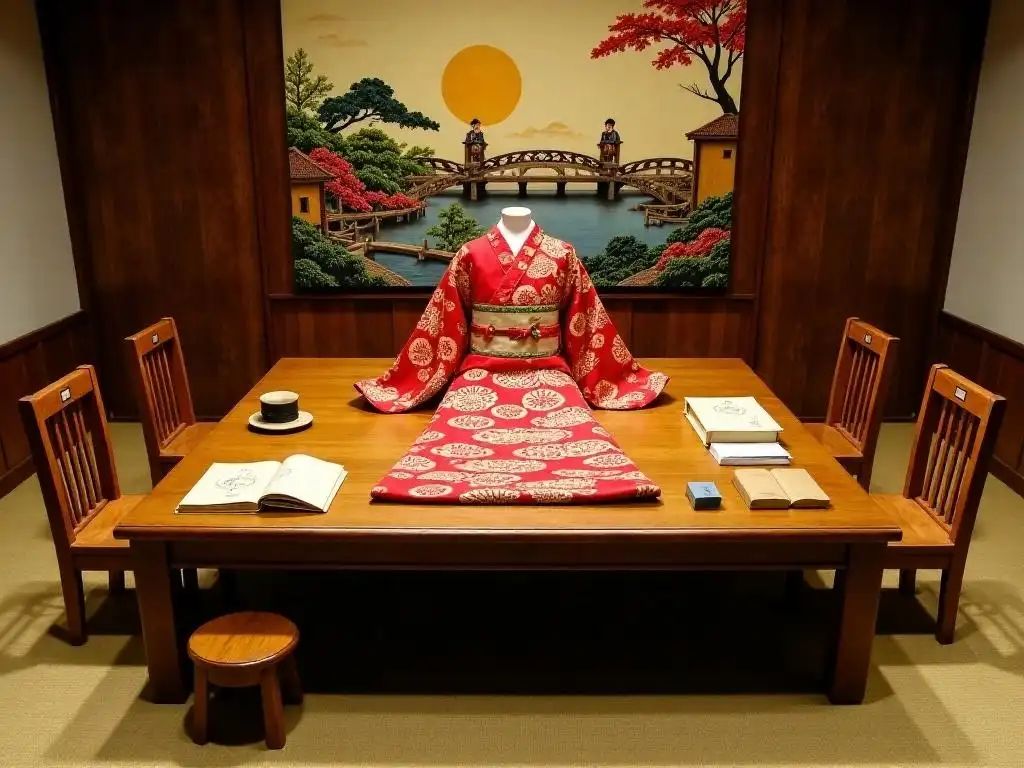
Shift from Extended to Nuclear Families in Feudal Japan
In the context of feudal Japan, family structures underwent significant transformations from the early periods of the Kamakura (1185-1333) to the Edo period (1603-1868). The traditional extended family system, which included multiple generations living under one roof, began to shift towards a more nuclear family model, primarily due to socio-political changes and economic pressures.
- Early Kamakura Period: During this era, families often consisted of several generations living together. This arrangement allowed for a pooling of resources and labor, which was crucial for agricultural production. The family unit was not only a social structure but also a vital economic one. Kinship ties were paramount, and loyalty to the clan often superseded individual aspirations.
- Emergence of Nuclear Families: As the feudal system solidified, especially with the rise of the samurai class, the focus shifted towards smaller, nuclear families. This transformation was influenced by the need for samurai to establish their own households and maintain their honor and status independently. As the samurai became more prominent, the importance of lineage and direct blood ties increased, leading to a preference for smaller family units.
- Role of Women: Women in feudal Japan also experienced changes in their roles within the family structure. While earlier periods allowed for more collaborative family roles, by the Edo period, women were often relegated to domestic spheres, focusing on child-rearing and household management. This shift reflected broader societal norms and the increasing significance of male lineage in maintaining power and property.
The impact of war and social upheaval throughout Japan's feudal era significantly influenced family dynamics and structures. The constant state of conflict, particularly during the Sengoku period (1467-1603), altered traditional roles and relationships within families.
- Disruption of Family Units: Frequent wars often resulted in the loss of life, which disrupted extended family networks. Many families were forced to adapt to the absence of male figures, leading to a reconfiguration of roles within the household. Women began to take on more responsibilities, managing estates and making crucial decisions in the absence of men.
- Adoption Practices: In response to the instability of the times, adoption became a common practice among samurai families. It allowed families without male heirs to secure their lineage and maintain political alliances. This practice highlights the adaptability of family structures in response to external pressures, ensuring the continuity of family names and property.
- Social Mobility: The upheavals of war also enabled some families to rise in status through strategic marriages and alliances. Families of lower status could elevate their standing by marrying into more influential clans or forming alliances that enhanced their political power. This shift in dynamics emphasized the role of family connections in the feudal political landscape.
Contemporary Reflections of Feudal Family Structures in Modern Japan
The echoes of feudal family structures can still be observed in modern Japan, albeit in transformed forms. While contemporary society has moved towards more egalitarian family models, certain aspects of feudal family dynamics persist.
- Nuclear Family Dominance: The nuclear family remains the predominant family structure in Japan today, reflecting the historical shift that began in the feudal era. However, the modern Japanese family often integrates elements of both traditional and contemporary values, balancing between maintaining lineage and adapting to modern societal expectations.
- Cultural Practices: Some cultural practices rooted in feudal family structures are still prevalent. For instance, the importance of lineage and family honor continues to influence marriage practices, with many families still valuing connections to prestigious lineages. This reflects the deep-seated cultural significance of family networks established during feudal times.
- Changing Gender Roles: The roles of women have evolved significantly since the feudal period, but remnants of traditional expectations can still be found. While modern women participate actively in the workforce, societal pressures regarding family roles and responsibilities can still reflect older norms, showcasing the lingering influence of feudal family structures.
The evolution of family structures in feudal Japan laid the groundwork for many aspects of contemporary Japanese society. The interplay between war, economic conditions, and social change has shaped not only family dynamics but also the broader political landscape of Japan. Understanding these historical contexts provides valuable insights into the enduring influence of feudal family structures on modern Japan.
Conclusion: The Lasting Influence of Family Structures on Japanese Politics

The intricate relationship between feudal family structures in Japan and political power has profoundly shaped the country's historical landscape. Understanding how familial ties influenced governance, loyalty, and social order during the feudal era reveals the complexities of power dynamics in Japan. The legacy of these family structures continues to resonate in contemporary Japanese society, underscoring the importance of kinship in cultural and political contexts.
Summary of Key Points on Feudal Family Structures
- Patriarchal Authority: At the core of feudal family structures was a patriarchal system where the eldest male held authority over family affairs. This structure not only dictated family hierarchy but also influenced political alliances and governance.
- Samurai Lineages: The samurai class exemplified the significance of family in feudal Japan. Clans such as the Minamoto and Taira not only fought for power but also intermarried to strengthen political ties, ensuring their influence over territory and governance.
- Inheritance and Succession: Inheritance laws dictated that land and titles were often passed down through male heirs, reinforcing the power of established families and maintaining stability within feudal domains. This practice created a clear lineage of power that was crucial in political legitimacy.
- Marriage Alliances: Strategic marriages were a common practice among the feudal elite. By marrying into other powerful families, clans could secure alliances that bolstered their political standing and influence, often shifting the balance of power within Japan.
- Cultural Significance: Family structures were not only a matter of political importance but also deeply ingrained in the cultural fabric of society. Rituals, traditions, and social norms were often dictated by familial lineage, affecting everything from governance to social interactions.
The Legacy of Family Influence in Contemporary Japanese Society
The impact of feudal family structures extends beyond historical analysis; it is evident in contemporary Japanese society. Modern Japan still exhibits traces of the loyalty and social networks established during the feudal era.
- Corporate Structures: In the business realm, many Japanese companies maintain hierarchical structures reminiscent of feudal family dynamics. Loyalty to the company, akin to loyalty to a clan, is often emphasized, reflecting the longstanding cultural values of kinship and allegiance.
- Political Families: The phenomenon of political dynasties in contemporary Japan echoes the feudal practices of intergenerational power transfer. Prominent political families continue to wield significant influence, showcasing the enduring legacy of family structures in shaping Japanese governance.
- Cultural Practices: Traditional family values, such as respect for elders and the importance of family honor, remain prevalent in Japan today. These values, rooted in the feudal past, continue to inform social interactions and community engagement.
The exploration of feudal family structures in Japan provides critical insight into the ways familial ties and power relationships have shaped not only historical governance but also modern societal frameworks. Understanding this legacy allows for a deeper appreciation of the cultural and political dynamics that persist in contemporary Japan.
References and Further Reading on Feudal Family Structures in Japan
Exploring feudal family structures in Japan provides a deeper understanding of how kinship influenced political dynamics throughout the era. Below are curated resources that offer valuable insights into the complexities of family ties, power relations, and societal norms during this significant period.
Recommended Books on Feudal Japan
-
"Samurai, Warfare and the State in Early Medieval Japan" by Karl F. Friday
This book delves into the military and political structures of feudal Japan, examining the role of samurai families and their influence on governance.
-
"The World of the Shining Prince: Court Life in Ancient Japan" by Ivan Morris
Although focused on the Heian period, this work provides context on family structures that laid the groundwork for subsequent feudal hierarchies.
-
"Japan's Feudal Period: A History of the Kamakura and Muromachi Eras" by John A. Whitney
Whitney's text covers the evolution of family systems and their impact on feudal politics during the Kamakura and Muromachi periods.
-
"The Tale of the Heike" translated by Helen McCullough
This epic recounts the struggles between noble families, offering narrative insights into the societal values and family dynamics of the time.
-
"Warriors of Japan as Portrayed in the War Tales" by Thomas Donald Conlan
This book discusses the representation of warrior families in historical narratives, highlighting their roles in shaping feudal Japan’s political landscape.
Academic Journals and Articles on Family and Politics
-
"Kinship and Political Authority in Japan: A Historical Perspective"
This article examines the interplay between kinship networks and political authority, providing a framework for understanding feudal family structures.
-
"The Role of Women in the Samurai Family: A Study of Gender and Power"
An insightful exploration of women's roles within samurai families, this study reveals how family structures influenced political power dynamics.
-
"Clan and State in Early Modern Japan: The Case of the Tokugawa"
This journal article analyzes the relationship between clan affiliations and state power, offering a nuanced view of family structures within the Tokugawa shogunate.
-
"Family and Politics in Medieval Japan: An Overview"
This overview presents a comprehensive analysis of the familial bonds that shaped political alliances and conflicts throughout Japan’s feudal era.
-
"The Dynamics of Power in Feudal Japan: Kinship, Loyalty, and War"
This research paper discusses the significance of kinship in establishing loyalty among samurai, elucidating how family connections influenced military and political strategies.
By engaging with these resources, readers can gain a deeper understanding of how feudal family structures in Japan shaped not only personal relationships but also the broader political landscape during this pivotal era.
Frequently Asked Questions
What are the main family structures in feudal Japan?
Feudal Japan was characterized by hierarchical family structures, including the daimyo, samurai, and peasant families. Each structure played a significant role in the political dynamics of the era.
How did family ties influence politics in feudal Japan?
Family ties were crucial in feudal Japan, as they determined loyalty, alliances, and power dynamics. Political decisions were often influenced by kinship relationships, shaping the landscape of feudal governance.
What role did inheritance play in feudal family structures?
Inheritance was vital in ensuring the continuation of power and landholdings within families. The eldest son typically inherited the family estate, which solidified the family's status and influence in society.
How did samurai family structures differ from peasant families?
Samurai families operated under a strict code of conduct and had a patriarchal structure, emphasizing loyalty and honor. In contrast, peasant families were more focused on agricultural survival and lacked the same level of political influence.
What impact did marriages have on feudal alliances?
Marriages were strategic in feudal Japan, often arranged to forge alliances between powerful families. These unions could strengthen political ties and enhance military strength, significantly impacting feudal politics.
Final Reflection: The Enduring Legacy of Feudal Family Structures in Japan
The intricate web of feudal family structures in Japan continues to resonate in contemporary society, illustrating how kinship and power shaped not only political landscapes but also cultural identities. In a world where familial ties often dictate social dynamics, the lessons drawn from Japan's feudal era remain profoundly relevant today. The impact of these historical family structures can still be seen in modern relationships and power dynamics, reminding us of the enduring influence of lineage and loyalty.
The legacy of feudal family structures has profoundly shaped Japan's cultural and social landscape, creating a framework within which relationships and hierarchies are still understood. The bonds formed during the feudal period established a sense of loyalty and obligation that transcends generations. As historian John W. Hall noted, The family is the basic unit of society, and its influence is felt in every aspect of life.
This observation underscores the importance of understanding how these historical ties continue to inform our contemporary interactions and societal norms.
As we reflect on the lessons of feudal family structures, let us consider how we can apply this understanding to our own lives. Take a moment to examine the relationships that shape your world—how do they influence your decisions, values, and sense of belonging? By recognizing the power of kinship in our own contexts, we can foster stronger connections and navigate the complexities of our social landscapes with greater awareness and intention. Embrace the legacy of the past as a guide for building a more interconnected and compassionate future.
Uncover the Power of Family in Feudal Politics!
Thank you for taking the time to explore the intricate relationship between family structures and feudal politics in Japan. You've gained valuable insights into how kinship shaped the social and political landscape of this fascinating period. Now, it’s time to put that knowledge into action!
Here are some ways you can deepen your understanding and engage further with this topic:
- Dive into primary sources: Seek out historical texts or documents that highlight the role of families in feudal Japan. Discover firsthand accounts and narratives that can add depth to your understanding!
- Join a discussion group: Find or create a community forum where history enthusiasts can debate and share insights on the influence of family in political power dynamics. Your contributions could spark enlightening conversations!
- Share your findings: Spread the word with friends or on social media about the significant impact families had on feudal politics. Engaging others could inspire further exploration and discussion!
What intriguing connections between family dynamics and political power have you discovered in your own exploration of history?