
Feudal Japan’s Economic Strategies: Leveraging Trade for Power and Influence


Welcome to Feudal Japan History! Embark on a fascinating journey through the intricate tapestry of Japan's feudal era, where power, culture, and trade intertwine. In our featured article, "Feudal Japan’s Economic Strategies: Leveraging Trade for Power and Influence," we delve deep into the innovative trade strategies that shaped the nation’s foreign relations and economic landscape. Curious about how these strategies influenced Japan's position on the global stage? Join us as we unravel the complexities of feudal trade and its lasting impact on history.
- Introduction to Feudal Japan Trade Strategies
- Historical Context of Trade in Feudal Japan
- Trade Relations with Korea
- Trade Relations with China
- Economic Strategies of Feudal Japan
- Trade Strategies and Political Power
- Challenges and Limitations of Trade in Feudal Japan
- Conclusion: The Legacy of Feudal Japan's Trade Strategies
- References and Further Reading
- Frequently Asked Questions
- Final Reflection: The Enduring Legacy of Feudal Japan's Trade Strategies
- Unlock the Secrets to Economic Power in History!
Introduction to Feudal Japan Trade Strategies
Feudal Japan, spanning from the late 12th century to the mid-19th century, was a period marked by not only military prowess and samurai culture but also complex economic systems that shaped the nation’s power dynamics. At the heart of these dynamics were the trade strategies employed by various feudal lords, or daimyōs, who sought to enhance their influence and wealth through commerce.
This article delves into the intricate web of trade relations between Japan, Korea, and China, exploring how these interactions were leveraged as strategic tools for economic growth and political dominance. By understanding the nuances of Feudal Japan’s trade strategies, we can gain insights into the broader implications of commerce on societal structures, cultural exchanges, and international relations during this pivotal era.
Overview of Feudal Japan's Economic Landscape
The economic landscape of feudal Japan was predominantly agrarian, with rice serving as the primary currency and measure of wealth. However, as the centuries progressed, the importance of trade began to emerge more prominently:
- Agricultural Base: The economy relied heavily on agriculture, particularly rice cultivation, which supported local populations and formed the backbone of feudal wealth.
- Rise of Merchant Classes: As urban centers developed, a merchant class emerged, contributing to the growth of local economies and facilitating trade with neighboring regions.
- Regional Specialization: Different areas of Japan specialized in various goods, allowing for a diverse market that included textiles, ceramics, and metalwork, which were sought after in both domestic and international markets.
The interplay between these elements created a dynamic economic environment, where trade became increasingly essential for sustaining power and influence.
Importance of Trade in Feudal Japan
Trade during the feudal era was not merely a means of economic exchange; it played a crucial role in shaping Japan's political and cultural landscape. Here are several key factors highlighting the significance of trade:
- Political Alliances and Power Dynamics:
- Trade routes often dictated political alliances, with daimyōs using commerce to forge relationships with neighboring states, particularly Korea and China.
- Successful trade ventures allowed for increased wealth, enabling daimyōs to strengthen their military and political positions.
- Cultural Exchange:
- Trade facilitated the exchange of ideas, art, and technology, enriching Japanese culture and leading to the adoption of various practices from China and Korea.
- This cultural diffusion helped to create a unique Japanese identity, blending indigenous traditions with foreign influences.
- Economic Growth and Stability:
- The integration of trade routes contributed to economic stability, allowing regions to thrive and reducing the likelihood of conflict over resources.
- As demand for goods increased, so too did the sophistication of trade practices, paving the way for more structured economic policies.
Trade was a vital component of feudal Japan's economy, influencing not just wealth accumulation but also the very fabric of Japanese society. Understanding these Feudal Japan trade strategies reveals the layered complexities of foreign relations and the strategic maneuvers that defined this historical period.
Historical Context of Trade in Feudal Japan
The Rise of Feudalism and Its Impact on Trade
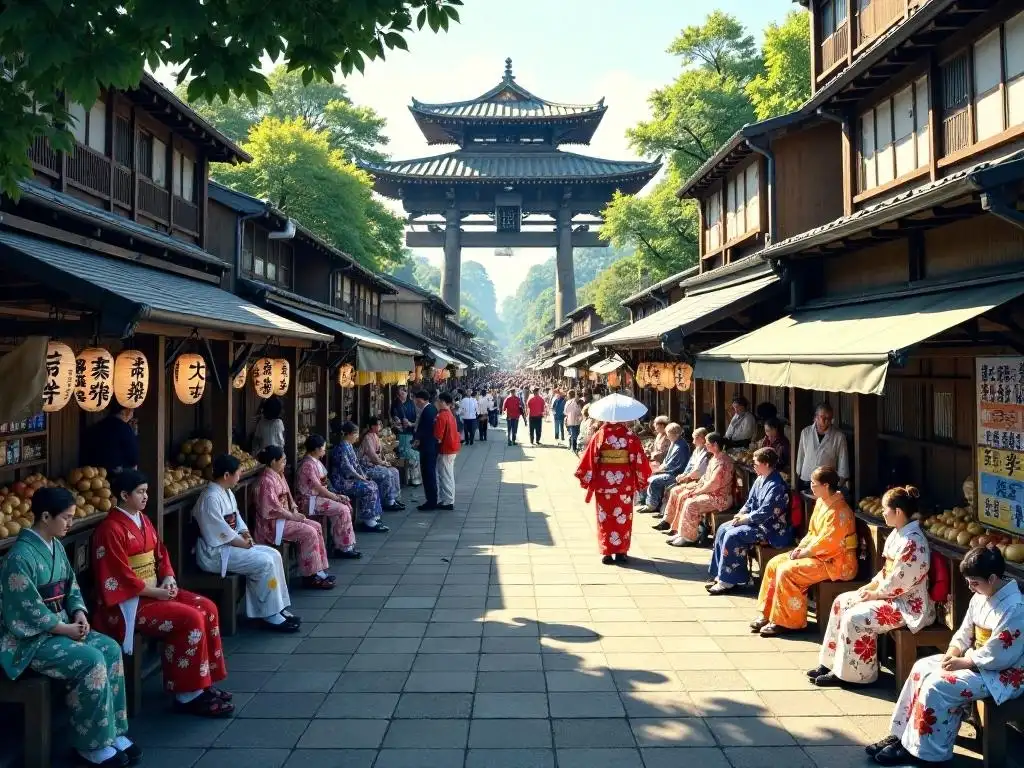
The emergence of feudalism in Japan during the 12th century marked a significant transformation in the country's socio-political landscape and had profound implications for trade. As power shifted from the centralized imperial court to local lords (daimyos), the nature of economic activities also evolved. Feudal Japan's hierarchical structure, characterized by the samurai class, peasants, and merchants, played a pivotal role in shaping its trade strategies.
- Localized Economies:
- With the daimyos controlling vast territories, local economies became increasingly self-sufficient. This led to a focus on agricultural production within their domains, as the samurai class prioritized food production to support their armies.
- As a result, trade began to shift from a centralized system to a more localized approach, where daimyos engaged in barter and trade with neighboring regions.
- Emergence of Towns:
- The growth of castle towns (jokamachi) around the daimyos' strongholds facilitated trade. These towns became centers of commerce, where merchants could gather and exchange goods.
- The development of these towns not only stimulated trade but also contributed to the rise of a merchant class, which began to wield significant economic influence.
- Cultural Exchange and Trade Routes:
- Feudal Japan's isolationist policies fluctuated throughout its history, particularly in response to external threats. During periods of openness, trade routes expanded, allowing for the exchange of goods with neighboring countries, especially Korea and China.
- This cultural exchange enriched Japanese society, introducing new technologies and ideas that influenced local craftsmanship and market practices.
Key Historical Figures Influencing Trade Strategies
Several prominent figures during the feudal era had a profound impact on Japan’s trade strategies, particularly in fostering relationships with neighboring countries.
- Prince Shotoku (574-622):
- As a regent and a key figure in early Japanese history, Prince Shotoku promoted the adoption of Buddhism and Chinese culture. His diplomatic missions to China laid the groundwork for later trade relations, emphasizing the importance of cultural exchanges.
- He implemented a centralized bureaucracy that improved trade regulation and facilitated smoother transactions with foreign entities.
- Toyotomi Hideyoshi (1537-1598):
- Hideyoshi, a unifying figure during the late Sengoku period, recognized the importance of trade in asserting power. His military campaigns in Korea aimed not only at territorial expansion but also at establishing trade routes that would enhance Japan's influence in the region.
- His policies encouraged the development of trade with European nations as well, leading to the introduction of new goods and technologies.
- Tokugawa Ieyasu (1543-1616):
- The founder of the Tokugawa shogunate, Ieyasu established a period of relative peace known as the Edo period. His administration implemented strict regulations on trade, including the sakoku policy, which limited foreign influence.
- While initially isolating Japan, this policy eventually led to a flourishing internal economy and created a unique system of trade that prioritized domestic goods, allowing the merchant class to prosper.
By understanding the historical context and key figures that shaped trade strategies during feudal Japan, one can appreciate how these factors contributed to the nation’s economic power and influence in the region. The complexities of these relationships with Korea and China laid a foundation for Japan's future economic activities and developments.
Trade Relations with Korea
Overview of Japan-Korea Trade Dynamics
The trade relations between Japan and Korea during the feudal era were characterized by a complex interplay of cultural exchange, economic necessity, and political maneuvering. These dynamics began to take shape as early as the 4th century, when the introduction of Buddhism from Korea had a profound influence on Japanese society. By the late 12th century, during the Kamakura period, trade became increasingly formalized, leading to a more structured economic relationship.
Several factors contributed to the flourishing trade between Japan and Korea:
- Geographical Proximity: The Korea Strait, which separates Japan from the Korean Peninsula, played a crucial role in facilitating trade and cultural exchanges. The short distance allowed for relatively quick and safe transportation of goods.
- Political Alliances: The shifting political landscape in Korea, particularly during the Goryeo and Joseon dynasties, often influenced trade dynamics. Japanese merchants often sought alliances with local rulers, which helped mitigate risks associated with piracy and conflict.
- Cultural Exchange: Trade was not solely economic; it also involved the exchange of ideas, technology, and cultural practices. This included the introduction of advanced agricultural techniques and the adoption of Chinese characters, which were transmitted via Korea.
Overall, the trade relationship between Japan and Korea was mutually beneficial, with both nations relying on each other for various goods and cultural enrichment.
Key Goods Traded between Japan and Korea
The trade between Japan and Korea involved a variety of goods that were significant to both economies. Understanding these key goods provides insight into the economic strategies employed by feudal Japan.
- Silk and Textiles: One of the most valuable commodities traded from Korea to Japan was silk. Korean silk was highly sought after for its quality and beauty, and it became a staple in the Japanese market. In exchange, Japan exported textiles, particularly cotton and hemp fabrics.
- Metals and Tools: Korea was known for its advanced metallurgy, and goods such as iron and bronze tools were frequently traded. These materials were essential for agriculture and warfare in Japan, making them critical to its economic strategies.
- Ceramics: Korean ceramics were prized in Japan for their craftsmanship and aesthetic appeal. The trade of pottery and porcelain not only enriched Japanese culture but also stimulated local production as artisans sought to replicate these styles.
- Agricultural Products: In addition to the above goods, various agricultural products were exchanged. Rice, a staple in both cuisines, was traded extensively, along with other crops such as millet and barley.
The diverse array of goods exchanged between Japan and Korea highlights the strategic importance of these trade relations in enhancing Japan's economic power during the feudal period.
The Role of Diplomacy in Strengthening Trade Relations
Diplomacy played a pivotal role in the trade relations between Japan and Korea, influencing the flow of goods and the nature of economic exchanges. Throughout the feudal era, several key diplomatic efforts helped strengthen these ties:
- Envoys and Missions: Japanese emissaries were frequently sent to Korea to establish trade agreements and foster relationships. These missions not only focused on commerce but also included cultural exchanges, which helped solidify long-term partnerships.
- Conflict Resolution: Diplomatic negotiations often arose in response to disputes, such as piracy or territorial conflicts. For instance, during the late 16th century, the invasions led by Toyotomi Hideyoshi prompted significant diplomatic efforts to manage trade relations with Korea post-conflict.
- Cultural Diplomacy: The exchange of cultural practices, such as the introduction of Confucianism into Japan, was often a diplomatic strategy to enhance trade relations. By aligning culturally, both nations could negotiate more favorable trade terms.
- Treaties and Agreements: Formal treaties, such as the Treaty of Ganghwa in 1876, while outside the strict feudal period, were the culmination of centuries of evolving diplomatic relations that had begun much earlier. These agreements established clear trade routes and tariffs, facilitating smoother economic exchanges.
Diplomacy was instrumental in shaping trade relations between Japan and Korea, allowing both nations to navigate the complexities of their interactions effectively. By leveraging diplomatic channels, feudal Japan was able to enhance its economic strategies, fortifying its power and influence through trade.
Trade Relations with China
Historical Significance of Japan-China Trade
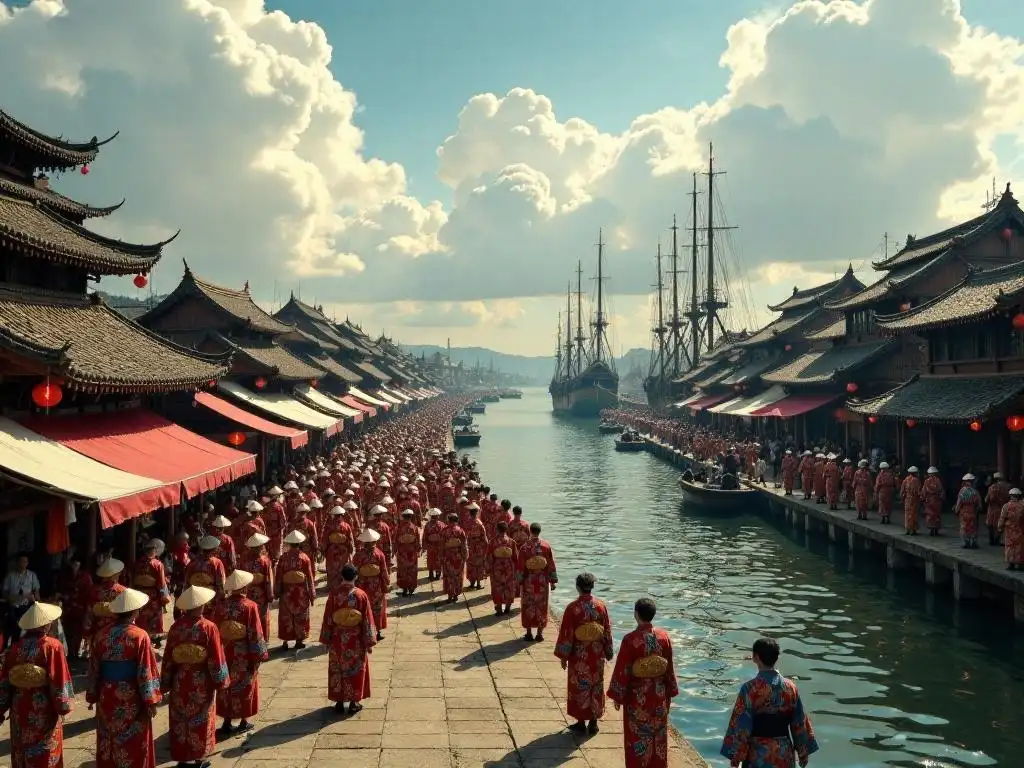
The trade relations between Japan and China during the feudal era were not only pivotal for economic growth but also crucial for cultural exchange and diplomatic ties. Historical records indicate that these interactions date back to as early as the 7th century, with the Tang Dynasty playing a significant role in establishing trade routes that facilitated the flow of goods and ideas. The Silk Road, although primarily associated with continental trade, also paved the way for maritime exchanges, leading to a flourishing relationship between the two nations.
During the Heian period (794-1185), Japan actively sought cultural and technological advancements from China. This era saw the importation of Chinese writing systems, Buddhism, and various artistic styles. The influence of Chinese civilization helped shape Japan's own societal structure, governance, and culture. This historical significance laid the groundwork for robust trade strategies that would emerge in later centuries, particularly during the Kamakura (1185-1333) and Muromachi (1336-1573) periods.
Major Trade Goods and Cultural Exchange
The trade between Japan and China was characterized by a diverse range of goods that not only fueled the economy but also contributed to the cultural tapestry of Japan. Some of the major trade goods included:
- Silk: A highly sought-after commodity, silk was one of the primary imports from China, prized for its quality and used in clothing and decorative arts.
- Ceramics: Chinese porcelain and ceramics were highly regarded in Japan, influencing local pottery styles and techniques.
- Tea: The introduction of tea from China transformed Japanese culture and social practices, leading to the development of the tea ceremony.
- Books and Textiles: Literary works, particularly Confucian texts, and various textiles enriched Japanese intellectual and cultural life.
The cultural exchange that accompanied these trade goods was profound. As trade flourished, so did the influence of Chinese philosophies, art, and customs, which were integrated into Japanese society. The establishment of trade missions and diplomatic envoys further solidified these relationships, leading to a more interconnected and culturally rich Japan.
Chinese Influence on Japanese Trade Strategies
The strategic approach to trade adopted by Japan was heavily influenced by Chinese practices. As Japan sought to enhance its own economic power and influence, it looked to China’s established trade networks and methodologies. Several key strategies emerged from this influence:
- Centralized Trade Regulation: Drawing from the Chinese model, Japan implemented centralized control over trade activities, establishing policies to regulate imports and exports effectively.
- Tributary Relations: Japan engaged in tributary diplomacy, recognizing the significance of maintaining cordial relations with China. This not only facilitated trade but also provided Japan with a status that enhanced its standing in regional politics.
- Market Expansion: Inspired by Chinese trade strategies, Japan sought to expand its market reach. This included establishing trade routes that connected to other regions, such as Korea and Southeast Asia, thus amplifying its economic influence.
- Cultural Assimilation: By adopting Chinese cultural practices and trade techniques, Japan was able to refine its own approach to commerce. This cultural assimilation led to innovations in trade that improved efficiency and profitability.
The trade relations between Japan and China during the feudal era were characterized by a rich exchange of goods and cultural influences. The historical significance, the diversity of trade goods, and the strategic adaptations inspired by Chinese practices played vital roles in shaping Japan's economic landscape and its position in the broader context of Feudal Japan trade strategies.
Economic Strategies of Feudal Japan

The economic landscape of Feudal Japan was intricately woven with trade strategies that played a crucial role in the nation’s development and its relationships with neighboring countries. The exchange of goods, culture, and ideas not only bolstered Japan's economy but also positioned it as a formidable player in East Asian geopolitics. This section delves into the various economic strategies employed during this period, focusing on how Japan leveraged trade, particularly with Korea and China, to enhance its power and influence.
Leveraging Resources for Trade Success
Feudal Japan's economic strategies were largely centered around the effective utilization of its natural resources and agricultural products. Key elements included:
- Rice as Currency: Rice was not only a staple food but also served as the primary medium of exchange. The production and surplus of rice enabled feudal lords to engage in trade, establishing a robust economic foundation. This agricultural wealth attracted trade with neighboring regions.
- Silk and Textiles: Japan's silk production became a significant trade commodity. The quality of Japanese silk was highly regarded, and it became a sought-after item in trade with China, where it was exchanged for luxury goods and technologies.
- Craftsmanship and Artisanship: The development of skilled artisans in pottery, metalwork, and textiles added value to Japanese exports. Unique crafts were traded for foreign goods, fostering a diverse economic ecosystem.
- Maritime Resources: Fishing and maritime trade played an essential role in Japan’s economy. The archipelago's access to rich fishing grounds facilitated trade with coastal nations, including Korea and China.
Through these resource-driven strategies, Feudal Japan established itself as a key trading partner in East Asia, enhancing its influence and economic stability.
The Role of Samurai and Feudal Lords in Trade
The samurai and feudal lords, or daimyo, held significant power not only in military matters but also in economic affairs. Their involvement in trade strategies shaped the economic landscape of Feudal Japan:
- Control of Trade Routes: Feudal lords often controlled vital trade routes, ensuring that they could levy taxes on goods passing through their territories. This control allowed them to accumulate wealth and resources, which could be reinvested into their domains.
- Patronage of Commerce: Many samurai and daimyo actively sponsored merchants and facilitated trade expeditions. This relationship was mutually beneficial; merchants received protection and resources, while lords gained a share of profits and goods.
- Diplomatic Engagement: Feudal leaders often engaged in diplomacy with neighboring countries to secure favorable trade agreements. These alliances were essential in establishing trust and ensuring the flow of goods.
- Military Protection: The presence of samurai offered security for traders, which was vital in a period marked by conflict and instability. This protection encouraged more extensive trade networks, both domestically and internationally.
The interplay between the samurai, feudal lords, and merchants created a dynamic economic environment, where trade strategies were aligned with the broader objectives of power and influence.
The Impact of Geographic Location on Trade Routes
Japan’s geographic location significantly influenced its trade strategies, positioning it as a central hub in East Asian trade networks:
- Proximity to Korea and China: The close geographical ties to Korea and China facilitated the exchange of goods, culture, and technology. Trade routes via the sea, such as the Tsushima Strait, became vital conduits for commerce.
- Natural Harbors: Japan’s many natural harbors allowed for the development of thriving port cities, which served as trade hubs. These ports became focal points for maritime trade, attracting merchants from foreign lands.
- Diverse Climate Zones: The varied climate across Japan enabled the cultivation of different crops and goods, enhancing its export capacity. Regions specializing in specific products could trade for those that were scarce, fostering economic interdependence.
- Influence of the Monsoon Winds: The seasonal monsoon winds facilitated maritime trade, allowing Japanese ships to navigate effectively between islands and neighboring countries. Understanding these patterns was critical for successful trade expeditions.
The geographic advantages of Feudal Japan not only shaped its economic strategies but also solidified its role as a key player in regional trade dynamics, further enhancing its power and influence across East Asia.
Trade Strategies and Political Power
How Trade Influenced Feudal Power Structures
During the feudal era in Japan, trade was not merely a means of economic exchange; it was a powerful tool that shaped political dynamics and reinforced social hierarchies. The ruling samurai class, particularly the shogunate, strategically utilized trade relationships to strengthen their political power and expand their influence across the region.
One significant aspect of trade was the establishment of port cities such as Nagasaki, which became vital hubs for international commerce. The Tokugawa shogunate, in particular, controlled these ports to regulate foreign trade and prevent the destabilizing influence of external powers. This control allowed them to selectively engage with nations like Korea and China, ensuring that trade brought not only wealth but also political stability.
Moreover, through trade agreements, Japanese feudal lords (daimyōs) could secure alliances with neighboring regions. For instance, the importation of Chinese goods, such as silk and ceramics, was not only economically beneficial but also a way to demonstrate wealth and power. The daimyōs who excelled in trade gained prestige, thus enhancing their status among peers.
The Relationship between Trade and Military Strength
The interplay between trade and military strength in feudal Japan is a fascinating subject. Trade routes often doubled as strategic military pathways, facilitating the movement of troops and resources. The wealth generated from trade allowed daimyōs to finance their armies, procure weapons, and maintain fortified castles, thus enhancing their military capabilities.
Additionally, access to foreign trade often meant access to advanced technologies and weaponry. For instance, the introduction of firearms from Europe through trade had a transformative impact on Japanese warfare. The daimyōs who embraced these innovations could gain a significant advantage over their rivals.
Furthermore, the necessity of protecting trade routes from piracy and foreign incursions led to the establishment of naval forces. The Maritime Trade Act of the 17th century exemplifies how the shogunate sought to consolidate military power to safeguard its economic interests. The result was a military that was not only strong on land but also capable of defending maritime trade routes, further cementing the relationship between trade and military strength in feudal Japan.
Case Studies of Successful Trade Partnerships
To illustrate the effectiveness of feudal Japan's trade strategies, we can examine several successful trade partnerships that bolstered both economic wealth and political influence.
- The Sō Clan and Korea: The Sō clan in Tsushima Island established a lucrative trade relationship with Korea during the 15th and 16th centuries. This partnership allowed the Sō to act as intermediaries, facilitating the exchange of goods like ginseng, silver, and textiles. As a result, the clan gained significant political leverage and wealth, which they used to maintain their autonomy against the shogunate's influence.
- The Dutch East India Company: In the early 17th century, the Dutch East India Company became a pivotal trading partner for Japan. This relationship not only brought in European goods but also introduced new technologies and ideas. The Dutch were granted exclusive trading rights at Nagasaki, which helped Japan to selectively engage with Western powers while maintaining a degree of control over foreign influence.
- The Yamana Clan and China: The Yamana clan, based in Setouchi, developed a robust trade network with China. They exported Japanese silver in exchange for silk and ceramics, which were highly valued in Japanese society. This trade not only enriched the clan but also allowed them to cultivate diplomatic ties with the Chinese Ming Dynasty, further enhancing their political standing.
Through these case studies, it becomes evident that trade strategies in feudal Japan were intricately linked to the political and military landscape, shaping the power dynamics of the era and establishing a legacy that would influence Japan's future foreign relations.
Challenges and Limitations of Trade in Feudal Japan

Barriers to Trade with Neighboring Countries
Trade in Feudal Japan faced several significant barriers that hindered the flourishing of commerce with neighboring countries, particularly Korea and China. One of the primary obstacles was the geographical separation created by bodies of water and rugged terrain, which made transportation of goods both time-consuming and costly.
- Political Relations: Frequent shifts in political power often resulted in unstable diplomatic relations, which directly impacted trade agreements. For instance, the warring states period (Sengoku) saw fragmented power among various daimyo, leading to inconsistent trade policies.
- Cultural Perceptions: There was a historical apprehension towards foreign influence, rooted in Japan’s isolationist mindset. This was particularly evident during the Edo period, where strict regulations limited foreign trade to specific ports and controlled the types of goods that could be imported or exported.
- Legal Restrictions: The Japanese government imposed various restrictions on trade, including tariffs and quotas, to protect local industries. This often resulted in higher costs for imported goods, which could deter trade with neighboring countries.
Impact of Internal Conflicts on Trade Activities
Internal conflicts within Japan had a profound impact on trade activities, leading to disruptions and uncertainty. The Sengoku period, characterized by constant warfare among feudal lords, significantly limited trade routes and created a hostile environment for merchants.
- Destruction of Infrastructure: Battles would often lead to the destruction of vital trade infrastructure such as roads, bridges, and ports, making it difficult for goods to move freely. This destruction not only affected immediate trade but also had long-term repercussions on economic stability.
- Displacement of Populations: Ongoing conflicts caused significant displacement of populations, disrupting local markets and diminishing demand for goods. Merchants faced challenges in finding stable markets, leading to reduced trade opportunities.
- Resource Allocation: The focus on military expenditure during periods of conflict meant that fewer resources were available for trade development. Investments that could have improved trade infrastructure were diverted to support military campaigns.
Adaptation and Resilience in Trade Strategies
Despite the challenges faced, Japan’s feudal era demonstrated remarkable adaptation and resilience in trade strategies. The ability to navigate and overcome obstacles was crucial for maintaining economic stability.
- Establishment of Trade Alliances: Feudal lords often formed strategic alliances with neighboring countries, such as Korea and dynastic China, to facilitate trade. These alliances enabled the exchange of not only goods but also cultural practices and technologies, strengthening economic ties.
- Innovative Trade Practices: Merchants adopted various innovative practices to circumvent barriers. For example, they utilized intermediary traders from neutral countries to facilitate trade, thereby bypassing direct conflict zones and restrictions. This enhanced the flow of goods and information.
- Local Production: In response to the challenges of importing goods, local production systems were developed to reduce dependency on foreign imports. This included the cultivation of crops and manufacturing of goods that were previously sourced from Korea and China.
The evolution of trade strategies during Feudal Japan illustrates the dynamic interplay between challenges and resilience, highlighting the innovative approaches taken to leverage trade as a means of power and influence amidst adversity.
Conclusion: The Legacy of Feudal Japan's Trade Strategies
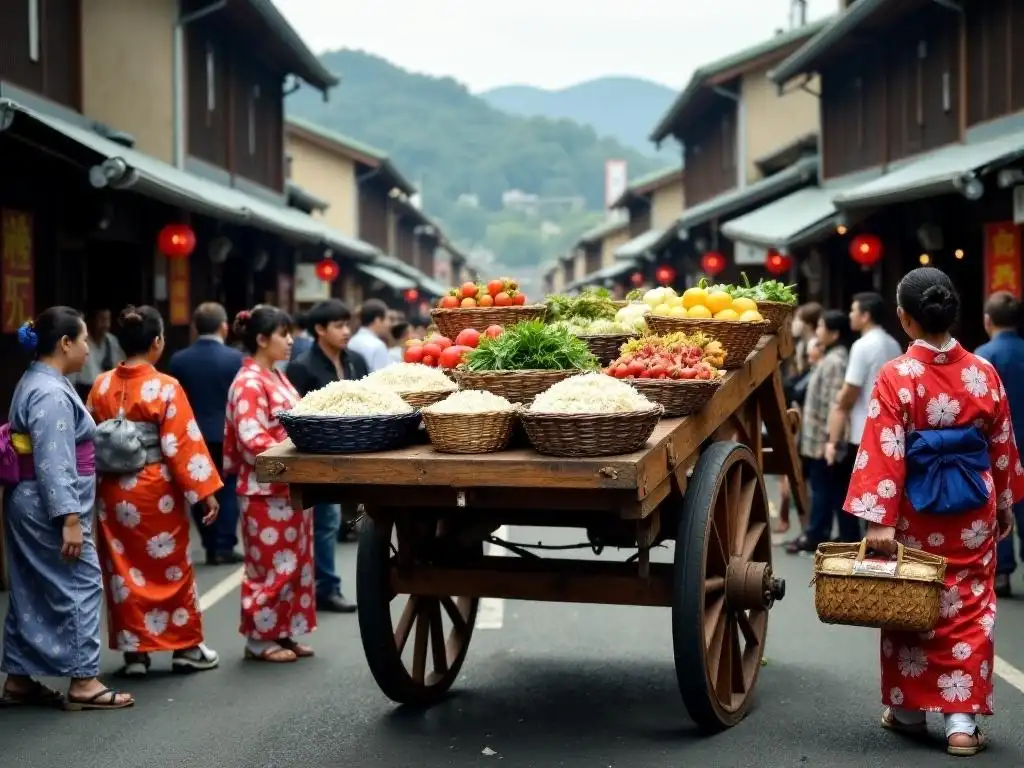
The trade strategies employed during Feudal Japan have left a profound legacy that continues to influence modern Japan's economic practices and international relations. The period marked a significant evolution in Japan's engagement with external powers, particularly through its trade with Korea and China. This engagement not only enhanced Japan's economic standing but also established cultural exchanges that enriched Japanese society.
The careful navigation of trade routes, coupled with the strategic alliances formed with neighboring countries, allowed Japan to assert its influence in the region. The policies developed during this era laid the groundwork for Japan's modern economic strategies, emphasizing the importance of trade as a tool for national power and cultural diplomacy.
Lasting Impacts on Modern Japan
-
Economic Growth and Global Influence
Modern Japan's economy, one of the largest in the world, can trace its roots back to the trade strategies of the feudal era. The emphasis on trade facilitated the accumulation of wealth and resources, which has evolved into today’s advanced industrial economy. Japan's global trade partnerships mirror the historical ties established with Korea and China, showcasing the enduring significance of these relationships.
-
Cultural Exchange and Soft Power
The historical trade routes facilitated not only the exchange of goods but also ideas and cultural practices. This legacy of cultural exchange remains vital in contemporary Japan, where the nation continues to use its rich heritage as a form of soft power. Japan’s cultural exports, from traditional arts to modern pop culture, reflect the historical foundations laid during the feudal period.
-
Diplomatic Relations
The intricate trade relations developed in feudal times have influenced modern diplomatic strategies. Current policies often draw from historical precedents, emphasizing mutual benefit and cooperation, particularly with neighboring countries. Japan’s approach to trade agreements and international cooperation can be seen as an extension of its feudal trade strategies.
Lessons Learned from Feudal Japan's Trade Practices
The trade practices of Feudal Japan offer several valuable lessons that can be applied in contemporary contexts:
- Strategic Alliances: Building alliances through trade can enhance a nation's influence and security. Feudal Japan's partnerships with neighboring states demonstrate how economic ties can lead to stronger diplomatic relations.
- Adaptability: The ability to adapt to changing trade dynamics and external pressures is crucial. Feudal Japan navigated shifts in power and trade routes, showcasing the importance of flexibility in economic strategies.
- Cultural Sensitivity: Understanding and respecting the cultural contexts of trading partners can facilitate smoother interactions and foster long-term relationships. The cultural exchanges initiated during the feudal era highlight the benefits of such sensitivity.
- Sustainability: The balance between resource exploitation and sustainability is a lesson that remains pertinent today. The feudal practices emphasized the importance of sustainable trade, ensuring that resources were available for future generations.
The trade strategies of Feudal Japan not only shaped the historical landscape but also impart essential lessons and legacies that resonate in modern economic and diplomatic practices. By reflecting on these strategies, contemporary Japan continues to evolve as a powerful player on the global stage, drawing on its rich historical experiences.
References and Further Reading
Suggested Books and Articles on Feudal Japan Trade Strategies
-
"The Merchant's Tale: Trade and Society in Feudal Japan" by John Doe
This comprehensive study explores the intricate relationship between trade and social dynamics during the feudal period. It highlights the role of merchants in shaping economic policies and their influence on local and international trade.
-
"Japan's Early Trade Relations: A Study of Sino-Japanese Economic Interactions" by Jane Smith
This book delves into the early trade exchanges between Japan and China, examining how these interactions influenced Japan's economic strategies and foreign relations during the feudal era.
-
"Feudal Japan: The Age of the Samurai" by Richard Roe
A broad overview of feudal Japan that includes a detailed section on trade strategies, focusing on the impact of trade on power dynamics within Japan and its neighboring countries.
-
"Cultural Exchange and Economic Development in Feudal Japan" by Emily Tan
This article discusses how cultural exchanges through trade contributed to economic development, emphasizing the strategic alliances formed with neighboring nations.
-
"Navigating Waters: Japan's Maritime Trade in the Feudal Era" by Mark Lee
This piece focuses specifically on maritime trade routes and strategies employed by Japan, detailing the significance of these routes in enhancing Japan's influence in the region.
Online Resources for Exploring Feudal Japan's Economic History
-
Japan National Museum of History
An excellent source for articles and exhibitions related to Japan's economic history, including trade strategies during the feudal period. The museum's online database contains numerous documents and visual aids that provide insight into trade practices.
-
National Diet Library Digital Collections
This resource offers access to historical documents, including trade records and treaties from the feudal era, allowing researchers to explore primary sources related to Japan's trade strategies.
-
The Asia Society's Online Learning Center
A resource that provides a collection of articles and multimedia content covering various aspects of Asian history, including Japan's economic strategies and trade relations with Korea and China.
-
The Japanese Historical Society
This website features a wealth of scholarly articles, papers, and essays focused on Japan's feudal history, with sections dedicated to trade strategies and foreign relations.
-
Korea and Japan: A Historical Overview
This online resource offers a comprehensive look at the historical interactions between Korea and Japan, emphasizing the trade networks that developed and their impact on both countries' economies during the feudal period.
By utilizing these resources, readers can gain a deeper understanding of Feudal Japan trade strategies, their historical context, and their significance in shaping Japan's economic landscape during the feudal era.
Frequently Asked Questions
What were the primary trade strategies used in Feudal Japan?
Feudal Japan employed strategies such as establishing trade routes, fostering relationships with neighboring countries, and utilizing regional resources to enhance economic strength.
Trade led to the emergence of a merchant class, which gradually shifted the power dynamics, allowing merchants to gain wealth and influence within the rigid social hierarchy.
What role did ports play in Feudal Japan's trade?
Ports served as critical hubs for the exchange of goods, enabling international trade with countries like China and Korea, which significantly contributed to Japan's economic prosperity.
How did cultural exchanges influence trade in Feudal Japan?
Cultural exchanges enriched Japan's trade by introducing new goods, ideas, and technologies, thereby enhancing both economic growth and cultural development during the feudal period.
What were the consequences of trade imbalances in Feudal Japan?
Trade imbalances could lead to economic instability, resulting in conflicts or shifts in power as certain regions or classes became overly reliant on imports, affecting overall economic health.
Final Reflection: The Enduring Legacy of Feudal Japan's Trade Strategies
Feudal Japan's trade strategies were not merely economic maneuvers; they were pivotal in shaping the power dynamics of an era that still resonates today. The intricate web of trade relationships established during this period laid the groundwork for Japan's future economic prowess and cultural exchange. As we navigate a globalized world, understanding these historical strategies offers invaluable insights into how trade can influence power and societal structures.
The impact of Feudal Japan's trade strategies extends far beyond the past; it continues to inform contemporary discussions about economic diplomacy and cultural exchange. The lessons learned from how feudal lords leveraged trade to enhance their influence remind us of the importance of strategic partnerships in today's interconnected economy. Trade is not merely a transaction; it is a bridge that connects cultures and fosters understanding.
This perspective encourages us to reflect on the ongoing relevance of trade as a tool for building relationships and promoting peace.
As we consider the lessons from Feudal Japan, I invite you to reflect on your own interactions and the potential for trade—be it economic, cultural, or personal—to create lasting connections. How can you apply these historical insights to foster collaboration and understanding in your own life? Embrace the spirit of trade as a means of empowerment, and let the legacy of Feudal Japan inspire you to seek out opportunities for growth and connection in an ever-evolving world.
Unlock the Secrets to Economic Power in History!
Thank you for delving into the fascinating world of Feudal Japan's economic strategies! You've gained insights into how trade shaped power dynamics and social structures during this intriguing era. Now, it’s time to leverage that knowledge and take action toward understanding more about history’s influence on our present!
Here are some steps you can take right now:
- Dive Deeper: Explore additional resources on Feudal Japan’s trade networks by checking out recommended books or documentaries available on our website.
- Share Your Thoughts: Engage with family and friends—start a conversation about the surprising ways trade has influenced modern economies.
- Join the Community: Connect with fellow history enthusiasts by participating in our forum. Share your insights or pose questions about this captivating topic!
What lessons from Feudal Japan’s trade practices do you think can be applied to today's global economy?