
The Resistance and Acceptance of Western Ideals in Feudal Japan

Welcome to Feudal Japan History, where we embark on a captivating journey through the intricate tapestry of Japan's feudal era. In our featured article, "The Resistance and Acceptance of Western Ideals in Feudal Japan," we delve into the fascinating interplay between traditional Japanese values and the encroaching influence of Western thought. How did these cultural currents shape the society of the time? As you explore our expert-driven insights, prepare to uncover surprising narratives that challenge conventional perspectives on this pivotal moment in history. Your adventure into the depths of feudal Japan's foreign relations begins now—let's dive in!
- Introduction to Western Ideals in Feudal Japan
- Historical Context of Feudal Japan
- Introduction of Western Ideals in Japan
- The Resistance to Western Ideals in Feudal Japan
- The Acceptance of Western Ideals in Feudal Japan
- Case Studies of Western Ideals in Feudal Japan
- The Long-Term Effects of Western Ideals on Japan
- Conclusion: The Dual Legacy of Western Ideals in Feudal Japan
- Frequently Asked Questions
- Final Reflection: Navigating the Tides of Change in Feudal Japan
- Embrace and Explore the Richness of Feudal Japan!
Introduction to Western Ideals in Feudal Japan
The interaction between Japan and Western cultures during the feudal era is a fascinating subject that unveils a complex tapestry of resistance and adaptation. As Japan navigated the challenges and opportunities presented by Western ideals, it experienced profound shifts in its societal structures, cultural practices, and political dynamics.
This article aims to provide a comprehensive exploration of how Western ideals were both resisted and accepted in feudal Japan, shedding light on the historical context, key figures, and significant events that shaped these interactions. By delving into the nuances of Japan-West relations during this period, we can better understand the broader implications of these exchanges and their lasting impact on Japan's evolution.
Overview of Feudal Japan
Feudal Japan, spanning from the late 12th century to the mid-19th century, was characterized by a hierarchical social structure dominated by the samurai class. This era saw the rise of powerful clans and a decentralized government, where local lords (daimyōs) held significant control over their territories. The feudal system established a sense of loyalty and duty, defined by the code of bushido, which emphasized honor, bravery, and loyalty. The isolationist policies of the Tokugawa shogunate (1603-1868) further solidified Japan's insular stance, limiting foreign influence and trade primarily to the Dutch and Chinese.
Key features of feudal Japan include:
- Social Hierarchy: The rigid class system comprised the emperor, shogun, daimyōs, samurai, farmers, artisans, and merchants.
- Cultural Practices: Traditional arts such as tea ceremonies, calligraphy, and Noh theater flourished, reflecting the values of the time.
- Economic Structure: Agriculture was the backbone of the economy, with rice serving as both currency and staple food.
This historical backdrop is essential for understanding how the introduction of Western ideals began to challenge and transform these established norms.
The Concept of Western Ideals
Western ideals, often associated with Enlightenment thought and industrial progress, introduced concepts such as democracy, individualism, and scientific advancement. These ideals began to permeate Japanese society through various channels, including trade, diplomacy, and the arrival of missionaries.
Some key Western ideals that influenced Japan during the feudal era included:
- Individual Rights: The idea that individuals have inherent rights and freedoms challenged the collectivist nature of Japanese society.
- Democratic Governance: Concepts of representative government and civic participation contrasted sharply with the feudal hierarchy.
- Technological Advancement: Western innovations in industry and military technology prompted Japan to reconsider its isolationist policies.
The reception of these ideals was not uniform; while some embraced the potential for modernization and reform, others viewed them as threats to traditional values and social order.
Importance of Studying Japan-West Interactions
Studying the interactions between Japan and the West during the feudal era is crucial for several reasons:
- Historical Insight: Understanding these interactions provides a clearer picture of Japan's eventual transition from isolation to modernization in the Meiji Restoration.
- Cultural Exchange: The blending of Western and Japanese ideals led to unique adaptations in art, literature, and philosophy that continue to influence contemporary Japan.
- Global Context: This examination allows for a better understanding of how nations negotiate identity and modernity in the face of foreign influences.
By analyzing the complexities of resistance and acceptance regarding Western ideals in feudal Japan, we can gain valuable insights into the broader dynamics of cultural exchange and adaptation that shape societies across the globe.
Historical Context of Feudal Japan

The Feudal System and Its Structure
The feudal system in Japan, which emerged during the late Heian period (794-1185), was characterized by a hierarchical structure where land was exchanged for loyalty and military service. This system was pivotal in shaping Japanese society and its interactions with foreign entities, particularly in relation to Western ideals. The hierarchy was composed of the following key elements:
- Emperor: The nominal ruler with little political power, viewed as a spiritual figure.
- Shogun: The military dictator who held actual power and authority over the samurai class.
- Daimyo: Feudal lords who governed vast territories and were vassals to the shogun.
- Samurai: Warrior class who served the daimyo, bound by the code of bushido.
- Peasants: The majority of the population, who worked the land and produced food, with little social mobility.
This rigid structure limited the dissemination of ideas and philosophies from outside Japan, including Western ideals. However, the interactions that did occur during this era were significant in shaping Japan's eventual response to Western influence.
Key Events Influencing Japan's Foreign Relations
Several key events significantly influenced Japan's foreign relations during the feudal era, particularly concerning Western ideals:
- The Arrival of the Portuguese (1543): The first Europeans to arrive in Japan, the Portuguese brought with them not only trade goods but also Christianity. This marked the beginning of European influence, although it was met with mixed reactions from the ruling classes.
- The Missionary Efforts: Jesuit missionaries, such as Francis Xavier, sought to convert the Japanese, leading to initial acceptance but later resistance due to concerns over foreign influence and the undermining of traditional Japanese beliefs.
- Sakoku Edict (1635): This policy of isolationism effectively closed Japan to foreign influence for over two centuries. The shogunate's fear of Western ideologies led to the expulsion of missionaries and the prohibition of foreign trade, except for limited interactions with the Dutch.
- The Commodore Perry Expedition (1853): The arrival of American Commodore Matthew Perry and his "Black Ships" forced Japan to confront its isolationist policies. This event catalyzed the end of the sakoku era, leading to an influx of Western ideals and technologies.
Each of these events played a crucial role in shaping Japan's interactions with the West, showcasing a complex relationship marked by both resistance and gradual acceptance.
Early Interactions with the West
Japan's early interactions with Western ideals were largely shaped by the Portuguese and later the Dutch, who were the only European nation permitted limited trade during the sakoku period. These interactions can be categorized as follows:
- Trade and Commerce: The Portuguese introduced new goods, such as firearms and tobacco, which changed Japanese warfare and social practices. The Dutch established a trading post in Nagasaki, serving as Japan's window to the West and facilitating the exchange of knowledge and technology.
- Cultural Exchange: While religious conversions faced resistance, Western knowledge in fields such as astronomy, medicine, and cartography began to permeate Japanese culture. This exchange laid the groundwork for the eventual Meiji Restoration, where modernization and Westernization became a priority.
- Resistance and Adaptation: Despite the initial interest in Western goods and ideas, the ruling classes remained cautious. The shogunate's policies reflected a desire to maintain control over the socio-political landscape, leading to a selective acceptance of Western ideals that did not threaten traditional Japanese values.
Early interactions with the West in feudal Japan were characterized by a complex interplay of curiosity, resistance, and adaptation, setting the stage for the profound transformations that would follow in the modern era.
Introduction of Western Ideals in Japan
The introduction of Western ideals in feudal Japan marks a significant turning point in the nation’s history, representing a complex interplay of resistance and acceptance. These ideals, which included concepts of governance, technology, and cultural practices, began to seep into Japanese society primarily during the 16th century. The interaction between Japan and the West was not merely a one-way exchange; it involved a nuanced negotiation where traditional Japanese values were both challenged and transformed by foreign influences.
Throughout this section, we will explore the factors that facilitated the introduction of Western ideals, the key individuals who championed them, and the vital role that trade and diplomacy played in shaping Japan's response to these foreign concepts.
Arrival of Western Influences in the 16th Century
The 16th century marked the onset of significant Western influence in Japan, largely initiated by the arrival of European traders and missionaries. The Portuguese were the first to establish contact in 1543, bringing with them not only goods but also new ideas and technologies. This initial encounter laid the groundwork for a more profound cultural exchange.
- Trade Goods: The Portuguese brought firearms, which revolutionized Japanese warfare. The introduction of the arquebus changed military tactics significantly, leading to a shift in power dynamics among the samurai class.
- Religious Influence: Missionaries, particularly the Jesuits, arrived shortly after the traders. They introduced Christianity, which posed direct challenges to the existing Shinto and Buddhist beliefs. The spread of Christianity was met with varying degrees of acceptance, leading to both conversions and resistance.
- Cultural Exchange: Alongside trade, Western art, literature, and science began to influence Japanese culture. For instance, the introduction of Western painting techniques began to alter the traditional Japanese aesthetic.
The 16th century set the stage for a complex relationship between Japan and Western ideals, characterized by both curiosity and skepticism.
Key Figures Promoting Western Ideals
Several key figures emerged during this era who played critical roles in promoting Western ideals within Japanese society. These individuals were instrumental in bridging the gap between Eastern and Western philosophies.
- Francis Xavier: As a prominent Jesuit missionary, Xavier was one of the first to advocate for Christianity in Japan. His efforts led to the establishment of a Christian community, which not only introduced religious concepts but also Western educational practices.
- Yasuda Zenjiro: A notable samurai and scholar, Yasuda was inspired by Western literature and science. He translated and disseminated Western texts, which contributed to the intellectual awakening in late feudal Japan.
- Katsushika Hokusai: Although primarily known for his art, Hokusai's works were influenced by Western techniques and perspectives. His blending of traditional Japanese themes with Western styles exemplified the acceptance of Western ideals in cultural expressions.
These figures represent the diverse ways in which Western ideals began to permeate various aspects of Japanese life, from religion to art and scholarship.
The Role of Trade and Diplomacy
Trade and diplomacy were pivotal in shaping Japan's interactions with Western nations. The initial influx of goods and ideas was driven by economic motives, but it also led to diplomatic engagements that affected Japan's policy decisions.
- Nanban Trade: The term “ Nanban” refers to the Southern Barbarians, a name given to the Portuguese and later the Spanish traders. The Nanban trade period (1543-1614) allowed Japan to access a range of Western goods, including textiles, weapons, and clocks, which were highly sought after by the Japanese elite.
- Diplomatic Missions: During this period, Japan sent several diplomatic missions to Europe, notably the Keichō Mission (1582-1590). These missions aimed to establish formal relations and to learn about Western science, technology, and political systems.
- Impact on Japanese Policy: The increasing Western presence led to a duality in Japanese policy. While some embraced Western technology and ideas, others feared the erosion of traditional values. This fear culminated in the eventual Sakoku (lockdown) policy in the early 17th century, which sought to limit foreign influence.
The intricate relationship between trade, diplomacy, and the acceptance of Western ideals in feudal Japan is a testament to the dynamic nature of cultural exchange. While resistance was prevalent, the seeds of Western thought had been sown, ultimately setting the stage for Japan's transformation in the modern era.
The Resistance to Western Ideals in Feudal Japan
Cultural Preservation and National Identity
During the late feudal period in Japan, particularly in the 19th century, the influx of Western ideals posed a significant challenge to the cultural fabric of Japanese society. The Japanese elite, particularly the samurai class, emphasized the importance of cultural preservation as a means to maintain national identity amidst the encroaching influence of the West. This resistance was primarily rooted in the belief that Western values could undermine traditional Japanese customs, arts, and social hierarchies.
The Meiji Restoration of 1868 marked a pivotal moment in this dynamic. Although it led to modernization and the adoption of certain Western practices, there was a concurrent movement among many Japanese to safeguard what they considered to be the essence of their identity. The slogan "Shinmitsu" (新密), meaning "new intimacy," was frequently invoked to encourage the integration of selective Western ideas while firmly rooting them in a Japanese context. This selective adaptation enabled Japan to modernize without completely abandoning its rich cultural heritage.
Moreover, the cult of the emperor played a critical role in reinforcing national identity during this period. The restoration of imperial power was framed within a narrative of returning to traditional values, portraying the emperor as a symbol of continuity and cultural integrity against foreign encroachment. This narrative fostered a sense of unity among the Japanese people, who viewed the preservation of their cultural identity as essential to resisting Western domination.
The Samurai Code and Its Impact
The samurai, as the warrior class of feudal Japan, were not only military leaders but also custodians of a distinct ethical code known as Bushido (武士道). This code emphasized virtues such as loyalty, honor, and discipline, forming the backbone of samurai culture. The principles of Bushido were instrumental in shaping the samurai's response to Western ideals.
As Western powers began to exert influence over Japan, many samurai viewed the introduction of foreign ideas as a threat to their way of life. They believed that adopting Western practices could erode their values and disrupt the social order. Consequently, many samurai actively resisted Westernization, arguing that it contradicted their commitment to honor and loyalty.
In this context, the Sonnō jōi movement (尊皇攘夷), which translates to "Revere the Emperor, Expel the Barbarians," gained traction among samurai factions. This ideology called for the rejection of foreign influence and the re-establishment of the emperor's authority. Samurai warriors rallied around this cause, often leading to violent confrontations with those who advocated for a more open stance toward the West.
The samurai also sought to preserve their martial traditions and practices in the face of Western military innovations. They feared that adopting Western military techniques would compromise their distinctive identity. As a result, many samurai dedicated themselves to perfecting traditional arts such as kenjutsu (剣術), the art of swordsmanship, viewing it as a bulwark against Western encroachment.
Political Responses to Western Influence
The political landscape of feudal Japan during the encounter with Western ideals was characterized by a mixture of resistance and reluctant adaptation. As Western powers began to impose unequal treaties on Japan, the ruling Tokugawa shogunate faced increasing pressure to respond to these challenges.
One notable political response was the closing of Japan (sakoku, 鎖国) policy that lasted for over two centuries. Under this policy, Japan severely restricted foreign interactions and prohibited Japanese citizens from traveling abroad. This isolationist stance was initially successful in limiting Western influence, but as global dynamics shifted, it became increasingly untenable. By the mid-19th century, the realities of international trade and diplomacy forced the shogunate to reconsider its approach.
The arrival of Commodore Matthew Perry in 1853 served as a catalyst for change. His demands for trade and diplomatic relations highlighted Japan's vulnerability and the necessity for reform. As a result, the shogunate was compelled to sign the Treaty of Kanagawa in 1854, effectively ending Japan's isolation. This treaty marked the beginning of a period of unequal treaties that would further expose Japan to Western influences.
In response to this encroachment, factions within Japan began advocating for modernization. The Meiji government, which emerged from the upheaval of the Tokugawa era, recognized the need to adopt Western technologies and governmental structures to compete with Western powers. However, this modernization was often framed as a means to strengthen Japan and preserve its sovereignty, rather than a wholesale acceptance of Western ideals.
Japan's political responses to Western influence in the feudal era were complex and multifaceted, oscillating between resistance and adaptation. The interplay of cultural preservation, samurai values, and the need for modernization shaped Japan's unique approach to Western ideals during this transformative period.
The Acceptance of Western Ideals in Feudal Japan
The acceptance of Western ideals in feudal Japan marked a significant turning point in the nation's history. As the country encountered foreign powers in the mid-19th century, particularly through Commodore Perry's arrival in 1853, Japan began to navigate the complexities of modernization while maintaining its unique cultural identity. This era led to a transformation in various sectors, where elements of Western thought, technology, and culture were embraced, albeit selectively.
Adaptation of Western Technologies
The introduction of Western technologies was a crucial aspect of Japan's modernization during the late Edo and early Meiji periods. The Japanese leadership recognized the need to enhance their military and industrial capabilities to avoid colonial subjugation.
- Military Advancements: The adoption of Western military strategies and technologies allowed Japan to transform its armed forces. For instance, the establishment of the Imperial Japanese Army in 1868 incorporated Western-style training, weaponry, and tactics. By the First Sino-Japanese War (1894-1895), Japan had successfully integrated modern artillery and naval technology, showcasing its newfound strength on the international stage.
- Industrialization: The Meiji Restoration prompted the establishment of factories and railroads, inspired by Western industrial models. The government actively recruited foreign experts, known as "oyatoi gaikokujin," to facilitate technological transfer. As a result, Japan quickly developed a robust industrial base, producing textiles, machinery, and other goods that would later contribute to its global economic presence.
- Transportation and Communication: Innovations such as railroads and telegraph systems were rapidly implemented, transforming the country's infrastructure. These advancements not only improved domestic connectivity but also facilitated international trade and communication, aligning Japan more closely with Western powers.
Educational Reforms and the Influence of Western Thought
The influx of Western ideals extended into the educational systems of feudal Japan. Recognizing the importance of education in modernization, the Japanese government initiated comprehensive reforms.
- Curriculum Overhaul: Traditional education, heavily centered on Confucian values, was supplemented with Western sciences, mathematics, and liberal arts. The establishment of institutions like Tokyo Imperial University in 1877 highlighted this shift, as it became a center for Western learning and thought.
- Philosophical Influences: Western philosophy, particularly Enlightenment ideas, began to permeate Japanese intellectual circles. Concepts such as individual rights, democracy, and rationalism were introduced, leading to a re-evaluation of Japan's feudal hierarchies and social structures.
- Literature and Arts: The Meiji era also saw the emergence of literature that integrated Western literary styles and themes. Authors like Natsume Sōseki and Mori Ōgai began exploring Western narratives while retaining elements of Japanese tradition, creating a unique blend of cultural expression.
The Emergence of Hybrid Cultural Practices
The interaction between Western ideals and traditional Japanese culture led to the development of hybrid practices that reflected both influences.
- Culinary Fusions: Western cuisine began to take root in Japan, leading to the creation of unique dishes that combined local ingredients with Western cooking methods. For example, "yoshoku," or Western-style food, emerged, featuring items like curry rice and omurice, which became staples in Japanese dining.
- Fashion and Aesthetics: The adoption of Western clothing styles, particularly among the elite, marked a significant cultural shift. While traditional garments such as kimonos remained prevalent, Western-style suits and dresses began to appear in urban settings, especially during formal occasions.
- Artistic Expression: The Japanese art scene experienced a renaissance as Western techniques in painting and sculpture were infused with traditional Japanese aesthetics. Artists like Yokoyama Taikan sought to blend Western oil painting methods with Japanese themes, resulting in a unique artistic movement known as Nihonga.
The acceptance of Western ideals in feudal Japan was not merely a passive reception but an active engagement that spurred profound changes across various aspects of society. This dynamic interplay between tradition and innovation laid the foundation for modern Japan, allowing it to emerge as a significant player on the global stage.
Case Studies of Western Ideals in Feudal Japan
The Impact of Christianity on Japanese Society
The introduction of Christianity to Japan in the 16th century marked a significant intersection of Western ideals and Japanese culture. Initially brought by Portuguese traders and missionaries, notably Francis Xavier, Christianity presented a new worldview that contrasted sharply with the traditional Shinto and Buddhist beliefs prevalent in Japan at the time.
- Early Acceptance: The initial reception of Christianity was relatively warm, as it resonated with certain aspects of Japanese spirituality. Many Japanese found the Christian message of salvation appealing, which led to the establishment of several churches and the baptism of thousands of Japanese converts.
- Political Implications: However, the political landscape soon complicated the acceptance of Western ideals. The Tokugawa shogunate, which prioritized social order and stability, viewed Christianity as a potential threat to its authority. By the early 17th century, the shogunate began to suppress the faith, leading to the persecution of Christians. This resulted in the martyrdom of many believers and the clandestine practice of faith among the Japanese populace, demonstrating a complex relationship between Western ideals and Japanese society.
- Cultural Synthesis: Despite the persecution, the influence of Christianity lingered in various cultural aspects, such as art and literature. The idea of individual salvation introduced by Christianity began to permeate Japanese thought, subtly influencing ethical and philosophical discussions even within traditional frameworks.
The Adoption of Western Military Strategies
The Edo period (1603-1868) saw Japan largely isolate itself from foreign influence, yet the arrival of Commodore Perry in 1853 forced a reevaluation of this stance.
- Military Modernization: In response to Western military superiority, Japanese leaders recognized the need for modernization. This led to the adoption of Western military strategies and technologies, which were instrumental during the Meiji Restoration. The incorporation of Western ideals into military doctrine transformed Japan into a formidable power.
- Educational Reforms: Alongside military changes, Japan embraced Western education systems. The establishment of military academies based on Western models allowed for the training of a new generation of officers who were well-versed in contemporary military tactics, thereby enhancing Japan's military effectiveness.
- Expansionism: The embrace of Western military strategies also facilitated Japan's imperial ambitions in Asia. The successful victories in conflicts such as the First Sino-Japanese War (1894-1895) showcased the effectiveness of these adopted strategies, reinforcing the notion that Western ideals could be integrated into Japanese culture without eroding its identity.
The Influence of Western Art and Literature
The interaction between Japan and the West during the late feudal period also manifested in the aesthetic domains of art and literature.
- Artistic Exchange: The introduction of Western painting techniques and perspectives, particularly during the Meiji period, led to a blending of styles. Japanese artists began experimenting with oil paints and Western composition, resulting in works that retained Japanese themes while incorporating Western methods.
- Literary Influences: Western literature also made its mark, with translations of works by authors such as Victor Hugo and Charles Dickens becoming popular among Japanese intellectuals. This exposure prompted Japanese writers to explore new narrative structures and themes, contributing to the evolution of modern Japanese literature.
- Cultural Renaissance: The embrace of Western art and literature sparked a cultural renaissance in Japan, where traditional forms were reinterpreted through a modern lens. This cultural syncretism underscored the complexity of Japan's engagement with Western ideals, illustrating how these influences were not merely adopted but adapted to fit the Japanese context.
The resistance and acceptance of Western ideals in feudal Japan can be seen through various case studies, each highlighting the nuanced interactions that shaped Japan's historical trajectory.
The Long-Term Effects of Western Ideals on Japan
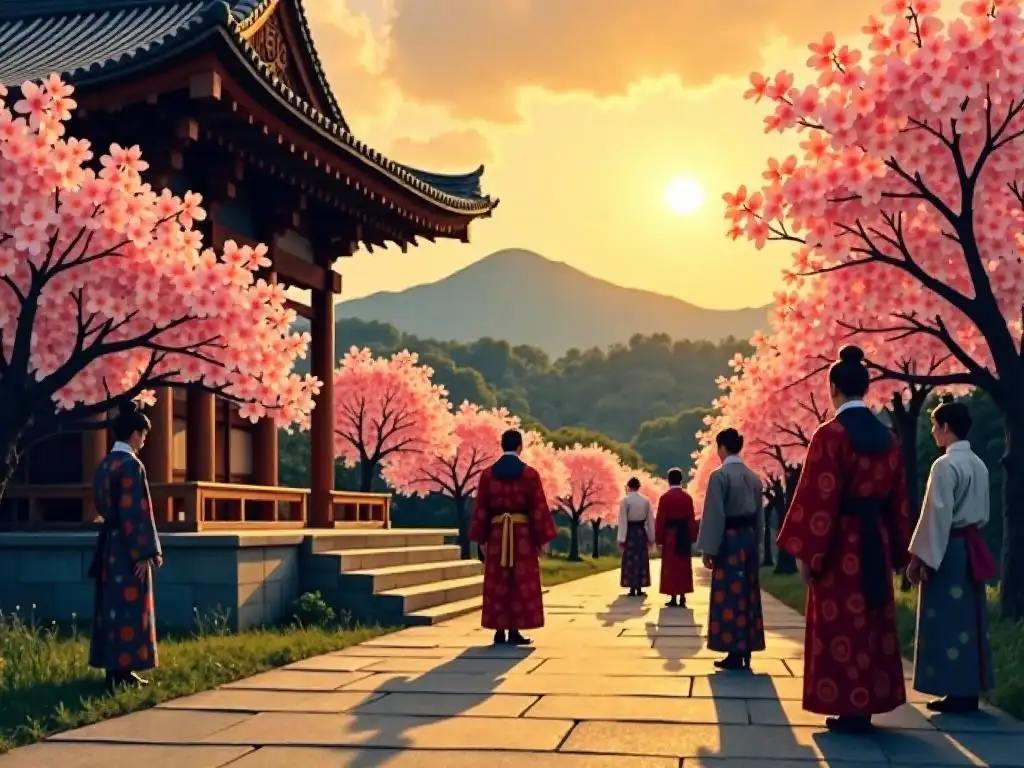
The introduction of Western ideals during the late feudal period in Japan significantly impacted the nation, leading to a transformative cultural and political landscape. This interaction not only influenced Japan’s approach to modernization but also laid the groundwork for ongoing dialogues between Japan and the West. The long-term effects can be categorized into distinct phases, primarily focusing on the transition to the Meiji Restoration, lasting cultural changes in modern Japan, and reflections on historical interactions.
Transition to the Meiji Restoration
The arrival of Commodore Matthew Perry in 1853 marked a pivotal moment in Japan's history, exposing the nation to Western technological advancements and political ideologies. This event catalyzed a series of changes that would culminate in the Meiji Restoration of 1868.
- End of Isolation: Japan's previous isolationist policies were challenged, leading to the signing of treaties that favored Western powers. This forced Japan to reconsider its stance on foreign relations and trade.
- Adoption of Western Technologies: The need to compete with Western powers prompted Japan to adopt various technologies, including military advancements, transportation systems, and communication methods. The Sino-Japanese War (1894-1895) showcased Japan's rapid modernization and military prowess, as it defeated China, a once-dominant power in Asia.
- Political Reforms: The influence of Western political thought inspired the establishment of a constitutional government in Japan. The Meiji Constitution of 1889 introduced elements of Western governance, emphasizing a parliamentary system and the rule of law.
- Cultural Exchanges: The influx of Western ideas also led to significant cultural exchanges. Education systems were reformed to include Western sciences, literature, and philosophies, which helped shape a new Japanese identity.
Lasting Cultural Changes in Modern Japan
The impact of Western ideals on Japan has extended into the modern era, creating a unique blend of traditional and contemporary cultural practices.
- Art and Literature: The introduction of Western art forms, such as oil painting and realism, revolutionized Japanese artistic expression. Artists like Yayoi Kusama and writers such as Natsume Sōseki integrated Western styles, contributing to a rich literary and artistic culture.
- Fashion and Lifestyle: Western fashion and customs began to permeate Japanese society, leading to a hybridization of traditional and modern attire. This transformation is evident in the adoption of tailored suits alongside kimono, reflecting a dual identity.
- Social Norms: The Western emphasis on individualism began to influence Japanese social structures, promoting new views on gender roles, family dynamics, and personal freedoms. The feminist movements in Japan, inspired by Western ideals, have played a crucial role in advocating for women's rights and equality.
- Globalization: Today, Japan stands as a global leader, balancing its rich cultural heritage with Western influences in various domains, including technology, entertainment, and culinary arts. The fusion of Eastern and Western elements continues to characterize Japanese society.
Reflection on Historical Interactions
Understanding the interactions between Japan and the West during the feudal era provides profound insights into the complexities of cultural exchange and adaptation.
- Resistance and Adaptation: While there was initial resistance to Western ideals, particularly among the samurai class and traditionalists, the eventual acceptance and adaptation of these ideas highlight the dynamic nature of Japanese society. This duality reflects a broader theme in Japan's history—the ability to integrate foreign influences while maintaining core cultural values.
- Lessons for Modern Diplomacy: The historical context of Japan's interactions with the West serves as a valuable lesson in diplomacy and international relations. The balance between openness to new ideas and the preservation of cultural identity remains relevant today, as countries navigate globalization.
- Legacy of Resilience: Japan's journey from a feudal society to a modern state exemplifies resilience in the face of external pressures. The ability to absorb and reinterpret Western ideals has allowed Japan to emerge as a unique cultural entity on the global stage.
The long-term effects of Western ideals on Japan are profound and multifaceted. From the transition to modernization during the Meiji Restoration to the lasting cultural changes observed in contemporary Japan, these interactions serve as a testament to the complexities of cultural exchange and the resilience of a nation that has successfully navigated the challenges of foreign influence.
Conclusion: The Dual Legacy of Western Ideals in Feudal Japan
The interaction between Japan and Western societies during the feudal era resulted in a complex legacy of both resistance and acceptance of Western ideals. While many Japanese leaders and intellectuals initially resisted foreign influences, perceiving them as threats to traditional values and social order, others recognized the potential benefits of adopting certain Western advancements. This duality has shaped not only Japan's historical trajectory but also its cultural identity.
Summary of Resistance and Acceptance
The resistance to Western ideals in feudal Japan can primarily be traced back to a strong sense of nationalism and cultural pride, which was deeply embedded in the samurai ethos. The Sakoku (鎖国) policy, enacted in the mid-17th century, exemplified this resistance as Japan sought to limit foreign influence and maintain its cultural integrity. Despite this isolationist stance, certain Western technologies and philosophies gradually found their way into Japanese society, particularly during the late Edo period, when curiosity about foreign cultures began to grow.
- Cultural Resistance:
- The Tokugawa shogunate emphasized Confucian values, which prioritized social hierarchy and stability over individualism.
- Many scholars and samurai viewed Western ideals, such as democracy and liberalism, as incompatible with Japan's hierarchical structure.
- Cultural Acceptance:
- The arrival of Commodore Perry in 1853 marked a turning point, leading to the Treaty of Kanagawa and the opening of Japan to trade.
- The Meiji Restoration (1868) signified a shift towards modernization, with leaders actively adopting Western technologies and governance models to strengthen Japan against colonial powers.
This interplay of resistance and acceptance led to a unique synthesis of Western ideals and traditional Japanese values, which would ultimately contribute to Japan's emergence as a modern nation-state.
Implications for Understanding Japan's Foreign Relations
Japan's nuanced response to Western ideals during the feudal era has significant implications for understanding its subsequent foreign relations. The dual legacy of resistance and acceptance shaped Japan's diplomatic strategies and interactions with Western powers in the late 19th and early 20th centuries.
- Selective Adoption: Japan's approach to foreign influence was characterized by selective adoption. This meant integrating Western technology and ideas while maintaining core cultural values. The ability to adapt while preserving identity has been a hallmark of Japan's interactions with the global community.
- Diplomatic Maneuvering: The experience of resisting colonial pressures informed Japan's diplomatic posture, fostering a sense of urgency to develop a strong, independent national identity. This was evident in events like the signing of the Treaty of Shimonoseki (1895), which demonstrated Japan's newfound strength as an equal player in international politics.
- Perception Management: Japan's historical experiences with Western ideals influenced its strategies for managing perceptions both domestically and internationally. The dual legacy serves as a reminder of the complexity of cultural exchange and the need to navigate foreign interactions carefully.
Future Research Directions on Japan-West Interactions
As scholars continue to explore the intricate dynamics of Japan-West interactions, several future research directions emerge that may deepen our understanding of this historical period:
- Cultural Exchange Mechanisms:
- Investigating the specific mechanisms through which Western ideals permeated Japanese society, including trade, education, and missionary activities.
- Comparative Analyses:
- Conducting comparative studies between Japan and other Asian nations regarding their responses to Western influence, particularly in terms of modernization and cultural preservation.
- Long-term Impact Assessment:
- Analyzing the long-term effects of the acceptance and resistance to Western ideals on contemporary Japanese society, politics, and global relations.
- Local Perspectives:
- Emphasizing local narratives and perspectives, especially from marginalized groups in feudal Japan, to enrich the understanding of how Western ideals were perceived and integrated.
By pursuing these research directions, we can further illuminate the complex interplay of resistance and acceptance of Western ideals in feudal Japan and its lasting impact on Japan's historical and cultural evolution.
Frequently Asked Questions
What were the Western ideals introduced to feudal Japan?
Western ideals such as democracy, individualism, and scientific advancement were introduced during the late feudal era, influencing Japanese society and governance.
How did feudal Japan initially resist Western ideals?
Feudal Japan resisted Western ideals primarily through isolationist policies like the Sakoku Edict, which limited foreign influence and maintained traditional socio-political structures.
In what ways did Western ideals ultimately gain acceptance in Japan?
Western ideals gained acceptance through modernization efforts during the Meiji Restoration, where Japan adopted selective Western practices to strengthen the nation while retaining its cultural identity.
How did the cultural exchange impact feudal Japan?
The cultural exchange introduced new technologies, ideas, and art forms, leading to a hybridization of Japanese culture that blended traditional elements with Western influences.
What role did foreign missionaries play in this context?
Foreign missionaries played a significant role in introducing Western education and religious beliefs, which challenged existing norms and contributed to the gradual acceptance of some Western ideals in Japan.
The exploration of Western ideals in feudal Japan reveals a complex interplay of resistance and acceptance that resonates profoundly in today's globalized world. As we reflect on the historical tensions between traditional Japanese values and the encroaching Western influences, it becomes clear that this dialogue is not merely a relic of the past but a vibrant part of our contemporary cultural landscape. The struggle to balance heritage with innovation continues to shape societies worldwide, reminding us that the past is never truly behind us; it is a living force that informs our present and future.
The influence of Western ideals during feudal Japan has left an indelible mark on the cultural and social fabric of the nation. This ongoing negotiation between tradition and modernity is evident in various aspects of Japanese life, from art and literature to politics and technology. As we witness the fusion of Eastern and Western philosophies, we are reminded of the words of the philosopher Yoshida Shōin: To learn from the West is to strengthen the East.
This sentiment encapsulates the essence of adaptation and growth, illustrating how the acceptance of new ideas can coexist with the preservation of cultural identity.
As we conclude this reflection, I invite you to consider your own relationship with the ideals that shape your world. How do you navigate the balance between honoring your roots and embracing new perspectives? Take a moment to reflect on the lessons from feudal Japan's experience with Western ideals, and let them inspire you to cultivate a dialogue within yourself and your community. The future is not a mere continuation of the past; it is an opportunity to forge a path that honors both tradition and innovation, creating a richer, more inclusive narrative for generations to come.
Embrace and Explore the Richness of Feudal Japan!
Thank you for taking the time to dive into the fascinating world of Feudal Japan. You've uncovered how the interplay between resistance and acceptance of Western ideals shaped this unique historical period. Now, it’s time to transform that insight into action!
Here are some engaging steps you can take to deepen your understanding and share your newfound knowledge:
- Immerse yourself in further research by exploring primary source texts from the era; visit your local library or access online archives to gain a deeper appreciation of the historical context.
- Join a discussion group focused on cultural exchange or history, where you can share your insights and hear diverse perspectives on the impact of Western ideas on Japanese society.
- Spread the knowledge! Share this article with friends and family or on social media—let’s work together to inspire curiosity about the complexities of Feudal Japan!
What aspect of Feudal Japan’s acceptance of Western ideals resonates most with you, and how would you like to see it reflected in today's culture?