
Crafting Champions: Behind the Scenes of Japan's Top Martial Arts Academies

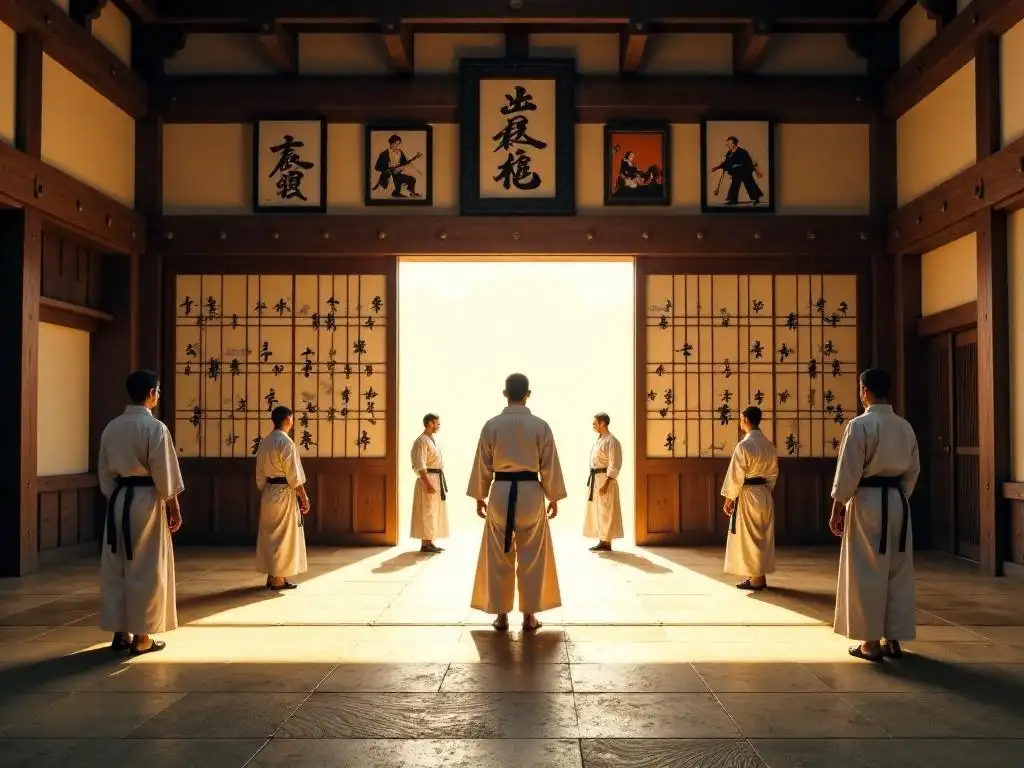
Welcome to Feudal Japan History, where we invite you to embark on a captivating journey through the intricate tapestry of Japan's feudal era. Here, you will uncover the rich historical, cultural, and societal threads that shaped this fascinating period. In our featured article, "Crafting Champions: Behind the Scenes of Japan's Top Martial Arts Academies," we delve into the Japan martial arts history that has not only forged legendary warriors but continues to influence modern practices.
Join us as we explore the discipline, artistry, and dedication that define these revered institutions, and discover why martial arts remain a cornerstone of Japan's cultural heritage. Are you ready to step into the dojo and learn what it takes to become a champion?
Introduction to Japan Martial Arts History
Japan's martial arts history is a rich tapestry woven with tradition, discipline, and cultural significance that spans centuries. From the ancient practices of samurai warriors to the modern-day dojos, martial arts have evolved into a vital aspect of Japanese society, embodying not just physical prowess but also philosophical teachings and ethical principles.
This article delves into the intricacies of Japan's martial arts academies, uncovering the rigorous training, the esteemed masters, and the profound impact these institutions have on preserving and innovating martial arts traditions. As we explore the history and evolution of these practices, we aim to showcase how these academies craft champions, shaping not only skilled fighters but also individuals who embody the values of respect, perseverance, and honor.
The Evolution of Martial Arts in Japan
The journey of martial arts in Japan is a fascinating evolution influenced by historical events, cultural exchanges, and the needs of society.
Historical Background of Japanese Martial Arts
Japanese martial arts trace their roots back to the samurai class, who developed various combat techniques to defend their honor and lands. Early forms of martial arts, such as kenjutsu (sword techniques) and sojutsu (spear techniques), were crucial for samurai training. The introduction of firearms in the late 16th century shifted focus, leading to the development of new styles and the codification of techniques in schools, known as koryu. Over time, these martial traditions transformed into more structured forms, giving rise to modern disciplines like karate, judo, and aikido.
- Key Milestones:
- Edo Period (1603-1868): Flourishing of martial arts schools.
- Meiji Restoration (1868): Western influence and modernization.
- Post-WWII: Global spread and adaptation of martial arts.
Cultural Impact of Martial Arts on Japanese Society
Martial arts are not merely physical activities in Japan; they are deeply embedded in the cultural fabric of the nation. They promote values such as discipline, respect, and self-control, which resonate with the broader social ethos.
- Philosophical Foundations: Most martial arts emphasize bushido (the way of the warrior), which instills a sense of duty and loyalty.
- Societal Benefits:
- Fosters community bonds through shared practices.
- Encourages mental and physical well-being.
- Serves as a platform for cultural exchange in a globalized world.
The influence of martial arts extends beyond the dojo, shaping the arts, literature, and even popular media, making it an integral aspect of Japan's cultural identity. As we continue this exploration, we will delve deeper into the top martial arts academies in Japan, examining how they uphold these traditions while adapting to contemporary society.
Top Martial Arts Academies in Japan
Japan is renowned for its rich martial arts history, and its top academies play a crucial role in preserving and innovating these ancient practices. These institutions not only focus on skill development and competition but also emphasize the philosophy and discipline that underpin martial arts. They attract students from around the world, eager to learn from masters of various disciplines, including Judo, Karate, Aikido, and Kendo.
The leading martial arts schools in Japan often have a long lineage, tracing back to the origins of the martial arts themselves. Many of these schools are steeped in tradition, ensuring that the techniques and values of the past are meticulously preserved while also adapting to contemporary needs. A unique aspect of these academies is their commitment to fostering a sense of community, respect, and dedication among practitioners.
Overview of Japan’s Leading Martial Arts Schools
Japan's leading martial arts schools boast highly qualified instructors, many of whom hold black belts and have decades of experience. These schools typically offer a structured curriculum that progresses from beginner to advanced levels, allowing students to develop their skills systematically.
Prominent schools often include:
- Kodokan Judo Institute: The birthplace of Judo, founded by Jigoro Kano in 1882, this academy is a must-visit for Judo enthusiasts.
- Shotokan Karate International: Known for its rigorous training and competitive atmosphere, this organization has branches worldwide, promoting Karate's traditional values.
- Aikikai Foundation: The main hub for Aikido, founded by Morihei Ueshiba, where practitioners learn techniques that emphasize harmony and fluidity.
- Kendo Federation: This organization governs Kendo training and competitions, focusing on the development of both technique and character.
These schools not only produce skilled martial artists but also contribute to cultural exchange and the global martial arts community.
Detailed Profiles of Prominent Martial Arts Academies
- Kodokan Judo Institute
- Location: Tokyo
- Founded: 1882
- Focus: Judo
- Highlights: Home to the original Judo techniques, the Kodokan is known for its comprehensive teaching methods and has produced numerous Olympic champions.
- Hombu Dojo
- Location: Tokyo
- Founded: 1940
- Focus: Aikido
- Highlights: The main dojo for Aikido, where students can train under top instructors and participate in seminars with international masters.
- Shito-Ryu Karate-do
- Location: Various locations across Japan
- Founded: 1931
- Focus: Karate
- Highlights: Incorporates a blend of different Karate styles, emphasizing both traditional techniques and competitive sparring.
- All Japan Kendo Federation
- Location: Tokyo
- Founded: 1952
- Focus: Kendo
- Highlights: Organizes national competitions and promotes Kendo as a means of personal development and discipline.
Key Training Techniques and Philosophies in Japanese Martial Arts
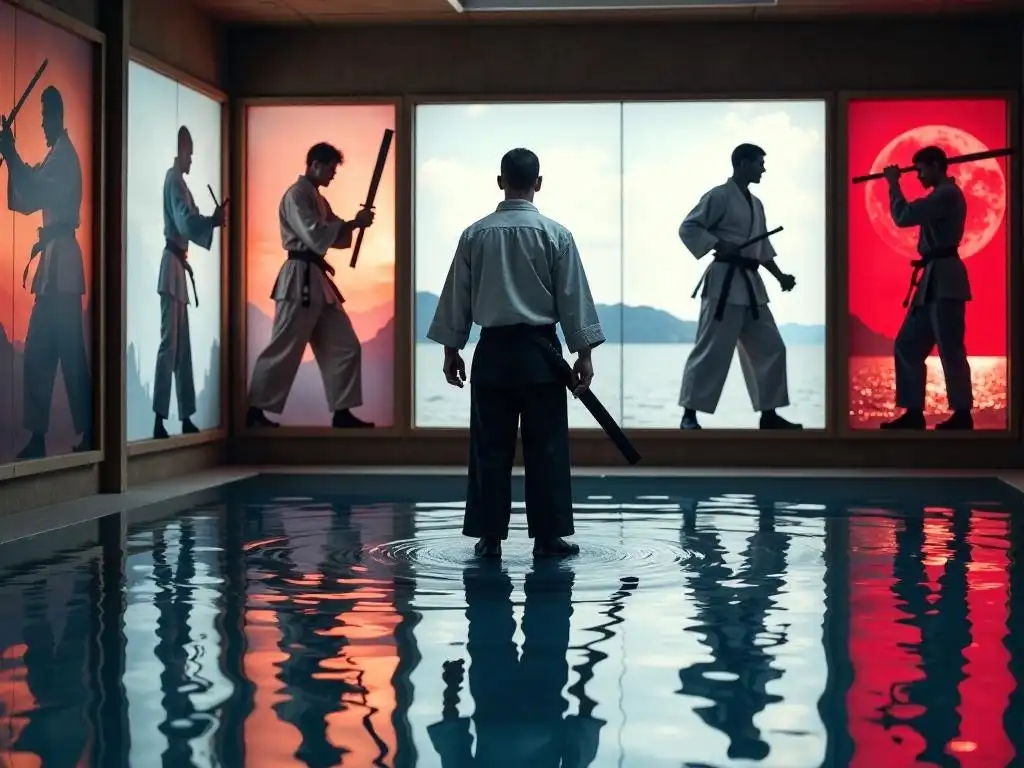
Japanese martial arts are characterized by their unique training techniques and deep-rooted philosophies. Each discipline has its own set of principles that govern practice, reflecting the cultural and historical context from which it emerged.
Traditional Techniques of Japan's Martial Arts
Traditional Japanese martial arts emphasize techniques that are often rooted in historical combat systems. These techniques include:
- Kata: Pre-arranged forms that teach practitioners the fundamentals of movement, strategy, and timing. Each kata tells a story and embodies a specific set of techniques.
- Randori: A form of free practice where a student defends against multiple attackers, emphasizing situational awareness and adaptability.
- Tachi Uchi no Kurai: In Kendo, this involves learning how to engage an opponent with the correct footwork and swordsmanship, focusing on distance and timing.
These traditional techniques are not just about physical prowess; they teach practitioners about respect, humility, and mental discipline, forming the cornerstone of martial arts training.
Modern Adaptations and Innovations
As martial arts evolve, many academies are embracing modern adaptations and innovations to appeal to a broader audience and enhance training methods. Some of these innovations include:
- Cross-training: Integrating techniques from different martial arts to create a more holistic training approach. This has become especially popular in mixed martial arts (MMA).
- Incorporation of Technology: Using video analysis and virtual reality for technique refinement and sparring practice has become increasingly common.
- Fitness and Conditioning: Many schools now offer specialized conditioning programs, recognizing the importance of physical fitness in martial arts performance.
These modern approaches not only help maintain interest and participation in martial arts but also ensure that the traditions continue to thrive in a contemporary context. The balance between tradition and innovation is vital for the ongoing relevance of Japan’s martial arts legacy.
Impact of Martial Arts on Personal Development
Martial arts training in Japan transcends mere physical exercise; it serves as a profound catalyst for personal development. Students, regardless of age or skill level, often experience significant transformations in their character and mindset through rigorous training. The discipline required in martial arts instills values such as perseverance, respect, and self-control. As practitioners engage in the intricate kata (forms) and sparring sessions, they learn to navigate challenges, manage stress, and cultivate resilience.
Moreover, martial arts encourage a sense of community and belonging. Training in a dojo fosters camaraderie among students, promoting teamwork and mutual support. This collective environment not only enhances social skills but also builds a network of lifelong friendships. Ultimately, the impact of martial arts on personal development is profound, equipping individuals with essential life skills that extend far beyond the dojo.
Benefits of Training in Japanese Martial Arts
Training in Japanese martial arts offers a myriad of benefits that contribute to both physical and mental well-being. Here are some key advantages:
- Physical Fitness: Regular practice enhances strength, flexibility, endurance, and coordination. Martial arts training often involves rigorous workouts that improve cardiovascular health and overall physical fitness.
- Mental Discipline: The focus required during training sharpens concentration and mental clarity. Students learn to set goals, stay motivated, and maintain a positive attitude in the face of adversity.
- Self-Defense Skills: Knowledge of martial arts equips individuals with self-defense techniques, instilling confidence and the ability to protect oneself in potentially dangerous situations.
- Stress Relief: Engaging in physical activity helps to reduce stress and anxiety. The meditative aspects of martial arts, such as breathing techniques and mindfulness, promote relaxation and mental peace.
- Cultural Appreciation: Training in traditional Japanese martial arts provides insight into Japan's rich cultural heritage, fostering respect and appreciation for its history and values.
These benefits collectively contribute to a holistic approach to personal growth, making martial arts an invaluable pursuit for individuals of all ages.
Testimonials from Current and Former Students
The experiences of students in Japan's martial arts schools provide valuable insight into the transformative nature of training. Many current and former students highlight the profound impact that martial arts has had on their lives. For instance, a former student of Kyudo (Japanese archery) shared:
Training in Kyudo taught me patience and precision. As I learned to focus on my breathing and aim, I found that these skills transcended the dojo and positively influenced my daily life.
Similarly, a current student of Karate remarked:
The dojo is my sanctuary. The discipline I gained through training has helped me manage stress in my professional life, and the friendships I've formed here are invaluable.
These testimonials reflect a common theme: martial arts not only shapes physical abilities but also fosters mental resilience, emotional stability, and a strong sense of community.
Conclusion: The Future of Japan's Martial Arts Schools
As Japan's martial arts schools continue to evolve, they face the dual challenge of preserving traditional practices while adapting to modern influences. The future of these institutions lies in their ability to maintain the essence of their rich heritage while incorporating contemporary training methods and technologies. This balance is crucial for attracting new generations of practitioners who seek both authenticity and relevance in their martial arts journey.
Preserving Tradition while Embracing Change
Japanese martial arts schools are increasingly exploring innovative approaches to training that integrate modern sports science and technology. For instance, many dojos are adopting digital tools for performance tracking and analysis. This not only enhances training effectiveness but also appeals to tech-savvy youth. However, the core principles of respect, discipline, and tradition remain intact, ensuring that the spirit of martial arts is preserved.
As these institutions navigate the changing landscape, they also emphasize the importance of cultural education, ensuring that students understand the historical context and philosophy behind their practice. This blending of tradition and innovation is vital for the sustainability of Japan's martial arts schools.
Call to Action: Exploring Japan's Martial Arts
For those interested in experiencing the profound benefits of martial arts, exploring Japan's top academies is a rewarding journey. Whether you are a beginner or an experienced practitioner, the diverse offerings across various styles provide something for everyone. Consider visiting a dojo, participating in a seminar, or even enrolling in a class to immerse yourself in this rich cultural practice.
With each step on the mat, you will not only learn the art of self-defense but also embark on a transformative path toward personal growth and self-discovery. Embrace the opportunity to engage with Japan's martial arts history and become part of a legacy that continues to shape champions. 🥋
- Introduction to Japan Martial Arts History
- The Evolution of Martial Arts in Japan
- Top Martial Arts Academies in Japan
- Key Training Techniques and Philosophies in Japanese Martial Arts
- Impact of Martial Arts on Personal Development
- Conclusion: The Future of Japan's Martial Arts Schools
- What is the significance of martial arts in feudal Japan?
- How did Japan's martial arts evolve during the feudal era?
- What role did martial arts academies play in Japanese society?
- Can you name some notable martial arts styles that originated in feudal Japan?
- How does the training in modern Japanese martial arts reflect its historical roots?
Frequently Asked Questions
What is the significance of martial arts in feudal Japan?
Martial arts in feudal Japan were integral for samurai training, serving both as a means of combat preparation and as a way to uphold the bushido code of honor.
How did Japan's martial arts evolve during the feudal era?
During the feudal era, martial arts evolved through the influence of various schools and techniques, adapting to the needs of different clans and the changing nature of warfare.
What role did martial arts academies play in Japanese society?
Martial arts academies were crucial for preserving traditional techniques and philosophies, providing a space for both training and the cultural transmission of martial values.
Can you name some notable martial arts styles that originated in feudal Japan?
Yes, notable styles include Kendo, Judo, Karate, and Aikido, each with unique techniques and philosophies rooted in Japan's rich martial culture.
How does the training in modern Japanese martial arts reflect its historical roots?
Modern training often emphasizes the discipline, technique, and spiritual aspects inherited from feudal practices, ensuring that the legacy of Japan's martial arts is honored and preserved.
Final Reflection: The Enduring Legacy of Japan's Martial Arts
The journey through Japan's martial arts history reveals a profound connection between tradition and modernity. As we explore the intricate tapestry woven by centuries of practice, we realize that these martial arts are not merely sports; they are living embodiments of cultural heritage, discipline, and personal growth. In a world increasingly driven by technology and instant gratification, the values instilled by these ancient practices resonate more than ever, reminding us of the importance of perseverance and respect.
Crafting champions in Japan's martial arts academies is not just about honing physical skills; it is about nurturing character and community. The influence of these academies extends far beyond the dojo, shaping individuals who carry the spirit of martial arts into their everyday lives. As one master eloquently stated, Martial arts is not about fighting; it is about becoming a better version of yourself.
This sentiment encapsulates the ongoing impact of Japan's martial arts on society, inspiring countless practitioners to embody the principles of humility, honor, and resilience.
As we reflect on the lessons drawn from Japan's martial arts history, let us embrace the opportunity to cultivate our own paths of growth and self-discovery. I invite you to consider how the values of discipline, respect, and perseverance can be woven into your daily life. Whether you are a seasoned practitioner or a curious newcomer, the journey of martial arts is one of continual learning and transformation. Let us honor this legacy by embodying its teachings and inspiring others to do the same, ensuring that the spirit of Japan's martial arts lives on for generations to come.
Unleash Your Inner Samurai Today!
Thank you for diving into the vibrant world of Japan's martial arts academies with us! You've explored the dedication and skill that shape champions, and now it's time to **elevate your passion**. Whether you're a seasoned practitioner or a curious newcomer, there are exciting avenues waiting for you to explore.
Here are some actionable steps you can take right now:
- Join a local martial arts class to experience the discipline and culture firsthand. Take that leap and engage with your community!
- Share this article with friends or family who might be interested in martial arts—start a discussion and explore your interests together.
- Consider visiting a nearby dojo or martial arts school to witness a class—**immerse yourself** in the atmosphere and feel the spirit firsthand.
What new martial art are you inspired to try, and how do you think it will impact your personal journey?