
Where Tradition Meets Technique: Top Martial Arts Institutions in Japan

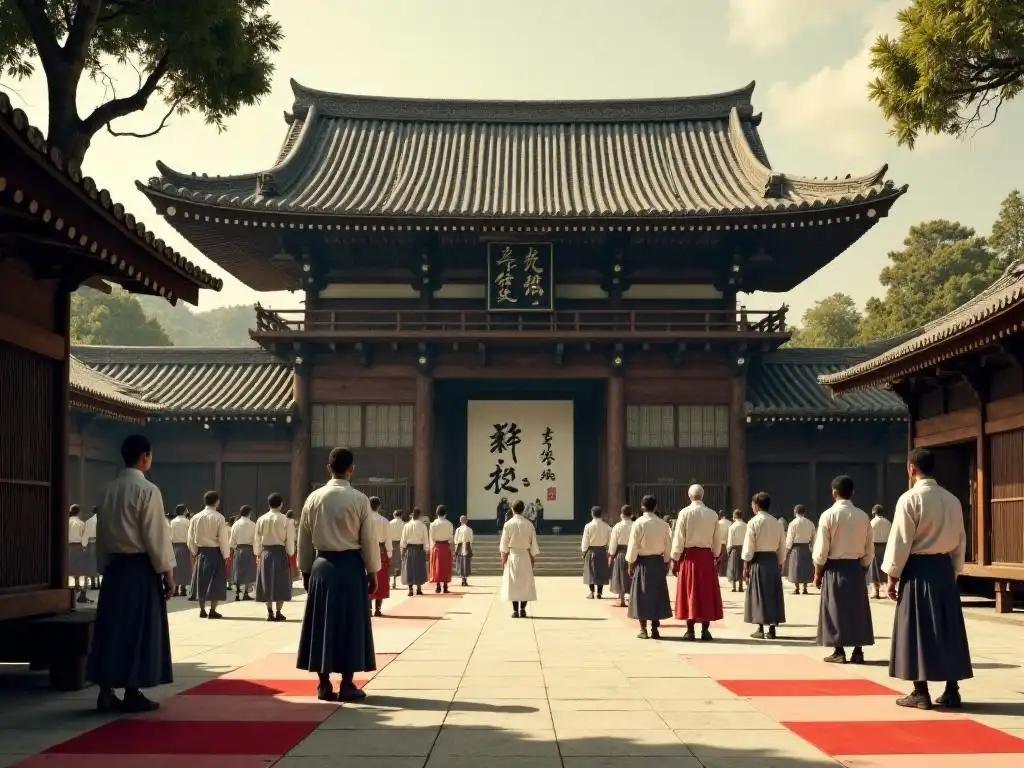
Welcome to Feudal Japan History, where we invite you to embark on a fascinating journey through the intricate tapestry of Japan’s feudal era. Discover the profound cultural and societal influences that shaped this unique period, while delving into our latest article: “Where Tradition Meets Technique: Top Martial Arts Institutions in Japan.” Uncover the secrets behind the prestigious martial arts schools that not only preserve ancient techniques but also embody the spirit of a bygone era.
Are you ready to explore the storied legacies and unparalleled discipline found within these hallowed halls? Join us as we unravel the mysteries of Japan’s martial arts heritage!
- Introduction to Top Martial Arts Schools in Japan
- Historical Context of Martial Arts in Japan
- Criteria for Selecting Top Martial Arts Schools in Japan
- Top Martial Arts Schools in Japan
- Comparing the Top Martial Arts Schools in Japan
- Benefits of Training at Top Martial Arts Schools in Japan
- Conclusion: The Future of Martial Arts Education in Japan
- Additional Resources and Recommendations
-
Frequently Asked Questions
- What are the top martial arts schools in Japan?
- How do martial arts schools in Japan preserve traditional techniques?
- What is the significance of martial arts in Japanese culture?
- Are there any international programs offered by martial arts schools in Japan?
- How can I choose the right martial arts school for my needs?
- Final Reflection: Embracing the Harmony of Tradition and Technique
- Embrace the Journey of Martial Arts Mastery!
Introduction to Top Martial Arts Schools in Japan
Martial arts hold a significant and revered place in Japanese culture, intertwining tradition with technique in a way that reflects the nation’s rich historical tapestry. From the disciplined training of the samurai to the modern-day dojos, martial arts in Japan encompass a wide array of styles, philosophies, and techniques.
This article delves into the top martial arts schools in Japan, highlighting their unique contributions to the preservation and evolution of these age-old practices. By examining the roots and influences of martial arts, we gain insight into their role in shaping not only individual practitioners but also the broader cultural landscape of Japan.
The Importance of Martial Arts in Japanese Culture
Martial arts in Japan are not merely physical disciplines; they are a vital expression of the country’s cultural heritage. The practice of martial arts encompasses various elements that go beyond combat skills:
- Philosophical Foundations: Many martial arts, such as Aikido and Kendo, are deeply rooted in Zen philosophy, emphasizing mindfulness, discipline, and respect.
- Historical Significance: The techniques and forms developed during the feudal era have been preserved through generations, reflecting the values and traditions of the samurai class.
- Cultural Identity: Martial arts serve as a symbol of national pride and identity, with practices like Judo and Karate gaining international recognition and acceptance.
The training in these schools often emphasizes the cultivation of character alongside technical prowess, fostering values such as perseverance, humility, and respect for others.
Overview of the Feudal Era and Its Influence on Martial Arts
The feudal era of Japan, spanning from the late 12th century to the 19th century, was a pivotal period that shaped the martial arts landscape. Key elements of this era include:
- Rise of the Samurai: The samurai were not only warriors but also custodians of culture and philosophy. Their combat skills were honed through rigorous training, which laid the groundwork for many modern martial arts.
- Development of Techniques: Various fighting styles emerged during this time, influenced by the needs of warfare and the philosophies of the samurai. Techniques were often adapted from battlefield strategies, focusing on efficiency and effectiveness.
- Cultural Transmission: After the unification of Japan in the 17th century, the emphasis shifted from warfare to personal development and discipline, leading to the formalization of martial arts as a means of cultural transmission.
Understanding this historical context is crucial as it provides a foundation for appreciating the modern martial arts schools in Japan and the traditions they uphold. From the ancient teachings of the samurai to the contemporary practices taught in dojos today, the influence of the feudal era remains palpable and continues to inspire martial artists around the world.
Historical Context of Martial Arts in Japan
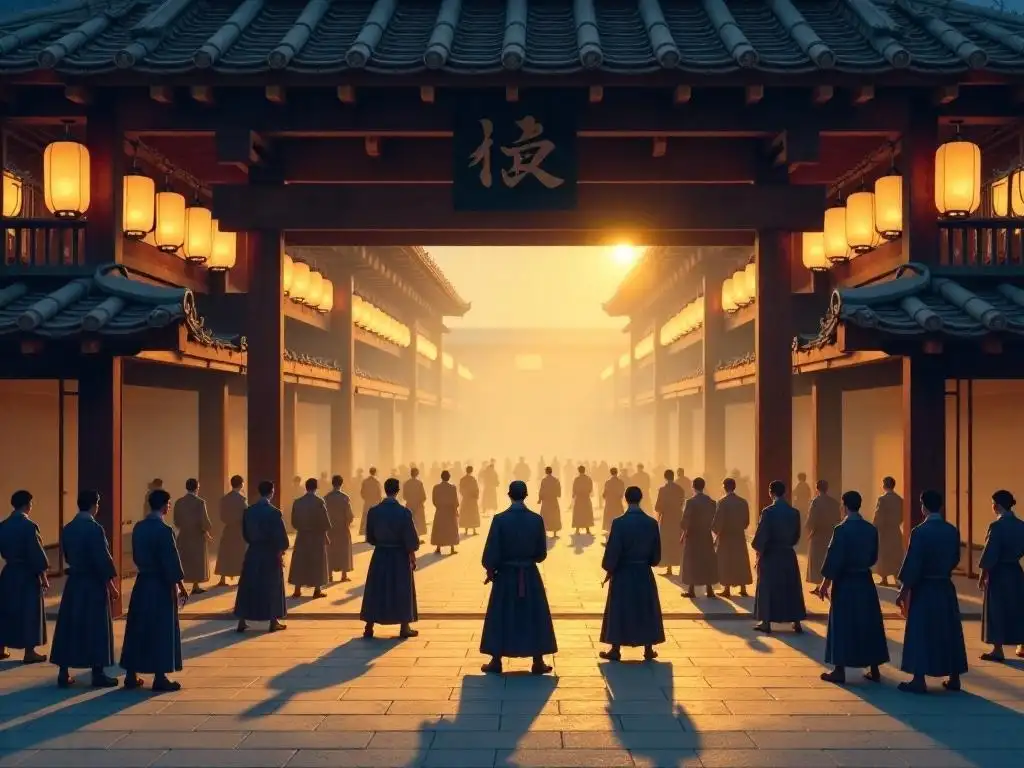
Japan's martial arts are deeply rooted in its feudal history, evolving through centuries of conflict, cultural exchange, and societal transformation. The feudal era, spanning from the 12th to the 19th century, played a pivotal role in shaping these practices, as samurai warriors were not only combatants but also custodians of philosophy, ethics, and art. This period saw the formation of various martial arts schools, each emphasizing different techniques and philosophies, influenced by the socio-political climate of the time.
The samurai class, who became the military nobility of feudal Japan, were central to the development of martial arts. Their code of conduct, known as Bushido, emphasized loyalty, honor, and self-discipline, which were reflected in the martial practices of the time. As Japan transitioned from a period of constant warfare to relative peace under the Tokugawa shogunate, martial arts shifted focus from battlefield techniques to more structured forms of training and philosophy. This transition resulted in the creation of various schools (ryu) that preserved combat skills while integrating spiritual and philosophical elements.
Evolution of Martial Arts Through the Feudal Period
The evolution of martial arts during the feudal period can be categorized into several key phases:
- Early Development (Heian to Kamakura Periods):
- The introduction of martial arts in Japan can be traced back to the Heian period (794-1185), where early forms of combat training began to take shape.
- The establishment of the samurai class during the Kamakura period (1185-1333) led to more organized training methods, primarily focused on the use of the sword (kenjutsu).
- Rise of Schools (Muromachi to Sengoku Periods):
- As warfare intensified during the Sengoku period (1467-1603), various martial arts schools emerged, developing specialized techniques for different weapons, such as Iaido (the art of drawing the sword) and Bojutsu (staff fighting).
- This era saw the establishment of notable schools like the Kashima Shinto-ryu and Tenshin Shoden Katori Shinto-ryu, which became foundational to many modern martial arts.
- Standardization and Philosophy (Edo Period):
- The Edo period (1603-1868) marked a time of peace, leading to the formalization of martial arts into structured systems of practice. Schools began to codify their teachings, creating a blend of physical techniques with philosophical and spiritual teachings.
- The emergence of Kendo and Judo during this period reflected a shift towards competitive and educational aspects of martial arts, moving away from purely combative origins.
- Modernization (Meiji Era and Beyond):
- With the arrival of the Meiji era (1868-1912), Japan experienced significant modernization. Traditional martial arts began to adapt to new societal norms, leading to the emergence of schools that focused on self-defense and personal development.
- The global spread of martial arts in the 20th century saw Japanese styles gain international recognition, influencing martial arts worldwide.
Key Figures in Japanese Martial Arts History
Numerous influential figures have shaped the landscape of martial arts in Japan, each contributing unique philosophies and techniques that have endured through time. Here are some of the most prominent:
- Miyamoto Musashi (1584-1645):
- A legendary swordsman and strategist, Musashi is best known for his book "The Book of Five Rings," which outlines his philosophy on combat and strategy. His dual-wielding technique and emphasis on adaptability have influenced many martial artists.
- Tenshin Shoden Katori Shinto-ryu Founders:
- Founded by Choisai Ienao in the 15th century, this school is one of the oldest and most comprehensive martial arts systems in Japan. It teaches various weapons, strategies, and philosophies that have shaped numerous other schools.
- Jigoro Kano (1860-1938):
- As the founder of Judo, Kano transformed martial arts training into a modern sport while preserving its traditional values. His efforts led to the establishment of Judo as an Olympic sport, promoting its global reach.
- Gichin Funakoshi (1868-1957):
- Known as the father of modern Karate, Funakoshi played a crucial role in introducing Karate to mainland Japan from Okinawa. His teachings emphasized character development and the philosophical aspects of martial arts.
These figures not only advanced martial techniques but also emphasized the importance of mental discipline, ethical conduct, and the integration of martial arts into everyday life. Their legacies continue to influence practitioners and schools across the globe, making Japan a focal point for those seeking to learn the martial arts.
Criteria for Selecting Top Martial Arts Schools in Japan
When it comes to identifying the top martial arts schools in Japan, several critical criteria must be considered. These criteria not only reflect the quality of instruction but also the authenticity of the training provided. Here are some key factors to keep in mind:
- Curriculum and Style: The martial arts school should offer a well-rounded curriculum that includes traditional techniques as well as modern adaptations. Different styles such as Karate, Judo, Aikido, and Kendo each have unique attributes and should be properly represented in the school's offerings.
- Accreditation and Recognition: Schools affiliated with recognized federations or governing bodies often provide a level of assurance regarding the quality of education. Accreditation demonstrates the institution’s commitment to maintaining high standards in training.
- Facilities and Equipment: The environment where martial arts training takes place is crucial. Schools should have adequate training spaces, mats, and equipment necessary for safe and effective practice.
- Community and Culture: The overall atmosphere and culture of the school contribute significantly to the training experience. A positive community fosters learning, respect, and camaraderie among students.
- Student-to-Instructor Ratio: A lower student-to-instructor ratio often translates to more personalized attention for each student, which can enhance the learning experience.
- Success Stories and Alumni: Reviewing the achievements of former students can provide insight into the quality of the training. Schools that boast successful alumni in competitions or martial arts demonstrations often indicate a strong program.
Traditional vs. Modern Techniques in Martial Arts Training
In the realm of top martial arts schools in Japan, the balance between traditional and modern techniques is a pivotal aspect of training. Traditional martial arts emphasize the historical context, philosophies, and values embedded in each discipline. Techniques are often passed down through generations and maintain a strong focus on respect, discipline, and the cultural heritage of martial arts.
- Traditional Techniques: These are often characterized by:
- Forms (Kata): Pre-arranged sequences of movements that teach students about timing, precision, and technique.
- Philosophical Underpinnings: Understanding the ethical and philosophical aspects of martial arts, which often include respect for opponents and self-discipline.
- Historical Context: Learning about the origins and evolution of the martial art, which deepens the student's appreciation and understanding.
- Modern Techniques: In contrast, modern martial arts training may incorporate elements such as:
- Sporting Applications: Focus on competitive aspects, including sparring and tournaments, which may adapt traditional techniques for practical use.
- Self-Defense Strategies: Emphasis on real-world applications of martial arts techniques, making them relevant for contemporary needs.
- Cross-Training: Incorporating elements from other martial arts styles or fitness training to create a more comprehensive approach.
The best martial arts schools in Japan often blend these two approaches, allowing students to benefit from both the rich history and the practical applications of martial arts in today's society.
Importance of Experienced Instructors and Accreditation
The expertise of instructors is a fundamental criterion when evaluating top martial arts schools in Japan. Experienced instructors not only bring a wealth of knowledge but also the ability to impart skills effectively to students. Here are several aspects that highlight their importance:
- Expertise: Instructors with extensive training and experience in their respective martial arts can provide valuable insights, corrections, and mentorship to students.
- Accreditation: Schools that are accredited by recognized martial arts organizations ensure that their instructors meet specific qualifications and adhere to reputable training standards. Accreditation often indicates:
- Curriculum Quality: Schools with accreditation typically follow a structured curriculum that meets established guidelines.
- Safety Standards: Accredited schools are more likely to prioritize student safety, implementing measures to prevent injuries during training.
- Ongoing Education: Instructors who engage in continuous learning and professional development ensure that they are up-to-date with the latest techniques and methodologies, which enhances the overall quality of training.
The combination of experienced instructors and proper accreditation forms the backbone of quality martial arts education in Japan, making it a vital consideration for anyone looking to enroll in a top martial arts school.
Top Martial Arts Schools in Japan
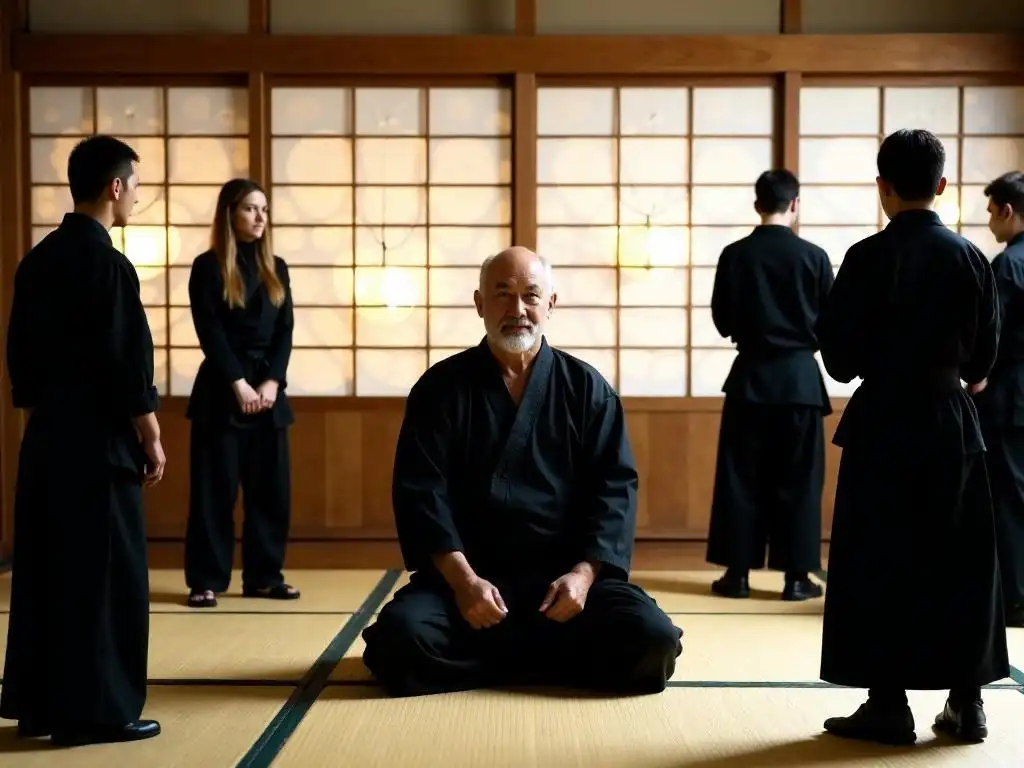
Japan is renowned for its rich martial arts heritage, with numerous schools that have not only preserved traditional techniques but also evolved to meet modern demands. Here, we explore two of the most prestigious martial arts institutions in the country, known for their exceptional training programs, philosophies, and contributions to the martial arts community.
1. Kodokan Judo Institute
History and Significance of Judo in Japan
The Kodokan Judo Institute, founded in 1882 by Jigoro Kano, is the birthplace of Judo. Kano developed Judo as a means of physical education and personal development, drawing from traditional Japanese jujutsu techniques. The institute has played a pivotal role in promoting Judo as a sport and a way of life across Japan and the world.
Judo's significance extends beyond mere combat; it emphasizes the values of respect, discipline, and mutual welfare. It became an Olympic sport in 1964, further solidifying its status as a global martial art. The Kodokan remains a central hub for Judo practitioners, offering resources and expertise that shape the future of the sport.
Training Programs and Techniques Offered
At the Kodokan, students can engage in a variety of training programs tailored to different skill levels, from beginners to advanced practitioners. The curriculum includes:
- Fundamental Techniques: Emphasizes the basic throws, holds, and submissions that form the core of Judo.
- Randori: Practicing techniques in free sparring scenarios, allowing students to apply skills in dynamic situations.
- Kata: A series of pre-arranged movements that embody the principles of Judo, essential for understanding its philosophical underpinnings.
The institute also conducts seminars and workshops led by top-level instructors, ensuring that students receive quality education and exposure to advanced techniques.
Student Testimonials and Success Stories
Many students have found their calling at the Kodokan Judo Institute. For instance, Olympian and world champion Shohei Ono credits the rigorous training and supportive environment at the Kodokan for his success on the international stage. Testimonials from students frequently highlight the sense of community and the comprehensive nature of the training, with one stating:
Training at Kodokan is not just about learning Judo; it’s about becoming part of a family that shares a deep respect for the art and its traditions.
2. Hombu Dojo (Aikido)
The Philosophy Behind Aikido Training
The Hombu Dojo serves as the headquarters for Aikido, founded by Morihei Ueshiba in the early 20th century. Aikido is unique in its philosophy, focusing on blending with an opponent’s movements and redirecting their energy rather than confronting force with force. This principle is rooted in Ueshiba's belief in harmony and peace, making Aikido a martial art that promotes defensive techniques and personal development.
The dojo embodies the spirit of Aikido, where practitioners learn not only physical techniques but also the mental and spiritual aspects of self-defense. This holistic approach fosters personal growth and encourages practitioners to apply the principles of Aikido in their daily lives.
Classes and Specializations Available
Hombu Dojo offers a wide range of classes suitable for various age groups and skill levels, including:
- Beginner Classes: Focus on basic techniques and foundational movements.
- Advanced Training: Designed for experienced practitioners looking to refine their skills with complex techniques and forms.
- Weapons Training: Incorporating traditional weapons like the bokken (wooden sword) and jo (staff) to enhance understanding of distance and timing.
The dojo also hosts events with esteemed instructors from around the world, providing students with the opportunity to learn from masters in the field.
Notable Alumni and Their Achievements
The Hombu Dojo has produced numerous accomplished Aikido practitioners, including Moriteru Ueshiba, the current Aikido Doshu (headmaster), and Koichi Tohei, known for his influential role in spreading Aikido internationally. Alumni often share their experiences and achievements, highlighting how training at Hombu has transformed their lives. One notable quote from a former student encapsulates the dojo's impact:
“Aikido taught me more than just fighting techniques; it taught me how to navigate life’s challenges with grace and confidence.”
The Kodokan Judo Institute and Hombu Dojo stand out as paragons of martial arts education in Japan, each offering unique philosophies and training programs that continue to inspire and shape practitioners worldwide.
3. Shinjinkai Karate Dojo
Traditional Karate Techniques and Their Applications
Shinjinkai Karate Dojo is renowned for its commitment to preserving traditional karate techniques while adapting them to modern needs. At the core of their training regimen are the fundamental katas—pre-arranged forms that encapsulate the essence of karate. Techniques such as kihon (basics), kumite (sparring), and kata are meticulously taught. Each technique is not merely a physical movement; it carries deeper philosophical meanings, emphasizing values such as respect, discipline, and perseverance.
The dojo’s approach to applying these techniques extends beyond the dojo walls. Students are encouraged to integrate their martial arts training into everyday life, teaching them not only self-defense but also mental resilience. For instance, practitioners learn how to utilize kime (focus) and timing in practical scenarios, enabling them to react effectively under pressure.
Structure of Training Programs
Shinjinkai Karate Dojo offers a comprehensive training structure designed to accommodate practitioners of all ages and skill levels. The programs are segmented into various classes, including:
- Beginner Classes: Focus on fundamental techniques, stances, and basic kata.
- Intermediate Classes: Emphasis on refining techniques, sparring strategies, and physical conditioning.
- Advanced Classes: In-depth training in complex katas, self-defense applications, and preparation for competitions.
Training sessions are typically held multiple times a week, ensuring consistent practice and improvement. Each class is led by experienced instructors who provide personalized feedback to help students grow. Additionally, the dojo organizes special seminars featuring guest masters to expose students to different perspectives and techniques.
Community Engagement and Competitions
Community engagement is a hallmark of Shinjinkai Karate Dojo’s philosophy. The dojo hosts various events, including demonstrations, workshops, and charity tournaments. These events not only showcase the skills of the students but also foster a sense of camaraderie among practitioners.
Competitions play a crucial role in the dojo’s training ethos. Students are encouraged to participate in local and national tournaments, which serve as both a testing ground for their skills and an opportunity to engage with other martial arts practitioners. The dojo’s competitive spirit is balanced with a strong emphasis on sportsmanship and respect for opponents, reinforcing the dojo's core values.
4. Katori Shinto-ryu
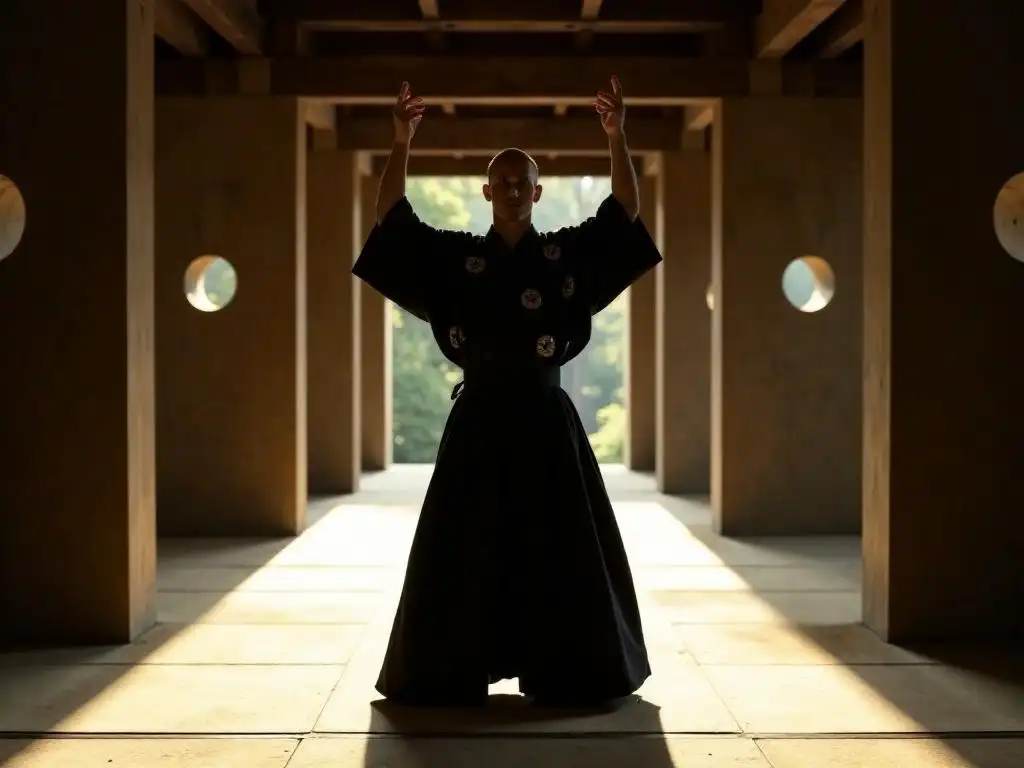
Overview of Katori Shinto-ryu and Its Historical Roots
Katori Shinto-ryu is one of the oldest and most revered martial arts schools in Japan, tracing its origins back to the 15th century. Founded by Choisai Ienao, the school has a rich historical lineage that intertwines with Japan’s feudal past. It is recognized as the progenitor of many traditional Japanese martial arts, including kenjutsu (swordsmanship), iaijutsu (quick-draw sword techniques), and sojutsu (spear techniques).
The teachings of Katori Shinto-ryu are deeply influenced by the samurai code of ethics, known as Bushido, which emphasizes honor, loyalty, and discipline. This historical context provides practitioners a profound understanding of the philosophical underpinnings of martial arts, encouraging them to embody these values in their daily lives.
Unique Training Methods and Styles
The training methods at Katori Shinto-ryu are distinctive, incorporating various weaponry and techniques into a comprehensive curriculum. Students learn a wide array of disciplines, including:
- Kenjutsu: The art of swordsmanship, focusing on both solo forms and paired practice.
- Bojutsu: The use of the long staff, emphasizing distance and timing.
- Naginatajutsu: Techniques involving the naginata, a traditional Japanese weapon.
Training at Katori Shinto-ryu is characterized by its emphasis on realistic combat scenarios and the integration of mental conditioning with physical training. Students engage in drills that mimic historical battles, allowing them to develop tactical thinking and adaptability.
Recognition and Awards for Excellence
Katori Shinto-ryu has gained recognition not only for its rich heritage but also for its contributions to martial arts education in Japan and abroad. The school has been awarded numerous accolades, including:
- Cultural Heritage Designation: Recognized by the Japanese government for its historical significance.
- International Martial Arts Awards: Acknowledged for excellence in martial arts training and education.
The dojo frequently participates in international demonstrations and cultural exchanges, promoting the values of Katori Shinto-ryu worldwide. Its commitment to preserving traditional techniques while fostering a global community of martial artists underscores its status as one of the top martial arts schools in Japan.
5. Yamabujin Dojo
Yamabujin Dojo is a distinguished martial arts institution nestled in the serene mountains of Japan, renowned for its commitment to preserving traditional practices while fostering a deep connection with nature. This dojo reflects the essence of Japanese culture, blending the art of martial training with natural beauty.
Emphasis on Nature and Traditional Practices
At Yamabujin Dojo, the philosophy of training is intricately linked to the surrounding environment. The dojo is situated in a picturesque location, surrounded by lush forests and tranquil streams, which serves as both a training ground and a source of inspiration for students. This connection to nature is not merely aesthetic; it is fundamental to the training process.
Students engage in outdoor training sessions, where they practice techniques under the open sky, deepening their appreciation for the natural world. The curriculum emphasizes mindfulness and the spiritual aspects of martial arts, encouraging practitioners to find harmony within themselves and with their surroundings. Traditional practices, such as meditation and breathing exercises, are seamlessly integrated into the training regimen, allowing students to cultivate both physical skill and inner peace.
Programs Offered and Their Cultural Relevance
Yamabujin Dojo offers a variety of programs that cater to different levels of experience and interest. The primary disciplines taught include:
- Kendo: The way of the sword, emphasizing discipline, respect, and precision.
- Aikido: A martial art focused on harmony and the redirection of an opponent's energy.
- Iaido: The art of drawing the sword, which emphasizes smooth, controlled movements.
- Traditional Archery (Kyudo): Fostering mental focus and physical discipline while celebrating historical archery techniques.
Each program is designed not only to teach martial skills but also to immerse students in the rich cultural heritage of Japan. Through these courses, students gain a deeper understanding of the philosophical underpinnings of martial arts, including ethics, respect for one’s opponents, and the importance of community. Special workshops and cultural events are also organized, allowing participants to experience traditional Japanese arts such as calligraphy, tea ceremonies, and flower arrangement (ikebana).
Experiences of International Students at Yamabujin
International students at Yamabujin Dojo often share transformative experiences that extend beyond martial arts training. Many arrive eager to learn not only the techniques but also the cultural context that shapes these practices.
Students report a warm and welcoming environment where instructors are dedicated to sharing their knowledge and heritage. The dojo fosters a sense of camaraderie among practitioners from diverse backgrounds, creating a supportive community that encourages personal growth.
One notable aspect of Yamabujin is its commitment to language inclusivity; many instructors speak English and are willing to assist non-Japanese speakers, which enhances the learning experience.
Moreover, students frequently participate in local festivals and events, further immersing themselves in Japanese culture. This holistic approach to martial arts education ensures that students leave not only as skilled practitioners but also as ambassadors of Japanese culture, enriched by their experiences at Yamabujin Dojo.
Comparing the Top Martial Arts Schools in Japan
The landscape of martial arts education in Japan is rich and diverse, with a variety of schools that cater to different styles, philosophies, and training methodologies. This section delves into the key aspects that differentiate the top martial arts schools in Japan, focusing on training methods, costs, commitments, and how to choose the right school based on individual goals.
Training Methods: Traditional vs. Contemporary Approaches
The training methods employed in the top martial arts schools can be broadly categorized into traditional and contemporary approaches.
-
Traditional Approaches:
- These schools often emphasize the historical and cultural roots of martial arts, incorporating practices that have been passed down through generations.
- Training typically includes:
- Kata (forms): Pre-arranged sequences of movements that teach techniques and principles.
- Sparring (jiyu kumite): Practicing techniques against an opponent in a controlled environment.
- Philosophy and etiquette: Students are often taught the underlying principles of respect, discipline, and self-improvement.
Some notable traditional schools include:
- Hombu Dojo (Aikido): The main dojo of Aikido, focusing on harmony and self-defense.
- Katori Shinto-ryu: One of the oldest martial arts schools, teaching classical weapons and empty-hand techniques.
-
Contemporary Approaches:
- These schools may integrate modern training techniques, fitness regimens, and competitive elements into their programs.
- Training may include:
- Fitness-focused classes: Emphasizing strength, flexibility, and endurance.
- Mixed martial arts (MMA): Combining various techniques from different martial arts for sport.
- Self-defense workshops: Practical applications of techniques for real-world scenarios.
Examples of contemporary-focused schools include:
- Yoshin Ryu Jujutsu: Incorporating both traditional and modern self-defense strategies.
- K-1 Gym: A modern kickboxing school that focuses on competition and physical conditioning.
Costs and Commitment: What to Expect
When considering enrollment in a top martial arts school in Japan, understanding the costs and commitment involved is crucial.
- Tuition Fees:
- Monthly fees can range from ¥10,000 to ¥30,000, depending on the school, instructor expertise, and facilities available.
- Some schools may offer discounts for long-term commitments or family packages.
- Additional Costs:
- Uniforms (gi) and gear: Initial purchases can cost between ¥5,000 and ¥20,000 depending on the style.
- Testing fees: Many traditional schools require students to pay for belt promotion tests, which can range from ¥3,000 to ¥10,000.
- Travel for competitions: If students participate in tournaments, travel expenses can add to the overall cost.
- Time Commitment:
- Most schools offer classes several times a week, with some requiring attendance of 2-4 sessions weekly to progress effectively.
- Commitment varies based on personal goals; those training for competition may need to dedicate more time, while recreational students may attend less frequently.
Choosing the Right School Based on Personal Goals
Selecting the right martial arts school is a personal journey that should align with individual aspirations and lifestyle. Here are some factors to consider:
- Objectives:
- Define your goals: Are you looking to compete, learn self-defense, or immerse yourself in cultural practices? Different schools cater to specific objectives.
- Style of Martial Arts:
- Determine which style resonates with you—be it Karate, Aikido, Jujutsu, or another form. Each school specializes in different techniques and philosophies.
- Environment and Culture:
- Visit potential schools to assess the atmosphere. A supportive, respectful environment can enhance your learning experience.
- Consider the instructor's teaching style and experience. A knowledgeable instructor can greatly influence your development.
- Location and Accessibility:
- Choose a school that is convenient to reach, as this will encourage regular attendance and commitment to training.
By taking these considerations into account, students can make informed choices that align with their aspirations in martial arts training in Japan.
Benefits of Training at Top Martial Arts Schools in Japan
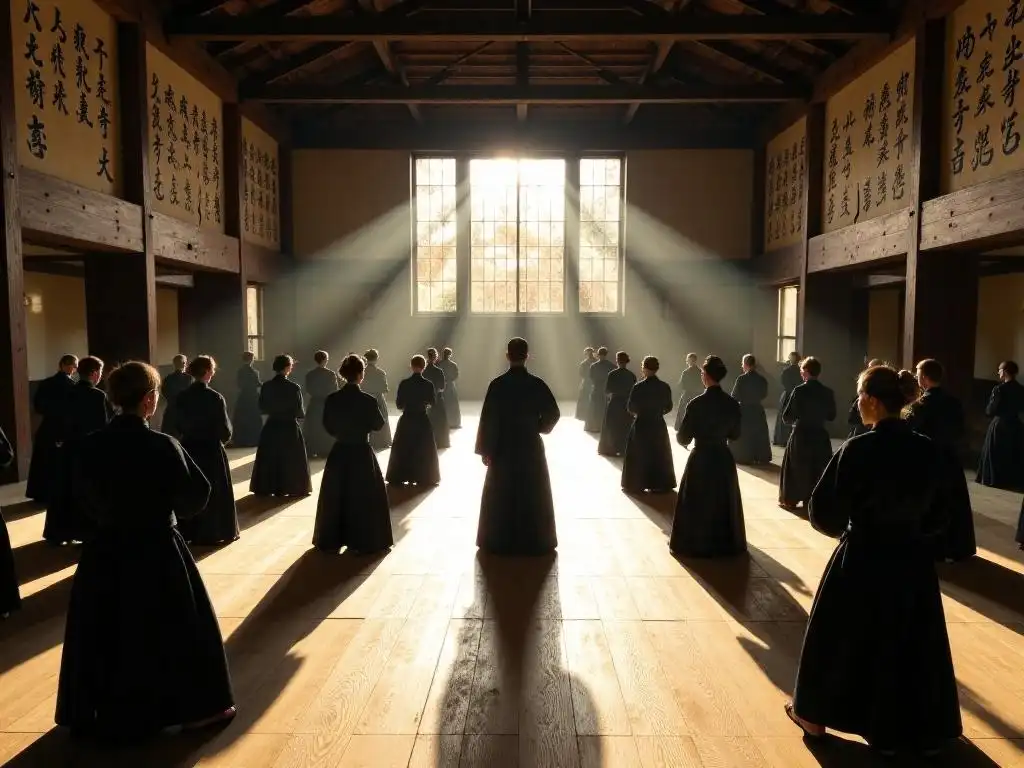
Training at the top martial arts schools in Japan offers a multitude of benefits that extend beyond the physical aspect of martial arts. These institutions not only focus on skill development but also emphasize holistic growth—both mentally and socially. Here are some key advantages of training at these prestigious schools:
Physical and Mental Health Benefits of Martial Arts
Engaging in martial arts training provides significant physical health benefits. The rigorous nature of martial arts practices enhances cardiovascular fitness, strength, flexibility, and coordination. Participants often experience:
- Improved Physical Fitness: Regular training helps in weight management and builds muscle endurance.
- Enhanced Flexibility: Techniques involve stretching and dynamic movements, which promote flexibility over time.
- Coordination and Balance: Many martial arts focus on footwork and body movements, improving overall coordination.
The mental health benefits are equally compelling. Practicing martial arts can lead to:
- Stress Relief: The physical exertion involved in training releases endorphins, reducing stress and anxiety levels.
- Improved Focus and Concentration: Martial arts require attention to detail and discipline, which enhances concentration skills.
- Boosted Self-esteem: As practitioners progress in their skills, they often experience increased confidence and self-worth.
Building Discipline and Respect Through Practice
Discipline and respect are cornerstones of martial arts training. In top martial arts schools in Japan, students are taught the importance of these values from day one. Training emphasizes:
- Structured Learning: The curriculum is designed to instill a sense of routine and commitment. This structured approach helps students develop discipline in their training and daily lives.
- Respect for Instructors and Peers: Traditional martial arts emphasize the importance of respect—students bow to their instructors and fellow students, signifying mutual respect and acknowledgment of each other's efforts.
- Goal Setting: As students progress through different belts or ranks, they learn to set, pursue, and achieve goals, fostering a disciplined mindset that extends beyond the dojo.
Cultural Immersion and Understanding Japanese Heritage
Training at top martial arts schools in Japan provides a unique opportunity for cultural immersion. The experience goes beyond learning techniques; it is deeply rooted in Japanese traditions and values. Key aspects include:
- Historical Context: Students learn about the origins and evolution of their chosen martial art, gaining insights into Japan's rich history and its influence on martial practices.
- Traditional Practices: Many schools incorporate rituals and customs, such as bowing and meditation, which are integral to understanding Japanese martial arts culture.
- Community Engagement: Being part of a martial arts school fosters connections with local communities, allowing students to engage in cultural events and festivals, further deepening their appreciation for Japanese heritage.
Training at the top martial arts schools in Japan not only enhances physical and mental health but also cultivates discipline, respect, and a profound understanding of Japanese culture. These benefits make martial arts an enriching pursuit for anyone willing to embrace the journey.
Conclusion: The Future of Martial Arts Education in Japan
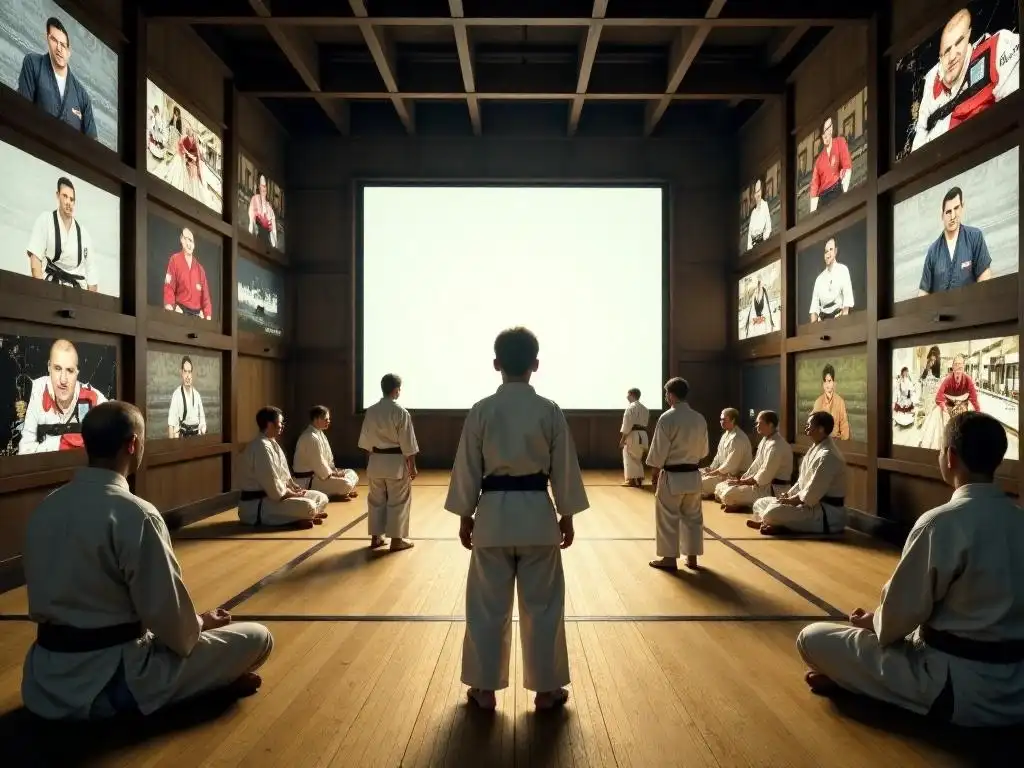
As Japan continues to evolve, so too does the landscape of its martial arts education. The future of martial arts schools in Japan appears promising, characterized by a blend of traditional practices and modern techniques. This evolution not only preserves the rich heritage of disciplines such as judo, karate, and kendo but also adapts to contemporary needs and global influences.
The integration of technology into training regimens is becoming increasingly prevalent, allowing practitioners to enhance their skills while maintaining the essence of their art. This convergence presents an exciting opportunity for both students and instructors to explore new methodologies while honoring the deep-rooted traditions of Japanese martial arts.
The Role of Technology in Traditional Martial Arts Training
In recent years, technology has emerged as a transformative force in martial arts education. Here are some notable advancements:
- Virtual Reality (VR) Training:
- VR technology offers immersive experiences that allow students to practice techniques in simulated environments. This can be particularly beneficial for mastering complex movements and scenarios.
- Online Classes and Tutorials:
- Many top martial arts schools in Japan have embraced online platforms to reach a wider audience. This enables learners from around the world to access high-quality instruction from renowned masters without geographical constraints.
- Wearable Technology:
- Devices such as smartwatches and fitness trackers help martial artists monitor their performance metrics, including heart rate, calorie burn, and technique efficiency. This data-driven approach allows for personalized training plans.
- Video Analysis Tools:
- Coaches can now utilize video analysis software to dissect movements and provide real-time feedback, enabling students to improve their techniques more effectively.
As technology continues to advance, its role in martial arts training is expected to expand, providing innovative tools that enhance learning while respecting traditional values.
Preserving Tradition While Embracing Innovation
Balancing the preservation of traditional martial arts with modern innovation is crucial for the ongoing success of top martial arts schools in Japan. Here are key strategies that institutions are adopting:
- Curriculum Development:
- Schools are designing curricula that incorporate both classical techniques and contemporary training methods. This dual approach ensures that students gain a comprehensive understanding of their martial art while adapting to modern practices.
- Cultural Education:
- Alongside physical training, many institutions emphasize the importance of cultural education. Students learn about the historical significance and philosophical underpinnings of their art, fostering a deeper appreciation for its roots.
- Community Engagement:
- Schools are actively engaging with their communities to host workshops and exhibitions that showcase traditional practices. This not only helps preserve the art forms but also generates interest among new practitioners.
- Collaboration with Experts:
- Partnerships with technology experts and other industries enable martial arts schools to explore innovative training techniques and tools that can enhance the learning experience without compromising tradition.
The future of martial arts education in Japan lies in a harmonious blend of tradition and innovation. By embracing technological advancements while honoring their cultural heritage, top martial arts schools in Japan are poised to thrive and inspire generations to come.
Additional Resources and Recommendations
Books and Documentaries on Japanese Martial Arts
To deepen your understanding of the rich history and techniques of Japanese martial arts, consider exploring the following books and documentaries. These resources provide insights into the philosophies, training methods, and cultural significance of various martial arts schools in Japan.
Books:
-
"The Book of Five Rings" by Miyamoto Musashi
This classic text, written by the famous swordsman, offers profound insights into strategy and philosophy that can be applied both in martial arts and everyday life.
-
"Hagakure: The Book of the Samurai" by Yamamoto Tsunetomo
A spiritual guide for samurai, this book delves into the ethics and mindset of the warrior class, providing context for the moral framework that underpins many martial arts practices.
-
"A History of Japanese Martial Arts" by Donn F. Draeger
This comprehensive overview traces the evolution of martial arts in Japan, detailing various styles and their historical significance.
Documentaries:
-
"The Last Samurai" (2003)
While a dramatized portrayal, this film captures the essence of the samurai's life and the martial arts ethos, shedding light on traditional practices.
-
"Warriors of the Rising Sun"
This documentary explores the various martial arts forms in Japan, showcasing the training, rituals, and philosophies behind each discipline.
Recommended Gear and Equipment for Training
Selecting the right gear is crucial for anyone training in Japanese martial arts. Whether you are a beginner or an advanced practitioner, having the appropriate equipment can enhance your training experience and ensure safety.
Essential Gear List:
-
Gi (Uniform):
The traditional training outfit, available for various martial arts like Karate, Judo, and Aikido. Look for a gi that is breathable and durable.
-
Obi (Belt):
The belt that signifies rank and progression in martial arts. Invest in a high-quality obi to ensure it withstands regular wear.
-
Protective Gear:
Depending on the martial art, protective gear such as gloves, shin guards, and headgear may be necessary. Ensure that they fit well and provide adequate protection.
-
Weapons:
For arts like Kendo or Iaido, appropriate training weapons (such as bokken or shinai) are essential. Choose a weapon that is suitable for your skill level and practice techniques.
Review of Essential Martial Arts Gear
| Gear Type | Purpose | Recommendations |
|---|---|---|
| Gi | Training uniform | Look for cotton blends for comfort. |
| Obi | Rank indicator | Choose a sturdy material. |
| Protective Gear | Safety during sparring | Ensure a proper fit for maximum safety. |
| Weapons | Training in weapon techniques | Select based on your martial art style. |
When investing in gear, prioritize quality over price. High-quality gear may have a higher upfront cost but will last longer and perform better during training sessions. Always consult your instructor for specific recommendations tailored to your martial arts discipline.
Online Resources for Further Learning
In the age of digital information, numerous online resources can enhance your understanding of martial arts in Japan. These platforms offer a wealth of knowledge ranging from historical insights to practical techniques, suitable for both beginners and advanced practitioners. Here are some recommended resources:
- Websites and Blogs
- Budo International: A comprehensive martial arts portal that provides articles, videos, and interviews with masters from various disciplines.
- Martial Arts Planet: An online community forum where enthusiasts can discuss techniques, philosophies, and training tips related to Japanese martial arts.
- The Japan Times: Offers cultural articles and features on martial arts, including historical perspectives and modern developments.
- YouTube Channels
- Shihan Joko Ninomiya: Focused on traditional Japanese jiu-jitsu, this channel features instructional videos that emphasize form and technique.
- Kata: The Art of Movement: A channel dedicated to the exploration of kata in various martial arts, showcasing their significance in training.
- Martial Arts Journey: A channel that documents the journey of martial arts practitioners, offering insights into training and the experiences of students in Japan.
- Online Courses
- Udemy: Numerous instructors offer courses in Japanese martial arts, ranging from beginner levels to advanced techniques. Look for courses taught by experienced martial artists with verified credentials.
- MasterClass: Occasionally features martial arts classes, taught by renowned masters who share their philosophies and techniques.
- Podcasts
- The Martial Arts Radio: This podcast covers various aspects of martial arts, including interviews with practitioners from Japan who share insights into their training and experiences.
- The Samurai Archives Podcast: Focused more on historical aspects, this podcast delves into the samurai culture and the evolution of martial arts through the ages.
Utilizing these online resources can deepen your appreciation for the intricate world of Japanese martial arts, providing valuable knowledge and inspiration as you explore the top martial arts schools in Japan.
Frequently Asked Questions
What are the top martial arts schools in Japan?
The top martial arts schools in Japan include institutions like the Kodokan, known for Judo, and the Hombu Dojo of Aikido, which emphasize both traditional techniques and modern training methodologies.
How do martial arts schools in Japan preserve traditional techniques?
Martial arts schools in Japan often incorporate historical training methods and rituals, ensuring that students learn not only the physical aspects but also the cultural significance of their martial art.
What is the significance of martial arts in Japanese culture?
In Japan, martial arts are considered a way to develop discipline, respect, and spiritual growth, reflecting the philosophical teachings that are integral to these practices.
Are there any international programs offered by martial arts schools in Japan?
Yes, many top martial arts schools in Japan offer international programs and workshops, welcoming students from around the world to experience authentic training in a traditional setting.
How can I choose the right martial arts school for my needs?
To choose the right martial arts school, consider factors like the style of martial art, the qualifications of instructors, and the school's reputation. Visiting schools and observing classes can also help in making an informed decision.
Final Reflection: Embracing the Harmony of Tradition and Technique
The exploration of martial arts in Japan reveals a profound connection between age-old traditions and modern techniques that continues to resonate today. As we navigate a rapidly changing world, the principles and philosophies embedded in these martial arts schools serve as a reminder of the importance of discipline, respect, and perseverance. The journey through the top martial arts institutions in Japan not only highlights their historical significance but also underscores their relevance in shaping character and fostering personal growth in contemporary society.
Cultural and social landscapes are deeply influenced by the martial arts, as they embody a unique blend of physical prowess and mental fortitude. The teachings from these institutions extend beyond the dojo, instilling values that resonate with individuals from all walks of life. As the renowned martial artist Bruce Lee once said, The successful warrior is the average man, with laser-like focus.
This quote encapsulates the essence of what these schools impart: the ability to channel one’s energy and determination toward achieving personal excellence, regardless of external circumstances.
As you reflect on the insights gained from this exploration of Japan's top martial arts schools, consider how you can incorporate the lessons of tradition and technique into your own life. Embrace the discipline of practice, the respect for your journey, and the courage to push your limits. Whether you are a seasoned practitioner or a curious newcomer, let the wisdom of these institutions inspire you to cultivate your own path toward mastery, both in martial arts and in the broader canvas of life.
Embrace the Journey of Martial Arts Mastery!
Thank you for diving into the rich world of Japan's martial arts institutions! You've uncovered the perfect blend of tradition and modern techniques that define these legendary practices. Now, it’s time to take action and immerse yourself deeper into this fascinating journey.
Here are a few impactful steps you can take right now:
- Join a local dojo to experience martial arts firsthand and connect with like-minded enthusiasts.
- Explore online courses or workshops from renowned masters to expand your knowledge and skills.
- Share your newfound insights with friends and family—start a conversation that might inspire them to join you on this path.
Which aspect of martial arts excites you the most, and how do you plan to incorporate these teachings into your daily life?