
The Warrior's Path: An Insight into Japan's Historic Martial Arts Schools

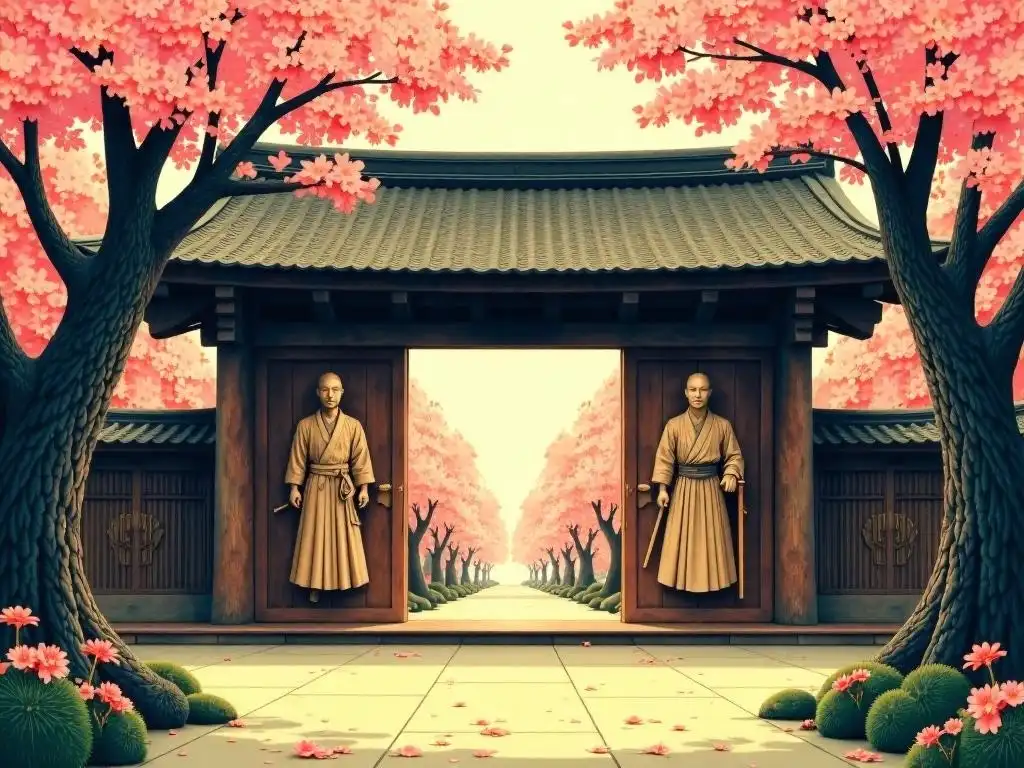
Welcome to Feudal Japan History, where we invite you to embark on a captivating journey through the shadows of Japan's feudal era. Dive deep into the intricate tapestry of historical, cultural, and societal nuances that shaped this remarkable period. In our featured article, "The Warrior's Path: An Insight into Japan's Historic Martial Arts Schools," we unravel the rich history of Japan's martial arts, exploring the philosophies and traditions that forged legendary warriors.
Are you ready to discover the secrets that lie within these ancient practices? Join us as we uncover the paths of honor and discipline that define this extraordinary chapter in Japan's past!
Introduction to Japan's Martial Arts History
Japan's martial arts history is a rich tapestry woven from centuries of tradition, discipline, and cultural evolution. From the ancient techniques used by warriors in battle to the modern practices that promote physical fitness and mental resilience, the journey of martial arts in Japan is as complex as it is fascinating. This article delves into the historical, cultural, and societal dimensions of Japan's martial arts schools, highlighting their significance and the legacies they have left on contemporary practices.
Understanding this history not only sheds light on the development of various fighting styles but also reveals the philosophical underpinnings that continue to influence martial artists today. As we explore the warrior’s path, we invite you to discover how these martial traditions have shaped Japan's identity and the world of combat sports at large.
The Evolution of Japanese Martial Arts
The evolution of Japanese martial arts is marked by a blend of indigenous practices and foreign influences. As Japan transitioned from a feudal society to a modern state, its martial arts adapted to meet the changing needs of society. This evolution can be categorized into several key phases, each characterized by unique influences and developments.
Early Influences on Japan's Martial Arts
The roots of Japan's martial arts can be traced back to ancient times, when warriors relied on hand-to-hand combat and rudimentary weaponry. Influences from neighboring cultures, particularly China and Korea, introduced new techniques and philosophies that integrated into local practices. For example, the arrival of Buddhism brought with it the practice of self-discipline and meditation, which would later play a significant role in martial arts training.
- Key influences:
- Chinese Martial Arts: Techniques and concepts such as Taijiquan and Shaolin were instrumental in shaping early Japanese styles.
- Korean Martial Arts: The introduction of Taekkyeon and Hwa Rang Do contributed to the diversity of combat techniques practiced in Japan.
As these influences merged with Japan’s own warrior traditions, distinct schools began to emerge, each with its unique style and philosophy.
The Role of Samurai in Shaping Martial Arts
The samurai class played a pivotal role in the development of Japan's martial arts. As the ruling elite during the feudal era, samurai were not only warriors but also custodians of culture and education. They practiced various forms of martial arts, which were essential for their survival and status within society. The samurai's dedication to bushido—the way of the warrior—emphasized principles such as honor, loyalty, and discipline, which became foundational to Japanese martial arts.
- Key contributions:
- Kendo: Evolved from traditional swordsmanship, emphasizing discipline and respect.
- Aikido: Developed in the 20th century, it embodies the samurai's philosophy of harmony and balance.
The legacy of the samurai continues to influence martial arts schools across Japan, cementing their importance in both historical and contemporary contexts. Understanding this legacy is essential for anyone seeking to appreciate the depth of Japan’s martial arts history.
Major Historical Martial Arts Schools in Japan
Japan's martial arts history is a tapestry woven with the threads of various schools, each contributing unique philosophies, techniques, and cultural significance. The evolution of these schools reflects Japan's tumultuous history, marked by warfare, societal changes, and the quest for personal development. Among the most notable schools are Koryu Bujutsu and Gendai Gojutsu, which represent traditional and modern approaches to martial arts, respectively. Understanding these schools provides insight into the broader cultural and historical contexts of Japan's martial practices.
Koryu Bujutsu: The Traditional Schools
Koryu Bujutsu refers to the classical martial arts schools that emerged before the Meiji Restoration in 1868. These schools were often established by samurai who sought to preserve the combat techniques needed for war. Koryu schools encompass a wide variety of styles, each with its own unique lineage, teachings, and training methods. Some of the most famous Koryu schools include:
- Katori Shinto-ryu: Founded in the 15th century, it is one of the oldest martial arts schools in Japan. It emphasizes a comprehensive curriculum that includes various weapons and unarmed techniques.
- Yagyu Shinkage-ryu: Established in the 16th century, known for its strategic approach to swordsmanship. It teaches the philosophy of using minimal effort for maximum effectiveness.
- Muso Jikiden Eishin-ryu: Specializing in iaijutsu, the art of drawing and cutting with a sword in a single motion, this school highlights the mental discipline and focus required in martial arts.
Koryu Bujutsu not only teaches combat effectiveness but also instills a deep sense of ethics, honor, and respect for one’s opponent. These schools have largely maintained their traditional training methods, and practitioners often engage in kata (pre-arranged forms) to preserve the techniques passed down through generations.
Gendai Gojutsu: The Modern Martial Arts
In contrast to Koryu, Gendai Gojutsu represents the modern martial arts schools that developed after the Meiji Restoration and into the 20th century. This era saw the transformation of traditional martial arts into more sport-oriented practices, leading to the establishment of various styles that emphasize competition and physical fitness. Key features of Gendai Gojutsu include:
- Judo: Founded by Jigoro Kano in 1882, Judo focuses on throws and grappling techniques, promoting the principle of using an opponent's force against them.
- Karate: Although its roots trace back to Okinawan traditions, Karate gained prominence in mainland Japan during the 20th century. It emphasizes striking techniques and has several styles, each with unique approaches and philosophies.
- Aikido: Developed by Morihei Ueshiba in the early 20th century, Aikido focuses on harmonizing with an opponent’s movements, using joint locks and throws. It emphasizes the development of a peaceful mindset alongside physical skills.
Gendai Gojutsu reflects Japan's adaptation to modernity, where martial arts became accessible to a broader audience, often practiced as a sport or form of exercise rather than solely for combat training. Despite this shift, the cultural and philosophical roots of these arts remain strong, with many practitioners continuing to honor the traditions of their predecessors.
The Characteristics of Japan’s Martial Arts Schools
Japanese martial arts schools are characterized by their unique philosophies, training methods, and the cultural values they embody. They often emphasize not just physical techniques but also mental and spiritual development, creating well-rounded practitioners. Key characteristics include:
- Discipline: Rigorous training schedules and adherence to rituals are common, fostering a sense of commitment and respect.
- Tradition: Many schools uphold traditions that have been passed down through generations, including specific etiquette and teaching methods.
- Community: Martial arts schools often create a close-knit community of practitioners, where mutual respect and support are paramount.
Training Techniques and Philosophies
Training in Japanese martial arts often involves a blend of physical conditioning, technical practice, and philosophical education. Techniques may include:
- Kata: Pre-arranged forms that serve as a way to practice techniques in a controlled environment, allowing students to refine their movements and understand the underlying principles of combat.
- Sparring: Many schools incorporate sparring, or randori, which allows practitioners to apply their techniques in a dynamic setting, fostering adaptability and real-time decision-making.
- Meditation and Mindfulness: A significant aspect of training in many schools is the focus on mental clarity and discipline, often achieved through meditation practices.
The philosophies behind these techniques vary among schools but generally emphasize personal growth, respect for others, and the development of a warrior spirit.
Weapons and Techniques in Japanese Martial Arts
Japanese martial arts encompass a diverse array of weapons and techniques, each with its own unique applications and historical significance. Some of the most recognized weapons include:
- Katana: The iconic Japanese sword, revered for its craftsmanship and effectiveness in combat. Techniques involving the katana often focus on precision, timing, and control.
- Bo (staff): A long wooden staff used in various martial arts styles, emphasizing distance management and striking techniques.
- Nunchaku: A two-sectioned weapon that requires agility and coordination, popularized in modern martial arts.
- Tanto (dagger): Techniques involving the tanto focus on close-quarters combat, emphasizing speed and precision.
Training with these weapons not only teaches combat skills but also instills respect for the weapon itself and the traditions associated with its use. Understanding the weapon's history and techniques allows practitioners to connect deeply with the martial arts heritage of Japan.
The Cultural Impact of Martial Arts in Feudal Japan
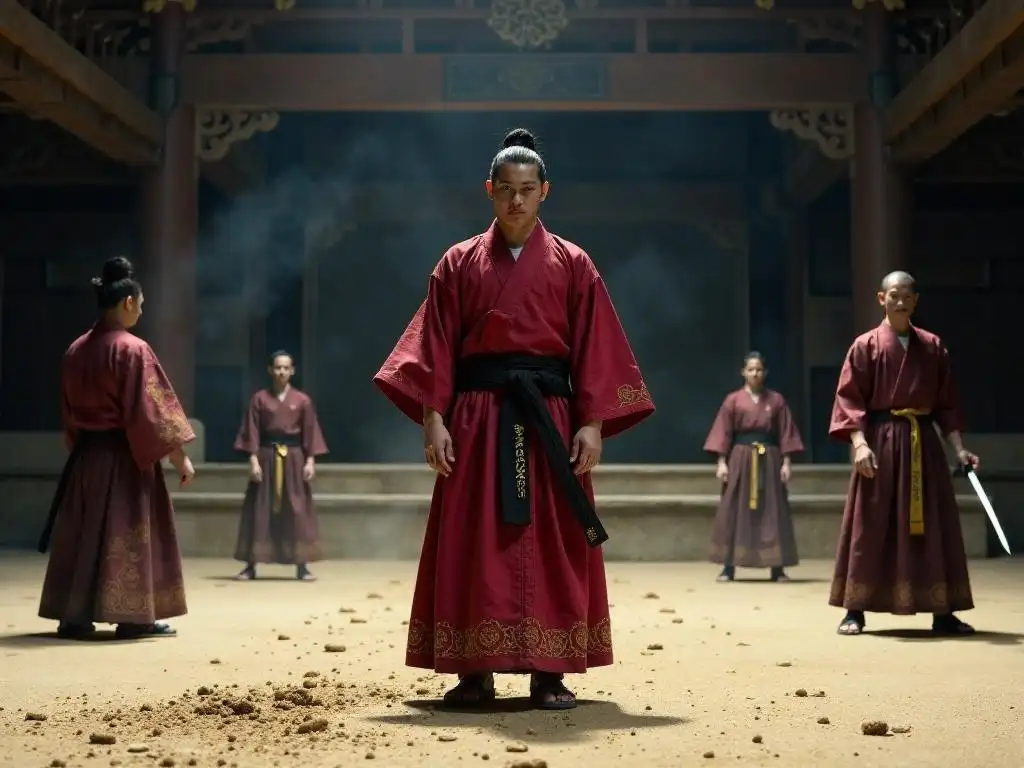
Martial arts in feudal Japan were not merely systems of combat; they were deeply intertwined with the cultural and social fabric of the time. As the samurai class emerged, so too did a complex relationship between martial prowess and the philosophical ideals of loyalty, honor, and discipline. The teachings of various martial arts schools, or "koryu," often reflected the values of bushido, the samurai code, which emphasized the importance of moral integrity alongside physical skill.
Moreover, martial arts served as a means of social stratification. Training was predominantly reserved for the upper classes, with samurai and their retainers participating in rigorous practices that also included strategy and tactics. This exclusivity not only reinforced social hierarchies but also solidified the cultural significance of martial arts as a symbol of status and authority. The arts became a channel for the transmission of cultural values, with techniques and philosophies passed down through generations, ensuring their place in the history of Japan.
Martial Arts as a Reflection of Society
The evolution of martial arts in feudal Japan mirrored the political and societal changes of the era. During times of peace, such as the Edo period, martial arts schools began to focus on kata (forms) and philosophical teachings rather than battlefield tactics. This shift reflected a society that valued discipline, self-control, and personal development over martial efficiency. Schools like the Tenshin Shoden Katori Shinto-ryu and the Yagyu Shinkage-ryu adapted their teachings to cultivate not only warriors but also responsible citizens.
Conversely, during periods of conflict, such as the Sengoku period, martial arts became critical for survival. Schools emphasized practical combat skills, battlefield strategy, and the use of weapons, shaping a generation of warriors adept in various fighting techniques. The adaptability of martial arts to societal needs illustrates their role as a barometer for the state of Japanese society, evolving in response to external pressures and internal dynamics.
The Modern Revival of Traditional Martial Arts
In recent decades, there has been a significant revival of traditional martial arts in Japan. As modern society grapples with rapid globalization and the loss of cultural heritage, many practitioners are turning back to the roots of these ancient disciplines. Schools that once thrived in the feudal era are now being rediscovered, with practitioners seeking to connect with their historical legacy.
This revival is often characterized by a blend of practicing traditional techniques with contemporary approaches to training. Many martial arts schools now incorporate elements of physical education and self-discipline, appealing to a broader audience beyond the samurai lineage. Events such as martial arts festivals and competitions celebrate Japan's rich martial arts heritage, fostering a sense of community and cultural pride.
Moreover, the global interest in Japanese martial arts has surged, with practitioners around the world seeking to learn from authentic traditional schools. This cross-cultural exchange not only revitalizes interest in Japan's martial arts history but also ensures that these ancient practices continue to thrive in modern times.
Conclusion: The Legacy of Japan's Martial Arts Schools
The legacy of Japan's martial arts schools is profound, encapsulating centuries of history, culture, and philosophy. From their origins in the samurai class to their modern-day revitalization, these schools stand as a testament to the enduring impact of martial arts on Japanese society. They serve not only as a means of combat training but also as a repository of cultural values and historical knowledge.
As the world continues to evolve, the principles and techniques developed in feudal Japan remain relevant, fostering discipline, respect, and personal growth. The ongoing interest in traditional martial arts not only preserves these practices but also reinforces their significance in understanding Japan's past and present. The warrior's path, shaped by centuries of tradition, continues to inspire new generations, ensuring that the legacy of Japan's martial arts schools endures for years to come.
Recommended Resources for Further Exploration
To deepen your understanding of Japan's martial arts history, there are various resources available that cater to different learning preferences. From books to online courses, each resource offers unique insights into the rich tapestry of martial arts that has developed over centuries in Japan. Below are some recommended categories of resources that can enhance your exploration.
Books on Japan's Martial Arts History
Reading is a great way to immerse yourself in the intricate world of Japan's martial arts history. Here are some highly regarded books that provide comprehensive insights:
- "The Book of Five Rings" by Miyamoto Musashi: This classic text by the legendary swordsman outlines his philosophy and strategies of combat, offering timeless wisdom applicable beyond martial arts.
- "Hagakure: The Book of the Samurai" by Yamamoto Tsunetomo: A collection of thoughts and insights on the samurai way of life, this book emphasizes the importance of bushido (the way of the warrior).
- "Japanese Swordsmanship: Technique and Practice" by Donn F. Draeger: This work delves into the technical aspects of various traditional Japanese sword arts, providing a historical context that underpins the evolution of these practices.
- "Budo: The Art of Knowing" by Donn F. Draeger and others: Exploring the philosophical underpinnings of Japanese martial arts, this book offers a holistic view of the martial arts experience.
These texts not only provide historical contexts but also practical insights into the techniques and philosophies that characterize Japan's martial arts.
Online Courses and Training Programs
For those who prefer interactive learning, online courses and training programs can offer valuable experiences. Here are a few platforms that provide courses on Japan's martial arts:
- Udemy: This platform features a variety of courses ranging from basics in karate to advanced techniques in kendo. Instructors often include experienced martial artists who share their expertise.
- MasterClass: With classes taught by renowned martial artists, MasterClass offers unique insights into traditional practices as well as modern interpretations of martial arts.
- YouTube: A plethora of tutorials and documentaries available on YouTube can serve as excellent supplementary resources. Channels focusing on specific martial arts styles often provide in-depth training videos and historical discussions.
These online resources can be incredibly beneficial for both beginners and seasoned practitioners looking to expand their knowledge and skills.
Martial Arts Gear and Equipment
To practice martial arts effectively, having the right gear is essential. Here are some key pieces of equipment commonly used in various Japanese martial arts:
- Gi: The traditional uniform worn in many martial arts, crucial for both comfort and mobility during training.
- Bokken: A wooden training sword used primarily in kendo and other sword arts, allowing practitioners to learn techniques safely.
- Protective Gear: Items such as helmets, gloves, and chest protectors are vital in sparring sessions to ensure safety while practicing full-contact arts like kendo and karate.
- Tatami Mats: Used for training and competitions, these mats provide cushioning and traction, making them ideal for various martial arts practices.
Investing in quality gear can greatly enhance a practitioner's training experience and overall enjoyment of the martial arts journey.
Final Thoughts
The journey into Japan's martial arts history is both fascinating and multifaceted. By utilizing the recommended resources, practitioners and enthusiasts alike can gain deeper insights into the techniques, philosophies, and historical contexts that define this rich tradition. As you explore the martial arts landscape, remember that each practice holds its unique significance, contributing to the broader narrative of Japan's cultural heritage. Whether through books, online courses, or proper gear, the path of the warrior continues to inspire and educate those who seek to walk it.
- Introduction to Japan's Martial Arts History
- The Evolution of Japanese Martial Arts
- Major Historical Martial Arts Schools in Japan
- The Characteristics of Japan’s Martial Arts Schools
- The Cultural Impact of Martial Arts in Feudal Japan
- Conclusion: The Legacy of Japan's Martial Arts Schools
- Recommended Resources for Further Exploration
- Final Thoughts
- What are the main types of martial arts developed during feudal Japan?
- How did the samurai influence the development of martial arts?
- What historical events significantly impacted martial arts in Japan?
- How do modern martial arts in Japan differ from historical practices?
- Where can I learn more about the history of Japanese martial arts?
Frequently Asked Questions
What are the main types of martial arts developed during feudal Japan?
Feudal Japan saw the emergence of various martial arts, including Kendo, Judo, and Aikido, each with distinct philosophies and techniques shaped by the era's warrior culture.
How did the samurai influence the development of martial arts?
The samurai played a crucial role in shaping martial arts through their need for combat skills, leading to the establishment of formal schools and the codification of techniques that emphasized discipline and honor.
What historical events significantly impacted martial arts in Japan?
Key events such as the Muromachi period and the Meiji Restoration transformed martial arts, shifting them from battlefield necessity to sport and cultural heritage, leading to their modern practice.
How do modern martial arts in Japan differ from historical practices?
While modern martial arts retain elements of historical techniques, they often focus more on competition and self-improvement, diverging from their original purposes of self-defense and combat training.
Where can I learn more about the history of Japanese martial arts?
For a deeper understanding, explore resources like books, documentaries, and articles, particularly those focusing on the feudal era and its influence on the evolution of Japanese martial arts.
Final Reflection: Embracing the Legacy of Japan's Martial Arts
The exploration of Japan's martial arts history reveals a profound connection between discipline, culture, and personal growth. As we delve into the rich traditions and philosophies of these historic schools, we uncover not just techniques of combat, but a way of life that emphasizes respect, perseverance, and self-discovery. In today's fast-paced world, where instant gratification often overshadows the value of patience and dedication, the teachings of these martial arts resonate more than ever, reminding us of the importance of a warrior's mindset.
Cultural practices rooted in martial arts have shaped not only individual lives but also the very fabric of Japanese society. The influence of these schools extends beyond the dojo; they have permeated art, philosophy, and even modern sports, creating a legacy that continues to inspire countless individuals across the globe. Martial arts is not about fighting; it's about building character.
This sentiment encapsulates the essence of what these traditions offer: a pathway to personal growth and a deeper understanding of oneself and others.
As you reflect on the insights shared in this article, I invite you to consider how the principles of Japan's martial arts can be integrated into your own life. What lessons can you draw from the discipline and resilience of these historic warriors? Whether it's through physical practice, mental fortitude, or the cultivation of respect and humility, there is a warrior within each of us waiting to be awakened. Embrace this journey, and let the wisdom of the past guide you toward a more fulfilling future.
Embrace Your Inner Warrior Today!
Thank you for diving into the rich history of Japan's martial arts schools! You've uncovered the spirit and discipline that have shaped countless warriors through the ages. Now, it's time to take that inspiration and channel it into meaningful action in your own life.
- Join a local martial arts class to experience the discipline firsthand and connect with a community of like-minded individuals.
- Explore historical texts or documentaries about martial arts to deepen your understanding of their cultural significance.
- Share your newfound knowledge with friends or on social media to inspire others to appreciate this incredible heritage.
What aspect of Japan's martial arts resonates with you the most, and how will you integrate those values into your personal journey?