
Kendo vs. Kenjutsu: The Martial Arts Dichotomy of Feudal Japan

Welcome to Feudal Japan History, where we invite you to embark on an insightful journey through the captivating world of Japan’s feudal era. Here, we delve into the rich tapestry of historical, cultural, and societal aspects that shaped this remarkable period. In our featured article, “Kendo vs. Kenjutsu: The Martial Arts Dichotomy of Feudal Japan,” we explore the nuanced differences and striking similarities between these two iconic martial arts.
What drives the passion behind Kendo, and how does it contrast with the ancient techniques of Kenjutsu? Join us as we uncover the secrets of the samurai spirit and more—your adventure through history awaits!
- Introduction to Kendo and Kenjutsu Comparison
- Historical Context of Kendo and Kenjutsu
- Core Principles and Techniques in Kendo and Kenjutsu
- Philosophical Underpinnings of Kendo and Kenjutsu
- Training Methods: Kendo vs. Kenjutsu
- Competitive Aspects of Kendo and Kenjutsu
- Cultural Significance of Kendo and Kenjutsu
- Conclusion: The Kendo and Kenjutsu Dichotomy
- Frequently Asked Questions
- Final Reflection: The Enduring Legacy of Kendo and Kenjutsu
- Discover Your Path in the World of Japanese Martial Arts!
Introduction to Kendo and Kenjutsu Comparison
The martial arts of Japan have a rich tapestry woven from centuries of tradition, philosophy, and intricate techniques. Among these, Kendo and Kenjutsu stand out as two prominent disciplines that have captivated practitioners and enthusiasts alike. While both martial arts share a common ancestry rooted in the use of the sword, they diverge significantly in their approaches, philosophies, and training methodologies.
This article aims to provide a comprehensive comparison of Kendo and Kenjutsu, exploring their historical backgrounds, core principles, and the impact they have had on Japanese culture and society. Understanding these differences not only enriches our appreciation of these martial arts but also highlights their unique contributions to the military history of feudal Japan.
Overview of Kendo and Kenjutsu
Kendo, often referred to as "the way of the sword," is a modern Japanese martial art that evolved from the traditional practice of Kenjutsu. It focuses on the principles of combat, discipline, and mental fortitude. Practitioners, known as kendoka, engage in sparring with protective gear and bamboo swords (shinai), emphasizing athleticism and competitive spirit. Kendo is not just a physical pursuit; it embodies a philosophy that promotes self-improvement and respect for others.
In contrast, Kenjutsu translates to "the art of the sword" and is a classical martial art that originated with the samurai class during Japan's feudal era. Unlike Kendo, Kenjutsu encompasses a variety of techniques and strategies for actual combat, often practiced with real or wooden swords (bokken). The focus in Kenjutsu lies in mastering specific forms (kata) and tactical applications, reflecting a deep-seated connection to the samurai's way of life and the historical context of warfare in feudal Japan.
Importance of Understanding Their Differences
Understanding the distinctions between Kendo and Kenjutsu is essential for several reasons:
- Historical Context: Recognizing how each discipline developed in response to the changing dynamics of Japanese society can provide insights into the cultural heritage of Japan.
- Training Approaches: Each martial art offers unique training philosophies that cater to different objectives—whether one seeks competitive excellence through Kendo or a deeper historical connection through Kenjutsu.
- Cultural Significance: Both Kendo and Kenjutsu carry profound cultural meanings that reflect the values and beliefs of the samurai era, illustrating the evolution of martial practices in Japan.
By delving into the intricacies of Kendo and Kenjutsu, we can appreciate not only their martial effectiveness but also their roles as enduring symbols of Japan's feudal history and cultural identity.
Historical Context of Kendo and Kenjutsu
Origins of Kenjutsu in Feudal Japan
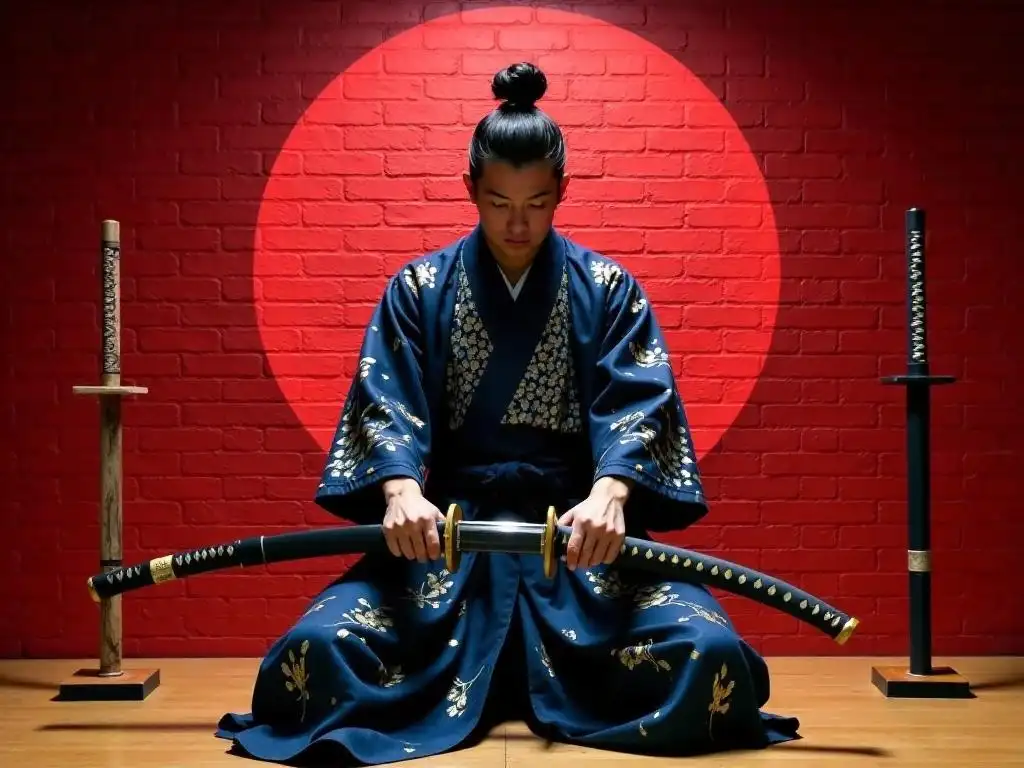
Kenjutsu, the classical swordsmanship of Japan, has roots deeply embedded in the feudal era, particularly during the Kamakura period (1185-1333). This martial art developed as a means for samurai to hone their skills in combat, reflecting the social structure and warfare practices of the time.
The term "kenjutsu" translates to "the art of the sword," with practitioners employing techniques that were essential for battlefield effectiveness. The earliest forms were characterized by their focus on practical application in real combat scenarios, as opposed to today's more sport-oriented approaches. Notably, the techniques were compiled in various treatises, such as the "Book of Five Rings" by Miyamoto Musashi in the 17th century, which emphasized strategy along with technical mastery.
Key Characteristics of Kenjutsu:
- Combat Focus: Practitioners trained to engage in real-life duels and battlefield encounters.
- Technique Variety: Kenjutsu encompasses a range of techniques, including strikes, thrusts, and defensive maneuvers.
- Philosophical Underpinnings: It is intertwined with the bushido code, emphasizing honor, discipline, and mastery.
Development of Kendo as a Modern Martial Art
Kendo, which translates to "the way of the sword," emerged significantly later than kenjutsu, evolving from the traditional practices of swordsmanship into a modern sport in the late 19th century. The Meiji Restoration (1868) marked a period of rapid modernization in Japan, prompting a re-evaluation of martial arts.
Transformation from Kenjutsu to Kendo:
- Standardization: Kendo was formalized with standardized rules and equipment, making it more accessible to the public.
- Educational Role: It became a part of physical education in schools, promoting discipline, respect, and physical fitness.
- Cultural Symbol: Kendo evolved into a cultural sport that emphasizes character development alongside martial skill, rather than mere combat effectiveness.
Kendo practitioners utilize bamboo swords (shinai) and protective gear (bogu) during practice and competitions, which contrasts with the historically lethal nature of kenjutsu. This evolution highlights a shift from lethal techniques to a focus on discipline, competition, and personal growth.
Influence of the Samurai Culture on Both Disciplines
The samurai culture profoundly influenced both kenjutsu and kendo, shaping their philosophies, techniques, and societal roles. The samurai, as the warrior class, held a unique status in feudal Japan, revered not only for their martial skills but also for their adherence to the bushido code—an ethical framework governing their conduct.
Effects of Samurai Culture:
- Honor and Ethics: The principles of bushido permeate both martial arts, instilling values such as loyalty, courage, and ethical conduct.
- Training and Mastery: Samurai dedicated their lives to mastering kenjutsu, which laid the groundwork for the structured, disciplined approach seen in kendo today.
- Cultural Legacy: The samurai's historical significance ensures that both arts are embedded within Japanese culture, celebrated through festivals, competitions, and demonstrations.
While kenjutsu is often seen as the practical, combat-ready approach of the samurai, kendo represents its evolution into a modern sport that retains the spirit and ethos of samurai traditions. The dichotomy between these martial arts exemplifies the broader transitions within Japanese society from feudal militarism to contemporary cultural practices.
Core Principles and Techniques in Kendo and Kenjutsu
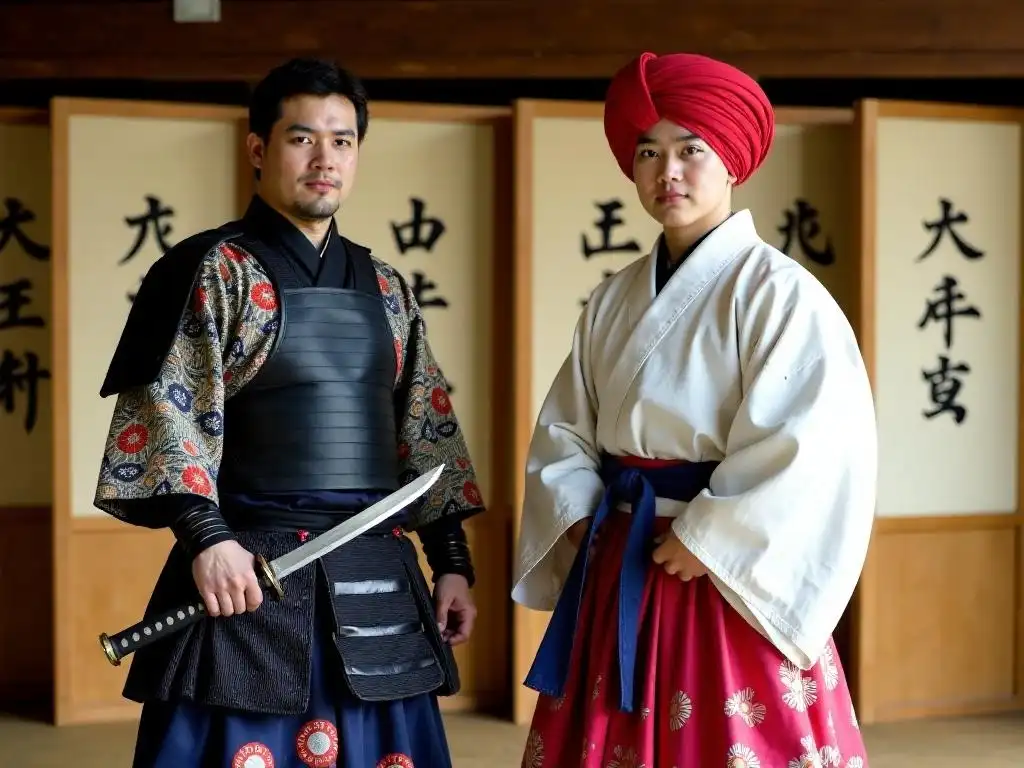
The martial arts of Kendo and Kenjutsu, while sharing a common lineage rooted in the samurai culture of feudal Japan, embody distinct principles and techniques that reflect their unique purposes and philosophies. Understanding these core differences is essential for anyone interested in the evolution of martial arts during this period.
Kendo, often referred to as "the way of the sword," emphasizes not only physical prowess but also the development of character and discipline. Its practice is guided by a set of ethical principles known as "Kendo no Kata," which promote respect, integrity, and perseverance. Kenjutsu, on the other hand, focuses more on practical combat techniques and strategies derived from battlefield conditions, making it a more direct application of swordsmanship.
Fundamental Techniques in Kenjutsu
Kenjutsu is characterized by its emphasis on practical fighting skills and strategy, honed over centuries of warfare. The techniques employed in Kenjutsu reflect its origins in the battlefield, where survival and efficiency were paramount.
Striking Techniques
Striking techniques in Kenjutsu are diverse and include various cuts, thrusts, and strikes aimed at incapacitating an opponent. Key techniques include:
- Men (Head Strike): Aimed at the top of the opponent's head, often delivered with a downward motion.
- Kote (Wrist Strike): Targeting the opponent's wrist to disable their weapon control.
- Tsuki (Thrust): A direct thrust aimed at the opponent's torso, often executed with precision and speed.
The effectiveness of these techniques relies on proper posture, grip, and timing, which are crucial for successful execution during combat scenarios.
Defensive Maneuvers
Defense in Kenjutsu incorporates a variety of techniques designed to counter and evade strikes. Some fundamental defensive maneuvers include:
- Parrying: Redirecting an opponent's strike to create openings for counterattacks.
- Dodging: Moving out of the line of attack to avoid incoming strikes.
- Counterstrikes: Immediately responding to an opponent's attack with a swift and decisive strike of one’s own.
These defensive techniques are essential for maintaining an advantageous position during a duel, often influenced by the principles of timing and distance.
Essential Techniques in Kendo
Kendo, while derived from Kenjutsu, has evolved into a modern sport with its own set of rules and techniques designed for competition and character development. The essential techniques in Kendo focus on precision, timing, and scoring within a regulated environment.
Stances and Footwork
In Kendo, stances and footwork play a pivotal role in maintaining balance and mobility. Key stances include:
- Chudan no Kamae (Middle Guard): A neutral stance with the sword held at waist level, ready to strike or defend.
- Jodan no Kamae (Upper Guard): The sword is held high, preparing for aggressive attacks.
Footwork in Kendo, known as "ashi sabaki," is characterized by quick, agile movements that allow practitioners to close distance, evade attacks, and reposition themselves effectively. The basic footwork techniques include:
- Nukitsuke (Striking while stepping): Delivering a strike while advancing toward the opponent.
- Tachiai (Standing) Movement: Maintaining a strong stance while shifting weight to prepare for strikes or defenses.
Scoring and Points System
The scoring system in Kendo is structured to promote clean, effective strikes. Points are awarded for successful hits to specific target areas, including:
- Men (Head): 1 point for a clean, powerful strike to the opponent's head.
- Kote (Wrist): 1 point for a strike that effectively hits the opponent's wrist.
- Tsuki (Thrust to the throat): 1 point for a precise thrust that demonstrates control and intent.
Successful scoring in Kendo is dependent on the application of appropriate techniques, proper etiquette, and the demonstration of spirit, known as "ki-ken-tai-ichi," which translates to the unity of spirit, sword, and body in action.
While Kendo and Kenjutsu share foundational elements, their core principles and techniques diverge significantly. Kenjutsu focuses on practical combat skills, whereas Kendo emphasizes personal development through sport, reflecting the evolution of martial arts in Japan's feudal history.
Philosophical Underpinnings of Kendo and Kenjutsu
The martial arts of Kendo and Kenjutsu are deeply rooted in the philosophical traditions of feudal Japan, each embodying unique principles and ideologies that shaped their practice and development. Understanding these philosophical underpinnings is essential for grasping the core differences and similarities between these two forms of swordsmanship.
The Bushido Code in Kenjutsu Practice
Kenjutsu is intrinsically linked to the Bushido code, which translates to "the way of the warrior." This ethical code emphasized virtues such as loyalty, honor, and bravery, which were paramount in the samurai culture. Kenjutsu, practiced primarily by samurai, was not just a means of combat but a way to cultivate these virtues.
- Honor in Combat: Samurai were taught to engage in battles with the utmost respect for their opponents. The engagement was not merely about defeating an adversary but doing so with integrity and fairness.
- Mental Conditioning: Kenjutsu training involved rigorous mental discipline, where practitioners learned to maintain composure and clarity of thought, even amidst chaos. This mental fortitude was a reflection of the Bushido principle of self-control.
- Spiritual Connection: The practice often included meditative elements, allowing warriors to connect spiritually with their swords, viewing them as extensions of their will and honor.
The Bushido code provided a framework within which Kenjutsu practitioners could develop not only their fighting skills but also their character, reinforcing the idea that martial prowess must be accompanied by moral integrity.
The Spirit of Kendo: Beyond Physical Combat
Kendo emerged as a more modern interpretation of Japanese swordsmanship, evolving from the techniques of Kenjutsu. However, it transcends mere physical combat, focusing on the spiritual and philosophical aspects of martial arts.
- Personal Growth: Kendo emphasizes self-improvement and the development of one's character. Practitioners are encouraged to view each bout as an opportunity for personal reflection and growth. The ultimate goal is not to win against an opponent but to better oneself.
- Emphasis on Respect: Respect for opponents and instructors is fundamental in Kendo. The practice begins and ends with a bow, symbolizing mutual respect and acknowledgment of the shared journey in martial arts.
- Mindfulness: Kendo incorporates the idea of being present in the moment, which is essential during practice. This mindfulness fosters a deeper connection to the art and enhances focus, allowing practitioners to react instinctively to their opponents.
In this sense, Kendo is not just a sport or a means of combat; it is a holistic discipline that nurtures the mind, body, and spirit, aligning with the traditional Japanese values of perseverance and respect.
Comparisons of Mental Disciplines in Both Arts
Despite their different focuses, both Kendo and Kenjutsu share common mental disciplines that are intrinsic to their practice.
| Aspect | Kenjutsu | Kendo |
|---|---|---|
| Focus | Tactical thinking and strategic planning | Reflexes and adaptability in combat |
| Emotional Regulation | Control over fear and aggression | Managing anxiety and maintaining calmness |
| Growth Mindset | Learning from defeat and mistakes | Continuous self-improvement and learning |
| Meditative Practice | Incorporation of Zen principles | Mindfulness techniques during practice |
| Discipline | Rigorous, often solitary training | Structured, communal practice with peers |
Both arts require mental fortitude, but they approach it differently. Kenjutsu demands a more tactical mindset, while Kendo focuses on fluidity and adaptability in dynamic situations. In essence, the mental disciplines cultivated through both practices serve as a bridge connecting the physical combat skills with the deeper philosophical beliefs that underpin them.
Understanding the philosophical underpinnings of Kendo and Kenjutsu reveals the rich cultural tapestry of feudal Japan. Both martial arts, while distinct, reflect the values and ideals that have shaped Japanese society and continue to influence practitioners today.
Training Methods: Kendo vs. Kenjutsu
Training Regimens in Kenjutsu
Kenjutsu, the traditional Japanese martial art of swordsmanship, emphasizes the mastery of techniques and forms that have been passed down through generations. The training regimens in kenjutsu are steeped in tradition and often reflect the samurai ethos of discipline, respect, and honor.
Traditional Training Practices
Training in kenjutsu typically involves rigorous physical conditioning combined with the study of various kata—pre-arranged forms that simulate combat scenarios. Practitioners learn to execute precise movements, developing both technical skill and mental focus.
- Kata Practice: Students practice kata solo or with a partner, focusing on the application of techniques.
- Bokken Usage: Training often employs a wooden sword (bokken) to ensure safety while allowing for realistic practice.
- Philosophical Integration: Much of kenjutsu training incorporates philosophical teachings, emphasizing the mental aspects of combat, such as strategy and awareness.
Weaponry Utilization
In kenjutsu, the primary weapon is the katana. The handling of this sword is not only a physical exercise but also an art form.
- Different Types of Blades: Training may involve various types of swords, including the katana and its shorter counterpart, the wakizashi.
- Focus on Technique: Each weapon's unique properties influence training techniques, requiring students to adapt their movements.
- Historical Context: Understanding the historical significance of weaponry in battle contributes to a deeper appreciation of the art.
Kendo Training Approaches
Kendo, often viewed as a modern evolution of kenjutsu, places a stronger emphasis on sport and competition. While it retains some traditional elements, kendo training is more structured and designed to foster a spirited competitive environment.
Sparring and Kata
Sparring, known as "jigeiko," is a crucial element of kendo training, allowing practitioners to apply techniques in a dynamic setting.
- Competitive Matches: Regular participation in matches helps develop quick reflexes, tactical thinking, and adaptability.
- Kata in Kendo: While sparring is emphasized, kata practice remains integral, allowing students to refine their techniques in a controlled manner.
- Judging Criteria: In competitions, points are awarded based on the quality of strikes, which encourages a focus on precision and timing.
Modern Training Facilities
Kendo training often takes place in specialized dojos equipped with modern amenities that support the sport's growth.
- Dojo Infrastructure: Many dojos have wooden floors and padded walls to create a safe training environment.
- Equipment Availability: Access to high-quality protective gear (bōgu) and shinai (bamboo swords) is essential for safe practice.
- Community Engagement: Modern kendo dojos often host competitions and tournaments, fostering a sense of community and encouraging participation among practitioners of all ages.
By understanding the distinct training methods of kendo and kenjutsu, enthusiasts can appreciate the rich heritage and evolution of these martial arts, rooted deeply in Japan's feudal history. The comparison between these two practices illustrates not only the differences in technique and philosophy but also how martial arts have adapted over time while honoring their traditional roots.
Competitive Aspects of Kendo and Kenjutsu
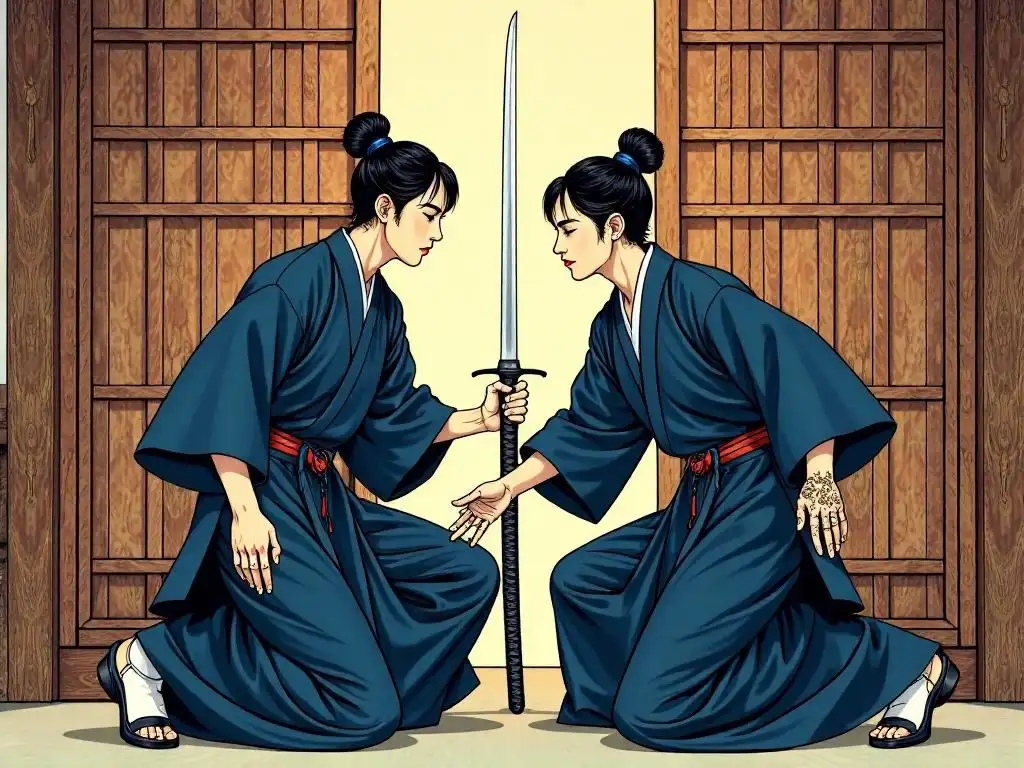
Kenjutsu: Traditional Competitions and Dueling
Kenjutsu, the ancient art of Japanese swordsmanship, embodies the principles of combat and strategy that were essential during the feudal era. Initially developed for battlefield effectiveness, Kenjutsu training focused on real-life combat scenarios, emphasizing techniques that would ensure survival during duels.
Key Elements of Kenjutsu Competitions
- Dueling Format: Traditionally, Kenjutsu competitions often took the form of duels between practitioners. These duels were not merely exhibitions; they were tests of skill, technique, and mental fortitude.
- Techniques and Strategies: Practitioners employed various techniques, including strikes, counters, and grappling, with an emphasis on responding to an opponent's movements. Mastery of timing and distance was crucial.
- Honor and Tradition: The concept of honor played a significant role in Kenjutsu duels. Samurai engaged in these competitions with a sense of respect for their opponents, and losing could carry severe social repercussions.
Kenjutsu techniques were preserved through schools (koryu), each with its own stylistic nuances. This traditional practice allowed for a rich variety of techniques and strategies, rooted in historical context and practical application.
Kendo: Modern Tournaments and Rules
Kendo has evolved significantly from its Kenjutsu roots, transforming into a modern sport that emphasizes discipline, respect, and competitive spirit. While retaining the essence of swordsmanship, Kendo's structure is designed for safety and sport rather than actual combat.
Structure of Kendo Competitions
- Tournament Format: Kendo tournaments are often held in a knockout format, where participants compete in matches to advance. Each match is typically won by the first competitor to score a predetermined number of points, usually through valid strikes.
- Scoring System: Points are awarded for successful strikes to designated target areas on the opponent’s body, such as the head (men), wrist (kote), and body (do). The scoring criteria are strict, with emphasis on technique, control, and spirit (ki-ken-tai-ichi).
- Protective Gear: Competitors wear protective armor (bōgu), which allows for full-speed strikes while minimizing injury risk. This equipment includes a helmet (men), chest protector (do), gloves (kote), and a waist protector (tare).
Kendo competitions prioritize sportsmanship and mental discipline, aligning with the modern interpretation of martial arts as not just physical contests, but as a means of personal development.
Comparison of Competitive Structures in Both Arts
The competitive structures of Kendo and Kenjutsu reflect their respective historical contexts and purposes. Here are some key comparisons:
| Aspect | Kenjutsu | Kendo |
|---|---|---|
| Purpose | Real combat training and survival | Sport and personal development |
| Competition Type | Dueling and practical application | Structured tournaments with scoring |
| Technique Focus | Emphasis on lethal techniques and strategy | Focus on scoring techniques and sportsmanship |
| Protective Gear | Minimal, often no armor | Full protective armor (bōgu) |
| Cultural Emphasis | Honor and tradition in battle | Respect, discipline, and personal growth |
This comparison highlights how Kendo and Kenjutsu serve different purposes within the martial arts landscape. While Kenjutsu honors the historical roots of combat, Kendo has adapted to modern sensibilities, emphasizing competition and personal discipline. Understanding these differences enriches the appreciation of both martial arts and their unique contributions to Japan's cultural heritage.
Cultural Significance of Kendo and Kenjutsu
The dichotomy of Kendo and Kenjutsu encapsulates a rich tapestry of cultural values and historical evolution in Japan. While both martial arts share a common ancestry rooted in the techniques of the samurai, they diverge significantly in their philosophies, training methodologies, and societal roles. Understanding their cultural significance provides insight into how they have shaped Japanese identity and continue to influence contemporary society.
Role of Kenjutsu in Feudal Japanese Society
Kenjutsu, the art of the sword, was not merely a means of combat; it was a reflection of the samurai's ethos and the rigid social structure of feudal Japan. Practiced primarily by the samurai class, Kenjutsu was integral to a warrior's training, incorporating techniques that emphasized both physical skill and mental discipline.
- Military Training and Discipline: Kenjutsu was essential for samurai training. Techniques were honed in dojos, where students learned not just how to wield a sword, but also the principles of strategy, timing, and precision. This emphasis on discipline mirrored the bushido code, which governed samurai behavior and values.
- Social Status and Identity: Mastery of Kenjutsu was often a prerequisite for social mobility within the samurai class. Those who excelled were not only respected but also held positions of power and influence. The ability to wield a sword symbolized status and honor, making Kenjutsu a cornerstone of samurai identity.
- Cultural Transmission: Kenjutsu also played a crucial role in the transmission of cultural values from generation to generation. Legendary swordsmen and their schools (koryu) preserved techniques and philosophies, ensuring that the art remained a vital part of Japan’s martial heritage.
Kenjutsu is not merely about combat; it is a way of life that embodies the spirit of the warrior.
Kendo as a Cultural Heritage in Modern Japan
In contrast to Kenjutsu, Kendo emerged as a modern interpretation of traditional swordsmanship, focusing on sport and character development rather than lethal combat. Its evolution reflects broader societal changes in Japan, particularly during the Meiji Restoration and beyond.
- Sport and Education: Kendo became formalized as a sport in the late 19th century, emphasizing not only physical prowess but also mental fortitude and respect for opponents. Schools and universities incorporated Kendo into their curricula, promoting values such as discipline, perseverance, and teamwork among students.
- Cultural Festivals and Events: Kendo tournaments, such as the All Japan Kendo Championship, have become significant cultural events, showcasing the skill and spirit of practitioners. These competitions foster a sense of community and cultural pride, linking modern practitioners to their historical roots.
- Global Influence: As Kendo gained popularity beyond Japan, it became a symbol of Japanese culture worldwide. The establishment of international federations and competitions has allowed Kendo to serve as a cultural ambassador, promoting values of respect and self-discipline across diverse cultures.
The Impact of Both Practices on Japanese Identity
The interplay between Kendo and Kenjutsu has profoundly shaped Japanese identity, reflecting the evolution of societal values and cultural practices.
- Connection to Ancestry: Both martial arts serve as a reminder of Japan's feudal past. Practitioners of Kendo often study Kenjutsu to understand their heritage, creating a bridge between the historical and the contemporary. This connection fosters a deep sense of respect for the samurai traditions that have influenced modern Japanese society.
- Philosophy and Mindset: The philosophies underlying both practices contribute to a broader understanding of Japanese identity. Kenjutsu's focus on martial effectiveness contrasts with Kendo’s emphasis on personal growth and character development, highlighting the duality of strength and humility in Japanese culture.
- Cultural Resilience: Both Kendo and Kenjutsu exemplify the resilience of Japanese culture in adapting to changing times while preserving core values. As Japan faces modern challenges, these martial arts continue to inspire individuals to cultivate discipline, respect, and a sense of purpose, reinforcing their significance in the fabric of Japanese society.
The cultural significance of Kendo and Kenjutsu transcends mere techniques of swordsmanship; they embody the historical narrative of Japan and continue to shape its identity in profound ways. Understanding this dichotomy enriches our appreciation of Japan’s martial arts heritage and its ongoing evolution.
Conclusion: The Kendo and Kenjutsu Dichotomy
Summary of Key Differences and Similarities
When comparing Kendo and Kenjutsu, several key differences and similarities emerge, reflecting their unique purposes and philosophies.
- Purpose and Philosophy:
- Kendo: Primarily a sport and modern interpretation of swordsmanship, Kendo focuses on discipline, respect, and the development of character. Practitioners aim for personal improvement through competition and kata (forms).
- Kenjutsu: Rooted in battlefield techniques, Kenjutsu was developed for practical combat and survival. Its training emphasizes realistic fighting scenarios and the mastery of techniques that could be applied in a life-or-death situation.
- Training Methodology:
- Kendo: Incorporates the use of protective gear, wooden swords (bokken), and bamboo swords (shinai). The practice includes sparring and tournaments, promoting a competitive spirit.
- Kenjutsu: Training often involves the use of real or wooden swords and focuses on kata, which are pre-arranged forms that simulate combat. There is a strong emphasis on the precision of strikes and the effectiveness of techniques.
- Cultural Significance:
- Kendo: Represents a modern cultural identity, emphasizing values like perseverance and respect, making it accessible to people of all ages.
- Kenjutsu: Reflects the historical context of the samurai class, preserving traditional techniques and philosophies that have been passed down through generations.
The Relevance of Kendo and Kenjutsu Today
Both Kendo and Kenjutsu continue to thrive, albeit in different contexts. Kendo has gained international popularity as a competitive sport, with numerous tournaments and organizations promoting its practice worldwide. It fosters not only physical skills but also mental fortitude and ethical values, making it appealing to a broad audience.
In contrast, Kenjutsu appeals to those interested in historical martial arts and the preservation of samurai culture. Various schools (koryu) still exist, teaching traditional techniques and philosophies. These schools serve as a bridge to the past, allowing practitioners to connect with the rich history of Japan's martial heritage.
The ongoing interest in both arts highlights the enduring legacy of Japan's feudal era, ensuring that the skills and philosophies of these martial traditions remain relevant and respected in contemporary society.
Final Thoughts on the Martial Arts Evolution in Feudal Japan
The evolution of Kendo and Kenjutsu encapsulates the broader narrative of martial arts in feudal Japan, showcasing how practical needs transformed into cultural practices. While Kenjutsu emerged from the necessity of survival in warfare, Kendo evolved as a means of personal development and sport.
Understanding this dichotomy not only deepens our appreciation for these martial arts but also sheds light on the historical context that shaped them. The transition from pragmatic combat to philosophical practice reflects a significant cultural shift within Japan, emphasizing the importance of martial arts as a means of self-cultivation and community engagement.
As we continue to explore the rich tapestry of Japan's feudal history, the stories of Kendo and Kenjutsu serve as poignant reminders of how tradition, culture, and the human spirit intertwine through the lens of martial arts.
Frequently Asked Questions
What is the difference between Kendo and Kenjutsu?
Kendo is a modern Japanese martial art that focuses on sparring and competitive aspects, while Kenjutsu is the traditional art of swordsmanship practiced by samurai during the feudal era.
How did Kendo evolve from Kenjutsu?
Kendo evolved from Kenjutsu as a way to practice sword fighting techniques in a safer, more structured environment. This transformation occurred in the late 19th century, emphasizing sport and discipline over combat.
Are Kendo and Kenjutsu practiced with the same equipment?
While both arts use swords, Kendo practitioners use a bamboo sword (shinai) and protective gear, whereas Kenjutsu practitioners train with real or wooden swords (bokken) to focus on technique and form.
What are the primary goals of Kendo and Kenjutsu?
The goal of Kendo is to cultivate mental and physical discipline through competitive matches, while Kenjutsu aims to master traditional sword techniques and the philosophy of the samurai.
Can someone practice both Kendo and Kenjutsu?
Yes, many martial artists choose to practice both, as each art offers unique benefits. Practicing Kendo can enhance footwork and reflexes, while Kenjutsu provides a deeper understanding of historical techniques and strategies.
Final Reflection: The Enduring Legacy of Kendo and Kenjutsu
The comparison between Kendo and Kenjutsu is not merely a historical examination; it reflects the evolving nature of martial arts in contemporary society. As we explore the distinctions and similarities between these two disciplines, we uncover a rich tapestry of cultural heritage that continues to resonate today. The practice of these martial arts is a testament to the values of discipline, respect, and personal growth that remain relevant in our fast-paced world.
The influence of Kendo and Kenjutsu extends far beyond the dojo, shaping our understanding of honor, tradition, and self-discipline. These arts serve as a bridge connecting us to the past while guiding us in the present. As the renowned martial artist Masayuki Shimabukuro once said, Martial arts are not just about fighting; they are about finding oneself.
This insight reminds us that the journey through Kendo and Kenjutsu is as much about personal development as it is about physical prowess.
As you reflect on the lessons drawn from the comparison of Kendo and Kenjutsu, consider how these principles can be woven into your own life. Embrace the spirit of these martial arts by cultivating discipline, respect, and a commitment to continuous improvement. Whether you practice martial arts or not, the essence of Kendo and Kenjutsu can inspire you to confront challenges with resilience and grace. Let this exploration serve as a reminder that the path of self-discovery and growth is an ongoing journey, one that we all can embark upon.
Discover Your Path in the World of Japanese Martial Arts!
Thank you for diving into the fascinating world of Kendo and Kenjutsu with us! Your exploration of these rich traditions highlights the depth and complexity of Japanese martial arts. Now that you've gained insights into their unique philosophies, it's time to take action and deepen your understanding.
- Join a local Kendo or Kenjutsu dojo: Experience firsthand the techniques and spirit of these martial arts.
- Attend a seminar or workshop: Engage with experts and fellow enthusiasts to enhance your skills and knowledge.
- Share this article with friends: Spark discussions about these practices and your reflections on their differences.
What aspect of Kendo or Kenjutsu intrigues you the most, and how will you incorporate what you've learned into your practice or conversations?