
The Role of Martial Arts in Samurai Diplomacy and Warfare

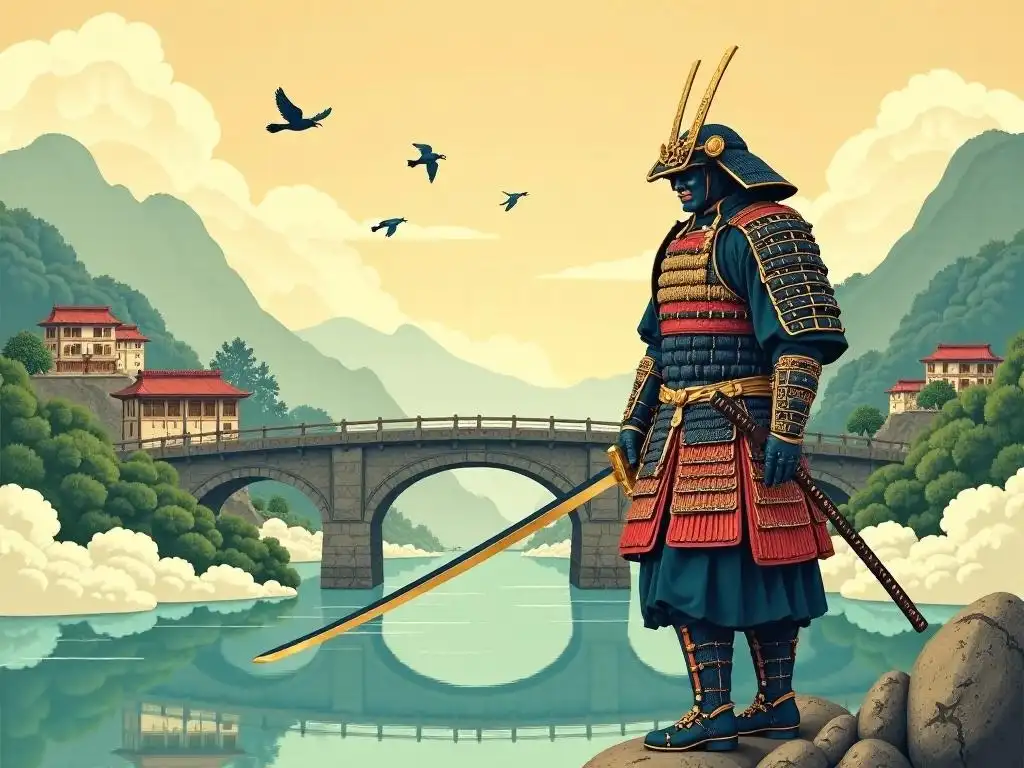
Welcome to Feudal Japan History, where we embark on an intriguing journey through the captivating tapestry of Japan's feudal era. Here, we delve deep into the intricate relationships between samurai martial arts diplomacy and warfare, revealing how these formidable warriors wielded not only their swords but also their strategic minds to navigate the complex world of alliances and conflicts. Prepare to uncover the secrets behind the martial practices that shaped a nation and discover the profound impact of martial arts on diplomacy during this remarkable period. Your exploration begins now—dive in to learn more!
Martial arts played a pivotal role in shaping not only the battlefield strategies of the samurai but also their diplomatic approaches during Japan's feudal era. The intricate relationship between martial arts and diplomacy among the samurai reflects a complex interplay of power, culture, and societal norms.
This article delves into how samurai martial arts influenced diplomatic relations and warfare tactics, highlighting the significance of martial prowess in both military confrontations and diplomatic negotiations. By exploring the historical context, evolution, and integration of martial arts within samurai training, we aim to provide a comprehensive understanding of their dual role in shaping Japan’s feudal society.
Introduction to Samurai Martial Arts Diplomacy
The concept of samurai martial arts diplomacy encompasses the strategic use of martial skills not just for combat, but also as a means to establish and maintain relationships between rival clans and foreign powers. Samurai were not merely warriors; they were also diplomats and statesmen, using their martial expertise as a tool for negotiation and influence. This unique blend of martial arts and diplomatic strategy set the samurai apart from other warrior classes around the world, emphasizing honor, respect, and the art of persuasion.
Understanding the Concept of Samurai Diplomacy
Samurai diplomacy was grounded in the principles of Bushido, the way of the warrior, which prioritized honor, loyalty, and respect. The samurai’s martial arts training fostered not only physical skills but also mental discipline, making them adept negotiators. They often engaged in diplomatic missions where their martial prowess served as a symbol of strength and legitimacy. Key elements of this concept included:
- Symbolism of Power: The display of martial skills could deter conflict or facilitate negotiations.
- Cultural Exchange: Martial arts demonstrations often served as a means of cultural diplomacy, showcasing the values and capabilities of the samurai to foreign emissaries.
- Conflict Resolution: Samurai utilized martial arts as a last resort, preferring dialogue and negotiation to resolve disputes.
The Historical Context of Samurai Martial Arts in Warfare
The historical backdrop of samurai martial arts during the feudal era was marked by constant warfare and shifting allegiances. The rise of powerful clans led to the development of distinct martial arts styles, each reflecting the clan's philosophy and strategic needs. Key historical moments that influenced this context included:
- The Genpei War (1180-1185): This conflict between the Taira and Minamoto clans illustrated the importance of martial skill in securing power.
- The Mongol Invasions (1274 and 1281): The samurai's martial arts training was essential in defending Japan against external threats, solidifying their status as elite warriors.
The Evolution of Samurai Martial Arts
Over the centuries, samurai martial arts evolved significantly, influenced by various social, political, and cultural factors. This evolution not only shaped combat techniques but also highlighted the samurai's role in society.
Early Forms of Martial Arts in Feudal Japan
The origins of samurai martial arts can be traced back to earlier forms of combat training, including:
- Bujutsu: The art of warfare that encompassed various weapon techniques.
- Kenjutsu: The practice of swordsmanship that became a hallmark of samurai training.
These early martial arts laid the foundation for the more structured and philosophical approaches that would follow.
Key Influences on Samurai Martial Arts Development
Several critical influences contributed to the evolution of samurai martial arts, including:
- Buddhism and Zen Philosophy: The integration of Zen principles led to a more meditative approach to martial training, emphasizing mental clarity and focus.
- Military Innovations: Advancements in weaponry and tactics necessitated adaptations in martial arts, fostering new styles and techniques.
The Integration of Martial Arts in Samurai Training
Martial arts became an integral part of a samurai's education and training, reflecting their dual role as warriors and diplomats. Training regimens often included:
- Physical Conditioning: Rigorous training to enhance strength, agility, and endurance.
- Strategic Thinking: Emphasis on tactics and the mental aspects of combat, preparing samurai for both war and diplomacy.
Through this comprehensive exploration, we will delve deeper into the intricate relationship between martial arts, diplomacy, and warfare, highlighting the unique position of the samurai within Japan’s feudal history.
The Role of Martial Arts in Samurai Warfare
Martial arts played a pivotal role in the warfare strategies of the samurai, shaping not only individual combat tactics but also the broader military organization of feudal Japan. The samurai, trained from a young age in various martial disciplines, utilized their skills in both direct combat and strategic formations. This training fostered not just physical prowess but also mental discipline, which was essential for survival in the chaotic environment of feudal conflicts.
The most noteworthy martial arts forms practiced by the samurai included Kenjutsu (swordsmanship), Sojutsu (spear techniques), and Iaijutsu (the art of drawing the sword). Mastery of these arts enhanced their effectiveness on the battlefield, allowing for swift and decisive actions against opponents. Furthermore, the martial arts were interwoven with the samurai's code of honor, Bushido, emphasizing loyalty, courage, and respect, which added a moral dimension to their martial practices.
Tactical Advantages of Samurai Martial Arts in Battle
The tactical advantages conferred by samurai martial arts in battle were multifaceted.
- Versatility in Combat: Samurai were trained in multiple forms of martial arts, enabling them to adapt to various combat scenarios. This versatility allowed them to switch between techniques such as close-quarter combat, mounted warfare, and ranged attacks, depending on the circumstances of the battlefield.
- Psychological Warfare: The samurai's martial training also instilled a sense of confidence and presence that could intimidate opponents. A well-trained samurai could convey an aura of invincibility, potentially demoralizing enemy forces even before combat began.
- Formation and Strategy: The samurai employed martial arts techniques not only in individual combat but also in formations during large battles. For example, the use of the "Kumiai" formation allowed for coordinated movements that maximized the effectiveness of their combined martial arts skills, leading to greater tactical advantage over less organized forces.
Famous Samurai Battles and Their Martial Arts Strategies
Throughout history, numerous battles exemplified the tactical use of samurai martial arts.
- The Battle of Sekigahara (1600): This decisive conflict showcased the strategic deployment of samurai martial arts in large-scale warfare. The Tokugawa forces utilized Kenjutsu and strategic formations to outmaneuver their opponents, leading to the establishment of the Tokugawa shogunate.
- The Siege of Osaka (1614-1615): Samurai engaged in both direct assaults and defensive tactics, utilizing Sojutsu and Naginatajutsu (the art of the glaive) to combat a well-fortified adversary. The ability to effectively use polearms in tight quarters proved vital in breaching enemy defenses.
These battles highlighted how the integration of martial arts into military strategy was crucial for the samurai's success on the battlefield.
The Impact of Martial Arts on Samurai Code of Honor (Bushido)
The practice of martial arts had a profound influence on the development of Bushido, the ethical code that guided the samurai's conduct.
- Discipline and Respect: The rigorous training required for mastery of martial arts instilled a sense of discipline and respect for one's opponents and allies alike. This principle is central to the Bushido code, emphasizing the importance of honor in both life and death.
- Courage and Loyalty: The challenges faced during martial arts training cultivated courage, which was vital for samurai in warfare. The willingness to face danger head-on was not only a testament to their martial training but also a reflection of their loyalty to their lords and the samurai class.
- Spiritual Development: Many martial arts practices included a meditative aspect that encouraged inner peace and reflection. This spiritual dimension helped samurai to maintain composure in battle and to act with integrity, reinforcing the ideals of Bushido.
Samurai Diplomacy: Techniques and Practices
Samurai diplomacy was a sophisticated interplay of martial prowess and negotiation skills. Samurai were often called upon to engage in diplomatic missions due to their status, and their martial training provided them with unique tools for these roles.
- Presence and Authority: The samurai’s training in martial arts endowed them with a commanding presence, which was critical in negotiations. Their ability to project confidence and authority often influenced the outcomes of diplomatic discussions.
- Cultural Understanding: Samurai were educated in the arts and customs of the time, allowing them to navigate complex social interactions. Understanding the nuances of etiquette was as essential as martial skills in ensuring successful diplomacy.
The Use of Martial Arts in Diplomatic Engagements
Martial arts were sometimes employed overtly or covertly in diplomatic engagements:
- Demonstrations of Skill: In some cases, samurai showcased their martial arts skills as a form of non-verbal communication, demonstrating their readiness to defend their honor and their lord’s interests. Such displays could serve as both a deterrent against aggression and a means to negotiate from a position of strength.
- Conflict Resolution: When diplomatic talks broke down, samurai often resorted to martial arts to defend their honor or that of their lord. This readiness to engage in combat could lead to a resolution, as opponents might reconsider their stance in the face of potential violence.
Case Studies of Notable Samurai Diplomats
Several samurai are renowned for their diplomatic skills, effectively blending martial arts with negotiation.
- Date Masamune: Known for his strategic mind, Masamune was adept at using both martial prowess and negotiation tactics. His diplomatic missions to the Ainu people exemplified how martial arts could facilitate peaceful interactions while retaining the threat of force if necessary.
- Miyamoto Musashi: Beyond his legendary status as a swordsman, Musashi engaged in various diplomatic missions. His philosophies on strategy and combat extended to negotiation, showcasing the interconnectedness of martial arts and diplomacy.
The Interplay Between Martial Arts and Negotiation Skills
The relationship between martial arts and negotiation skills in samurai diplomacy is profound.
- Strategic Thinking: The tactical nature of martial arts training cultivated strategic thinking, which proved invaluable in negotiations. Samurai learned to anticipate opponents' moves, an ability that translated well into diplomatic contexts where understanding the motivations of others was crucial.
- Conflict Management: Mastery of martial arts provided samurai with tools for conflict management. They could effectively navigate disputes, using their combat readiness as leverage while employing negotiation tactics to reach peaceful resolutions.
The role of martial arts in both warfare and diplomacy among the samurai reflects a complex interplay of physical skill, ethical conduct, and strategic thinking, embodying the essence of what it meant to be a samurai in feudal Japan.
The Cultural Significance of Samurai Martial Arts
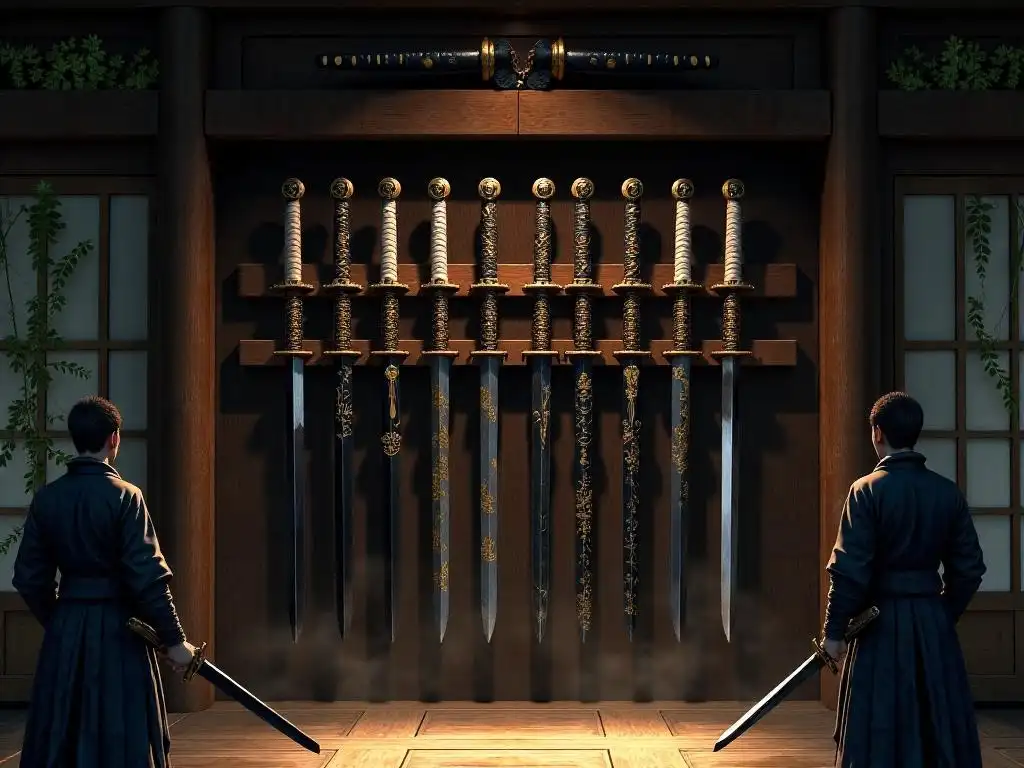
The cultural significance of Samurai martial arts extends far beyond mere combat techniques; it embodies a complex system of values, ethics, and philosophy integral to the samurai way of life. Rooted in the principles of bushido, or "the way of the warrior," these martial arts were not just about physical prowess but also about the cultivation of character, discipline, and respect. Practicing martial arts helped samurai develop mental fortitude and resilience, which were crucial for their roles as both warriors and statesmen.
Martial arts served as a means of personal growth, allowing samurai to refine their skills while instilling a sense of duty toward their lords and communities. The rigorous training involved was designed to prepare them for the uncertainties of warfare and the demands of leadership. Thus, Samurai martial arts became a pivotal element in shaping the cultural identity of Japan, influencing various aspects of society from etiquette in court to the aesthetics of traditional art forms.
Martial Arts as a Reflection of Samurai Values
Martial arts fundamentally reflect the core values of the samurai, including loyalty, honor, and courage. The training methods in disciplines such as kenjutsu (swordsmanship) and iaijutsu (the art of drawing the sword) were steeped in these values, emphasizing not only skill but also integrity. Samurai were taught that martial prowess was a means to uphold justice and protect the innocent, aligning their physical abilities with moral obligations.
Furthermore, the practice of martial arts often involved rituals and philosophical teachings that reinforced these values. For instance, the concept of "seishin teki kyōyō," or the cultivation of the spirit, emphasized the importance of self-discipline and mental clarity, which were essential for both martial success and diplomatic negotiations. In this way, Samurai martial arts acted as a conduit for expressing and perpetuating the ethical frameworks that guided samurai conduct in both warfare and diplomacy.
The Influence of Samurai Martial Arts on Japanese Culture
Samurai martial arts have profoundly influenced Japanese culture, permeating various facets of life, including art, literature, and theater. The aesthetics of martial arts—such as the grace of movement in kata (forms) and the precision of technique—have inspired artists and poets throughout history. The samurai ethos also found its way into traditional Japanese arts, such as Noh and Kabuki theater, which often depict samurai stories and themes of honor and loyalty.
Moreover, the philosophical underpinnings of Samurai martial arts contributed significantly to the development of Japanese culture as a whole. Concepts derived from martial training, such as mindfulness and the acceptance of impermanence, are reflected in practices like Zen Buddhism and the tea ceremony. These cultural expressions serve as a testament to the enduring legacy of Samurai martial arts, as they continue to shape the spiritual and artistic landscape of Japan.
Modern Interpretations of Samurai Martial Arts in Diplomacy
In contemporary society, the principles of Samurai martial arts have found new interpretations in the realm of diplomacy and conflict resolution. Modern practitioners often emphasize the importance of respect, patience, and understanding—values that resonate with diplomatic negotiations. The training regimens of traditional martial arts schools, now known as gendai budō, focus on personal development and character-building, paralleling the skills needed for effective diplomacy.
Furthermore, the ceremonial aspects of Samurai martial arts, such as bowing and etiquette, have been adopted in modern diplomatic settings to foster mutual respect and understanding. The philosophies that underpin Samurai martial arts, including the idea of seeking harmony and balance, continue to inform diplomatic relations, making them relevant even in today's global landscape.
Conclusion: The Lasting Legacy of Samurai Martial Arts Diplomacy
The lasting legacy of Samurai martial arts diplomacy is evident in how it has shaped not only the military strategies of the past but also the cultural and ethical frameworks that govern interpersonal relations today. By embodying principles of honor, respect, and duty, Samurai martial arts established a model for resolving conflicts that transcends time and geography.
Reflections on the Impact of Martial Arts in Historical Diplomacy
Historically, the impact of Samurai martial arts on diplomacy was profound. Samurai were often called upon to mediate disputes and negotiate treaties, utilizing their martial arts training to foster an environment of respect and honor during discussions. This practice emphasized that conflict could be resolved through dialogue and understanding rather than solely through force. The martial arts ethos guided these interactions, ensuring that negotiations were conducted with dignity and a focus on achieving harmony.
The Relevance of Samurai Martial Arts in Contemporary Society
Today, the relevance of Samurai martial arts extends into various domains, from personal development to international relations. Many individuals engage in martial arts practice not only for self-defense but also for the mental and emotional benefits that come from training. Furthermore, the principles derived from Samurai martial arts—such as discipline, respect, and perseverance—are increasingly recognized as essential components of effective leadership and conflict resolution in contemporary society.
The profound influence of Samurai martial arts on both historical and modern diplomacy highlights their significance as a cultural treasure that continues to resonate in today's world. The values embedded in these martial practices offer valuable lessons for navigating the complexities of human interaction, making them timeless in their application and impact.
References
Key Texts and Resources on Samurai Martial Arts and Diplomacy
-
"Hagakure: The Book of the Samurai" by Yamamoto Tsunetomo
This classic text offers insights into the samurai code and philosophy, reflecting the ethical underpinnings of martial practices and their role in diplomacy.
-
"The Book of Five Rings" by Miyamoto Musashi
Written by one of Japan's most renowned swordsmen, this treatise on strategy not only discusses martial arts but also the importance of mental discipline in both warfare and diplomatic engagements.
-
"Samurai: The World of the Warrior" by Stephen Turnbull
This comprehensive resource delves into the life, culture, and martial practices of the samurai, highlighting their diplomatic roles during feudal conflicts.
-
"Bushido: The Soul of Japan" by Inazo Nitobe
A seminal work that explores the samurai's ethical code, its influence on martial arts, and how these principles informed diplomatic relationships in feudal Japan.
-
"The Samurai: A Military History" by John M. McCulloh
This book provides a detailed account of samurai warfare, including the tactical and diplomatic implications of martial arts in various conflicts.
Suggested Further Reading on Feudal Japan History
-
"A History of Japan: 1334 to 1615" by George Sansom
This work offers a thorough exploration of Japan's political and cultural landscape during the feudal era, providing context for the samurai's martial and diplomatic roles.
-
"Japan: A Cultural, Social, and Political History" by David J. Lu
This book examines the broader social and political dynamics of feudal Japan, contextualizing the impact of samurai martial arts on diplomatic relations.
-
"The Age of the Samurai: Japan's 2,000-Year History" by Anthony J. Bryant
A sweeping narrative that covers the evolution of the samurai class and their martial traditions, including their roles in diplomacy throughout Japanese history.
-
"The Samurai: A History" by Stephen Turnbull
This accessible yet detailed account provides insights into samurai culture, including their martial arts practices and diplomatic endeavors.
-
"Feudal Japan: The History and Legacy of the Samurai Era" by Charles River Editors
This book outlines the significant events and figures of the samurai era, focusing on how martial arts influenced both warfare and diplomacy in feudal Japan.
- Introduction to Samurai Martial Arts Diplomacy
- The Evolution of Samurai Martial Arts
- The Role of Martial Arts in Samurai Warfare
- Samurai Diplomacy: Techniques and Practices
- The Cultural Significance of Samurai Martial Arts
- Conclusion: The Lasting Legacy of Samurai Martial Arts Diplomacy
- References
- What was the significance of martial arts in Samurai diplomacy?
- How did Samurai martial arts evolve during the feudal era?
- What impact did Samurai martial arts have on Japanese culture?
- Were Samurai martial arts exclusively for warfare?
- How did diplomacy influence the practice of martial arts among the Samurai?
Frequently Asked Questions
What was the significance of martial arts in Samurai diplomacy?
Martial arts played a crucial role in Samurai diplomacy by demonstrating strength and skill during negotiations, which often influenced political outcomes and maintained peace among rival clans.
How did Samurai martial arts evolve during the feudal era?
During the feudal era, Samurai martial arts evolved in response to changing warfare tactics and the need for effective combat techniques, leading to the development of various schools and styles focused on both offense and defense.
What impact did Samurai martial arts have on Japanese culture?
The impact of Samurai martial arts on Japanese culture is profound, influencing traditional values such as discipline, honor, and respect, which permeate various aspects of Japanese society even today.
Were Samurai martial arts exclusively for warfare?
No, while primarily developed for warfare, Samurai martial arts were also integral to cultural practices, serving as a means of self-discipline, spiritual development, and a way to enhance one’s social standing.
How did diplomacy influence the practice of martial arts among the Samurai?
Diplomacy influenced the practice of martial arts by encouraging alliances and collaboration among clans, leading to shared techniques and philosophies that shaped the development of martial arts beyond mere combat skills.
Final Reflection: The Enduring Legacy of Samurai Martial Arts in Diplomacy and Warfare
The intricate relationship between samurai martial arts and diplomacy is more relevant today than ever, as we navigate a world where conflict resolution and cultural exchange are paramount. The lessons learned from the samurai's approach to warfare and diplomacy remind us that strength is not solely defined by physical prowess but also by the wisdom to engage in meaningful dialogue. In an era where misunderstandings can escalate into conflict, the samurai's commitment to honor and respect serves as a guiding principle for modern diplomacy.
The influence of samurai martial arts extends far beyond the battlefield, shaping cultural identities and fostering a spirit of cooperation. The principles of discipline, respect, and strategic thinking inherent in these practices continue to resonate in various fields, from international relations to personal development. As the renowned martial artist Bruce Lee once said, "> The successful warrior is the average man, with laser-like focus." This quote encapsulates the essence of how samurai martial arts can inspire individuals to cultivate their strengths and apply them toward peaceful resolutions and collaborative efforts.
As we reflect on the teachings of samurai martial arts and their role in diplomacy, I invite you to consider how you can embody these principles in your own life. Embrace the spirit of the samurai by fostering respect in your interactions, seeking understanding in conflicts, and striving for personal excellence. In doing so, you not only honor the legacy of the samurai but also contribute to a more harmonious world, where diplomacy and martial arts coexist as powerful tools for peace and understanding.
Unveil the Warrior Within: Take Action Today!
Thank you for diving into the intricate world of samurai diplomacy and warfare. By exploring the vital role of martial arts, you’ve uncovered layers of history and strategy that continue to resonate today. Now, let's transform that knowledge into action!
Here are some practical steps you can take to deepen your understanding and embrace the spirit of the samurai:
- Enroll in a martial arts class: Discover the physical and mental benefits of martial disciplines inspired by samurai traditions. Whether it’s kendo, judo, or iaido, there’s a path for everyone to explore.
- Explore historical texts and documentaries: Expand your knowledge by immersing yourself in literature and films that delve into samurai culture and its enduring influence on diplomacy.
- Share your insights with friends or in online communities: Engage in discussions about the fascinating connections between martial arts, diplomacy, and leadership.
As you reflect on this rich history, consider this: How can the principles of samurai diplomacy inspire your approach to conflict resolution and personal growth?