
Political Intrigue in Edo: The Shogunate's Control over Japan’s Feudal Lords

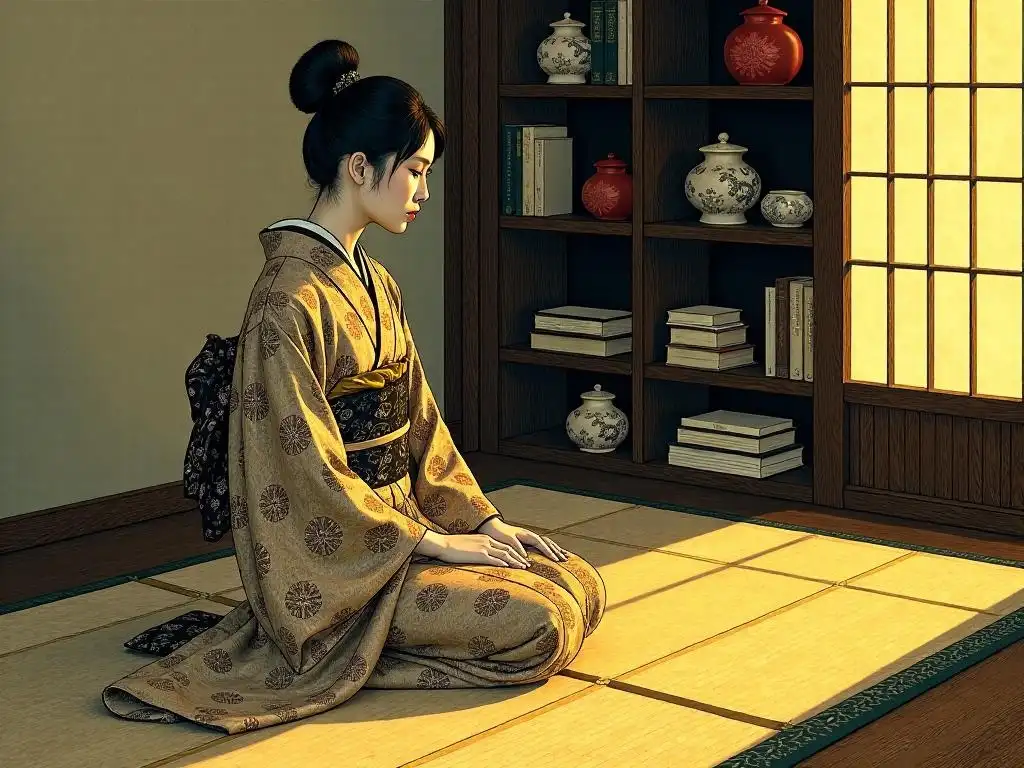
Welcome to Feudal Japan History! Here, we invite you to embark on a riveting journey through the enigmatic world of Japan's feudal era, where power struggles and alliances crafted the very fabric of society. In our featured article, "Political Intrigue in Edo: The Shogunate's Control over Japan’s Feudal Lords," we delve into the complex web of Edo period political intrigue, unraveling how the Shogunate deftly maneuvered against rival lords to maintain its grip on power. Prepare to uncover secrets and strategies that shaped a nation—your exploration of this fascinating chapter in history begins now!
Introduction to Edo Period Political Intrigue
The Edo period, spanning from 1603 to 1868, marked a significant era in Japan's history characterized by relative peace, political stability, and cultural flourishing under the Tokugawa Shogunate. However, this tranquility belied a complex web of political intrigue that defined the relationships between the Shogunate and Japan's numerous feudal lords, or daimyōs.
The Shogunate's meticulous control over these lords not only maintained order but also facilitated a unique balance of power that influenced Japan’s socio-political landscape. Understanding the intricacies of Edo period political intrigue provides insight into how the Tokugawa Shogunate orchestrated governance and manipulated political dynamics to ensure its dominance.
Overview of the Edo Period (1603-1868)
The Edo period was initiated by Tokugawa Ieyasu's victory at the Battle of Sekigahara in 1600, which established the Tokugawa clan's rule over Japan. The Shogunate implemented a strict hierarchy and a centralized government that controlled the vast network of daimyōs, who were the feudal lords of the time. This period was marked by several key features:
- Isolationist Policies: The Tokugawa regime enforced a policy of sakoku, or closed country, limiting foreign influence and trade, which was crucial for maintaining internal stability.
- Economic Growth: The period saw significant agricultural advancements and urbanization, leading to an increase in commerce and the rise of a merchant class.
- Cultural Developments: Edo became a cultural hub, fostering the arts, literature, and philosophy, laying the groundwork for modern Japanese culture.
Significance of Political Control in Feudal Japan
The political control exercised by the Tokugawa Shogunate over the daimyōs was fundamental to the stability of the Edo period. This control was established through various means:
- Hostage System: Daimyōs were required to leave family members in Edo as hostages to ensure loyalty.
- Alternate Attendance: The policy of sankin-kōtai mandated that daimyōs spend every other year in Edo, which not only limited their power but also generated economic benefits for the Shogunate.
- Surveillance and Espionage: The Shogunate maintained a network of spies and informants to monitor the activities and allegiances of the daimyōs.
These strategies created a complex environment of political intrigue where loyalty, betrayal, and power struggles were common, shaping the very fabric of feudal Japan.
The Tokugawa Shogunate: An Overview
The Tokugawa Shogunate, also known as the Edo Shogunate, was the last shogunate in Japan and played a pivotal role in shaping the nation’s socio-political landscape during the Edo period. Understanding its structure and influential figures is essential to grasp the dynamics of political intrigue that characterized this time.
Establishment of the Tokugawa Shogunate
Tokugawa Ieyasu, after unifying Japan, was appointed as shogun in 1603, marking the start of the Tokugawa Shogunate. The Shogunate established a feudal system where the emperor was merely a figurehead, while the real power resided with the shogun. This new political structure allowed Ieyasu to consolidate power effectively and implement policies that would shape Japan for over 250 years.
Key Figures in the Shogunate's Leadership
Several key figures played critical roles in the governance of the Tokugawa Shogunate, influencing its policies and political intrigue:
- Tokugawa Ieyasu: The founder of the Shogunate whose policies laid the foundation for its stability.
- Tokugawa Iemitsu: The third shogun, known for enforcing strict adherence to the Sakoku policy and expanding the Shogunate's power.
- Tokugawa Yoshimune: The eighth shogun, noted for his reforms and attempts to modernize the Shogunate's administration.
These leaders navigated the intricacies of political relationships, often employing intrigue as a tool to maintain their power and influence.
The Role of the Shogun in Political Intrigue
The shogun was not only a military leader but also a master manipulator within the realm of political intrigue. The shogun's role encompassed:
- Negotiating Alliances: Forming strategic alliances with certain daimyōs to counterbalance rivals.
- Suppressing Rebellions: Engaging in military action or political maneuvering to suppress dissent among the daimyōs.
- Cunning Diplomacy: Utilizing marriages, gifts, and feigned alliances to maintain control over the feudal lords.
Through these actions, the shogun maintained a delicate balance of power, ensuring the Tokugawa Shogunate's dominance while navigating the treacherous waters of feudal politics. The legacy of this political intrigue continues to shape Japan's historical narrative and influences the country's cultural identity today.
Feudal Lords: The Daimyo and Their Influence
The daimyo were the feudal lords of Japan during the Edo period, playing a vital role in the political and social structure of the time. They held significant power over their domains, which were often large territories with their own armies and administrative systems. The relationship between the daimyo and the Tokugawa shogunate was complex and characterized by both cooperation and tension, as the shogunate sought to maintain control over these powerful lords while allowing them a degree of autonomy.
Definition and Role of Daimyo in Edo Japan
Daimyo were the powerful landowners who governed various provinces in Japan during the Edo period (1603-1868). They were considered the highest-ranking samurai and were granted land by the shogun in exchange for loyalty and military service. Each daimyo managed their own territory, administering justice, collecting taxes, and maintaining order among their subjects. Their status was not only based on territorial control but also on wealth and military capability.
The daimyo played a crucial role in the feudal hierarchy, as their loyalty was essential to the stability of the shogunate. They were responsible for providing troops when called upon by the shogunate, making them integral to Japan's defense. However, their influence extended beyond military matters; they were also patrons of culture and the arts, contributing significantly to the development of Japanese society during the Edo period.
The Power Dynamics Between Shogunate and Daimyo
The relationship between the Tokugawa shogunate and the daimyo was characterized by a delicate balance of power. While the shogunate held ultimate authority, it relied on the loyalty of the daimyo to maintain control over Japan. This led to a system where the shogunate implemented various strategies to ensure that the daimyo remained compliant and loyal.
One of the key aspects of this power dynamic was the shogunate's ability to manipulate the daimyo through political marriages, alliances, and the sharing of power. The shogunate often played daimyo against one another, fostering rivalries that weakened their collective power. Additionally, the shogunate maintained a strict hierarchy, imposing laws and regulations that limited the autonomy of the daimyo, thereby reinforcing the central authority of the shogunate.
Case Studies of Notable Daimyo and Their Strategies
Several notable daimyo exemplified the complex interplay of power and strategy during the Edo period.
- Toyotomi Hideyoshi: Although his reign predated the Edo period, his legacy influenced many daimyo. Hideyoshi's consolidation of power laid the groundwork for the Tokugawa shogunate. His strategies included land surveys and the establishment of a class system that impacted future daimyo governance.
- Uesugi Kenshin: Known for his military prowess, Kenshin maintained a strong independent stance against the shogunate. His strategies often involved forming alliances with other daimyo to counterbalance the power of the Tokugawa.
- Matsudaira Tadateru: A loyal supporter of the Tokugawa, he exemplified the benefits of compliance with the shogunate. His strategic marriages and alliances enhanced his power while reinforcing the shogunate's control.
These cases illustrate how the daimyo navigated their relationships with the shogunate, employing both loyalty and resistance to secure their positions within the feudal hierarchy.
Mechanisms of Control: How the Shogunate Maintained Power
To maintain dominance over the daimyo and ensure stability during the Edo period, the Tokugawa shogunate employed several mechanisms of control. These included systems that limited the military power of the daimyo, forced them to participate in state rituals, and utilized extensive surveillance.
The Alternate Attendance System (Sankin-kotai)
One of the most effective methods used by the Tokugawa shogunate to control the daimyo was the Sankin-kotai system, or alternate attendance. This policy required daimyo to spend every other year in Edo (modern-day Tokyo) while their families remained in the city as hostages. This practice served multiple purposes:
- Economic Burden: The need to maintain two residences strained the daimyo's finances, limiting their ability to raise armies.
- Political Control: By requiring daimyo to spend time at the shogunate's court, the shogunate could monitor their activities and prevent conspiracy.
- Cultural Integration: The system fostered a sense of loyalty and cultural alignment with the shogunate, as daimyo and their families became part of the Edo social scene.
Restrictions on Daimyo's Military Power
The Tokugawa shogunate implemented strict regulations to limit the military capabilities of the daimyo. This included:
- Limiting Troops: The shogunate set strict quotas on the number of samurai each daimyo could maintain, preventing the formation of powerful private armies.
- Control of Arms: The shogunate restricted the production and possession of weapons, ensuring that the daimyo could not easily revolt or challenge the shogunate’s authority.
- Bans on Fortifications: Daimyo were often prohibited from building or expanding castles, which were symbols of military power and independence.
These measures effectively curbed the potential for rebellion and ensured that the shogunate remained the ultimate authority in Japan.
Surveillance and Espionage Tactics
The Tokugawa shogunate also employed extensive surveillance and espionage tactics to maintain its grip on power. This included:
- Spies and Informants: The shogunate utilized a network of spies and informants to keep tabs on the activities of the daimyo, ensuring that any dissent was identified and quashed early.
- Public Shaming: The shogunate sometimes used public trials and executions as a means of instilling fear among the daimyo, sending a message that disloyalty would not be tolerated.
- Censorship: Information was tightly controlled, with the shogunate regulating literature and news to prevent the spread of rebellious ideas or dissent against their rule.
These mechanisms of control created an environment of fear and compliance, allowing the Tokugawa shogunate to maintain stability and authority throughout the Edo period.
Political Intrigue and Alliances: Shifting Loyalties

The Edo period, marked by the Tokugawa Shogunate's dominance, was rife with political intrigue characterized by shifting allegiances among the daimyo (feudal lords). The intricate web of alliances and rivalries was essential not only for survival but also for the maintenance of power within the hierarchical structure of feudal Japan. Daimyo often found themselves navigating a landscape of betrayal, where loyalty could be bought or lost in an instant, influenced by personal ambition, familial ties, and external pressures from the shogunate.
The shogunate employed a sophisticated system of surveillance and influence, ensuring that no single daimyo could grow too powerful. This was achieved through a combination of diplomacy and intimidation, which included the practice of hostage-taking, where the families of daimyo were kept in Edo as a means of ensuring loyalty. The threat of violence and the allure of political favor led to a constantly shifting landscape of allegiances, shaping the power dynamics of the period.
The Impact of Marriage Alliances on Political Stability
Marriage alliances were a crucial strategy employed by the daimyo to solidify political power and foster stability. By marrying into prominent families, daimyo could create bonds that bolstered their influence and secured their territories. These unions often held significant political weight, as they could deter conflict and promote cooperation among rival factions.
For instance, the marriage between Tokugawa Ieyasu's daughter, Tokuhime, and the powerful daimyo of the Takeda clan exemplified how such alliances could stabilize relations and promote peace. However, these unions were not without risks; they could also serve as a catalyst for betrayal if loyalties shifted or if one party perceived a threat. Thus, while marriage alliances were designed to enhance stability, they often became intricate bargaining chips in the political game of Edo.
Case Studies of Betrayal and Loyalty Among Daimyo
The Edo period is replete with stories of betrayal and loyalty that illustrate the precarious nature of daimyo relationships. One notable case is the conflict between the Uesugi and the Takeda clans. The Uesugi, led by Uesugi Kenshin, and the Takeda, under Takeda Shingen, engaged in a series of battles fueled by personal animosities and shifting alliances. Despite periods of fierce rivalry, both clans also recognized the need for strategic alliances to counter the growing power of the Tokugawa Shogunate.
Another stark example is the betrayal of the Matsukura clan, whose alliances shifted dramatically throughout the late Edo period. The Matsukura initially supported the Tokugawa but later aligned with opposing factions, leading to their eventual downfall. Such case studies reveal how shifting loyalties could dictate the rise and fall of powerful families, often resulting in dramatic consequences for the political landscape of the time.
Secret Societies and Their Role in Political Maneuvering
Secret societies played a clandestine yet pivotal role in the political maneuvering of the Edo period. These organizations often emerged among the samurai and discontented factions, operating in the shadows to influence politics through covert actions. Groups such as the Kōdan sought to organize resistance against the Tokugawa hegemony and promote their agendas through espionage, sabotage, and political assassination.
The existence of such societies not only underscored the levels of discontent among the populace but also reflected the extent to which daimyo and samurai were willing to go to manipulate the political landscape. The covert nature of these societies made them effective tools for dissent, leading to a complex interplay of power that the shogunate had to continuously monitor and suppress.
Cultural Elements of Political Intrigue in Edo
Cultural elements during the Edo period were deeply intertwined with political intrigue, shaping public perception and influencing the power dynamics of the time. The arts, literature, and performance became vehicles for expressing dissent, critique, and loyalty, reflecting the complex political narratives that permeated society.
Influence of Arts and Literature on Political Narratives
The arts and literature of the Edo period served as mirrors to the political climate, providing commentary on the actions of the shogunate and the daimyo. Works of literature, such as the "Tales of the Heike," often romanticized the struggles of samurai and their loyalty to their lords, while also subtly critiquing the political machinations of the time.
Additionally, ukiyo-e woodblock prints depicted historical events and figures, often infusing them with contemporary political significance. These artistic expressions not only entertained but also educated the populace about the intricacies of political intrigue, influencing public opinion and sentiment towards various factions.
The Role of Kabuki Theatre in Reflecting Political Tensions
Kabuki theatre emerged as a prominent cultural form during the Edo period, providing a platform for dramatizing political tensions and societal issues. The performances often featured narratives centered around loyalty, betrayal, and the moral dilemmas faced by samurai, resonating with audiences who were acutely aware of the political climate.
Plays such as "Kanadehon Chūshingura," which tells the story of the 47 ronin avenging their master, not only entertained but also served as a powerful commentary on loyalty and sacrifice in the face of political oppression. Kabuki became a means for the populace to engage with and reflect upon the complex political realities of their time, fostering a sense of communal identity amidst the intrigue.
Political Satire and Its Impact on Public Perception
Political satire emerged as a significant cultural force during the Edo period, allowing artists and writers to critique the shogunate and daimyo through humor and irony. Satirical works often targeted the excesses and failures of the ruling class, providing a voice for the disenfranchised and a means to express dissent.
The use of satire in pictorial forms and literary texts influenced public perception by shaping the narrative surrounding political figures and events. By exposing the absurdities of political life, satire played a crucial role in fostering critical awareness among the populace, encouraging them to question the legitimacy and actions of their rulers. This cultural element of political intrigue not only entertained but also empowered citizens to partake in the discourse surrounding their governance.
Consequences of Political Intrigue in the Edo Period
The Edo period, spanning from 1603 to 1868, was marked by intricate political maneuvering that shaped not only the governance of Japan but also its societal structures. The Tokugawa Shogunate's strategy of maintaining control over the daimyōs (feudal lords) involved a complex web of alliances, hostages, and surveillance. The consequences of these political intrigues were profound, affecting various aspects of life in Japan during this time.
Social Strain and Economic Implications
The political machinations of the Edo period fostered significant social strain. The constant need for the daimyōs to demonstrate loyalty to the shogunate forced them to divert resources from their domains, leading to economic difficulties. Many lords found themselves in precarious financial situations, compelled to raise taxes on their peasants to meet the shogunate's demands. This often resulted in social unrest among the lower classes, who bore the brunt of the economic burden.
Moreover, the shogunate's control mechanisms, including the sankin-kōtai system, required daimyōs to alternate their residence between their domains and Edo, leading to heightened costs and logistical challenges. This system, while effective in ensuring loyalty, strained local economies and created a culture of dependency on the central authority. Thus, while the shogunate aimed to maintain stability, the resultant economic implications often led to social discontent, highlighting the paradox of control through economic strain.
The Legacy of Political Intrigue in Modern Japan
The political intrigue of the Edo period has left a lasting legacy in modern Japan. The centralization of power under the Tokugawa Shogunate paved the way for the modern Japanese state, influencing contemporary governance models. The intricate relationships between authority and loyalty established during this time can be seen in Japan's current political landscape, where hierarchical structures and consensus-building remain prominent.
Additionally, the emphasis on stability over individual freedoms during the Edo period has echoed into modern governance, as Japan continues to prioritize social cohesion and economic stability. The historical context of political intrigue also informs Japan's modern diplomatic strategies, where maintaining balance and harmony continues to play a crucial role in international relations.
Lessons Learned from Edo's Political Landscape
The Edo period's political landscape offers valuable lessons for contemporary governance. One key takeaway is the importance of adaptability in leadership. The Tokugawa Shogunate's ability to navigate complex political alliances and societal pressures underscores the necessity for leaders to be responsive to changing circumstances. Furthermore, the consequences of economic strain on social stability highlight the critical need for policies that prioritize equitable resource distribution.
Another lesson is the significance of public trust in maintaining political authority. The shogunate’s reliance on surveillance and control, rather than genuine loyalty from the daimyōs, demonstrates the fragility of power rooted in fear. Modern governance can benefit from fostering transparency and collaboration, ensuring that authority is not only respected but also trusted by the populace.
Conclusion: The Enduring Legacy of Edo Period Political Intrigue
The Edo period serves as a profound chapter in Japan's political history, marked by intricate strategies employed by the Tokugawa Shogunate to maintain control over its feudal lords. The political intrigue of this era has had lasting repercussions on Japanese society, governance, and international relations.
Summary of Key Points on Shogunate Control and Political Dynamics
The shogunate's control over the daimyōs through political intrigue was characterized by a delicate balance of power. The use of hostages, the sankin-kōtai system, and strategic marriages created a web of loyalty and dependence that shaped Japan's political framework. While these strategies secured the shogunate's authority, they also led to social and economic challenges that strained the fabric of society.
Reflections on the Impact of Edo Period Politics on Contemporary Japan
Reflecting on the impact of Edo period politics reveals how historical governance shapes modern Japan. The lessons learned about power dynamics, economic management, and social cohesion resonate in today's political discourse. Understanding the complexities of the Edo period not only illuminates Japan's past but also provides insights into its present and future political landscape, underscoring the enduring nature of political intrigue in shaping societies.
- Introduction to Edo Period Political Intrigue
- The Tokugawa Shogunate: An Overview
- Feudal Lords: The Daimyo and Their Influence
- Mechanisms of Control: How the Shogunate Maintained Power
- Political Intrigue and Alliances: Shifting Loyalties
- Cultural Elements of Political Intrigue in Edo
- Consequences of Political Intrigue in the Edo Period
- Conclusion: The Enduring Legacy of Edo Period Political Intrigue
Frequently Asked Questions
What was the Edo period in Japan?
The Edo period, lasting from 1603 to 1868, was marked by political stability, isolation, and the consolidation of power under the Tokugawa shogunate.
How did the shogunate control the feudal lords?
The shogunate maintained control over feudal lords through a system of hostage-taking, where lords were required to leave family members in Edo as a guarantee of loyalty.
What role did political intrigue play during the Edo period?
Political intrigue was prevalent as feudal lords vied for power, often leading to strategic alliances and betrayals that shaped the political landscape of the time.
How did the Edo period influence Japanese culture?
The Edo period fostered a unique blend of art, literature, and theater, encouraging the development of traditional Japanese culture, such as kabuki and ukiyo-e.
What were the consequences of political intrigue in Edo?
The consequences included power struggles, shifting alliances, and the eventual decline of the shogunate, which paved the way for the Meiji Restoration and modernization.
Final Reflection: The Enduring Legacy of Edo Period Political Intrigue
The intricate web of political intrigue during the Edo period remains profoundly relevant today, as it illustrates the delicate balance of power and authority that shapes governance. In a world where political maneuvering continues to influence global relations, the lessons from the Shogunate's control over Japan's feudal lords serve as a reminder of the complexities inherent in leadership and the pursuit of stability. The strategies employed during this era not only defined a nation but also resonate with contemporary political dynamics, highlighting the timeless nature of power struggles.
The Edo period's political landscape has left an indelible mark on Japan's cultural and social fabric, shaping the values and governance structures that persist to this day. The intricate relationships between the Shogunate and the daimyo reflect a nuanced understanding of loyalty, strategy, and the consequences of ambition. As historian John W. Dower once noted, The past is never dead. It's not even past.
This observation underscores how the political intrigue of the Edo period continues to inform our understanding of authority and governance, influencing both historical scholarship and modern political discourse.
As we reflect on the lessons of Edo period political intrigue, let us consider how these insights can inform our own lives and communities. Embrace the complexity of relationships and the importance of strategic thinking in your endeavors. Whether in personal interactions or broader societal engagements, recognizing the dynamics of power can empower you to navigate challenges with wisdom and foresight. The past offers us a treasure trove of knowledge—let us honor it by applying its lessons to create a more thoughtful and engaged future.
Unveil the Secrets of Edo’s Political Landscape!
Thank you for diving into the fascinating world of the Shogunate’s influence over Japan's feudal lords. Your interest opens the door to a deeper understanding of this pivotal era in history! Now, it’s time to take action and explore this rich tapestry even further.
Here are some engaging steps you can take:
- Explore articles on the history of Feudal Japan to gain insights into the powerful figures of the time.
- Join our community discussions on social media to share your thoughts and learn from fellow history enthusiasts.
- Visit a local library or archive to uncover rare texts or documents related to Edo period politics and continue your journey of discovery.
How do you think the control of the Shogunate shaped Japanese culture and society during the Edo period? Let's ignite the conversation!