
Japan's Participation in Global Events: A Feudal Perspective on Western Interactions

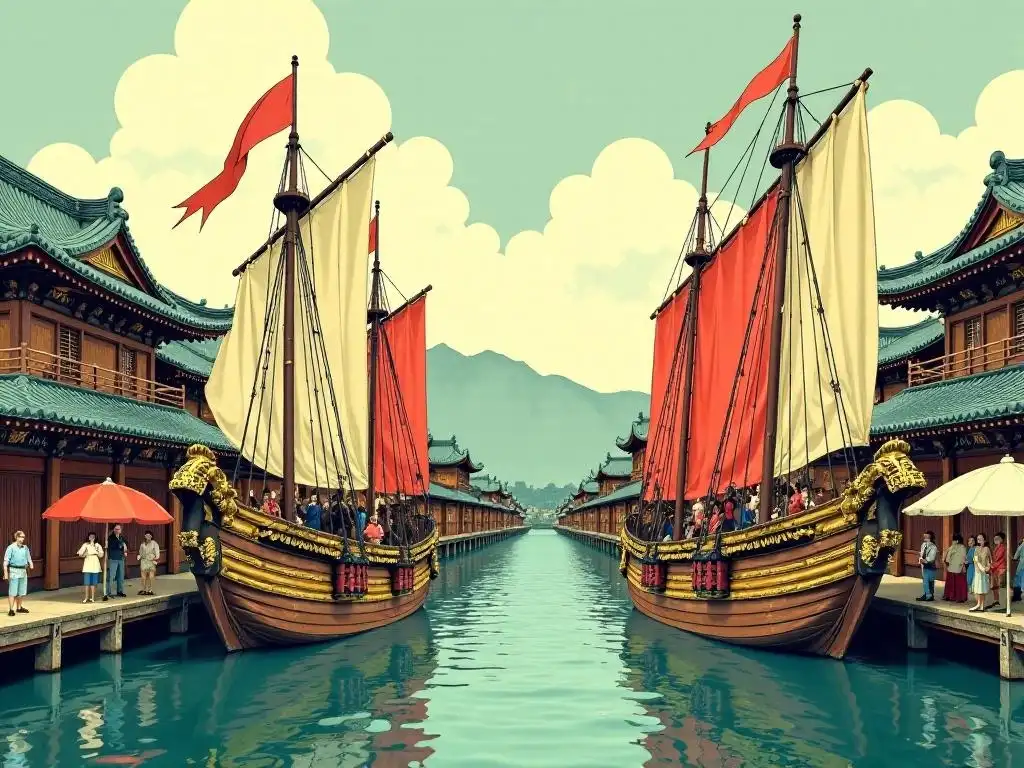
Welcome to Feudal Japan History, where we embark on an intriguing journey through the rich tapestry of Japan's feudal era. In our featured article, "Japan's Participation in Global Events: A Feudal Perspective on Western Interactions," we delve into the fascinating dynamics of Japan feudal era global interactions. Discover how this pivotal period shaped not just Japan, but its position on the world stage. Prepare to unlock the secrets of a time when cultural exchanges and foreign relations were redefined. Join us as we explore the profound impacts of these interactions and what they mean for our understanding of history.
- Japan's Feudal Era Global Interactions: A Historical Overview
- Historical Context of Japan's Feudal Era
- Japan’s Early Interactions with the West
- The Role of Trade in Japan’s Global Interactions
- Political Dynamics and Western Engagement
- Cultural Exchanges During Japan’s Feudal Era
- Conclusion: The Legacy of Japan's Feudal Era Global Interactions
-
Frequently Asked Questions
- What was the significance of Japan's feudal era in terms of global interactions?
- How did the feudal system affect Japan's relations with Western countries?
- What role did trade play in Japan's global interactions during the feudal era?
- How did the arrival of Western missionaries impact Japanese society during the feudal era?
- What were the implications of Japan's isolationist policies on its global interactions?
- Final Reflection: Understanding Japan's Feudal Era Through Global Interactions
- Embrace the Legacy: Take Action on Japan's Global Influence!
Japan's Feudal Era Global Interactions: A Historical Overview
Introduction to Japan's Feudal Era and Global Interactions
The feudal era in Japan, spanning from the 12th to the 19th centuries, was marked by a complex interplay of social hierarchy, military governance, and cultural developments. During this time, Japan operated under a system where powerful landowners, or daimyo, ruled over their territories with the samurai class serving as their military arm. This era was not isolated; rather, Japan engaged in various forms of interaction with the outside world, particularly with Western nations.
Understanding these interactions provides a nuanced perspective on how Japan navigated its identity between tradition and external influence. The dynamics of trade, diplomacy, and cultural exchange during the feudal era laid the groundwork for Japan's future global engagements, making it essential to explore these historical interactions to grasp their long-lasting implications on Japan's evolution.
Importance of Understanding Japan's Feudal Era in Context of Global Relations
Understanding Japan’s feudal era in the context of global relations is crucial for several reasons. First, it highlights the transformative impact of early foreign interactions on Japan's sociopolitical structure. The arrival of European traders and missionaries in the 16th century introduced new ideas, technologies, and religious beliefs, which began to challenge the traditional Japanese worldview. This period of contact was pivotal, as it marked the beginning of Japan's awareness of its position in the global arena.
Moreover, the feudal era serves as a lens through which we can examine the reactions of Japanese leaders to Western influences. The Tokugawa shogunate's initial openness to trade shifted to a period of isolation known as sakoku, which lasted over two centuries. This strategic withdrawal from global interactions was a response to the perceived threats from foreign powers and domestic unrest. By analyzing these historical decisions, we gain insight into the complexities of Japan's foreign policy and cultural preservation.
Lastly, the feudal era's global interactions set the stage for Japan's eventual modernization in the Meiji Restoration. The lessons learned during this period of engagement—both positive and negative—shaped Japan's approach to foreign relations in the subsequent centuries. Understanding these historical precedents not only enriches our knowledge of Japan's past but also informs contemporary discussions about its role in international relations today.
Historical Context of Japan's Feudal Era
Overview of the Feudal System in Japan
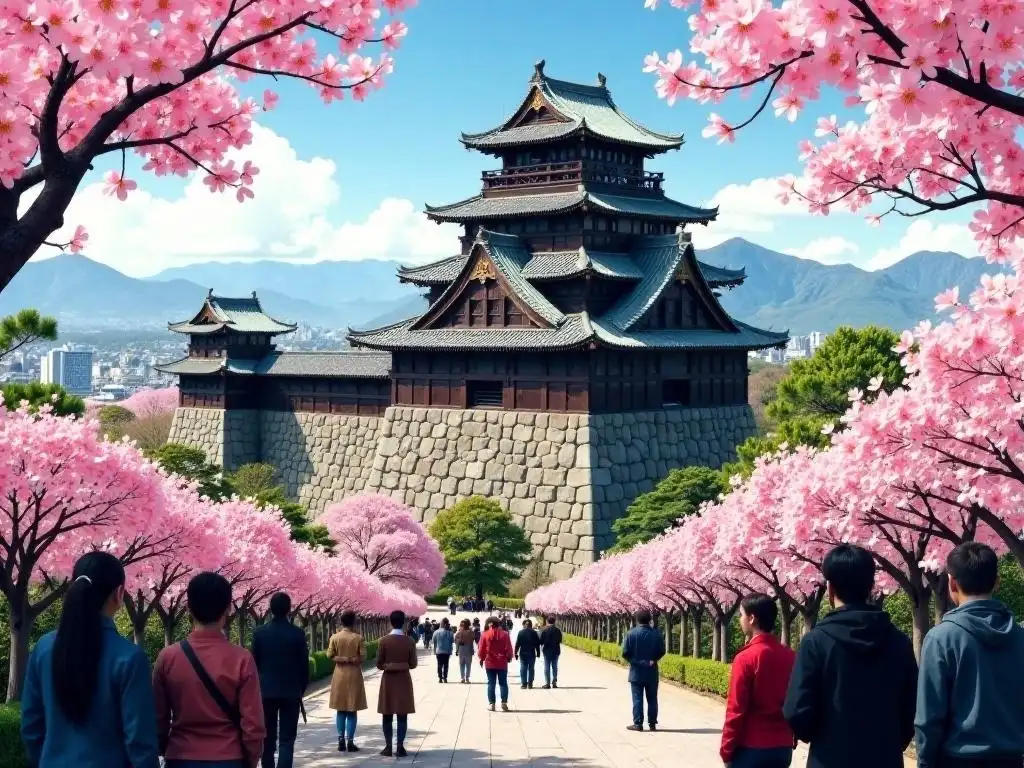
The feudal system in Japan, which flourished from the 12th to the 19th century, was characterized by a hierarchy of land ownership and a complex network of allegiances among various social classes. At the top of this hierarchy was the Emperor, who, despite being the nominal ruler, held little real power. The actual governance was executed by the shogun, a military leader who commanded the samurai class. Below the shogun were the daimyōs, powerful feudal lords who controlled vast territories and had their own armies of samurai.
This system was underpinned by a code of conduct known as Bushido, which emphasized loyalty, honor, and martial prowess. The samurai, as the warrior class, played a crucial role in maintaining the feudal structure, serving their daimyōs in exchange for land and privileges. The economy during this period was predominantly agrarian, with land being the primary source of wealth. Trade, particularly with neighboring countries, was limited and heavily regulated, reflecting the insular nature of Japan during much of the feudal era.
Key Historical Events Influencing Global Interactions
Japan's feudal era was marked by several key historical events that shaped its interactions with the outside world. These events not only influenced domestic politics but also set the stage for Japan's eventual engagement with Western powers. Understanding these pivotal moments provides context for Japan's position in global interactions during the feudal period.
The Sengoku Period: A Time of Turmoil and Change
The Sengoku Period (1467-1603), often referred to as the "Warring States" period, was a time of intense military conflict and social upheaval in Japan. This chaotic era saw numerous daimyōs vying for power, leading to a fragmented political landscape. The constant warfare necessitated alliances and trade not only among Japanese feudal lords but also with foreign entities.
During this period, interactions with Western nations began to emerge. The arrival of the Portuguese in the mid-16th century marked a significant turning point. They introduced firearms, which revolutionized warfare in Japan, and initiated trade, particularly in commodities like silver and sugar. The introduction of Christianity by Jesuit missionaries also had profound effects on Japanese society, creating both opportunities for cultural exchange and conflict with traditional beliefs.
The culmination of the Sengoku Period was the unification of Japan under Oda Nobunaga and later Toyotomi Hideyoshi, which established a more centralized government. This unification allowed for more structured foreign relations, although the primary focus remained inward as Japan sought stability after decades of conflict.
The Edo Period: Isolation and Limited Engagement
Following the Sengoku Period, the Edo Period (1603-1868) was characterized by relative peace and stability under the Tokugawa shogunate. While Japan became increasingly isolated from the outside world, this period was not devoid of global interactions. The shogunate implemented a policy known as sakoku (closed country), which strictly limited foreign influence and trade.
During the Edo Period, Japan maintained limited relations primarily with the Dutch and the Chinese, who were allowed to trade at designated ports like Nagasaki. The Dutch were particularly significant, as they served as Japan's window to the Western world, providing information about global developments while adhering to the strict regulations laid down by the Tokugawa regime.
Despite the isolationist policies, the Edo Period also saw the emergence of a unique Japanese culture that was partly influenced by these limited interactions. The rise of ukiyo-e, kabuki theater, and advancements in literature and philosophy reflected a society that, while isolated, was still aware of the broader world.
The historical context of Japan's feudal era highlights a complex interplay of internal dynamics and external influences. From the chaos of the Sengoku Period to the isolation of the Edo Period, these stages shaped Japan's feudal era global interactions and laid the groundwork for the transformations that would follow in the modern era.
Japan’s Early Interactions with the West
The Arrival of European Traders and Missionaries
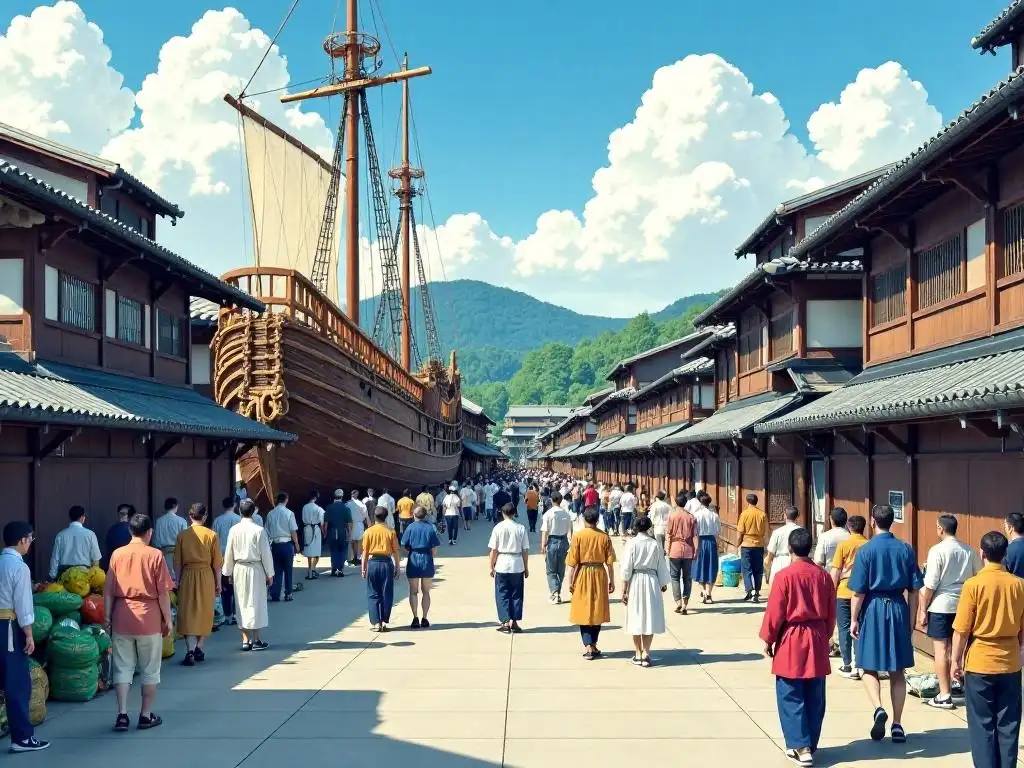
Japan's feudal era marked a significant turning point in its engagement with the Western world, particularly during the 16th century. The arrival of European traders and missionaries opened up new avenues for trade, cultural exchange, and religious influence.
The first notable encounter occurred in 1543 when Portuguese traders landed on the islands of Tanegashima. These traders introduced firearms, specifically matchlock guns, revolutionizing Japanese warfare. The impact was profound; samurai began to adopt these weapons, leading to shifts in military tactics and power dynamics within the feudal system.
Portuguese Influence on Japanese Trade
The Portuguese established a robust trading network that connected Japan with Europe and other parts of Asia. Key commodities such as silk, silver, and copper flowed into Japan, while Japanese goods like tea, ceramics, and swords made their way to the West. The Portuguese trade routes not only facilitated economic growth in coastal cities like Nagasaki but also fostered an environment of cultural exchange.
In addition to trade, the Portuguese missionaries, particularly the Jesuits, played a crucial role in introducing Christianity to Japan. Figures like Francis Xavier arrived in 1549, leading to the establishment of various missions and schools. By the late 16th century, estimates suggest that there were over 300,000 Christians in Japan, indicating a significant religious transformation during this period.
Spanish Missions and Cultural Exchanges
Following the Portuguese, Spanish missionaries began to arrive in Japan, primarily through the Philippines. The Spanish sought to expand their influence and spread Catholicism, leading to further cultural exchanges. Notably, the Spanish introduced new agricultural techniques and crops, such as the cultivation of sweet potatoes, which became staples in the Japanese diet.
Spanish interactions also brought about artistic influences. European painting styles began to permeate Japanese art, leading to the creation of unique works that blended both cultural elements. Moreover, the Spanish missions contributed to the development of educational institutions, where Western sciences and philosophy were taught, enriching the intellectual landscape of feudal Japan.
The Impact of Western Technologies and Ideas
The influx of Western technologies and ideas during the feudal era had far-reaching implications for Japan. Firearms, as previously mentioned, altered the traditional samurai warfare and contributed to the unification of Japan under powerful daimyōs. The ability to produce and utilize gunpowder weapons shifted the balance of power and facilitated the eventual rise of the Tokugawa shogunate.
Moreover, the introduction of Western navigation techniques and shipbuilding methods enabled Japanese traders to venture further into regional waters. This expansion not only enhanced Japan's maritime capabilities but also allowed for greater participation in international trade networks.
The influence of Western philosophies, particularly those related to governance and science, began to permeate Japanese thought. Concepts surrounding individual rights and scientific inquiry challenged traditional feudal hierarchies and opened discussions about modernization. While Japan would later enter a period of isolation, the seeds of Western influence sown during this era would eventually lead to significant changes in Japanese society in the following centuries.
In conclusion, Japan's feudal era global interactions with the West not only reshaped its trade and cultural landscape but also laid the groundwork for future transformations that would define the nation in the modern age.
The Role of Trade in Japan’s Global Interactions
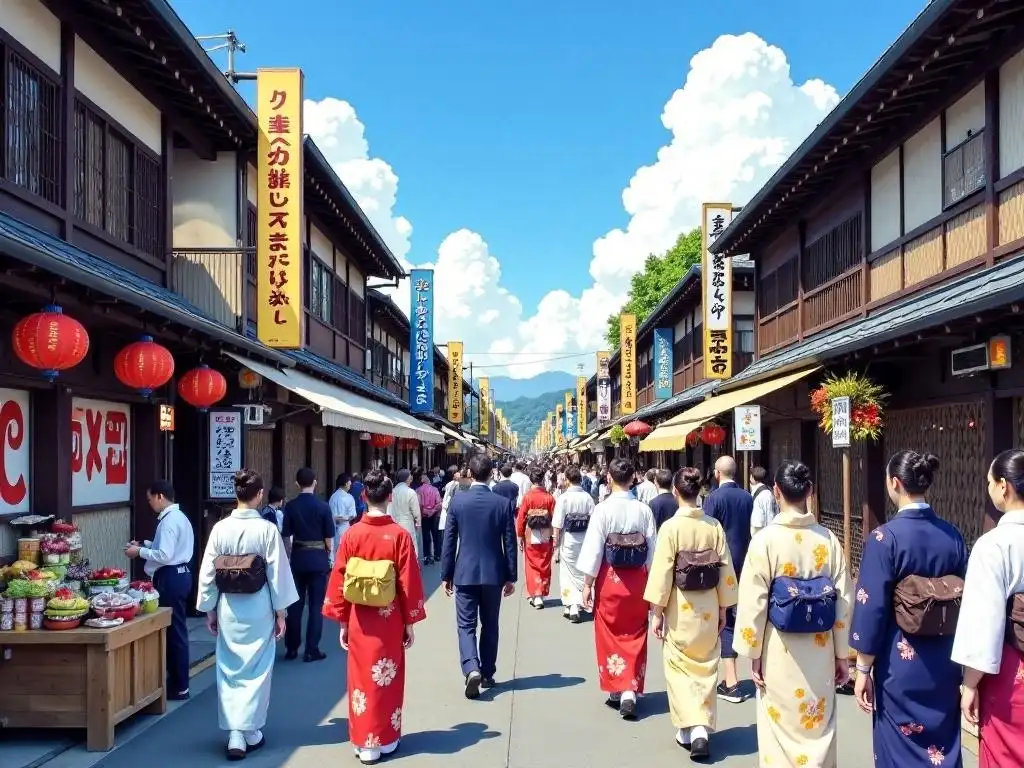
Trade played a pivotal role in shaping Japan’s global interactions during the feudal era, particularly as it began to engage with Western nations in the 16th century. This period marked the onset of significant economic, cultural, and diplomatic exchanges that would eventually influence Japan's trajectory towards modernization. The feudal system, characterized by a hierarchy of lords and vassals, created an environment where trade could flourish, especially in coastal regions where foreign merchants established contact.
The introduction of Western trade practices and goods spurred economic growth and brought about changes in Japanese society. Despite the initial skepticism towards foreign influence, the demand for Japanese goods abroad encouraged local craftsmen and merchants to innovate and adapt. The feudal lords, or daimyo, recognized the potential benefits of engaging in trade, leading to a gradual acceptance of foreign interactions.
Key Trade Routes During the Feudal Era
The development of trade routes was essential in facilitating Japan's interactions with the West. Key maritime routes connected Japan to various regions, enabling the exchange of goods and ideas.
- The Nanban Trade Route:
- The term "Nanban" translates to "Southern Barbarian," referring to the Portuguese and Spanish merchants who arrived in Japan.
- The Nanban trade route primarily operated through ports like Nagasaki, which became a hub for foreign commerce.
- This route enabled not only the exchange of goods but also the introduction of Western culture and religion, particularly Christianity.
- The Silk Road:
- Although primarily associated with land trade, the Silk Road influenced maritime routes connecting Japan to mainland Asia and beyond.
- Goods like silk and spices traveled through this vast network, reaching Japan via intermediaries in China and Southeast Asia.
- The Japan-Korea Route:
- This route facilitated trade with Korea, allowing for the exchange of agricultural products and cultural influences.
- It also acted as a conduit for the introduction of Chinese goods and ideas, further enriching Japanese culture.
Commodities Exchanged Between Japan and the West
The feudal era witnessed a dynamic exchange of commodities that significantly impacted Japan's economy and culture. The interactions with Western nations introduced new products and technologies, while Japan exported its unique goods, creating a mutually beneficial trade relationship.
- Silk:
- Japan exported high-quality silk, which was highly sought after in European markets.
- The craft of silk weaving flourished, with artisans producing intricate designs that appealed to Western tastes.
- Spices:
- Spices such as pepper and cinnamon were traded, contributing to Japan's culinary evolution.
- These spices were often used in traditional Japanese dishes, enhancing flavors and introducing new culinary practices.
- Ceramics:
- Japanese ceramics gained international acclaim for their beauty and craftsmanship.
- The export of porcelain and pottery not only brought wealth to Japan but also led to cultural exchanges, as Western nations began to appreciate and adopt Japanese aesthetics.
Silk, Spices, and Ceramics: A Cultural Exchange
The trade of silk, spices, and ceramics was not merely an exchange of goods; it also facilitated a broader cultural exchange between Japan and the West. This interaction led to several significant developments:
- Artistic Influence:
- The introduction of Western painting techniques and styles began to influence Japanese artists, resulting in unique hybrid art forms.
- Conversely, Japanese motifs and techniques began to permeate Western art, particularly during the Japonisme movement in the 19th century.
- Religious Syncretism:
- The arrival of Christian missionaries brought new religious ideas that mingled with existing Japanese beliefs.
- This exchange led to a complex relationship between Christianity and Shinto/Buddhism, ultimately affecting Japan's spiritual landscape.
- Technological Advances:
- Western technologies, particularly in shipbuilding and military equipment, were adopted by Japanese craftsmen, enhancing Japan's naval capabilities.
- This assimilation of technology laid the groundwork for Japan's later modernization during the Meiji Restoration.
Japan's feudal era global interactions through trade were instrumental in shaping its socio-economic and cultural landscape, establishing a foundation for future engagement with the international community.
Political Dynamics and Western Engagement

The Response of Japanese Feudal Lords to Western Powers
During the feudal era in Japan, the response of feudal lords, known as daimyōs, to Western powers was complex and varied significantly across regions and periods. Initially, many daimyōs were curious about Western technologies and trade opportunities. The arrival of Portuguese traders in the 16th century marked the beginning of Japan's engagement with the West. Some daimyōs, particularly those in Kyushu, welcomed these interactions, seeing the potential benefits of firearms and new agricultural techniques.
However, as Western powers grew more assertive in their demands for trade and influence, the responses became increasingly cautious. By the early 17th century, the spread of Christianity, introduced by European missionaries, raised concerns among the ruling classes about foreign influence undermining their authority. Consequently, many daimyōs supported the Tokugawa Shogunate's isolationist policies to curb Western encroachment.
Despite this, certain daimyōs continued to engage with Western powers covertly. For instance, the daimyō of Satsuma maintained trade relations with the British, recognizing the advantage of Western technologies for military and economic strength. This duality in responses—both resistance and engagement—highlights the dynamic political landscape of Japan during its feudal era.
The Role of the Tokugawa Shogunate in Foreign Relations
The Tokugawa Shogunate, established in 1603, played a pivotal role in shaping Japan's foreign relations during the feudal era. Under Tokugawa Ieyasu and his successors, Japan adopted a policy of sakoku (closed country), which severely limited foreign influence and trade. This isolationist stance was primarily driven by the desire to maintain stability and control over the feudal system, as well as to prevent the spread of Christianity.
The shogunate's foreign policy was characterized by three main strategies:
- Selective Trade: Japan maintained limited trade with specific countries, notably the Dutch and the Chinese, while forbidding contact with most others.
- Strict Regulations: Foreigners were closely monitored, and Japanese citizens who attempted to leave the country faced severe penalties, including death.
- Diplomatic Maneuvering: The shogunate engaged in diplomacy to manage relationships with Western powers, balancing trade advantages against the risks of foreign influence.
Through these strategies, the Tokugawa Shogunate aimed to protect Japan's sovereignty while navigating the complexities of international relations during a period of rising Western imperialism.
Isolationist Policies and Their Impact on Global Interactions
The isolationist policies of the Tokugawa Shogunate had profound implications for Japan's global interactions during the feudal era. By restricting foreign trade and contact, Japan effectively created a cultural bubble, preserving its traditions and societal structures but at the cost of technological stagnation and reduced economic opportunities.
- Cultural Preservation: The policies allowed Japan to develop a unique cultural identity, largely insulated from Western influences. Traditional arts, literature, and social customs flourished during this time.
- Technological Lag: While the West advanced rapidly in terms of technology and industrialization, Japan's isolation led to a significant lag in adopting new methods and innovations. This would later have consequences as Western powers sought to expand their influence in Asia.
- Limited Knowledge of the World: The isolationist stance resulted in a lack of awareness regarding global events, making Japan vulnerable to external pressures when it eventually opened up in the mid-19th century.
The isolationist policies, while effective in maintaining internal stability, ultimately limited Japan's engagement with the rapidly changing global landscape, setting the stage for a dramatic transformation in the later years of the feudal era.
The Opening of Japan: Commodore Perry's Expedition
The arrival of Commodore Matthew Perry in 1853 marked a pivotal moment in Japan's feudal history. Tasked by the United States government to establish diplomatic relations with Japan, Perry's expedition signified the end of Japan's isolationist policies. His approach involved a combination of diplomacy and the show of military might, exemplified by the presence of his "Black Ships."
- The Ultimatum: Perry presented the Tokugawa Shogunate with a letter from President Millard Fillmore, demanding the opening of Japanese ports to American ships. This demand was accompanied by the threat of force, highlighting the shifting power dynamics of the time.
- Treaty of Kanagawa: The pressure exerted by Perry ultimately led to the signing of the Treaty of Kanagawa in 1854, which opened two ports to American vessels and established a U.S. consulate in Japan. This treaty marked the beginning of Japan's re-engagement with the global community.
- Consequences for Feudal Japan: The opening of Japan triggered a series of events that dismantled the feudal system. The influx of Western ideas, technology, and trade led to significant societal changes, ultimately culminating in the Meiji Restoration of 1868, which transitioned Japan from a feudal society to a modern state.
Commodore Perry's expedition was not only a catalyst for Japan's opening but also a reflection of the broader shifts in global interactions during the feudal era, highlighting the tensions between isolationist policies and the pressures of Western imperialism.
Cultural Exchanges During Japan’s Feudal Era
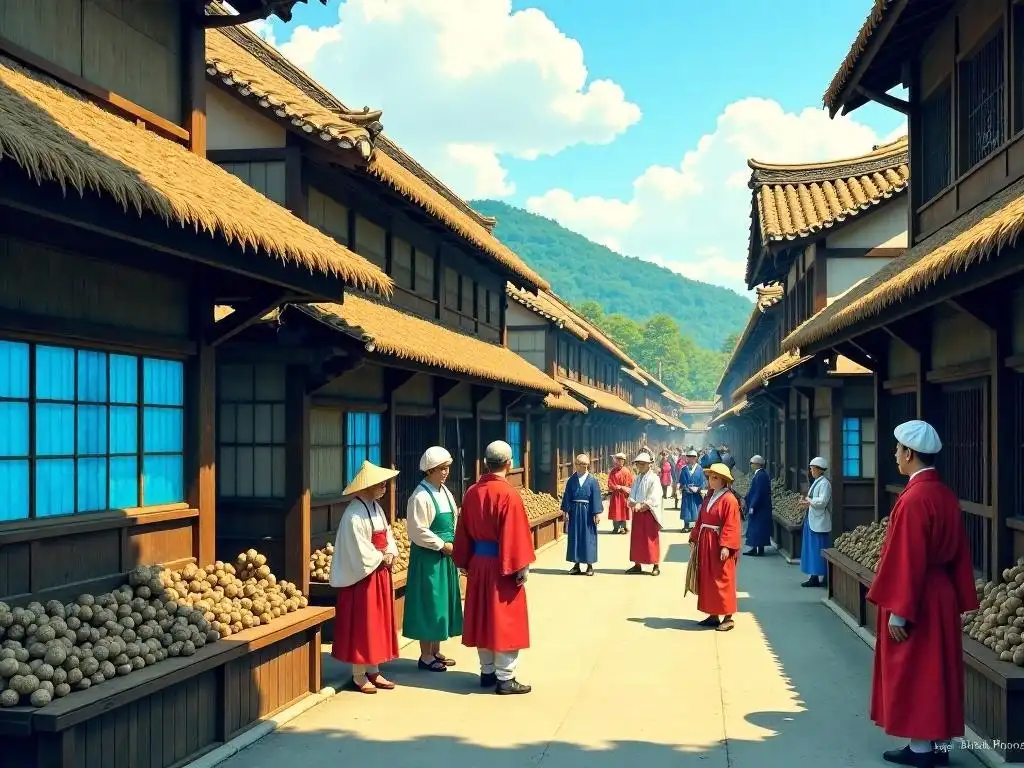
The Influence of Western Art and Literature
During Japan's feudal era, particularly from the late 16th century onwards, the island nation experienced significant cultural exchanges with Western countries. The arrival of Portuguese traders and Jesuit missionaries marked the beginning of these interactions, which would ultimately influence various aspects of Japanese art and literature.
Key Influences:
- Oil Painting Techniques: Western art introduced new techniques, such as oil painting, which were previously unknown in Japan. This led to the creation of unique hybrid styles, incorporating Western perspectives and methods with traditional Japanese aesthetics.
- Literary Works: The introduction of Western literature, particularly through translated works, provided new narratives and themes that began to permeate Japanese storytelling. Notably, genres such as the novel saw influences from European literary forms, shaping the development of Japanese literature.
The fusion of Western and Japanese artistic traditions created a unique cultural tapestry that enriched the feudal society.
This period also saw the emergence of Ukiyo-e, a genre of woodblock prints that, while rooted in Japanese traditions, began to incorporate Western themes and techniques, showcasing the growing influence of global interactions.
Japanese Cultural Artifacts in the Global Context
Japanese cultural artifacts from the feudal era, such as ceramics, textiles, and samurai swords, have gained recognition on the global stage, highlighting Japan's craftsmanship and aesthetic sensibilities. These artifacts not only reflect Japan's cultural identity but also illustrate the country's interactions with the wider world.
Significant Artifacts:
- Imari Porcelain: Originating from the Arita region, Imari porcelain became highly sought after in Europe during the 17th century. Its intricate designs and vibrant colors encapsulated the exotic allure of Japan, leading to a flourishing export market.
- Kimonos: The traditional kimono, often adorned with complex patterns and vibrant dyes, caught the attention of Western fashion designers. This resulted in adaptations of Japanese fabric techniques in Western clothing, showcasing a blend of cultural sensibilities.
- Katana Swords: Renowned for their craftsmanship, katana swords became symbolic of the samurai class. Their intricate designs and functionality have influenced martial arts and weapon design across the globe.
The Adaptation of Western Styles in Traditional Japanese Art
The adaptation of Western styles in traditional Japanese art represents a fascinating aspect of Japan's feudal era global interactions. As Western influences permeated Japanese culture, artists began to experiment with new forms while maintaining the essence of traditional art.
Examples of Adaptation:
- Shin-hanga Movement: This movement, which emerged in the late 19th century, combined traditional Ukiyo-e techniques with Western-style perspectives and shadowing. Artists such as Yoshida Hiroshi exemplified this blend, creating works that appealed to both domestic and international audiences.
- Architecture: The introduction of Western architectural styles led to the adaptation of Japanese structures, incorporating elements such as brick and stone into traditional wooden buildings. This fusion is evident in structures like the Tokyo Station, which features a blend of Western and Japanese design principles.
This ongoing adaptation underscores Japan's ability to assimilate and reinterpret foreign influences, ultimately enriching its own cultural heritage while participating in a broader global narrative.
Conclusion: The Legacy of Japan's Feudal Era Global Interactions
The legacy of Japan's feudal era global interactions is profound and multifaceted, influencing not only the country's historical trajectory but also its modern identity. During the feudal period, Japan was characterized by a distinct isolationist policy, which limited foreign engagement. However, select interactions with Western powers, particularly during the late feudal period, paved the way for significant transformations in Japanese society, culture, and governance.
One of the most notable events was the arrival of Commodore Matthew Perry in 1853, which effectively ended over two centuries of isolation. This marked the beginning of Japan's engagement with the world, leading to the Meiji Restoration and the subsequent modernization of the nation. The interactions during the feudal era, particularly with the Portuguese and Dutch, laid the groundwork for Japan's later adaptation of Western technologies and ideas.
Reflection on How Historical Interactions Shaped Modern Japan
The interactions that Japan had with Western nations during its feudal era were pivotal in shaping its modern landscape. The influence of foreign trade, technology, and cultural exchanges can be traced back to this period. For instance, the introduction of firearms by the Portuguese in the 16th century revolutionized Japanese warfare, altering the dynamics of power among the warring states.
Moreover, these early contacts helped cultivate a curiosity about Western science and philosophy, which became crucial during the Meiji period. The adoption of Western education systems, industrial practices, and governmental reforms were largely inspired by the need to compete with Western powers. This blend of traditional Japanese values with new Western methodologies formed a unique identity for Japan that persists today.
The legacy of feudal interactions is also evident in Japan’s diplomatic strategies. The initial reluctance to engage with the West transformed into a nuanced approach of balancing tradition and modernity, a concept that continues to resonate in Japan’s foreign relations today.
The Continuing Influence of Feudal Relations in Contemporary Global Context
Even in contemporary times, the influence of Japan's feudal relations can be seen in its global interactions. The principles of honor, loyalty, and community that were emphasized during the feudal era continue to shape Japan’s corporate culture and international diplomacy. For instance, the concept of "wa" (harmony) remains a cornerstone in Japan's negotiation styles, promoting consensus and collaboration.
Furthermore, Japan's unique cultural exports, including traditional arts like tea ceremonies and martial arts, reflect the feudal era’s rich heritage. These cultural elements play a significant role in Japan's soft power, enhancing its global image and fostering international goodwill.
The interactions during Japan's feudal era were not merely historical footnotes but significant events that influenced the nation's development and its ongoing global interactions. Understanding this legacy provides insight into Japan's current standing on the world stage and its evolving role in global affairs. The interplay between tradition and modernity that was established in the feudal era remains a defining characteristic of Japan today, proving that history continues to inform the present and shape the future.
Frequently Asked Questions
What was the significance of Japan's feudal era in terms of global interactions?
During the feudal era, Japan engaged with various global powers, which influenced its politics, trade, and cultural exchanges. These interactions laid the groundwork for Japan's modernization in the later periods.
How did the feudal system affect Japan's relations with Western countries?
The feudal system created a decentralized approach to governance, which made it challenging for Japan to establish unified foreign policies. This led to varied interactions with Western countries, often shaped by local lords' interests.
What role did trade play in Japan's global interactions during the feudal era?
Trade was a crucial aspect of Japan's global interactions, facilitating the exchange of goods, ideas, and technologies. This contributed to Japan's economic growth and cultural enrichment during its feudal period.
How did the arrival of Western missionaries impact Japanese society during the feudal era?
The arrival of Western missionaries introduced new religious ideas and education systems, which challenged traditional Japanese beliefs. Their influence sparked both cultural exchanges and conflicts within feudal society.
What were the implications of Japan's isolationist policies on its global interactions?
Japan's isolationist policies, particularly during the Edo period, limited its global interactions, causing a decline in foreign trade and cultural exchange. However, it also allowed for a unique development of Japanese culture until the opening of the country in the late 19th century.
Final Reflection: Understanding Japan's Feudal Era Through Global Interactions
Japan's feudal era was a time of profound transformation, marked by intricate interactions with the Western world that continue to resonate today. The historical context of Japan's participation in global events during this period not only shaped its national identity but also laid the groundwork for its modern diplomatic relations. As we navigate a world increasingly interconnected by globalization, the lessons learned from Japan's feudal interactions remind us of the importance of cultural exchange and mutual respect in fostering international relationships.
Cultural and social landscapes are often influenced by historical interactions, and Japan's feudal era serves as a poignant example of this dynamic. The way Japan engaged with Western powers during this time reflects a delicate balance of adaptation and resistance, which has left an indelible mark on its contemporary society. In the face of change, Japan's ability to blend tradition with innovation has been its greatest strength.
This ongoing influence encourages us to appreciate the complexities of cultural identity and the importance of understanding our historical narratives as we forge our paths in a globalized world.
As we reflect on the insights gained from Japan's feudal era and its global interactions, I invite you to consider how these lessons can be applied in your own life. How can you embrace the spirit of cultural exchange and understanding in your interactions with others? Let us strive to learn from the past, recognizing that our unique histories can enrich our present and guide us toward a more harmonious future. Together, we can cultivate a world where diverse perspectives are celebrated, fostering connections that transcend borders and time.
Embrace the Legacy: Take Action on Japan's Global Influence!
Thank you for diving into the fascinating world of Japan’s interactions with the West through a feudal lens! We appreciate your time and hope you found insights that illuminate the complexities of these historical connections.
Now, let’s transform that knowledge into action! Here’s how you can continue your journey:
- Explore deeper: Dive into more resources about feudal Japan by checking our suggested readings and historical analyses linked in this article.
- Share your thoughts: Discuss your insights with friends or online communities interested in history. Consider starting a conversation on social media with the hashtag #FeudalJapan.
- Engage with us: Join our newsletter for monthly updates on related topics, exclusive content, and community events that celebrate the rich history of Japan.
What aspect of Japan's feudal relations with the West do you find most intriguing, and how do you think these historical dynamics shape our understanding of modern diplomacy?