
Navigating Social Hierarchies: Education and Class in Feudal Japan

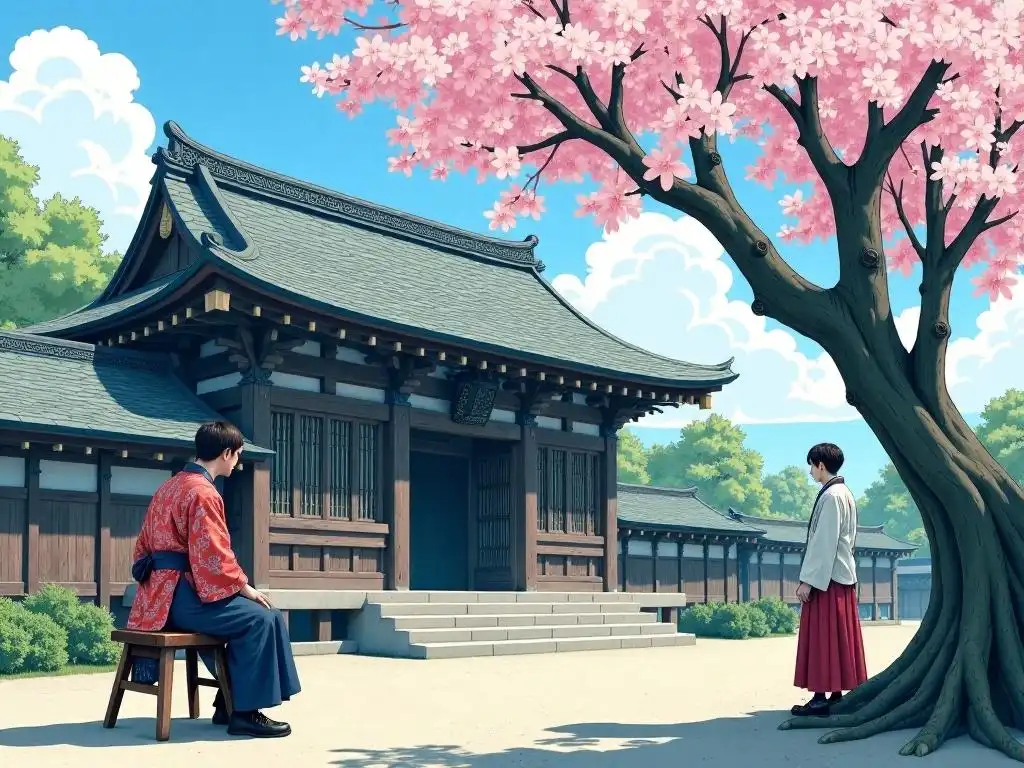
Welcome to Feudal Japan History, where we invite you to journey back in time to explore the intricate tapestry of Japan's feudal era. Delve into our latest article, "Navigating Social Hierarchies: Education and Class in Feudal Japan," and uncover the fascinating dynamics of societal structures that shaped the lives of countless individuals. How did education influence one's standing in a rigid class system?
What secrets lie within the annals of history that reveal the complexities of this era? Prepare to ignite your curiosity and deepen your understanding of a time rich with cultural significance and social stratification. Your exploration starts here!
Introduction to Feudal Japan Education and Class
The feudal era of Japan, spanning from the late 12th century to the mid-19th century, was characterized by a complex social hierarchy that significantly impacted various aspects of daily life, including education. Understanding the dynamics of education and class during this period reveals not only the societal structure but also the values and priorities that shaped the lives of individuals.
Education in feudal Japan was closely tied to one's social status, often determining access to knowledge and opportunities for advancement. This article delves into the intricate relationship between education and class in feudal Japan, examining how these elements influenced each other and the broader societal landscape.
Feudal Japan was organized into a rigid class structure that included several distinct social classes:
- Emperor: The figurehead of the nation, whose power was largely symbolic.
- Shogun: The military ruler, holding significant power and authority over the samurai class.
- Samurai: The warrior class, who were not only skilled in combat but also educated in governance and philosophy.
- Farmers: Considered the backbone of society, farmers were responsible for food production but had limited access to education.
- Artisans and Merchants: These classes had varying degrees of status and influence, often depending on their wealth and contributions to society.
Each class had its own role and responsibilities, shaping the educational opportunities available to its members. The samurai, for instance, valued education as a means to cultivate moral character and leadership skills, while lower classes were often focused on practical skills necessary for their trades.
Importance of Education in Feudal Society
Education in feudal Japan played a crucial role in maintaining the social order and perpetuating the values of the ruling classes. For the samurai, education was not merely about acquiring knowledge; it was a means of instilling virtues such as loyalty, honor, and duty. This emphasis on moral education helped to solidify their status within the hierarchical system.
Conversely, the lack of educational opportunities for the lower classes limited their ability to rise in social standing. It served to reinforce the existing social structure, ensuring that knowledge and power remained concentrated within the upper echelons of society. As a result, education became a tool of both empowerment and oppression, shaping the lives of individuals in profound ways.
The Role of Education in Feudal Japan
Education during the feudal era was multifaceted, encompassing various forms and methods depending on one's social class. While the samurai received a formal education, often involving classical texts and military strategy, the lower classes had access to different forms of learning that were more practical in nature.
Types of Education Available in Feudal Japan
The educational landscape of feudal Japan can be divided into several categories:
- Formal Education for Samurai:
- Confucianism: Emphasized moral education and governance.
- Martial Arts: Training in combat and strategy.
- Literature: Study of classical Japanese and Chinese texts.
- Practical Education for Farmers and Artisans:
- Apprenticeships: Hands-on training in trades.
- Oral Traditions: Knowledge passed down through generations.
- Religious Education:
- Buddhism and Shintoism: Spiritual teachings that influenced moral values and societal norms.
The distinction in educational opportunities highlights the inherent inequalities of the feudal system. Access to education was not merely about personal development; it was intrinsically linked to one's class, illustrating the broader themes of power and privilege that defined feudal Japan.
The interplay of education and class in feudal Japan reveals much about the society of the time, underscoring the importance of understanding these dynamics in the context of Japan's rich historical tapestry.
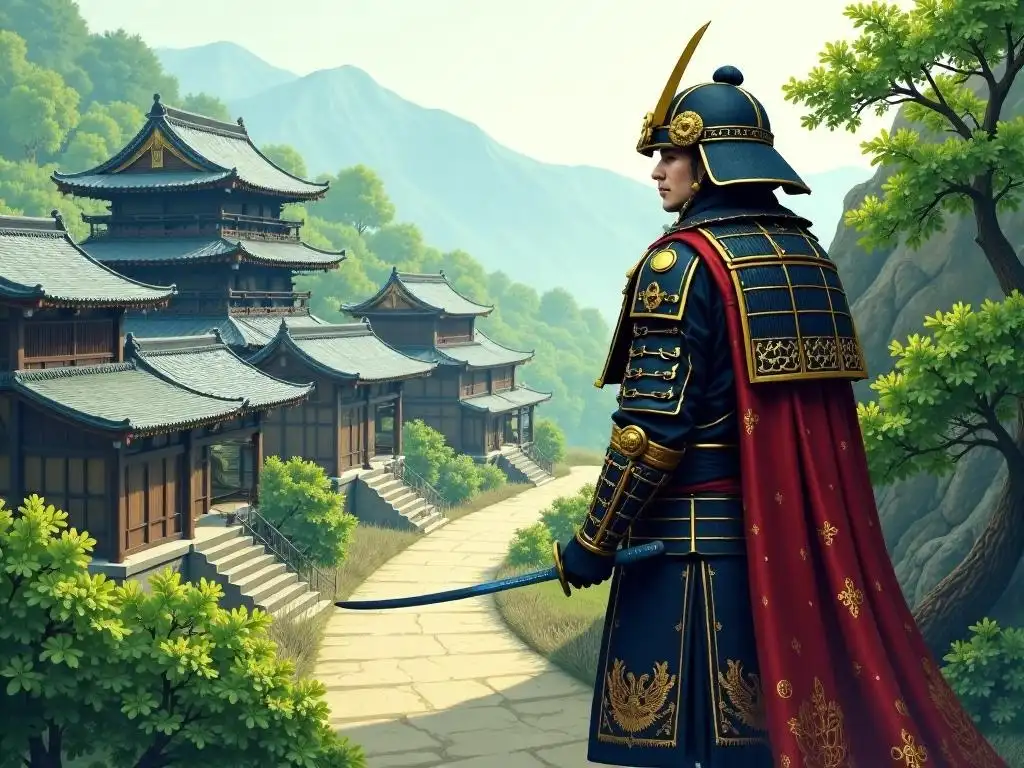
Feudal Japan was characterized by a strict social hierarchy that significantly influenced educational access and opportunities. The society was structured into distinct classes: the samurai, farmers, artisans, and merchants, each with varying degrees of access to education. This stratification was not just a matter of social status; it determined one's ability to learn, acquire skills, and ascend the social ladder.
Education in feudal Japan was primarily reserved for the upper classes, particularly the samurai, who were expected to cultivate both martial and intellectual skills. In contrast, the lower classes, especially farmers and laborers, faced substantial barriers to education. This disparity fostered a culture where knowledge and literacy became markers of privilege, further entrenching the existing social divisions.
The establishment of schools and educational institutions during this era reflected the needs and values of the ruling classes. While there were some efforts to extend education to the lower classes, these were often limited and focused on practical skills rather than broader intellectual development. As a result, the educational landscape of feudal Japan mirrored the rigid class system, with access to knowledge serving as a privilege of the elite.
The Samurai Class: Education Privileges and Responsibilities
The samurai class, occupying the top tier of feudal Japan's social hierarchy, enjoyed significant educational privileges that were intricately tied to their social responsibilities. Samurai were not only warriors but also scholars, and their education was designed to prepare them for both combat and governance. They were expected to be well-versed in various disciplines, including literature, philosophy, and martial arts.
Samurai education typically began at a young age, often under the tutelage of learned instructors or at specialized schools. The curriculum included Confucian texts, poetry, calligraphy, and martial training, reflecting the values of honor, discipline, and loyalty. The emphasis on intellectual pursuits was indicative of the samurai's dual role as both protector and scholar of the realm.
Moreover, education among the samurai was seen as a means of maintaining their status and influence within society. As they were entrusted with leadership roles, their education equipped them to make informed decisions and govern effectively. This connection between education and responsibility reinforced the notion that knowledge was essential for the maintenance of social order and the samurai's role within it.
The Farmer Class: Limited Access and Educational Barriers
In stark contrast to the samurai, the farmer class faced considerable limitations regarding educational access. Farmers, who comprised the backbone of feudal Japan's agrarian economy, were often preoccupied with labor-intensive work necessary for sustaining their families and communities. As a result, educational opportunities were scarce and primarily focused on practical skills related to agriculture.
Traditionally, education for farmers revolved around oral transmission of knowledge, focusing on farming techniques, seasonal cycles, and local customs. Formal education, if available, was minimal and often restricted to basic literacy, which was deemed sufficient for their roles in society. This limited exposure to a broader educational framework meant that farmers had little opportunity to rise beyond their social class, perpetuating a cycle of poverty and limited social mobility.
Despite these barriers, there were instances of farmers seeking knowledge through informal means, such as local festivals or interactions with traveling scholars. However, these opportunities were few and far between, and the overall education system in feudal Japan largely marginalized the farmer class, reinforcing their societal position.
The Merchant Class: Emerging Education Opportunities
The merchant class, traditionally viewed with disdain in feudal Japan, began to experience emerging educational opportunities in the later stages of the feudal era. As commerce grew and towns expanded, merchants recognized the importance of education for enhancing their business practices and gaining social standing. Unlike the farmers, merchants had the financial means to invest in their education and that of their children.
Some merchants established their own schools, where subjects like mathematics, writing, and commerce were taught. This shift marked a significant change in the perception of education within the merchant class, as they sought to equip themselves with the knowledge necessary to navigate the complexities of trade and finance. As a result, literacy rates began to rise among merchants, allowing them to engage more effectively in the economy.
Furthermore, the rise of the merchant class contributed to a gradual transformation in the social hierarchy of feudal Japan. With increased wealth and education, some merchants began to challenge the established norms, seeking greater recognition and influence. This evolution in educational access played a crucial role in reshaping societal dynamics, allowing for a more fluid interpretation of class boundaries.
Feudal Japan Education and Class: Comparative Analysis
The educational landscape in feudal Japan was marked by stark contrasts between the various social classes. This comparative analysis highlights the disparities in educational access and opportunities, shedding light on how these differences shaped the experiences of individuals within each class.
At the top of the hierarchy, the samurai enjoyed comprehensive education, encompassing both martial and scholarly pursuits. In comparison, the farmer class had limited access to formal education, often relegated to practical knowledge essential for agricultural life. Meanwhile, the merchant class began to carve out their educational opportunities, reflecting a shift in societal values and the increasing importance of commerce.
These differences were not merely academic; they had profound implications for social mobility and the potential for class transformation. While the samurai remained largely static in their positions, the merchant class's rise indicated a gradual erosion of the rigid class system. Education thus served as both a privilege and a catalyst for change, influencing the trajectory of individuals and the broader society.
Education in Urban vs. Rural Areas
The divide between urban and rural areas in feudal Japan further elucidated the inequalities in educational access. Urban centers, such as Edo (modern-day Tokyo), became hubs of learning and culture, where schools flourished and access to education expanded, particularly for the samurai and merchant classes. In these urban environments, a variety of subjects were taught, and cultural pursuits thrived, fostering a vibrant intellectual community.
Conversely, rural areas faced significant educational challenges. Access to formal schooling was limited, and educational opportunities often hinged on local traditions or the availability of itinerant teachers. The emphasis in these areas remained on practical knowledge, with little room for scholarly pursuits. This regional disparity resulted in a pronounced gap in literacy rates and educational attainment, reinforcing the social hierarchies already in place.
Over time, the growth of commerce in rural towns began to change the educational landscape. As merchants established themselves in these areas, they often sought to provide educational opportunities for their children, leading to a gradual improvement in literacy and access to knowledge. However, the overall divide between urban and rural education persisted, perpetuating inequalities within the feudal system.
Gender Differences in Education Access and Opportunities
Gender played a pivotal role in shaping educational access and opportunities in feudal Japan. While the samurai class prioritized education for their male heirs, girls were often excluded from formal learning, reflecting the patriarchal nature of society. The education that girls did receive was typically limited to domestic skills, such as sewing, cooking, and managing a household, rather than academic subjects.
In contrast, some noble families recognized the value of educated daughters, teaching them basic literacy and cultural arts to enhance their prospects in marriage. However, this was the exception rather than the norm, and most women remained largely uninformed and dependent on male relatives for education and knowledge.
Among the merchant and farmer classes, educational access for women was even more restricted. While some girls may have learned practical skills through apprenticeship or family involvement in trade, the overall opportunities for female education were gravely limited. This gender disparity in educational access not only affected women's personal development but also perpetuated their marginalized status within the social hierarchy.
The ongoing implications of these gendered educational barriers would resonate throughout Japanese history, contributing to broader societal attitudes toward women's roles and rights in the centuries to come.
The Impact of Confucianism on Education and Class Structure
Confucianism played a pivotal role in shaping the educational landscape and social hierarchies of feudal Japan. Imported from China, Confucian ideals emphasized moral integrity, societal roles, and the importance of education as a means to cultivate virtuous leaders and citizens. As these principles permeated Japanese culture, they significantly influenced both the structure of education and the class system, intertwining moral philosophy with societal expectations.
In feudal Japan, Confucianism not only provided a framework for education but also reinforced the existing class divisions. The emphasis on hierarchy and respect for authority resonated with the samurai class, who saw education as a means to elevate their status and fulfill their obligations to their lords and society. Consequently, Confucianism fortified the notion that education was not merely for personal enlightenment but a requisite for maintaining social order.
Confucian Ideals in Feudal Japan's Educational System
Confucian principles were integral to the educational system of feudal Japan, particularly during the Edo period (1603-1868). The establishment of terakoya, or temple schools, marked a significant development in education, where children from various classes, especially commoners, learned basic literacy and numeracy alongside Confucian texts. The curriculum was heavily influenced by Confucian ideals, focusing on moral education, filial piety, and civic responsibility.
The samurai class, on the other hand, had access to more formal education through han schools and daimyō academies, which emphasized not only Confucian studies but also military strategy and governance. This duality in educational opportunities reflected the class distinctions of the time, where the samurai were expected to be both educated and martial, embodying the Confucian ideal of the "gentleman-samurai."
The Influence of Confucianism on Social Hierarchies
Confucianism reinforced the rigid social hierarchies of feudal Japan, promoting a stratified society where each class had defined roles and responsibilities. The teachings highlighted the importance of loyalty and duty, particularly among the samurai who were expected to uphold their obligations to their lords. This emphasis on hierarchy meant that education became a tool for maintaining social order, as those in higher classes were afforded greater educational opportunities, while lower classes remained largely uneducated.
Moreover, Confucianism's focus on respect for elders and authority created a cultural environment where social mobility was limited. For instance, while a commoner could receive basic education, the chances of ascending to a higher social class were minimal. Such structures ensured that the samurai and nobility maintained their status, with education serving as both a privilege and a means of reinforcing social stratification.
The Evolution of Education and Class in Feudal Japan
The evolution of education in feudal Japan reflects broader societal changes, particularly as the country transitioned through various phases of governance and social order. From the rise of the samurai class to the establishment of a more centralized state under the Tokugawa shogunate, educational practices and class dynamics underwent significant transformations.
Changes in Educational Practices Over Time
During the early feudal period, educational opportunities were largely exclusive to the elite, particularly the samurai class. However, as the Edo period progressed, there was a gradual democratization of education. The establishment of terakoya schools allowed commoners to access basic education, leading to a more literate populace. This shift was influenced by Confucian ideals that promoted the idea that education was necessary for moral and civic duty, not just a privilege of the elite.
As the economy grew and urban centers developed, educational practices continued to evolve. The introduction of new subjects, including Western sciences and technologies by the late Edo period, began to challenge traditional Confucian curricula. This diversification reflected a broader societal shift towards modernization, which would ultimately influence class structures and mobility in the years to come.
The Decline of the Feudal System and Its Impact on Education
The decline of the feudal system in the late 19th century, particularly during the Meiji Restoration, brought about profound changes in education and class dynamics. The abolition of the samurai class and the move towards a more egalitarian society led to the establishment of a national education system that aimed to provide universal access to education for all citizens, regardless of class.
This transition marked a significant departure from the Confucian-based education that had prioritized moral and civic duties over individual achievement. The new educational framework focused on practical skills and knowledge, reflecting the needs of a rapidly modernizing Japan. As a result, the rigid class structures began to soften, allowing for increased social mobility and a more educated populace, ultimately laying the groundwork for Japan's transformation into a modern nation-state.
Case Studies on Education and Class in Feudal Japan

Feudal Japan's educational system was deeply intertwined with its rigid social hierarchy, which influenced who received an education and what form it took. The samurai class, as the ruling elite, had access to extensive educational resources. In contrast, the peasantry and lower classes often faced significant barriers to formal education. Below are a few illustrative case studies that highlight the complexities of education and class during this period.
- The Samurai Class: Samurai families prioritized education, often enrolling their sons in specialized schools. These institutions taught literature, philosophy, and martial arts, reflecting the dual responsibilities of samurai as warriors and scholars. For instance, the Hōjō clan, a prominent samurai family, established educational institutions that emphasized Confucian principles, which were crucial for governance.
- The Role of Zen Buddhism: Zen temples became centers of learning, especially for samurai and those of higher classes. The Daitoku-ji temple in Kyoto was particularly influential in teaching not only Zen practices but also arts like ink painting and tea ceremony, which were vital for samurai culture.
- The Merchant Class: As commerce flourished, the merchant class began to seek education to improve their business acumen. Schools like Kōdō, which emerged in merchant towns, offered practical subjects such as mathematics and literacy, allowing merchants to navigate the increasingly complex economic landscape of the Edo period.
These case studies illustrate the multifaceted nature of education in feudal Japan, where class distinctions significantly shaped educational access and content.
Notable Samurai Educators and Their Contributions
Several notable figures emerged from the samurai class, who not only contributed to military and political spheres but also made significant strides in education.
- Yamaga Sokō: A prominent samurai educator and Confucian scholar, Sokō emphasized the importance of moral education for samurai. He argued that a true warrior must possess not only martial skills but also ethical grounding. His teachings influenced many samurai families and laid the groundwork for samurai education in the Edo period.
- Miyamoto Musashi: While primarily known as a legendary swordsman, Musashi also penned "The Book of Five Rings," which delves into strategy and philosophy. His writings became essential reading for samurai, intertwining martial training with philosophical insights, thus enriching the educational landscape.
- Miyake Shōzō: An educator who focused on practical subjects, Miyake founded a school that taught both martial arts and skills necessary for governance. His approach highlighted the need for a well-rounded education, combining traditional samurai training with knowledge applicable to administration and economics.
These educators not only shaped the curriculum for samurai but also influenced the broader societal understanding of education's role in governance and personal development.
The Role of Temples and Shrines in Education
Temples and shrines served as vital educational institutions in feudal Japan, particularly in the context of spiritual and philosophical education.
- Buddhist Temples: Many Buddhist temples, such as Tōdaiji, functioned as schools, where monks taught various subjects, including Buddhist philosophy, literature, and art. The education provided in these temples often extended beyond religious teachings, encompassing broader cultural studies that were essential for the educated elite.
- Shinto Shrines: Shinto shrines, while primarily religious sites, also played a role in education, particularly in instilling cultural values and history. Festivals and rituals at these shrines were often accompanied by teachings about ancestral reverence and community responsibilities, reinforcing societal norms.
- Community Education: In rural areas, temples and shrines acted as community centers where villagers could gather for informal education. Monks and priests would often conduct literacy classes or teach traditional crafts, thus contributing to the overall educational landscape accessible to lower classes.
These religious institutions were pivotal in disseminating knowledge and reinforcing the cultural fabric of feudal Japan, shaping both personal and collective identities.
Conclusion: The Legacy of Feudal Japan Education and Class
The education system in feudal Japan left an indelible mark on the country's social structure, shaping class dynamics and access to knowledge. The legacy of this system can still be observed in various aspects of modern education and societal hierarchies.
Lasting Impacts on Modern Japanese Education
Modern Japanese education reflects the historical stratification established during the feudal era. The emphasis on discipline, respect for authority, and the value placed on education can be traced back to the samurai's educational practices.
- Educational Reforms: After the Meiji Restoration, Japanese education underwent significant reforms, but the foundation laid during the feudal period continued to influence curriculum design and pedagogical approaches.
- Cultural Values: The cultural values instilled during feudal Japan, such as loyalty, honor, and perseverance, continue to permeate contemporary educational practices, often manifesting in the collective ethos of Japanese society.
Reflections on Social Hierarchies in Contemporary Japan
While Japan has made considerable strides toward egalitarianism, remnants of the feudal class system persist.
- Educational Inequality: Access to quality education still varies significantly by socio-economic status, echoing historical disparities. Families with wealth can afford better educational opportunities, perpetuating cycles of privilege.
- Cultural Reflection: Social hierarchies remain evident in various facets of Japanese life, from corporate structures to social interactions. The enduring respect for authority and seniority within educational and professional settings can be traced back to the socio-political dynamics of feudal Japan.
The exploration of education and class in feudal Japan reveals a complex interplay that has shaped modern Japanese society in profound ways. Understanding this legacy is crucial for appreciating the nuances of Japan's educational landscape today.
References
Key Texts and Sources on Feudal Japan Education and Class
-
"The Making of Modern Japan" by John W. Dower
This comprehensive work provides insights into the evolution of Japanese society, including the educational frameworks that shaped class structures during the feudal era. Dower’s analysis extends from the feudal period to modern times, making it a vital resource for understanding the continuity and change in educational practices.
-
"Japan in the Muromachi Age" by John F. Richards
This text delves into the Muromachi period, highlighting how education was influenced by the samurai class and the rise of new cultural practices. Richards offers a detailed examination of how education was both a tool of power and a means of cultural transmission.
-
"Feudal Japan: The History and Legacy of the Samurai Era" by Charles River Editors
This book provides a concise overview of feudal Japan, including the role of education in maintaining social hierarchies. It discusses the impact of Confucian ideals on educational practices and the resulting class distinctions.
-
"The Samurai: A Military History" by Stephen Turnbull
Turnbull's work explores the samurai class's educational practices and values, illustrating how their training and philosophy influenced broader societal norms. This text is essential for understanding the intersection of martial education and social status.
-
"Education in Japan: A Comparative Perspective" by Christopher Bjork
While this book primarily focuses on contemporary Japan, it offers valuable historical context regarding the evolution of educational practices from the feudal era. Bjork’s comparative approach allows readers to understand how past educational systems laid the groundwork for modern education.
Suggested Further Reading on Social History of Feudal Japan
-
"The Culture of the Samurai: The History and Legacy of Japan's Feudal Warriors" by Charles River Editors
This book examines the cultural aspects of the samurai, including their educational pursuits and how these pursuits shaped social norms and class distinctions.
-
"The Confucian Tradition in Japanese Thought" by Thomas P. Kasulis
Kasulis explores the influences of Confucianism on Japanese education and social structure, providing insights into how these philosophies shaped class hierarchies and educational opportunities.
-
"Japanese Society: Tradition, Self, and the Social Order" by Joy Hendry
Hendry’s work offers a broader examination of Japanese society, including the feudal period, and discusses how education and class intersect within the context of social traditions.
-
"Samurai, Warfare and the State in Early Medieval Japan" by Karl F. Friday
This text discusses the role of the samurai in early medieval Japan, including their educational practices and how these influenced social status and class structures.
-
"The Last Samurai: The Life and Battles of Saigo Takamori" by Mark Ravina
While focused on a specific historical figure, this biography provides insights into the social and educational context of the samurai class during the late feudal era, offering a lens through which to view broader societal changes.
These texts collectively contribute to a deeper understanding of education and class dynamics in feudal Japan, illuminating the intricate relationships that defined this historical period.
- Introduction to Feudal Japan Education and Class
- Overview of Feudal Japan's Social Structure
- Importance of Education in Feudal Society
- The Role of Education in Feudal Japan
- Social Class and Educational Access in Feudal Japan
- Feudal Japan Education and Class: Comparative Analysis
- The Impact of Confucianism on Education and Class Structure
- The Evolution of Education and Class in Feudal Japan
- Case Studies on Education and Class in Feudal Japan
- Conclusion: The Legacy of Feudal Japan Education and Class
- References
- What was the role of education in Feudal Japan?
- How did class structure impact access to education in Feudal Japan?
- Were there any educational institutions in Feudal Japan?
- How did Confucianism influence education in Feudal Japan?
- What changes occurred in education during the later years of Feudal Japan?
Frequently Asked Questions
What was the role of education in Feudal Japan?
Education in Feudal Japan was primarily reserved for the samurai class, focusing on military training, philosophy, and the arts. Commoners had limited access to education, which often revolved around practical skills for their trades.
How did class structure impact access to education in Feudal Japan?
The class structure in Feudal Japan greatly influenced educational opportunities. Samurai had access to formal education, while peasants and artisans received little to no education, leading to a vast disparity in knowledge and skills.
Were there any educational institutions in Feudal Japan?
Yes, during Feudal Japan, there were temple schools and private academies, primarily for the upper classes. These institutions focused on Confucian studies and literature, reflecting the values of the ruling elite.
How did Confucianism influence education in Feudal Japan?
Confucianism played a significant role in shaping the educational system of Feudal Japan, emphasizing moral integrity, social harmony, and the importance of education for the ruling class to maintain order and governance.
What changes occurred in education during the later years of Feudal Japan?
In the later years of Feudal Japan, especially during the Edo period, there was a gradual increase in educational access for commoners, leading to the establishment of terakoya (temple schools), which provided basic education to children of all classes.
Final Reflection: Understanding the Legacy of Education and Class in Feudal Japan
The intricate relationship between education and class in Feudal Japan remains profoundly relevant today, as it sheds light on the enduring impact of social hierarchies in shaping individual opportunities and societal structures. In a world where access to education continues to be a pivotal factor in determining social mobility, the lessons from Feudal Japan remind us that the barriers created by class distinctions can have lasting effects on generations. The historical context of this era serves as a mirror reflecting our current struggles with inequality and the pursuit of equitable education for all.
The legacy of Feudal Japan's educational system and class structure continues to influence our cultural and social landscape, highlighting the importance of understanding history to navigate present challenges. As we examine the rigid class divisions of the past, we can draw parallels to contemporary issues of privilege and access. Those who do not learn history are doomed to repeat it.
This quote resonates deeply as we consider how the lessons from Feudal Japan can inform our approach to education and class disparities today, urging us to create a more inclusive society.
As we reflect on the insights gained from exploring education and class in Feudal Japan, I invite you to consider your own role in addressing these issues in the modern world. How can you contribute to breaking down barriers and fostering a more equitable educational environment? By engaging with the lessons of the past, we can inspire change and work towards a future where education is a bridge rather than a barrier, empowering individuals from all walks of life to thrive and succeed.
Unveil the Stories of Feudal Japan: Take Action Today!
Thank you for diving deep into the intricate world of education and class in Feudal Japan! Your curiosity sheds light on the complex social structures that shaped this fascinating era. Now, let’s transform that knowledge into meaningful action!
Here are some steps you can take to connect further with this rich history:
- Visit a local museum or library to discover artifacts and literature related to Feudal Japan— you might uncover something unexpected!
- Share your newfound insights with friends or family by discussing how education and class have influenced contemporary society— initiate an engaging conversation!
- Join an online community or forum dedicated to Japanese history to connect with fellow enthusiasts and share your perspectives— interact with others who are passionate about this topic!
Which aspect of Feudal Japan do you think has the most significant influence on our current understanding of social hierarchies?