
The Role of Festivals and Rituals in Tokugawa Political Life

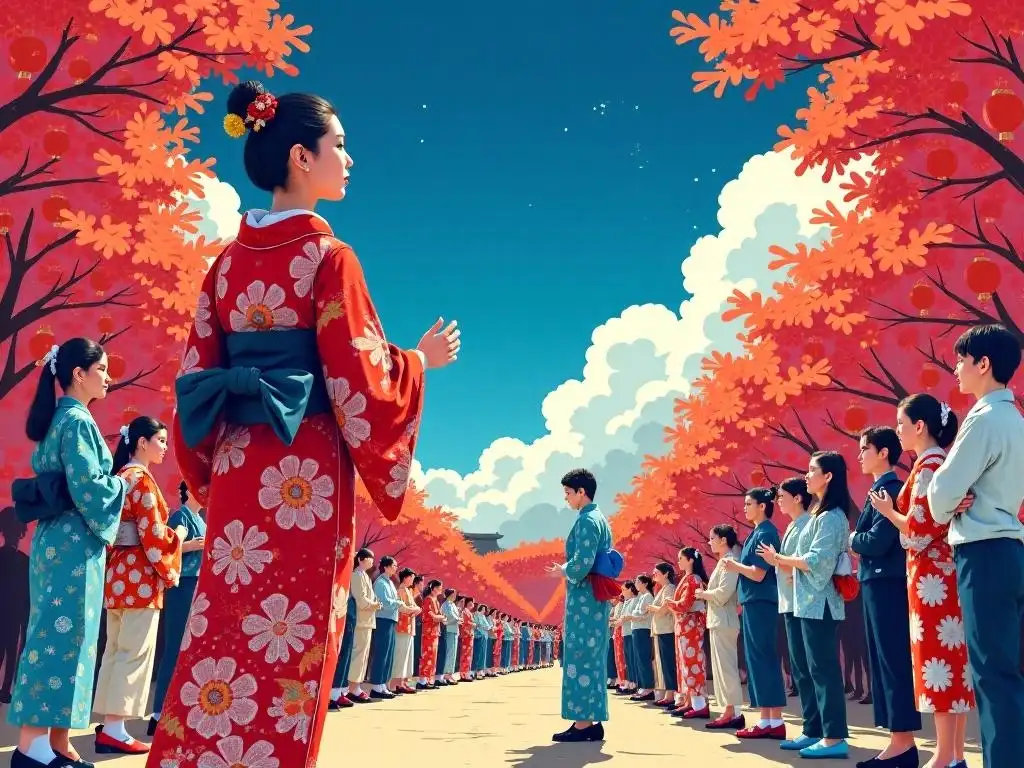
Welcome to Feudal Japan History, where we invite you to journey through the intricate tapestry of Japan's feudal era. Here, you will uncover the profound significance of Tokugawa festivals and rituals, which not only shaped cultural identity but also influenced political dynamics during one of Japan's most pivotal periods. What role did these vibrant celebrations play in the governance and societal structure of the Tokugawa shogunate?
Dive into our latest article, The Role of Festivals and Rituals in Tokugawa Political Life, and discover the answers that lie within this fascinating intersection of culture and power. Your exploration of Japan's rich history begins now!
Introduction to Tokugawa Festivals and Rituals
The Tokugawa Shogunate, which ruled Japan from 1603 to 1868, epitomizes a unique blend of political authority and cultural richness. Central to this era were the festivals and rituals that not only celebrated the Japanese heritage but also solidified the power dynamics within the feudal system.
These events served as a crucial avenue for the Tokugawa leaders to reinforce their political legitimacy, foster loyalty among the samurai class, and maintain social order. Through a comprehensive exploration of Tokugawa festivals and rituals, we can gain insights into how cultural practices intertwined with political life, reflecting the values and beliefs that shaped feudal Japan.
Overview of the Tokugawa Shogunate
The Tokugawa Shogunate, established by Tokugawa Ieyasu after his victory at the Battle of Sekigahara, marked the beginning of a centralized feudal government that maintained relative peace and stability, known as the Edo period. This era was characterized by a strict social hierarchy, isolationist foreign policies, and a flourishing of arts and culture. The shogun's authority was upheld by the daimyos (feudal lords), who governed their own domains while paying allegiance to the shogun. Festivals during this time often reflected the political alliances and the elaborate social structures that defined Tokugawa Japan.
Importance of Festivals and Rituals in Feudal Japan
Festivals and rituals held a multifaceted significance in feudal Japan. They were not merely celebrations but were deeply embedded in the socio-political fabric of the time. Key functions included:
- Reinforcing Social Hierarchies: Festivals often showcased the power of the ruling class, allowing daimyos to display their wealth and status.
- Fostering Community Bonds: Local festivals strengthened community ties and promoted loyalty to the local lord and the shogunate.
- Legitimizing Power: Rituals associated with Shinto and Buddhist practices were used to legitimize the authority of the shogunate, often invoking divine favor.
Through these gatherings, the Tokugawa regime was able to cultivate a sense of unity and loyalty among its subjects, which was vital for maintaining control over a diverse and complex society.
Historical Context of Tokugawa Festivals
To fully understand the role of festivals and rituals during the Tokugawa era, it is important to delve into their historical context.
Origins of Festivals in Japanese Culture
The roots of Japanese festivals can be traced back to ancient agricultural practices and Shinto beliefs, where rituals were performed to ensure bountiful harvests and appease deities. These early festivals laid the groundwork for more structured celebrations that would develop over centuries. By the time of the Tokugawa Shogunate, festivals had evolved to incorporate aspects of Buddhist traditions, samurai valor, and local customs, making them a rich tapestry of cultural expression.
Evolution of Rituals during the Tokugawa Era
During the Tokugawa period, rituals became more formalized and integrated into the political landscape. The shogunate utilized these rituals not only for public display but also as instruments of governance. Noteworthy developments included:
- Formalized Ceremonies: Events such as the Gion Matsuri and the Jidai Matsuri became pivotal in showcasing the shogunate's power and cultural supremacy.
- Civic Participation: The inclusion of commoners in festivals marked a significant shift, allowing for a broader base of societal engagement while still reinforcing hierarchical structures.
By understanding these historical nuances, we can appreciate how Tokugawa festivals and rituals were crucial to the political life of the era, shaping the identities and allegiances of its people.
Types of Festivals in Tokugawa Political Life
The Tokugawa period, lasting from 1603 to 1868, was characterized by a complex tapestry of festivals that played a crucial role in the political landscape of Japan. These festivals were not merely cultural celebrations; they were intricately tied to the governance and political strategies of the Tokugawa Shogunate. Festivals can be categorized into two main types: major festivals that attracted national attention and local festivals that reflected regional traditions and concerns.
Each type served distinct purposes, from reinforcing the shogunate's power to fostering local identities. The major festivals often involved elaborate ceremonies that showcased the authority of the Tokugawa family, while local festivals allowed for community engagement and expression of loyalty to local daimyōs. This duality of festivals demonstrated how the Tokugawa shogunate utilized cultural practices to maintain control over both the national narrative and local sentiments.
Major Festivals Celebrated by the Tokugawa Shogunate
The Tokugawa Shogunate organized several major festivals that highlighted its political power and cultural legitimacy. Notable among these were the Gion Matsuri and Tenjin Matsuri, which were not only religious observances but also showcases of shogunal authority. These festivals typically involved processions, ritualistic offerings, and performances that sought to invoke the favor of deities, thereby legitimizing the shogunate’s rule through divine sanction.
Another significant event was the Shunki Reitaisai, held at the Ise Shrine, which drew thousands and served as a reaffirmation of the shogunate's commitment to Shinto traditions. The Hōnen Matsuri, celebrating agricultural prosperity, also had political undertones, as it emphasized the shogunate's role in ensuring the well-being of the populace. Such festivals were meticulously planned to project stability and to reinforce the loyalty of the samurai class and commoners alike, embedding the shogunate deeper into the social fabric of Japan.
Local vs. National Festivals: Impacts on Governance
The distinction between local and national festivals was significant in the Tokugawa political framework. National festivals, such as the Gion Matsuri, served the overarching narrative of the shogunate, uniting the populace under a common cultural identity. These events were often lavishly funded by the shogunate, emphasizing its power and the divine right to rule.
Conversely, local festivals were more grassroots-oriented, reflecting the unique customs and traditions of specific regions. These festivals allowed local daimyōs to engage with their subjects, fostering loyalty and regional pride. The Tokugawa shogunate recognized the importance of local festivals in maintaining order and allegiance; thus, they often permitted local leaders a degree of autonomy in organizing these events. This balance of power helped prevent any one daimyō from becoming too powerful while ensuring that the shogunate remained at the center of political life.
Rituals as Tools of Political Control
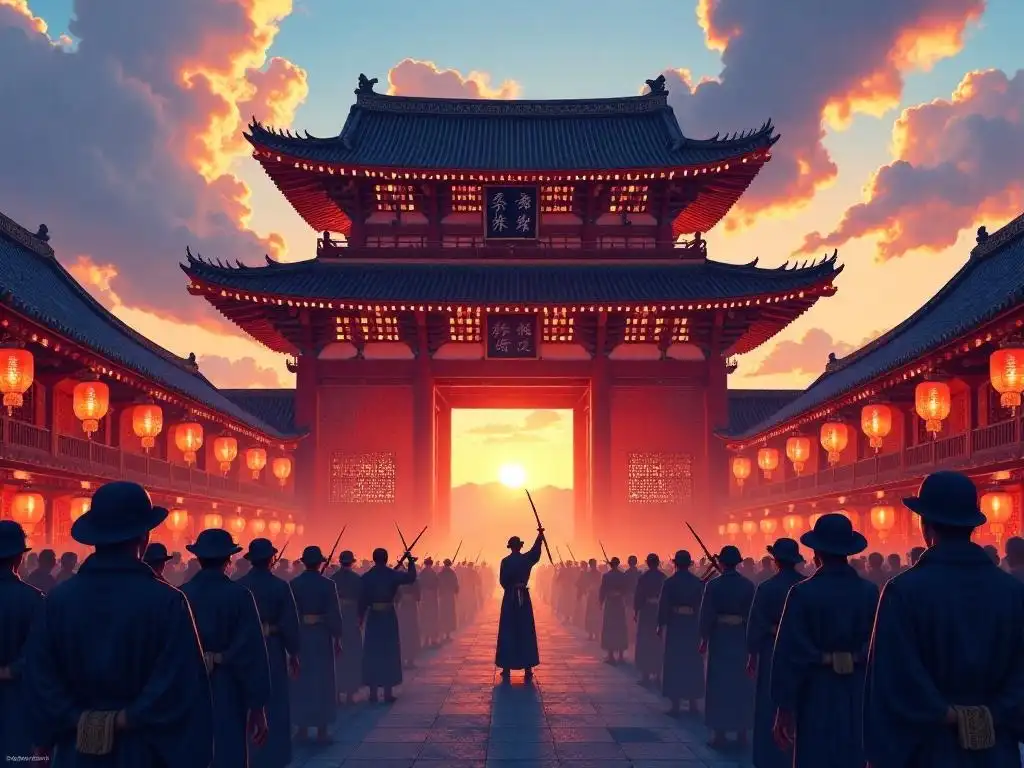
Rituals during the Tokugawa period were not simply ceremonial; they were instrumental in reinforcing the political hierarchy and the authority of the shogunate. Through carefully orchestrated rituals, the Tokugawa family maintained their image as the rightful rulers of Japan. These rituals served multiple functions, including the reinforcement of social norms, the consolidation of power, and the establishment of a collective identity among the populace.
Ceremonial Practices of the Tokugawa Shogunate
The ceremonial practices of the Tokugawa Shogunate were elaborate and steeped in tradition, often involving multi-layered rituals that underscored the shogunal authority. One of the most significant ceremonies was the daimyō procession, where feudal lords were required to travel to Edo (now Tokyo) periodically, showcasing their loyalty to the shogunate. This practice not only asserted the shogunate's dominance but also served as a means of surveillance over the daimyōs.
Additionally, seasonal rituals tied to agriculture were central to the shogunate's control over the economic aspects of society. Ceremonies like rice planting and harvest festivals were encouraged, celebrating the earth's bounty while simultaneously reinforcing the idea that the shogunate was responsible for the prosperity of the land. Such rituals cultivated a sense of dependency on the shogunate, intertwining governance with the cyclical rhythms of nature.
Festivals as Means of Social Cohesion and Loyalty
Festivals during the Tokugawa era were pivotal in fostering social cohesion and loyalty among the diverse population of Japan. These events provided opportunities for communal participation, allowing individuals from varying social classes to come together in celebration. This inclusivity helped to bridge the gaps between the samurai class, artisans, and farmers, creating a shared cultural experience that reinforced the social order.
Moreover, the participation in festivals was often seen as a demonstration of loyalty to both local and national authorities. The act of engaging in these communal rituals served as a reminder of societal roles and responsibilities, promoting stability within the hierarchy established by the shogunate. By embedding loyalty within the cultural practices of the time, the Tokugawa Shogunate effectively utilized festivals as a means of maintaining control and fostering a unified identity among the Japanese people.
The Tokugawa period, spanning from 1603 to 1868, was characterized by a rigid social hierarchy that significantly influenced cultural practices, particularly festivals and rituals. These events served not only as communal celebrations but also as reflections of the social structure, reinforcing the relationships between different classes of society. Festivals were intricately tied to local traditions and Shinto beliefs, often showcasing the power dynamics between the ruling class and the populace.
At the top of the social pyramid were the samurai, followed by farmers, artisans, and merchants. Each class had its own festivals and rituals, which were often related to seasonal changes, agricultural cycles, or religious observances. For instance, rice planting and harvest festivals were crucial for farmers, while merchants often organized events to celebrate prosperity and trade. The participation of various classes in these festivals underscored their roles within society and helped maintain social order.
Moreover, festivals were opportunities for the shogunate to promote loyalty and unity among the different classes. The Tokugawa government recognized the potential of festivals to serve as tools for social cohesion, thereby enhancing the legitimacy of their rule and fostering a shared cultural identity across Japan.
The Role of Samurai in Festival Celebrations
The samurai class played a pivotal role in the festivals and rituals during the Tokugawa era. As the ruling elite, samurai were not only expected to participate in these events but also to take on leadership roles. Their involvement often included organizing and sponsoring festivals, which were seen as a demonstration of their status and wealth. Celebrations such as the Gion Matsuri in Kyoto or the Sanja Matsuri in Edo (modern-day Tokyo) were heavily influenced by samurai patronage.
During these festivals, samurai would don elaborate ceremonial attire and participate in processions, showcasing their rank and martial prowess. This display was not merely for aesthetic purposes; it served as a reminder of their authority and social responsibility. The presence of samurai during festivals helped to instill a sense of order and discipline among the common people, reflecting the samurai's role as both warriors and protectors of the realm.
In addition, samurai involvement in festivals often included spiritual elements, where rituals would be performed to honor deities and ancestors. This connection to spirituality reinforced their commitment to the samurai code (bushido), emphasizing loyalty, honor, and duty. Through their participation, samurai not only solidified their own social standing but also reinforced the hierarchical structure of Tokugawa society.
Commoners and Their Participation in Festivals
Commoners in Tokugawa Japan were essential to the vibrancy and success of festivals, even though their roles were often overshadowed by the samurai. Festivals provided an opportunity for commoners to express their cultural identity and community spirit. Events such as the rice harvest festivals allowed farmers to celebrate their hard work and the fruits of their labor, creating a sense of unity among the local population.
Participation in festivals was often mandated by local authorities, making it a community obligation. Commoners would engage in various activities, including processions, dances, and rituals, showcasing their skills and traditions. The vibrant costumes, music, and dance performances contributed to a festive atmosphere that reinforced communal ties. These celebrations were also a chance for social interaction and networking among commoners, fostering a sense of belonging and shared purpose.
Moreover, while commoners had limited political power, their involvement in festivals could serve as an avenue for subtle expressions of dissent or social critique. The festivities often included elements of humor and satire, allowing commoners to voice their concerns indirectly. This interplay between celebration and social commentary highlighted the complexity of Tokugawa society, where even the most controlled environments could yield moments of resistance and creativity.
Women’s Roles in Tokugawa Rituals
Women held significant, yet often underrecognized, roles in the rituals and festivals of the Tokugawa period. While the samurai class dominated public life, women from various social strata contributed to the fabric of festival celebrations. For instance, in the context of agricultural festivals, women were typically responsible for preparing offerings and participating in rituals that honored deities, thereby playing a crucial role in the spiritual and cultural dimensions of these events.
In urban areas, women participated actively in the organization of festivals, particularly in the context of merchant families. They would engage in preparations, manage stalls, and contribute to the economic aspects of the celebrations. This involvement not only highlighted their importance in sustaining household economies but also showcased their skills and creativity in crafting goods for sale during festivals.
Moreover, traditional performances such as dances and theatrical productions often featured women prominently. These performances were not only entertainment but also a means of storytelling, conveying cultural narratives and values. Women's participation in these rituals served to reinforce their roles within the community while also challenging the gender norms of the time. Although constrained by societal expectations, women found ways to assert their agency through their contributions to Tokugawa festivals and rituals.
The Impact of Festivals and Rituals on Tokugawa Political Strategies
Festivals and rituals during the Tokugawa period were vital components of political strategy, serving multiple purposes in the maintenance of power and control. The shogunate recognized that these events could be harnessed to promote loyalty, reinforce social hierarchies, and create a cohesive national identity. By embedding political messaging within cultural traditions, the shogunate sought to legitimize its authority and strengthen its rule.
Festivals as a Means of Propaganda
The Tokugawa shogunate cleverly utilized festivals as platforms for propaganda. By sponsoring and endorsing major public celebrations, the government could shape public perception and emphasize the stability and prosperity of the regime. Festivals were often infused with themes that highlighted the shogunate's achievements, such as peace and economic growth, fostering a narrative of a harmonious society under their governance.
For example, the annual Edo Matsuri was not just a celebration of local culture but also a display of the shogunate's power. The elaborate processions, featuring samurai and local officials, reinforced the image of a well-ordered society where loyalty to the shogunate was paramount. Through the careful orchestration of these events, the shogunate was able to cultivate a sense of pride and allegiance among the populace, effectively using festivals to bolster its political agenda.
Additionally, the inclusion of rituals that honored the shogun and his family served to personalize the government, making the ruling authorities more relatable to the common people. This approach not only solidified social hierarchies but also created a psychological bond between the ruler and the ruled.
Role of Rituals in Strengthening the Shogunate's Authority
Rituals played a crucial role in reinforcing the authority of the Tokugawa shogunate. Ceremonial practices were integral to governance, often symbolizing the divine right of the shogun to rule. Rituals such as the "Shinto rites of enthronement" were significant in legitimizing the shogunate's power, as they were steeped in tradition and spirituality, which resonated with the populace's beliefs.
Moreover, the shogunate employed rituals to assert control over the samurai class, ensuring their loyalty through established practices. The enactment of rites that emphasized loyalty and obedience to the shogun helped to maintain a sense of order within the samurai ranks. These rituals were also instrumental in mediating conflicts and reinforcing alliances, as participating in shared ceremonies created bonds of loyalty that transcended individual rivalries.
The shogunate's strategic use of rituals extended beyond the samurai to include the commoners, thereby embedding a deep sense of political identity within the cultural fabric of society. By promoting rituals that celebrated communal harmony and collective identity, the shogunate was able to cultivate a loyal and compliant populace, ensuring the stability of its rule throughout the Tokugawa period.
Case Studies of Specific Festivals and Their Political Significance
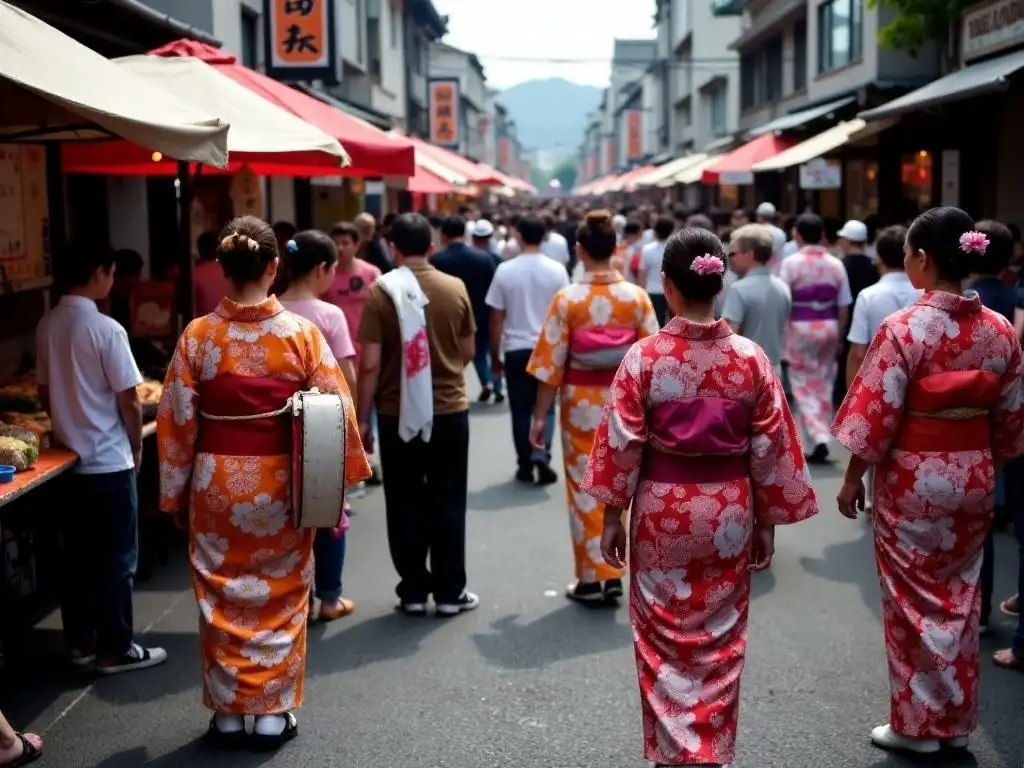
Festivals and rituals during the Tokugawa era were not merely cultural expressions; they were integral to the political fabric of the time. This section delves into specific case studies of notable festivals and their political implications, illustrating how these events served to reinforce authority, unify the populace, and reflect the shogunate's power dynamics.
Analysis of the Kan'ei-ji Temple Festival
The Kan'ei-ji Temple Festival, held annually in Edo, exemplified the intersection of religion and politics in Tokugawa Japan. Established in honor of the Kan'ei-ji Temple, which was associated with the Tokugawa shogunate, this festival played a crucial role in legitimizing the shogun's rule. The festival featured elaborate processions, rituals, and performances that highlighted the shogunate's divine right to govern.
During the Kan'ei-ji Temple Festival, the shogun's presence was a powerful statement of authority. The event attracted samurai, merchants, and commoners alike, fostering a sense of loyalty and community among the various classes. Rituals performed during the festival often included prayers for peace and prosperity, reinforcing the shogunate's commitment to the welfare of its subjects.
Moreover, the Kan'ei-ji Temple itself served as a spiritual bastion for the Tokugawa family, further intertwining the political and the sacred. By promoting such festivals, the Tokugawa leaders not only demonstrated their power but also sought to cultivate a shared cultural identity that transcended social divisions.
The Edo Castle Fireworks: A Symbol of Power
Edo Castle's fireworks displays were another significant aspect of Tokugawa political life, symbolizing the shogun's power and benevolence. These spectacular events were not only a form of entertainment but also a strategic political tool. The displays were often held to commemorate military victories, celebrate the shogun's birthday, or mark other significant occasions.
The fireworks served multiple purposes. First, they were an opportunity for the shogunate to showcase its wealth and resources, reinforcing the perception of the Tokugawa family as the rightful rulers of Japan. The grandeur of the displays instilled a sense of awe and loyalty among the populace.
Additionally, the fireworks were a means of fostering public morale. By inviting commoners to witness these displays, the shogunate encouraged a sense of unity and shared experience among the diverse social classes. This communal aspect was crucial, as it helped mitigate potential dissent and reinforced the shogunate's image as a benevolent authority.
The Decline of Festivals and Rituals in Late Tokugawa Period
The late Tokugawa period, marked by internal strife and external pressures, saw a significant decline in the prominence of festivals and rituals. As Japan faced modernization and social upheaval, the traditional celebrations that once played a vital role in political life began to wane.
Factors Leading to the Reduction of Festivals
Several factors contributed to the reduction of festivals during this tumultuous period. The increasing influence of Western ideas and technologies challenged the longstanding customs and practices of feudal Japan. As the country faced the threat of foreign powers, the need for modernization became paramount, often at the expense of traditional cultural expressions.
Moreover, the rise of social unrest and dissatisfaction with the Tokugawa regime led to a reevaluation of the significance of these festivals. As discontent brewed among the samurai and commoners alike, many viewed the extravagant celebrations as a disconnect from the realities of their struggles. The political landscape shifted, and festivals that once celebrated shogunal authority began to lose their relevance in the eyes of the populace.
Transformation of Rituals with Western Influence
The influence of Western culture also transformed traditional rituals during the late Tokugawa period. As Japan opened its doors to Western ideas, many festivals underwent significant changes to accommodate new cultural practices. This transformation often diluted the original political significance of these events, shifting their focus from reinforcing shogunal power to celebrating broader, more inclusive themes.
For instance, some traditional rituals were adapted to incorporate Western-style celebrations, which sometimes led to a loss of their original meanings. The integration of foreign customs created a complex cultural landscape where the former political significance of festivals was overshadowed by new expressions of identity and modernity.
The role of festivals and rituals in Tokugawa political life was pivotal, serving as tools for authority and community cohesion. However, as the era progressed, the decline of these traditions illustrated the profound changes occurring within Japanese society, reflecting the end of an epoch in feudal history.
Conclusion: Legacy of Tokugawa Festivals and Rituals in Japanese Political History
The Tokugawa Shogunate, which ruled Japan from 1603 to 1868, left an indelible mark on the political landscape of the nation, particularly through its festivals and rituals. These events were not merely celebratory or religious expressions; they served as vital instruments of governance, reinforcing the shogunate's authority and fostering loyalty among the populace. The intricately organized festivals, often tied to seasonal changes, agricultural cycles, and Shinto traditions, created a framework that allowed for the political and social order to be maintained with relative stability.
The legacy of Tokugawa festivals and rituals is evident in their sustained influence on contemporary Japanese culture. Many of these events have evolved but remain integral to local identities and national heritage, illustrating the continuity of traditions through the ages. The rituals associated with these festivals often emphasized themes of harmony and community, values that resonate deeply within modern Japanese society.
Lasting Effects on Modern Japanese Culture
In modern Japan, the influence of Tokugawa festivals and rituals manifests in various cultural practices. Many festivals, or matsuri, celebrated today, can trace their origins back to the Tokugawa era. For instance, the famous Gion Matsuri in Kyoto, which originally began as a purification ritual to appease the gods during a time of plague, embodies the traditional connection between spirituality and community that was emphasized during the Tokugawa period.
Moreover, the aesthetic elements and performance arts that are part of these festivals, such as Noh and Kabuki, have roots in the ritualistic practices of the Tokugawa Shogunate. These art forms reflect the complex interplay between political power and cultural expression, showcasing how rituals were used to convey societal values and ideals.
In contemporary society, festivals serve as a means of preserving heritage and fostering a sense of belonging. They create opportunities for community engagement, tourism, and cultural exchange, thus continuing the legacy of the Tokugawa period in shaping Japanese identity.
Reflections on the Role of Festivals in Society Today
Festivals today play a crucial role in the social fabric of Japan, acting as both a form of cultural expression and a means of community mobilization. They provide a platform for people to come together, reflect on shared histories, and celebrate their cultural identity. The essence of Tokugawa festivals, which emphasized communal harmony and the relationship between people and their environment, remains relevant as these values continue to resonate in modern society.
In addition, contemporary festivals often engage with themes of sustainability and social responsibility, echoing the Tokugawa emphasis on the harmony between nature and human activities. Many modern festivals incorporate eco-friendly practices and promote awareness of environmental issues, demonstrating a shift towards a more holistic understanding of community and culture.
Furthermore, the role of festivals in fostering political discourse should not be overlooked. They can serve as a space for the expression of social and political sentiments, allowing people to voice their concerns and aspirations. This reflects a continuity from the Tokugawa era, where festivals were not only a reflection of political power but also a means of negotiating social relationships.
The legacy of Tokugawa festivals and rituals is rich and multifaceted, continuing to influence modern Japanese culture and society. As they evolve, these practices provide insight into Japan's historical roots while addressing contemporary issues, demonstrating their enduring significance in the political and cultural landscape of Japan.
- Introduction to Tokugawa Festivals and Rituals
- Historical Context of Tokugawa Festivals
- Types of Festivals in Tokugawa Political Life
- Rituals as Tools of Political Control
- Festivals and Rituals in the Tokugawa Social Structure
- The Impact of Festivals and Rituals on Tokugawa Political Strategies
- Case Studies of Specific Festivals and Their Political Significance
- The Decline of Festivals and Rituals in Late Tokugawa Period
- Conclusion: Legacy of Tokugawa Festivals and Rituals in Japanese Political History
Frequently Asked Questions
What were the main festivals during the Tokugawa era?
The Tokugawa era featured numerous festivals such as the Gion Matsuri and Sanja Matsuri, which celebrated local deities and showcased the cultural richness of the period.
How did rituals influence Tokugawa politics?
Rituals played a crucial role in legitimizing power and maintaining the social order, as they often involved ceremonies that reinforced the authority of the shogunate and local lords.
What role did the samurai class play in festivals?
The samurai class often participated in festivals, serving as both protectors and organizers, which helped to strengthen their cultural identity and community ties.
How did the common people engage with these festivals?
Common people actively participated in festivals as a means of celebration and community bonding, showcasing their local traditions and enhancing their social cohesion.
Why are Tokugawa festivals important for understanding Japanese culture?
Tokugawa festivals are essential for understanding Japanese culture as they reflect the historical, social, and religious dynamics of the era, highlighting the interplay between politics and community life.
Final Reflection: The Enduring Legacy of Tokugawa Festivals and Rituals
The exploration of Tokugawa festivals and rituals reveals their profound significance in shaping political life during a transformative era in Japan. Today, as we navigate the complexities of our own societal structures, the lessons from the Tokugawa period remind us of the power of cultural practices in fostering unity and identity. The intricate interplay between politics and ritual during this time serves as a striking reminder that tradition can be a powerful tool for governance and social cohesion.
Cultural practices, such as festivals and rituals, continue to influence our social landscape, echoing the importance of shared experiences in building community and identity. The legacy of the Tokugawa era demonstrates how these events were not merely celebrations but strategic instruments that reinforced authority and social order. As historian John Dower aptly stated, The past is never dead. It's not even past.
This sentiment resonates today, as we see the revival of traditional practices in modern contexts, emphasizing their role in shaping contemporary political and social dynamics.
As we reflect on the lessons of Tokugawa festivals and rituals, I invite you to consider how you can incorporate the essence of these traditions into your own life. Think about the rituals that bind your community together and the festivals that celebrate your shared identity. Embrace the power of these practices to foster connection and understanding in an increasingly fragmented world. Let us honor the past while actively shaping our future through the vibrant tapestry of our cultural heritage.
Embrace the Spirit of Tokugawa: Join the Celebration!
Thank you for taking the time to explore the intricate tapestry of festivals and rituals in Tokugawa political life. Your interest in this vibrant aspect of history not only enriches your understanding but also fosters a deeper connection to our shared past. Now, let’s take exciting steps to dive even deeper into this fascinating world!
- Join a local or online festival that celebrates Japanese culture, immersing yourself in the energy and community reminiscent of the Tokugawa era.
- Share this article with friends or fellow history enthusiasts—initiate a conversation about how rituals shape our societies today and what valuable lessons we can glean from the past.
- Explore historical reenactments or exhibitions that focus on the Tokugawa period to experience these rituals and festivals in a lively and engaging way!
How do you think today's festivals could be transformed to reflect the lessons of the Tokugawa period? Let's discuss!