
The Legacy of Samurai Daily Life in Modern Japanese Culture

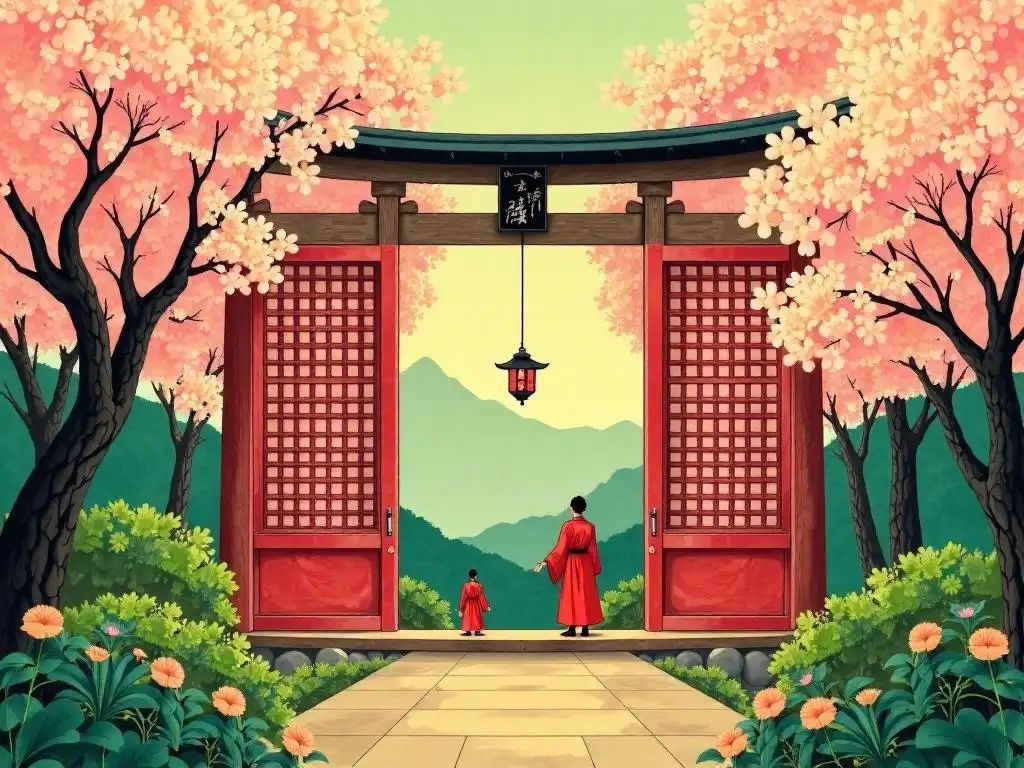
Welcome to Feudal Japan History, your gateway to the captivating world of Japan’s feudal era! Here, we delve deep into the intricate tapestry of historical, cultural, and societal influences that have shaped Japan into what it is today. Our featured article, "The Legacy of Samurai Daily Life in Modern Japanese Culture," unveils the profound impact of the samurai on contemporary traditions, art, and societal norms.
Prepare to be intrigued as we explore how the echoes of the past continue to resonate in modern Japan, inviting you to journey further into the fascinating realms of feudal history. Ready to uncover the legacy of the samurai? Let’s embark on this exploration together!
- Introduction to Samurai Influence on Modern Culture
- Daily Life of Samurai in Feudal Japan
- Cultural Practices Influenced by Samurai
- Samurai Influence on Modern Japanese Society
- The Samurai Aesthetic in Modern Design and Fashion
- Global Perception of Samurai and its Cultural Impact
- Conclusion: The Enduring Legacy of Samurai in Modern Culture
-
Frequently Asked Questions
- What was the daily life of a samurai like in feudal Japan?
- How has samurai culture influenced modern Japanese society?
- In what ways do samurai values manifest in modern Japanese culture?
- Why is the samurai considered a symbol of Japanese identity?
- How does the legacy of the samurai affect contemporary art and literature?
- Final Reflection: The Enduring Legacy of Samurai in Modern Culture
- Embrace the Spirit of the Samurai Today!
Introduction to Samurai Influence on Modern Culture
The legacy of the samurai is intricately woven into the fabric of modern Japanese culture, extending far beyond the historical confines of their existence. These noble warriors, known for their adherence to a strict code of conduct called Bushido, have left an indelible mark on various aspects of contemporary society, including art, literature, philosophy, and even popular culture.
This article aims to explore the profound influence of samurai daily life on modern Japanese culture, shedding light on how their values, aesthetics, and traditions continue to resonate in today's world. By examining the historical context and cultural significance of the samurai, we can gain insights into how this iconic warrior class has shaped not only Japan's past but also its present and future.
Overview of Samurai Legacy in Japan
The samurai era, which flourished from the 12th century until the 19th century, was marked by a unique socio-political structure that emphasized loyalty, honor, and martial prowess. Their legacy is evident in various forms:
- Cultural Practices: Many traditional Japanese arts, such as tea ceremonies and calligraphy, were influenced by samurai aesthetics and values.
- Literature and Philosophy: The samurai's philosophies, particularly those surrounding honor and duty, are reflected in countless literary works and philosophical discourses.
- Modern Media: Films, anime, and video games often romanticize samurai characters, showcasing their values and skills, thus perpetuating their cultural significance.
The samurai's legacy is not merely historical; it persists in the collective consciousness of the Japanese people, often symbolizing ideals of discipline and integrity.
Importance of Samurai in Japanese History
The samurai played a crucial role in shaping Japan's historical landscape. Their influence can be categorized into several key areas:
- Military Structure: Samurai were instrumental in the formation of Japan's feudal system, serving as the military elite and enforcing the rule of local lords.
- Cultural Identity: As guardians of Japanese culture, samurai contributed to the development of national identity, fostering a sense of pride and tradition that continues to this day.
- Political Influence: The samurai class held significant political power, influencing governance and law throughout the ages. Their decisions and alliances shaped the course of Japanese history.
The samurai's contributions to society, governance, and culture underscore their importance beyond the battlefield, establishing them as central figures in understanding Japan's historical narrative. Their enduring influence is a testament to the complex interplay of culture and history, making the exploration of their impact on modern society a fascinating endeavor.
Daily Life of Samurai in Feudal Japan

The social structure of samurai society in feudal Japan was intricately organized and defined by strict hierarchies. At the top of this system stood the daimyō, powerful feudal lords who controlled vast territories and commanded loyalty from their samurai. Below the daimyō were the samurai themselves, who were divided into various ranks and roles. This hierarchy not only dictated their social interactions but also influenced their daily lives and responsibilities.
- Daimyō: Feudal lords who owned large estates and maintained substantial armies of samurai.
- Samurai: The warrior class, responsible for serving their daimyō in military and administrative capacities. They adhered to a strict code of conduct and loyalty.
- Ashigaru: Lower-ranking warriors or foot soldiers who often served as retainers to samurai but lacked the same privileges.
- Peasants: Though not part of the samurai hierarchy, peasants were crucial to the economy, providing agricultural produce that sustained samurai and their households.
The samurai's position in this hierarchy was not merely about privilege; it came with significant obligations. They were expected to uphold their family's honor, engage in military training, and serve in battles, which often meant a life filled with rigorous discipline and commitment to their daimyō.
Daily Routines and Responsibilities of Samurai
The daily routine of a samurai was meticulously structured, reflecting their commitment to duty, discipline, and the way of the warrior. Mornings typically began early with physical training, which included martial arts practice, archery, and horseback riding. This training was not only about physical conditioning but also about mental preparation, essential for the samurai's readiness to face the challenges of warfare and the pressures of their social obligations.
Typical Daily Schedule:
- Morning:
- Physical Training: Martial arts, swordsmanship, and archery.
- Meditation: To cultivate mental focus and discipline.
- Midday:
- Administrative Duties: Managing lands, overseeing laborers, and gathering taxes.
- Counseling with the Daimyō: Participating in strategic discussions and planning.
- Afternoon:
- Social Engagements: Interacting with other samurai and nobles, participating in ceremonies, and honing etiquette.
- Cultural Education: Studying literature, poetry, and the arts, which were highly valued in samurai culture.
- Evening:
- Family Time: Spending time with family, discussing daily affairs, and reinforcing familial bonds.
- Reflection: Engaging in personal reflection or journaling to assess one’s actions and thoughts.
In addition to these routines, samurai were also responsible for maintaining their weapons and armor, ensuring they were always prepared for battle. This commitment to readiness was a fundamental aspect of their identity, deeply embedded in the ethos of the samurai.
The Role of Bushido in Shaping Samurai Life
The code of Bushido, or "the way of the warrior," played a pivotal role in shaping the daily lives and values of the samurai. This ethical framework dictated not only their conduct in battle but also their interactions with others, emphasizing virtues such as loyalty, honor, bravery, and self-discipline.
Key Principles of Bushido:
- Loyalty: Absolute allegiance to one's lord was paramount. A samurai’s honor was intertwined with his loyalty, and betrayal was met with severe consequences.
- Courage: The willingness to face danger head-on, regardless of the fear of death, was a hallmark of a true samurai.
- Honor: Maintaining one's reputation and dignity was crucial, often leading to ritual suicide (seppuku) if one’s honor was irreparably damaged.
- Respect/Politeness: A samurai was expected to exhibit politeness in all interactions, reflecting their noble status and training.
- Integrity: Upholding one's promises and commitments was essential, establishing trustworthiness among peers.
Bushido not only influenced the samurai's approach to warfare but also permeated social interactions and personal relationships. It cultivated a culture of respect and discipline that has left a lasting imprint on modern Japanese values, as seen in contemporary practices of honor and respect in social and professional settings.
The legacy of the samurai, through their daily life and the principles of Bushido, continues to resonate within modern Japanese culture, influencing everything from business ethics to personal relationships, showcasing the enduring impact of this storied warrior class.
Cultural Practices Influenced by Samurai
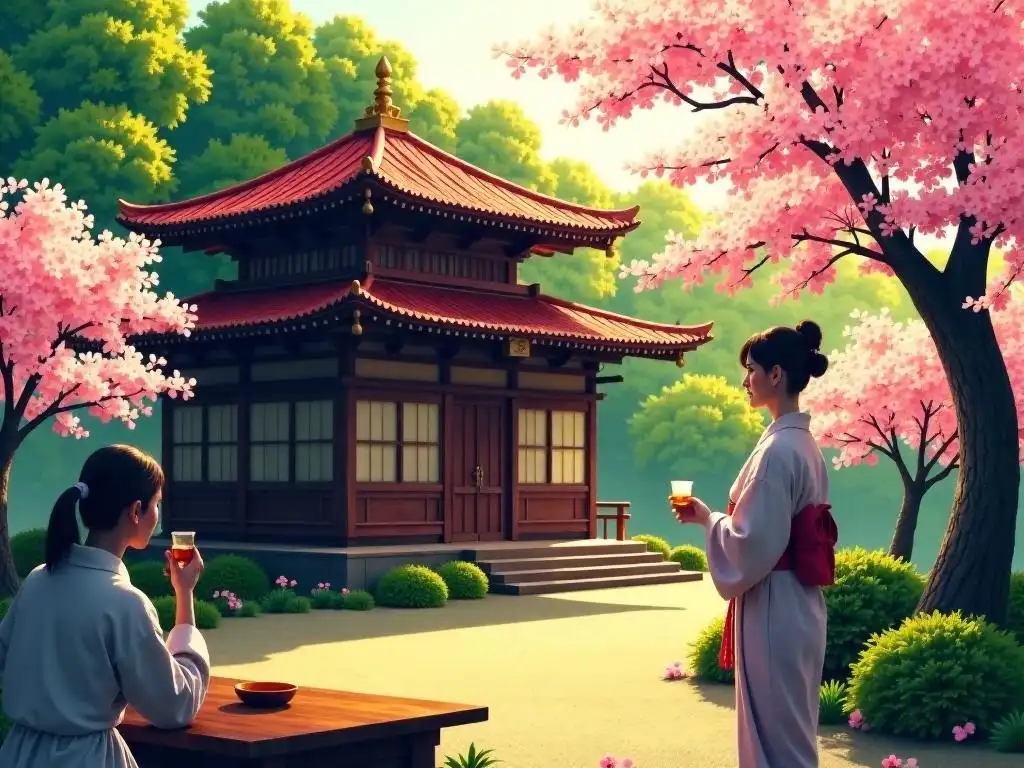
The legacy of the samurai extends far beyond their roles as warriors and military leaders; it encompasses a rich tapestry of cultural practices that continue to influence modern Japanese society. From traditional arts to martial disciplines and literary forms, the impact of samurai culture is evident in various aspects of contemporary life in Japan. This section will delve into specific cultural practices that have been shaped by the samurai ethos.
Traditional Arts: Tea Ceremony and Ikebana
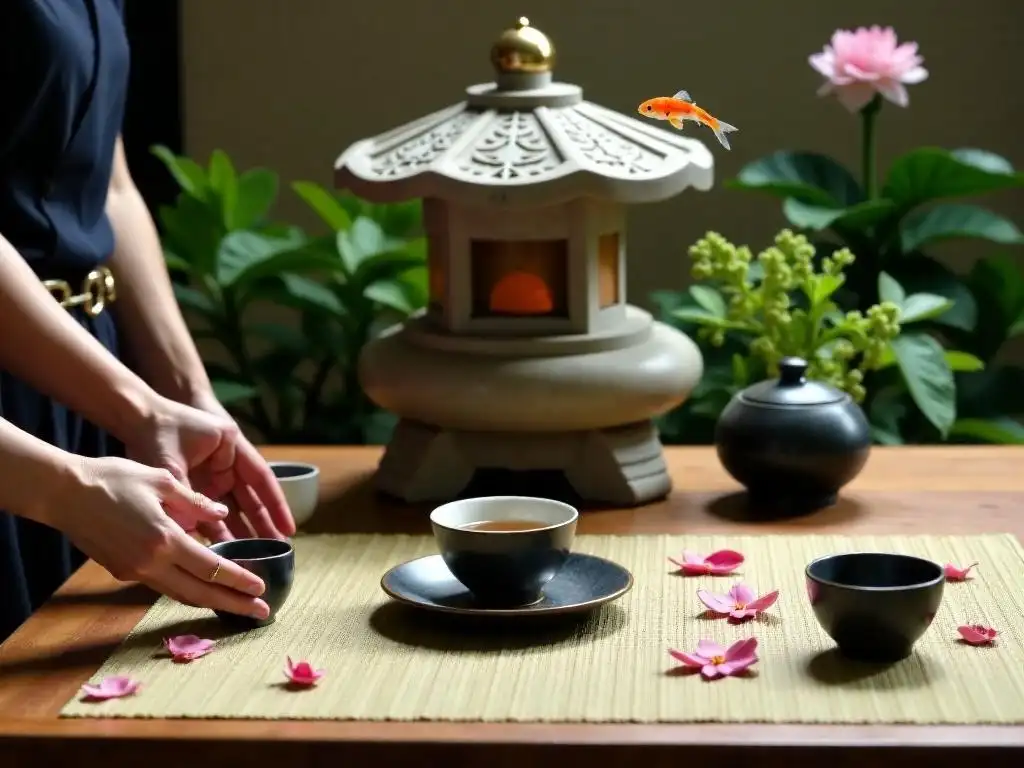
The tea ceremony, or chanoyu, represents a profound cultural practice that embodies the samurai's values of discipline, respect, and tranquility. Originating in the 12th century, the tea ceremony evolved into a highly formalized ritual by the 15th century, heavily influenced by the samurai's appreciation for aesthetics and simplicity. The ceremony emphasizes mindfulness and the beauty of imperfection, aligning with the samurai's philosophical ideals.
- Key Elements of the Tea Ceremony:
- Utensils: Each item, from the tea bowl to the whisk, is chosen for its beauty and significance.
- Rituals: The process involves precise movements and a deep respect for the participants.
- Atmosphere: The setting is typically serene, often featuring natural elements that reflect the samurai's connection to nature.
Similarly, ikebana, the Japanese art of flower arrangement, showcases the samurai's influence through its emphasis on harmony, balance, and the appreciation of nature. This practice goes beyond mere decoration; it is a spiritual and philosophical endeavor that encourages practitioners to reflect on the beauty of the natural world.
- Principles of Ikebana:
- Asymmetry: Unlike Western floral arrangements, ikebana values asymmetry and negative space.
- Symbolism: Each element used in the arrangement carries symbolic meaning, often reflecting seasonal changes.
- Meditative Process: The act of creating an arrangement serves as a form of meditation, aligning with samurai practices of mindfulness.
Martial Arts: From Kenjutsu to Modern Kendo
The martial arts practiced by samurai, particularly kenjutsu, the art of sword fighting, have evolved into various forms that are still practiced today, notably kendo. Kendo, which translates to "the way of the sword," emphasizes not only physical skill but also the mental and spiritual development akin to samurai training.
- Key Features of Kendo:
- Equipment: Practitioners wear protective gear and use bamboo swords called shinai.
- Spirituality: Kendo incorporates elements of Zen philosophy, emphasizing self-discipline and respect for opponents.
- Competitive Aspect: Modern kendo includes competitions, but the focus remains on the cultivation of character, reflecting the samurai's code of conduct.
The transition from kenjutsu to kendo illustrates the samurai's enduring influence on martial arts, promoting values such as honor, respect, and perseverance. Even today, many practitioners of kendo aspire to embody the samurai spirit in their training and interactions.
Literature and Poetry: The Samurai’s Artistic Expression
The samurai were not just warriors; they were also patrons of the arts, contributing significantly to Japanese literature and poetry. The haiku, a form of poetry that captures fleeting moments of beauty, has been shaped by samurai philosophy, focusing on simplicity and depth of emotion.
- Themes in Samurai Literature:
- Nature: Many samurai poets drew inspiration from the natural world, reflecting their connection to the environment.
- Transience: A common theme is the impermanence of life, a concept deeply rooted in samurai beliefs, often expressed through the lens of mono no aware, or the beauty of transient things.
- Honor and Duty: The samurai's code of conduct often found expression in literature, exploring themes of loyalty, sacrifice, and honor.
Furthermore, the famous “Tale of the Heike,” an epic account of the Genpei War, showcases the samurai's ideals and values through storytelling, influencing modern narratives in literature and film.
The samurai's influence on modern culture is extensive, with these cultural practices serving as a testament to their enduring legacy. Aspects of samurai daily life continue to resonate in contemporary Japan, shaping not only the arts but also the principles and philosophies that guide modern society.
Samurai Influence on Modern Japanese Society
Continuation of Bushido Values in Contemporary Japan
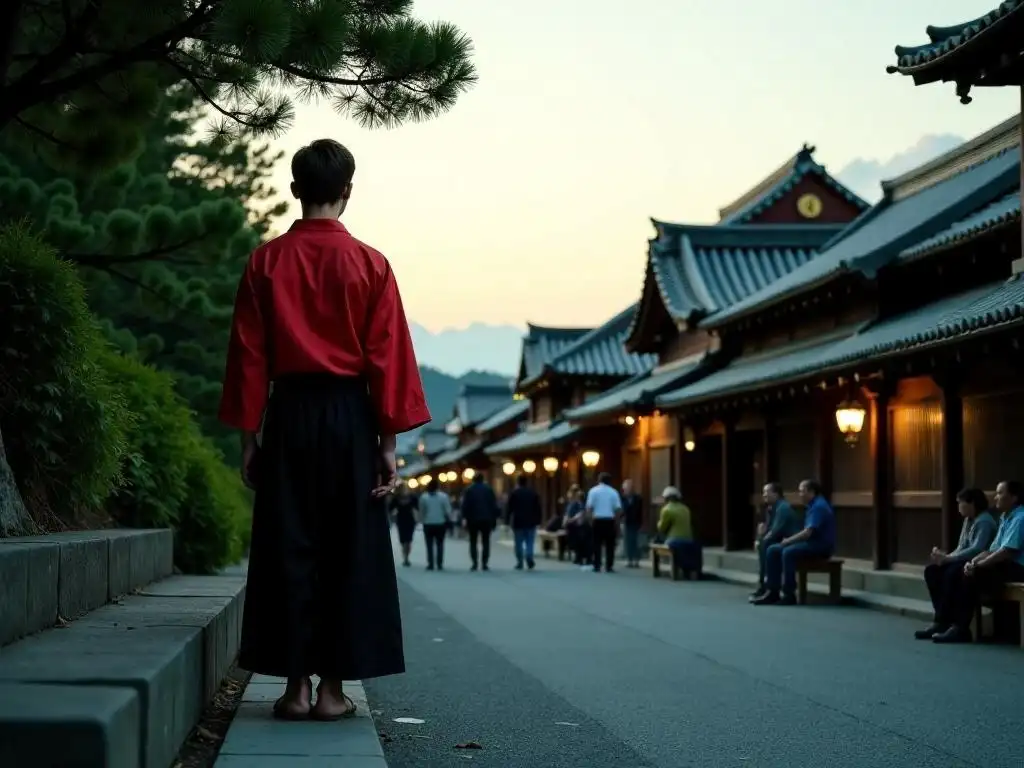
The legacy of the samurai is not merely a relic of the past; it continues to shape contemporary Japanese society, particularly through the values encapsulated in Bushido, the code of conduct that guided samurai behavior. Bushido emphasizes virtues such as loyalty, honor, and discipline, which resonate deeply within modern Japanese culture.
- Loyalty: In the corporate world, loyalty is often seen as a cornerstone of employee-employer relationships. Many Japanese companies foster a sense of belonging and commitment among employees, mirroring the samurai's dedication to their lords. This is evident in the long tenure many employees maintain within a single organization.
- Honor: The concept of "meiyo" (honor) is still vital in today’s society. Acts of public accountability and the importance of maintaining one's reputation reflect the samurai's emphasis on personal honor. Public figures, especially politicians and business leaders, are often scrutinized for their integrity, echoing the samurai’s obligation to uphold their honor.
- Discipline: Many Japanese people adopt practices that require discipline, such as martial arts training, which not only enhances physical fitness but also cultivates mental fortitude—a principle derived from samurai training. This discipline is reflected in various aspects of life, including education and work ethics.
Modern Martial Arts and their Samurai Roots
The martial arts practiced in Japan today owe much to the techniques and philosophies developed by the samurai. Various forms of martial arts, such as kendo, judo, and karate, have evolved from the combat skills of the samurai, preserving their spirit and teachings.
- Kendo: This modern sport, which translates to "the way of the sword," directly derives from the swordsmanship practiced by samurai. Kendo emphasizes not only physical skill but also the mental aspects of combat, such as focus, discipline, and respect for opponents.
- Judo: Founded by Jigoro Kano in the late 19th century, judo incorporates principles of balance and leverage, echoing the samurai's strategic combat mindset. The practice promotes values such as mutual welfare and respect, further perpetuating the samurai ethos.
- Karate: Although it has roots in Okinawan fighting styles, karate was influenced by the samurai through the introduction of martial techniques and philosophies. Its practice encourages self-discipline, respect, and perseverance—qualities that were central to the samurai lifestyle.
Through these martial arts, the samurai influence on modern culture is evident, as practitioners not only learn combat skills but also the philosophical underpinnings that guide their training and interactions.
Influence on Japanese Popular Culture: Anime and Cinema
The impact of samurai culture extends prominently into contemporary Japanese popular culture, particularly in anime and cinema. The portrayal of samurai in these mediums perpetuates the romanticized ideals of honor, bravery, and sacrifice, captivating audiences both domestically and internationally.
- Anime: Numerous anime series and films feature samurai as central characters, showcasing their moral dilemmas and heroic deeds. For instance, series like Samurai Champloo and Rurouni Kenshin explore themes of redemption and the struggle between tradition and modernity, often reflecting the samurai's internal conflicts. The visual representation of samurai attire and weaponry also plays a significant role in shaping the aesthetic of Japanese media.
- Cinema: Classic films by renowned directors like Akira Kurosawa, such as Seven Samurai and Yojimbo, have cemented the samurai's status in global cinema. These films not only tell compelling stories but also highlight values such as loyalty and honor, which resonate with viewers today. The samurai's influence can also be seen in Hollywood, where films often borrow elements of samurai narratives and aesthetics.
The samurai's legacy is intricately woven into the fabric of modern Japanese society, manifesting through values upheld in daily life, the continuation of martial arts traditions, and a vibrant portrayal in popular culture. The samurai influence on modern culture remains a powerful testament to their enduring significance.
The Samurai Aesthetic in Modern Design and Fashion
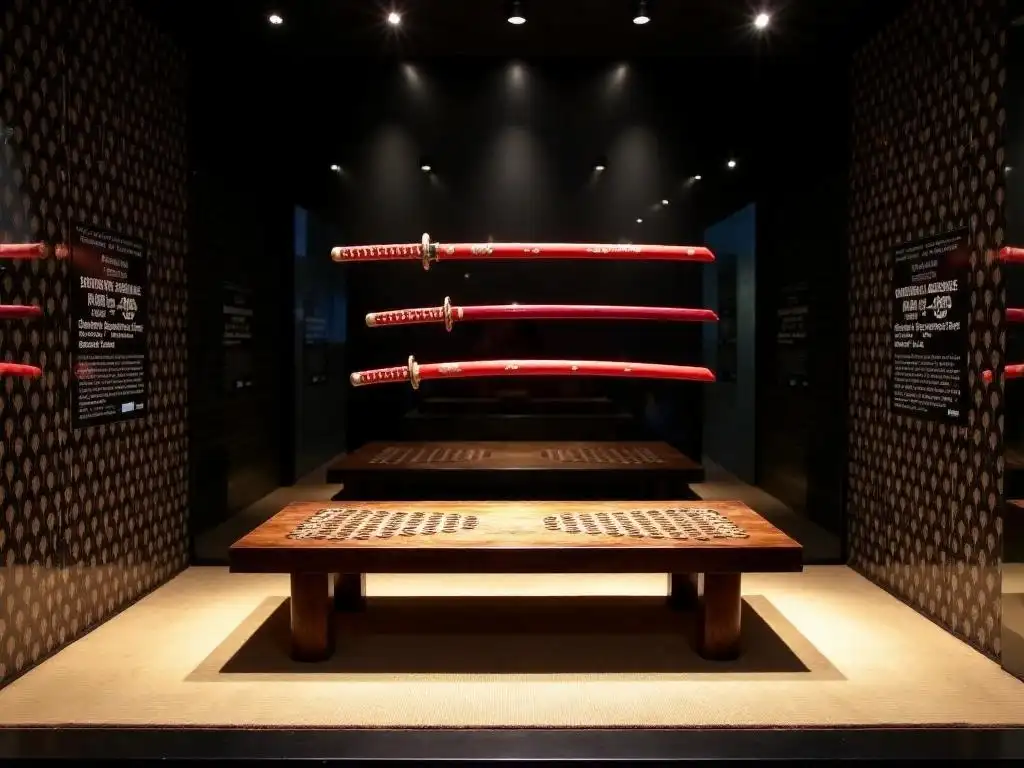
The influence of the samurai extends far beyond the historical context of their time; it permeates modern design and fashion, shaping a unique aesthetic that reflects their values and traditions. This aesthetic blends the principles of simplicity, functionality, and elegance, drawing inspiration from the samurai's disciplined lifestyle and their connection to nature.
Traditional Clothing and its Modern Adaptations
Samurai clothing, particularly the kimono and hakama, has left a profound mark on contemporary Japanese fashion. The traditional kimono, characterized by its intricate patterns and vibrant colors, symbolizes the elegance of samurai culture. Modern adaptations often incorporate these elements while reinterpreting them for everyday wear.
- Kimono in Modern Fashion:
- Many designers have started to fuse kimono fabrics and patterns into Western-style garments, creating stylish yet culturally rich pieces.
- Streetwear brands frequently use kimono silhouettes to offer a contemporary twist, allowing the wearer to experience the heritage of the samurai in a modern context.
- Accessories with Samurai Influence:
- Obi Belts: The wide obi, traditionally worn with kimonos, has been adapted into modern belts that add a distinct flair to outfits.
- Footwear: Zori sandals, once reserved for samurai, now appear in various modern styles, merging comfort with a nod to tradition.
The samurai's commitment to craftsmanship also inspires the high-quality materials and meticulous attention to detail found in modern fashion lines. This connection underscores the enduring legacy of samurai values in promoting a culture of quality and artistry.
Architecture: Traditional Samurai Residences and Contemporary Influence
The architectural style of samurai residences, known as shoin-zukuri, is another area where samurai influence can be observed in modern design. These traditional homes were characterized by their tatami mat flooring, sliding doors (fusuma), and a strong connection to nature through gardens and outdoor spaces.
- Elements of Shoin-zukuri in Modern Architecture:
- Open Spaces: Contemporary homes often embrace open floor plans that reflect the spaciousness of samurai houses, allowing for fluid movement and interaction with nature.
- Natural Materials: The use of wood and stone in modern construction pays homage to the materials commonly found in samurai residences, promoting sustainability and harmony with the environment.
- Zen Gardens and Landscaping:
- Many modern homes incorporate Zen garden elements, which were prevalent in samurai estates. These gardens emphasize tranquility and simplicity, principles deeply rooted in samurai philosophy.
- The design of these gardens often includes gravel, rocks, and minimalistic plant selections, promoting a sense of peace and mindfulness reminiscent of the samurai's connection to nature.
The architectural influence of the samurai is not just a nostalgic reference to the past; it serves as a foundation for a modern aesthetic that values simplicity, functionality, and the integration of nature into living spaces. This enduring legacy continues to shape the way we design and interact with our environments today.
The samurai influence on modern culture is evident in both fashion and architecture, where traditional elements are reimagined to fit contemporary lifestyles while honoring the profound history of the samurai. The aesthetic derived from their daily life remains vibrant, continuing to inspire new generations in various aspects of design and lifestyle.
Global Perception of Samurai and its Cultural Impact
The Samurai Image in Western Media
The portrayal of samurai in Western media has significantly shaped the global perception of these historical warriors. From films to literature, the romanticized image of the samurai often emphasizes their code of honor, bravery, and martial prowess. One of the earliest influences came from the film The Seven Samurai (1954) directed by Akira Kurosawa, which introduced Western audiences to the complexities of samurai life and their ethical dilemmas. This film not only influenced American cinema but also laid the groundwork for numerous adaptations and remakes, such as The Magnificent Seven.
In the realm of literature, samurai have often been depicted as noble heroes or tragic figures. Books like Musashi by Eiji Yoshikawa explore the philosophical and spiritual aspects of a samurai's life, intertwining their martial endeavors with a search for personal meaning. Such narratives resonate with themes of honor and sacrifice, which appeal to a wide audience and contribute to the enduring fascination with samurai culture.
Moreover, the samurai's iconic imagery—characterized by elaborate armor, katana swords, and bushido (the way of the warrior)—has been appropriated in various forms of art and fashion. This aesthetic influence can be seen in contemporary designs, ranging from clothing to video games, where samurai-related themes are frequently integrated. The portrayal of samurai in Western media often lacks the nuance found in authentic Japanese narratives, yet it serves to create a simplified, yet impactful, representation that continues to resonate globally.
Cross-Cultural Exchanges: Samurai in Global Context
The samurai's influence extends beyond Japan, as historical cross-cultural exchanges have contributed to their global significance. During the Edo period (1603-1868), Japan maintained a policy of isolation, but limited trade with the Dutch and other nations allowed for some cultural exchanges. The arrival of Commodore Matthew Perry in 1853 marked a pivotal moment in Japan’s engagement with the West, leading to the Meiji Restoration and the eventual modernization of Japanese society.
As Japan opened its doors to the West, the samurai ethos became a focal point for understanding Japanese culture. The adoption of samurai ideals, such as discipline and loyalty, found resonance in various movements around the world, influencing military practices and philosophies. For instance, the samurai's emphasis on honor and duty has parallels in Western chivalric traditions, leading to a mutual appreciation of martial values across cultures.
In modern times, the fascination with samurai culture has been amplified by globalization. International events like the annual "Japanese Sword Festival" attract attendees from around the world, eager to learn about the craftsmanship of katana-making and the historical significance of samurai rituals. Additionally, the proliferation of anime and manga featuring samurai characters has further popularized their image, especially among younger audiences globally.
This cross-cultural dialogue not only enriches the understanding of samurai but also allows for a deeper appreciation of Japan’s historical narrative. As samurai continue to serve as symbols of strength and resilience, their legacy remains a testament to the enduring connections between cultures, illustrating how historical figures can transcend time and geography to influence modern society.
Conclusion: The Enduring Legacy of Samurai in Modern Culture
The legacy of the samurai, a class that epitomized the ethos of discipline, honor, and loyalty, continues to resonate throughout modern Japanese culture. This influence is not merely a nostalgic remnant of the past; it is a dynamic force that shapes various facets of contemporary life in Japan and beyond. From martial arts to literature, and from fashion to philosophy, the samurai's impact is both profound and multifaceted.
Summary of Samurai Contributions to Contemporary Society
The samurai's contributions to modern society are diverse, encompassing various aspects of culture, arts, and social values:
- Martial Arts: Traditional martial arts such as Kendo, Aikido, and Iaido are direct descendants of the samurai's combat techniques. These disciplines emphasize not just physical prowess but also mental discipline, echoing the samurai's dedication to self-improvement and respect for opponents.
- Literature and Media: Samurai stories continue to captivate audiences through literature, film, and television. Works like Akira Kurosawa's films and contemporary anime often reflect samurai values, exploring themes of honor, sacrifice, and the struggle between duty and personal desire. These narratives serve to educate and inspire, maintaining the samurai's moral lessons in a modern context.
- Philosophy and Ethics: The samurai code of conduct, known as Bushido, has influenced modern Japanese ethics, emphasizing virtues such as loyalty, honor, and self-discipline. This philosophy is evident in corporate culture and social interactions, where respect and duty are highly valued.
- Fashion and Aesthetics: Elements of samurai culture can be seen in modern Japanese fashion, including the use of traditional fabrics and designs inspired by samurai armor and clothing. This fusion of old and new reflects a broader appreciation for heritage and craftsmanship in contemporary design.
- Culinary Arts: The samurai's emphasis on simplicity and quality is mirrored in modern Japanese cuisine, where seasonal ingredients and meticulous presentation are paramount. This culinary philosophy promotes a deep connection to nature, much like the samurai's relationship with their environment.
The enduring influence of the samurai is evident in these aspects of contemporary society, demonstrating how historical practices and beliefs can be revitalized and integrated into modern life.
Future of Samurai Heritage in Japan and Beyond
As Japan continues to navigate globalization, the future of samurai heritage appears promising yet challenging. The preservation of samurai traditions and values will depend on several factors:
- Education: Incorporating samurai history into educational curricula can foster a deeper appreciation for this cultural heritage among younger generations. Schools that include lessons on Bushido and the samurai's role in shaping Japanese society can help cultivate a sense of identity and pride.
- Cultural Festivals and Events: Celebrations that honor samurai culture, such as festivals featuring reenactments, demonstrations, and exhibitions, can engage the public and promote interest in this historical legacy. These events serve as a bridge between past and present, allowing participants to experience the samurai spirit.
- Global Interest: The fascination with samurai culture extends beyond Japan, with international interest in martial arts, literature, and film. This global engagement can promote a cross-cultural exchange, enriching both Japanese culture and the understanding of samurai values worldwide.
- Adaptation and Innovation: Embracing modern interpretations of samurai culture can keep it relevant in contemporary society. Artists, writers, and filmmakers are continually reimagining samurai stories, allowing the legacy to evolve while retaining its core principles.
The samurai's influence on modern culture is undeniable, weaving through various aspects of daily life in Japan and inspiring global audiences. By actively preserving and promoting this heritage, future generations can honor the samurai's legacy while adapting it to the ever-changing landscape of contemporary society.
Frequently Asked Questions
What was the daily life of a samurai like in feudal Japan?
The daily life of a samurai involved rigorous training in martial arts, adherence to a strict code of bushido, and responsibilities such as serving their lord and managing land.
How has samurai culture influenced modern Japanese society?
Samurai culture has greatly influenced modern Japanese society, particularly in areas like martial arts, aesthetics, and ethics, fostering a sense of discipline and respect in contemporary life.
In what ways do samurai values manifest in modern Japanese culture?
Samurai values such as loyalty, honor, and self-discipline are evident in modern practices, including business ethics, education, and even in popular culture through films and anime.
Why is the samurai considered a symbol of Japanese identity?
The samurai are considered a symbol of Japanese identity due to their embodiment of national values, artistry, and their historical role as defenders of the realm, shaping the cultural narrative of Japan.
How does the legacy of the samurai affect contemporary art and literature?
The legacy of the samurai influences contemporary art and literature by inspiring themes of heroism, conflict, and moral dilemmas, which continue to resonate with modern audiences in various forms.
Final Reflection: The Enduring Legacy of Samurai in Modern Culture
The influence of the samurai on modern Japanese culture is not merely a relic of the past; it is a vibrant thread woven into the fabric of contemporary society. From the disciplined practices of martial arts to the aesthetic principles found in art and architecture, the samurai ethos continues to resonate today. This enduring legacy serves as a powerful reminder of the values of honor, discipline, and respect that have shaped Japan's identity over centuries.
Culturally, the samurai's impact is profound and multifaceted, influencing everything from literature and film to business practices and social interactions. The samurai's principles of loyalty and integrity can be seen in the way modern Japanese society values relationships and community. As author Inazo Nitobe once said, The samurai is a man of action, a man of honor, a man of duty.
This sentiment encapsulates the essence of the samurai spirit that still inspires individuals and organizations in Japan today, fostering a sense of responsibility and commitment to one's community.
As we reflect on the lessons of the samurai, let us consider how these timeless values can be applied in our own lives. I invite you to explore how the principles of honor, discipline, and respect can guide your actions and decisions in a rapidly changing world. By embracing the samurai legacy, we can cultivate a deeper understanding of ourselves and our connections with others, ensuring that these noble ideals continue to thrive in our modern culture.
Embrace the Spirit of the Samurai Today!
Thank you for immersing yourself in the fascinating world of samurai daily life and its enduring legacy in modern Japanese culture. You've explored the deep-rooted values and traditions that continue to inspire generations. Now, let's keep that spirit alive and take meaningful steps to connect further with this remarkable heritage!
Here’s how you can engage and share in the essence of the samurai:
- Join a local martial arts class to physically connect with the techniques and discipline of the samurai.
- Visit a Japanese cultural festival in your area to experience traditional arts, crafts, and performances that honor this rich history.
- Start a conversation! Share your thoughts about how samurai values influence your life today with friends and family on social media.
Which aspects of samurai life do you believe hold the most relevance for addressing today's challenges? We invite you to share your insights below!