
Commodore Perry and the Opening of Japan: A Historical Perspective


Welcome to Feudal Japan History, where we invite you to embark on a captivating journey through the intricate tapestry of Japan's feudal era. In our featured article, “Commodore Perry and the Opening of Japan: A Historical Perspective,” you will uncover the pivotal moments that reshaped Japan's foreign relations and opened its doors to the world. What led to this monumental shift, and how did it transform a nation steeped in tradition?
Prepare to delve into the rich historical narratives and cultural insights that await, igniting your curiosity and deepening your understanding of this fascinating period. Join us as we explore the crossroads of history and the enduring legacy of Commodore Perry’s mission!
Introduction to Commodore Perry and His Mission
The arrival of Commodore Matthew Perry in Japan during the mid-19th century stands as a pivotal moment in the history of Japanese foreign relations. His mission to open Japan to the West marked the end of over two centuries of isolation, a period known as Sakoku, where Japan maintained strict limits on foreign influence and trade.
This article delves into the historical significance of Commodore Perry’s expedition, exploring not only his background and motivations but also the broader context of Japan's isolation and the subsequent reactions to his mission. By examining these elements, we can gain a clearer understanding of how this encounter reshaped Japan’s trajectory and laid the groundwork for its modernization.
Overview of Commodore Perry's Background
Matthew Perry was a career naval officer in the United States Navy, born on April 10, 1794, in South Kingston, Rhode Island. With a passion for naval strategy and diplomacy, Perry played a crucial role in various military operations before his appointment to lead the expedition to Japan.
His experiences in the Caribbean and the Mediterranean, combined with his interest in expanding American commerce, equipped him for the significant task of engaging with isolated nations. Perry's dual focus on military power and diplomacy would prove essential in his approach to Japan, where he aimed to establish trade relations and secure the safety of American sailors.
The Context of Japan's Isolation in the 19th Century
Japan's isolationist policies, established during the early 17th century, were rooted in a desire to preserve its culture and political structure from foreign influence. The Tokugawa shogunate, which ruled Japan at the time, restricted foreign access to a few designated ports and prohibited Japanese citizens from traveling abroad. This period of isolation lasted until the mid-19th century when growing pressures from Western nations for trade and diplomatic relations began to mount.
The Industrial Revolution and the expansion of Western imperialism created a backdrop of urgency, as nations sought new markets and resources. Japan found itself at a crossroads, facing the challenge of maintaining its sovereignty while responding to the encroaching influence of foreign powers.
The Arrival of Commodore Perry in Japan
The First Expedition: The Black Ships
In July 1853, Commodore Perry arrived in Japan with a fleet of four warships, famously known as the "Black Ships" due to their black hulls. This initial expedition was not merely a show of force; it was a carefully orchestrated diplomatic mission aimed at compelling Japan to enter into trade agreements with the United States.
Perry's ships were equipped with advanced technology, showcasing the might of American naval power and the industrial advancements of the West. The arrival of the Black Ships caused a stir in Japan, challenging the long-held beliefs about the nation’s isolation and its ability to resist foreign pressure.
Initial Reactions from the Japanese Authorities
The sight of Perry's warships triggered a mix of fear and intrigue among the Japanese authorities. The Tokugawa shogunate faced intense internal debate regarding how to respond to this unprecedented encounter. Some officials advocated for negotiation and engagement, recognizing the potential benefits of trade, while others feared that yielding to foreign demands would undermine Japan’s sovereignty.
The initial response was cautious, as the shogunate sought to understand Perry's intentions and the implications of his arrival. This moment set the stage for a complex interaction between Japan and the United States, ultimately leading to the signing of the Treaty of Kanagawa in 1854, which would formally open Japan to the West.
The Significance of Perry's Arrival in Japan
Commodore Matthew Perry's arrival in Japan in 1853 marked a pivotal moment in Japanese history, symbolizing the end of over two centuries of self-imposed isolation during the Edo period. This event not only initiated Japan's engagement with the wider world but also set the stage for profound social, political, and economic transformations. The significance of Perry's arrival can be understood through various lenses:
- End of Sakoku: Perry's expedition directly challenged Japan's sakoku policy, which restricted foreign relations and trade. His arrival prompted Japanese leaders to reconsider their isolationist stance, leading to the eventual opening of Japan to foreign trade and diplomatic relations.
- Catalyst for Modernization: The pressure exerted by Perry and subsequent foreign powers acted as a catalyst for the Meiji Restoration in 1868. This period saw Japan rapidly modernize its military, economy, and societal structures, transforming it into a global power by the early 20th century.
- Cultural Exchange: Perry's arrival heralded the beginning of significant cultural exchanges between Japan and Western nations. This included the introduction of Western technologies, ideas, and customs, which influenced Japanese culture and society profoundly.
- Shift in Power Dynamics: The opening of Japan altered regional power dynamics in East Asia, as Japan transitioned from a secluded nation to an active participant in international affairs, leading to new alliances and rivalries.
Commodore Perry's Objectives for Opening Japan
Commodore Perry's primary objectives for opening Japan were multifaceted, driven by a blend of economic interests, geopolitical strategy, and humanitarian motives. His aims included:
- Trade Opportunities: One of Perry's foremost goals was to establish trade relations between the United States and Japan. At the time, American whalers and merchants sought safe harbors and coaling stations in the Pacific, and Japan's resources were seen as valuable for expanding U.S. commerce.
- Diplomatic Relations: Perry aimed to secure a treaty that would formalize diplomatic relations, offering the U.S. a foothold in Japan and a chance to engage with other Western powers in the region.
- Humanitarian Concerns: Perry was also motivated by a desire to provide humanitarian aid, particularly in the form of assistance to shipwrecked American sailors. He believed that opening Japan could facilitate better treatment and provisions for such individuals.
- Military Presence: Establishing a U.S. presence in Japan would enhance American security interests in the Pacific and counter European colonial influences in the region, ensuring that the U.S. would not be left behind in the scramble for influence in Asia.
The Role of American Interests in the Opening of Japan
American interests played a crucial role in the opening of Japan, driven by a combination of economic ambitions, strategic considerations, and cultural influences. Key factors included:
- Economic Expansion: The growing U.S. economy sought new markets for goods and resources. Japan's rich natural resources and potential market for American products were attractive to American merchants and manufacturers.
- Geopolitical Strategy: The U.S. aimed to establish a strategic presence in the Pacific to counter European colonial ambitions, particularly those of Britain and Russia. A foothold in Japan would allow the U.S. to project power and influence throughout East Asia.
- Cultural Exchange and Influence: American missionaries and educators promoted Western ideals and values, advocating for Japan's modernization and integration into global society. Their efforts contributed to shaping American perceptions of Japan and facilitated diplomatic engagement.
- Technological Advancement: The introduction of Western technologies, particularly in shipbuilding and military organization, was seen as essential for Japan's modernization. American interests sought to share these advancements, aligning with Perry's objectives of fostering cooperation.
The Negotiations: Perry’s Diplomacy and Tactics
Perry's approach to negotiations with Japanese leaders was marked by a combination of diplomatic skill, strategic foresight, and a willingness to employ military pressure. His tactics were critical in achieving his objectives, as outlined below:
Key Events in the Negotiation Process
Several key events characterized the negotiation process between Perry and Japanese officials:
- Initial Arrival (1853): Perry's first visit in July 1853 involved delivering a letter from President Millard Fillmore, demanding Japan's opening to trade. He arrived with a show of military force, displaying the advanced technology of U.S. naval vessels to impress the Japanese.
- Return and Treaty Signing (1854): After initial discussions and a year of preparation, Perry returned in February 1854. His second visit culminated in the signing of the Treaty of Kanagawa on March 31, 1854, which established the first formal diplomatic relations between Japan and the United States, opening two ports for American trade.
- Military Demonstrations: Throughout the negotiation process, Perry utilized military demonstrations to reinforce his demands. The presence of his warships served as a reminder of the consequences of non-compliance, effectively compelling Japanese leaders to engage in negotiations.
- Cultural Exchanges: Perry sought to foster goodwill through cultural exchanges, showcasing American technology and customs, which helped ease tensions and build a rapport with Japanese officials.
The Impact of Perry's Strategy on Japanese Leaders
Perry's diplomatic strategies had a profound impact on Japanese leaders and their decision-making processes:
- Awakening to Global Realities: The pressure from Perry's expedition forced Japanese leaders to recognize the realities of global power dynamics. They understood that maintaining isolation was no longer viable in the face of Western expansionism.
- Internal Divisions: Perry's arrival exacerbated existing divisions within Japanese society, particularly between those advocating for continued isolation and those pushing for modernization and engagement with the West. This internal conflict would later influence Japan's political landscape.
- Reform and Modernization: The negotiations and subsequent treaty prompted a reassessment of Japan's political and military strategies. Leaders began to advocate for reforms that would modernize Japan, leading to significant societal changes in the years that followed.
- Long-term Foreign Relations: Perry's successful negotiation strategy established a precedent for future foreign relations in Japan, demonstrating the need for diplomacy in navigating complex international landscapes.
The Treaty of Kanagawa: Turning Point in History
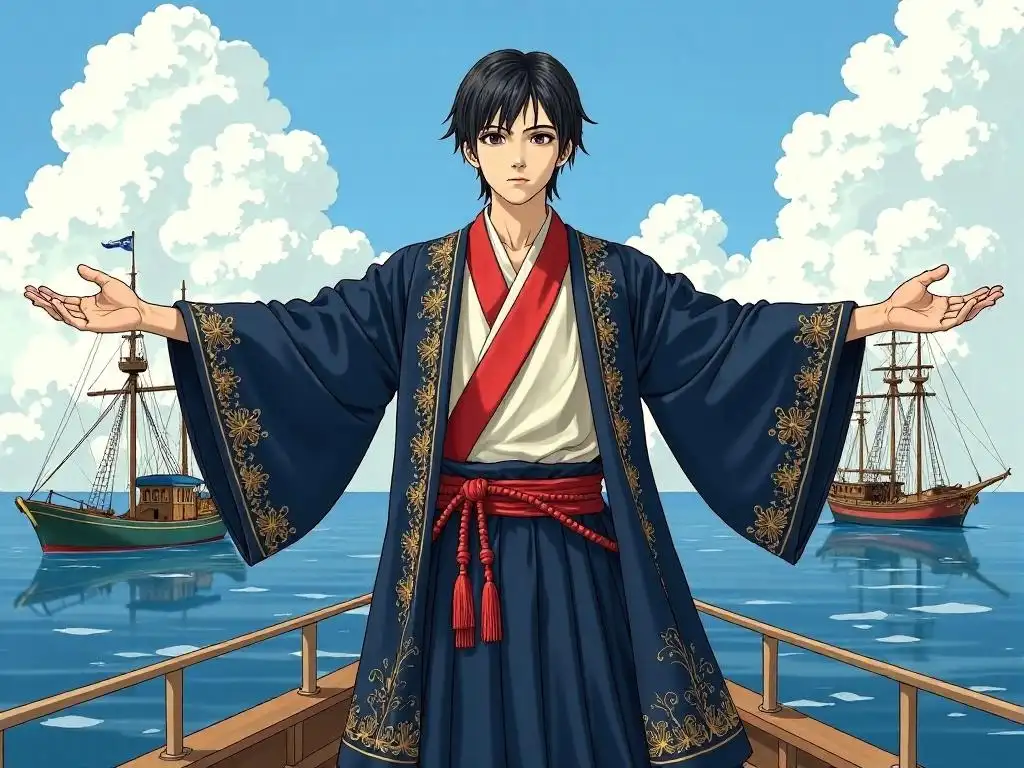
The Treaty of Kanagawa, signed on March 31, 1854, marked a pivotal moment in Japan's history, transitioning the nation from over two centuries of self-imposed isolation under the Tokugawa shogunate to engaging with the global community. This treaty was a direct result of Commodore Matthew Perry's expedition, which aimed to open Japan to American trade and establish diplomatic relations. Perry's arrival came at a time when Japan was facing internal pressures and external threats, making the treaty not just a diplomatic agreement but a harbinger of profound change.
The treaty effectively ended Japan's sakoku (closed country) policy, which had restricted foreign influence and trade for more than 200 years. It allowed for the establishment of American consulates in Japan and opened two ports—Shimoda and Hakodate—where American ships could resupply and trade. This significant shift laid the groundwork for subsequent treaties with other Western powers and set the stage for Japan's modernization and industrialization. The Treaty of Kanagawa is often regarded as a turning point that initiated Japan's journey toward becoming a global power.
Key Provisions of the Treaty
The Treaty of Kanagawa included several key provisions that significantly altered Japan's interactions with foreign nations:
- Opening of Ports: The treaty stipulated the opening of two Japanese ports, Shimoda and Hakodate, to American vessels for trade and resupply.
- Establishment of a Consulate: The United States was granted the right to establish a consulate in Shimoda, facilitating diplomatic relations and further trade.
- Protection of American Citizens: The treaty contained clauses aimed at ensuring the safety and protection of American citizens residing in Japan, including provisions for extraterritoriality, which exempted foreigners from Japanese law.
- Cooperation in Whaling: The treaty included agreements on cooperation in whaling, benefiting American whalers who sought to use Japanese ports as safe havens.
These provisions not only marked the beginning of formal relations between Japan and the United States but also set a precedent for other Western nations to negotiate similar treaties, further eroding Japan's isolationist policies.
Reactions from the Japanese Society and Government
The signing of the Treaty of Kanagawa elicited a variety of reactions from different segments of Japanese society and government. Among the ruling elite, there was a mix of fear, resentment, and pragmatism. Many samurai and officials viewed the treaty as a violation of Japan’s sovereignty and a capitulation to foreign powers. This sentiment was particularly strong among those who adhered to the ideals of the sonnō jōi movement, which advocated for the expulsion of foreigners and the restoration of imperial authority.
Conversely, some members of the government recognized the necessity of engaging with the West to avoid the fate of other Asian nations that had succumbed to colonial domination. This faction believed that opening Japan was essential for modernization and strengthening the nation against foreign threats. The internal conflict between these ideologies contributed to political instability in Japan, ultimately leading to the Meiji Restoration in 1868, which aimed to consolidate power and modernize the nation in response to foreign pressures.
The Broader Implications of Perry’s Expedition
Commodore Perry's expedition and the resulting Treaty of Kanagawa had far-reaching implications that extended beyond immediate diplomatic relations. The opening of Japan catalyzed a series of transformations in Japanese society, politics, and its role in the international community.
Changes in Japan’s Foreign Relations Post-Perry
Following the Treaty of Kanagawa, Japan quickly engaged in a series of treaties with other Western powers, including the United Kingdom, France, and Russia. These agreements often mirrored the unequal nature of the Kanagawa Treaty, granting foreign nations privileges that undermined Japan’s sovereignty. As Japan began to open its ports, it also faced the challenge of navigating complex diplomatic relations with multiple foreign powers, each vying for influence in the region.
The shift from isolation to engagement allowed Japan to learn from Western technologies and governance models, which played a critical role in its rapid modernization during the Meiji era. The increasing presence of foreign trade and ideas also stimulated domestic debates about national identity, modernization, and the need to protect Japanese culture in the face of Western influence.
The Impact on Japan’s Feudal System and Society
The opening of Japan under the Treaty of Kanagawa significantly impacted the feudal system that had dominated Japanese society for centuries. The influx of foreign ideas and goods challenged traditional norms and practices, leading to social upheaval. The samurai class, which had held power under the shogunate, found their status increasingly undermined as new economic structures emerged and the need for military service diminished.
The resulting changes paved the way for the abolition of the feudal system and the establishment of a centralized government during the Meiji Restoration. This transition allowed for the implementation of reforms aimed at modernizing Japan’s economy, military, and education system. The transformation from a feudal society to a modern nation-state was marked by significant social mobility and shifts in power dynamics, ultimately contributing to Japan's emergence as a formidable player on the world stage by the early 20th century.
Legacy of Commodore Perry in Japanese History
Commodore Matthew Perry's expedition to Japan in 1853-1854 marked a pivotal moment in Japanese history, serving as the catalyst for the end of over two centuries of national seclusion. His arrival not only introduced Japan to Western technology and ideas but also reshaped its political, social, and economic landscapes. The legacy of Commodore Perry is multifaceted, encompassing both the immediate effects of his actions and the longer-term implications that followed as Japan navigated its place in a rapidly changing world.
Perry's mission fundamentally altered the trajectory of Japan's historical development. The signing of the Treaty of Kanagawa in 1854 established formal relations between Japan and the United States, opening the door to trade and diplomatic engagement with other Western powers.
This shift initiated a period of modernization and industrialization in Japan, known as the Meiji Restoration, which sought to strengthen the nation against foreign influence and competition. Perry's legacy, therefore, is not merely one of opening Japan but also of instigating a profound transformation that would lead to Japan emerging as a formidable global power by the early 20th century.
How Commodore Perry Changed Japan's Global Standing
The arrival of Commodore Perry and his "black ships" heralded a dramatic change in Japan's global standing. Prior to Perry's expedition, Japan had pursued a policy of isolation, limiting foreign contact and trade. Perry's insistence on opening Japan to the West illustrated the pressures of globalization that many nations faced during the 19th century.
As a result of Perry's actions, Japan transitioned from a secluded feudal society to an active participant in international affairs. The Treaty of Kanagawa not only allowed for American ships to access Japanese ports but also set the precedent for similar treaties with other Western powers, significantly increasing foreign influence in Japan. This newfound engagement with the world led to the rapid modernization of Japan's military, economy, and political systems, as the nation sought to compete with Western powers.
Furthermore, this change in global standing allowed Japan to assert itself on the world stage, culminating in victories such as the Russo-Japanese War (1904-1905). This conflict demonstrated Japan's newfound military prowess and marked its emergence as a leading power in Asia. Thus, Perry's expedition can be seen as a catalyst for Japan's transformation from isolation to international prominence.
Historical Perspectives on the Commodore Perry-Japan Relationship
The relationship between Commodore Perry and Japan can be viewed through various historical lenses, each offering unique insights into this critical moment in history. From a Western perspective, Perry is often celebrated as a hero who opened Japan to the world, bringing modernization and progress. His actions are viewed as a necessary intervention that ultimately benefited Japan, allowing it to thrive and modernize rapidly.
Conversely, from the Japanese perspective, Perry's arrival was initially met with shock and resistance. The sudden intrusion of foreign powers challenged the traditional socio-political structure of Japan. Many Japanese historians argue that Perry's expedition and the subsequent treaties imposed by Western nations undermined Japan's sovereignty and led to a loss of cultural integrity. This perspective highlights the complexities of the relationship, emphasizing both the opportunities and challenges that arose from Perry's actions.
Moreover, the long-term consequences of Perry's expedition continue to influence Japan's foreign relations and identity to this day. As Japan navigates its post-war role as a global power, the historical narrative surrounding Commodore Perry remains a point of reflection regarding national identity, diplomacy, and the balance between tradition and modernization.
Conclusion: Reflecting on Commodore Perry and Japan’s Transformation
The legacy of Commodore Perry is a profound chapter in Japan's history, encapsulating the tensions and transformations of an era marked by the clash of cultures. His expedition not only ended Japan's isolation but also initiated a series of changes that would redefine the nation’s trajectory. As Japan embraced modernization and expanded its influence, it navigated the complexities of a rapidly evolving global landscape.
Summary of Commodore Perry's Impact on Japan's Opening History
Commodore Perry's impact on Japan's opening history is characterized by several key elements:
- End of Isolation: Perry's arrival dismantled the centuries-long policy of sakoku (closed country), allowing for foreign trade and influence.
- Treaty of Kanagawa: The signing of this treaty laid the groundwork for Japan's engagement with Western powers.
- Modernization: Perry's expedition acted as a catalyst for Japan's rapid modernization during the Meiji Restoration.
- Shift in Global Standing: Japan transitioned from a secluded nation to an active participant in international affairs, asserting its power in the global arena.
Final Thoughts on the Historical Legacy of Commodore Perry
Reflecting on the historical legacy of Commodore Perry reveals a complex interplay between opportunity and challenge. While his actions opened Japan to the world and fostered modernization, they also instigated debates about sovereignty and cultural integrity that resonate in contemporary discussions on globalization. Perry's legacy serves as a reminder of the transformative power of engagement and the enduring impact of historical encounters between nations. As Japan continues to navigate its identity within the global community, the lessons drawn from Commodore Perry's expedition remain relevant, underscoring the importance of understanding history in shaping the future.
- Introduction to Commodore Perry and His Mission
- The Arrival of Commodore Perry in Japan
- The Significance of Perry's Arrival in Japan
- The Negotiations: Perry’s Diplomacy and Tactics
- The Treaty of Kanagawa: Turning Point in History
- The Broader Implications of Perry’s Expedition
- Legacy of Commodore Perry in Japanese History
- Conclusion: Reflecting on Commodore Perry and Japan’s Transformation
- What was the significance of Commodore Perry's expedition to Japan?
- How did Japan respond to the arrival of Commodore Perry?
- What were the broader impacts of the opening of Japan on its society?
- How did Commodore Perry's actions influence international relations in Asia?
- What role did the Treaty of Kanagawa play in Japan's history?
Frequently Asked Questions
What was the significance of Commodore Perry's expedition to Japan?
Commodore Perry's expedition in 1853-1854 marked the end of Japan's isolation from the West, leading to the opening of Japan to international trade and diplomatic relations.
How did Japan respond to the arrival of Commodore Perry?
Japan's response included a mix of fear and curiosity. The shogunate ultimately agreed to sign the Treaty of Kanagawa, which established trade relations with the United States.
What were the broader impacts of the opening of Japan on its society?
The opening of Japan led to significant cultural exchanges, technological advancements, and ultimately paved the way for the Meiji Restoration and modernization of Japanese society.
How did Commodore Perry's actions influence international relations in Asia?
Perry's actions set a precedent for Western powers to engage with Asian nations, leading to a shift in diplomatic dynamics throughout the region and influencing future interactions.
What role did the Treaty of Kanagawa play in Japan's history?
The Treaty of Kanagawa was crucial as it not only opened two ports for American ships but also symbolized the beginning of Japan's integration into the global economy, affecting its future policies and international relations.
Final Reflection: The Lasting Impact of Commodore Perry on Japan's Transformation
The historical encounter between Commodore Perry and Japan is not merely a tale of diplomacy; it is a pivotal moment that reshaped the course of a nation. Today, as we navigate an increasingly interconnected world, the lessons from Perry's expedition remind us of the complexities of cultural exchange and the profound consequences of opening borders. The opening of Japan marked the beginning of a new era, one that continues to resonate in our globalized society, where understanding and cooperation are essential for progress.
Commodore Perry's mission was not just about trade; it was a catalyst for Japan's transformation into a modern state. The ripple effects of this encounter can be seen in Japan's rapid industrialization and its emergence as a global power. As we reflect on this historical moment, we recognize that it serves as a reminder of the delicate balance between tradition and modernity. The past is never dead. It's not even past.
— William Faulkner. This quote encapsulates the ongoing influence of Perry's actions, as they continue to shape Japan's identity and its role on the world stage.
As we conclude our exploration of Commodore Perry and the opening of Japan, I invite you to reflect on the importance of embracing change while honoring tradition. Consider how the lessons from this historical event can inspire you to foster understanding and collaboration in your own life. Whether in personal relationships or professional endeavors, let the spirit of openness and curiosity guide your interactions, reminding us that the past informs our present and shapes our future.
Unveil the Impact of Commodore Perry's Journey!
Thank you for exploring the fascinating historical events surrounding Commodore Perry and the opening of Japan. Your curiosity and engagement with this pivotal moment in history enrich your understanding of global interactions and cultural exchanges.
Now, it’s time to take your interest further! Consider these actionable steps:
- Dive deeper into the histories of other influential figures by exploring articles on our website.
- Join the conversation! Share your thoughts about Perry's impact on Japan's modernization in the comments below.
- Connect with fellow history enthusiasts in our online community to discuss the significance of this period for today’s world.
Which aspect of Commodore Perry's mission do you believe had the most lasting effect on Japan's transformation?