
How Buddhism Shaped the Cultural Landscape of Feudal Japan


Welcome to Feudal Japan History! Dive into the captivating world of Japan’s feudal era, where the threads of history, culture, and society interweave to create a rich tapestry of past influences. In this exploration, we’ll uncover the profound impact of Buddhism on feudal Japan, revealing how this spiritual force shaped not only the lives of individuals but also the very fabric of Japanese society. Are you ready to journey through time and discover the intricate connections between faith and culture? Read on to unveil the secrets of a transformative period that continues to resonate today.
- Introduction to Buddhism Influence on Feudal Japan
- Historical Context of Buddhism in Japan
- Buddhism's Integral Role in Feudal Society
- Artistic Expressions Shaped by Buddhism
- Buddhism's Impact on Japanese Literature and Philosophy
- Social Structures and Buddhism
- The Decline of Buddhism's Influence in Late Feudal Japan
- Conclusion: The Enduring Legacy of Buddhism in Japanese Culture
- References and Further Reading on Buddhism Influence on Feudal Japan
-
Frequently Asked Questions
- What role did Buddhism play in the cultural development of feudal Japan?
- How did Buddhism affect the social structure in feudal Japan?
- In what ways did Buddhist teachings impact samurai ethics?
- What is the significance of Zen Buddhism in the arts of feudal Japan?
- How did interactions between Buddhism and Shinto shape Japanese identity?
- Final Reflection: The Enduring Influence of Buddhism on Feudal Japan
- Embrace the Wisdom of Buddhism – Take Action Today!
Introduction to Buddhism Influence on Feudal Japan
Buddhism, a profound and transformative force, significantly influenced the cultural landscape of feudal Japan, intertwining itself with the nation's historical, social, and spiritual fabric. This era, marked by a complex tapestry of warlords, samurai, and shifting power dynamics, saw the introduction and evolution of Buddhism from its roots in the Asian mainland to its unique manifestation in Japan. As we explore the Buddhism influence on feudal Japan, it becomes clear that this religion was not merely a spiritual belief but a catalyst for cultural exchanges, artistic expressions, and societal developments that shaped the very essence of Japanese identity.
In this article, we will delve into the intricate relationship between Buddhism and feudal Japan, examining how this religion influenced various aspects of Japanese culture, spirituality, and governance. Through this exploration, we will uncover the profound impact Buddhism had on the daily lives of the Japanese people during the feudal era, highlighting its role in art, philosophy, and social structures.
Overview of Feudal Japan's Cultural Landscape
Feudal Japan, spanning from the late 12th century to the 19th century, was characterized by a hierarchical social structure dominated by the samurai class and an intricate network of feudal lords. This period was defined by:
- Political Fragmentation: Power was decentralized, with various clans and warlords (daimyō) controlling different regions.
- Cultural Flourishing: Despite the political chaos, this era saw a flourishing of arts, literature, and religious practices.
- Religious Syncretism: Shinto, the indigenous spirituality of Japan, coexisted and often merged with imported Buddhist beliefs, leading to a unique cultural synthesis.
Buddhism's arrival in Japan in the 6th century marked the beginning of an era where foreign influences began to permeate Japanese culture. The religion introduced new philosophical concepts and artistic styles, which would later be adapted and integrated into local traditions. Notably, the various sects of Buddhism, including Tendai, Shingon, and Zen, contributed to the diverse cultural landscape, shaping everything from governance to daily life.
Significance of Buddhism in Japanese History
Buddhism's significance in Japan cannot be overstated; it played a crucial role in the shaping of various facets of Japanese society. Its influence can be observed in:
- Philosophical Developments: Buddhism fostered new ways of thinking about life, death, and the nature of existence, leading to a philosophical renaissance during the Kamakura period.
- Art and Architecture: The aesthetic principles of Buddhism inspired the creation of iconic temples, sculptures, and paintings, which remain integral to Japan's cultural heritage. The famous Hōryū-ji temple and the Great Buddha of Nara are prime examples of this influence.
- Social Structure and Ethics: Buddhist teachings emphasized compassion and moral conduct, which gradually permeated samurai culture, influencing their code of ethics and behavior.
Buddhism emerged as a cornerstone of cultural identity in feudal Japan, affecting not just spiritual life but also the arts, social norms, and even political structures. As we further investigate this relationship, we will uncover the numerous ways in which Buddhism shaped the cultural landscape of Japan during this fascinating historical period.
Historical Context of Buddhism in Japan
Introduction of Buddhism to Japan
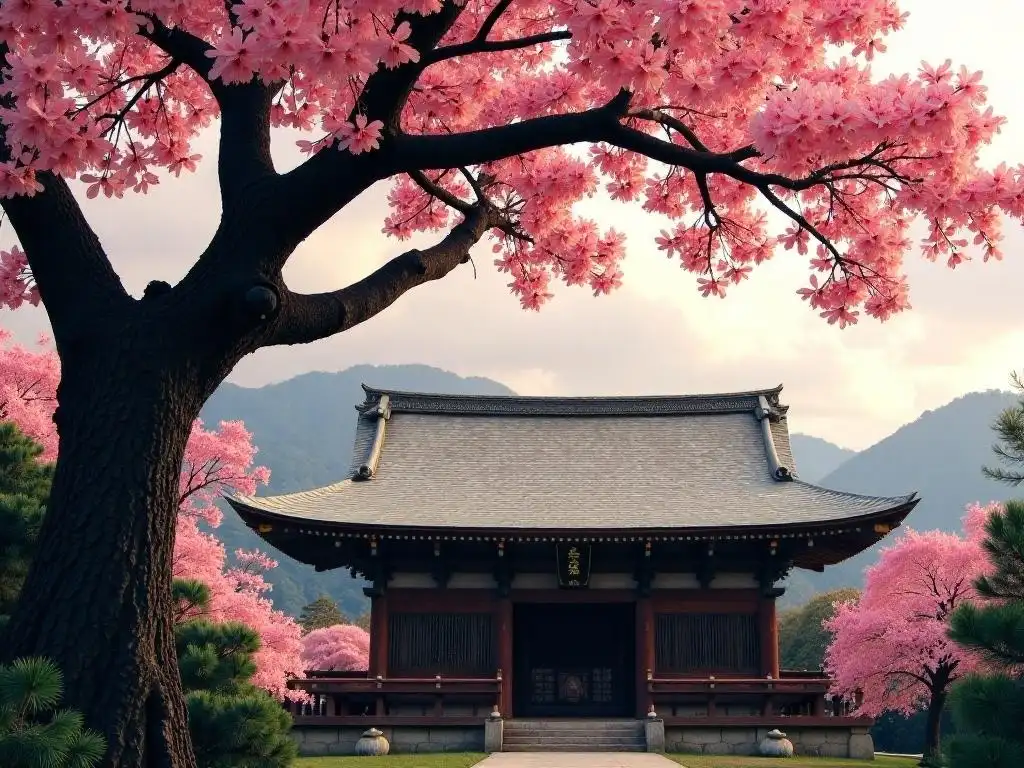
Buddhism was introduced to Japan in the mid-6th century, specifically around 552 AD, when it was brought from the Korean Kingdom of Baekje. The initial encounter occurred when King Seong of Baekje sent a delegation to the Japanese court, presenting a statue of the Buddha along with sacred texts and teachings. This moment marked the beginning of a profound cultural exchange that would significantly impact Japanese society.
The adoption of Buddhism was not without controversy. The indigenous Shinto beliefs, which centered around kami (spirits), were deeply rooted in Japanese culture. The introduction of Buddhism created a theological tension, leading to debates among the ruling elite about which belief system should dominate. However, the political benefits of adopting Buddhism—such as establishing diplomatic ties with Korea and China—encouraged many leaders to embrace the new religion.
By the late 6th century, Buddhism began to gain a foothold in Japan, particularly in the region of Asuka, where the first temples were constructed. Notable among these was the Horyu-ji temple, built in 607 AD, which remains one of the oldest wooden buildings in the world. This period saw the emergence of various Buddhist sects, each adapting teachings and practices to align with local customs and beliefs.
Key Figures in the Transmission of Buddhism
The transmission of Buddhism to Japan involved several key figures who played instrumental roles in its establishment and spread. One of the most prominent was Prince Shotoku Taishi (574-622 AD), a regent and a devout Buddhist who recognized the potential of Buddhism to unify the country. He promoted the religion through various means:
- Building Temples: He commissioned the construction of temples, including the famous Horyu-ji, to serve as centers for Buddhist learning and practice.
- Promoting Buddhist Texts: Prince Shotoku translated important Buddhist texts into Japanese, making them accessible to the local population.
- Establishing a Government Structure: He integrated Buddhist principles into the political system, encouraging a governance model influenced by Buddhist ethics and philosophy.
Another significant figure was the monk Kōbō Daishi, also known as Kūkai (774-835 AD), who founded the Shingon school of Buddhism. He introduced esoteric practices and rituals that gained popularity among the nobility, further embedding Buddhism into the cultural fabric of Japan. His travels to China and subsequent teachings helped establish a unique Japanese form of Buddhism that emphasized direct experience and personal enlightenment.
Initial Reception and Adaptation of Buddhist Practices
The reception of Buddhism in Japan was complex and multifaceted. Initially, it faced resistance from powerful clans who were staunchly loyal to Shinto beliefs. However, as Buddhism began to flourish, it adapted to the local context, leading to a synthesis of practices that enriched both religions.
- Syncretism with Shinto: Many Japanese embraced Buddhist teachings while simultaneously honoring their Shinto deities, leading to a blended religious practice known as Shinbutsu-shūgō. This syncretism allowed for the coexistence of both belief systems, with shrines and temples often found in close proximity.
- Cultural Integration: Buddhist art, architecture, and rituals began to permeate Japanese culture. The introduction of Buddhist aesthetics transformed the visual landscape, influencing everything from sculpture to painting, as seen in the emergence of distinct styles such as Nara and Heian art.
- Social Changes: Buddhism also influenced social practices, including funerary customs and the development of monastic institutions. The establishment of temples as centers of learning and community support fostered a new social order that emphasized compassion and moral conduct.
The influence of Buddhism on feudal Japan was profound, laying the groundwork for cultural developments that would shape the nation for centuries to come. The legacy of this initial reception and adaptation continues to resonate in modern Japanese society, reflecting a historical journey marked by resilience and innovation.
Buddhism's Integral Role in Feudal Society
Buddhism played a crucial role in shaping the cultural and societal landscape of feudal Japan, significantly influencing various aspects of life, governance, and interpersonal relationships. Introduced to Japan from Korea in the 6th century, it quickly merged with indigenous beliefs, particularly Shintoism, and became a fundamental component of Japanese culture. The integration of Buddhist principles into the feudal hierarchy contributed to the establishment of a complex social structure where ethics, aesthetics, and spiritual practices were deeply intertwined.
During the feudal era, Buddhism was not merely a religion but a powerful force that influenced politics and social organization. The support of powerful feudal lords, or daimyo, played a significant role in the expansion of Buddhist temples and sects, which in turn acted as centers of learning, culture, and political power. Temples became vital in providing education and moral guidance, leading to a society that valued wisdom, compassion, and discipline, all of which were key tenets of Buddhist philosophy.
The relationship between Buddhism and societal norms during feudal Japan is evident in how it influenced various social classes, especially the samurai. This interplay fostered a unique cultural identity that blended religious devotion with martial prowess, creating a framework that would define Japanese society for centuries.
Influence on Samurai Culture and Ethics
The samurai class, known for its strict code of conduct, found significant ethical guidance within Buddhist teachings. The principles of Buddhism, particularly those related to compassion, non-violence, and the value of life, helped shape the samurai's moral compass.
- Compassion and Honor: Samurai were expected to uphold the values of honor and loyalty, which resonated with Buddhist teachings on compassion and selflessness. This alignment helped justify their role as protectors of society and enforcers of justice.
- Meditation and Mindfulness: Many samurai practiced meditation, a core practice in Buddhism, which enhanced their mental discipline and focus in battle. The practice of Zen Buddhism, in particular, became popular among samurai, providing them with techniques to cultivate inner peace and clarity, essential for both combat and leadership.
- Cultural Expression: The influence of Buddhism extended beyond ethics into the arts. Samurai patronized Buddhist art and architecture, leading to the creation of stunning temples and sculptures that showcased the spiritual devotion of the era. This artistic expression served not only as a reflection of their beliefs but also as a means of solidifying their status within society.
Buddhism and the Concept of Bushido
Bushido, often referred to as the "Way of the Warrior," is a code of conduct that emphasized virtues such as loyalty, honor, and courage. The influence of Buddhism on bushido can be observed in several key aspects:
- Spiritual Resilience: Buddhism taught the importance of understanding suffering, which helped samurai cultivate resilience in the face of adversity. This understanding allowed them to confront death with composure, an essential trait for those living a life of constant warfare.
- Ethical Decision-Making: The moral teachings of Buddhism guided samurai in making difficult decisions, particularly in matters of life and death. The emphasis on compassion and the interconnectedness of all beings urged samurai to consider the broader implications of their actions, fostering a more humane approach to warfare.
- Ritual and Ceremony: Buddhism introduced various rituals that became integral to the samurai lifestyle. Practices such as the tea ceremony and Zen gardens provided moments of reflection and tranquility amidst the chaos of battle, allowing samurai to reconnect with their spiritual roots.
The Relationship Between Buddhism and Shintoism
The interplay between Buddhism and Shintoism in feudal Japan is a fascinating example of cultural synthesis. While Buddhism offered a complex philosophical system, Shintoism provided a more localized, animistic worldview. Their relationship can be characterized as follows:
- Syncretism: Rather than existing as opposing forces, Buddhism and Shintoism influenced each other, leading to a unique blend of beliefs and practices. Many temples incorporated Shinto deities, and rituals often merged elements from both traditions, creating a harmonious spiritual environment.
- Cultural Festivals: Many traditional Japanese festivals reflect this syncretism. For instance, the Obon festival, which honors deceased ancestors, incorporates Buddhist practices while remaining rooted in Shinto beliefs regarding ancestral spirits.
- Artistic Expression: The fusion of Buddhism and Shintoism also manifested in art and literature. Artistic representations often depicted Shinto deities alongside Buddhist figures, symbolizing the interconnectedness of the two belief systems and reflecting a society that valued both spiritual traditions.
Buddhism significantly influenced the cultural landscape of feudal Japan, shaping ethical frameworks, social structures, and artistic expressions. The symbiotic relationship between Buddhism and other cultural elements, such as bushido and Shintoism, created a rich tapestry of beliefs that defined the era and continue to resonate in Japanese culture today.
Artistic Expressions Shaped by Buddhism

Buddhist Art Forms in Feudal Japan
Buddhism introduced a myriad of artistic expressions in feudal Japan, significantly shaping the cultural landscape of the era. The fusion of indigenous Japanese aesthetics with Buddhist themes led to the emergence of unique art forms, including sculpture, painting, and calligraphy.
Sculpture was one of the most prominent forms of Buddhist art, with the creation of intricate statues of deities such as Amida Buddha and Kannon. These sculptures were often crafted from wood, bronze, or clay, reflecting both religious devotion and exceptional craftsmanship. Notably, the Great Buddha of Nara, completed in 749, remains a monumental representation of Buddhist influence, symbolizing peace and enlightenment.
Painting also flourished under Buddhist themes, with works depicting religious narratives, mandalas, and scenes from the lives of the Buddha and other significant figures. The Yamato-e style, characterized by its colorful and decorative style, often incorporated Buddhist motifs, illustrating the harmonious blend of Shinto and Buddhist elements in Japanese culture.
In addition to sculpture and painting, calligraphy became a revered art form, with Buddhist texts being meticulously transcribed by skilled monks. The practice emphasized not only the beauty of the characters but also the meditative process of writing, reflecting the spiritual essence of Buddhism.
The Role of Zen Buddhism in Japanese Aesthetics
Zen Buddhism, introduced in the late 12th century, profoundly influenced Japanese aesthetics and cultural practices. Its emphasis on simplicity, nature, and mindfulness resonated deeply with the artistic expressions of feudal Japan, giving rise to several distinctive styles and forms.
One of the most notable contributions of Zen Buddhism to Japanese aesthetics is the concept of wabi-sabi, which appreciates the beauty in imperfection and transience. This principle is evident in various art forms, including tea ceremonies, flower arranging (ikebana), and ceramics. For instance, the Raku ware pottery used in tea ceremonies exemplifies the wabi-sabi aesthetic, celebrating imperfections and the natural qualities of materials.
Zen gardens, or karesansui, also emerged as a vital aspect of Japanese culture during this period. These dry landscape gardens, characterized by gravel, rocks, and minimal vegetation, serve as a medium for meditation and contemplation. The arrangement of elements in Zen gardens reflects a deep connection to nature and the principles of balance and harmony.
Moreover, Zen’s influence extended to literature and poetry, particularly in the development of haiku, a form that encapsulates profound emotions and observations in just a few lines. This concise poetic form aligns with Zen’s emphasis on simplicity and mindfulness, further enriching the cultural fabric of feudal Japan.
Architectural Influence: Temples and Pagodas
The architectural landscape of feudal Japan was significantly transformed by Buddhist influence, particularly through the construction of temples and pagodas. These structures not only served religious purposes but also embodied the artistic and cultural values of the time.
Temples such as Todai-ji and Horyu-ji are prime examples of the architectural achievements that arose from Buddhist practice. Todai-ji, completed in the 8th century, houses the Great Buddha and exemplifies the grandeur of Buddhist architecture with its vast wooden structure, intricate carvings, and expansive grounds. The design of these temples often incorporated elements of Chinese architecture while adapting to local materials and techniques, reflecting a unique Japanese interpretation of Buddhist ideals.
Pagodas, on the other hand, became iconic symbols of Buddhism in Japan. These tiered structures, often built as part of temple complexes, served both as reliquaries and architectural statements. The five-story pagoda, with its ascending levels representing the five elements (earth, water, fire, wind, and void), showcases the integration of spiritual symbolism in architectural design.
The architectural styles of temples and pagodas also influenced the construction of other buildings, leading to a distinctive Japanese aesthetic characterized by the use of natural materials, harmonious proportions, and the incorporation of gardens and landscapes. This architectural evolution reflects the broader cultural and spiritual impact of Buddhism on the feudal society of Japan, shaping a legacy that continues to resonate in modern Japanese culture.
Buddhism's Impact on Japanese Literature and Philosophy

Buddhist Themes in Feudal Japanese Literature
Buddhism significantly influenced the literary landscape of feudal Japan, providing a rich tapestry of themes, narratives, and philosophical reflections. From the early Heian period (794-1185) onward, Buddhist concepts permeated the works of poets and prose writers, shaping their understanding of life, death, and the nature of existence.
One prominent theme was the impermanence of life, or mujo. This concept is vividly illustrated in works such as The Tale of Genji by Murasaki Shikibu, where characters grapple with fleeting moments of beauty and love, reflecting the Buddhist perspective on the transitory nature of human experiences.
Another significant literary contribution was the embrace of suffering and the quest for enlightenment, often depicted through allegorical narratives. The Heike Monogatari (The Tale of the Heike), for instance, illustrates the tragic fates of its characters, emphasizing the Buddhist notion of karma and the inevitability of suffering in the cycle of life.
Furthermore, the use of imagery associated with Buddhist philosophy, such as gardens, nature, and meditative states, permeated various forms of literature, creating a sense of tranquility and contemplation that resonated with readers.
The Philosophical Integration of Buddhism and Confucianism
In feudal Japan, the interaction between Buddhism and Confucianism led to a unique philosophical synthesis that shaped societal values and norms. Confucianism, with its emphasis on ethics, morality, and social harmony, complemented Buddhist teachings on compassion and mindfulness, creating a holistic worldview.
This integration is evident in the writings of influential figures such as Nichiren and Dōgen, who sought to harmonize Buddhist thought with Confucian principles. For instance, Dōgen’s Shobogenzo explores the concept of zazen (seated meditation) not only as a spiritual practice but as a means to cultivate ethical behavior and social responsibility, reflecting Confucian ideals.
Moreover, the adoption of Confucian doctrines in governance and education during the Tokugawa period (1603-1868) illustrated this philosophical blending. Rulers and scholars emphasized moral integrity and social order, which were rooted in both Confucian and Buddhist teachings. This synergy fostered a cultural environment where literature, art, and philosophy flourished, deeply embedding these values into the fabric of feudal Japanese society.
The Influence of Zen on Japanese Poetry and Prose
Zen Buddhism, in particular, left a profound mark on Japanese poetry and prose, emphasizing simplicity, directness, and an appreciation for the present moment. The Zen principle of wabi-sabi, which values the beauty in imperfection and transience, became a central tenet in the creation of literary works.
The haiku, a poetic form that emerged in the late 16th century, exemplifies this influence. Poets like Matsuo Bashō captured the essence of Zen through concise language, focusing on nature and the fleeting moments of life. A famous haiku by Bashō reads:
An old silent pond…
A frog jumps into the pond—
Splash! Silence again.
This poem encapsulates the Zen experience of mindfulness and the beauty of simplicity.
Additionally, Zen’s impact on prose is evident in the sōtrō (Zen dialogues) and zuihitsu (random writings), where authors explored the nature of reality and consciousness. Works like The Book of Tea by Okakura Kakuzō reflect the Zen aesthetic, intertwining philosophy with the art of tea, emphasizing harmony, respect, purity, and tranquility.
The influence of Buddhism on feudal Japanese literature and philosophy is profound and multifaceted. It shaped themes, integrated with other philosophical traditions, and inspired artistic expressions that resonate through centuries, leaving an indelible mark on Japanese culture.
Buddhism significantly influenced the social structures of feudal Japan, intertwining with the existing hierarchies and cultural practices of the time. As the religion spread throughout the archipelago, it not only transformed spiritual beliefs but also reshaped the societal frameworks that governed the lives of the Japanese people. Understanding this relationship is crucial to comprehending the broader cultural exchanges that occurred during feudal Japan.
Monastic Communities and Their Role in Society
Monastic communities emerged as pivotal institutions within feudal Japan, serving not only as religious centers but also as social hubs. These monasteries played a multifaceted role in society, influencing various aspects of daily life.
- Educational Centers: Monasteries became important sites of learning, where monks educated the young and the elite on Buddhist teachings, philosophy, and the arts. For example, the Hōnen and Shinran schools focused on Pure Land Buddhism and attracted numerous followers, fostering a community of educated laypeople.
- Economic Influence: Many monastic communities owned significant tracts of land and engaged in agriculture, contributing to the local economy. They often provided employment opportunities and resources to the surrounding villages, creating a symbiotic relationship between the monasteries and the lay population.
- Cultural Preservation: Buddhist monks were instrumental in preserving and transmitting cultural practices, including literature, art, and music. The creation of stunning temple architecture and exquisite paintings reflected the deep integration of Buddhist aesthetics into Japanese culture.
These communities not only facilitated the spread of Buddhism but also became integral to the social fabric of feudal Japan, highlighting the interdependence between religion and society.
Buddhism's teachings introduced new ideas that challenged and, at times, reinforced existing social hierarchies in feudal Japan. The concept of karma and the belief in rebirth offered a different perspective on one's social standing and moral conduct.
- Equality and Compassion: Buddhist teachings emphasized compassion for all beings, which resonated with the lower classes. This ideology posed a challenge to the rigid class structures, as it encouraged individuals from all backgrounds to seek enlightenment irrespective of their social status.
- Support for the Samurai: Conversely, Buddhist concepts were also adapted to justify the samurai's role in society. Zen Buddhism, in particular, emphasized discipline and loyalty, aligning with the samurai code of conduct (Bushido). Monks often served as spiritual advisors to warlords, reinforcing the social hierarchy while providing a moral framework for their actions.
- Influence on Governance: The incorporation of Buddhist principles into governance can be seen in the establishment of laws that reflected Buddhist ethics. This inclusion served to legitimize the authority of rulers, aligning political power with spiritual authority.
Thus, Buddhism had a dual impact on social hierarchy: it challenged certain aspects while simultaneously reinforcing others, showcasing the complex interplay between religion and societal structures.
Case Studies of Prominent Buddhist Leaders in Feudal Japan
Throughout feudal Japan, several prominent Buddhist leaders emerged, each leaving a lasting legacy on the cultural and social landscape. Their influence highlights the diverse ways Buddhism shaped society.
- Kūkai (Kōbō Daishi):
- Founder of the Shingon school of Buddhism, Kūkai was instrumental in introducing esoteric practices to Japan. He established temples that became centers of learning and cultural exchange, promoting literacy and artistic endeavors.
- Hōnen:
- As the founder of Pure Land Buddhism, Hōnen emphasized faith and devotion to Amitābha Buddha. His teachings democratized access to enlightenment, appealing to the common people and altering the religious landscape of Japan.
- Shinran:
- A disciple of Hōnen, Shinran further developed Pure Land teachings, advocating for a personal relationship with the divine. His emphasis on the grace of Amitābha Buddha resonated deeply with the lower classes, transforming religious practices and beliefs.
- Dōgen:
- Founder of the Sōtō school of Zen, Dōgen introduced practices that focused on meditation (zazen) as a means to attain enlightenment. His teachings encouraged a deeper understanding of existence and self-awareness, influencing both the spiritual and philosophical realms.
These leaders exemplify the dynamic interplay between Buddhism and feudal society, illustrating how their teachings and practices resonated with various social strata, ultimately shaping the cultural identity of feudal Japan.
The Decline of Buddhism's Influence in Late Feudal Japan
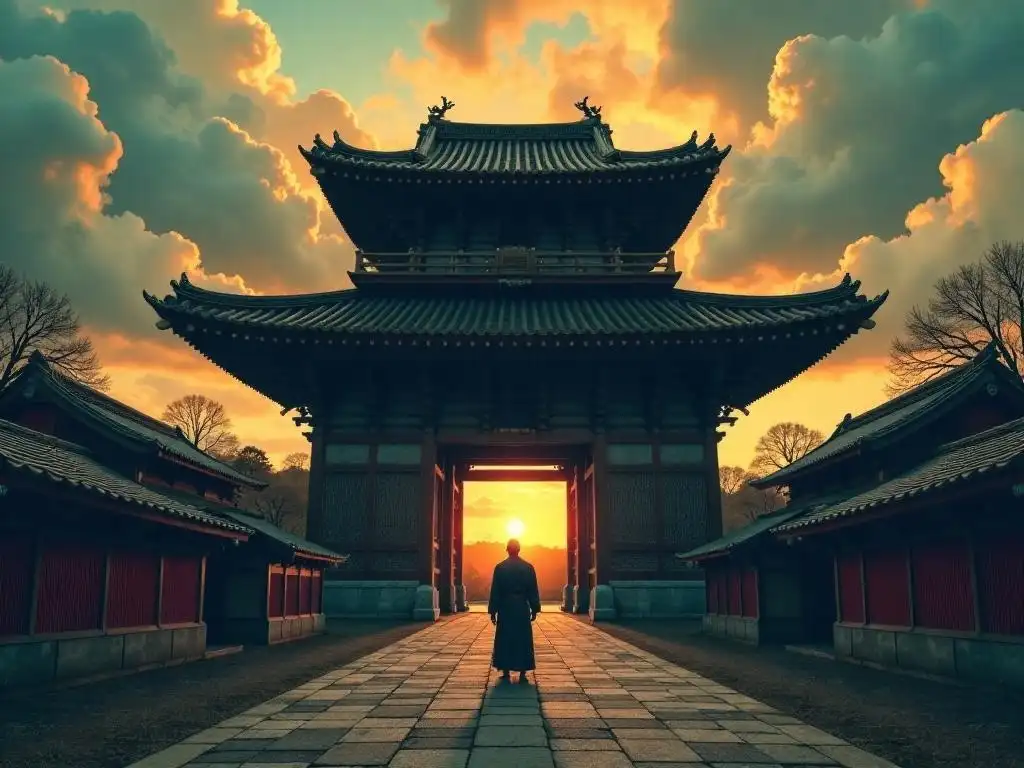
The decline of Buddhism's influence during the late feudal period in Japan marks a significant turning point in the cultural and spiritual landscape of the nation. As the country transitioned from a feudal society to a more centralized government, the role of Buddhism began to wane, leading to the rise of other ideologies and practices that would shape modern Japan.
Factors Leading to the Decline of Buddhist Practices
Several factors contributed to the decline of Buddhist practices during this period. Among them were political changes, social upheaval, and the emergence of alternative religious philosophies.
- Political Centralization:
- The unification of Japan under the Tokugawa shogunate in the early 17th century led to the establishment of a more centralized and bureaucratic government. This new regime sought to consolidate power and reduce the influence of religious institutions, including Buddhism.
- The shogunate implemented policies that regulated Buddhist temples, often converting them into state-controlled entities that served the interests of the government rather than the spiritual needs of the populace.
- Economic Shifts:
- As commerce expanded and urbanization increased, the economic model of feudal Japan began to change. Wealth became concentrated in merchant classes, who often prioritized Shinto practices and Confucian ideals over Buddhist traditions.
- The decline in the agrarian economy led to reduced patronage for monastic institutions, which had historically relied on land and agricultural revenues.
- Internal Conflicts:
- The rise of new religious movements, such as the Nichiren sect, introduced competition within Buddhism itself. These movements often promoted more nationalistic and populist ideologies, which appealed to the common people but also splintered the Buddhist community.
- Additionally, the tumultuous Sengoku period (1467-1615) saw conflicts between Buddhist sects, which weakened their collective influence and authority.
The Rise of Nationalism and Its Impact on Buddhism
The emergence of nationalism in the late feudal period significantly affected Buddhism's standing in society. As Japan began to forge a national identity, there was a growing emphasis on native Shinto beliefs, which were seen as more integral to the Japanese cultural identity.
- Shinto Revival:
- The revival of Shintoism, particularly during the Edo period (1603-1868), positioned it as a state religion that promoted loyalty to the emperor and national unity. This shift marginalized Buddhism, which was often viewed as a foreign influence.
- Cultural Identity:
- The promotion of a unique Japanese cultural identity led to a re-evaluation of historical narratives. Many elite scholars and politicians began to present Shinto as the original and pure expression of Japanese spirituality, further diminishing Buddhism's role in the national narrative.
- Anti-Buddhist Sentiments:
- The rise of nationalist ideologies also fueled anti-Buddhist sentiments. Some factions associated Buddhism with foreignness and viewed it as incompatible with the burgeoning sense of Japanese nationalism.
Legacy of Buddhism in Post-Feudal Japan
Despite its decline during the late feudal period, Buddhism left an indelible mark on Japanese culture and society, influencing various aspects that persisted into the modern era.
- Cultural Influences:
- The arts, literature, and philosophy of Japan retained significant Buddhist themes even after its institutional decline. This is evident in traditional practices such as Zen gardens, tea ceremonies, and ink painting, which all reflect Buddhist aesthetics and philosophies.
- Syncretism:
- The blending of Shinto and Buddhist practices continued to shape religious life in Japan. Many Japanese still participate in rituals that incorporate both traditions, demonstrating the enduring legacy of Buddhism in the spiritual practices of the people.
- Modern Revival:
- The late 19th and early 20th centuries witnessed a revival of interest in Buddhism, as scholars and practitioners sought to reclaim and reinvigorate its teachings. This resurgence laid the groundwork for contemporary Buddhist practices in Japan, ensuring that its influence remains a part of Japan's cultural fabric.
While the decline of Buddhism's influence in late feudal Japan was marked by numerous socio-political changes and the rise of nationalism, its legacy continues to resonate in modern Japanese culture and society. The intricate interplay between Buddhism and other cultural elements has created a unique tapestry that reflects the complexities of Japan's historical journey.
Conclusion: The Enduring Legacy of Buddhism in Japanese Culture

Buddhism's influence on feudal Japan represents a profound and lasting impact that has shaped various facets of Japanese society, culture, and spirituality. From its introduction in the mid-6th century through the Nara and Heian periods, Buddhism intertwined with indigenous Shinto beliefs, creating a unique spiritual landscape that influenced art, architecture, literature, and daily life.
As the feudal era progressed, Buddhism became integral to the samurai class, providing ethical frameworks and spiritual guidance. The establishment of Zen Buddhism, in particular, resonated with the warrior ethos, emphasizing discipline, meditation, and the pursuit of enlightenment. This syncretism of Buddhist and samurai values fostered a culture that revered both martial prowess and spiritual depth.
The legacy of Buddhism extends beyond religious practice; it permeated cultural expressions in Japan. Architectural marvels such as the Todai-ji temple and the Great Buddha of Nara exemplify the grandeur of Buddhist influence. Paintings, sculptures, and literature from the feudal period reflect Buddhist themes, illustrating the religion's role in shaping Japanese identity.
The enduring legacy of Buddhism in Japanese culture is a testament to its profound influence during the feudal era. It transformed not only the spiritual framework of society but also its artistic and cultural expressions, creating a rich tapestry that continues to resonate in modern Japan.
Summary of Buddhism's Influence on Feudal Japan
Buddhism significantly influenced various aspects of feudal Japan, manifesting in distinct ways across different periods:
- Religious Integration:
- The introduction of Buddhism led to a complex relationship with Shinto, resulting in syncretic practices.
- Temples and shrines often coexisted, creating a unique spiritual environment.
- Cultural Developments:
- Artworks, including paintings, sculptures, and ceramics, often depicted Buddhist themes.
- The aesthetic principles of Buddhism influenced the development of Japanese gardens and architecture, promoting tranquility and meditation.
- Literature and Philosophy:
- Buddhist texts and philosophies were integrated into samurai literature, shaping ethical codes and worldviews.
- Works such as "The Tale of Genji" reflect Buddhist ideals alongside courtly life.
- Social Structure:
- The samurai class adopted Zen Buddhism, aligning their martial discipline with the spiritual practices of meditation and mindfulness.
- Political Influence:
- Buddhist institutions gained political power, often acting as mediators in feudal disputes. This intertwining of religion and governance shaped the political landscape of the era.
Buddhism's pervasive influence during the feudal period not only fostered a rich cultural exchange but also set the foundation for Japan's religious and cultural identity.
Reflections on Cultural Exchanges and Their Lasting Impact
The cultural exchanges between Buddhism and indigenous Japanese practices during the feudal era have had lasting effects that can still be observed today. These exchanges were characterized by:
- Adaptation and Synthesis:
- Buddhism adapted to the existing cultural milieu, leading to unique expressions of faith that honored both foreign and indigenous traditions.
- The resultant syncretism created a dynamic spiritual landscape that continues to influence contemporary practices.
- Artistic Flourishing:
- The fusion of Buddhist themes with local art forms led to a distinctive Japanese aesthetic, evident in modern art, literature, and architecture.
- This artistic legacy underscores the ongoing relevance of feudal exchanges in shaping Japan's cultural identity.
- Philosophical Underpinnings:
- The philosophical dialogues initiated by Buddhism continue to inform Japanese thought, emphasizing harmony, balance, and the interconnection of all life.
- Modern spiritual movements in Japan often draw from the rich heritage established during the feudal period.
- Global Influence:
- The cultural exchanges of feudal Japan have resonated globally, influencing Western perceptions of spirituality, art, and philosophy.
- The global spread of Zen and other Buddhist practices reflects the lasting impact of these early cultural interactions.
The cultural exchanges rooted in Buddhism's influence on feudal Japan have left an indelible mark on the nation’s identity, continuing to shape its cultural, spiritual, and artistic landscapes to this day.
References and Further Reading on Buddhism Influence on Feudal Japan
Key Texts and Resources for In-Depth Study
To gain a thorough understanding of the Buddhism influence on feudal Japan, several key texts and resources are invaluable. These works offer a blend of historical analysis, cultural insights, and interpretations of the impact Buddhism had during this transformative period.
-
"The Tale of Genji" by Murasaki Shikibu
This classic work of Japanese literature not only provides a narrative of court life but also reflects the spiritual and philosophical undercurrents of Buddhism during the Heian period.
-
"Zen Mind, Beginner’s Mind" by Shunryu Suzuki
This text presents the principles of Zen Buddhism and its profound influence on Japanese culture, art, and philosophy, especially during the Kamakura period.
-
"Buddhism in Japan" by Richard D. K. H. Jansen
A comprehensive overview that examines the various schools of Japanese Buddhism and their roles within the feudal society, providing context to their socio-political influence.
-
"The Lotus Sutra"
One of the most significant texts in Mahayana Buddhism, it has played a pivotal role in shaping Japanese Buddhist thought and practice, influencing various sects that arose during the feudal era.
-
"A History of Japanese Buddhism" by Kenneth K. Tanaka
This book details the evolution of Buddhism in Japan, covering its introduction, development, and the interplay with local traditions throughout the feudal period.
Recommended Literature on Japanese Cultural Exchanges
Understanding the cultural exchanges that shaped feudal Japan through Buddhism requires exploring literature that addresses both the specifics of these interactions and the broader implications on Japanese society.
-
"Japan and the Culture of the Four Seasons" by John T. Carpenter
This book explores the aesthetic principles derived from Buddhist philosophy, emphasizing how they influenced various forms of art, literature, and cultural practices in Japan.
-
"Feudal Japan: The History of a Civilization" by William D. McCloy
A detailed examination of Japan's feudal society, this resource highlights the role of Buddhism in the social hierarchy, governance, and cultural identity.
-
"The Art of Japanese Zen" by Stephen Addiss
This work focuses on the intersection of Buddhism and the arts in Japan, illustrating how Zen principles shaped artistic expression during the feudal era.
-
"Cultural Exchanges: Japan, China, and the West" by Kazuhiro Yoshida
This text discusses the exchanges between Japan, China, and the West, especially how Buddhist practices and philosophies influenced Japanese culture and vice versa.
-
"Japanese Buddhism: A Cultural History" by Ian Reader
This comprehensive study provides insights into the historical developments of Buddhism in Japan and its cultural implications, especially during the feudal period.
By delving into these texts and resources, readers can gain a profound understanding of how Buddhism shaped the cultural landscape of feudal Japan, influencing not just spiritual practices but also art, literature, and social structures.
Frequently Asked Questions
What role did Buddhism play in the cultural development of feudal Japan?
Buddhism greatly influenced the cultural landscape of feudal Japan by introducing art, philosophy, and ritual practices that shaped societal values and aesthetics.
Buddhism contributed to the social hierarchy in feudal Japan by establishing temples and monasteries that became centers of education and power, influencing various classes.
In what ways did Buddhist teachings impact samurai ethics?
The ethical principles of Buddhism, such as compassion and self-discipline, profoundly influenced the samurai code, promoting values that balanced warrior duty with moral conduct.
What is the significance of Zen Buddhism in the arts of feudal Japan?
Zen Buddhism had a significant impact on the arts, inspiring unique forms such as tea ceremonies, landscape painting, and garden design, emphasizing simplicity and spirituality.
How did interactions between Buddhism and Shinto shape Japanese identity?
The interplay between Buddhism and Shinto created a unique religious identity in Japan, leading to a synthesis that enriched cultural practices and fostered a sense of national unity.
Final Reflection: The Enduring Influence of Buddhism on Feudal Japan
Buddhism's impact on feudal Japan is not just a historical footnote; it is a profound testament to how spiritual beliefs can shape societal structures and cultural expressions. Today, as we navigate a world increasingly defined by globalization and cultural exchange, the lessons from Buddhism's integration into Japanese life resonate more than ever. The principles of mindfulness, compassion, and interconnectedness that Buddhism espoused have become essential in addressing contemporary issues such as mental health and community cohesion.
Cultural landscapes are not static; they evolve and adapt, often reflecting the spiritual and philosophical undercurrents of their time. The enduring legacy of Buddhism in Japan is evident in its art, architecture, and social practices, which continue to inspire and influence modern Japanese society. As the poet Matsuo Bashō once said, “Every day is a journey, and the journey itself is home.” This sentiment encapsulates the ongoing journey of cultural evolution, where the teachings of Buddhism remain a guiding light for many, fostering a sense of peace and purpose in an ever-changing world.
As you reflect on the profound influence of Buddhism on feudal Japan, consider how these teachings can inform your own life. Embrace the principles of mindfulness and compassion in your daily interactions, and recognize the interconnectedness of all beings. By doing so, you not only honor the rich cultural heritage of Japan but also contribute to a more harmonious and understanding world. Let the lessons of the past inspire your actions today, as we all navigate our unique journeys through life.
Embrace the Wisdom of Buddhism – Take Action Today!
Thank you for exploring how Buddhism has profoundly influenced the cultural landscape of Feudal Japan! Your interest in this fascinating intersection of spirituality and society reveals a desire to deepen your understanding and connection to history. Now, it’s time to take the next step and bring that knowledge to life!
- Dive Deeper: Visit your local library or explore online resources to discover a variety of books and documentaries that delve into Buddhism's significant role in Japanese history. Engaging with these materials can greatly enrich your perspective.
- Join the Conversation: Share your insights with friends or engage in discussions on social media. Posting a reflection or an interesting fact from this article can spark meaningful dialogue and raise awareness about Buddhism’s impact.
- Explore Your Inner Zen: Incorporate mindfulness practices inspired by Buddhist teachings into your routine. By adding meditation or other mindful activities to your daily life, you can personally experience the profound philosophical depth of this culture.
How can the principles of Buddhism inspire your daily life and decision-making?